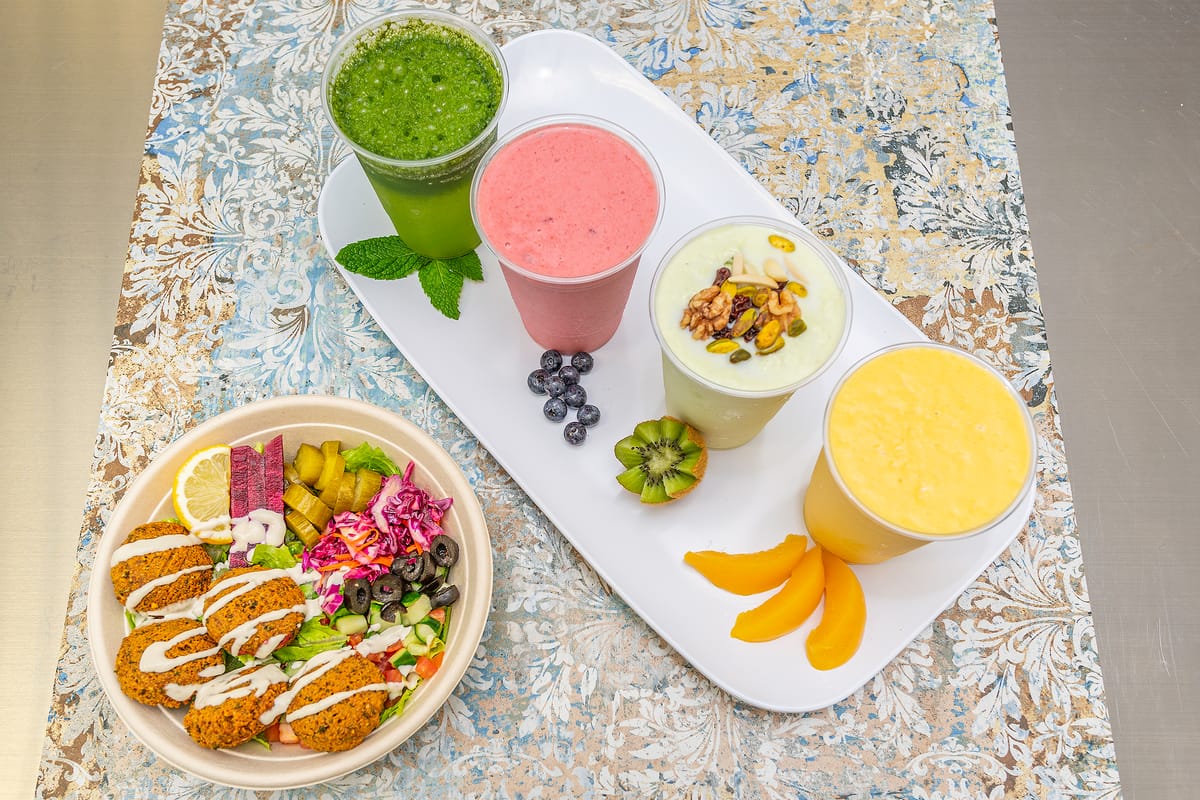
Harissa: The Complete Guide to North Africa's Chili Paste
Roasted chilies, cumin, coriander, garlic, and olive oil -- this is the sauce that runs through North African kitchens the way soy sauce runs through Japanese ones. Here is everything you need to know about harissa, from the Tunisian original to rose harissa to how it stacks up against sriracha.
4.8 stars on Yelp (92 reviews) -- Open 11:00 AM - 12:00 AM
What Is Harissa and Where Does It Come From?
A quick grounding before we go deeper -- visit our full primer for the complete origin story.
Harissa is a thick, oil-based chili paste that originated in Tunisia and spread across North Africa into Moroccan, Libyan, and Algerian kitchens. At its simplest, it is dried red chilies blended with fresh garlic, ground cumin, ground coriander, caraway seeds, and enough olive oil to bring everything together into a paste that can be spooned, spread, stirred, or used as a marinade. The word comes from the Arabic root meaning "to pound," which describes the original preparation method of crushing dried chilies and spices in a stone mortar.
Unlike vinegar-based hot sauces from the Americas, harissa is fat-based. The olive oil carries the fat-soluble capsaicin from the chilies and the fat-soluble aromatic compounds from the cumin and coriander, concentrating them all in the oil phase. When harissa hits a hot pan, those compounds bloom and deepen. When it is stirred into a cold dip, the oil suspends the flavor evenly through the base. This oil-carrying mechanism is why harissa behaves so differently from Tabasco or sriracha in cooking -- it does not just add heat, it adds body and fat and a rounded depth that vinegar sauces cannot replicate.
For a deeper look at history, origin, and the cultural role harissa plays across North Africa, see our dedicated what is harissa guide. This page focuses on how to use it, how it compares to other hot sauces, and how it connects to the food at Taza Shawarma & Falafel.
A Deeper Look at Harissa Varieties
Rose harissa, green harissa, Tunisian, Moroccan, Libyan -- same name, very different pastes.
Tunisian Harissa: The Original
Tunisia is where harissa was born, and Tunisian harissa is the hottest and most stripped-down version. The recipe is dried red Baklouti chilies, garlic, cumin, coriander, caraway, olive oil, and salt. Nothing else. The paste is deeply red, almost brick-colored, with a heat that builds on the tongue rather than slapping it. Every Tunisian household has a jar in the refrigerator. It goes on couscous, into soups, onto sandwiches called fricassee, and alongside eggs at breakfast. UNESCO added it to its Intangible Cultural Heritage list in 2022, recognizing harissa as a central element of Tunisian identity.
Moroccan Harissa: Milder and Sweeter
Moroccan harissa dials back the heat by incorporating roasted red bell peppers alongside the hot chilies. The bell peppers add body, a touch of natural sweetness, and a more jammy consistency than the Tunisian version. Some Moroccan recipes include preserved lemon, which adds a fermented citrus dimension. Others fold in sun- dried tomatoes for even more sweetness and depth. The result is a sauce better suited to applications where you want chili flavor without the heat clearing the room -- salad dressings, yogurt dips, and mild vegetable tagines all benefit from Moroccan harissa.
Libyan Harissa: Sharp and Concentrated
Libyan harissa tends toward a more concentrated, sharper paste with a heavier garlic presence. The ratio of chilies to aromatics skews more toward the chilies themselves, and dried mint sometimes appears in the recipe, a trait rare in Tunisian and Moroccan versions. Libyan harissa is typically thicker and darker, and is used more as a condiment spooned directly onto grilled meats and flatbreads rather than stirred into sauces. The garlic intensity in Libyan harissa is the closest of the three regional styles to what you would find in a toum-harissa hybrid.
Rose Harissa: Fragrant and Nuanced
Rose harissa is a Tunisian specialty that adds dried rose petals or rose water to the standard paste. The rose addition does not make harissa taste like perfume. Instead, it adds a subtle floral note in the aroma and a whisper of softness to the heat. The result is a sauce that smells more complex than it tastes and pairs particularly well with lamb, chicken thighs, labneh, and egg dishes. Rose harissa is the version most likely to surprise guests who expect standard hot sauce, and it is the version most chefs reach for when they want harissa's heat without harissa dominating the dish.
Green Harissa: A Modern Variation
Green harissa replaces red chilies with green chilies -- typically jalapeños, serrano peppers, or green Anaheim peppers -- and adds fresh herbs like cilantro and parsley to the base. The result is a brighter, fresher sauce closer in character to a North African chimichurri or salsa verde than to traditional red harissa. Green harissa is milder, more herbaceous, and more acidic. It works best with fish, shellfish, roasted cauliflower, and grain bowls where standard red harissa would overwhelm the primary ingredient.
Harissa Is Not Just Heat -- It Is a Spice System
Cumin, coriander, caraway, and chili work together the way a chord works in music. Remove one note and the whole thing changes.
10 Ways to Use Harissa in Your Kitchen
From weeknight pasta to Sunday roasts -- harissa belongs in more places than you think.
As a Protein Marinade
Combine two tablespoons of harissa with olive oil, lemon juice, and minced garlic to create a marinade for chicken thighs, lamb shoulder, or flank steak. Let the protein sit for at least two hours -- overnight is better. The capsaicin and spice compounds penetrate the meat fibers and the oil carries the aromatics deep. Grill, roast, or pan-sear. The harissa forms a caramelized crust on the outside while the interior stays moist.
Stirred Into Soups and Stews
A teaspoon of harissa stirred into a lentil soup, chickpea stew, or tomato-based tagine transforms the dish from ordinary to complex. Add it early if you want the spice to mellow and integrate. Add it at the end if you want the heat to remain sharp and present. Harissa works particularly well with legume-based soups because the starchy body of the beans softens the heat while carrying the cumin and coriander throughout the broth.
On Eggs -- Shakshuka and Beyond
Harissa is a fundamental ingredient in shakshuka -- eggs poached in a spiced tomato sauce. Stir one to two tablespoons into the tomato base before adding the eggs. The heat level becomes approachable once diluted by the tomatoes and mellowed by the cooking time. Beyond shakshuka, smear harissa onto fried eggs, add a drop to soft-boiled eggs, or fold it into scrambled eggs for a weekday breakfast that needs no table hot sauce.
Tossed Into Pasta
Harissa pasta is one of the fastest ways to use a jar. Cook rigatoni or penne, reserve a cup of starchy pasta water, drain, and toss immediately with harissa, olive oil, and pasta water until a glossy sauce forms. The starch in the water emulsifies the oil and distributes the harissa evenly. Finish with fresh parsley and a squeeze of lemon. For a more substantial version, add halved cherry tomatoes and canned chickpeas cooked down until the tomatoes collapse into the sauce.
Mixed Into Hummus
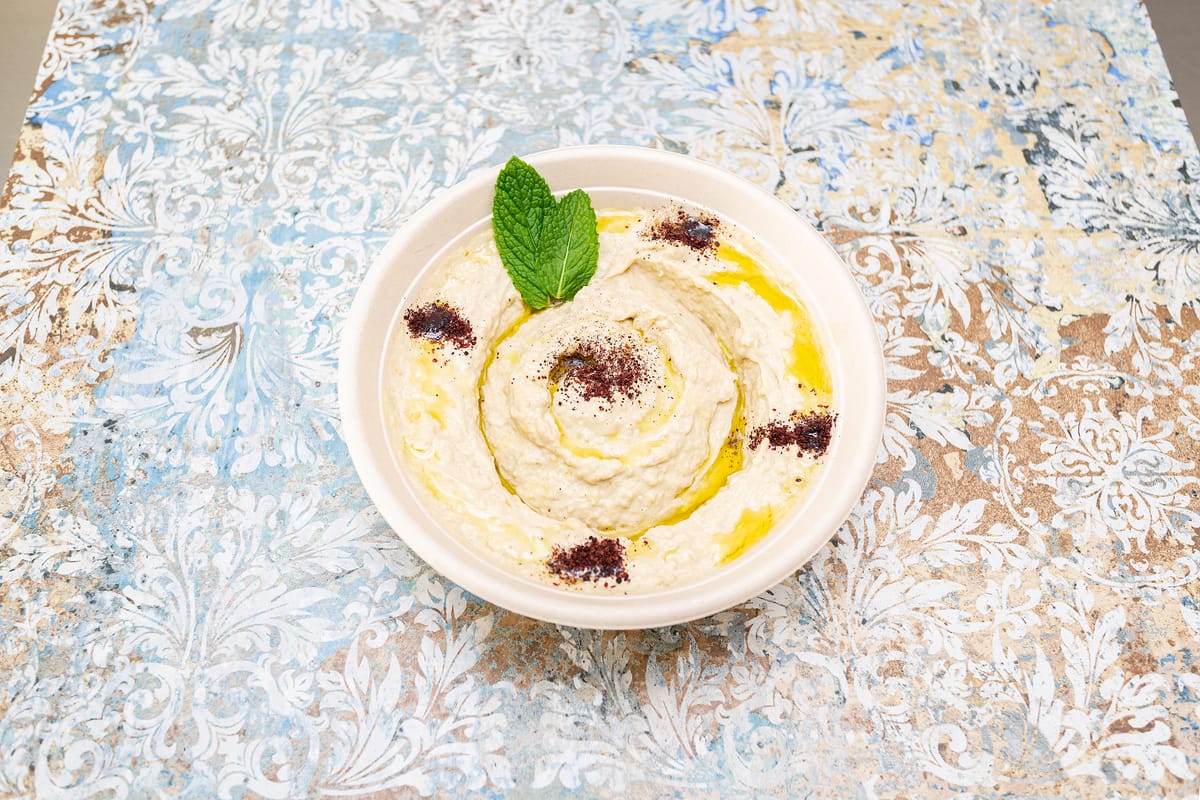
Swirl harissa directly into hummus for a quick variation that skips the need to layer toppings. Fold one tablespoon of harissa into a cup of hummus until the paste creates red-orange swirls without fully incorporating. The visual contrast is as appealing as the flavor contrast -- the heat and spice of the harissa cutting through the neutral creaminess of the chickpeas and tahini. Drizzle with extra olive oil and serve with warm pita.
As a Salad Dressing Base
Whisk harissa with lemon juice, olive oil, a touch of honey, and a pinch of cumin for a dressing that works on grain salads, roasted vegetable platters, or sturdy greens like kale and frisee. The oil in the harissa helps carry the dressing and the capsaicin adds a warming quality that makes dressed salads feel more substantial. This dressing works cold from the refrigerator or at room temperature -- it does not need emulsification because the harissa paste itself acts as a binder.
As a Pizza or Flatbread Base
Spread harissa instead of tomato sauce as the base for flatbread pizza. Use rose harissa or Moroccan harissa if you want a milder base, Tunisian harissa if you want heat upfront. Top with roasted vegetables, feta cheese, and fresh herbs for a North African-inflected flatbread. The harissa's oil content helps it crisp and caramelize at the edges during baking, creating a charred-spice crust that standard tomato sauce cannot produce.
With Roasted Vegetables
Toss root vegetables, cauliflower, or winter squash with harissa and olive oil before roasting at high heat. The capsaicin in harissa becomes less sharp when it caramelizes, shifting from aggressive heat to a warm, smoky sweetness. Harissa-roasted carrots with honey and fresh mint is a North African side dish that appears on menus across the Mediterranean world. The heat, the sweetness, and the herbal freshness create a balance that plain olive oil roasting never reaches.
As a Sandwich Spread
Harissa replaces mustard or sriracha mayo as a sandwich spread with much more flavor complexity. Combine harissa with a spoonful of Greek yogurt or labneh to dial back the heat and create a creamy, spreadable consistency. Apply to chicken sandwiches, lamb burgers, falafel wraps, or grilled vegetable sandwiches. The yogurt's lactic acid tempers the chili heat while the fat in the yogurt carries the spice compounds across the palate.
As a Pure Dipping Sauce
Thin harissa with a splash of olive oil and a squeeze of lemon to make a pure dipping sauce for bread. A small ramekin of this alongside warm pita or shrak flatbread is how harissa is served in North African restaurants and homes -- no embellishment, no dilution, just the paste, oil, and citrus making the case for themselves. The oil loosens the paste enough to scoop cleanly, the lemon brightens it, and the heat does the rest.
Harissa vs Sriracha vs Sambal vs Gochujang
Eight categories that explain why these four sauces are not interchangeable.
| Category | Harissa | Sriracha / Sambal / Gochujang |
|---|---|---|
| Geographic Origin | Tunisia, North Africa -- spread through Morocco, Libya, Algeria | Sriracha: Thailand / Vietnamese-American; Sambal: Indonesia & Malaysia; Gochujang: Korea |
| Primary Heat Source | Roasted red chilies, often Baklouti or guajillo varieties | Sriracha: jalapeño or red serrano; Sambal: bird's eye chili; Gochujang: gochugaru pepper |
| Heat Level (Scoville Range) | 1,000 -- 15,000 SHU depending on chili variety and preparation | Sriracha: 1,000 -- 2,200 SHU; Sambal: 100 -- 100,000+ SHU; Gochujang: 1,000 -- 10,000 SHU |
| Dominant Flavor Notes | Smoky, earthy, cumin-forward with warm spice depth and roasted pepper sweetness | Sriracha: tangy, garlicky, bright; Sambal: fruity, fresh, sharp; Gochujang: sweet, fermented, complex |
| Consistency / Texture | Thick paste or dense sauce -- chunky with visible spice particles | Sriracha: smooth pourable sauce; Sambal: chunky relish; Gochujang: thick paste |
| Key Aromatic Spices | Cumin, coriander, caraway, garlic, olive oil -- no sweet spices | Sriracha: garlic + vinegar; Sambal: lemongrass + shallot; Gochujang: rice + fermented soybean |
| Sugar Content | Little to none in traditional recipes -- heat is dry and savory | Sriracha: high -- sugar in top 3 ingredients; Sambal varies; Gochujang: high -- rice starch ferments to sweet |
| Typical Uses | Marinades, tagines, couscous, eggs, pasta, flatbread, dipping sauces | Sriracha: condiment on everything; Sambal: noodles, rice, seafood; Gochujang: stews, bibimbap, glazes |
| Shelf Life (Opened, Refrigerated) | 1 -- 3 months for paste; oil-packed varieties last longer | Sriracha: 1 -- 2 years; Sambal: 6 -- 12 months; Gochujang: 1+ year due to fermentation |
| Mediterranean Menu Compatibility | Native -- designed for kebabs, flatbreads, grain bowls, and dips | Limited -- these sauces were engineered for their own regional cuisines |
Heat levels vary by brand and batch. Values reflect typical commercial preparations.
Fat-Based Heat Changes Everything
Harissa's olive oil base carries flavor compounds differently than vinegar-based hot sauces. That difference is why it cooks and coats unlike anything from a plastic bottle.
Health Benefits of Harissa
A condiment with a meaningful nutritional profile, not just heat.
Capsaicin and Metabolism
Capsaicin, the compound responsible for chili heat, has been studied for its temporary effect on metabolic rate. Research published in journals including the American Journal of Clinical Nutrition and Nutrients shows that capsaicin activates thermogenic processes in brown adipose tissue, increasing calorie expenditure for a short period after consumption. The effect is modest -- typically 50 to 100 additional calories over several hours -- but consistent across multiple studies. Harissa delivers capsaicin in a fat-soluble form that may improve bioavailability compared to capsaicin in water-based hot sauces.
Vitamin C from Red Peppers
Red chili peppers and roasted red bell peppers are among the most concentrated sources of vitamin C in the vegetable world. A single tablespoon of harissa made with fresh red chilies can contain 10 to 20 percent of the recommended daily intake of vitamin C. Red peppers contain roughly three times more vitamin C per gram than an orange. Vitamin C is an essential antioxidant, supports immune function, and plays a key role in collagen synthesis. Heat during roasting degrades some vitamin C, but enough remains in prepared harissa to make a meaningful contribution.
Garlic and Anti-Inflammatory Properties
Garlic is a core ingredient in every harissa recipe, and raw or lightly cooked garlic contains allicin -- a sulfur compound with documented anti-inflammatory and antimicrobial activity. Population studies consistently show an inverse relationship between garlic consumption and markers of systemic inflammation, including C-reactive protein and interleukin-6. In harissa, the garlic is typically used raw or briefly cooked, which preserves more allicin than long-cooked preparations. The cumin and coriander in the spice blend also contain anti-inflammatory polyphenols and terpenoids.
Antioxidants from Spices
The spice blend in harissa -- cumin, coriander, caraway -- delivers a concentrated dose of polyphenols and terpenoids that act as antioxidants in the body. Cumin in particular contains apigenin and luteolin, flavonoids that have been studied for protective effects on cellular oxidation. Caraway contains carvone, a terpenoid with antispasmodic and antimicrobial properties used in traditional medicine across North Africa. A tablespoon of harissa delivers these spice compounds at a higher concentration than most other condiments because the spices form the structural backbone of the paste rather than appearing as afterthought flavorings.
Olive Oil Polyphenols
Traditional harissa made with extra-virgin olive oil inherits the polyphenol content of that oil. Extra-virgin olive oil contains oleocanthal, a compound that inhibits the same enzyme as ibuprofen at sufficiently high doses, and hydroxytyrosol, one of the most powerful natural antioxidants identified. The Mediterranean diet's association with reduced cardiovascular risk is attributed in significant part to regular olive oil consumption. Harissa delivers olive oil in a concentrated, flavor-forward form that makes including it in your diet a pleasure rather than a supplement.
No Sugar, No Vinegar
Unlike sriracha, which lists sugar as one of its top three ingredients, or Tabasco and Frank's, which rely on vinegar as the primary carrier, traditional harissa contains no added sugar and no vinegar. This makes harissa compatible with low-sugar eating patterns, blood sugar management strategies, and diets that minimize high-glycemic condiments. The absence of vinegar also makes it gentler on acid-sensitive stomachs. For people managing their sugar intake who still want heat and flavor in their food, harissa is one of the few hot condiments that delivers both without a glycemic cost.
Making Harissa at Home vs Store-Bought
Both have a place. Here is how to choose and what to look for.
Homemade harissa is meaningfully better than most commercial versions for one reason: you control the chili. Store-bought harissa is constrained by shelf life, cost, and the need to appeal to a broad audience, which typically means it is milder, sweeter, and more neutral than what you can make at home. To make your own, soak dried guajillo, ancho, or New Mexico red chilies in hot water for 30 minutes. Toast whole cumin, coriander, and caraway seeds in a dry skillet until fragrant, then grind them. Blend the soaked chilies, ground spices, fresh garlic cloves, and enough olive oil to achieve a thick paste. Season with salt and lemon juice. That is the whole process. It takes about 45 minutes and yields a paste that tastes nothing like anything in a jar.
When buying store-bought harissa, the ingredient list tells you everything. Good harissa lists peppers or chili first, followed by garlic, olive oil, and spices. Avoid jars where tomato paste, sugar, or modified food starch appear in the first three ingredients -- those are signs the manufacturer is diluting or sweetening to reduce heat and cost. Tube harissa from Tunisian brands like DEA or Cap Bon tends to be more authentic than European or American supermarket jarred versions. Rose harissa from Belazu is widely praised and genuinely closer to restaurant quality than most. For everyday cooking, jarred harissa works fine stirred into soups and sauces. For recipes where harissa is the star -- marinades, flatbread bases, dipping sauces -- making your own pays dividends.
Store your harissa, homemade or commercial, under a thin layer of olive oil in a sealed glass jar in the refrigerator. The oil prevents oxidation, which is what turns harissa from vibrant red to brown and from bright-flavored to flat. Stir before using -- the oil separates to the top and needs to be redistributed. Good harissa should smell deeply of roasted peppers, cumin, and garlic. If it smells primarily of vinegar, it is not traditional harissa. If it has no smell at all, it has been stored too long.
How Chefs Use Harissa Differently Than Home Cooks
Professional kitchens use harissa as a building block, not a condiment add-on.
In a home kitchen, harissa typically lands at the table as a condiment -- something you add to finished food when you want more heat. In a restaurant kitchen with Mediterranean or North African roots, harissa enters the process much earlier. It goes into the marinade, not just onto the plate. It blooms in the pan with the aromatics before the protein is added. It gets incorporated into sauces as a flavor base rather than as a last-minute addition. This distinction matters because cooking harissa -- even briefly -- transforms its flavor profile. Raw harissa is sharp and aggressive. Cooked harissa mellows, deepens, and develops a rounded warmth that raw harissa cannot produce.
Mediterranean restaurants that handle harissa well often blend it into their marinade systems for lamb and chicken. The oil in harissa acts as a fat-based carrier for the spice compounds, which penetrate protein fibers during marination more effectively than water-based sauces. Chefs also use harissa to build compound butters, stir it into aioli or yogurt-based dressings, and fold it into hummus for spiced variations. At the Levantine end of the Mediterranean culinary range, harissa appears alongside dishes from North Africa -- couscous, tagine, merguez -- while at the more Levantine end, chili heat tends to come from dried chili flakes and fresh chilies in the marinade rather than harissa as a finished paste. The dividing line between these traditions is fluid, and chefs blend them freely.
The other difference between restaurant and home use is quantity control. Home cooks often apply harissa generously because the jar is right there. Restaurant kitchens measure harissa into marinades and sauces by the teaspoon because the goal is a background note of warmth and spice complexity, not capsaicin overload. Most diners cannot identify harissa by name in a dish -- they taste a depth of flavor and a gentle heat that makes the food more interesting, and they attribute it to technique rather than a single ingredient. That is the goal: harissa working invisibly as part of a larger flavor architecture, not performing its heat for its own sake.
Harissa vs Tabasco vs Frank's Red Hot
Same broad category, completely different ingredients and culinary roles.
| Category | Harissa | Tabasco / Frank's Red Hot |
|---|---|---|
| Ingredient Profile | Chilies, roasted peppers, cumin, coriander, caraway, garlic, olive oil | Tabasco: aged tabasco peppers, vinegar, salt only; Frank's: cayenne, vinegar, water, garlic powder, salt |
| Heat Level | Medium -- heat varies by batch and chili type, typically 2,000 -- 8,000 SHU | Tabasco: 2,500 -- 5,000 SHU; Frank's: 450 SHU -- much milder than it appears |
| Flavor Complexity | Multi-layered -- spice blend creates smoky, earthy, sweet-savory depth | Tabasco: sharp, one-note vinegar heat; Frank's: mild cayenne with vinegar tang, butter-ready |
| Acidity | Low -- olive oil base, minimal vinegar, rounded finish | High -- both Tabasco and Frank's are vinegar-dominant hot sauces by design |
| Culinary Role | Ingredient and sauce -- works as marinade, stir-in, spread, and condiment | Condiment only -- designed to add heat at the table, not during cooking |
| Pairing with Mediterranean Food | Designed for this cuisine -- enhances shawarma, falafel, hummus, and grains naturally | Works as a heat-add, but adds vinegar tang and lacks the spice-complexity that Mediterranean food expects |
| Thickness | Paste to thick sauce -- coats proteins and holds to flatbread | Thin liquid -- runs off food without oil-based fat to help it cling |
These three sauces serve different roles and work best in their respective cuisines. Substituting one for another changes the dish fundamentally.
The Right Sauce Changes the Whole Meal
Harissa belongs on Mediterranean food the way soy sauce belongs on ramen. Regional sauces exist because regional food was built around them.
Harissa Flavors and Taza's Menu
How the North African chili-and-spice tradition shows up on our menu in Falls Church.
Chicken Shawarma
from $9.95
Our chicken shawarma uses a spice-forward marinade that draws on the same cumin, coriander, and chili combination that defines harissa. The slow roasting on the vertical spit caramelizes those spices into the outer layer of the meat, creating the charred edges that are the hallmark of good shawarma. Served in fresh pita with garlic sauce, pickled turnips, and tomatoes -- a natural canvas for anyone who loves harissa-adjacent heat profiles.
Learn about our chicken shawarmaFalafel Pita
from $8.95
Falafel is made from seasoned chickpeas with herbs and spices that include cumin and coriander -- the same aromatics that form harissa's backbone. The crispy exterior and herb-green interior of our falafel create a natural pairing with the heat and earthiness of harissa. Served in a fresh pita with tahini, pickles, and fresh vegetables, this is a fully plant-based meal that works with any heat level you prefer on the side.
See falafel topping ideasChicken Shawarma Bowl
from $12.45
Grain bowls are the format where harissa shows its best self. The spiced chicken over basmati rice with garlic sauce, pickled vegetables, and fresh herbs creates exactly the landscape of contrasting flavors that harissa is designed to enhance. A spoonful of harissa stirred into the bowl distributes heat through every bite while the rice absorbs the oil-based spice compounds and the garlic sauce tempers the heat.
About our shawarma bowlsHummus
$4.95
Our creamy hummus with tahini, olive oil, and lemon juice is the ideal backdrop for harissa. Drizzle harissa over the top of hummus and the contrast between the cool, neutral creaminess of the chickpea dip and the deep, spiced heat of the chili paste is exactly what makes this combination appear on menus from Tunis to London to New York. The tahini also shares sesame's ability to carry fat-soluble spice compounds and round their heat.
What is hummus?Falafel Bowl
from $10.45
The falafel bowl -- crispy falafel over rice or greens with tahini, Arabic salad, and vegetables -- is a fully plant-based meal built from ingredients that all have a natural affinity with harissa heat. Chickpeas absorb spice-oil combinations well. Tahini tempers chili heat. Fresh vegetables provide crunch and sweetness to contrast the warmth. The bowl format means every element is present in every bite rather than layered in a wrap, which distributes harissa's flavor more evenly. This is the bowl to order if you want to understand how North African spice meets Levantine cooking technique.
Harissa Questions Answered
Traditional harissa is a cooked or roasted chili paste made from dried red peppers, fresh garlic, olive oil, and a blend of ground spices that typically includes cumin, coriander, and caraway seeds. Some regional versions also include rose petals (rose harissa), preserved lemons, or tomato. The chilies are soaked to rehydrate, blended with the aromatics, and emulsified with olive oil into a thick, deep-red paste. There is no sugar, vinegar, or artificial preservatives in authentic recipes. Harissa is fundamentally a savory, smoky, spice-forward condiment rather than a sweet or acidic hot sauce.
It depends on the variety and batch. Harissa typically ranges from 1,000 to 15,000 Scoville units depending on which chilies are used. Sriracha runs between 1,000 and 2,200 SHU, so many harissa preparations are hotter. However, the experience of heat is different. Sriracha delivers a bright, immediate tongue-tip heat followed by vinegar sharpness. Harissa builds more slowly, with warmth spreading across the mouth and throat, layered under smoky and earthy flavors. Many people find harissa more complex and more satisfying at the same heat level because the spice blend gives the heat a context.
Tunisian harissa is the original and most straightforward: dried red chilies, garlic, cumin, coriander, caraway, olive oil, and salt. It is the hottest of the three regional styles and is used as a table condiment alongside almost every meal. Moroccan harissa is milder and often sweeter, using roasted red bell peppers alongside hot chilies to dilute heat and add body. It sometimes includes preserved lemon and tomato. Libyan harissa tends toward a sharper, more concentrated paste, heavier on the garlic and sometimes dried mint. All three are authentic, and all three taste distinctly different from each other despite sharing the same name.
Rose harissa is a Tunisian variation that incorporates dried rose petals into the base recipe. The roses add a subtle floral note and a slight sweetness that rounds the chili heat without making the sauce sweet in a dessert sense. It is the most nuanced of the harissa styles and pairs particularly well with lamb, chicken, labneh (strained yogurt), and egg dishes. You use rose harissa the same way you use standard harissa -- as a marinade, a stir-in, a spread, or a table condiment -- but it works especially well in preparations where you want heat that is fragrant rather than aggressive.
Yes, harissa in pasta is one of the simplest and most effective ways to use it. A tablespoon or two stirred into a tomato-based sauce adds depth and heat without making the pasta taste explicitly 'North African.' It works particularly well with penne, rigatoni, or orecchiette where the sauce clings inside the pasta tubes. For a quicker approach, cook pasta, reserve a cup of pasta water, toss the drained pasta with a spoonful of harissa, a glug of olive oil, and some of the starchy pasta water until glossy. Top with fresh parsley, a poached egg, or crumbled feta cheese.
Harissa has a solid nutritional profile compared to most condiments. The capsaicin from the chilies has been linked to temporary metabolic acceleration and appetite modulation. Red peppers are an excellent source of vitamin C, often exceeding orange juice per gram. The garlic provides allicin, a sulfur compound with documented anti-inflammatory and antimicrobial properties. Olive oil delivers monounsaturated fats and polyphenols with antioxidant effects. Unlike sriracha or most commercial hot sauces, harissa contains no sugar and no vinegar, making it compatible with low-sugar and low-acid diets. A typical serving of one to two teaspoons adds minimal calories while delivering concentrated flavor.
Store-bought harissa in a jar keeps in the refrigerator for two to three months after opening, as long as you keep it covered with a thin layer of olive oil. That layer of oil prevents oxidation and keeps the surface from drying out or developing surface mold. Oil-packed harissa in a can or tube lasts longer than jarred versions without oil because the oil acts as a preservative from the start. Homemade harissa should be consumed within three to four weeks. If the paste changes color from deep red to brown-gray, smells sour beyond normal fermented depth, or shows visible mold, discard it.
Taza Shawarma & Falafel at 5820 Seminary Rd Ste O, Falls Church, VA 22041 uses North African-inspired spice blends throughout our menu. Our shawarma marinades incorporate spice profiles related to harissa's chili-and-cumin tradition, and our house sauces bring that heat-and-depth combination to every bowl and wrap. Try our chicken shawarma pita (from $9.95), falafel pita (from $8.95), or our hummus ($4.95) paired with our spiced toppings. We're open 11:00 AM - 12:00 AM, Open 7 Days a Week. Call (703) 340-1014 or order online.
Find Taza in Falls Church, VA
Mediterranean and North African-inspired food made fresh daily at Seminary Road.
Address
5820 Seminary Rd Ste O, Falls Church, VA 22041
Hours
11:00 AM - 12:00 AM -- Open 7 Days a Week
Phone
More Guides on Mediterranean Ingredients and Sauces
Ready to Taste the Spice Tradition?
Come to Taza Shawarma & Falafel at 5820 Seminary Rd Ste O, Falls Church, VA 22041 and experience the cumin-and-chili tradition that North African and Mediterranean kitchens have refined over centuries. Open 11:00 AM - 12:00 AM, Open 7 Days a Week.