
What Is Cardamom? The Queen of Spices
From the misty hills of Guatemala to the spice markets of Beirut, cardamom is the most aromatic spice in the Mediterranean pantry. A practical guide to buying, storing, and cooking with the world's third most expensive spice.
4.8 stars on Yelp (92 reviews) -- Open 11:00 AM - 12:00 AM
What Is Cardamom?
An introduction to the spice that ancient traders called the Queen of Spices -- and why it remains central to Mediterranean cooking today.
Cardamom is a perennial plant in the ginger family (Zingiberaceae) that produces small, triangular seed pods packed with aromatic black seeds. There are two primary types: green cardamom (Elettaria cardamomum), which is the variety used almost exclusively in Mediterranean and Middle Eastern cooking, and black cardamom (Amomum subulatum), which is larger, smokier, and more common in South Asian and East Asian cuisines. When a recipe from Lebanon, Syria, Turkey, or the broader Arab world calls for cardamom, it means green cardamom unless explicitly stated otherwise.
Green cardamom pods are harvested by hand before they ripen fully -- if left on the plant too long, the pods split open and the volatile essential oils evaporate. The pods are then carefully dried to preserve their pale green color and concentrated fragrance. Inside each pod are 15 to 20 small, sticky black seeds that contain the majority of the spice's flavor compounds, including 1,8-cineole (the same compound found in eucalyptus), alpha-terpinyl acetate, and limonene. These compounds give cardamom its characteristic combination of sweetness, citrus, mint, and warm spice that is unlike anything else in the pantry.
Despite its association with the Middle East and South Asia, the largest producer of green cardamom today is Guatemala, which accounts for roughly 60% of the global supply. German coffee traders introduced cardamom cultivation to Guatemala in the early 1900s, and the country's tropical highland climate proved ideal for the crop. India, particularly the Cardamom Hills of Kerala, remains the second-largest producer and the original homeland of the plant. Smaller quantities come from Sri Lanka, Tanzania, Papua New Guinea, and Honduras.
At Taza Shawarma & Falafel in Falls Church, cardamom is one of the 12+ spices that go into our shawarma marinade. It contributes floral warmth to the spice blend that coats whole cuts of halal chicken and beef before they are slow-roasted on the vertical spit. You can also taste it in our aromatic basmati rice ($2.95) and in the spice notes of our bowls. Understanding cardamom is understanding a cornerstone of what makes Mediterranean food taste the way it does.
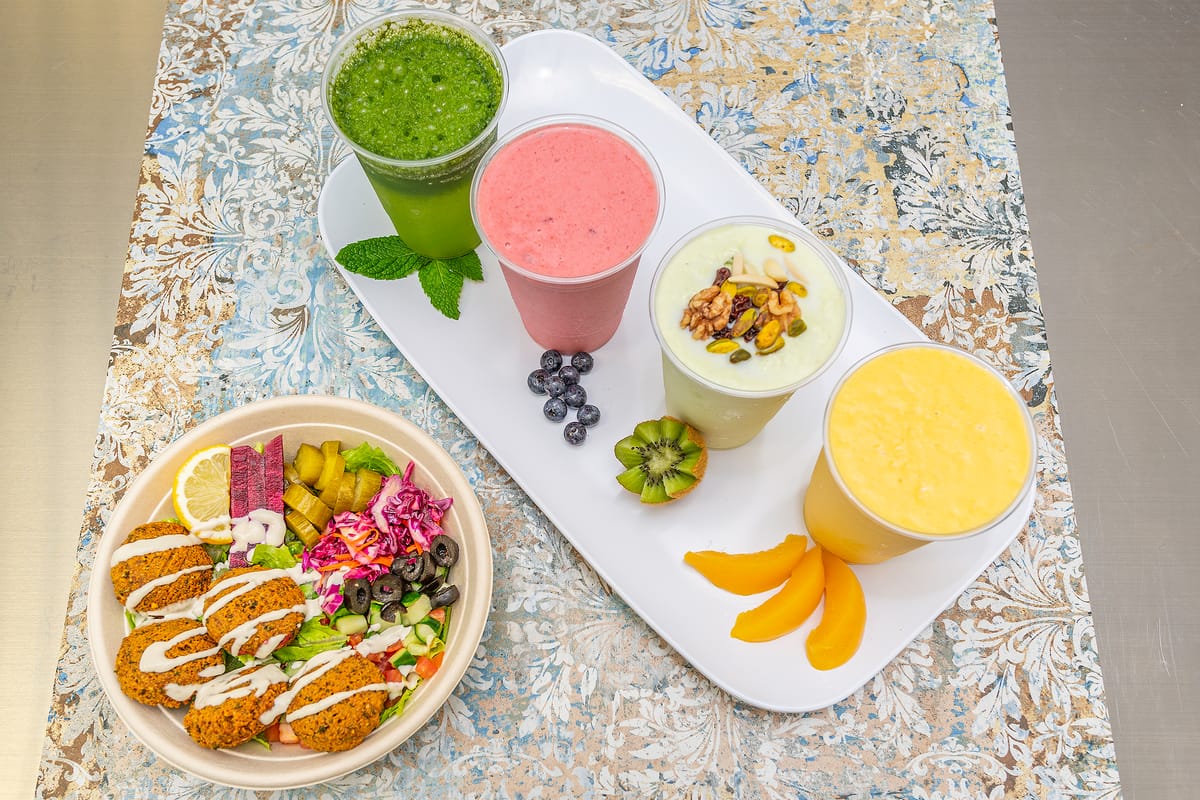
The Spice That Built Empires
Cardamom was so prized in the ancient world that it was traded alongside gold, silk, and precious stones along the spice routes connecting Asia, Arabia, and Europe.
The Ancient History of Cardamom
From Vedic medicine to Arab spice caravans, cardamom has been one of the most sought-after spices for over four thousand years.
The earliest written references to cardamom appear in ancient Sanskrit texts from around 2000 BCE, where it was described as a remedy for digestive ailments and urinary infections. Cardamom is native to the tropical forests of southern India's Western Ghats, specifically the region now known as the Cardamom Hills in Kerala. The ancient Sumerians and Babylonians traded for it, and ancient Egyptian records mention cardamom as an ingredient in perfumes and incense used in temple rituals. The Greeks and Romans imported cardamom through Arab intermediaries, who kept its true origin secret to maintain their monopoly on the trade.
Arab traders were the primary conduit for cardamom into the Mediterranean world. Caravans carried the spice from Indian ports across the Arabian Peninsula to the trading cities of the Levant -- Beirut, Damascus, Aleppo, and Alexandria. Along the way, Arab cooks integrated cardamom into their own culinary traditions, particularly in coffee. The practice of brewing cardamom with coffee (qahwa) became a defining element of Arab hospitality and remains so today. When guests arrive in a traditional Levantine or Gulf household, they are served cardamom-scented coffee as a gesture of welcome and respect.
The Portuguese explorer Vasco da Gama reached the Malabar Coast of India in 1498, breaking the Arab monopoly on the spice trade and opening direct European access to cardamom, pepper, and cinnamon. This disrupted centuries-old trade routes but also spread cardamom cultivation to new regions. By the early twentieth century, German coffee planters had introduced cardamom to the highlands of Guatemala, where it thrived in the volcanic soil and consistent rainfall. Today, Guatemala exports more cardamom than India, primarily to the Middle East, where demand remains highest.
In Levantine cooking, cardamom found its place in both the coffee pot and the spice cabinet. Lebanese, Syrian, and Jordanian cooks use ground cardamom in rice pilafs, meat marinades, and pastries. It is a standard ingredient in baharat (seven spice blend), the all-purpose seasoning of the region. At Taza in Falls Church, this tradition continues -- our shawarma spice blend includes cardamom alongside cumin, cinnamon, turmeric, and paprika, carrying forward a flavor combination that Arab traders refined over centuries.
Understanding Cardamom's Flavor Profile
What makes cardamom unique is its ability to straddle the line between sweet and savory, floral and spicy, all at once.
Sweet & Floral
The dominant note in green cardamom is a perfumed sweetness that comes from alpha-terpinyl acetate. This compound gives cardamom its floral, almost rose-like quality. It is the reason cardamom works so well in desserts, pastries, and sweetened beverages. The sweetness is not sugary -- it is aromatic, registering in the nose before the tongue.
Citrus & Bright
Limonene and other terpenes in cardamom seeds provide a citrusy brightness that cuts through rich, heavy dishes. This citrus quality is what makes cardamom an effective spice in fatty meat marinades and cream-based desserts. It lightens the dish without adding actual acid, creating a sense of freshness in foods that might otherwise feel heavy.
Eucalyptus & Menthol
The compound 1,8-cineole is shared between cardamom and eucalyptus, giving cardamom a cooling, slightly mentholated undertone. This is the quality that makes cardamom a traditional breath freshener in the Middle East -- chewing a pod after a meal leaves the mouth feeling clean and cool. It also contributes a subtle warmth that lingers on the palate.
Warm & Spicy
Beneath the floral and citrus notes, cardamom has a warm, gently peppery base that connects it to other members of the ginger family. This warmth is what allows cardamom to integrate into savory spice blends alongside cumin, cinnamon, and allspice. It adds depth without sharpness, heat without burn.
Complex Persistence
Cardamom's flavor unfolds in layers -- the initial burst of floral sweetness gives way to citrus, then eucalyptus, then warm spice. This layered release is why cardamom is effective in slow-cooked dishes, where each stage of the flavor has time to develop. It is also why cardamom works well in coffee, where the brewing process extracts different compounds at different rates.
Aromatic Potency
Cardamom is one of the most concentrated spices in terms of essential oil content. A single crushed pod can perfume an entire pot of rice or coffee. This potency means that a little goes a long way -- overusing cardamom can overwhelm a dish and mask other flavors. The key to cooking with cardamom is restraint and balance.
Health Benefits of Cardamom
Traditional healers have used cardamom for thousands of years. Modern research is beginning to confirm several of those traditional applications.
Digestive Support
Cardamom has been used as a digestive aid across Ayurvedic, Unani, and traditional Arab medicine for centuries. Research published in the Journal of Ethnopharmacology found that cardamom extracts stimulate bile secretion and increase the activity of digestive enzymes, helping the body break down fats and proteins more efficiently. The essential oils in cardamom also have carminative properties, meaning they help reduce gas and bloating. This is one reason cardamom is traditionally added to rich, fatty foods like rice pilafs and meat dishes -- it aids digestion of the very foods it flavors.
Antioxidant Properties
Cardamom seeds contain significant concentrations of polyphenols, flavonoids, and terpenoids that function as antioxidants. A study in the Indian Journal of Biochemistry and Biophysics measured cardamom's ability to neutralize free radicals and found it comparable to vitamin C in certain assays. The spice's antioxidant activity is attributed primarily to 1,8-cineole and alpha-terpinyl acetate, which protect cell membranes from oxidative damage. Regular dietary inclusion of cardamom -- as part of spice blends, rice dishes, and beverages -- contributes to the cumulative antioxidant intake that characterizes Mediterranean and Middle Eastern diets.
Oral Health
Chewing cardamom pods after meals is a tradition throughout the Middle East and South Asia, and the practice has a basis in antimicrobial science. Research in the Annals of Medical and Health Sciences Research demonstrated that cardamom extracts inhibit the growth of Streptococcus mutans and other oral bacteria that cause cavities and gum disease. The 1,8-cineole in cardamom also freshens breath -- it has a cooling, clean sensation that masks odors rather than simply covering them. This dual function of killing bacteria and freshening breath makes cardamom one of the oldest natural oral hygiene aids.
Blood Pressure Regulation
A clinical trial published in the Indian Journal of Biochemistry and Biophysics followed 20 adults with stage-one hypertension who consumed 3 grams of cardamom powder daily for 12 weeks. The subjects showed significant decreases in both systolic and diastolic blood pressure, along with increased fibrinolytic activity (the body's ability to break down blood clots). The researchers attributed the effect to cardamom's diuretic properties and its antioxidant compounds. While this is a small study and larger trials are needed, the results are consistent with traditional uses of cardamom for cardiovascular support.
Anti-Inflammatory Effects
Animal and in-vitro studies have shown that cardamom extracts can suppress inflammatory markers including TNF-alpha and interleukin-6. A study in the Journal of the Science of Food and Agriculture found that cardamom essential oil reduced inflammation in laboratory models at concentrations achievable through dietary intake. The anti-inflammatory properties are attributed to the combined action of 1,8-cineole, limonene, and various flavonoids. These findings help explain why traditional medicine systems have long prescribed cardamom for inflammatory conditions like arthritis and bronchitis.
Metabolic Health
Emerging research suggests that cardamom may support metabolic health in several ways. Studies have shown that cardamom can improve glucose tolerance, reduce LDL cholesterol, and increase HDL cholesterol in animal models. A human study found that consuming cardamom with a high-fat meal reduced the post-meal spike in triglycerides. While these results need confirmation in larger human trials, they suggest that the traditional practice of adding cardamom to rich foods may have metabolic benefits beyond flavor enhancement.
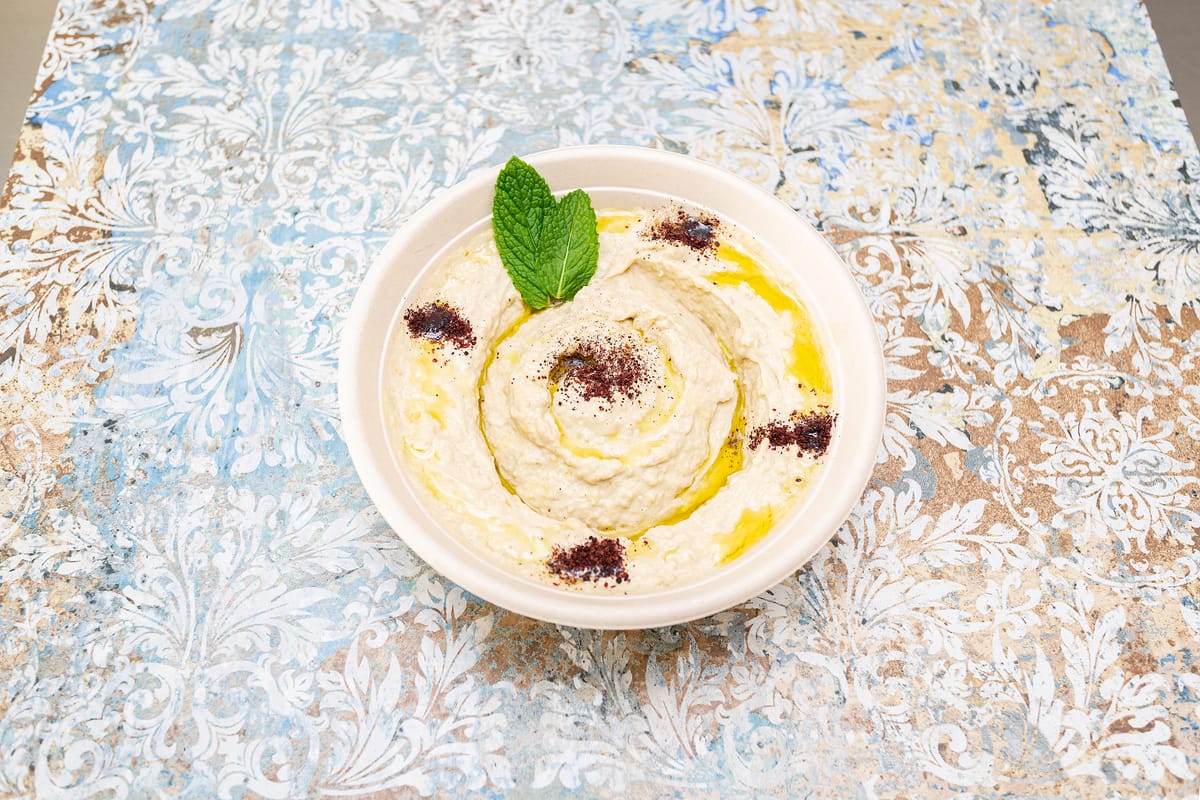
From Pod to Plate
Cardamom's journey from tropical highland farms to the spice blends in Taza's kitchen spans continents and centuries of culinary tradition.
Green Cardamom vs Black Cardamom
Two related spices with dramatically different flavor profiles. Understanding the distinction is essential for using either one correctly.
| Characteristic | Green Cardamom | Black Cardamom |
|---|---|---|
| Botanical Name | Elettaria cardamomum | Amomum subulatum |
| Pod Color | Pale green, small (1-2 cm) | Dark brown to black, large (2-5 cm) |
| Flavor Profile | Sweet, floral, citrusy, eucalyptus notes | Smoky, earthy, camphor-like, resinous |
| Aroma Intensity | Highly aromatic, perfumed, delicate | Bold, pungent, campfire-like |
| Primary Growing Region | Guatemala (largest producer), India (Kerala) | Nepal, Bhutan, northeastern India (Sikkim) |
| Common Culinary Uses | Arabic coffee, desserts, rice pilafs, pastries | Stews, curries, smoked meats, hearty soups |
| Price Range | High ($20-$40/lb) -- third most expensive spice | Moderate ($8-$15/lb) -- more affordable |
| Drying Method | Sun-dried or machine-dried to preserve green color | Smoke-dried over open wood fires |
| Seeds Per Pod | 15-20 small, sticky black seeds | 40-50 larger seeds in clusters |
| Best Pairing | Cinnamon, cloves, rose water, saffron | Black pepper, cumin, star anise, bay leaves |
Which One Does Taza Use?
At Taza Shawarma & Falafel, we use green cardamom exclusively. This is consistent with Levantine and broader Middle Eastern culinary tradition, where green cardamom's sweet, floral flavor is preferred for shawarma spice blends, rice dishes, and desserts. Black cardamom's smoky intensity would clash with the balanced, layered warmth that defines our spice profiles. Our chicken shawarma bowl (from $12.45) and beef shawarma bowl (from $12.45) both feature green cardamom as part of the 12+ spice marinade.
How Is Cardamom Used in Mediterranean Cooking?
From morning coffee to evening dessert, cardamom appears at every stage of a traditional Mediterranean and Middle Eastern meal.
Arabic Coffee (Qahwa)
The single most iconic use of cardamom in the Arab world. Whole green pods are lightly crushed and brewed directly with finely ground, lightly roasted coffee beans. In Gulf Arab countries, the cardamom-to-coffee ratio can reach 40% by weight, producing a pale, fragrant brew that tastes more of spice than of coffee. Lebanese and Syrian versions tend to use less cardamom, allowing the coffee flavor to remain prominent. Qahwa is served in small cups without sugar as a gesture of hospitality.
Desserts & Pastries
Ground cardamom is a defining ingredient in many Middle Eastern sweets. It flavors the sugar syrup (qater) that soaks baklava, knafeh, and other syrup-drenched pastries. Cardamom also appears in rice pudding (muhallabia), ice cream (booza), and milk-based drinks like sahlab. The floral sweetness of cardamom enhances sugar without making desserts taste cloying -- it adds aromatic complexity that plain sugar cannot provide.
Rice & Pilaf Dishes
Whole cardamom pods are added to basmati rice during cooking, infusing each grain with a subtle floral aroma. In traditional Lebanese rice pilaf, cardamom is simmered in butter or olive oil along with cinnamon sticks and bay leaves before the rice and liquid are added. The pods are left whole and removed before serving (or left in as decoration -- diners know to eat around them). At Taza, our seasoned basmati rice ($2.95) carries the gentle warmth of cardamom.
Meat Marinades & Spice Blends
Ground cardamom is a standard component of baharat (seven spice), the all-purpose seasoning of Levantine cooking. It also appears in shawarma marinades, kafta spice mixes, and lamb preparations. In meat dishes, cardamom's floral sweetness balances the richness of protein and fat. A quarter teaspoon of cardamom in a marinade for four servings is enough to add noticeable depth. At Taza, cardamom is part of the complex spice blend applied to our shawarma meats.
Cardamom Beyond the Middle East
While this guide focuses on Mediterranean and Middle Eastern uses, cardamom plays significant roles in other cuisines. In Scandinavia, it flavors Swedish kardemummabullar (cardamom buns) and Finnish pulla bread -- a Nordic tradition dating to Viking-era trade through Constantinople. In India, cardamom is a core ingredient in chai tea, biryani, and garam masala. In Ethiopia, it is added to coffee in a manner similar to Arabic qahwa. This global reach earned it the title "Queen of Spices" -- a name that recognizes its range across sweet and savory, beverages and desserts, meats and pastries.
Where to Taste Cardamom at Taza
Every dish at Taza reflects a spice tradition that includes cardamom as a foundational element. Here is where the flavor shows up most clearly.
Chicken Shawarma Bowl
From from $12.45
Key spices: Cardamom, cumin, turmeric, cinnamon, paprika, coriander, garlic
Our chicken shawarma marinade uses 12+ spices, with cardamom contributing a floral warmth that balances the earthy cumin and bright turmeric. The cardamom is ground fresh and mixed into the marinade paste that coats whole cuts of halal chicken. During the slow rotation on the vertical spit, the cardamom's essential oils meld with the other spices and the natural fats of the chicken, creating a layered aroma.
Order NowBeef Shawarma Bowl
From from $12.45
Key spices: Cardamom, allspice, cinnamon, cumin, black pepper, nutmeg, paprika
In our beef shawarma blend, cardamom pairs with allspice and cinnamon to create a warmer, richer spice profile than the chicken version. Beef's stronger flavor can support more cardamom without being overwhelmed. The result is a deeply aromatic meat with caramelized spice on the exterior and tender, flavorful layers within.
Order NowAromatic Basmati Rice
From $2.95
Key spices: Cardamom, bay leaf, cinnamon, olive oil
Our basmati rice is cooked with whole spices including cardamom, which infuses each grain with a subtle floral note. The rice serves as the base for our shawarma bowls and as a side dish. Cardamom in rice is a classic Levantine technique -- the warmth of the spice complements the nuttiness of properly cooked basmati.
Order NowHummus
From $4.95
Key spices: Cumin, paprika, garlic, lemon, tahini
While cardamom is not a primary spice in hummus, the cumin and paprika that top our hummus are part of the same Mediterranean spice family. Our velvety hummus is made from premium chickpeas blended with tahini, lemon, and garlic -- a canvas that pairs naturally with cardamom-spiced accompaniments like our rice and shawarma.
Order NowPita Bread
From $0.95
Key spices: Premium flour, yeast, olive oil, salt
Our house-baked pita bread is the ideal vehicle for scooping hummus, labneh, and baba ghanoush. The warm, pillowy bread absorbs the cardamom-infused flavors from our shawarma and rice when eaten together. Fresh pita with a side of our aromatic rice creates a simple, satisfying combination.
Order NowLabneh
From $4.95
Key spices: Strained yogurt, olive oil, dried mint
Labneh's tangy, creamy flavor provides a cooling counterpoint to cardamom-spiced dishes. The traditional pairing of labneh with warm pita and spiced meats creates a balance of cool and warm, tangy and aromatic, that is central to Levantine dining. Order labneh alongside a shawarma bowl for the full flavor experience.
Order Now
Flavor That Rewards Attention
Cardamom is a spice that reveals itself gradually -- sweet at first contact, citrusy as it opens up, then warm and lingering as it settles.
How to Buy, Store, and Grind Cardamom
Getting the most flavor from cardamom starts with sourcing quality pods and handling them correctly at home.
Buying Cardamom
Buy whole green cardamom pods rather than pre-ground cardamom whenever possible. Whole pods retain their aromatic oils for up to a year in proper storage, while pre-ground cardamom begins losing potency within weeks of grinding. Look for pods that are bright green -- this indicates they were dried carefully and recently. Avoid pods that are yellowed, bleached white, or cracked open. The pods should feel plump and slightly sticky when squeezed, not hollow or dry. Middle Eastern and South Asian grocery stores in Northern Virginia typically offer the best quality and price -- supermarket spice aisle cardamom is often older and significantly more expensive per ounce.
Storing Cardamom
Store whole cardamom pods in an airtight glass jar in a cool, dark cabinet away from heat sources. Do not store spices above the stove, near the dishwasher, or in direct sunlight -- heat and light accelerate the evaporation of essential oils. Properly stored whole pods maintain peak flavor for 8 to 12 months. If you have ground cardamom, store it in a tightly sealed container and use it within 3 months for the best results. You can extend the life of whole pods by storing them in the freezer -- the cold slows oil evaporation, and frozen pods thaw in seconds when needed.
Grinding Cardamom
To grind cardamom at home, first crack the pods open by pressing them with the flat side of a knife blade or the back of a spoon. Extract the small black seeds from inside and discard the papery green husks (or save them for adding to tea or simmering stocks). Grind the seeds in a mortar and pestle for small quantities -- this gives you the most control over texture. For larger amounts, use a dedicated spice grinder or a clean coffee grinder. Grind only what you need for the current recipe, as the freshly ground spice loses its peak aroma within a day or two.
Using Whole Pods vs Ground
The choice between whole pods and ground cardamom depends on the dish. Use whole pods (lightly crushed) when brewing coffee or tea, cooking rice pilafs, or making syrups -- the pod slowly releases its oils over the cooking time and can be removed before serving. Use freshly ground cardamom seeds in marinades, spice blends, baked goods, and any dish where you want the flavor distributed evenly throughout. A general conversion: the seeds from 6 pods yield approximately 1 teaspoon of ground cardamom.
Dosing Correctly
Cardamom is a potent spice, and the most common mistake is using too much. For a rice dish serving four, 2 to 3 whole pods or a quarter teaspoon of ground cardamom is sufficient. For a meat marinade for four servings, a quarter to a half teaspoon of ground cardamom works well alongside the other spices. For coffee, start with one crushed pod per cup and adjust to your preference. If you are adding cardamom to a recipe for the first time, start with half the amount you think you need -- you can always add more, but you cannot remove excess cardamom from a finished dish.
What Pairs Well with Cardamom?
Cardamom works best in combination with complementary spices and ingredients that amplify its complex flavor.
Cardamom + Cinnamon
Warm, aromatic depth
The most natural pairing in Mediterranean spice blends. Cinnamon's woody sweetness anchors cardamom's floral brightness, creating a warm flavor base found in shawarma marinades, baharat, and rice pilafs. This combination is what gives many Levantine meat dishes their characteristic warmth.
Cardamom + Coffee
Traditional Arab hospitality
The defining flavor combination of Arabic coffee. Cardamom's eucalyptus-like coolness contrasts with coffee's bitter roast notes, producing a beverage that is aromatic, complex, and less bitter than plain coffee. This pairing dates back at least 500 years in the Arabian Peninsula.
Cardamom + Rose Water
Floral dessert perfume
Two of the most aromatic ingredients in the Middle Eastern pantry combine to create the signature scent of Levantine desserts. Rose water and cardamom together flavor the sugar syrup for baklava, knafeh, and maamoul cookies. The combination is floral without being cloying.
Cardamom + Cumin
Sweet meets earthy
In spice blends like baharat, cardamom's floral notes lift cumin's heavy earthiness. Cumin provides the grounding bass note while cardamom adds the high, aromatic top note. Together, they create a fuller flavor spectrum than either achieves alone.
Cardamom + Cloves
Intense, warm complexity
Both are intensely aromatic spices that must be used sparingly. Together, they add a layer of warm, slightly numbing complexity to meat dishes and stews. In seven spice blend, cardamom and cloves are used in small amounts to provide the aromatic high notes above the base of cumin and coriander.
Where Does the World's Cardamom Come From?
The geography of cardamom production spans two continents and reflects centuries of colonial trade history.
Guatemala is the world's largest cardamom producer, accounting for approximately 60% of global supply. Cardamom was introduced to Guatemala's Alta Verapaz region by German coffee planters in the early 1900s. The country's highland tropical climate -- consistent rainfall, rich volcanic soil, and elevations between 600 and 1,500 meters -- proved ideal for the crop. Today, roughly 350,000 Guatemalan farmers cultivate cardamom, most of them smallhold producers in indigenous Q'eqchi' and Poqomchi' communities. Nearly all Guatemalan cardamom is exported, with the Middle East (particularly Saudi Arabia and the UAE) as the primary destination.
India is the second-largest producer and the original homeland of green cardamom. The Cardamom Hills of Kerala, along with adjacent areas of Tamil Nadu and Karnataka, form the traditional growing region. Indian cardamom is described as having a more intense flavor profile than Guatemalan cardamom, due to variations in soil and drying methods. India's Spices Board regulates quality grading, classifying cardamom into categories based on pod size, color, and oil content. Indian production has declined relative to Guatemala's, but the country remains both a major producer and the largest consumer.
Other Producers: Sri Lanka grows a smaller, wild variety of green cardamom with a more delicate flavor. Tanzania has emerged as a growing producer, with cardamom cultivation expanding in the Usambara Mountains. Honduras and El Salvador have small but growing cardamom sectors, benefiting from the same Central American climate conditions that favor Guatemala's crop. The Middle East consumes more cardamom per capita than any other region, driven primarily by its use in Arabic coffee. Saudi Arabia and the UAE are the largest importers -- a remarkable economic link between Central American highland farmers and Gulf Arab coffee drinkers, connected by a spice that originated in South India thousands of years ago.
Common Misconceptions About Cardamom
Separating fact from marketing in the world of spices.
Myth: "More expensive cardamom always means better quality"
Fact: Price is an unreliable indicator of cardamom quality for consumers. Supermarket spice aisle cardamom is expensive primarily due to small package sizes and retail markup, not superior quality. Middle Eastern and Indian grocery stores often sell the same or better quality cardamom at a fraction of the per-ounce price. The key quality indicators are color (bright green, not yellowed), plumpness (not shriveled or hollow), and aroma (strong, complex fragrance when a pod is crushed).
Myth: "Green and black cardamom are interchangeable"
Fact: This is the most consequential misconception. Green and black cardamom have dramatically different flavor profiles and should never be substituted for each other. Using black cardamom in a recipe that calls for green will introduce a smoky, camphor-like flavor that clashes with the intended floral notes. If a Middle Eastern or Mediterranean recipe calls for cardamom, it means green. Black cardamom belongs in Indian curries, Chinese braised dishes, and Vietnamese pho.
Myth: "Pre-ground cardamom is just as good as whole pods"
Fact: Pre-ground cardamom loses its volatile oils rapidly after grinding -- within weeks, much of the aroma is gone. Whole pods, stored properly, retain their potency for 8 to 12 months. The difference between freshly ground cardamom and a jar of pre-ground powder that has been sitting on a shelf for months is dramatic. Always buy whole pods when possible and grind the seeds yourself just before use.
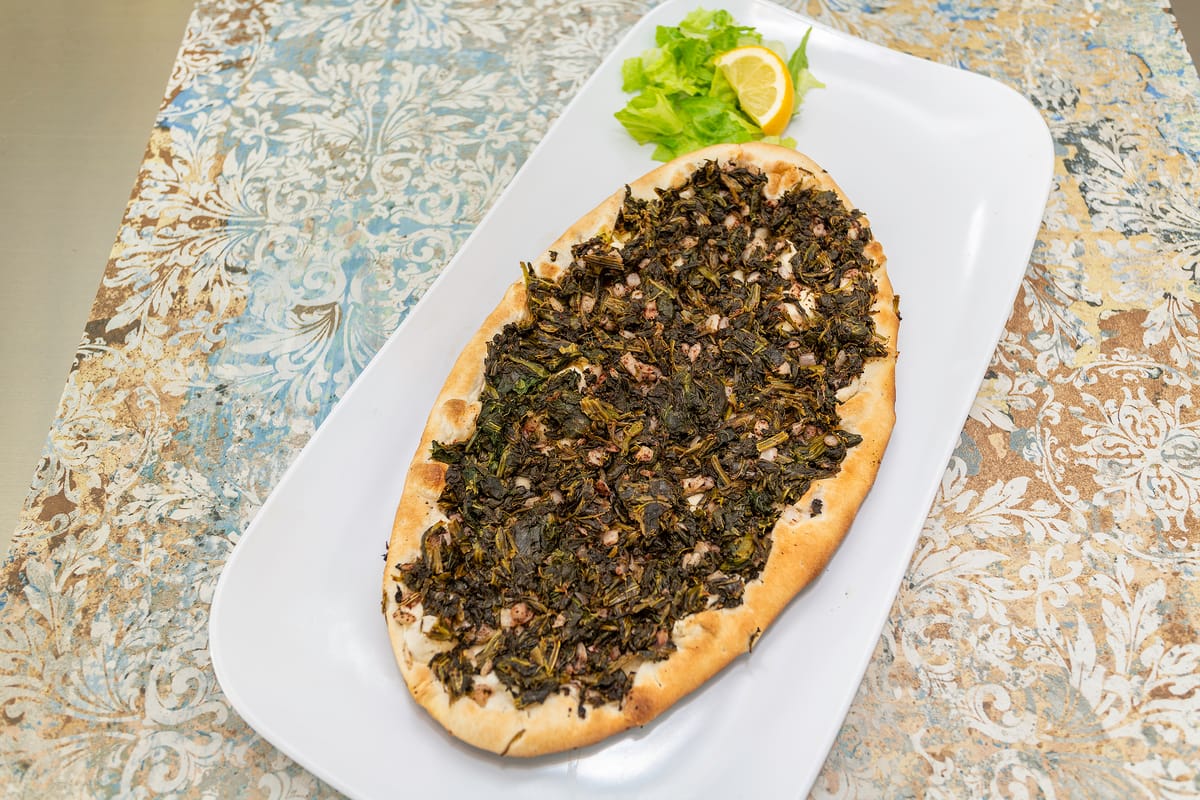
Quality Spices, Honest Food
At Taza, we source whole spices and grind them in-house to ensure every dish delivers the full depth of flavor that these ingredients are capable of.
Practical Cooking Tips for Cardamom
How to get the most from this spice in your home kitchen.
Toast Before Grinding
Toasting whole cardamom pods in a dry skillet over medium heat for 60 to 90 seconds before cracking them open intensifies their flavor. The heat activates dormant essential oils and adds a subtle nuttiness. Watch carefully -- cardamom burns quickly. Remove from heat as soon as you smell the aroma strengthen. Let them cool briefly before cracking open and extracting the seeds.
Add at the Right Time
Whole cardamom pods should go in early -- at the beginning of cooking rice, at the start of a braise, or at the beginning of a syrup simmer. This gives the pods time to release their oils gradually. Ground cardamom, by contrast, should be added later in the cooking process because its concentrated oils dissipate quickly under heat. In a marinade, ground cardamom goes in at the mixing stage because the cold environment preserves its aromatics.
Use the Husks Too
When you crack open cardamom pods to extract the seeds, save the green husks. They still contain residual essential oils and can be added to simmering tea, stock, or sugar syrup for a mild cardamom infusion. Place them in a tea infuser or cheesecloth for easy removal. This is a traditional zero-waste practice in Middle Eastern and Indian kitchens.
Match Intensity to the Dish
Cardamom's intensity should scale with the robustness of the dish. Delicate desserts and light rice dishes need only a hint -- one or two pods for a pot of rice. Hearty meat marinades and stews can handle more. A good rule of thumb: if the dish has strong competing flavors (cumin, cinnamon, allspice), cardamom can be more assertive. If the dish is mild, use cardamom as a background note.
Frequently Asked Questions About Cardamom
Green cardamom has a complex flavor that is simultaneously sweet, citrusy, and slightly minty with eucalyptus-like warmth. It is intensely aromatic -- a single crushed pod can perfume an entire pot of coffee. The flavor sits between sweet and savory, making cardamom equally at home in desserts and meat dishes. Black cardamom tastes entirely different: smoky, earthy, and resinous, more like campfire than perfume. At Taza Shawarma & Falafel, you can taste green cardamom in our shawarma spice blend and in the aromatic basmati rice ($2.95) that accompanies our bowls.
Cardamom has been used in traditional medicine for centuries, and modern research supports several health benefits. It contains compounds like 1,8-cineole and alpha-terpinyl acetate that have antioxidant and anti-inflammatory properties. Studies published in the Journal of Ethnopharmacology have shown cardamom may support digestive health by stimulating bile flow and reducing bloating. It has demonstrated antimicrobial activity against oral bacteria, which is why it has been chewed after meals across the Middle East for generations. Cardamom may also help regulate blood pressure, though more clinical research is needed. As with all spices, the benefits come from regular dietary inclusion rather than supplementation.
Cardamom is the third most expensive spice in the world by weight, after saffron and vanilla. The high cost comes from labor-intensive harvesting -- each pod must be hand-picked before it fully ripens and splits open, because open pods lose their volatile oils rapidly. The plants take three years to produce their first harvest, and the pods ripen unevenly, requiring multiple harvests per season. Yields are relatively low per plant, and the drying process must be carefully controlled to preserve the green color and essential oils. Guatemala produces about 60% of the world supply, with India producing most of the remainder. Despite the cost, a little goes a long way -- a few pods can season an entire dish.
For the freshest flavor, buy whole green cardamom pods and grind the seeds yourself. Crack open the pods by pressing them with the flat side of a knife or the back of a spoon. Remove the small black seeds from inside and discard the papery green hull (or save it for brewing in tea). Grind the seeds in a mortar and pestle or a dedicated spice grinder. A coffee grinder works well, but clean it thoroughly afterward -- cardamom is potent enough to flavor future batches of coffee. Pre-ground cardamom loses its aromatic oils within weeks, while whole pods sealed in an airtight container retain their potency for up to a year.
Green cardamom (Elettaria cardamomum) and black cardamom (Amomum subulatum) are related but distinct spices with very different flavor profiles. Green cardamom is sweet, floral, and delicate -- used in coffee, desserts, rice, and pastries. Black cardamom is smoky, earthy, and bold -- dried over open fires, it carries a campfire aroma suited for hearty stews, curries, and braised meats. They are not interchangeable in recipes. Mediterranean and Middle Eastern cooking almost exclusively uses green cardamom, while black cardamom is more common in Indian, Chinese, and Vietnamese cuisines. If a Middle Eastern recipe calls for cardamom without specifying, it means green.
Arabic coffee (qahwa) is one of the most traditional uses of cardamom in Middle Eastern culture. Whole green cardamom pods are lightly crushed to crack them open and then brewed directly with lightly roasted, finely ground coffee beans. The typical ratio is one to three pods per cup, though some recipes use much more. In the Gulf states, cardamom is so central to coffee culture that the spice can constitute up to 40% of the brew by weight. The coffee is simmered rather than dripped or pressed, and the cardamom infuses the liquid with a floral, eucalyptus-like aroma. Some preparations add a few threads of saffron or a single clove alongside the cardamom.
Absolutely. In Mediterranean and Middle Eastern cooking, cardamom appears in savory dishes as frequently as sweet ones. It is a component of shawarma spice blends, seven spice (baharat), rice pilafs, and meat marinades. Ground cardamom adds a floral warmth to lamb, chicken, and beef preparations. At Taza, cardamom is part of the spice blend used in our chicken shawarma bowl (from $12.45) and beef shawarma bowl (from $12.45). The key is restraint -- too much cardamom overwhelms a dish. Start with a quarter teaspoon for a dish serving four people and adjust from there.
The Northern Virginia area has several Middle Eastern and South Asian grocery stores that carry high-quality whole green cardamom pods at competitive prices. Look for stores along Route 7 (Leesburg Pike), Columbia Pike in Bailey's Crossroads, and the Annandale corridor. Middle Eastern grocers tend to carry Guatemalan green cardamom, while Indian grocers may carry both Indian and Guatemalan varieties. Buy whole pods rather than pre-ground -- they stay fresh much longer. Look for pods that are bright green (not yellowed or bleached white) and feel plump. For a taste of how cardamom works in professional cooking, visit Taza at 5820 Seminary Rd Ste O, Falls Church, VA 22041, open 11:00 AM - 12:00 AM, Open 7 Days a Week.
Taste Cardamom-Spiced Dishes at Taza
Visit us in Falls Church, VA, to experience how cardamom and other Mediterranean spices come together in every dish we serve.
Address
5820 Seminary Rd Ste O, Falls Church, VA 22041
Hours
11:00 AM - 12:00 AM -- Open 7 Days a Week
Phone
Experience the Queen of Spices
From cardamom-infused shawarma marinades to aromatic basmati rice, every dish at Taza reflects centuries of Mediterranean spice tradition. Order online or visit us in Falls Church.