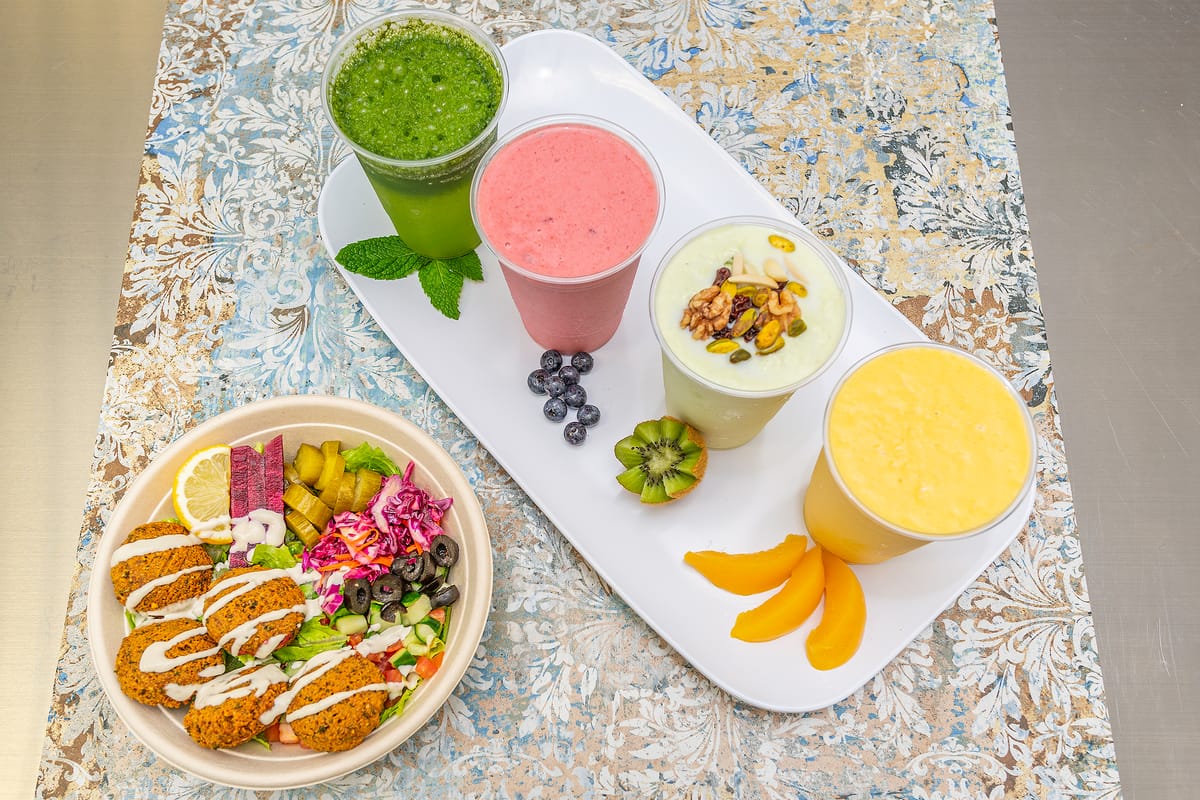
Tahini Recipe Guide: 10 Ways to Use Tahini Beyond Hummus
Tahini is far more than a hummus ingredient. This guide covers 10 practical ways to work tahini into dressings, sauces, baked goods, smoothies, marinades, and desserts -- plus how to choose, store, and enjoy tahini at Taza in Falls Church, VA.
4.8 stars on Yelp (92 reviews) -- Open 11:00 AM - 12:00 AM
What Is Tahini?
A single-ingredient pantry staple with thousands of years of history.
Tahini is a paste made from ground sesame seeds. The seeds are lightly toasted -- or sometimes left raw -- then milled until the natural oils release and the mixture becomes smooth, pourable, and slightly glossy. The best tahini contains nothing but sesame seeds. No added oils, no sugar, no stabilizers. It has the consistency of natural peanut butter and a flavor that sits between nutty, earthy, and mildly bitter.
The word "tahini" comes from the Arabic verb "tahana," meaning "to grind." Production of sesame paste dates back over four thousand years to ancient Mesopotamia, where sesame was one of the earliest cultivated oil crops. From there, tahini spread across the Levant, North Africa, the Eastern Mediterranean, and parts of East Asia. Today it remains a foundational ingredient in Levantine cooking, appearing in hummus, baba ghanouj, falafel sauce, halva, and countless other preparations.
In American kitchens, tahini rode the wave of hummus popularity over the last two decades. But limiting tahini to hummus is like limiting olive oil to salad dressing. Tahini works in dressings, marinades, baked goods, smoothies, desserts, soups, and more. This guide covers ten practical ways to use tahini, starting with the most straightforward and building toward more creative applications.
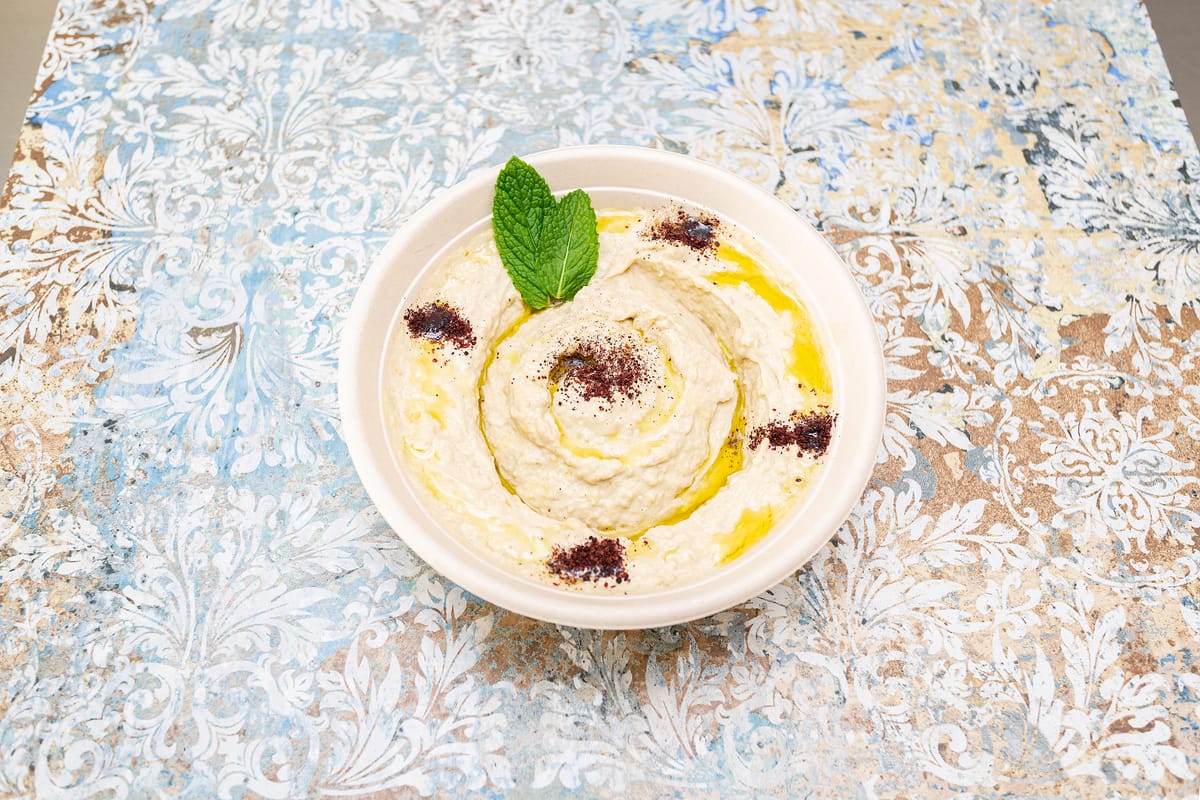
From Sesame Seed to Sauce
Tahini connects every dish on a Levantine table. Learn the ten ways it goes far beyond hummus.
10 Ways to Use Tahini Beyond Hummus
Practical applications for every meal, from breakfast smoothies to late-night chocolate spreads.
Salad Dressings
Whisk tahini with lemon juice, minced garlic, water, and a pinch of salt for a creamy dressing that clings to greens without any dairy. Adjust the water until you reach a pourable consistency. This dressing works on everything from romaine hearts to roasted beet salads and grain bowls.
Kitchen Tip: Start with equal parts tahini and water, then add lemon juice to taste. Thin further for a vinaigrette-like consistency.
Tahini Sauce for Sandwiches
The classic Levantine condiment. Thin tahini paste with water, lemon juice, and garlic to create a pourable sauce that goes inside falafel pitas, shawarma wraps, and roasted vegetable sandwiches. At Taza, this sauce is drizzled into every pita and bowl because it bridges savory proteins with crisp raw vegetables.
Kitchen Tip: A ratio of 2 tablespoons tahini to 1 tablespoon each of water and lemon juice makes a perfect sandwich sauce.
Smoothies and Shakes
Add one tablespoon of tahini to your morning smoothie for a boost of plant protein, healthy fats, and a subtle nutty depth. Tahini pairs especially well with banana, dates, cacao powder, and oat milk. The sesame flavor stays in the background while contributing a richer mouthfeel than protein powders alone.
Kitchen Tip: Blend tahini with frozen banana, a medjool date, cocoa powder, and oat milk for a filling breakfast shake.
Baking: Cookies, Brownies, and Cakes
Tahini replaces butter or peanut butter in baked goods at a 1:1 ratio. Tahini cookies have a short, crumbly texture and a toasted sesame flavor that sugar and chocolate complement beautifully. Tahini brownies come out fudgy with a deeper, more complex flavor than standard recipes. You can also swirl tahini into banana bread or cake batter before baking.
Kitchen Tip: For tahini chocolate chip cookies, substitute all the butter with tahini and reduce sugar by 15 percent since tahini has mild bitterness.
Desserts: Halva, Mousse, and Ice Cream
Tahini is the base ingredient of halva, a dense confection made by cooking sugar syrup to hard-ball stage and folding in tahini until it sets into a crumbly, sweet block. Beyond halva, you can fold tahini into whipped coconut cream for a dairy-free mousse, or churn it into ice cream for a flavor that sits between peanut butter and caramel.
Kitchen Tip: For a no-churn tahini ice cream, blend tahini with condensed coconut milk and freeze for 4 hours, stirring once midway.
Marinades for Meat and Vegetables
Combine tahini with yogurt, cumin, smoked paprika, and lemon juice for a thick marinade that coats chicken thighs, lamb chops, or cauliflower steaks. The sesame oils help the marinade adhere and create a light crust during roasting or grilling. Marinate for at least 30 minutes or up to overnight for deeper flavor.
Kitchen Tip: A tahini-yogurt marinade works especially well on chicken destined for the grill. The tahini prevents sticking.
Dips Beyond Hummus
While hummus gets most of the attention, tahini anchors many other dips. Baba ghanouj relies on tahini for its silky body. Muhammara, a roasted red pepper dip, sometimes includes tahini for creaminess. You can also make a simple three-ingredient dip by blending tahini, roasted garlic, and lemon juice into a pure sesame spread for bread or crudites.
Kitchen Tip: Roast a full head of garlic at 400 degrees for 35 minutes, squeeze out the cloves, and blend with tahini for a sweet, mellow dip.
Soups and Stews
Stir a tablespoon of tahini into lentil soup, butternut squash soup, or chickpea stew just before serving. The tahini adds body and a velvety finish without cream or butter. It also enriches bone broth-based soups. Avoid boiling after adding tahini to preserve the smooth texture and prevent any bitter notes from developing.
Kitchen Tip: Add tahini off the heat. Ladle a small amount of hot broth into the tahini first to temper it, then stir back into the pot.
Drizzle Over Roasted Vegetables
Roast sweet potatoes, cauliflower, Brussels sprouts, or carrots, then drizzle thinned tahini sauce over the top. The contrast between the caramelized, slightly charred vegetables and the cool, creamy tahini makes this one of the simplest and most satisfying ways to use the ingredient. Add a squeeze of lemon and a scattering of pomegranate seeds for color.
Kitchen Tip: Thin tahini with warm water for a pourable consistency. It will thicken as it cools, so make it slightly thinner than you think you need.
Chocolate Tahini Spread
Melt dark chocolate and fold in an equal amount of tahini for a rich, nutty spread that works on toast, crepes, fruit, or straight from the jar. The sesame and cocoa combination has deep roots in Levantine confectionery and produces a flavor that is more complex and less sweet than commercial chocolate hazelnut spreads.
Kitchen Tip: Use 70 percent dark chocolate for the best balance. Add a pinch of flaky sea salt to amplify the sesame flavor.

Tahini and Falafel: A Timeless Pair
Creamy tahini sauce over crispy, herb-flecked falafel is one of the most satisfying combinations in Levantine cooking.
Tahini Nutrition: What You Get Per Serving
Tahini is calorie-dense but nutrient-rich. Here is what two tablespoons deliver.
Two tablespoons of tahini -- roughly the amount drizzled inside a falafel pita -- contain approximately 178 calories, 16 grams of fat, 5 grams of protein, and 2.8 grams of fiber. The fat is predominantly unsaturated: a mix of monounsaturated oleic acid and polyunsaturated linoleic acid. Both types are associated with heart health in clinical research.
Where tahini stands out against other seed and nut butters is in its mineral content. A single serving provides 10 percent of the daily value of calcium, 15 percent of iron, and 27 percent of copper. Calcium and iron are two minerals that many plant-based eaters struggle to get in sufficient amounts, making tahini a particularly useful addition to vegetarian and vegan diets. Sesame seeds also contain lignans -- specifically sesamin and sesamolin -- which have demonstrated antioxidant and anti-inflammatory properties in laboratory studies.
The main consideration is calorie density. Tahini is not a food you eat by the spoonful. It works best as a condiment, dressing base, or recipe ingredient, where a tablespoon or two goes a long way. Used in that manner, it adds meaningful nutrition without excess calories. At Taza, our tahini sauce is thinned with water and lemon juice, which stretches the serving size and reduces the caloric density per drizzle.
Tahini vs Peanut Butter vs Almond Butter
How tahini stacks up against the two most popular nut butters in nutrition, flavor, and kitchen utility.
| Metric (per 2 tbsp) | Tahini | Peanut Butter / Almond Butter |
|---|---|---|
| Calories (2 tbsp) | 178 kcal | PB: 188 kcal / AB: 196 kcal |
| Total Fat | 16g (mostly unsaturated) | PB: 16g (mixed) / AB: 18g (mostly mono) |
| Protein | 5.1g | PB: 7g / AB: 6.7g |
| Calcium | 130mg (10% DV) | PB: 14mg (1%) / AB: 86mg (7%) |
| Iron | 2.7mg (15% DV) | PB: 0.6mg (3%) / AB: 1.1mg (6%) |
| Fiber | 2.8g | PB: 1.6g / AB: 3.4g |
| Magnesium | 29mg | PB: 51mg / AB: 89mg |
| Copper | 0.24mg (27% DV) | PB: 0.14mg (16%) / AB: 0.20mg (22%) |
| Flavor Profile | Nutty, earthy, mildly bitter | PB: Sweet, salty, roasted / AB: Mild, creamy |
| Primary Culinary Use | Sauces, dips, dressings, hummus | PB: Sandwiches, smoothies / AB: Baking, smoothies |
| Allergen Category | Sesame (US major allergen since 2023) | PB: Peanut (legume) / AB: Tree nut |
| Vegan Status | Always (pure sesame seeds) | PB: Usually / AB: Usually |
| Sugar (no added) | 0.1g | PB: 1.7g / AB: 1.0g |
Bottom line: Tahini leads in calcium and iron, making it the best choice for plant-based eaters focused on mineral intake. Peanut butter wins on protein. Almond butter offers the most magnesium and fiber. All three are healthy in moderation. The real advantage of tahini is its versatility in savory cooking -- dressings, sauces, dips, and marinades -- where peanut butter and almond butter rarely appear.
How to Choose Good Tahini
Not all tahini is created equal. Here is what to look for and what to avoid.
The single most important thing on the label is the ingredient list. It should say "sesame seeds" and nothing else. Some brands add sesame oil for smoother consistency, which is acceptable. Anything beyond that -- soybean oil, sugar, salt, preservatives -- means you are buying a lower quality product. Avoid these.
What to Look For
- +Single ingredient: "sesame seeds" only
- +Light tan to medium brown color (not gray)
- +Smooth, pourable texture when stirred
- +Mild bitterness with nutty undertones
- +Levantine or Ethiopian origin brands are often superior
What to Avoid
- -Added oils (soybean, canola, palm)
- -Added sugar or salt
- -Gritty, grainy, or chalky texture
- -Grayish or very dark color (over-roasted seeds)
- -Rancid or harsh bitter smell on opening
Price is a reasonable proxy for quality with tahini. The cheapest jars tend to use hulled sesame seeds that are over-roasted to mask inconsistencies, resulting in a harsher, more bitter paste. Mid-range and premium brands source higher quality seeds, roast them carefully, and grind them in stone mills for a smoother result. If you are buying tahini for the first time, spend a few extra dollars for a well-reviewed brand. The difference in flavor and texture is immediately noticeable.
How to Store Tahini
Keep it fresh for months with these straightforward practices.
Unopened
Store in a cool, dark pantry. Lasts up to 12 months past the production date. Keep away from heat sources and direct sunlight.
Opened (Pantry)
Keeps 4 to 6 weeks at room temperature if you use it regularly. Stir oil separation back in before each use. Seal tightly after every use.
Opened (Fridge)
Refrigerate for 4 to 6 months of shelf life. Tahini thickens when cold, so let it sit out for 10 to 15 minutes before using.
Oil separation is normal and not a sign of spoilage. When you open a jar and see a layer of oil on top, stir it back in with a knife or spoon until the paste is uniform. Some people store tahini jars upside down to redistribute the oils, flipping them before use. This works well for jars you do not open frequently.
Tahini that has gone bad smells sharply rancid -- a harsh, chemical odor distinctly different from its usual mild bitterness. If the tahini tastes soapy, painfully bitter, or off in any way, discard the jar. Rancid sesame oils are not harmful in small amounts but are unpleasant and will ruin any recipe they touch.
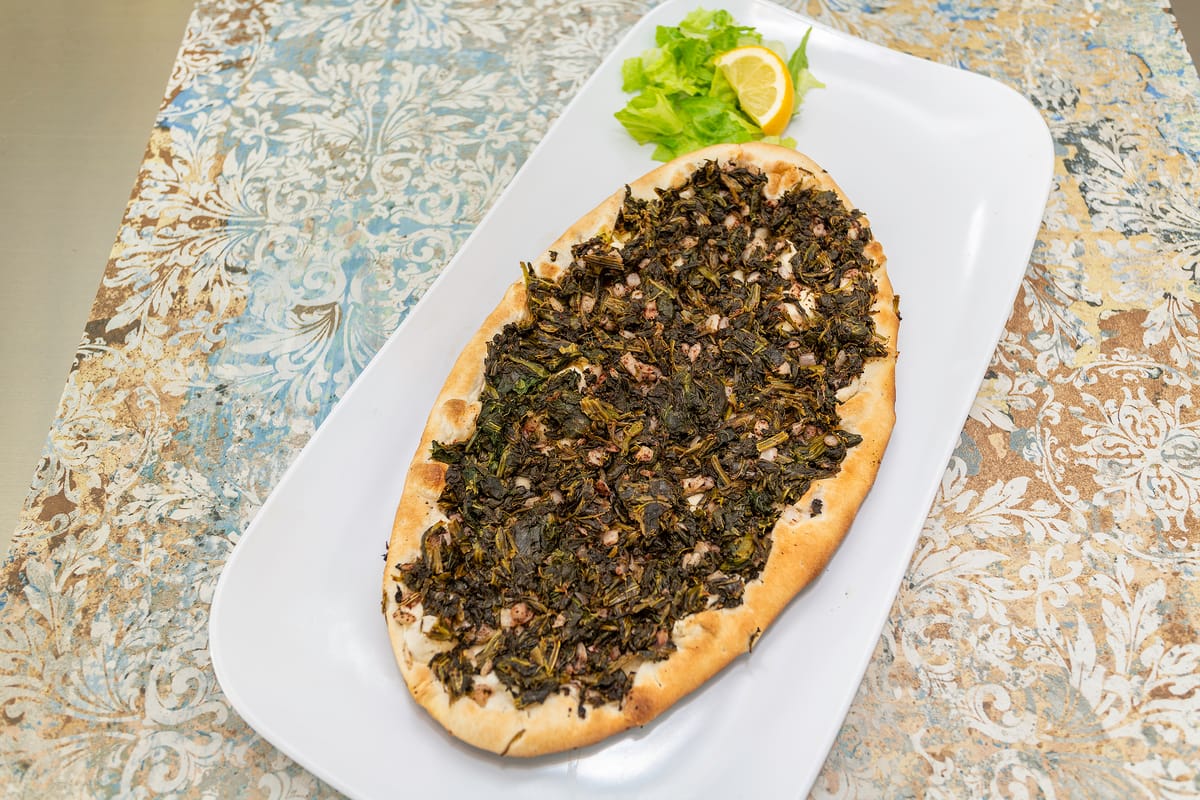
Fresh Ingredients, Made Daily
At Taza, tahini sauce is mixed fresh every morning. It is part of our free toppings selection on every order.
Tahini at Taza Shawarma & Falafel
How we use tahini across our menu in Falls Church, Virginia.
Tahini appears in nearly every dish at Taza, either as a core ingredient or as a finishing sauce. Our hummus starts with a base of tahini blended with chickpeas, lemon juice, and garlic. Our baba ghanouj relies on tahini for its characteristic silky texture. Every falafel pita, shawarma wrap, and grain bowl leaves the line with a generous drizzle of our house-made tahini sauce, mixed fresh every morning with water, lemon juice, and a touch of garlic.
Tahini sauce is included free on every order as part of our toppings selection. You can add extra at no charge, or substitute garlic sauce if you prefer. Below are the menu items where tahini plays the most prominent role.
Hummus
$4.95Tahini is the second ingredient after chickpeas. It gives our hummus its creamy body.
View on MenuBaba Ghanouj
$4.95Fire-roasted eggplant blended with tahini, lemon, and garlic for a smoky, silky dip.
View on MenuFalafel Pita
from $8.95Crispy falafel in warm pita, drizzled with tahini sauce, fresh vegetables, and pickles.
View on MenuFalafel Bowl
from $10.45Falafel over rice or greens, finished with a ribbon of tahini sauce and olive oil.
View on MenuChicken Shawarma Bowl
from $12.45Chicken shawarma over your choice of base, with tahini sauce bringing all the components together.
View on MenuPita Bread
$0.95Warm, fresh-baked pita -- the ideal vessel for scooping hummus or dipping in tahini sauce.
View on MenuTahini Tips at a Glance
Practical shortcuts for working with tahini in your kitchen.
Thinning Tahini
Tahini seizes and thickens when you first add water. Keep stirring -- it loosens as you add more liquid. Ratio: roughly 1:1 tahini to water for a sauce, adjusted with lemon juice and salt. Use warm water for faster results.
Substituting in Baking
Replace butter or peanut butter 1:1 with tahini. Reduce sugar by 10 to 15 percent to account for mild bitterness. Add extra salt to enhance sesame flavor. Chill dough 30 minutes before baking for thicker cookies.
Fixing Bitter Tahini
Over-roasted sesame seeds cause harsh bitterness. Compensate in recipes with more lemon juice, a small amount of honey, or extra salt. Next time, buy lighter-colored tahini from a brand using lightly toasted seeds.
Tahini in Smoothies
One tablespoon is ideal for most smoothies. Blend tahini with the liquid base first before adding frozen ingredients. Best pairings: banana, dates, cacao, vanilla, cinnamon, oat milk, or almond milk.
What Makes Tahini Essential
Six reasons tahini has stayed in kitchens for four thousand years.
Foundation of Hummus
Without tahini, hummus is just mashed chickpeas. Tahini gives hummus its signature creaminess, richness, and depth of flavor.
Perfect Falafel Partner
Tahini sauce is the traditional condiment for falafel across the Levant. The cool, creamy sauce balances the crispy, herby fried chickpea patties.
Dairy-Free Creaminess
Tahini delivers a rich, creamy texture without any dairy. It thickens dressings, sauces, and soups the same way cream or butter would.
Mineral Powerhouse
High in calcium, iron, and copper. Tahini is one of the most mineral-dense plant foods available, especially valuable for vegetarian diets.
Versatile Flavor Bridge
Tahini's mild, nutty taste pairs with sweet and savory alike. It works in chocolate desserts as naturally as it does in garlic-lemon sauces.
Four Millennia of Use
From ancient Mesopotamian texts to modern Levantine restaurants, tahini has been continuously produced and consumed for over 4,000 years.
Tahini at Every Meal
Practical ideas for incorporating tahini into breakfast, lunch, dinner, and snacks.
Breakfast
Drizzle tahini over oatmeal with sliced banana and honey. Spread it on toast with a layer of date syrup. Blend a tablespoon into your smoothie. Swirl it into yogurt with granola and berries.
Lunch
Use tahini dressing on grain bowls and salads. Order a falafel pita with extra tahini at Taza. Pack tahini sauce as a dip for raw vegetables and pita bread. Add it to a roasted sweet potato wrap.
Dinner
Marinate chicken thighs in tahini-yogurt sauce before grilling. Stir a tablespoon into lentil soup for added body. Drizzle tahini over roasted cauliflower steaks. Toss it with pasta, garlic, lemon, and herbs for a quick dairy-free sauce.
Snacks & Desserts
Dip apple slices in tahini with a sprinkle of cinnamon. Make tahini energy balls with oats, dates, and dark chocolate chips. Spread chocolate tahini on toast for an afternoon treat. Stir tahini into vanilla ice cream for a sesame sundae.

Quality Starts with Ingredients
Taza sources ingredients with the same care Levantine kitchens have practiced for generations.
Tahini Recipe Guide: Frequently Asked Questions
Tahini is a paste made from ground sesame seeds. The seeds are toasted, then milled until the natural oils release and the mixture becomes smooth and pourable. High-quality tahini contains nothing but sesame seeds. It has been a staple of Levantine, North African, and Eastern Mediterranean cooking for thousands of years, used in hummus, baba ghanouj, sauces, marinades, dressings, and desserts like halva.
Yes. Tahini replaces butter at a 1:1 ratio in most cookie, brownie, and cake recipes. The resulting baked goods have a shorter, crumblier texture and a distinct toasted sesame flavor. Since tahini is naturally unsweetened and mildly bitter, you may want to increase sugar slightly or add a pinch more salt to balance the flavor. Tahini chocolate chip cookies and tahini brownies are the two most reliable starting points for experimenting.
No. Tahini is the whole sesame seed ground into a paste, retaining all the fiber, protein, and minerals of the seed. Sesame oil is the extracted fat pressed from sesame seeds, with the solids removed. Tahini is thick and spreadable. Sesame oil is liquid and used sparingly for flavor. They are not interchangeable in recipes, though both come from the same seed.
Opened tahini lasts 4 to 6 weeks at room temperature in a cool, dark pantry, or 4 to 6 months in the refrigerator. Refrigerated tahini thickens and becomes harder to stir, so let it sit out for 10 to 15 minutes before using. Oil separation on top is normal and not a sign of spoilage. Stir it back in before each use. Discard tahini that smells rancid or develops an off taste sharply different from its usual mild bitterness.
Tahini is made from sesame seeds, which are not tree nuts or peanuts. However, sesame is classified as a major allergen in the United States under the FASTER Act of 2021. People with a specific sesame allergy must avoid tahini entirely. Those with tree nut or peanut allergies but no sesame allergy can generally consume tahini safely, but should confirm with an allergist if cross-reactivity is a concern.
Tahini paste is the concentrated product straight from the jar. Tahini sauce is tahini paste thinned with water, lemon juice, garlic, and salt until it reaches a drizzleable or dippable consistency. When restaurants serve tahini as a condiment, it is almost always tahini sauce. At Taza, tahini sauce is made fresh and included free with every order as part of the toppings selection.
One tablespoon of tahini contains approximately 89 calories, 8 grams of fat (mostly unsaturated), 2.5 grams of protein, and 1.4 grams of fiber. Two tablespoons, the standard serving size, provide about 178 calories along with 10 percent of the daily value of calcium and 15 percent of the daily value of iron. Tahini is calorie-dense, so it works best as a condiment or ingredient rather than a standalone food.
No. Tahini sauce is included free on every order at Taza Shawarma & Falafel. It is part of the toppings selection alongside garlic sauce, hummus, olive oil dressing, pickles, and other condiments. You can request extra tahini on any pita, wrap, or bowl at no additional cost. Tahini is also a core ingredient in the hummus ($4.95) and baba ghanouj ($4.95) available as sides.
Try Tahini Done Right at Taza
Fresh tahini sauce on every order. Falls Church, Virginia.
Address
5820 Seminary Rd Ste O, Falls Church, VA 22041
Hours
11:00 AM - 12:00 AM -- Open 7 Days a Week
Phone
Taste Tahini the Way It Should Be
Every dish at Taza comes with freshly made tahini sauce. Order online for pickup or stop by our Falls Church location.