The Complete Chickpea Guide
Chickpeas have been cultivated since 7500 BCE in the Levant. Today they are the foundation of hummus, falafel, chana masala, pasta e ceci, and dozens of other beloved dishes across five continents. This is everything you need to know about the world's most versatile legume.
4.8 stars on Yelp (92 reviews) -- Open 11:00 AM - 12:00 AM
What Are Chickpeas?
A legume with two names, one ancient origin, and an outsized role in world cuisine.
Chickpeas -- also called garbanzo beans in Spanish-influenced English -- are the edible seeds of Cicer arietinum, a legume in the pea family (Fabaceae). They grow in pods on a bushy annual plant, typically producing one or two seeds per pod. The mature dried seeds are round, slightly irregular in shape, with a beige-tan color and a distinctive pointed tip. When cooked, they have a mild, nutty flavor and a dense but creamy texture that absorbs surrounding seasonings exceptionally well.
The name 'chickpea' comes from the French pois chiche, which derives from the Latin cicer. The word 'garbanzo' entered English through Spanish, where it has been used since at least the 15th century. In South Asia, chickpeas are known as chana (whole) or chhole, and chickpea flour is called besan or gram flour. In Arabic, the word is hummus -- the same word as the famous dip, because the dip is made from chickpeas.
There are two main varieties. Kabuli chickpeas are larger, pale-colored, and smooth-coated -- the type most familiar in Mediterranean cooking, used for hummus and falafel. Desi chickpeas are smaller, darker, and rougher-coated, grown predominantly in South Asia and East Africa. Both varieties share similar nutritional profiles and culinary properties, though Kabuli chickpeas tend to be more popular for dishes where appearance and a creamy texture matter.
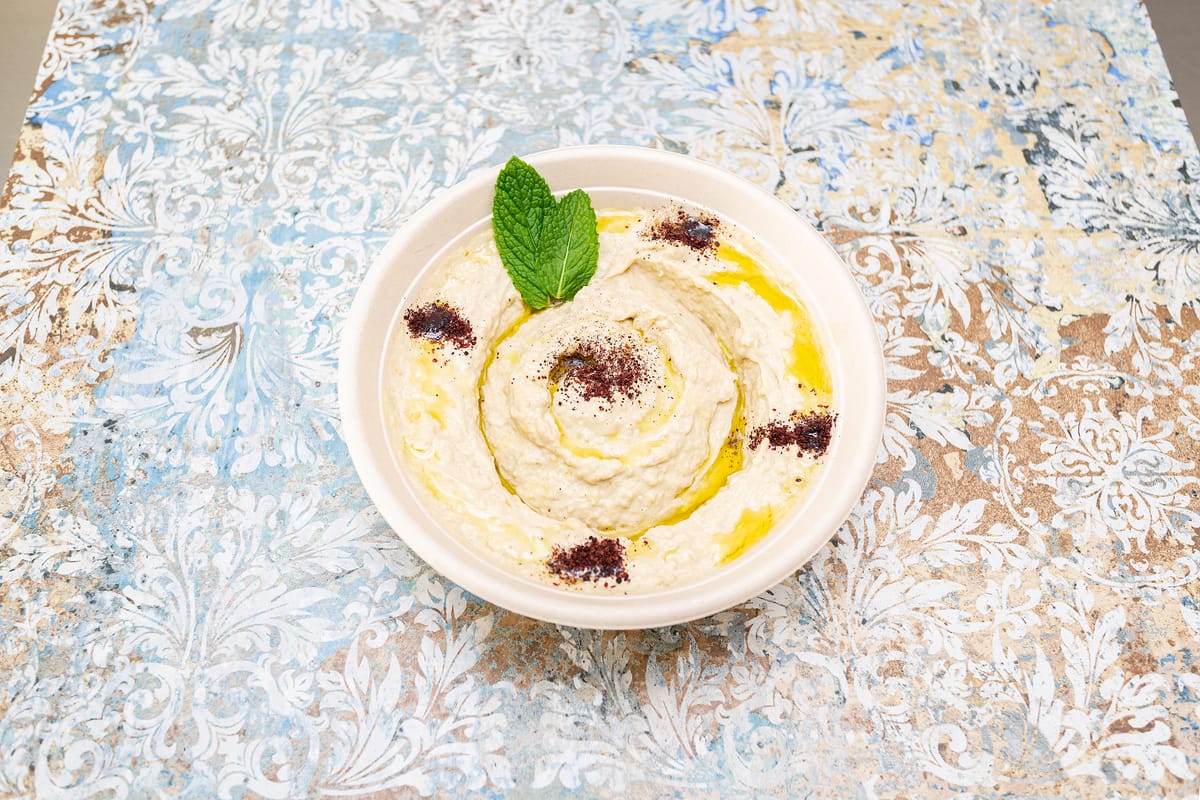
Made from Whole Chickpeas
Taza's hummus is made in-house from whole chickpeas blended with tahini, lemon, garlic, and olive oil.
9,500 Years of Cultivation
One of the earliest crops of the Neolithic agricultural revolution, chickpeas helped feed the ancient world.
7500 BCE: The Levant
The oldest direct evidence of chickpea cultivation comes from archaeological sites in southeastern Turkey and the Levant, dating to approximately 7500 BCE. This places chickpeas among the very first crops of the Neolithic revolution, alongside wheat, barley, lentils, and flaxseed. The wild ancestor of the domesticated chickpea, Cicer reticulatum, still grows in southeastern Turkey today. Early farmers selected for larger seed size and reduced seed dormancy -- traits that made the plant more productive and easier to work with.
3000 BCE: Egypt and the Mediterranean
By the Bronze Age, chickpeas had spread westward across the Mediterranean basin. Egyptian records document chickpea cultivation, and the crop was well established in the Nile Delta by 3000 BCE. Greek and Roman agricultural writers including Theophrastus, Columella, and Pliny the Elder all mention chickpeas as an important staple crop. The Roman orator Marcus Tullius Cicero is believed to take his family name from cicer, the Latin word for chickpea, suggesting his ancestors were associated with growing or selling them.
700 CE onward: South Asia and East Africa
Chickpeas arrived in South Asia via ancient trade routes, where they became a cornerstone of Indian cuisine. India remains the world's largest producer of chickpeas today, accounting for roughly 70 percent of global production. Chickpeas also spread to East Africa, particularly Ethiopia, where they became central to the national cuisine. By the medieval period, chickpeas were grown and eaten across an arc stretching from Spain through the Mediterranean, the Levant, Persia, and into the Indian subcontinent.
1400s–1800s: The Americas
Spanish and Portuguese colonizers brought chickpeas to the Americas starting in the 15th century, where the Spanish term 'garbanzo' took root. Chickpeas spread throughout Latin America and eventually North America, where they are still commonly called garbanzo beans. The crop thrived in the dry climates of California and the American Southwest, and today the United States grows a substantial commercial chickpea crop in Washington State, Idaho, and Montana.
1990s–Present: The Global Hummus Boom
The late 20th and early 21st centuries saw a dramatic surge in global chickpea consumption, driven largely by the rise of hummus as a mainstream food product in North America and Western Europe. Supermarket hummus went from a niche ethnic food to a multibillion-dollar category within a generation. Simultaneously, plant-based eating trends brought chickpea flour, canned chickpeas, and chickpea-based snacks to mainstream audiences. Global chickpea production has roughly doubled since 2000.
Chickpea Nutrition: A Deep Dive
Per 100 grams of cooked chickpeas (approximately half a cup), you get a wide-ranging nutritional profile.
Macronutrients (per 100g cooked)
- Calories164 kcal
- Protein8.9 g
- Total Carbohydrates27.4 g
- Dietary Fiber7.6 g
- Total Fat2.6 g
- Saturated Fat0.3 g
- Water60.2 g
Key Micronutrients (per 100g cooked)
- Folate (B9)172 mcg (43% DV)
- Iron2.9 mg (16% DV)
- Phosphorus168 mg (24% DV)
- Manganese1.0 mg (43% DV)
- Copper0.35 mg (39% DV)
- Thiamine (B1)0.12 mg (10% DV)
- Zinc1.5 mg (14% DV)
Protein Quality and Amino Acid Profile
Chickpea protein is high in lysine and arginine, but relatively low in methionine and cysteine -- sulfur-containing amino acids. This means chickpeas alone are not a complete protein source. However, when combined with grains (wheat, rice, barley), the grain's methionine compensates for chickpea's deficiency, and the chickpea's lysine compensates for the grain's deficiency. This is exactly the pairing that traditional cuisine has always used: hummus with pita, falafel with bread, chana masala with rice or roti. Ancient cooks arrived at nutritionally complete combinations through centuries of practical wisdom long before the concept of amino acids was understood.
Fiber and Resistant Starch
The 7.6 grams of dietary fiber in a 100-gram serving of chickpeas is a mix of soluble fiber, insoluble fiber, and resistant starch. Soluble fiber (primarily galacto-oligosaccharides and pectin) dissolves in water, forms a gel in the gut, and slows glucose absorption. Insoluble fiber adds bulk and promotes regular bowel movements. Resistant starch passes through the small intestine undigested and is fermented by bacteria in the large intestine, producing short-chain fatty acids that feed the gut microbiome and have anti-inflammatory effects.
Together, these fiber types account for much of chickpea's health reputation. They are the reason chickpeas have such a low glycemic index, the reason they promote satiety, and the reason regular consumption is associated with better gut microbiome diversity.
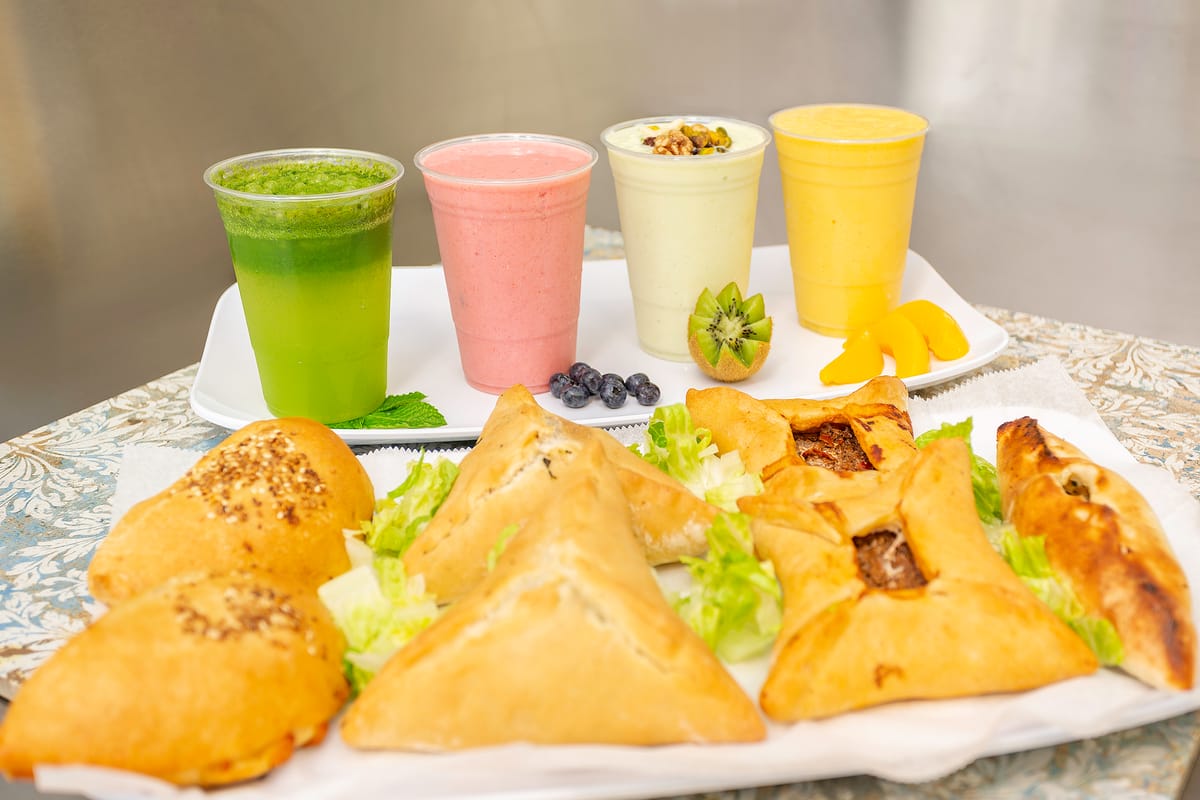
Fried to Order, Every Time
Falafel is made by grinding soaked dried chickpeas with parsley, cilantro, and spices -- then frying to order.
What Chickpeas Do for Your Body
The nutritional composition of chickpeas translates into a specific set of well-documented health effects.
Heart Health
Several mechanisms link chickpea consumption to cardiovascular benefit. The soluble fiber in chickpeas binds to cholesterol in the digestive tract, preventing its reabsorption and reducing circulating LDL (low-density lipoprotein) levels. A meta-analysis published in the Canadian Medical Association Journal found that one daily serving of legumes reduced LDL cholesterol by an average of 5 percent.
Chickpeas are also rich in potassium (291 mg per 100g cooked), which counteracts the blood-pressure-raising effects of sodium by relaxing blood vessel walls. The folate and B6 in chickpeas help regulate homocysteine, an amino acid that, when elevated, is a risk factor for arterial damage. Magnesium contributes to normal heart rhythm and vascular function.
The combination of fiber, potassium, folate, and anti-inflammatory properties places chickpeas firmly in the category of heart-protective foods. The PREDIMED study, one of the largest dietary trials ever conducted, found that a Mediterranean diet rich in legumes was associated with significantly reduced rates of cardiovascular events.
Blood Sugar Regulation
Chickpeas have one of the lowest glycemic indices of any carbohydrate-containing food -- around 28, compared to white bread at 75 or white rice at 72. This is largely because the starch in chickpeas is encased in a fibrous cell wall that slows amylase (starch-digesting enzyme) access, and because the soluble fiber forms a gel that slows overall gastric emptying.
A randomized controlled trial published in the Journal of the American College of Nutrition found that participants who consumed chickpeas daily for 12 weeks showed significant improvements in fasting blood glucose and insulin sensitivity compared to a control group. For people managing type 2 diabetes or prediabetes, substituting chickpeas for higher-GI carbohydrates can meaningfully improve glycemic control without requiring caloric restriction.
The resistant starch component adds another layer of benefit: when gut bacteria ferment it, they produce propionate, a short-chain fatty acid that signals the liver to slow gluconeogenesis (the production of glucose from non-carbohydrate sources).
Gut Health and Microbiome
The fermentable fibers in chickpeas are prebiotic, meaning they selectively feed beneficial bacteria in the large intestine. Studies using 16S rRNA sequencing have found that regular chickpea consumption increases populations of Bifidobacterium and Lactobacillus species while reducing populations of potentially harmful bacteria like Clostridium perfringens.
The short-chain fatty acids produced during this fermentation -- primarily butyrate, propionate, and acetate -- have multiple functions: they fuel the epithelial cells lining the colon, maintain the integrity of the gut barrier, regulate immune function, and have anti-inflammatory effects that extend beyond the gut into systemic circulation. A healthy gut microbiome is associated with lower rates of colorectal cancer, better mood regulation (via the gut-brain axis), and improved immune response.
One practical note: people who eat chickpeas infrequently may experience bloating and gas when they first reintroduce them, as the gut bacteria needed to ferment the oligosaccharides take time to grow. Gradual reintroduction over two to four weeks typically eliminates this effect.
Weight Management and Satiety
A combination of protein, fiber, and low energy density makes chickpeas one of the most satiating foods per calorie. A study published in Appetite found that participants who ate chickpeas as part of a meal reported 31 percent greater satiety than those who ate a portion of white bread with equivalent carbohydrate content, and consumed fewer calories at their next meal.
The protein in chickpeas stimulates release of peptide YY and GLP-1, gut hormones that signal fullness to the brain. The fiber delays gastric emptying, prolonging the feeling of fullness. And because chickpeas provide relatively few calories per gram (164 kcal per 100g cooked versus 350+ for most grains), you can eat a satisfying volume of chickpeas without consuming a large caloric load.
Long-term observational studies consistently find that people with high legume consumption have lower body mass indices and lower rates of obesity than those with low consumption, even after controlling for other dietary patterns and physical activity levels.
Bone Health
Chickpeas contain several minerals relevant to bone health: phosphorus (168 mg per 100g), magnesium (48 mg per 100g), and calcium (49 mg per 100g). While the absolute calcium content is modest, the magnesium-to-calcium ratio and the presence of isoflavones (plant compounds with weak estrogen-like activity) have drawn research interest in the context of osteoporosis prevention.
The manganese in chickpeas (1.0 mg per 100g, covering 43 percent of the daily value) plays a direct role in bone formation, as it is a cofactor for enzymes involved in synthesizing glycosaminoglycans, the structural components of cartilage and bone matrix. Regular chickpea consumption as part of a varied diet contributes meaningfully to meeting daily mineral requirements for skeletal health.
Chickpeas vs Other Legumes
How does Cicer arietinum compare to the other legumes most commonly eaten worldwide?
| Feature | Chickpeas | Black Beans | Lentils | Kidney Beans |
|---|---|---|---|---|
| Protein (per 100g cooked) | 8.9 g | 8.9 g | 9.0 g | 8.7 g |
| Dietary Fiber (per 100g cooked) | 7.6 g | 8.7 g | 7.9 g | 6.4 g |
| Calories (per 100g cooked) | 164 kcal | 132 kcal | 116 kcal | 127 kcal |
| Iron (per 100g cooked) | 2.9 mg | 2.1 mg | 3.3 mg | 2.2 mg |
| Folate (per 100g cooked) | 172 mcg | 256 mcg | 181 mcg | 130 mcg |
| Glycemic Index | 28 (very low) | 30 (very low) | 32 (very low) | 24 (very low) |
| Cooking time (soaked) | 60–90 min | 45–60 min | 20–30 min | 60–90 min |
| Best known use | Hummus, falafel | Latin dishes, soups | Dal, mujaddara | Chili, salads |
| Flavor profile | Mild, nutty, creamy | Earthy, slightly sweet | Earthy, peppery | Dense, meaty |
Chickpeas vs Lentils: A Closer Look
| Nutrient (per 100g cooked) | Chickpeas | Lentils |
|---|---|---|
| Protein (per 100g cooked) | 8.9 g | 9.0 g |
| Dietary Fiber (per 100g cooked) | 7.6 g | 7.9 g |
| Calories (per 100g cooked) | 164 kcal | 116 kcal |
| Iron (per 100g cooked) | 2.9 mg | 3.3 mg |
| Folate (per 100g cooked) | 172 mcg | 181 mcg |
| Glycemic Index | 28 (very low) | 32 (very low) |
| Cooking time (soaked) | 60–90 min | 20–30 min |
| Best known use | Hummus, falafel | Dal, mujaddara |
| Flavor profile | Mild, nutty, creamy | Earthy, peppery |
All values are approximate and based on USDA FoodData Central data for cooked legumes. Daily values based on a 2,000-calorie diet.
Legumes at the Heart of Mediterranean Eating
The Mediterranean diet's emphasis on legumes like chickpeas is backed by decades of nutritional research.
Chickpea Dishes at Taza
Our menu features chickpeas in multiple forms -- from the hummus we make in-house to the falafel fried to order every day.
Hummus
Creamy chickpea dip with tahini, lemon, and olive oil. Made in-house from whole chickpeas. $4.95.
Falafel Pita
Crispy chickpea falafel in fresh-baked pita with veggies and tahini. Our falafel is ground from soaked dried chickpeas. from $8.95.
Falafel Shrak Wrap
Crispy falafel rolled in thin shrak bread with hummus and salad. Rolled in thin shrak flatbread with fresh toppings. from $9.95.
Falafel Bowl
Crispy falafel over rice or greens with Mediterranean toppings. A generous bowl with your choice of base and all the toppings. from $10.45.
Pita Bread
House-baked pita is the classic partner for hummus, ideal for scooping up every last bit.
Chickpea Rice Bowl
Ask for extra hummus over our basmati rice base for a complete plant-based protein meal.
Why We Use Dried Chickpeas
The difference between hummus made from dried chickpeas and hummus made from canned chickpeas is substantial. Dried chickpeas soaked overnight and cooked to order absorb less water, retain more starch on their surface, and produce a creamier, more cohesive paste when blended. The cooking liquid from dried chickpeas -- starchy and slightly thick -- is also used in our hummus to achieve the right consistency. Canned chickpeas, by contrast, are packed in a brine solution that dilutes this starch and adds a faint tinned flavor.
For our falafel, using dried chickpeas is non-negotiable. Falafel made from canned (already cooked) chickpeas absorbs too much oil during frying and falls apart. Soaked but uncooked dried chickpeas hold together through the frying process, create the characteristic crisp shell, and produce the vivid green interior color that comes from the fresh herbs ground into the uncooked chickpea paste.
Chickpeas Around the World
No other legume appears in so many distinct culinary traditions across such a wide geographic range.
Levant: Hummus
Chickpeas blended with tahini, lemon, and garlic into the world's most recognized dip. A staple across every Levantine table from breakfast through dinner.
Levant: Falafel
Soaked dried chickpeas ground with herbs and spices, formed into balls, and deep-fried. The original plant-based fast food, eaten in pita pockets across the region since at least the 19th century.
South Asia: Chana Masala
Chickpeas simmered with onions, tomatoes, and a complex spice blend including cumin, coriander, and amchur (dried mango powder). One of the most widely eaten dishes on the Indian subcontinent.
Italy: Pasta e Ceci
A Roman peasant dish of chickpeas and pasta simmered together with rosemary, garlic, and olive oil. The chickpeas partially break down, thickening the broth into something close to a porridge.
Spain: Cocido Madrileño
A slow-cooked stew of chickpeas, vegetables, and various meats central to Castilian cooking. The cooking broth is served as a soup first, then the chickpeas and meat follow as a second course.
Ethiopia: Shiro
Chickpea flour simmered with niter kibbeh (spiced clarified butter) and berbere spice blend to produce a thick, deeply aromatic stew eaten with injera flatbread.
Beyond Whole Beans: Chickpea Flour
Ground dried chickpeas produce a flour -- called besan in Hindi, gram flour in British English, and farine de pois chiche in French -- that has its own distinct culinary applications. In India, besan is the base for pakora (fritters), kadhi (yogurt-based curry), and many sweets. In Liguria, Italy, farinata is a thin chickpea flour pancake baked in a copper pan with olive oil. In Nice, France, the same preparation is called socca and sold by street vendors. In Palermo, Sicily, panelle are fried chickpea flour fritters eaten in sandwiches.
Chickpea flour is naturally gluten-free, high in protein (about 22 grams per 100g), and has a satisfying nutty flavor when toasted or fried. It has become increasingly popular in Western markets as a gluten-free baking flour alternative and as a high-protein pasta ingredient. Chickpea pasta now lines supermarket shelves across North America and Europe.
Even the liquid from canned chickpeas -- called aquafaba -- has found an unexpected role: it can be whipped into stiff peaks just like egg whites, making it a popular egg substitute in vegan meringues, mousses, and baked goods. The proteins and starches leached from the chickpeas during canning create a liquid with surprisingly similar functional properties to egg white proteins.
Warm Spices, Ancient Flavors
Chickpeas pair naturally with the warm spices and fresh herbs central to Mediterranean cooking.
Buying, Storing, and Cooking Chickpeas
What to look for at the store and how to get the best results at home.
Buying
- 1Choose dried chickpeas from a store with high turnover -- older dried beans take longer to cook and may not soften fully.
- 2Dried chickpeas should be uniform in color without visible wrinkles, cracks, or signs of moisture damage.
- 3Canned chickpeas are convenient; look for BPA-free cans with no-salt-added options.
- 4Kabuli chickpeas (pale, large) are best for hummus and salads. Both types work for soups and stews.
Storing
- 1Store dried chickpeas in an airtight container in a cool, dark pantry. They keep well for up to two years, though freshness declines after one year.
- 2Cooked chickpeas keep in the refrigerator for up to five days in a sealed container.
- 3Cooked chickpeas freeze well for up to six months. Freeze in portion-sized bags for convenience.
- 4Drained, rinsed canned chickpeas can be refrigerated for three to four days.
Cooking
- 1Soak dried chickpeas in cold water for 8–12 hours before cooking. They absorb water and roughly double in size.
- 2Discard soaking water, rinse, and cover with fresh water by at least three inches. Bring to a boil, skim foam, then simmer 60–90 minutes until tender.
- 3A pressure cooker or Instant Pot reduces cooking time to 35–45 minutes from soaked, or 60 minutes from unsoaked.
- 4Salt the cooking water only in the last 15 minutes; salting too early can keep the skins tough.
Chickpea Questions Answered
Common questions about chickpea nutrition, health benefits, and cooking.
Frequently Asked Questions
They are the same thing. 'Chickpea' is the English name derived from the Latin cicer; 'garbanzo bean' is the Spanish-derived term used widely in the Americas, particularly in the United States. Both refer to Cicer arietinum, a legume in the Fabaceae family. In most Mediterranean and Middle Eastern contexts you will see 'chickpea'; in Mexican and South American cooking you will more commonly see 'garbanzo.'
Yes. A 100-gram serving of cooked chickpeas provides roughly 8.9 grams of protein -- comparable to black beans and lentils. While chickpea protein is not a complete protein on its own (it is low in methionine), combining chickpeas with grains like wheat or rice, as in hummus with pita or falafel with bread, produces a complementary amino acid profile that covers all essential amino acids. For vegetarians and vegans, chickpeas are one of the most accessible and versatile protein sources available.
Chickpeas have a very low glycemic index of around 28, meaning they cause a slow, gradual rise in blood glucose rather than a sharp spike. This is primarily due to their high fiber content and resistant starch, which slow digestion and glucose absorption. Multiple clinical studies have found that incorporating chickpeas into the diet improves glycemic control in people with type 2 diabetes and reduces postprandial blood sugar response compared to higher-GI carbohydrates.
Yes, chickpeas are naturally gluten-free. Neither whole chickpeas nor chickpea flour (also called besan or gram flour) contains any gluten. This makes chickpeas particularly valuable as a gluten-free protein and flour alternative. However, when eating chickpea-based dishes at a restaurant, cross-contamination from shared cooking surfaces or utensils is possible, so anyone with celiac disease should always ask about kitchen practices.
Chickpeas are one of the earliest cultivated legumes in human history. Archaeological evidence from southeastern Turkey and the Levant shows chickpea cultivation dating to approximately 7,500 BCE, making them among the first crops of the Neolithic agricultural revolution. They spread westward into the Mediterranean and eastward into South Asia over subsequent millennia. By the time of ancient Rome, chickpeas were a staple food across the empire; the Cicero family name is believed to derive from cicer, the Latin word for chickpea, suggesting an ancestor was known for growing them.
Desi chickpeas are smaller, darker, and have a rougher coat. They are primarily grown and consumed in South Asia and Ethiopia. Kabuli chickpeas are larger, pale beige, and have a smoother coat. They are the type most commonly eaten in Mediterranean and Levantine cooking -- the kind you find in hummus and falafel. Kabuli chickpeas were historically associated with trade routes through Afghanistan and Kabul, giving them their name. Both varieties have similar nutritional profiles, though desi chickpeas are sometimes reported to have slightly more fiber.
Hummus is widely considered a healthy food. A typical two-tablespoon serving contains around 50 calories, 2 grams of protein, 3 grams of fat (mostly monounsaturated from tahini and olive oil), and 2 grams of fiber. The combination of chickpeas and tahini provides a range of vitamins and minerals including folate, iron, phosphorus, and B vitamins. The olive oil component adds heart-healthy polyphenols. Compared with cream-based or cheese-based dips, hummus offers substantially more nutritional density per calorie.
Chickpeas do contain oligosaccharides, a type of fermentable carbohydrate that some people find causes gas and bloating, particularly when consumed in large amounts or after a period of a low-fiber diet. The good news is that this effect diminishes significantly when chickpeas are well-soaked before cooking, when the soaking water is discarded and replaced with fresh water for cooking, and when consumption is gradually increased to allow gut bacteria to adapt. Canned chickpeas, which have been pre-cooked, tend to cause fewer digestive issues than dried chickpeas that have been undercooked.
Address
5820 Seminary Rd Ste O, Falls Church, VA 22041
Hours
11:00 AM - 12:00 AM -- Open 7 Days a Week
Phone
Continue Learning About Mediterranean Ingredients
Ready to Taste Real Chickpeas?
Come into Taza Shawarma & Falafel at 5820 Seminary Rd Ste O, Falls Church, VA 22041 and try our house-made hummus and freshly fried falafel. Open daily 11:00 AM - 12:00 AM.