Pita vs Flatbread: What's the Difference?
Pita is a flatbread -- but flatbread is not always pita. Here is the complete breakdown of what makes pita unique, how it compares to naan, tortilla, lavash, and shrak, and why the pocket matters.
4.8 stars on Yelp (92 reviews) -- Open 11:00 AM - 12:00 AM
Is Pita a Flatbread?
Yes -- and it is also something more specific than that.
Pita is a flatbread in the same way that a Labrador is a dog. All Labradors are dogs, but not every dog is a Labrador. All pita is flatbread, but not every flatbread is pita. The word "flatbread" is a wide umbrella covering hundreds of distinct breads from cultures around the world -- tortillas, lavash, naan, shrak, injera, roti, focaccia, matzo, and many more. What they share is a flat shape rather than a raised loaf. That is where the similarity ends.
Pita is a specific Levantine flatbread with a defining trait that no other major flatbread consistently reproduces: a hollow pocket formed by steam. The pocket exists because pita dough -- just flour, water, yeast, and salt -- bakes so fast at such high heat that the water inside flashes to steam and separates the two layers of dough before they can re-fuse. That pocket is what makes pita useful as an edible container for shawarma, falafel, and gyros.
Other flatbreads serve other purposes. Naan scoops curries. Shrak rolls into wraps. Lavash dries into crisp sheets. Tortillas fold around fillings. None of them form a pocket the way pita does. At Taza in Falls Church, we bake fresh pita daily for our pocket sandwiches and also use shrak for our larger wraps -- two different Levantine flatbreads, two different functions, on the same menu.
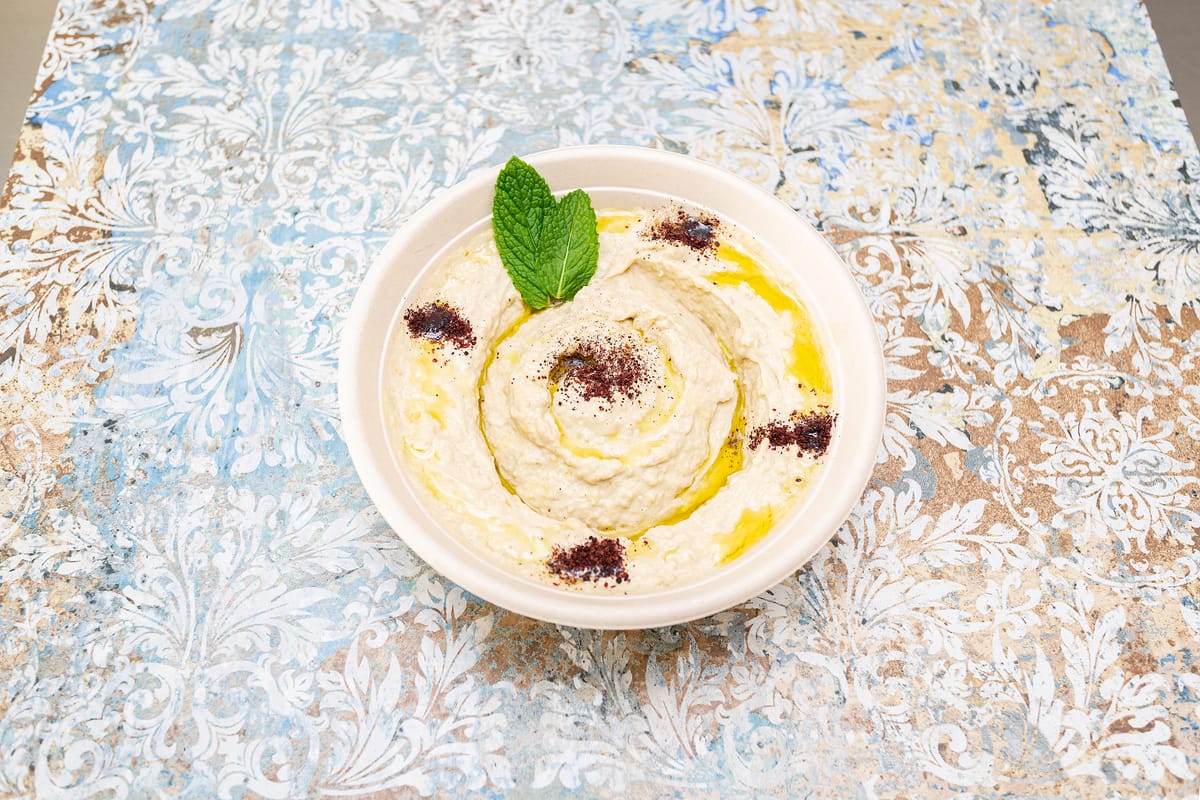
Fresh Pita, Daily
Taza bakes pita from scratch every morning -- flour, water, yeast, salt, and the same stone oven tradition that has existed in the Levant for thousands of years.
What Makes Pita Bread Different from Other Flatbreads?
The pocket. Everything else is secondary.
Pita bread originated in the Levant region of the Middle East. Evidence of flatbread baking in the area dates to at least 14,000 years ago. The specific pita we know today -- a round, leavened bread with a hollow pocket -- developed as communities discovered that a very lean dough baked at very high heat would puff up dramatically, creating an interior space.
The dough recipe has stayed remarkably simple: flour, water, yeast, and salt. No oil. No dairy. No enrichments of any kind. This lean composition is intentional. Fat coats the gluten strands in dough, making it pliable and soft -- but fat also prevents the clean layer separation that creates the pocket. Pita's pocket exists precisely because the dough contains nothing to stop the steam from splitting the layers apart.
Because it contains no fat, pita is naturally vegan and lower in calories than most other breads. One pita (roughly 60g) has about 165 calories, 1g of fat, and 5-6g of protein. You can stuff it with protein, vegetables, and sauce without the bread adding excess richness to an already substantial filling. At Taza, our pita bread side is available for $0.95 -- or as the foundation of any pita pocket sandwich on our menu.
How Pita Bread Forms Its Pocket
Six steps from flour to steam-puffed pocket bread.
Mix a lean dough
Combine bread flour, water, active dry yeast, and salt. No oil, no dairy, no eggs. Knead for 8-10 minutes until smooth and elastic. The simplicity of the dough is what allows the steam pocket to form later.
Bulk ferment for one hour
Cover the dough and rest it at room temperature for 60-90 minutes. The yeast consumes sugars in the flour, producing CO2 that makes the dough double in size and develop flavor.
Divide and roll thin
Portion the dough into 80-100g balls. Roll each ball flat into a circle 6-8 inches across and 4-5mm thick. Uniform thickness is critical -- too thick or too thin and the pocket will not form evenly.
Rest the rounds
Let the rolled circles rest on a floured surface for 15-20 minutes. This relaxes the gluten so the dough does not spring back in the oven, and allows a second brief fermentation.
Bake at extreme heat
Slide the rounds directly onto a stone surface in an oven heated to 230-260°C (450-500°F). Within 60-90 seconds, the moisture in the dough turns to steam and inflates the bread like a balloon. The whole bake takes under 2 minutes.
Cool and reveal the pocket
Remove the puffed bread and let it cool slightly on a rack. As it cools, the steam condenses and the balloon deflates -- but the two layers do not re-fuse. The result is the classic hollow pocket that makes pita unique among flatbreads.
Major Flatbreads of the World
Naan, tortilla, lavash, shrak, focaccia -- and how each differs from pita.
Naan
An enriched, leavened flatbread cooked by pressing dough against the interior wall of a clay tandoor oven. The dough contains yogurt and ghee, making it soft, pillowy, and richer than pita. Naan has no pocket and is designed for scooping curries and dal.
Tortilla
An unleavened flatbread made from masa (nixtamalized corn) or wheat flour. Thin, pliable, and cooked on a dry comal griddle. Tortillas predate pita in documented history. They are central to tacos, burritos, and quesadillas.
Lavash
A very thin, soft flatbread baked on the inner wall of a clay tonir or on a convex surface. When dried, lavash becomes cracker-like and can be stored for months. When fresh, it is pliable and used for wrapping kebabs, herbs, and cheese. UNESCO-listed as Armenian cultural heritage.
Shrak (Saj Bread)
An extremely thin unleavened flatbread cooked on a convex metal dome called a saj. Shrak is larger and thinner than pita, with a slightly chewy texture and a faint char on the surface. It rolls around fillings rather than holding them in a pocket. At Taza, shrak is used for our full-size shawarma wraps.
Focaccia
A thick, yeasted Italian flatbread baked in a pan with generous amounts of olive oil and sea salt. Focaccia is leavened like pita but baked at a lower temperature for longer, producing a thick, airy, oily crumb. It is eaten as a snack, side dish, or sandwich bread and is not used for stuffing.
What about manaeesh?
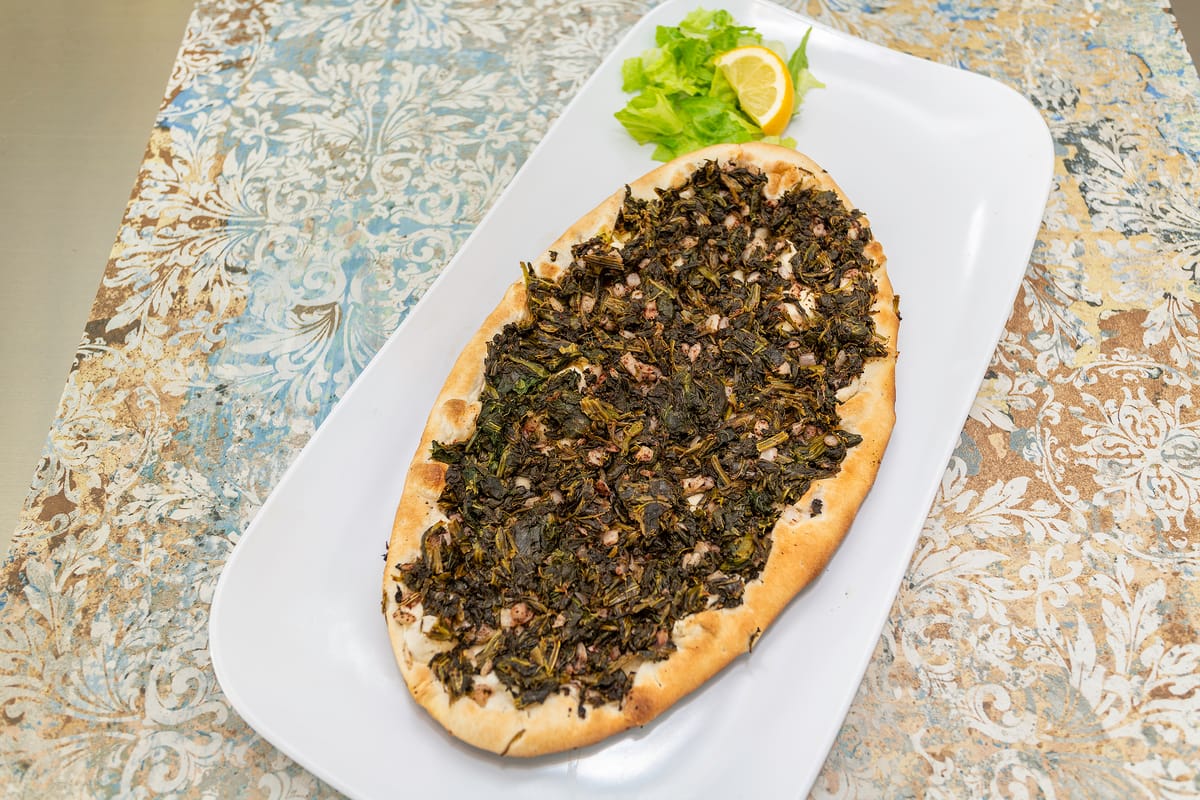
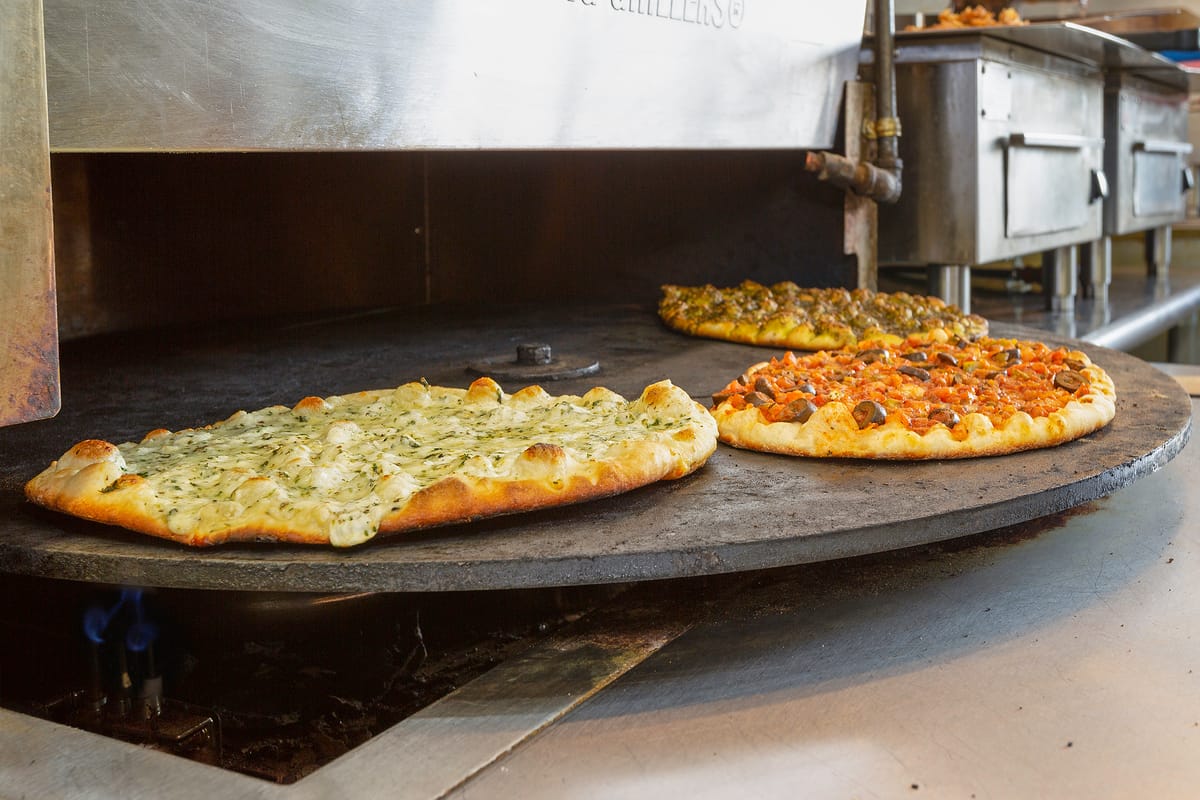
Manaeesh (also spelled manakish) is a Levantine flatbread baked with toppings -- zaatar, cheese, ground meat, or spinach -- directly on the surface before baking. It is more like an open-faced Middle Eastern pizza than a bread for stuffing or wrapping. Taza bakes manaeesh daily: zaatar manaeesh, cheese manaeesh, spinach pie, and lahm bil ajin (meat flatbread). These represent a fourth distinct category of flatbread: topped and open rather than stuffed or wrapped.
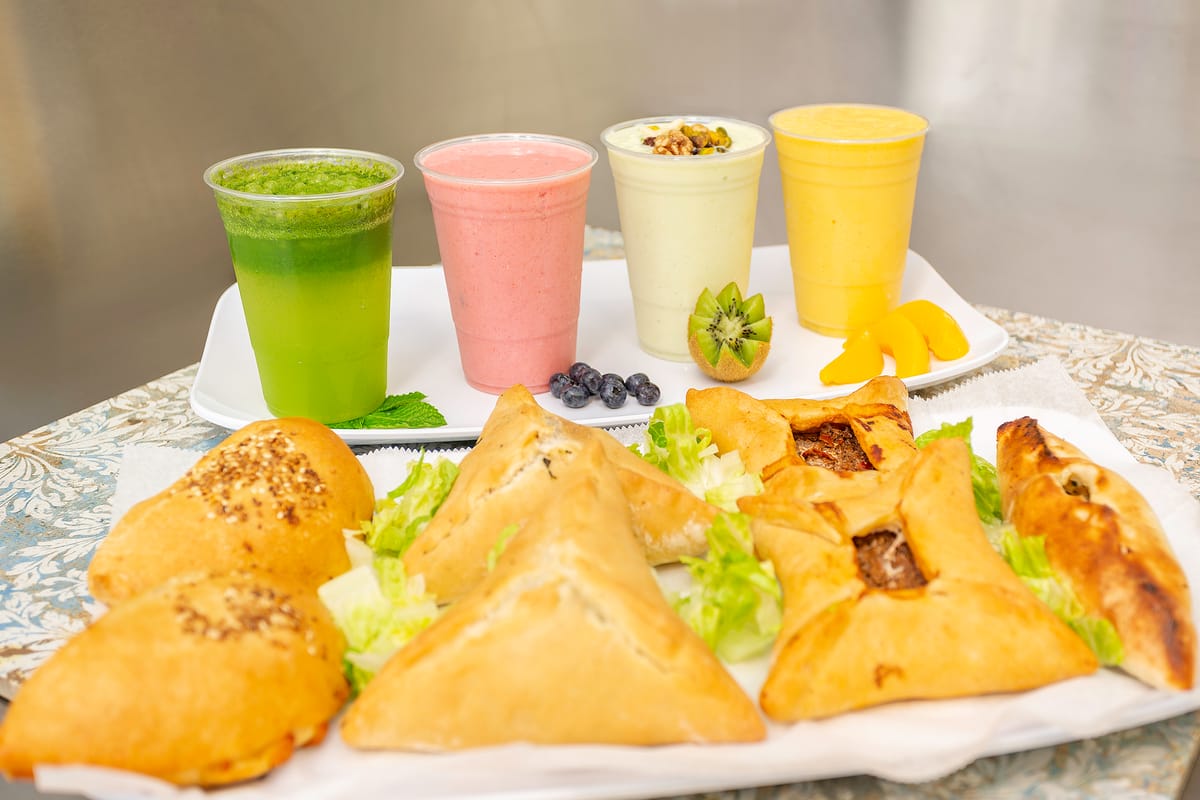
Two Breads, One Menu
Taza serves both pita (pocket bread) and shrak (thin Levantine wrap bread) -- two distinct flatbreads from the same culinary tradition.
Pita vs Naan vs Tortilla vs Lavash vs Shrak
Every major flatbread compared feature by feature.
| Feature | Pita | Other Flatbreads |
|---|---|---|
| Origin | Middle East (Levant region, 14,000+ years) | Naan: South Asia | Tortilla: Mexico | Lavash: Armenia | Shrak: Levant |
| Leavened? | Yes -- yeast-risen dough | Naan: yes | Tortilla: no | Lavash: sometimes | Shrak: no |
| Key Ingredients | Flour, water, yeast, salt -- nothing else | Naan adds yogurt + ghee | Tortilla uses masa or wheat | Lavash: flour, water, salt | Shrak: flour, water, salt |
| Cooking Method | Stone oven at 230-260°C (450-500°F), rapid steam-puff | Naan: tandoor oven | Tortilla: dry comal | Lavash: stone oven | Shrak: convex saj dome |
| Pocket Formed? | Yes -- steam separates layers into hollow pocket | Naan: no | Tortilla: no | Lavash: no | Shrak: no |
| Texture | Soft, slightly chewy, light -- with a hollow interior | Naan: pillowy, charred | Tortilla: soft/pliable | Lavash: paper-thin | Shrak: thin, chewy |
| Thickness | Medium -- 5-7 mm when deflated | Naan: thick 8-12mm | Tortilla: thin 2-3mm | Lavash: very thin 1-2mm | Shrak: very thin |
| Calories (~60g) | ~165 calories | Naan ~260 cal | Tortilla ~130 cal | Lavash ~120 cal | Shrak ~100 cal |
| Dairy / Fat in Dough | None -- naturally vegan | Naan: yes (yogurt, ghee) | Tortilla: sometimes | Lavash: no | Shrak: no |
| Best Use | Stuffed sandwiches, dipping in hummus and baba ghanoush | Naan: scooping curries | Tortilla: tacos/burritos | Lavash: wrapping kebabs | Shrak: large shawarma wraps |
Pita's lean dough and steam-pocket formation make it the best choice for stuffed Mediterranean sandwiches. Every other flatbread was developed for different cuisines and different functions at the table.
Flatbread Nutrition: Pita vs the Field
Calorie and fat comparison across the most common flatbreads.
Pita Bread (~60g)
Standard white pita, one round
Other Flatbreads (per serving)
Approximate values, standard portion
Pita is one of the best calorie-to-satiety flatbreads available. At 165 calories per round, it provides a complete edible container for a protein-rich filling without front-loading your meal with bread calories. Shrak and lavash are even lighter, but they cannot form the pocket that makes a true pita sandwich possible. Naan and focaccia deliver more indulgence -- exactly what they were designed for in their respective cuisines.
The Pocket Makes the Sandwich
No other flatbread holds shawarma and falafel together the way a fresh-baked pita pocket does.
How Taza Uses Pita and Shrak Flatbread
Two Levantine flatbreads, baked fresh daily, for two different purposes.
Taza keeps two distinct flatbreads on the menu because they serve fundamentally different roles. Pita -- baked in our stone oven every morning -- is for our pocket sandwiches. The hollow interior keeps the filling contained and lets each bite include bread, protein, sauce, and vegetables together. It is a structural advantage that no other bread provides.
Shrak bread is for our larger wraps. Shrak is a traditional Levantine flatbread cooked on a convex metal dome called a saj. It is unleavened, paper-thin, and significantly larger than pita -- the size of a dinner plate or larger. Shrak is not stuffed; it is rolled. You place the filling on one end, fold in the sides, and roll the bread around it. The result is a larger, more substantial wrap with a different texture than a pita sandwich.
Both breads are native to the same Levantine culinary tradition. The pita is the older, more widespread form. Shrak is regional, particularly associated with rural and Bedouin cooking in the Levant, where baking on a portable saj dome over an open fire was practical and efficient. At Taza, we use each bread for what it does best -- and both are made from scratch, not shipped in from a factory.
Chicken Shawarma Pita -- from $9.95
Spit-roasted chicken shaved from the vertical rotisserie, stuffed into a warm pita pocket with garlic sauce, pickled turnips, fresh lettuce, and tomatoes. The pita pocket holds every element together through the last bite.
Beef Shawarma Pita -- from $9.95
Slow-roasted beef sliced thin and loaded into a fresh pita pocket with tahini, vegetables, and pickled turnips. The lean pita dough lets the beef flavor come forward without competing richness.
Falafel Pita -- from $8.95
Crispy chickpea falafel in a warm pita pocket with tahini sauce, cucumbers, tomatoes, and pickles. A plant-based sandwich that owes its structural integrity entirely to the pita pocket.
Chicken Shawarma Shrak -- from $11.45
The same chicken shawarma rolled in thin shrak flatbread rather than a pita pocket. Shrak wraps are larger and showcase the difference between pita (pocket bread) and flatbread (wrap bread) in a single meal.
Pita Bread (side) -- $0.95
A single fresh-baked pita, warm from the stone oven. Tear it into triangles for scooping hummus or baba ghanoush, or use it as a side alongside any bowl or plate.
Hummus -- $4.95
Creamy chickpea hummus with tahini, lemon, and olive oil -- served with warm pita bread. The pairing of fresh pita and hummus is one of the oldest food traditions in the Levantine world.
Falls Church's Flatbread Specialists
Taza Shawarma & Falafel at 5820 Seminary Rd -- fresh pita and shrak baked daily, open 11 AM to midnight.
Try Fresh Pita and Shrak in Falls Church
Taza is open daily -- come in, order at the counter, and eat fresh.
Address
5820 Seminary Rd Ste O, Falls Church, VA 22041
Hours
11:00 AM - 12:00 AM -- Open 7 Days a Week
Phone
Pita vs Flatbread: Your Questions Answered
Yes, pita is a flatbread, but it is a specific and distinct type. All pita is flatbread, but not all flatbread is pita. The term 'flatbread' describes any bread that is flat rather than loaf-shaped -- it includes hundreds of varieties: tortillas, lavash, naan, shrak, focaccia, roti, injera, matzo, and many more. Pita is unique within this category because it forms a hollow pocket when baked at high heat. No other major flatbread consistently produces this pocket. That pocket is what sets pita apart and makes it useful as an edible container for stuffed sandwiches.
The main difference is that 'flatbread' is a broad category covering hundreds of bread types from around the world, while pita is one specific member of that category. Pita's defining trait is its steam-formed pocket, created when water in the lean dough (flour, water, yeast, salt) flashes to steam in a very hot oven. Other flatbreads -- lavash, shrak, tortilla -- have no pocket, different ingredients, different origins, and different cooking methods. If someone says 'flatbread' they could mean almost anything. If they say 'pita,' they mean specifically the round, pocket-forming Levantine bread.
Pita is one of the leaner flatbreads available. A standard pita (about 60g) has roughly 165 calories, 1g of fat, and 5-6g of protein. It contains no dairy, oil, or enriching fat in the dough. Shrak and lavash are even lighter at around 100-120 calories per piece. Tortillas vary widely by type -- corn tortillas run about 70 calories each while large flour tortillas can hit 200+ calories. Naan is the richest common flatbread at around 260 calories per piece due to the yogurt, ghee, and sometimes egg in the dough. Focaccia is highest in fat because it is baked generously in olive oil. For low-calorie eating, shrak, lavash, and pita are the best choices.
Taza bakes fresh pita bread daily for our pita pocket sandwiches. We use the pita for our chicken shawarma pita (from $9.95), beef shawarma pita (from $9.95), and falafel pita (from $8.95). We also use shrak bread -- a thin Levantine flatbread cooked on a convex dome -- for our larger wraps. Our shrak wraps are bigger and designed for customers who want more filling. Manaeesh, our oven-baked flatbreads with toppings, represent a third type of flatbread entirely -- more like an open pizza than a wrap or pocket sandwich.
The pocket in pita forms through rapid steam expansion. Pita dough is made with only flour, water, yeast, and salt -- a lean dough with no fat. When this dough goes into a very hot oven (230-260°C / 450-500°F), the water trapped inside the dough turns to steam almost instantly. Because the dough has no fat to slow this process down, the steam inflates the entire bread like a balloon in under 90 seconds. The two layers of dough separate cleanly and fully. When the bread cools, the steam condenses, the balloon deflates, but the layers do not re-stick -- leaving the hollow pocket. If the dough contains fat (like naan dough does), the fat lubricates the dough and prevents this clean separation, which is why naan does not form a pocket.
It depends on what you are making. If you need pita specifically for stuffing -- shawarma, falafel, gyros -- then pita is what you want and there is no good substitute. If you are using flatbread as a wrap (rolling the filling inside), shrak bread or lavash are better options because they are thinner and more pliable than pita. For scooping dips like hummus, any flatbread will work but pita is the traditional pairing. For a pizza-like base, pita works as a flatbread substitute for the base of a personal pizza, though naan or focaccia will give a more indulgent result. Each flatbread was developed for a specific purpose -- using the right one makes a noticeable difference.
No, shrak and pita are both Levantine flatbreads but they are quite different. Pita is round, about 6-8 inches across, formed from a yeast-leavened dough, and baked in a stone oven where it puffs into a pocket. Shrak (also called saj bread) is unleavened, much larger (often 18-24 inches across), paper-thin, and cooked on a convex metal dome over an open flame. Shrak has no pocket -- it is designed to be rolled around fillings rather than stuffed inside them. At Taza, we use pita for our pocket sandwiches and shrak for our larger shawarma wraps. The two breads give a completely different eating experience even when filled with the same protein.
Shrak (also spelled shrack or xubz shrak) is a traditional Levantine flatbread baked on a domed metal griddle called a saj. It is unleavened, very thin, and slightly larger than a dinner plate. The saj is heated over a flame, and the dough is stretched by hand until almost translucent before being laid over the dome. It cooks in about 60-90 seconds, developing faint char marks and a pliable, chewy texture. Shrak is central to Levantine cooking -- it is the bread used for large shawarma wraps, and in traditional households it is baked fresh daily and used for everything from scooping dips to wrapping cheese and herbs. At Taza, shrak wraps start from from $9.95 and are one of our most popular menu items.
More Flatbread and Levantine Food Guides
Fresh Pita. Fresh Shrak. Falls Church.
Taza bakes its flatbreads from scratch every morning. Order online for pickup or come in to 5820 Seminary Rd -- open 11 AM to midnight, seven days a week.