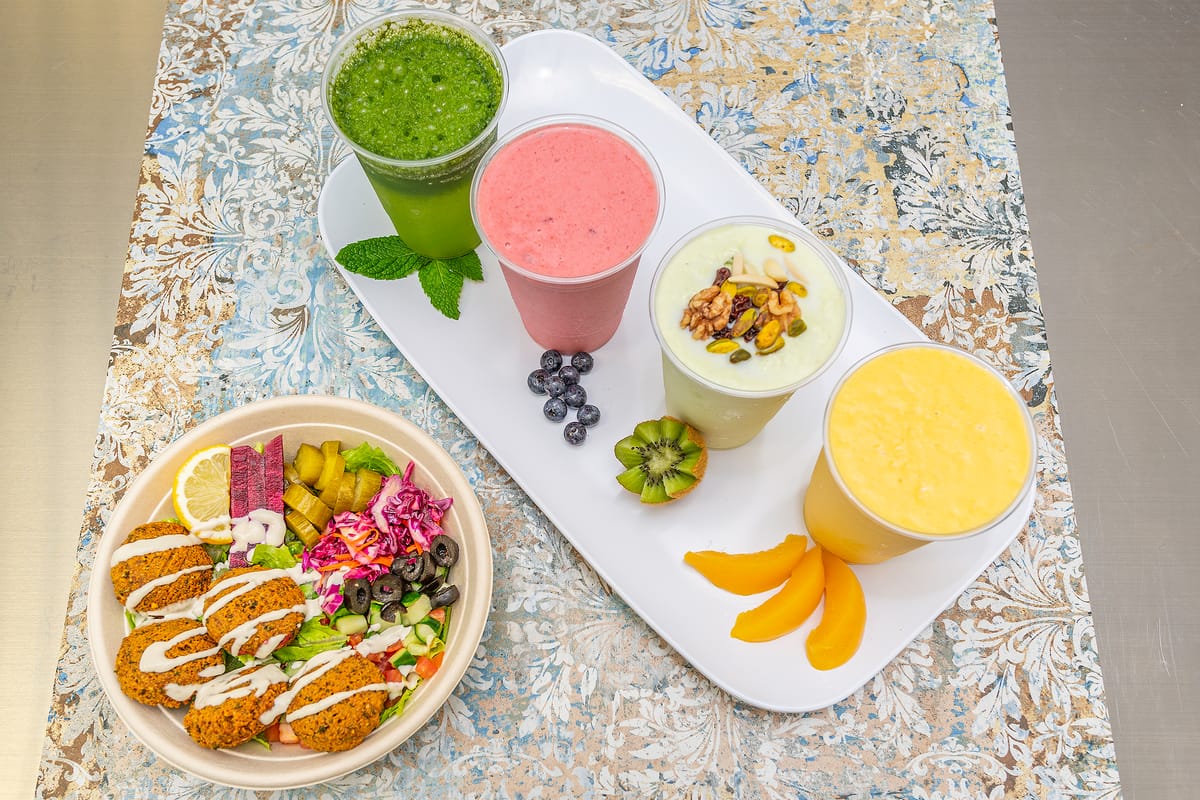
Foods That Boost Your Immune System Naturally
The Mediterranean diet provides every immune-active nutrient category your body needs — allicin from garlic, zinc from chickpeas, polyphenols from olive oil, probiotics from labneh, and thymol from zaatar. The science of staying healthy starts on your plate.
4.8 stars on Yelp (92 reviews) -- Open 11:00 AM - 12:00 AM
Why Does the Mediterranean Diet Strengthen Immune Defense?
Decades of clinical research reveal why traditional Levantine and Eastern Mediterranean eating patterns produce measurably stronger immune responses than the standard Western diet.
How Does the Mediterranean Diet Reduce Infection Risk Compared to Western Eating Patterns?
The immune system is not a single organ but an interconnected network of cells, tissues, and chemical messengers that requires constant nutritional input to function effectively. White blood cells have a lifespan measured in hours to days, meaning your body must continuously produce new immune cells from dietary building blocks. The Mediterranean dietary pattern, rooted in Levantine and Eastern Mediterranean culinary traditions, delivers six distinct categories of immune-active compounds in every meal: allicin from raw garlic, zinc from chickpeas and sesame, vitamin C from fresh herbs and citrus, polyphenols from olive oil, probiotics from fermented dairy, and antimicrobial terpenes from herbs like thyme and oregano. Clinical trials consistently demonstrate that this combination reduces infection rates, shortens illness duration, and prevents the chronic low-grade inflammation that weakens immune surveillance over time.
What Are the Key Immune-Boosting Compounds in Traditional Levantine Cuisine?
Levantine cuisine, the culinary tradition from which Taza Shawarma and Falafel draws its menu, is built on ingredients that were used medicinally for centuries before modern science identified their active compounds. Garlic was prescribed by Hippocrates for respiratory infections and by Jordanian and Lebanese herbalists for digestive ailments. Thyme tea remains a first-line home remedy for coughs across the Eastern Mediterranean region. What modern immunology has revealed is that these traditional foods contain specific molecular compounds — allicin, thymol, carvacrol, oleocanthal, and others — that interact directly with immune cell receptors, inflammatory signaling pathways, and pathogen cell membranes. The transition from folk remedy to evidence-based nutrition has validated what Levantine grandmothers have practiced for generations: that the food itself is the medicine when consumed consistently and in its whole, unprocessed form.
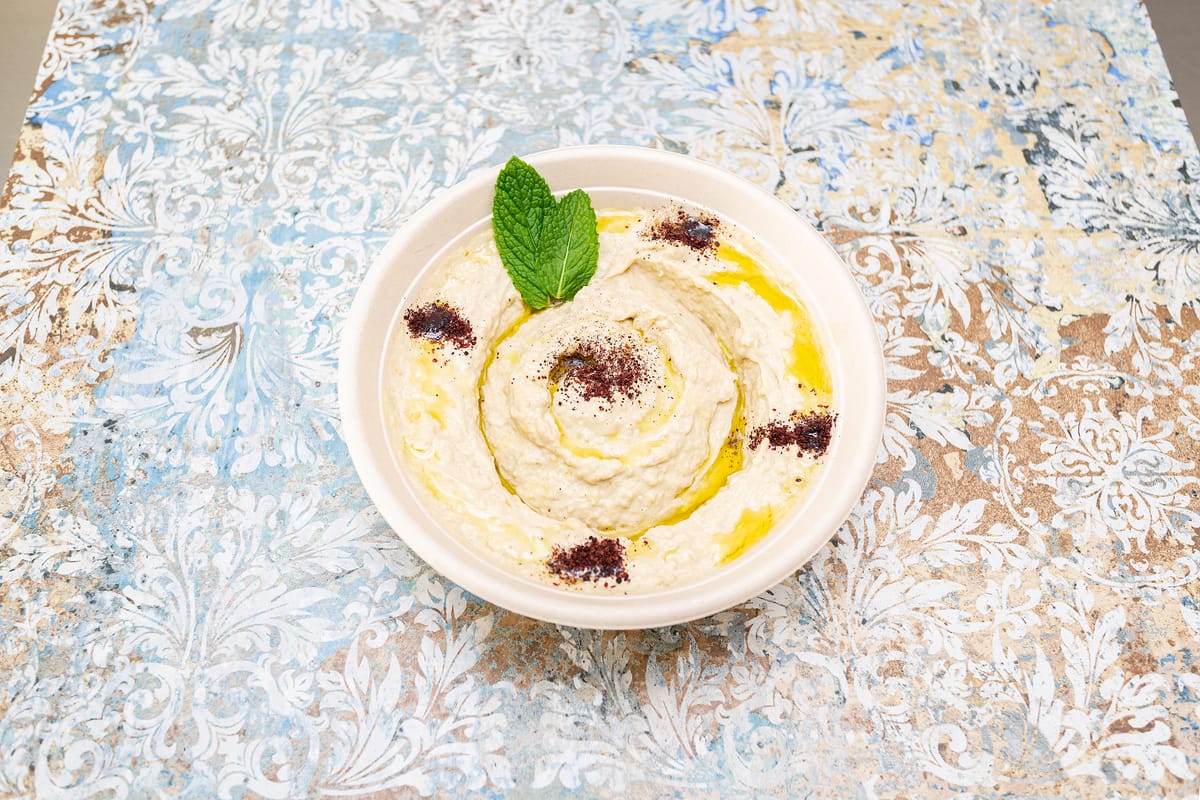
Your Immune Defense Starts at the Table
Every meal at Taza delivers garlic allicin, chickpea zinc, olive oil polyphenols, and herb-based antimicrobials that clinical trials link to stronger immune function.
Which Mediterranean Foods Contain the Strongest Immune-Boosting Compounds?
Six categories of immune-active nutrients found in every meal at Taza Shawarma and Falafel, each supported by peer-reviewed clinical evidence.
Allicin in Garlic (Toum)
Allicin, Ajoene, S-Allyl Cysteine, Diallyl DisulfideGarlic is one of the most extensively studied immune-modulating foods in the medical literature. When raw garlic is crushed, the enzyme alliinase converts alliin into allicin, a sulfur compound with direct antimicrobial activity against over 20 species of bacteria, viruses, and fungi. Allicin stimulates both innate and adaptive immunity by increasing natural killer cell cytotoxicity and enhancing macrophage phagocytic activity. A 2012 Cochrane review of 8 randomized controlled trials found that daily garlic supplementation reduced the incidence of common colds by 63 percent and shortened symptom duration by 70 percent compared to placebo. S-allyl cysteine, a water-soluble organosulfur compound in aged garlic, further modulates the NF-kB inflammatory pathway, reducing the cytokine storm response that drives severe cold and flu symptoms.
Toum (raw garlic sauce) on all shawarma and bowls, onions in Arabic salad
Zinc from Chickpeas and Tahini
Zinc, Selenium, Copper, Plant ProteinZinc is the single most critical trace mineral for immune function, serving as a cofactor for over 300 enzymes involved in immune cell development and signaling. The thymus gland, which produces T-lymphocytes, is exquisitely sensitive to zinc status. Even mild zinc deficiency reduces T-cell proliferation by up to 40 percent and impairs the oxidative burst of neutrophils, the first line of defense against bacterial invasion. A 2017 meta-analysis of 7 randomized trials in the British Medical Journal's Open Respiratory Research found that zinc lozenges reduced common cold duration by 33 percent when taken within 24 hours of symptom onset. Chickpeas provide approximately 1.5 mg of zinc per 100 grams, and tahini adds another 1.6 mg per tablespoon. A single serving of hummus at Taza delivers a meaningful fraction of the recommended daily zinc intake of 8 to 11 mg.
Hummus, falafel (all formats), chickpea bowls, tahini sauce on every dish
Vitamin C from Parsley, Lemon, and Fresh Vegetables
Ascorbic Acid, Hesperidin, Rutin, QuercetinVitamin C is essential for immune defense at every stage. It accumulates in neutrophils at concentrations 50 to 100 times higher than plasma levels, protecting these cells from self-generated oxidative damage during phagocytosis. Vitamin C also enhances B-cell and T-cell proliferation and supports antibody production. Fresh parsley, a cornerstone herb in Levantine cuisine, contains 133 mg of vitamin C per 100 grams, making it one of the most concentrated dietary sources available. Lemon juice provides 53 mg per 100 ml. A 2017 review in the journal Nutrients analyzed 29 controlled trials and found that vitamin C supplementation of 200 mg or more daily reduced cold duration by 8 percent in adults and 14 percent in children. The hesperidin and rutin bioflavonoids in citrus further enhance vitamin C absorption and extend its half-life in tissues.
Fresh parsley garnish, lemon mint drink, lemon in hummus and tahini, Arabic salad vegetables
Olive Oil Polyphenols
Oleocanthal, Hydroxytyrosol, Oleuropein, Oleic AcidExtra-virgin olive oil contains more than 30 phenolic compounds with documented immunomodulatory effects. Oleocanthal inhibits the same COX-1 and COX-2 cyclooxygenase enzymes targeted by ibuprofen, providing a natural anti-inflammatory effect that prevents the excessive inflammation associated with respiratory infections. Hydroxytyrosol, the most studied olive oil polyphenol, has demonstrated direct antiviral activity against influenza A and respiratory syncytial virus in cell culture studies published in the Journal of Medicinal Chemistry. Oleuropein activates autophagy in immune cells, a cellular recycling process that clears damaged proteins and intracellular pathogens. The European Food Safety Authority has recognized that consuming at least 5 mg of hydroxytyrosol equivalents daily from olive oil protects blood lipids from oxidative damage, a threshold easily exceeded by the olive oil used in Taza's hummus, baba ghanouj, and bowl finishing drizzles.
Hummus, baba ghanouj, zaatar manaeesh, bowl drizzle, salad dressing
Probiotics in Labneh
Lactobacillus, Bifidobacterium, Lactic Acid, Bioactive PeptidesApproximately 70 percent of the human immune system resides in gut-associated lymphoid tissue (GALT), making the gut microbiome a primary regulator of immune function. Labneh, the traditional Levantine strained yogurt, concentrates live probiotic bacteria at significantly higher colony-forming unit counts than standard yogurt due to the straining process. Lactobacillus rhamnosus and Lactobacillus casei, common strains in fermented dairy, enhance the production of secretory IgA, the antibody that lines mucosal surfaces and prevents pathogen entry in the respiratory and digestive tracts. A landmark 2014 meta-analysis in the British Journal of Nutrition analyzed 20 randomized controlled trials with 3,720 participants and found that probiotic consumption reduced the incidence of upper respiratory tract infections by 47 percent and shortened episodes by 1.89 days on average.
Labneh side dish with olive oil and mint, used as a dip or bowl base
Thymol and Carvacrol in Za'atar
Thymol, Carvacrol, Rosmarinic Acid, Gallic Acid from SumacZa'atar is a Levantine spice blend combining dried thyme, oregano, sumac, and sesame seeds, each contributing distinct immune-active compounds. Thymol, the primary phenol in thyme, has demonstrated broad-spectrum antimicrobial activity against respiratory pathogens including Streptococcus pneumoniae and Haemophilus influenzae. Carvacrol from oregano disrupts bacterial cell membranes by interfering with ergosterol synthesis. A 2018 study in the journal Molecules found that thymol at food-relevant concentrations reduced influenza virus replication by 90 percent in cell culture. Sumac contributes gallic acid and anthocyanins with potent antioxidant activity that protects immune cells from the oxidative stress generated during infection. Rosmarinic acid modulates the complement system, an innate immune cascade that tags pathogens for destruction.
Zaatar manaeesh, zaatar pie, zaatar seasoning on bowls and salads
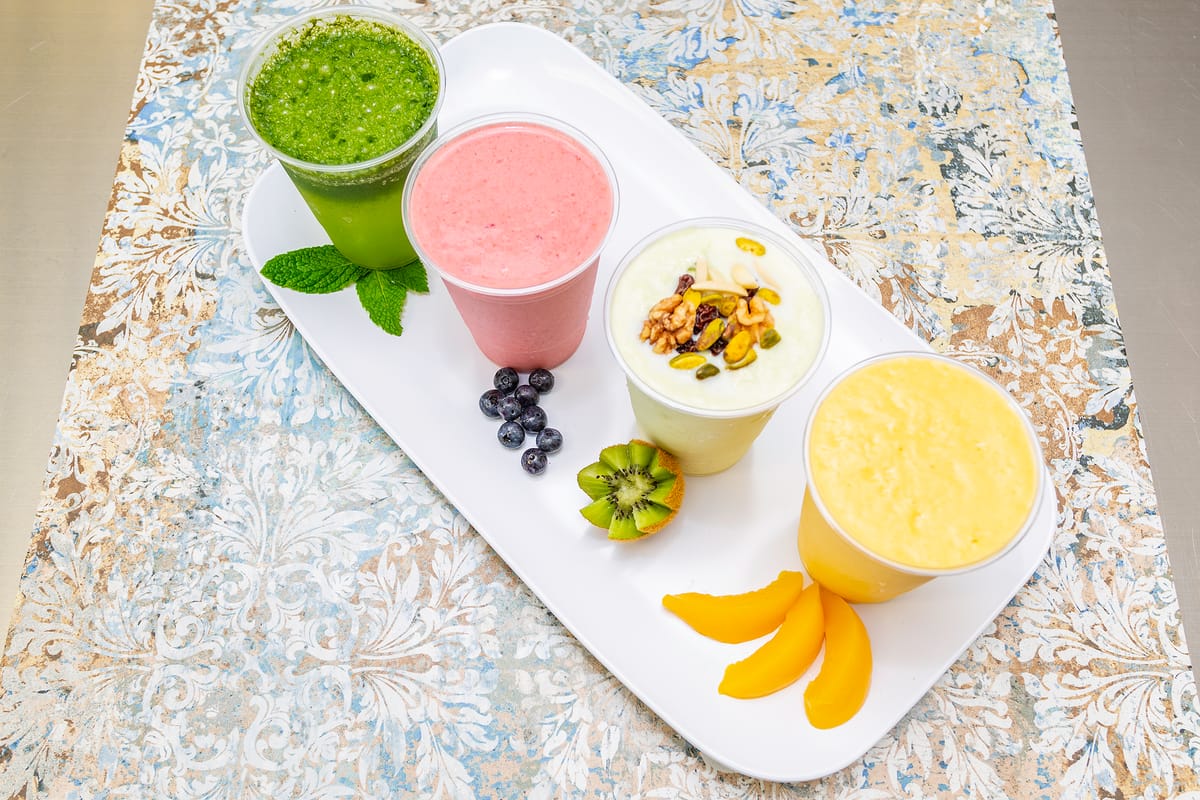
Fresh Ingredients. Real Immune Support.
Taza's kitchen uses raw garlic, fresh herbs, and extra-virgin olive oil daily — preserving the immune-active compounds that cooking and processing destroy.
How Do Anti-Inflammatory Foods in the Mediterranean Diet Protect Immune Function?
Chronic inflammation is the enemy of effective immunity. These compounds from Taza's menu suppress excessive inflammatory signaling while preserving the protective immune response.
Inflammation is a necessary immune response to infection, but chronic, low-grade inflammation — driven by processed foods, refined sugar, and omega-6-heavy seed oils — exhausts immune cells and diverts resources away from pathogen defense. The anti-inflammatory compounds in Mediterranean foods restore the balance between protective acute inflammation and the baseline calm that allows immune surveillance to operate efficiently. Research from the PREDIMED trial showed that participants following a Mediterranean diet supplemented with olive oil had significantly lower C-reactive protein levels than control groups, a direct measure of reduced systemic inflammation that correlates with improved immune responsiveness and lower rates of respiratory infection. The six anti-inflammatory compounds below are present in everyday dishes at Taza Shawarma and Falafel.
Oleocanthal (Olive Oil)
Found in every drizzle of extra-virgin olive oil at Taza, oleocanthal inhibits pro-inflammatory COX enzymes at potencies comparable to low-dose ibuprofen. This natural anti-inflammatory action prevents the excessive immune activation that damages healthy tissue during respiratory infections and autoimmune flares.
Diallyl Disulfide (Garlic)
Present in Taza's raw toum sauce, diallyl disulfide suppresses the production of interleukin-1 beta and tumor necrosis factor alpha, two inflammatory cytokines that drive fever, muscle pain, and tissue damage during viral infections. Regular garlic consumption maintains baseline anti-inflammatory tone.
Rosmarinic Acid (Za'atar Herbs)
The thyme and oregano in Taza's zaatar manaeesh supply rosmarinic acid, which inhibits complement activation and reduces the recruitment of inflammatory neutrophils to mucosal tissues. This targeted action helps prevent the airway inflammation that causes coughing, congestion, and bronchial irritation during colds.
Hesperidin (Lemon and Citrus)
Taza's lemon mint drink delivers hesperidin, a citrus bioflavonoid that reduces vascular permeability and inhibits histamine release from mast cells. This dual action decreases nasal congestion and sinus pressure during upper respiratory infections while supporting vitamin C absorption for enhanced immune cell function.
Quercetin (Onions and Chickpeas)
The raw onions in Taza's Arabic salad and the chickpeas in hummus and falafel provide quercetin, a flavonoid that stabilizes mast cell membranes and blocks histamine release. Quercetin also inhibits viral replication enzymes, with studies showing reduced viral loads in influenza and rhinovirus models.
Sesamin (Tahini)
Tahini's sesame lignans, particularly sesamin, reduce the expression of pro-inflammatory genes through direct interaction with nuclear receptors. This suppresses chronic low-grade inflammation that weakens immune surveillance and allows latent infections to reactivate during periods of stress or poor nutrition.
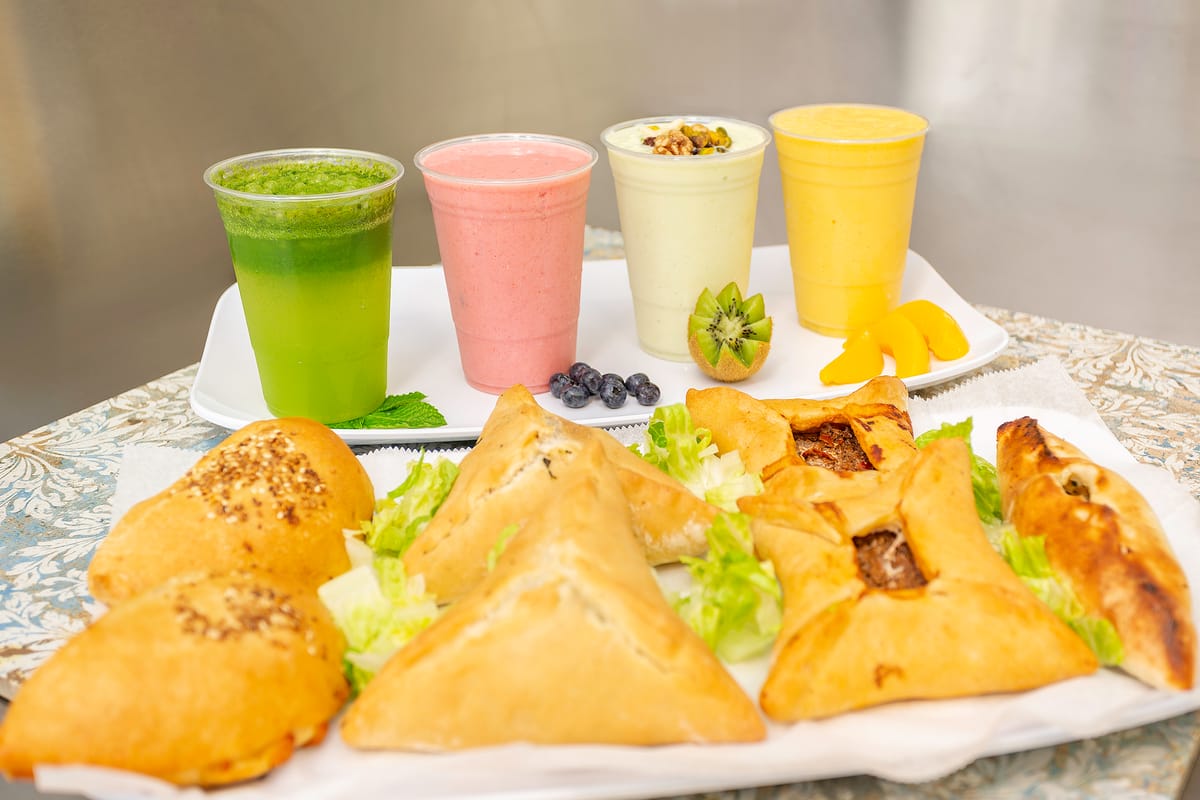
Chickpea Zinc: Your Immune System's Essential Mineral
Every falafel and hummus serving at Taza delivers plant-based zinc that supports T-cell production and shortens cold duration by up to 33 percent.
How Do Immune-Boosting Nutrients Compare Between Mediterranean and Western Diets?
A side-by-side analysis of nine critical immune nutrient categories reveals why the Mediterranean pattern consistently outperforms the standard American diet in clinical immunity studies.
| Immune Factor | Mediterranean Diet (Taza Menu) | Standard Western Diet |
|---|---|---|
| Vitamin C Intake | High -- fresh parsley (133 mg/100g), lemon juice, bell peppers, and raw vegetable toppings on every meal | Low -- heat-processed foods, canned vegetables, and minimal fresh produce destroy ascorbic acid |
| Zinc Bioavailability | Adequate -- chickpeas, tahini, and lean meats provide 8-12 mg daily with citrus enhancing absorption | Often deficient -- refined grains contain phytates that bind zinc; processed food provides minimal amounts |
| Probiotic Diversity | Rich -- labneh, pickled turnips, and fermented vegetables maintain high gut microbiome diversity | Poor -- pasteurized processed foods, antibiotics in factory meat, and emulsifiers disrupt beneficial bacteria |
| Anti-Inflammatory Balance | Strong -- olive oil oleocanthal, garlic allicin, and thyme thymol reduce chronic background inflammation | Weak -- omega-6 seed oils, refined sugar, and trans fats promote systemic inflammatory signaling |
| Antioxidant Density | Very high -- polyphenols from olive oil, carotenoids from vegetables, and flavonoids from herbs in every dish | Very low -- ultra-processed foods stripped of antioxidants through refining; few raw plant foods consumed |
| Omega-3 to Omega-6 Ratio | Balanced (1:4) -- olive oil, herbs, and vegetables maintain the evolutionary ratio that supports immune regulation | Severely imbalanced (1:20+) -- corn and soybean oils flood tissues with pro-inflammatory arachidonic acid precursors |
| Prebiotic Fiber Content | High -- chickpeas provide 12g fiber per cup feeding Bifidobacterium that produce immune-stimulating short-chain fatty acids | Low -- refined flours and processed snacks contain minimal fiber, starving beneficial gut bacteria of fermentation substrates |
| Selenium and Copper | Present -- sesame seeds, chickpeas, and whole grains provide selenium and copper for glutathione peroxidase and superoxide dismutase | Marginal -- processed food manufacturing strips trace minerals; supplements poorly replicate food-matrix bioavailability |
| Added Sugar Load | Minimal -- natural sweetness from fruits and honey; no high-fructose corn syrup suppressing white blood cell phagocytosis | Excessive -- 77 grams daily average suppresses neutrophil activity for up to 5 hours after consumption per 1973 Loma Linda study |
What Are the Best Immune-Boosting Meals to Order at Taza?
Each dish below is ranked by the density and diversity of immune-active compounds it delivers per serving, with specific nutrients and real menu prices.
Falafel Bowl
from $10.45Zinc + Vitamin C + FiberThe highest-density immune meal at Taza combines chickpea zinc for T-cell function, vitamin C from fresh vegetable toppings for neutrophil activity, and prebiotic fiber that feeds the gut bacteria producing immune-stimulating butyrate. Request extra tahini for selenium and ask for all available vegetable toppings.
Hummus
$4.95Zinc + Polyphenols + AllicinThe chickpea-tahini-olive oil-garlic combination in hummus delivers four immune-active compound categories in a single dip. Zinc from chickpeas and tahini, polyphenols from olive oil, and allicin from raw garlic work synergistically to support both innate and adaptive immunity.
Zaatar Manaeesh
$6.95Thymol + Carvacrol + PolyphenolsZa'atar's thyme and oregano deliver thymol and carvacrol with direct antimicrobial action against respiratory pathogens. The olive oil base provides oleocanthal's anti-inflammatory effect. Pair with labneh for a complete immune-supportive breakfast.
Labneh
$4.95Probiotics + IgA StimulationConcentrated probiotic bacteria in strained yogurt reinforce the gut mucosal barrier where 70 percent of immune tissue resides. Enhances secretory IgA production and reduces respiratory infection incidence by up to 47 percent based on meta-analysis data.
Chicken Shawarma Bowl
from $12.45Lean Protein + AllicinChicken provides complete amino acids including cysteine, the rate-limiting precursor for glutathione synthesis — the body's master antioxidant that protects immune cells from oxidative damage. Request extra toum for maximum allicin delivery from raw garlic.
Lemon Mint
$5.95Vitamin C + HesperidinFresh-squeezed lemon juice delivers ascorbic acid and hesperidin, a bioflavonoid that reduces nasal congestion and supports vitamin C absorption. Mint provides rosmarinic acid with additional anti-inflammatory benefits for respiratory mucosa.
Falafel Pita
from $8.95Zinc + Fiber + Vitamin CFalafel wrapped in warm pita with fresh vegetable toppings delivers chickpea zinc, prebiotic fiber, and vitamin C from parsley and tomatoes. The pita format makes it a portable immune-boosting meal for busy days.
Baba Ghanouj
$4.95Nasunin + PolyphenolsFire-roasted eggplant provides nasunin, an antioxidant that protects immune cell membranes from free radical damage. Combined with tahini zinc, garlic allicin, and olive oil polyphenols for broad-spectrum immune support.
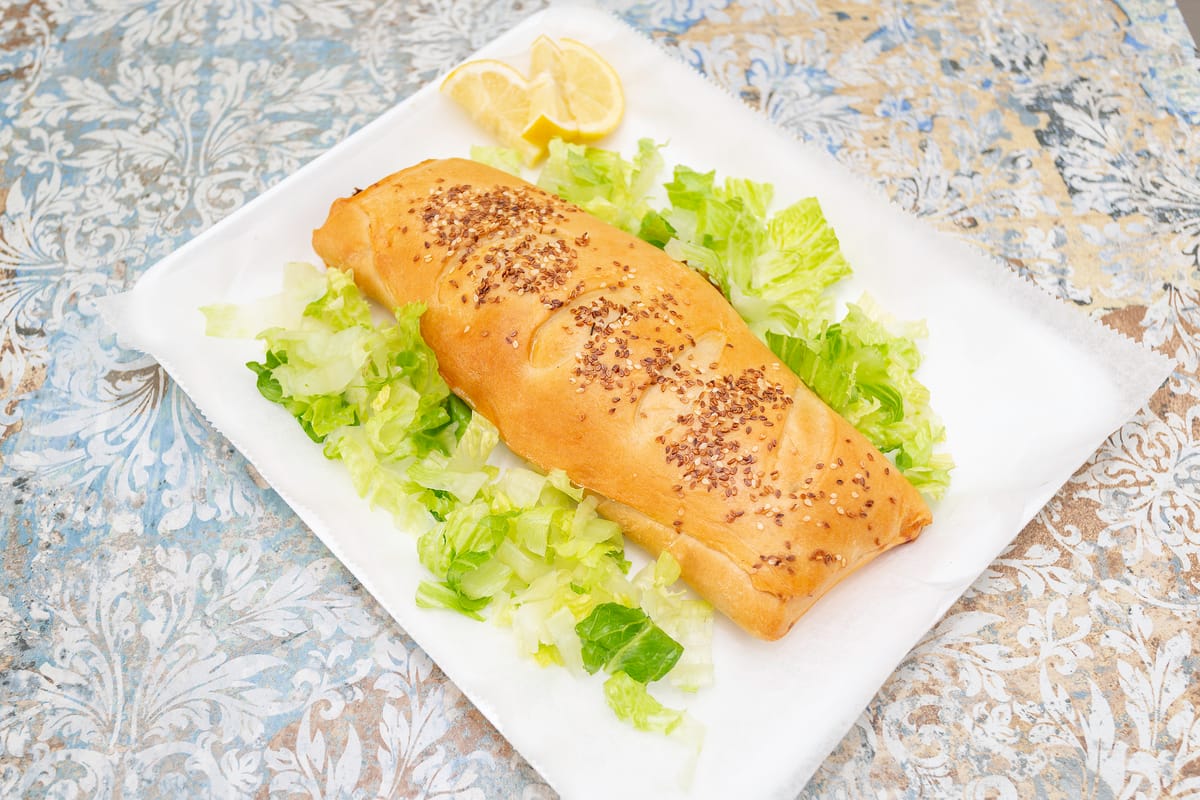
Zinc. Probiotics. Polyphenols. Every Day.
The Mediterranean diet does not require supplements or specialty products. Every immune-boosting compound is present in everyday dishes at Taza.
How Can You Eat for Immunity in Every Season at Taza?
Immune threats change with the calendar. Here is how to optimize your Taza order for seasonal immune challenges in the Falls Church and Northern Virginia area.
Fall and Winter Cold Prevention
During peak cold and flu season from October through March, consistent intake of allicin from garlic and zinc from chickpeas provides the strongest evidence-based dietary defense. Order the chicken shawarma bowl with extra toum sauce and load all available vegetable toppings at Taza to combine vitamin C from fresh parsley and tomatoes with the antimicrobial compounds in raw garlic. Add a labneh side to deliver probiotics that reinforce the mucosal immune barrier in the respiratory tract. The warm lemon mint drink provides hesperidin and ascorbic acid that reduce nasal congestion and support neutrophil function during active infections.
Spring Allergy Season Support
Seasonal allergies involve histamine release from mast cells in nasal and bronchial mucosa. Quercetin from raw onions in Taza's Arabic salad stabilizes mast cell membranes and reduces histamine secretion without the drowsiness of antihistamine medications. The hesperidin in lemon mint further reduces vascular permeability in nasal passages, decreasing the fluid leakage that causes runny nose and sinus pressure. A falafel bowl with onion toppings, tahini sauce, and a side of lemon mint delivers three distinct anti-allergic compounds in a single meal during the March through May pollen season in Northern Virginia.
Summer Hydration and Immune Maintenance
Summer heat in the Falls Church and greater Washington DC area increases fluid loss and depletes water-soluble nutrients including vitamin C and B vitamins. Dehydration impairs lymphocyte circulation and reduces secretory IgA production in mucosal tissues. Order any Taza bowl with a greens base for maximum water content from cucumbers, tomatoes, and lettuce, which are 94 to 96 percent water. The lemon mint drink replaces electrolytes and vitamin C simultaneously. Zinc from the chickpea components prevents the subclinical immune depression that allows summer viral infections to take hold.
Year-Round Immune Baseline
The Mediterranean dietary pattern works best as a consistent lifestyle rather than a reactive intervention during illness. Research from the PREDIMED trial demonstrated that sustained adherence to Mediterranean eating patterns for 5 years produced measurable improvements in inflammatory biomarkers including C-reactive protein and interleukin-6. At Taza, building a weekly habit of consuming hummus, falafel, zaatar manaeesh, and labneh ensures that zinc, allicin, thymol, probiotics, and polyphenols remain at protective concentrations in tissues. Immune cells have a turnover rate of days to weeks, so continuous nutrient supply from real food maintains the cellular workforce that defends against infection.
Why Is Gut Health the Foundation of Strong Immunity?
The gut-immune connection explains why fermented foods, fiber, and polyphenols from the Mediterranean diet produce measurably stronger immune responses.
How Does the Gut Microbiome Control Immune Cell Production and Function?
The gut-associated lymphoid tissue (GALT) contains approximately 70 percent of the body's immune cells, making the intestinal tract the largest immune organ by a significant margin. The commensal bacteria residing in the gut lumen directly regulate immune cell maturation, particularly the differentiation of naive T-cells into regulatory T-cells that prevent autoimmune responses and helper T-cells that coordinate pathogen defense. Short-chain fatty acids produced by bacterial fermentation of dietary fiber, especially butyrate from Bifidobacterium species, serve as the primary energy source for colonocytes and as signaling molecules that modulate immune gene expression throughout the body. A 2019 study in Cell Host and Microbe demonstrated that germ-free mice reconstituted with Mediterranean-diet-associated microbiota developed significantly stronger mucosal immune responses than those colonized with Western-diet-associated bacteria.
Which Foods at Taza Feed the Immune-Supportive Gut Bacteria?
Three categories of Mediterranean foods at Taza directly support the gut-immune axis. First, the probiotics in labneh ($4.95) introduce live Lactobacillus and Bifidobacterium species that enhance secretory IgA production and compete with pathogenic bacteria for mucosal adhesion sites. Second, the prebiotic fiber in chickpeas, found in hummus ($4.95), falafel pita (from $8.95), and falafel bowls (from $10.45), provides the fermentation substrate that gut bacteria convert into butyrate and other immune-signaling short-chain fatty acids. Chickpeas contain 12 grams of fiber per cup, with a significant proportion being soluble galacto-oligosaccharides that preferentially feed Bifidobacterium. Third, olive oil polyphenols in every dish act as selective antimicrobials that suppress pathogenic species while sparing beneficial bacteria, a prebiotic-like effect documented in a 2019 study in the journal Nutrients. This three-pronged approach — probiotics, prebiotics, and polyphenol selection — creates the microbial ecosystem that maximizes gut-mediated immune function.
Probiotics: Labneh
$4.95Live Lactobacillus and Bifidobacterium strains from strained yogurt colonize the gut and enhance mucosal IgA antibody production that prevents respiratory and gastrointestinal pathogen entry.
Prebiotics: Chickpeas
from $8.95Galacto-oligosaccharide fiber in falafel and hummus selectively feeds Bifidobacterium species that produce butyrate, the short-chain fatty acid that regulates immune gene expression in colonocytes.
Polyphenol Selection: Olive Oil
$2.95 (rice side)Hydroxytyrosol and oleuropein from olive oil drizzled on rice, bowls, and salads selectively suppress pathogenic gut bacteria while preserving beneficial species, acting as a natural prebiotic.
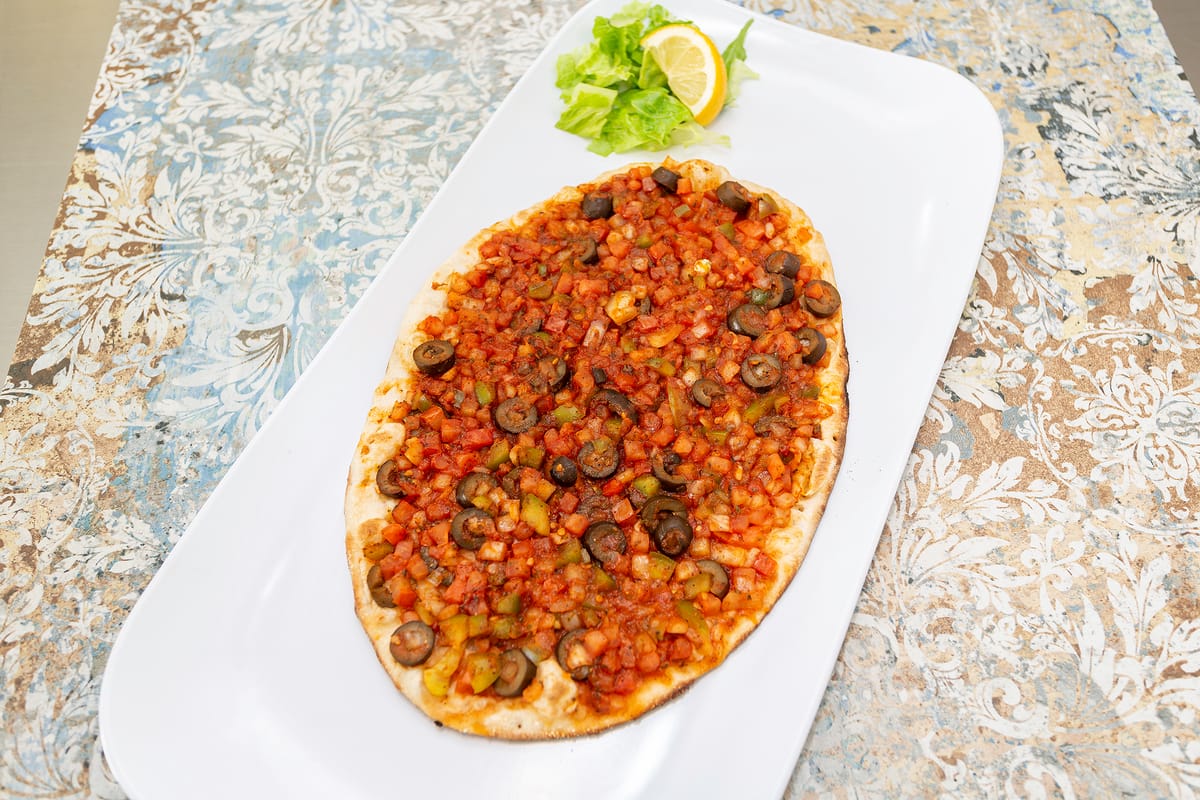
Za'atar: Ancient Herbs, Modern Immune Science
Thymol from thyme reduced influenza virus replication by 90 percent in laboratory studies. At Taza, zaatar manaeesh delivers these compounds on warm flatbread daily.
How Do Tabbouleh Herbs and Lemon Provide More Vitamin C Than Oranges?
The fresh herbs and citrus in Levantine cuisine are among the most concentrated natural sources of ascorbic acid, the vitamin most directly linked to immune cell function.
Why Is Fresh Parsley a Superior Source of Immune-Supporting Vitamin C?
Most people associate vitamin C with citrus fruits, but the fresh herbs used extensively in Levantine cooking are dramatically more concentrated sources. Fresh parsley contains 133 mg of vitamin C per 100 grams, compared to 53 mg in oranges and 53 mg in lemon juice. This means that the parsley garnish on a Taza shawarma bowl or falafel pita contributes meaningful vitamin C to the meal. Vitamin C accumulates in neutrophils at concentrations 50 to 100 times higher than plasma levels, where it protects these immune cells from the oxidative damage they generate during phagocytosis — the process of engulfing and destroying pathogens. Without adequate vitamin C, neutrophils become damaged by their own reactive oxygen species and undergo premature apoptosis. A 2017 meta-analysis of 29 controlled trials found that vitamin C intake of 200 mg or more daily reduced cold duration by 8 percent in adults and 14 percent in children.
How Does the Lemon Mint Drink at Taza Support Immune Function During Illness?
Taza's lemon mint drink ($5.95) combines fresh-squeezed lemon juice with fragrant mint leaves. Lemon provides ascorbic acid plus hesperidin, a citrus bioflavonoid that reduces vascular permeability in nasal passages and decreases the fluid leakage responsible for runny nose and sinus pressure during upper respiratory infections. Mint contains rosmarinic acid, which inhibits complement activation and reduces inflammatory neutrophil recruitment to respiratory mucosal tissues. The combination of vitamin C, hesperidin, and rosmarinic acid addresses three distinct mechanisms of respiratory symptom relief: antioxidant protection of immune cells, reduction of mucosal edema, and suppression of excessive inflammatory cell infiltration. Traditional Eastern Mediterranean households have served hot lemon-mint beverages to family members with colds for centuries, and modern research validates this practice through the specific molecular mechanisms described above. At Taza, the drink is served chilled, but the immune compounds function identically regardless of serving temperature.
How to Build the Ultimate Immune-Boosting Meal at Taza
Combine these components to maximize the density of immune-active compounds in a single sitting.
Start with a Falafel or Chicken Shawarma Bowl
from $10.45 / from $12.45Choose either the falafel bowl for maximum chickpea zinc and prebiotic fiber, or the chicken shawarma bowl for complete amino acids and glutathione-precursor cysteine. Request a greens base for additional vitamin C and water-rich hydration from cucumbers and tomatoes.
Add Extra Toum (Garlic Sauce)
Free with any bowl or pitaToum is Taza's raw garlic sauce, preserving allicin at peak antimicrobial concentration. A generous portion delivers the garlic equivalent linked to 63 percent reduction in cold incidence in the Cochrane review. Raw garlic is essential because cooking destroys the alliinase enzyme.
Side of Labneh for Probiotics
$4.95Labneh's concentrated probiotic bacteria directly reinforce the gut-immune barrier. The 70 percent of immune tissue in the gut responds measurably to probiotic input, with meta-analysis data showing 47 percent reduction in respiratory infections.
Finish with a Lemon Mint Drink
$5.95Fresh lemon provides vitamin C and hesperidin while mint adds rosmarinic acid. This combination supports three immune mechanisms simultaneously: antioxidant protection, mucosal edema reduction, and anti-inflammatory action.
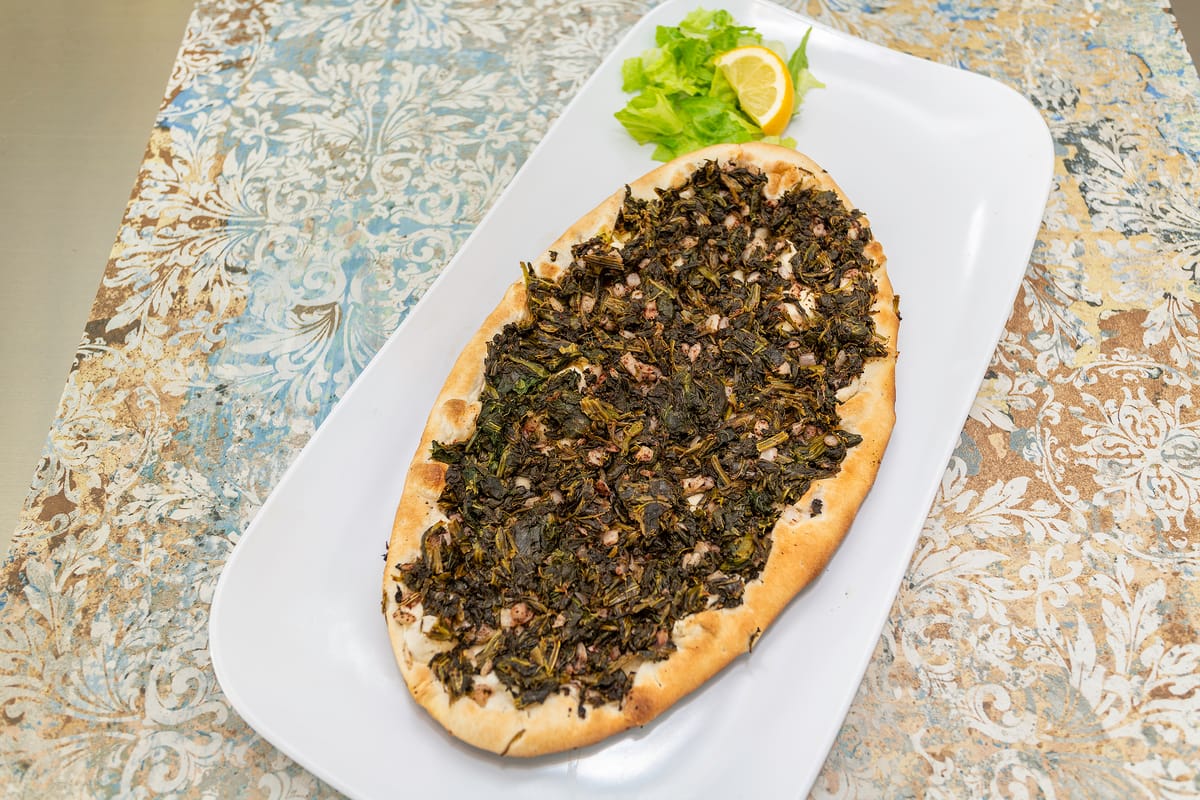
Every Topping Counts for Immunity
Load your bowl with all available vegetables — each topping adds vitamin C, quercetin, lycopene, or prebiotic fiber that strengthens your immune defense.
Why Does Lean Protein from Shawarma Support Immune Cell Production?
Immune cells are protein-intensive structures that require specific amino acids for proliferation, antibody synthesis, and cytokine production.
How Does the Amino Acid Profile in Chicken Shawarma Support Antibody Production?
Antibodies (immunoglobulins) are glycoproteins composed of four polypeptide chains, each requiring the full complement of essential amino acids for correct folding and function. During an active immune response, B-cells differentiate into plasma cells that produce up to 2,000 antibody molecules per second, creating enormous demand for dietary amino acids. Chicken shawarma at Taza (from $9.95 for pita, from $12.45 for bowl) provides complete protein with all nine essential amino acids in the proportions that human immune cells require. Cysteine, found abundantly in chicken, is the rate-limiting amino acid for glutathione synthesis. Glutathione is the master intracellular antioxidant that protects lymphocytes and macrophages from the oxidative damage generated during pathogen destruction. Studies have shown that glutathione-depleted immune cells have reduced proliferative capacity and impaired cytokine production, making dietary cysteine intake a direct determinant of immune cell effectiveness.
What Makes Spit-Roasted Protein Better for Immunity Than Deep-Fried Alternatives?
The cooking method used at Taza — slow vertical spit-roasting — preserves protein quality while minimizing the formation of advanced glycation end-products (AGEs) and heterocyclic amines that impair immune function. Deep-frying at temperatures above 180 degrees Celsius generates lipid oxidation products and acrylamide that activate the RAGE receptor on immune cells, triggering chronic inflammatory signaling that diverts immune resources away from pathogen defense. A 2017 study in the Journal of Clinical Endocrinology and Metabolism found that reducing dietary AGE intake by 50 percent for 4 months significantly decreased inflammatory markers and improved insulin sensitivity in overweight adults. The spice marinade on Taza's shawarma includes turmeric and sumac, both of which contain compounds that actively inhibit AGE formation during cooking, providing a double protective mechanism against the immune-suppressive effects of high-heat protein preparation methods used in conventional fast food.
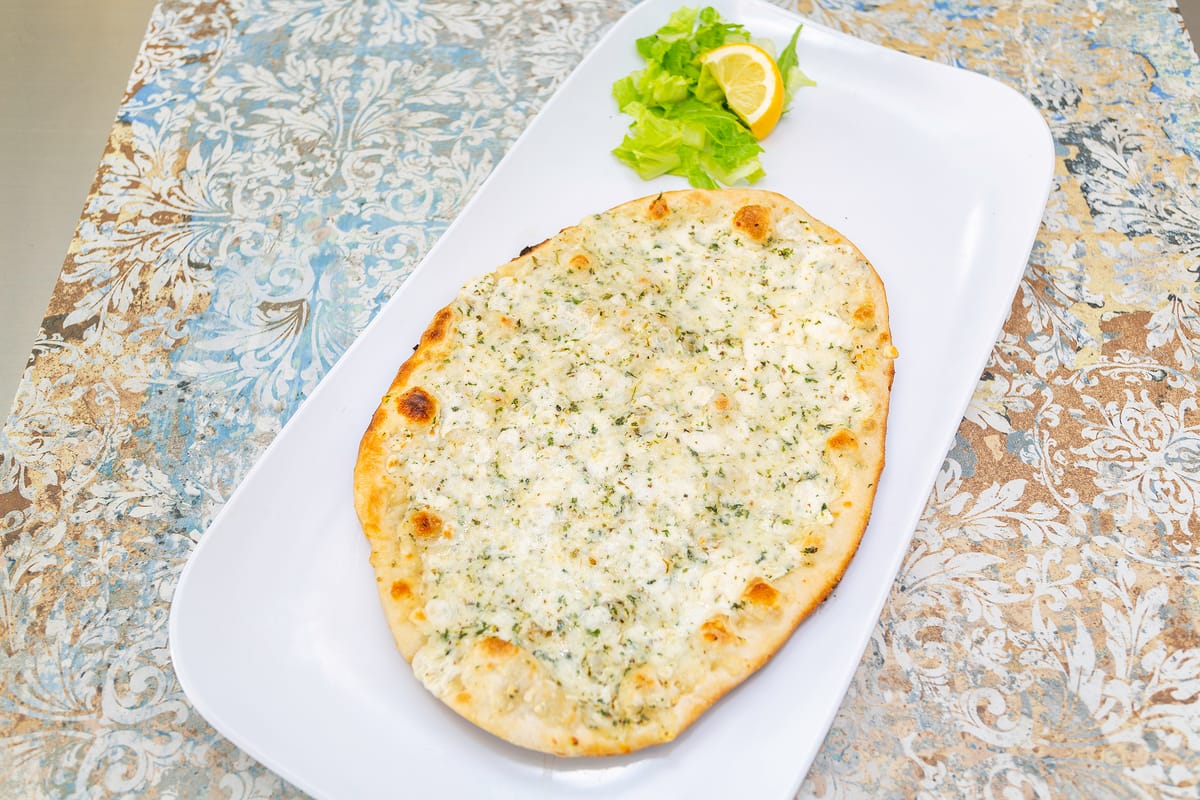
Real Food. Real Immune Support.
No supplements. No specialty products. Just fresh Mediterranean ingredients prepared daily at Taza Shawarma and Falafel in Falls Church, VA.
Why Do Whole Mediterranean Foods Outperform Immune Supplements?
The food matrix effect explains why nutrients consumed in whole-food form produce immune benefits that isolated supplements cannot replicate.
What Is the Food Matrix Effect and Why Does It Matter for Immune-Boosting Foods?
The food matrix describes the physical and chemical structure of whole foods that determines how nutrients are released, absorbed, and utilized by the body. Zinc from chickpeas is absorbed alongside phytic acid modulators, vitamin C from citrus, and protein carriers that optimize its bioavailability — a delivery system that zinc gluconate tablets cannot replicate. Allicin from crushed garlic is inherently unstable and degrades within hours of formation, which is why garlic supplement capsules contain primarily alliin or aged garlic extract rather than the active antimicrobial compound. A 2020 review in Frontiers in Immunology concluded that the immune benefits of Mediterranean dietary patterns cannot be replicated by multivitamin supplementation because of synergistic interactions between compounds. The quercetin in onions enhances vitamin C absorption. The oleic acid in olive oil serves as a lipid-soluble carrier for fat- soluble polyphenols. The fiber in chickpeas slows gastric emptying, extending the absorption window for zinc and other minerals. These interactions are lost when nutrients are isolated into supplement form.
How Does Eating at Taza Deliver Immune Nutrients More Effectively Than Taking Supplements?
A single meal at Taza demonstrates the food matrix advantage. Consider a falafel bowl with hummus base, toum, all vegetable toppings, labneh side, and lemon mint drink. This meal delivers zinc from chickpeas and tahini (enhanced by citric acid from lemon), allicin from raw garlic in toum (preserved at peak concentration by cold preparation), probiotics from labneh (in a dairy matrix that protects bacteria from gastric acid), vitamin C from parsley and lemon (stabilized by bioflavonoids), olive oil polyphenols (dissolved in the lipid phase for optimal intestinal absorption), and thymol from any zaatar seasoning (carried by olive oil's lipid matrix into systemic circulation). Replicating this nutrient combination would require at minimum six separate supplements, each with inferior bioavailability compared to the whole-food forms. The cost of those supplements would exceed the price of the meal, and the clinical evidence for supplement-based immune support is substantially weaker than the evidence for dietary pattern interventions like the Mediterranean diet.
Immune Strength. Built Daily. Falls Church VA.
Taza's menu gives you the allicin, zinc, polyphenols, probiotics, and thymol your immune cells need — no supplements required.
Find Your Immune-Boosting Meal in Falls Church
Taza Shawarma and Falafel is at 5820 Seminary Rd Ste O, Falls Church, VA 22041 — a short drive from Arlington, Alexandria, and the DC Metro area. Open 11:00 AM - 12:00 AM, Open 7 Days a Week.
Address
5820 Seminary Rd Ste O, Falls Church, VA 22041
Hours
11:00 AM - 12:00 AM -- Open 7 Days a Week
Phone
Mediterranean Diet and Immune Health: Your Questions Answered
Yes, and the evidence is substantial. A 2018 systematic review in the European Journal of Clinical Nutrition analyzed 12 randomized controlled trials and found that adherence to a Mediterranean dietary pattern significantly reduced inflammatory markers C-reactive protein and interleukin-6, both of which impair immune function when chronically elevated. The specific compounds responsible include allicin from garlic (which reduced cold incidence by 63 percent in a Cochrane review), zinc from chickpeas (which supports T-cell proliferation), oleocanthal from olive oil (a natural COX inhibitor), and thymol from zaatar herbs (which has direct antiviral activity). At Taza, a single meal combining hummus, shawarma with toum, and zaatar manaeesh delivers all four of these immune-active compound categories.
When raw garlic is crushed, the enzyme alliinase converts alliin into allicin, a reactive sulfur compound with direct antimicrobial activity against bacteria, viruses, and fungi. Allicin enhances natural killer cell cytotoxicity and macrophage phagocytic activity, strengthening both innate and adaptive immune responses. Taza's toum sauce is made from raw garlic blended with lemon juice and oil, which preserves allicin at peak concentration because cooking destroys the alliinase enzyme. A 2014 study found that ajoene, a secondary garlic compound, inhibited influenza virus replication by blocking viral neuraminidase, the same enzyme targeted by the antiviral drug oseltamivir (Tamiflu).
Zinc is required for the development and function of virtually every immune cell type. The thymus gland, which produces T-lymphocytes, cannot function without adequate zinc. Even mild deficiency reduces T-cell proliferation by up to 40 percent and impairs neutrophil oxidative burst capacity. Chickpeas provide approximately 1.5 mg of zinc per 100 grams, and tahini adds 1.6 mg per tablespoon. At Taza, a falafel bowl or hummus side delivers chickpea zinc alongside citric acid from lemon, which enhances zinc absorption by chelating the mineral and preventing phytate binding. A 2017 meta-analysis found that zinc supplementation reduced cold duration by 33 percent.
The gut microbiome is now recognized as the largest immune organ in the body, with approximately 70 percent of immune tissue residing in gut-associated lymphoid tissue. Labneh concentrates probiotic bacteria at colony-forming unit counts substantially higher than standard yogurt due to the straining process. A 2014 meta-analysis of 20 randomized controlled trials with 3,720 participants found that probiotic consumption reduced upper respiratory tract infections by 47 percent and shortened episodes by nearly 2 days. The Lactobacillus and Bifidobacterium strains in labneh enhance secretory IgA production, the mucosal antibody that prevents pathogen entry in the respiratory and digestive tracts. At Taza, labneh is available as a side dish at $4.95.
Extra-virgin olive oil contains over 30 phenolic compounds with immunomodulatory effects that go far beyond its monounsaturated fat profile. Oleocanthal provides natural anti-inflammatory action by inhibiting COX enzymes, preventing the excessive inflammation that damages healthy tissue during infections. Hydroxytyrosol has demonstrated direct antiviral activity against influenza A and respiratory syncytial virus in laboratory studies. Oleuropein activates autophagy, the cellular recycling process that clears intracellular pathogens and damaged proteins from immune cells. The European Food Safety Authority has confirmed that 5 mg of hydroxytyrosol equivalents daily from olive oil protects against oxidative damage. At Taza, olive oil appears in hummus, baba ghanouj, zaatar manaeesh, and as a finishing drizzle on bowls.
The thyme and oregano in zaatar contain thymol and carvacrol, two monoterpene phenols with extensive evidence for antimicrobial and antiviral activity. Thymol disrupts bacterial cell membranes and has demonstrated activity against respiratory pathogens including Streptococcus pneumoniae. Carvacrol interferes with viral entry mechanisms by altering host cell membrane fluidity. A 2018 study in the journal Molecules found that thymol at food-relevant concentrations reduced influenza virus replication by 90 percent in cell culture. Sumac in the zaatar blend adds gallic acid, a polyphenol that scavenges the reactive oxygen species produced during respiratory inflammation. At Taza, the zaatar manaeesh at $6.95 delivers these compounds on a warm flatbread brushed with olive oil.
The medical consensus increasingly favors whole-food dietary patterns over isolated supplements for immune support. A 2020 review in the journal Frontiers in Immunology found that the immune benefits of Mediterranean eating cannot be replicated by multivitamin supplementation because the food matrix — the physical and chemical structure of whole foods — determines how nutrients are absorbed, transported, and utilized by immune cells. Zinc from chickpeas is absorbed differently than zinc gluconate tablets. Allicin from crushed garlic provides antimicrobial activity that garlic extract capsules cannot replicate because allicin is unstable and degrades within hours of formation. The synergy between olive oil polyphenols, garlic organosulfur compounds, and herbal terpenes creates combinatorial immune effects that exceed the sum of individual components.
Yes. Taza Shawarma and Falafel at 5820 Seminary Rd Ste O, Falls Church, VA 22041 offers online ordering for both pickup and delivery. The most immune-supportive meals include the falafel bowl (chickpea zinc plus tahini selenium), chicken shawarma bowl with extra toum (allicin from raw garlic plus lean protein), zaatar manaeesh (thymol and carvacrol from herb blend), and a labneh side (concentrated probiotics). Add a lemon mint drink for vitamin C and hesperidin. Taza is open 11:00 AM - 12:00 AM, Open 7 Days a Week. You can order directly at https://www.clover.com/online-ordering/taza--falls-church or call (703) 340-1014 for takeout orders. All ingredients are fresh and prepared to order.
Explore More Mediterranean Health Topics
Your Immune System Reflects What You Eat
Order the falafel bowl, hummus with toum, zaatar manaeesh, or any immune-supportive meal at Taza — 5820 Seminary Rd Ste O, Falls Church, VA 22041. Fresh ingredients, real food, daily.