Mediterranean Diet & Gut Health
Fermented labneh, chickpea fiber, garlic prebiotics, and olive oil polyphenols -- the Mediterranean diet feeds your microbiome with every bite. Here is the science and what to order at Taza.
4.8 stars on Yelp (92 reviews) -- Open 11:00 AM - 12:00 AM
Why Does the Mediterranean Diet Build a Healthier Gut?
The trillions of bacteria in your digestive tract depend entirely on what you feed them -- and Mediterranean food feeds them well.
The human gut houses roughly 38 trillion microorganisms -- collectively known as the gut microbiome. This ecosystem synthesizes vitamins, trains the immune system, regulates metabolism, produces neurotransmitters, and maintains the intestinal barrier. When the microbiome is diverse and well-fed, these processes function smoothly. When depleted or imbalanced -- a state called dysbiosis -- the consequences ripple across every organ system.
Among all dietary patterns studied, the Mediterranean diet produces the most consistent improvements in gut microbiome composition. A landmark 2020 Gut study by Ghosh and colleagues followed 612 adults across five European countries through a one-year Mediterranean diet intervention. Results showed significant increases in Faecalibacterium, Roseburia, and Prevotella -- key butyrate and propionate producers -- while taxa linked to inflammation and metabolic dysfunction declined.
Levantine cuisine -- the culinary tradition of the eastern Mediterranean practiced across Lebanon, Syria, Jordan, and the surrounding region -- represents one of the oldest and most gut-supportive expressions of Mediterranean eating. The staple ingredients at Taza Shawarma & Falafel in Falls Church, VA -- chickpeas, garlic, olive oil, tahini, labneh, fermented pickles, and fresh vegetables -- map directly to the food categories that microbiome researchers identify as most beneficial for gut health.
This guide covers the scientific evidence connecting the Mediterranean diet to gut health, explains the mechanisms through which specific Levantine ingredients support the microbiome, and shows how to build a gut-healthy meal at Taza.
Medical Disclaimer: The information on this page is for educational purposes only and does not constitute medical advice, diagnosis, or treatment. Dietary changes should be discussed with a qualified healthcare provider, particularly for individuals with inflammatory bowel disease, SIBO, or other gastrointestinal conditions. Research citations are summarized for general audiences; consult the original studies for full methodology and limitations.
Probiotics, Prebiotics, and Fiber: The Three Pillars of Gut Health
Mediterranean eating delivers all three categories in every meal -- a combination nutritional scientists call synbiotic eating.
Probiotics: Living Microorganisms
Probiotics are live bacteria that confer health benefits when consumed in adequate amounts. Labneh (strained yogurt) delivers viable Lactobacillus acidophilus, L. rhamnosus, and L. casei cultures. Pickled turnips and pickled cucumbers from natural lacto-fermentation supply Lactobacillus plantarum and Leuconostoc mesenteroides. These living organisms colonize the intestinal mucosa, produce lactic acid that lowers gut pH, compete with pathogenic bacteria for adhesion sites, and synthesize B vitamins and vitamin K directly in the colon.
Prebiotics: Selective Bacterial Fuel
Prebiotics are non-digestible food components that selectively feed beneficial bacteria. Garlic fructans are among the most studied prebiotics, increasing Bifidobacterium counts by 39 percent in controlled trials. Olive oil polyphenols -- 90 to 95 percent of which reach the colon unabsorbed -- feed Akkermansia muciniphila and Bifidobacteria. Tahini lignans (sesamin and sesaminol) are converted by gut bacteria into anti-inflammatory enterolactone. Sumac and zaatar polyphenols provide additional prebiotic substrate that supports microbial diversity.
Dietary Fiber: Fermentation Substrate
Dietary fiber is the bulk material that gut bacteria ferment into short-chain fatty acids. Chickpeas provide 12.5 grams of fiber per cup, including resistant starch that selectively fuels butyrate-producing Faecalibacterium prausnitzii and Roseburia species. Fresh vegetables contribute cellulose, hemicellulose, and pectin -- each feeding different microbial communities. The diversity of fiber types in a single Mediterranean meal is what drives the microbiome diversity that research links to metabolic resilience, immune regulation, and reduced inflammation.
The Ghosh et al. 2020 Gut Study
One year of Mediterranean diet intervention increased Faecalibacterium and Roseburia abundance across 612 participants in five countries.
Landmark Studies on Mediterranean Diet and the Microbiome
The strongest evidence connecting food to gut health comes from large-scale intervention trials and microbiome analyses.
The NU-AGE study, published in Gut in 2020, is the largest dietary intervention trial examining Mediterranean diet effects on the gut microbiome. It enrolled 612 older adults across five European countries and assigned them to either a Mediterranean diet intervention or their habitual diet for 12 months, with shotgun metagenomic sequencing at baseline and follow-up.
NU-AGE Study Findings
After 12 months, the Mediterranean diet group showed significant enrichment in Faecalibacterium prausnitzii, Roseburia hominis, and Prevotella copri -- three taxa strongly associated with anti-inflammatory short-chain fatty acid production. Simultaneously, Ruminococcus torques, Collinsella aerofaciens, and Clostridium ramosum -- species linked to increased intestinal permeability and metabolic endotoxemia -- declined. The compositional shifts were consistent across all five countries despite different baseline microbiome profiles, suggesting the Mediterranean diet's effects are robust across diverse populations.
Critically, the microbiome changes correlated with measurable health outcomes. Increases in butyrate-producing taxa were associated with reduced serum levels of C-reactive protein (CRP) and interleukin-17 (IL-17) -- two markers of systemic inflammation. Participants who adhered most closely to the Mediterranean diet also showed reduced frailty scores and improved cognitive test performance at the 12-month mark.
The researchers attributed the microbiome shift primarily to increased dietary fiber diversity, olive oil polyphenol intake, and reduced consumption of saturated fat and refined sugar. These are precisely the dietary features that distinguish traditional Levantine cuisine from a standard Western diet.
The American Gut Project (mSystems, 2018) examined 10,000 participants and found that the single strongest predictor of microbiome alpha-diversity was the number of distinct plant species consumed weekly. Participants eating 30 or more plants had significantly more diverse microbiomes than those eating fewer than 10. Mediterranean cuisine naturally provides this plant diversity through its multiple legumes, vegetables, herbs, spices, and seeds in each meal.
A 2021 Nutrients trial found that six weeks of Mediterranean diet adherence reduced IBS Symptom Severity Scores by 44 percent compared to standard dietary advice, with the improvement correlating to increased Faecalibacterium prausnitzii abundance and fecal butyrate concentration.
Six Gut-Protective Nutrients in Levantine Food
Each ingredient at Taza supports the microbiome through specific, researched mechanisms.
Lactobacillus Strains in Labneh
Living Probiotics from Strained Yogurt
Labneh is yogurt strained to remove whey, concentrating both protein and live bacterial cultures. The straining process preserves viable Lactobacillus acidophilus, L. rhamnosus, and L. casei -- strains documented in the World Journal of Gastroenterology (2014) to reduce intestinal inflammation, compete with pathogenic bacteria for adhesion sites on the gut wall, and produce bacteriocins that suppress harmful microorganisms. Unlike commercial probiotic capsules that deliver a narrow range of species, traditionally prepared labneh retains a broad-spectrum microbial community that has co-evolved with human digestion for thousands of years. At Taza, labneh is served as a side with olive oil and dried mint, providing a living probiotic food alongside prebiotic polyphenols.
Resistant Starch and Soluble Fiber from Chickpeas
Fuel for Butyrate-Producing Bacteria
Chickpeas contain roughly 12.5 grams of dietary fiber per cup, split between soluble fiber (which forms a gel and slows glucose absorption) and resistant starch (which passes undigested to the colon). In the colon, resistant starch from chickpeas is fermented by Faecalibacterium prausnitzii and Roseburia species into butyrate -- a short-chain fatty acid that serves as the primary energy source for colonocytes, the cells lining the large intestine. A 2017 trial in the Journal of Functional Foods found that four weeks of daily chickpea consumption significantly increased fecal butyrate concentration and Bifidobacterium abundance compared to a control diet. At Taza, both falafel and hummus deliver this chickpea fiber in every serving.
Olive Oil Polyphenols as Prebiotic Substrate
Feeding Akkermansia and Bifidobacteria
Extra-virgin olive oil polyphenols -- including hydroxytyrosol, oleuropein, and oleocanthal -- are only partially absorbed in the small intestine. Approximately 90 to 95 percent reach the colon intact, where they are metabolized by gut bacteria. A 2020 randomized controlled trial in Clinical Nutrition found that 12 weeks of high-polyphenol olive oil consumption significantly increased Bifidobacterium and Akkermansia muciniphila abundance compared to refined olive oil. Akkermansia is particularly significant because it produces mucin, the protective glycoprotein layer that lines the intestinal wall and prevents bacterial translocation. Olive oil is used throughout the Taza menu -- in hummus, baba ghanouj, zaatar manaeesh, and as a finishing drizzle on bowls.
Inulin and Fructans from Garlic
Selective Prebiotic for Bifidobacteria
Garlic contains 9 to 16 percent fructans by dry weight, making it one of the most concentrated dietary sources of this prebiotic fiber. Fructans are inulin-type fructooligosaccharides that pass through the stomach and small intestine undigested, arriving in the colon where they selectively feed Bifidobacterium longum, B. breve, and B. adolescentis. A 2019 study in Molecular Nutrition and Food Research demonstrated that garlic fructan supplementation for three weeks increased Bifidobacterium counts by 39 percent and reduced fecal pH -- an indicator of increased short-chain fatty acid production. Toum, the raw garlic sauce served at Taza on shawarma and bowls, preserves fructans at higher concentrations than cooked garlic preparations where heat degrades some prebiotic content.
Dietary Fiber from Fresh Vegetables
Diversity Drives Microbial Diversity
The single strongest predictor of gut microbiome diversity in a large 2018 American Gut Project analysis (published in mSystems) was the number of distinct plant species consumed per week. Participants eating 30 or more distinct plants had significantly higher microbial alpha-diversity than those eating fewer than ten. Each plant contributes a unique fiber structure -- cellulose, hemicellulose, pectin, beta-glucan -- that feeds different microbial communities. Taza's toppings selection includes lettuce, tomatoes, cucumbers, onions, parsley, mint, pickled turnips, black olives, and more, enabling customers to construct meals with ten or more distinct plant components in a single sitting.
Sesamin and Sesaminol from Tahini
Lignans That Modulate Gut Inflammation
Tahini -- ground sesame paste -- delivers sesamin and sesaminol, two lignans that gut bacteria convert into enterolactone and enterodiol. These mammalian lignans exert anti-inflammatory effects directly on intestinal epithelial cells and have been shown in a 2016 Journal of Nutritional Biochemistry study to reduce NF-kB activation in colonocytes by 42 percent. Tahini also provides 2.6 grams of fiber per two-tablespoon serving and significant amounts of zinc and selenium, both of which support mucosal immune function in the gut. At Taza, tahini appears in hummus, baba ghanouj, falafel bowls, and as a standalone sauce on pita sandwiches.
How Fiber Diversity Drives Microbial Diversity
Eating 30+ distinct plant species weekly increases microbiome alpha-diversity -- American Gut Project, 2018.
Probiotic Foods on the Taza Menu
Living cultures from traditional fermentation methods that have sustained gut health for millennia.
Labneh (Strained Yogurt)
Lactobacillus acidophilus, L. rhamnosus, L. casei
Delivers viable probiotic bacteria that colonize the intestinal mucosa, produce lactic acid to lower gut pH, and compete with pathogens like C. difficile and E. coli for adhesion sites.
Pickled Turnips (Torshi Lift)
Lactobacillus plantarum, Leuconostoc mesenteroides
Lacto-fermented turnips produce organic acids and bacteriocins during fermentation. L. plantarum is one of the most studied probiotic species, documented to reduce IBS symptoms in a 2012 World Journal of Gastroenterology randomized trial.
Pickled Cucumbers
Lactobacillus brevis, Pediococcus pentosaceus
Naturally fermented pickles supply diverse Lactobacillus species and organic acids that lower intestinal pH, creating an environment hostile to pathogenic bacteria while favoring beneficial species.
Why Traditional Fermentation Differs from Commercial Probiotics
Commercial probiotic supplements typically deliver one to ten bacterial species. Traditional fermented foods like labneh and lacto-fermented pickles contain broader microbial communities that have co-evolved with human digestion for thousands of years. A 2021 Cell study at Stanford found that a high-fermented-food diet (six servings daily for 10 weeks) significantly increased microbiome diversity and reduced 19 inflammatory markers, while a high-fiber diet alone did not produce the same diversity increase.
The finding underscores that fiber and fermented foods work synergistically -- fiber feeds the bacteria that fermented foods introduce. This is why the Mediterranean diet produces superior gut outcomes compared to diets emphasizing either alone. At Taza, a falafel bowl with labneh achieves this synbiotic combination.
Mediterranean Diet vs. Western Diet: Gut Health Impact
A direct comparison of how each dietary pattern affects the microbiome, intestinal barrier, and systemic inflammation.
| Factor | Mediterranean Diet | Western Diet |
|---|---|---|
| Fiber Intake | 30-45 g daily from chickpeas, lentils, vegetables, and whole grains -- meeting or exceeding recommended targets | Average 15 g daily -- roughly half the recommended 25-38 g, starving beneficial gut bacteria of substrate |
| Microbiome Diversity | High species richness driven by diverse plant fiber sources; associated with metabolic resilience and lower inflammation | Reduced diversity (dysbiosis) linked to processed food, emulsifiers, and refined carbohydrate dominance |
| Short-Chain Fatty Acid Production | Abundant butyrate, propionate, and acetate from fermentable fiber -- fueling colonocytes and reinforcing gut barrier | Depleted SCFA production due to insufficient fermentable substrate, weakening intestinal barrier integrity |
| Fermented Food Frequency | Daily intake of labneh, pickled vegetables, and fermented dairy introduces live Lactobacillus and Bifidobacterium strains | Minimal fermented food consumption; probiotic exposure limited to occasional commercial yogurt with added sugar |
| Polyphenol Exposure | Olive oil, sumac, zaatar, and tahini polyphenols reach the colon and serve as prebiotic fuel for Akkermansia and Bifidobacteria | Low dietary polyphenol intake; gut bacteria lack the substrate needed for polyphenol-derived metabolite production |
| Intestinal Permeability | Butyrate from fiber fermentation strengthens tight junction proteins, reducing systemic endotoxin translocation | Emulsifiers and low fiber increase intestinal permeability (leaky gut), allowing bacterial endotoxins into the bloodstream |
| Prebiotic Garlic Compounds | Fructans and inulin from garlic selectively feed Bifidobacteria -- garlic is among the most studied prebiotic foods | Negligible prebiotic intake; allium vegetable consumption averages less than one serving per week |
| Inflammatory Markers | Lower fecal calprotectin and serum CRP associated with Mediterranean diet adherence in multiple intervention trials | Elevated CRP, IL-6, and TNF-alpha from dysbiosis-driven systemic inflammation and leaky gut |
| Gut-Brain Axis Signaling | Balanced microbiome produces GABA, serotonin precursors, and BDNF via vagus nerve communication | Dysbiotic microbiome associated with elevated cortisol, reduced serotonin, and impaired vagal tone |
Sources: NU-AGE Study (Gut, 2020), American Gut Project (mSystems, 2018), Stanford Fermented Food Trial (Cell, 2021), Clinical Nutrition olive oil RCT (2020).
How Your Gut Microbiome Talks to Your Brain
Bidirectional communication between the gut and brain means feeding your microbiome feeds your mind.
The gut-brain axis is a bidirectional communication network comprising the vagus nerve, the enteric nervous system, immune signaling molecules, and microbial metabolites. The vagus nerve physically connects the gut to the brainstem, transmitting sensory information from the intestinal microenvironment to the central nervous system. Approximately 90 percent of the body's serotonin is produced in the gut, synthesized by enterochromaffin cells whose activity is directly regulated by the surrounding microbiome composition.
Short-chain fatty acids from fiber fermentation -- particularly butyrate -- cross the blood-brain barrier and influence neuroinflammation, neuroplasticity, and the stress response. A 2019 Gut study by Valles-Colomer and colleagues found that Faecalibacterium and Coprococcus -- butyrate producers fed by dietary fiber -- were consistently associated with higher quality-of-life indicators and lower depression scores in 1,054 participants, even after correcting for antidepressant use.
Vagus Nerve Signaling
Gut bacteria produce GABA, acetylcholine, and serotonin precursors that activate vagus nerve afferents. Probiotic Lactobacillus rhamnosus has been shown to alter GABA receptor expression in the brain via the vagus nerve (PNAS, 2011).
Immune-Mediated Communication
Butyrate promotes regulatory T-cell differentiation in the gut mucosa, reducing systemic inflammation that crosses the blood-brain barrier. Lower peripheral inflammation correlates with reduced neuroinflammation and preserved cognitive function.
Metabolite Signaling
Short-chain fatty acids from fiber fermentation cross the blood-brain barrier directly. Butyrate inhibits histone deacetylases in the brain, promoting expression of brain-derived neurotrophic factor (BDNF) and supporting neuroplasticity.
The practical implication is clear: a meal that feeds your gut bacteria also feeds your brain. A falafel bowl at Taza delivers chickpea fiber for butyrate production, olive oil polyphenols for Akkermansia support, garlic fructans for Bifidobacterium growth, and -- when paired with labneh -- live Lactobacillus cultures that produce GABA and serotonin precursors. The entire gut-brain axis benefits from a single well-constructed Mediterranean meal.
Building a Synbiotic Meal
Combining probiotics + prebiotics + fiber in one meal maximizes microbiome support.
How Olive Oil Polyphenols Reshape the Gut Microbiome
90 to 95 percent of olive oil polyphenols reach the colon -- where they act as selective prebiotics.
Extra-virgin olive oil contains over 30 distinct phenolic compounds, including hydroxytyrosol, tyrosol, oleuropein, and oleocanthal. Small intestinal absorption accounts for only 5 to 10 percent of these compounds. The remaining 90 to 95 percent transit to the colon, where gut bacteria metabolize them into bioactive derivatives that directly influence microbial composition and intestinal barrier function.
A 2020 randomized controlled trial in Clinical Nutrition compared high-polyphenol extra-virgin olive oil versus refined olive oil over 12 weeks in 159 participants. The high-polyphenol group showed a 31 percent increase in Bifidobacterium abundance, a 24 percent increase in Akkermansia muciniphila, and a significant reduction in fecal calprotectin. The refined olive oil group showed no microbiome changes, demonstrating that the polyphenol fraction, not the fat itself, drives the effect.
Akkermansia muciniphila resides in the mucus layer of the intestinal wall and stimulates mucin renewal -- the protective glycoprotein barrier that prevents bacterial endotoxins from crossing into the bloodstream. When Akkermansia populations decline, mucin thins, permeability increases, and endotoxin levels rise -- a condition commonly called leaky gut.
At Taza, olive oil appears in hummus, baba ghanouj, zaatar manaeesh, and as a finishing element on bowls -- each delivering polyphenols to the colon with every serving.
Best Gut-Healthy Orders at Taza
Every item below supports your microbiome through documented, ingredient-specific mechanisms.
Falafel Bowl
from $10.45
Chickpea falafel provides resistant starch and soluble fiber for butyrate production. Fresh vegetable toppings add diverse plant fiber for microbial diversity. Tahini drizzle contributes sesamin lignans that reduce gut inflammation. A single bowl delivers prebiotic fiber from multiple distinct plant sources.
Order NowLabneh
$4.95
Living probiotic Lactobacillus cultures in strained yogurt colonize the gut directly. The high protein and fat content slows gastric transit, improving bacterial survival through stomach acid. Olive oil drizzle adds polyphenol substrate for colonic bacteria. Dried mint provides additional antimicrobial compounds.
Order NowHummus
$4.95
Chickpea fiber feeds butyrate-producing bacteria. Garlic fructans selectively stimulate Bifidobacterium growth. Olive oil polyphenols increase Akkermansia muciniphila abundance. Tahini lignans reduce colonocyte inflammation. Hummus is arguably the most microbiome-supportive single food on the menu.
Order NowChicken Shawarma Bowl
from $12.45
Lean chicken protein provides glutamine, the primary fuel for small intestinal enterocytes. Toum garlic sauce delivers concentrated fructan prebiotics. Rice offers a gentle, low-irritation base. Fresh vegetable toppings and pickled turnips add both prebiotic fiber and live probiotic cultures.
Order NowBaba Ghanouj
$4.95
Roasted eggplant provides soluble fiber and nasunin, a potent polyphenol that reaches the colon. Tahini adds sesamin and sesaminol lignans. Garlic contributes fructan prebiotics. Olive oil polyphenols feed Akkermansia. The combined prebiotic profile of baba ghanouj supports multiple bacterial populations simultaneously.
Order NowZaatar Manaeesh
$6.95
Zaatar contains thymol and carvacrol -- plant compounds studied for their selective antimicrobial properties that suppress pathogenic bacteria while sparing beneficial Lactobacillus species. Olive oil soaked into the flatbread delivers hydroxytyrosol to the colon. Sesame seeds in the zaatar blend contribute additional lignan prebiotics.
Order NowFalafel Pita
from $8.95
Whole chickpea falafel in warm pita delivers concentrated resistant starch and soluble fiber. Fresh parsley and mint provide chlorophyll and plant polyphenols that serve as secondary prebiotic substrates. Tahini sauce adds gut-soothing sesamin. Pickled vegetables contribute live Lactobacillus cultures.
Order NowRice
$2.95
Basmati rice provides gentle, easily digestible carbohydrates that do not irritate a sensitive gut. When cooled and reheated, rice forms retrograded resistant starch that functions as a prebiotic. A side of rice paired with fiber-rich dishes creates a balanced meal suitable for those rebuilding gut health gradually.
Order NowBuilding the Ultimate Gut-Health Meal at Taza
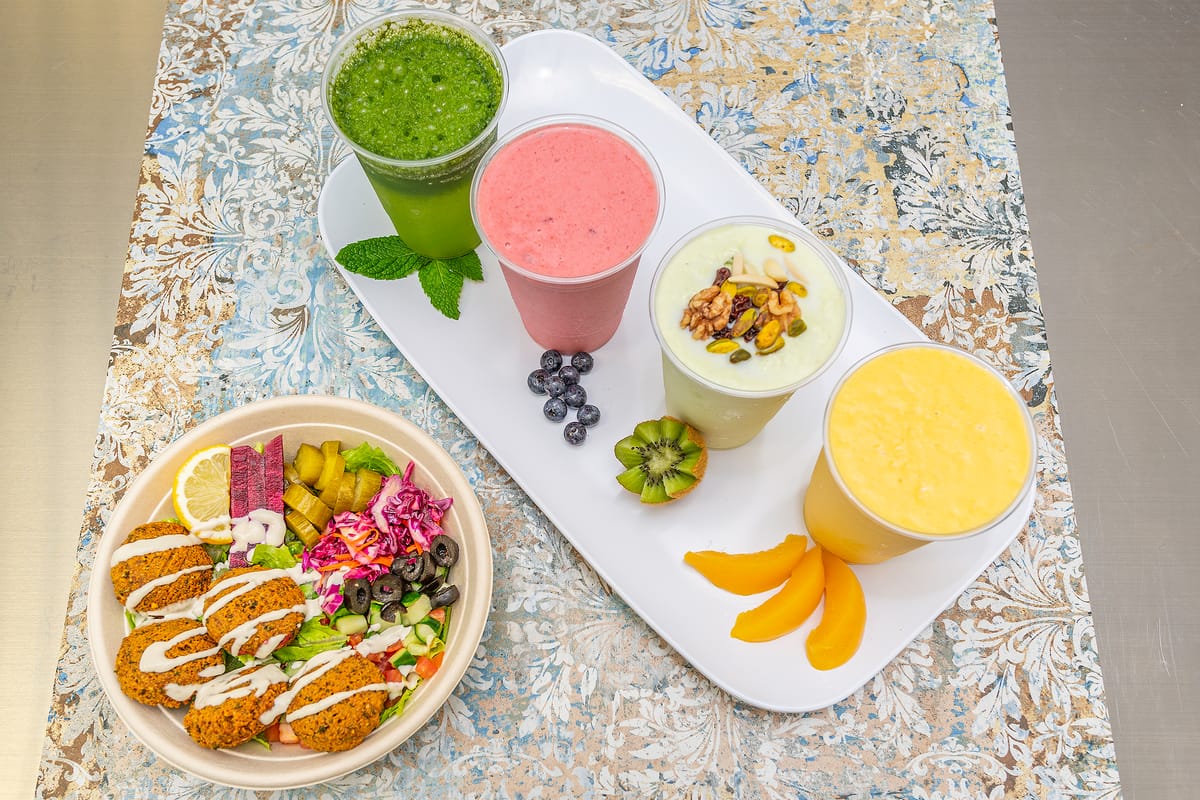
For maximum microbiome support in a single meal, start with a Falafel Bowl (from $10.45) for chickpea resistant starch and diverse vegetable fiber. Add a side of Labneh ($4.95) for live probiotic cultures. Request extra toum (garlic sauce) for concentrated fructan prebiotics. Load the toppings selection with lettuce, tomatoes, cucumbers, onions, parsley, mint, and pickled turnips -- each contributing a different fiber type to feed different bacterial communities. The olive oil drizzle on the labneh and the tahini on the falafel deliver polyphenol and lignan prebiotics.
This single meal delivers probiotics (labneh, pickled turnips), prebiotics (garlic fructans, olive oil polyphenols, tahini lignans), and dietary fiber (chickpea resistant starch, vegetable cellulose and pectin) -- all three pillars of gut-healthy eating in one sitting. The diversity of plant sources alone exceeds ten distinct species, contributing to the 30-plant-per-week threshold that the American Gut Project identified as the strongest predictor of microbiome diversity.
Chickpeas, Resistant Starch, and Butyrate Production
The base of falafel and hummus is one of the most studied gut-health foods in nutritional science.
Chickpeas provide approximately 12.5 grams of dietary fiber per cup, divided between soluble fiber (galactooligosaccharides and pectin) and insoluble fiber (cellulose and hemicellulose). The gut health story of chickpeas centers on their resistant starch -- starch granules that resist enzymatic digestion in the small intestine and arrive in the colon intact, where they become the primary fermentation substrate for butyrate-producing bacteria.
Butyrate serves as the preferred energy source for colonocytes, supplying approximately 70 percent of their metabolic fuel. It strengthens tight junction proteins (claudins and occludin) that seal gaps between colonocytes, preventing bacterial endotoxins from entering the bloodstream. Butyrate also suppresses NF-kB inflammatory signaling and promotes regulatory T-cell differentiation that dampens excessive immune responses.
A 2017 Journal of Functional Foods trial found that four weeks of daily chickpea consumption significantly increased fecal butyrate concentration and Bifidobacterium abundance compared to a control diet. Participants also reported reduced bloating and improved stool consistency.
Falafel: Concentrated Chickpea Fiber
Each Falafel Bowl (from $10.45) contains multiple falafel pieces made from ground chickpeas, delivering substantial resistant starch and soluble fiber. The frying process creates a Maillard reaction crust that slows digestion, allowing more starch to reach the colon intact for fermentation.
Hummus: Blended for Bioavailability
A serving of Hummus ($4.95) blends chickpeas with tahini, garlic, olive oil, and lemon. The blending breaks down cell walls, increasing the surface area available for bacterial fermentation in the colon. Garlic fructans and olive oil polyphenols in the same dish create a multi-prebiotic delivery system.
Frequently Asked Questions
Evidence-based answers to the most common questions about Mediterranean food and gut health.
Mediterranean Diet & Gut Health: Your Questions Answered
The Mediterranean diet improves gut health through three primary mechanisms. First, its high fiber content (30 to 45 grams daily from chickpeas, vegetables, whole grains, and legumes) provides abundant fermentable substrate for beneficial gut bacteria, increasing production of short-chain fatty acids like butyrate that fuel colonocytes and strengthen the intestinal barrier. Second, fermented foods such as labneh and pickled vegetables introduce viable probiotic Lactobacillus and Bifidobacterium strains that colonize the gut and compete with pathogens. Third, olive oil polyphenols and garlic fructans act as selective prebiotics, feeding Akkermansia muciniphila and Bifidobacterium while not supporting harmful species. A 2020 Gut journal study confirmed that one year of Mediterranean diet intervention significantly altered gut microbiome composition toward greater diversity and reduced inflammatory markers in older adults across five European countries.
Probiotics are live microorganisms that confer health benefits when consumed in adequate amounts. At Taza, labneh (strained yogurt, $4.95) contains live Lactobacillus acidophilus, L. rhamnosus, and L. casei cultures. Pickled turnips and pickled cucumbers served with shawarma and bowls contain Lactobacillus plantarum and L. brevis from natural lacto-fermentation. Prebiotics are non-digestible food components that selectively feed beneficial bacteria. Hummus ($4.95) delivers chickpea resistant starch and garlic fructans. Olive oil provides polyphenol prebiotics. Tahini contributes lignan prebiotics converted by gut bacteria into anti-inflammatory enterolactone. Combining probiotic and prebiotic foods in a single meal -- such as a falafel bowl with labneh on the side -- is called synbiotic eating and maximizes gut health benefits.
Butyrate is a short-chain fatty acid produced when beneficial gut bacteria -- primarily Faecalibacterium prausnitzii and Roseburia species -- ferment dietary fiber in the colon. Butyrate is the preferred energy source for colonocytes (the cells lining the colon), supplying approximately 70 percent of their metabolic fuel. It strengthens tight junction proteins that seal the gaps between intestinal cells, preventing bacterial endotoxins from entering the bloodstream (a condition known as leaky gut). Butyrate also regulates immune cell activity in the gut mucosa, suppresses NF-kB inflammatory signaling, and promotes regulatory T-cell differentiation. Chickpeas, the base ingredient in Taza's falafel and hummus, are one of the richest dietary sources of resistant starch that gut bacteria convert into butyrate.
Research supports the Mediterranean diet as a framework for managing irritable bowel syndrome and other functional digestive issues. A 2021 randomized controlled trial in Nutrients found that six weeks of Mediterranean diet intervention reduced IBS symptom severity scores by 44 percent compared to standard dietary advice. The mechanisms include increased butyrate production (which reduces visceral hypersensitivity), diversified microbiome composition (which improves motility regulation), and reduced intestinal inflammation from olive oil polyphenols and fiber-derived short-chain fatty acids. For those with IBS, Taza's menu offers flexible ordering: bowls can be built with a rice base (low irritation), supplemented with well-cooked falafel (easier to digest than raw legumes), and dressed with olive oil and tahini rather than spicy or acidic sauces.
Garlic contains 9 to 16 percent fructans by dry weight -- inulin-type fructooligosaccharides that pass through the stomach and small intestine undigested and arrive in the colon intact. There, fructans are selectively fermented by Bifidobacterium longum, B. breve, and B. adolescentis, increasing their population while not feeding pathogenic species. A 2019 Molecular Nutrition and Food Research study showed that garlic fructan supplementation for three weeks increased Bifidobacterium counts by 39 percent and reduced fecal pH, indicating increased short-chain fatty acid production. Raw garlic, as used in Taza's toum (garlic sauce), preserves fructans at higher concentrations than cooked preparations, where heat partially degrades the prebiotic fiber chains.
The gut-brain axis is a bidirectional communication network linking the enteric nervous system in the gut to the central nervous system in the brain. Communication occurs through the vagus nerve, immune signaling molecules, and microbial metabolites including short-chain fatty acids, GABA, and serotonin precursors. Approximately 90 percent of the body's serotonin is produced in the gut by enterochromaffin cells influenced by the microbiome. A 2019 study in Gut found that Mediterranean diet intervention significantly increased Prevotella abundance and microbiome gene richness, with these compositional shifts correlating with improved cognitive test scores and reduced depressive symptom questionnaire responses. At Taza, the combination of probiotic labneh, prebiotic garlic and chickpea fiber, and polyphenol-rich olive oil supports all three communication channels of the gut-brain axis simultaneously.
Extra-virgin olive oil polyphenols -- hydroxytyrosol, oleuropein, oleocanthal, and tyrosol -- are absorbed only 5 to 10 percent in the small intestine. The remaining 90 to 95 percent reach the colon, where gut bacteria metabolize them into bioactive compounds. A 2020 Clinical Nutrition randomized controlled trial found that 12 weeks of high-polyphenol olive oil increased Bifidobacterium abundance by 31 percent and Akkermansia muciniphila by 24 percent compared to refined olive oil. Akkermansia is critical because it produces mucin, the glycoprotein layer protecting the intestinal lining. Additionally, hydroxytyrosol has been shown to reduce NF-kB activation in colonocytes by 38 percent (Journal of Nutritional Biochemistry, 2018), directly lowering gut inflammation. The olive oil used at Taza in hummus, baba ghanouj, and zaatar manaeesh delivers these polyphenols with every order.
A single well-constructed meal at Taza can deliver five or more distinct gut-supporting components. For example: a Falafel Bowl (from $10.45) provides chickpea resistant starch and soluble fiber; add a side of Labneh ($4.95) for live probiotic Lactobacillus cultures; the tahini drizzle on the bowl contributes sesamin and sesaminol lignans; pickled turnips included with the bowl supply Lactobacillus plantarum from lacto-fermentation; and the olive oil finish adds polyphenol prebiotics for Akkermansia. Top with fresh parsley, lettuce, and cucumber from our toppings selection for additional diverse plant fiber. This combination covers all three categories -- probiotics, prebiotics, and dietary fiber -- in a single sitting, achieving what nutritional scientists call a synbiotic meal.
Experience Gut-Healthy Levantine Food in Falls Church
Authentic Levantine food prepared fresh daily. Every ingredient chosen for flavor, quality, and nourishment.
The research is consistent: a diverse, fiber-rich, fermented-food-forward diet produces the healthiest gut microbiome documented in nutritional science. At Taza Shawarma & Falafel in Falls Church, VA, this is the entire culinary tradition -- chickpea falafel, garlic-rich hummus, probiotic labneh, lacto-fermented pickles, polyphenol-dense olive oil, and fresh vegetable toppings in every meal.
Order a falafel bowl. Add labneh on the side. Ask for every vegetable in the toppings lineup. Ask for extra toum. The flavors of Levantine food and the science of gut health align naturally -- eating well means eating the way this cuisine has always been prepared.
Address
5820 Seminary Rd Ste O, Falls Church, VA 22041
Hours
11:00 AM - 12:00 AM -- Open 7 Days a Week
Phone
Feed Your Gut at Taza Today
Experience the full microbiome-supporting depth of Levantine food at Taza Shawarma & Falafel in Falls Church, VA. Fresh daily. Halal. Ready for pickup or delivery.