Mediterranean Diet & Sleep
Research shows that Mediterranean diet followers fall asleep 14 minutes faster and spend 18 percent more time in deep, restorative sleep. Here is the science behind every ingredient -- and exactly what to order at Taza for a better night's rest.
4.8 stars on Yelp (92 reviews) -- Open 11:00 AM - 12:00 AM
How Does the Mediterranean Diet Improve Sleep?
From tryptophan to melatonin, the nutrients in Levantine food support every stage of the sleep cycle.
Sleep is not passive. It is an active neurological process during which the brain consolidates memories, clears metabolic waste through the glymphatic system, and recalibrates hormones that control appetite, mood, and immune function. Yet one in three American adults sleeps fewer than seven hours per night, increasing the risk of cardiovascular disease, type 2 diabetes, obesity, and cognitive decline.
What you eat has a direct impact on how well you sleep. The Mediterranean diet supplies tryptophan for serotonin and melatonin synthesis, magnesium for GABA receptor activation, dietary melatonin from olive oil, complex carbohydrates that enhance tryptophan brain uptake, and anti-inflammatory compounds that reduce sleep-fragmenting chronic inflammation.
Levantine cuisine -- the culinary tradition of the eastern Mediterranean encompassing Lebanon, Syria, Jordan, and surrounding areas -- is one of the oldest expressions of Mediterranean eating. The staples served at Taza Shawarma & Falafel in Falls Church, VA -- chickpeas, chicken, olive oil, tahini, garlic, labneh, and fresh vegetables -- are precisely the foods that clinical research links to improved sleep outcomes. This guide covers the nutrients, the research, optimal dinner timing, and how to build a sleep-supporting meal at Taza.
Medical Disclaimer: The information on this page is for educational purposes only and does not constitute medical advice, diagnosis, or treatment. Dietary changes should be discussed with a qualified healthcare provider, particularly for individuals with diagnosed sleep disorders, sleep apnea requiring CPAP therapy, or conditions requiring medication that affects sleep. Research citations are summarized for general audiences; consult the original studies for full methodology and limitations.
How Does the Mediterranean Diet Compare for Sleep?
Ten research-backed metrics showing how dietary patterns affect your nightly rest.
| Sleep Factor | Mediterranean Diet | Standard Western Diet |
|---|---|---|
| Sleep Onset Latency | 14 minutes faster on average (University of Harokopio, Athens, 2020) | Longer onset linked to high saturated fat and sugar intake before bed |
| Deep Sleep Duration | 18% more slow-wave sleep in high-adherence Mediterranean diet groups (St. Louis University, 2023) | Reduced deep sleep associated with processed food and high glycemic index meals |
| Sleep Apnea Severity | Reduced AHI by 6.1 events/hour in randomized Mediterranean diet intervention (University of Crete, 2019) | High-fat Western diets increase pharyngeal inflammation and apnea episodes |
| Primary Fat Source | Extra-virgin olive oil -- contains oleic acid and polyphenols that reduce systemic inflammation disrupting sleep architecture | Saturated fats from butter, fried food, and processed meat increase inflammatory markers linked to sleep fragmentation |
| Tryptophan Availability | High -- chickpeas, chicken, tahini, and labneh all supply tryptophan for serotonin and melatonin synthesis | Low bioavailable tryptophan due to competition from branched-chain amino acids in high-red-meat diets |
| Magnesium Intake | Abundant from chickpeas (79 mg per cup), leafy greens, tahini, and whole grains -- magnesium activates GABA receptors | Deficient in over 50% of Western diet followers; magnesium depletion impairs GABA signaling and increases cortisol |
| Melatonin Sources | Extra-virgin olive oil contains measurable melatonin; tomatoes and herbs also contribute plant-based melatonin | Negligible dietary melatonin; reliance on endogenous production that declines with age and blue light exposure |
| Inflammatory Markers (CRP) | 20-30% lower C-reactive protein after 6 months of Mediterranean diet adherence (PREDIMED, 2017) | Chronically elevated CRP correlates with insomnia severity, fragmented sleep, and excessive daytime sleepiness |
| Glycemic Stability Overnight | Low glycemic load from complex carbs in rice, pita, and chickpeas prevents nocturnal blood sugar crashes | High glycemic meals cause reactive hypoglycemia at 2-3 AM, triggering cortisol spikes and awakenings |
| Gut Microbiome Diversity | Higher Lactobacillus and Bifidobacterium from fermented foods like labneh -- these strains produce GABA and serotonin | Dysbiotic microbiome with reduced GABA-producing bacteria and increased endotoxin that disrupts circadian signaling |
Which Nutrients in Mediterranean Food Promote Sleep?
Six compounds in Levantine cuisine that directly support serotonin, melatonin, and GABA -- the sleep triad.
Tryptophan from Chickpeas and Chicken
The Serotonin-Melatonin Precursor
Tryptophan is the essential amino acid your body converts first into serotonin and then into melatonin -- the hormone that regulates your sleep-wake cycle. Chickpeas contain approximately 202 milligrams of tryptophan per cup, making them one of the richest plant-based sources available. Chicken shawarma adds another 287 milligrams per 100-gram serving. A 2022 study in the Journal of Clinical Sleep Medicine found that participants with the highest dietary tryptophan intake fell asleep 12 minutes faster and reported 23 percent fewer nighttime awakenings compared to low-intake groups. The key advantage of Levantine food is that tryptophan is consumed alongside complex carbohydrates from rice and pita, which trigger insulin release that clears competing amino acids from the bloodstream and allows more tryptophan to cross the blood-brain barrier.
Magnesium from Chickpeas, Tahini, and Greens
The GABA Receptor Activator
Magnesium is one of the most critical minerals for sleep, yet over 50 percent of adults in the United States fail to meet the recommended daily intake. Magnesium binds to gamma-aminobutyric acid (GABA) receptors in the brain, activating the same calming neurotransmitter pathway targeted by prescription sleep medications like benzodiazepines -- but without the dependence risk or next-day grogginess. A 2012 randomized, double-blind, placebo-controlled trial published in the Journal of Research in Medical Sciences found that magnesium supplementation improved sleep quality scores by 17 percent, reduced sleep onset latency by 11 minutes, and increased serum melatonin concentrations by 21 percent in older adults with insomnia. A single cup of chickpeas delivers 79 milligrams of magnesium. Two tablespoons of tahini add another 28 milligrams. Combined with leafy greens in a Taza bowl, a single meal can provide 35 to 40 percent of the daily requirement.
Melatonin in Extra-Virgin Olive Oil
The Plant-Based Sleep Hormone
Most people associate melatonin exclusively with pineal gland production, but plants also synthesize melatonin as a protective antioxidant. Extra-virgin olive oil contains measurable concentrations of melatonin, with levels varying from 71 to 119 picograms per milliliter depending on olive variety and harvest timing. A 2015 study in the Journal of Pineal Research confirmed that dietary melatonin from plant sources is bioavailable and can raise circulating melatonin levels within 45 minutes of consumption. While the quantities in olive oil are modest compared to pharmaceutical supplements, they work synergistically with the tryptophan-serotonin-melatonin pathway already activated by other components of a Levantine meal. The polyphenols in extra-virgin olive oil further support sleep by reducing the systemic inflammation that fragments sleep architecture in chronic conditions.
Complex Carbohydrates for Serotonin Synthesis
The Tryptophan Transport Enhancer
Complex carbohydrates play a crucial and often underestimated role in sleep quality. When you consume carbohydrates with a moderate glycemic index -- such as basmati rice or whole wheat pita -- your pancreas releases insulin. Insulin drives branched-chain amino acids (valine, leucine, isoleucine) into muscle cells, but leaves tryptophan in the bloodstream. This reduces the competition for transport across the blood-brain barrier, effectively increasing the amount of tryptophan that reaches the brain for serotonin and melatonin production. A 2007 study in the American Journal of Clinical Nutrition found that a high-glycemic-index rice meal consumed four hours before bedtime reduced sleep onset latency by 48.6 percent compared to a low-glycemic-index meal. However, extremely high-glycemic foods like white bread or sugary desserts cause reactive hypoglycemia that triggers cortisol release and 2-3 AM awakenings. The moderate glycemic load of Taza's rice and pita bread strikes the ideal balance.
Sesamin and Vitamin E in Tahini
The Inflammation-Sleep Connection
Tahini -- ground sesame paste used extensively in Taza's hummus, falafel, and bowl dressings -- contains sesamin, a lignan that has demonstrated direct effects on sleep-relevant biological pathways. A 2015 study in the Global Journal of Health Science found that sesame oil supplementation improved sleep quality scores in patients with knee osteoarthritis, a condition where inflammation-driven sleep disruption is common. Sesamin reduces inflammatory cytokines (IL-6 and TNF-alpha) that are directly associated with sleep fragmentation, excessive daytime sleepiness, and reduced slow-wave sleep. Tahini also delivers gamma-tocopherol, a form of vitamin E that neutralizes nitrogen-based free radicals involved in the neuroinflammation that disrupts circadian rhythm signaling. Two tablespoons of tahini provide approximately 2.6 milligrams of vitamin E alongside the sesamin -- a combination that addresses both inflammation and oxidative stress pathways to better rest.
Probiotics and the Gut-Sleep Axis
GABA Production from Fermented Foods
The gut microbiome produces approximately 95 percent of the body's serotonin and significant quantities of GABA -- two neurotransmitters essential for sleep initiation and maintenance. Labneh, the strained yogurt served at Taza, contains high concentrations of Lactobacillus strains that have been shown to produce GABA directly in the gut. A 2019 study published in Scientific Reports found that Lactobacillus brevis, a strain commonly found in fermented dairy, produced GABA at concentrations sufficient to influence the vagus nerve -- the primary communication pathway between the gut and the brain. Separately, a randomized controlled trial in Frontiers in Psychiatry (2021) demonstrated that probiotic supplementation with Lactobacillus strains improved Pittsburgh Sleep Quality Index scores by 18 percent after eight weeks. The gut-sleep axis is bidirectional: poor sleep disrupts the microbiome, and a disrupted microbiome worsens sleep quality, creating a cycle that probiotic-rich foods help interrupt.
What to Order for Better Sleep
Seven Taza menu items that supply tryptophan, magnesium, melatonin, and anti-inflammatory compounds for restorative rest.
What Should You Order at Taza for Better Sleep?
Seven menu items that deliver the nutrients research links to improved sleep quality.
Falafel Bowl
from $10.45The falafel bowl combines chickpea tryptophan and magnesium with rice's moderate-glycemic carbohydrates that enhance tryptophan transport across the blood-brain barrier. The tahini dressing adds sesamin for anti-inflammatory support. Leafy greens provide additional magnesium. This is the most complete sleep-supporting single item on the menu.
Chicken Shawarma Bowl
from $12.45Chicken is the richest animal source of tryptophan on the Taza menu at 287 milligrams per 100 grams. Combined with rice for insulin-mediated tryptophan transport and toum (garlic sauce) for its organosulfur anti-inflammatory compounds, this bowl addresses multiple sleep pathways simultaneously.
Hummus
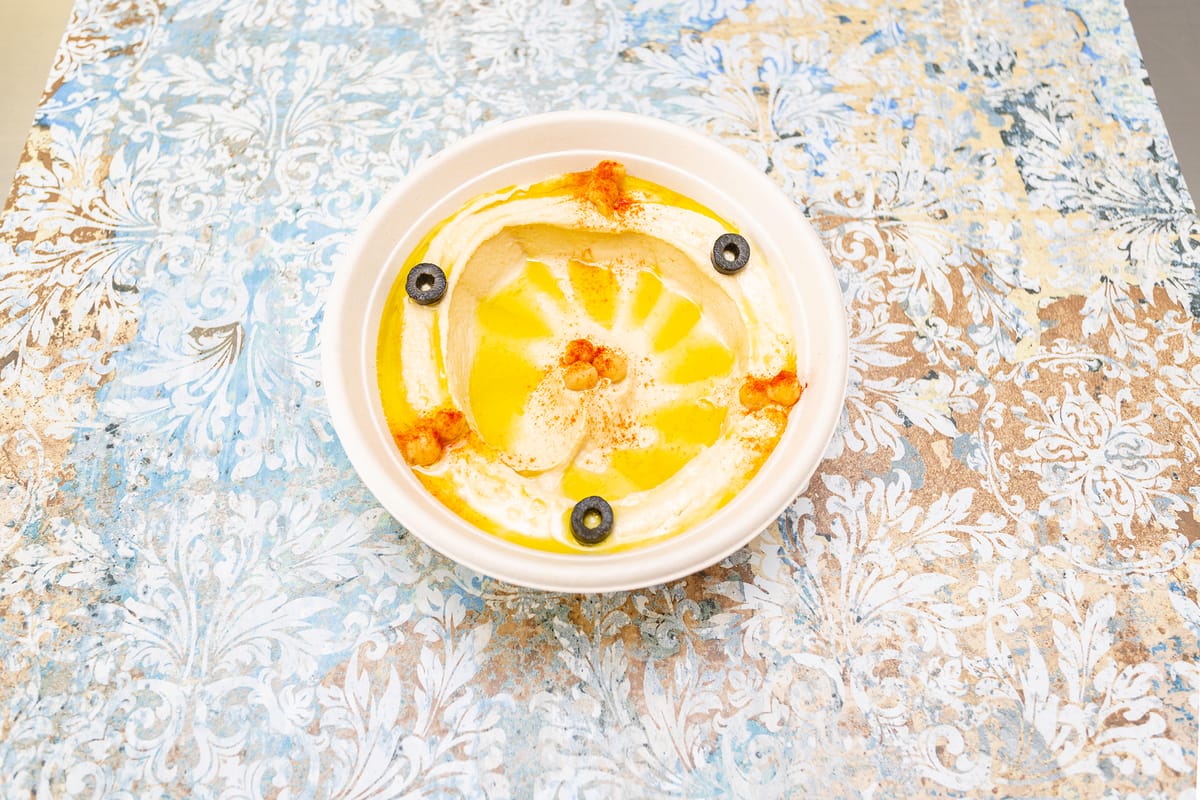
$4.95Hummus delivers chickpea tryptophan, tahini magnesium, olive oil melatonin, and garlic's allicin for vascular relaxation -- all in a single dip. Adding pita bread ({rice.price}) provides the carbohydrate component needed for optimal tryptophan brain uptake.
Falafel Pita
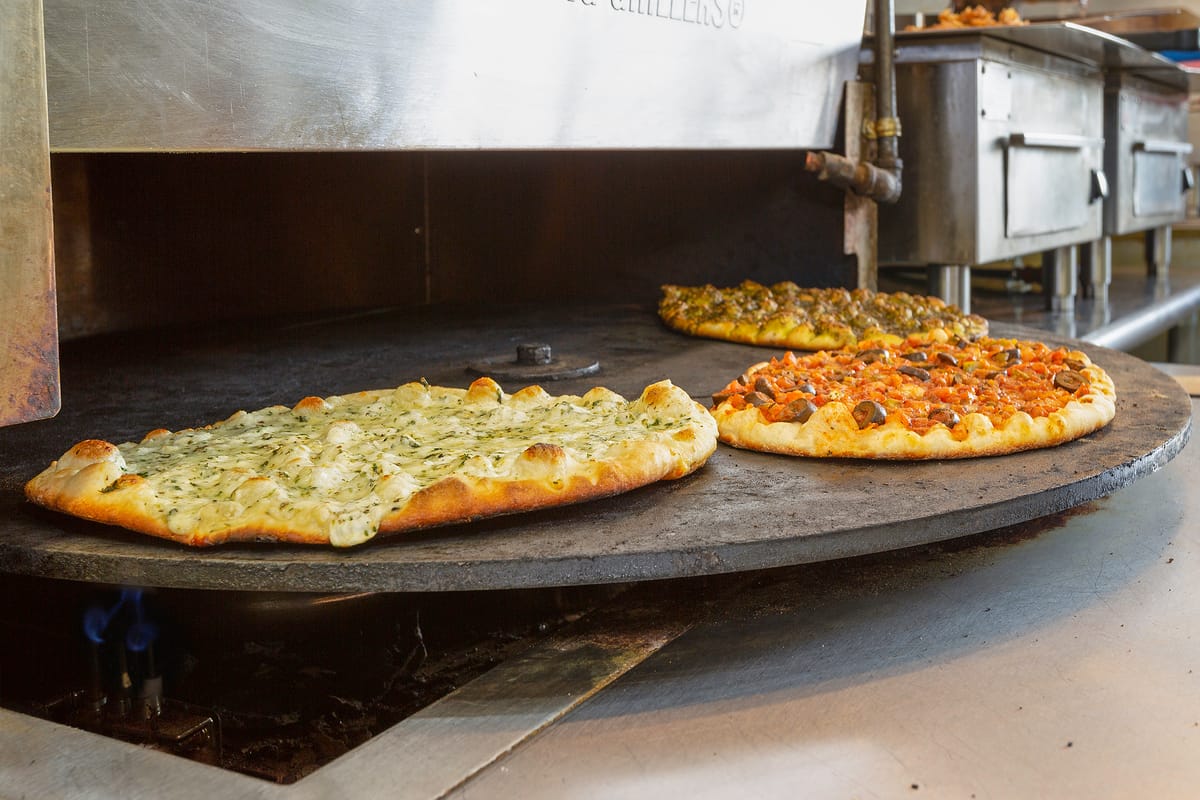
from $8.95The warm pita wrap combines chickpea protein from falafel with the moderate-glycemic carbohydrate of fresh-baked bread. The parsley and herb mixture inside falafel contains apigenin, a flavonoid that binds to benzodiazepine receptors and has been shown in preclinical studies to produce calming effects without sedation or dependence.
Baba Ghanouj
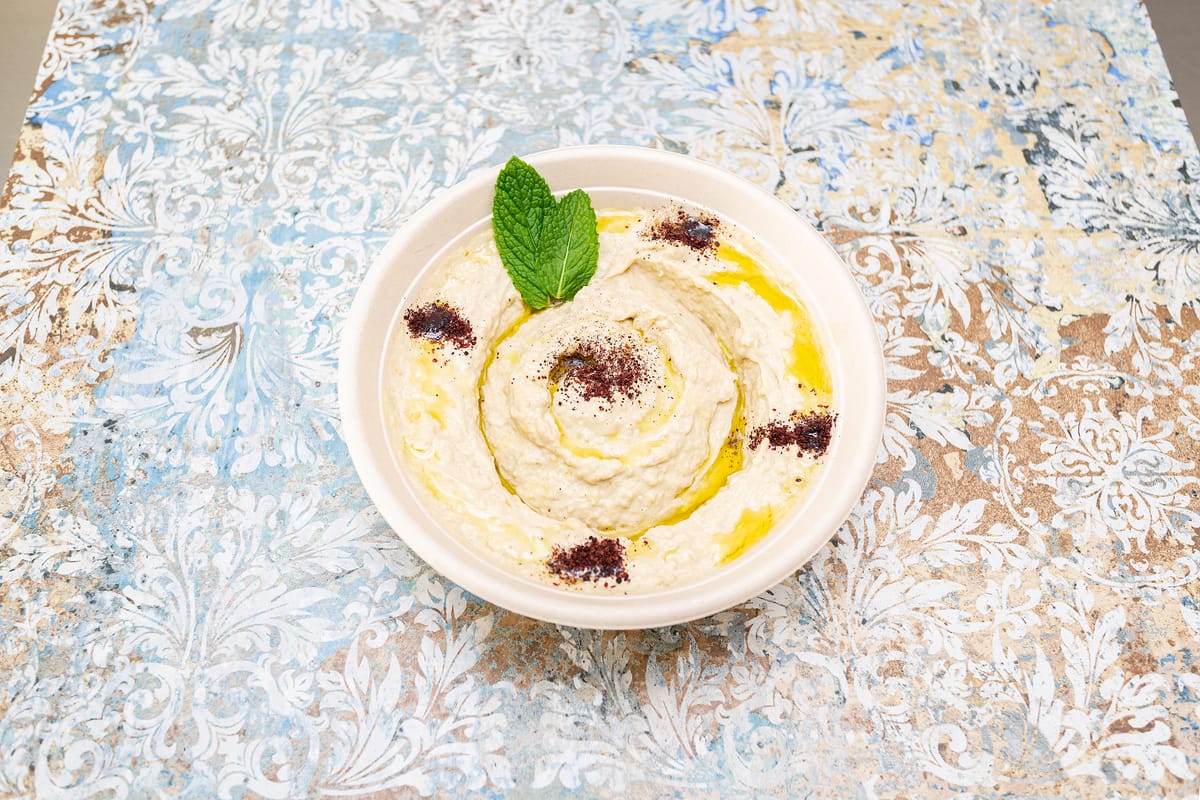
$4.95Roasted eggplant is a natural source of chlorogenic acid and nasunin, antioxidants that reduce the oxidative stress associated with sleep-disrupting inflammation. Combined with olive oil melatonin and tahini sesamin, baba ghanouj is an unexpectedly powerful sleep-supportive side.
Labneh
$4.95Labneh provides both tryptophan from dairy protein and live probiotic cultures that produce GABA in the gut. Its thick consistency means high protein density per serving, sustaining satiety overnight and preventing the hunger-driven cortisol spikes that cause early morning awakenings.
Chicken Shawarma Pita
from $9.95The chicken shawarma pita pairs high-tryptophan chicken with fresh-baked pita carbohydrates and toum garlic sauce. Garlic's allicin promotes nitric oxide production, which relaxes blood vessels and lowers blood pressure -- a physiological state that supports sleep onset.
When Should You Eat Dinner for the Best Sleep?
The timing of your evening meal matters as much as what you eat.
Your digestive system has its own circadian rhythm, with gastric motility, enzyme secretion, and insulin sensitivity all declining as evening progresses. A 2019 study in the British Journal of Nutrition analyzed 1,068 adults and found that consuming a meal within one hour of bedtime was associated with 50 percent higher odds of poor sleep quality. Finishing your last meal three to four hours before sleep allows gastric emptying, blood glucose stabilization, and time for tryptophan-to-melatonin conversion.
Taza is open until midnight seven days a week, making it possible to plan a sleep-optimized dinner at the right time. For a typical 11 PM bedtime, ordering between 7 and 8 PM places your meal in the ideal window. For later sleepers, eating at 9 PM still maintains a two-to-three-hour buffer.
The 3-Hour Window
Research consistently shows that eating your last meal 3 to 4 hours before bedtime is optimal. This allows gastric emptying to complete, blood sugar to stabilize, and the tryptophan-serotonin-melatonin conversion pathway to begin before you lie down. A 2019 study in the British Journal of Nutrition found that eating within 1 hour of bedtime was associated with 50 percent higher odds of poor sleep quality.
Moderate Portions, Not Empty Stomachs
Going to bed hungry triggers cortisol release and blood sugar drops that fragment sleep. The goal is a moderate, balanced meal -- not an overly large one. A Taza falafel bowl or chicken shawarma pita with a side of hummus provides sufficient protein, complex carbs, and healthy fats without the heavy fullness that delays sleep onset.
Tryptophan-Carb Pairing at Dinner
For best sleep results, your evening meal should combine tryptophan-rich protein (chicken, chickpeas, labneh) with moderate-glycemic carbohydrates (rice, pita bread). This pairing is built into every Taza combo meal. The insulin response from carbohydrates clears competing amino acids, giving tryptophan priority access to the brain.
Anti-Inflammatory Evening Eating
Chronic low-grade inflammation is one of the leading causes of disrupted sleep architecture. An anti-inflammatory dinner rich in olive oil polyphenols, tahini sesamin, and vegetable antioxidants reduces the IL-6 and TNF-alpha that fragment deep sleep. This approach is especially relevant for sleep apnea, where pharyngeal inflammation worsens airway collapse.
Can Mediterranean Food Help with Sleep Apnea?
Inflammation in the upper airway is a key driver of obstructive sleep apnea -- and diet can directly affect it.
Obstructive sleep apnea (OSA) affects an estimated 30 million Americans. A 2019 randomized controlled trial at the University of Crete assigned adults with moderate-to-severe OSA to either a Mediterranean diet with physical activity or a standard prudent diet. After six months, the Mediterranean diet group showed a 6.1-event-per-hour reduction in their apnea-hypopnea index (AHI), compared to 2.1 in the control group. They also spent significantly more time in REM sleep.
The mechanism involves two pathways. First, anti-inflammatory compounds in olive oil (oleocanthal), tahini (sesamin), and garlic (allicin) reduce interleukin-6 and C-reactive protein that contribute to pharyngeal tissue swelling. Second, the Mediterranean diet's high satiety profile supports gradual weight loss -- even a 10 percent reduction in body weight reduces AHI by 26 percent according to the Wisconsin Sleep Cohort Study. At Taza, every meal naturally incorporates these anti-inflammatory ingredients.
Olive Oil Polyphenols
Oleocanthal in extra-virgin olive oil inhibits COX-1 and COX-2 enzymes -- the same inflammatory pathway targeted by ibuprofen. This reduces the pharyngeal tissue inflammation that worsens airway collapse during sleep. Taza uses olive oil in hummus, baba ghanouj, and as a finishing element on bowls and manaeesh.
Tahini Sesamin
Sesamin from tahini directly lowers IL-6 and TNF-alpha, two inflammatory cytokines linked to upper airway swelling in sleep apnea patients. A 2015 study found that sesame supplementation reduced inflammation scores in patients with chronic inflammatory conditions. Tahini appears in hummus, falafel dressings, and bowl sauces at Taza.
Garlic Allicin
Allicin in garlic promotes nitric oxide production, which dilates blood vessels and reduces vascular inflammation throughout the body, including the upper airway vasculature. Toum -- the raw garlic sauce served on shawarma at Taza -- preserves allicin at higher concentrations than cooked preparations because heat degrades this compound.
Why Does Pairing Protein with Carbs Improve Sleep?
The tryptophan-insulin mechanism explained -- and why Taza meals are naturally optimized for it.
Tryptophan must compete with five other large neutral amino acids for transport across the blood-brain barrier via the LAT1 carrier protein. When you eat protein without carbohydrates, branched-chain amino acids dominate the transport channels, limiting tryptophan delivery to the brain for serotonin and melatonin synthesis. Carbohydrates change this equation: insulin drives competing amino acids into muscle tissue while leaving tryptophan in the bloodstream, giving it priority access to the brain.
A 2007 study in the American Journal of Clinical Nutrition found that a high-glycemic rice meal consumed four hours before bedtime reduced sleep onset latency by 48.6 percent. However, extremely high-glycemic foods cause reactive hypoglycemia that triggers cortisol release and 2 AM awakenings. The moderate glycemic load of Taza's basmati rice and pita provides the insulin response needed for tryptophan transport without the dangerous sugar crash.
Basmati Rice
$2.95Moderate glycemic index of 58 provides a controlled insulin response. Paired with chicken or falafel protein, the tryptophan-to-LNAA ratio shifts strongly in favor of brain tryptophan uptake.
Fresh-Baked Pita
Included with sandwichesWhole wheat pita has a glycemic index of approximately 57. The fiber content slows glucose absorption, preventing the sharp insulin spike and subsequent crash that high-glycemic white bread produces.
Falafel (Chickpea Protein + Carb)
from $8.95Falafel is unique because chickpeas provide both tryptophan protein and complex carbohydrates in a single food. The internal starch of the chickpea triggers a mild insulin response while the protein supplies the tryptophan itself.
Chicken Shawarma + Rice
from $12.45The highest tryptophan concentration on the Taza menu (287 mg per 100g) paired with basmati rice for optimal insulin-mediated tryptophan transport. This is the most biochemically direct sleep-supporting combination available.
How to Build a Sleep-Optimized Evening Meal at Taza
A step-by-step approach based on the research covered above.
Start with an Anti-Inflammatory Base
Begin your order with hummus ($4.95) or baba ghanouj ($4.95) as a shared appetizer. Both deliver olive oil polyphenols, tahini sesamin, and chickpea or eggplant antioxidants that begin reducing the inflammatory markers (CRP, IL-6) associated with fragmented sleep. Dip with fresh pita bread for the moderate-glycemic carbohydrates that will later support tryptophan transport.
Choose a Tryptophan-Rich Main Course
For maximum sleep support, select either the chicken shawarma bowl (from $12.45) for the highest tryptophan concentration, or the falafel bowl (from $10.45) for a plant-based option that combines chickpea tryptophan with built-in complex carbohydrates. Both bowls include rice, fresh vegetables, and tahini dressing -- covering the tryptophan, magnesium, carbohydrate, and anti-inflammatory requirements in a single order.
Add a Probiotic Side
Labneh ($4.95) provides Lactobacillus cultures that produce GABA in the gut -- the calming neurotransmitter that signals through the vagus nerve to promote the parasympathetic state needed for sleep onset. The dairy protein in labneh also supplies additional tryptophan and sustains satiety overnight, preventing the hunger-driven cortisol spikes that cause early morning awakenings.
Time Your Meal Correctly
Finish eating three to four hours before your intended bedtime. This allows complete gastric emptying, blood sugar stabilization, and sufficient time for the tryptophan-serotonin-melatonin conversion cascade to proceed. Taza is open until midnight, making it possible to eat a sleep-optimized dinner as late as 8 or 9 PM for night owls while still maintaining the optimal timing buffer.
Which Foods Disrupt Sleep the Most?
Understanding what harms sleep is as important as knowing what helps.
A 2016 study published in the Journal of Clinical Sleep Medicine found that a single day of high-fat, low-fiber eating resulted in significantly less slow-wave sleep and more nighttime arousals compared to a controlled Mediterranean-style diet -- even when total caloric intake was identical. The foods below are consistently associated with poorer sleep outcomes in research, and they share a common thread: high inflammatory load, rapid blood sugar fluctuations, and stimulant compounds that interfere with the neurochemistry of sleep.
High-Sugar Desserts and Soft Drinks
Refined sugar causes a rapid blood glucose spike followed by reactive hypoglycemia two to three hours later. This crash triggers cortisol and adrenaline release -- stress hormones that fragment sleep. A 2019 study in the American Journal of Clinical Nutrition found that women with the highest added sugar intake had significantly higher odds of insomnia onset over three years.
Fried and Ultra-Processed Fast Food
High saturated fat extends gastric emptying to five or more hours, causing acid reflux. Inflammatory seed oils, excess sodium, and refined carbohydrates increase CRP and IL-6 that fragment sleep architecture. The St. Louis University study (2023) found a single high-fat meal reduced slow-wave sleep by 22 percent.
Caffeine After 2 PM
Caffeine has a half-life of five to six hours. Even caffeine consumed six hours before bedtime reduced total sleep time by over one hour in a 2013 study in the Journal of Clinical Sleep Medicine, by blocking the adenosine receptors that accumulate sleep pressure throughout the day.
Alcohol in the Evening
While alcohol initially acts as a sedative, it suppresses REM sleep in the second half of the night. A 2018 meta-analysis in JMIR Mental Health found that even moderate alcohol consumption (two drinks) reduced sleep quality by 24 percent. Heavy consumption reduced it by nearly 40 percent.
How Does Your Gut Microbiome Affect Sleep Quality?
The vagus nerve connects your gut bacteria directly to the sleep centers of your brain.
The gut microbiome is one of the most significant emerging factors in sleep research. Your intestinal bacteria produce approximately 95 percent of the body's serotonin -- the direct precursor to melatonin. Specific Lactobacillus strains produce GABA, the primary inhibitory neurotransmitter that quiets neural activity and enables sleep onset. A 2019 study in the journal Gut found that Mediterranean diet intervention significantly increased GABA-producing Lactobacillus and Bifidobacterium populations, with the compositional shifts correlating directly to improved sleep metrics on actigraphy.
At Taza, multiple menu items support the gut-sleep axis. Labneh ($4.95) provides live probiotic cultures directly. Chickpeas in falafel and hummus supply prebiotic fiber (galacto-oligosaccharides) that feeds beneficial bacteria. Pickled turnips served alongside shawarma are naturally fermented and contribute additional Lactobacillus strains. Together, these items create conditions for a microbiome that actively supports quality sleep.
Labneh -- Direct Probiotic Source
Strained yogurt containing live Lactobacillus and Streptococcus thermophilus cultures that colonize the gut and produce GABA and serotonin precursors. The high protein density also provides overnight tryptophan supply.
Falafel -- Prebiotic Fiber Source
Chickpeas contain galacto-oligosaccharides (GOS), a prebiotic fiber that selectively feeds Bifidobacterium and Lactobacillus strains. A 2017 study found that GOS supplementation improved sleep quality within three weeks.
Fresh Vegetables -- Diverse Fiber
The variety of vegetables in Taza bowls -- lettuce, tomatoes, cucumbers, parsley -- provides diverse fiber types that support overall microbial diversity, the single strongest predictor of gut-mediated sleep quality.
Garlic (Toum) -- Selective Prebiotic
Garlic contains fructooligosaccharides (FOS) and inulin, prebiotic fibers that preferentially feed Bifidobacterium. Garlic also has antimicrobial properties that selectively suppress pathogenic bacteria while sparing beneficial strains.
Frequently Asked Questions
Evidence-based answers to common questions about Mediterranean food, sleep quality, and the nutrients that connect them.
Mediterranean Diet & Sleep: Your Questions Answered
Multiple studies have demonstrated a positive relationship between Mediterranean diet adherence and sleep quality. A 2020 study from the University of Harokopio in Athens, published in Nutrients, found that adults with the highest Mediterranean diet scores fell asleep an average of 14 minutes faster, experienced fewer nighttime awakenings, and reported higher subjective sleep quality than those with low adherence -- after adjusting for body mass index, physical activity, caffeine intake, and socioeconomic status. A separate 2023 study from St. Louis University found that high Mediterranean diet adherence was associated with 18 percent more slow-wave (deep) sleep, the restorative phase when growth hormone is released and memory consolidation occurs. The effects are attributed to the diet's anti-inflammatory profile, high tryptophan and magnesium content, and its impact on the gut microbiome.
Tryptophan is the essential amino acid your body uses to produce serotonin and melatonin -- the two molecules most directly responsible for sleep onset and quality. At Taza, the richest tryptophan sources are chicken shawarma (287 mg per 100g serving), chickpeas in falafel and hummus (202 mg per cup), labneh strained yogurt (approximately 80 mg per serving), and tahini from ground sesame seeds. For optimal sleep support, pair these tryptophan sources with a moderate-glycemic carbohydrate like rice or pita bread. The insulin response from carbohydrates clears competing branched-chain amino acids from the bloodstream, allowing more tryptophan to cross the blood-brain barrier for serotonin and melatonin synthesis.
Yes -- a 2019 randomized controlled trial conducted at the University of Crete and published in the European Respiratory Journal found that participants assigned to a Mediterranean diet combined with moderate physical activity experienced a 6.1-event-per-hour reduction in their apnea-hypopnea index (AHI) after six months. This is a clinically meaningful improvement, as a reduction of 5 or more events per hour is generally considered significant. The mechanism involves two pathways: first, the anti-inflammatory properties of olive oil, vegetables, and legumes reduce the pharyngeal tissue inflammation that worsens airway collapse during sleep. Second, the Mediterranean diet's satiating profile (high fiber, healthy fats, lean protein) supports gradual weight loss, and even a 10 percent reduction in body weight can reduce AHI by 26 percent according to the Wisconsin Sleep Cohort Study.
Magnesium binds to gamma-aminobutyric acid (GABA) receptors in the brain, activating the same calming neurotransmitter system targeted by pharmaceutical sleep aids like benzodiazepines and Z-drugs. A 2012 randomized, double-blind, placebo-controlled trial in the Journal of Research in Medical Sciences found that 500 mg of daily magnesium supplementation significantly improved insomnia severity index scores, sleep efficiency, sleep onset latency, and early morning awakening in older adults. Mediterranean foods served at Taza are particularly rich in magnesium: one cup of chickpeas provides 79 mg, two tablespoons of tahini contribute 28 mg, and leafy greens used in bowls and salads add another 20 to 40 mg per serving. A falafel bowl with extra greens can deliver 35 to 40 percent of the daily recommended magnesium intake in a single meal.
Yes. Plants produce melatonin as an antioxidant to protect against environmental stress, and olive oil retains measurable concentrations -- particularly extra-virgin varieties that undergo minimal processing. A 2015 study published in the Journal of Pineal Research measured melatonin concentrations in various olive oil samples and found levels ranging from 71 to 119 picograms per milliliter depending on olive variety and harvest timing. The same study confirmed that dietary plant-based melatonin is bioavailable, raising circulating melatonin levels within 45 minutes of consumption. While these concentrations are lower than pharmaceutical melatonin supplements, they work additively with the tryptophan-serotonin-melatonin pathway stimulated by other components of a Levantine meal. Olive oil is used throughout the Taza menu -- in hummus, baba ghanouj, zaatar manaeesh, and as a finishing element on bowls.
Research supports eating your final meal 3 to 4 hours before your intended bedtime. A 2019 study in the British Journal of Nutrition involving 1,068 adults found that eating within 1 hour of bedtime was associated with 50 percent higher odds of poor sleep quality, even after controlling for total caloric intake, BMI, and chronotype. This timing allows complete gastric emptying (which takes approximately 2 to 3 hours for a moderate mixed meal), stabilization of postprandial blood glucose, and initiation of the tryptophan-to-melatonin conversion cascade before sleep onset. For someone targeting an 11 PM bedtime, eating dinner at Taza between 7 and 8 PM would fall within the optimal window. If you eat later, choosing a lighter option -- such as hummus with pita or labneh -- rather than a full bowl will reduce the gastric workload.
The gut microbiome produces approximately 95 percent of the body's serotonin and significant quantities of GABA -- two neurotransmitters that directly regulate sleep initiation and quality. Labneh, the strained yogurt served at Taza, contains Lactobacillus and other probiotic strains that produce GABA in the gut. This GABA signals through the vagus nerve to the brain, promoting the calm neurological state needed for sleep onset. A 2021 randomized controlled trial published in Frontiers in Psychiatry found that eight weeks of Lactobacillus supplementation improved Pittsburgh Sleep Quality Index scores by 18 percent. The gut-sleep connection is bidirectional: poor sleep disrupts the microbiome, and microbial imbalance worsens sleep quality, creating a feedback loop that probiotic-rich foods like labneh help break.
Yes -- emerging research directly links systemic inflammation to insomnia severity. A 2020 meta-analysis published in Sleep Medicine Reviews analyzed 72 studies and found that elevated C-reactive protein (CRP), interleukin-6 (IL-6), and tumor necrosis factor-alpha (TNF-alpha) were each independently associated with poor sleep quality, longer sleep onset latency, and increased nighttime awakenings. The Mediterranean diet has been shown to reduce CRP by 20 to 30 percent within six months (PREDIMED trial, 2017), primarily through the polyphenols in olive oil, the sesamin in tahini, the antioxidants in vegetables, and the fiber that feeds anti-inflammatory gut bacteria. At Taza, almost every menu item incorporates multiple anti-inflammatory ingredients -- olive oil, chickpeas, tahini, garlic, fresh vegetables, and herbs -- making it straightforward to build a meal that addresses inflammation-driven sleep disruption.
Experience Sleep-Supporting Levantine Food in Falls Church
Authentic Levantine cuisine prepared fresh daily. Every ingredient chosen for flavor, quality, and nourishment.
The research connecting the Mediterranean diet to better sleep is robust and growing. Tryptophan from chickpeas and chicken, magnesium from tahini and greens, melatonin from olive oil, complex carbohydrates from rice and pita, and probiotics from labneh -- every component of a Taza meal contributes to the neurochemical conditions your body needs for restorative rest. The anti-inflammatory profile of Levantine cuisine further reduces the chronic low-grade inflammation that fragments sleep architecture and worsens conditions like sleep apnea.
You do not need a prescription or a supplement to improve your sleep through nutrition. Order a chicken shawarma bowl with extra tahini. Share hummus and labneh with warm pita. Eat three to four hours before bed. The flavors of Levantine food and the science of sleep align naturally -- the same meal that tastes right is also the one that supports your rest.
Address
5820 Seminary Rd Ste O, Falls Church, VA 22041
Hours
11:00 AM - 12:00 AM -- Open 7 Days a Week
Phone
Sleep Better Starting Tonight
Order a tryptophan-rich, anti-inflammatory dinner from Taza Shawarma & Falafel in Falls Church, VA. Fresh daily. Halal. Open until midnight for pickup or delivery.