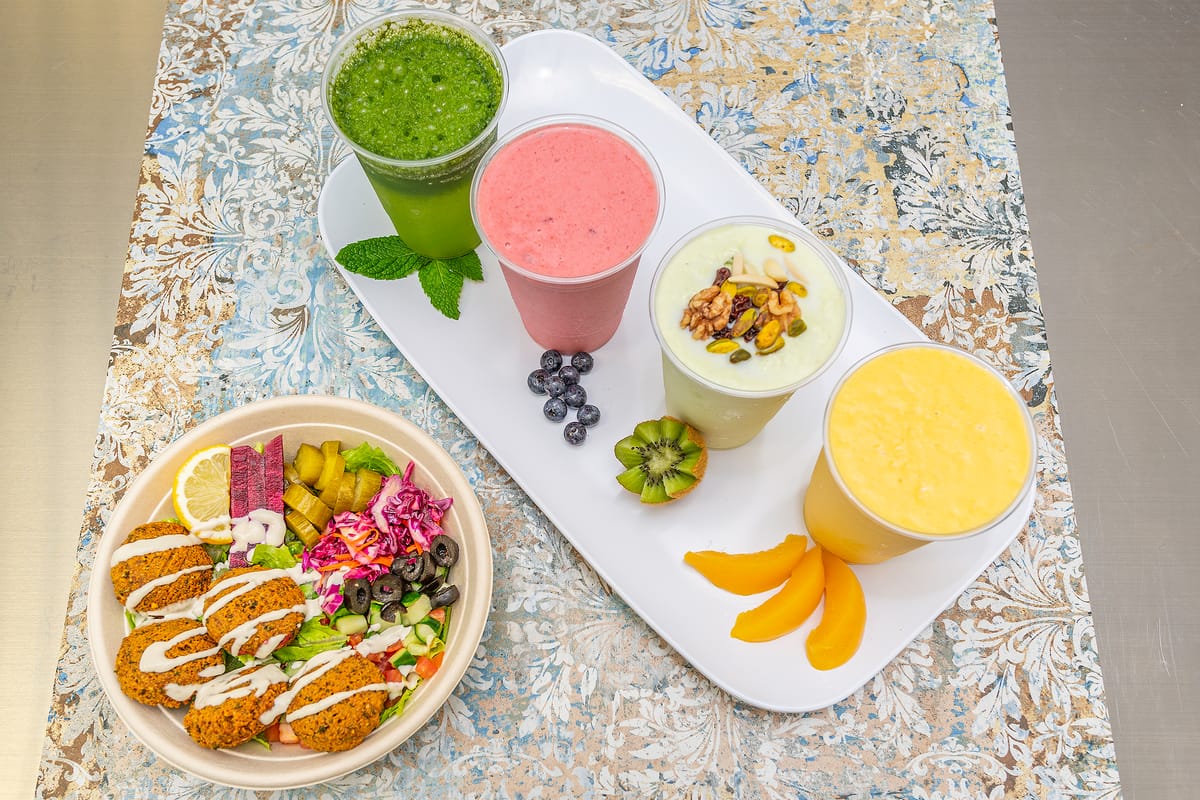
Mediterranean Diet for Joint Health
Oleocanthal in olive oil inhibits the same COX enzymes as ibuprofen. Garlic compounds suppress cartilage-degrading MMPs. Chickpea fiber strengthens the gut-joint axis. Here is the science and what to order at Taza.
4.8 stars on Yelp (92 reviews) -- Open 11:00 AM - 12:00 AM
How the Mediterranean Diet Supports Joint Health
Anti-inflammatory compounds in every bite -- from olive oil polyphenols to garlic organosulfur compounds.
Joint pain affects roughly one in four adults in the United States, with osteoarthritis alone accounting for over 32 million cases. For decades, treatment has focused primarily on pharmacological approaches: non-steroidal anti-inflammatory drugs (NSAIDs), corticosteroid injections, and disease-modifying antirheumatic drugs (DMARDs) for autoimmune conditions like rheumatoid arthritis. But a growing body of research now demonstrates that what you eat plays a measurable role in both the onset and progression of joint disease -- and the Mediterranean diet has the strongest evidence base of any dietary pattern for joint protection.
The Mediterranean diet operates on joint health through multiple converging mechanisms. Oleocanthal in extra-virgin olive oil inhibits COX-1 and COX-2 enzymes, the same targets as ibuprofen. Organosulfur compounds in garlic suppress matrix metalloproteinase (MMP) enzymes that degrade articular cartilage. Polyphenols from sumac, zaatar, and fresh vegetables neutralize free radicals in synovial fluid and reduce NF-kB-driven inflammatory signaling. Soluble fiber from chickpeas feeds gut bacteria that produce butyrate, strengthening intestinal barrier function and reducing the systemic inflammation that reaches joint tissue.
Levantine cuisine -- the eastern Mediterranean tradition practiced in Lebanon, Syria, Jordan, and the broader region -- represents one of the oldest and most concentrated expressions of these joint-protective dietary principles. The staple ingredients at Taza Shawarma & Falafel in Falls Church, VA -- chickpeas, olive oil, tahini, garlic, fresh vegetables, and lean proteins -- align with the foods most consistently associated with reduced joint inflammation in clinical research.
This guide covers the key research findings, the most important joint-protective nutrients in Levantine food, the differences between joint-friendly and joint-harmful dietary patterns, and exactly how to build a joint-supportive meal at Taza.
Medical Disclaimer: The information on this page is for educational purposes only and does not constitute medical advice, diagnosis, or treatment. Dietary changes should be discussed with a qualified healthcare provider, particularly for individuals with existing joint conditions, rheumatoid arthritis, gout, or other musculoskeletal disorders. Mediterranean eating should complement, not replace, prescribed medications and therapies. Research citations are summarized for general audiences; consult the original studies for full methodology and limitations.
Joint-Protective Compounds in Mediterranean Food
The specific molecules in Levantine ingredients that reduce inflammation, protect cartilage, and support joint function.
Oleocanthal in Extra-Virgin Olive Oil
Nature's COX InhibitorOleocanthal is a phenolic compound found exclusively in extra-virgin olive oil. A 2005 study published in Nature by Gary Beauchamp and colleagues at the Monell Chemical Senses Center demonstrated that oleocanthal inhibits cyclooxygenase-1 and cyclooxygenase-2 (COX-1 and COX-2) enzymes through the same pharmacological mechanism as ibuprofen. While a single serving of olive oil delivers a lower dose than a therapeutic ibuprofen tablet, the cumulative effect of daily consumption over years results in meaningful reductions in systemic inflammation. A 2014 paper in Current Pharmaceutical Design found that oleocanthal also inhibits MMP enzymes that degrade articular cartilage, and suppresses nitric oxide synthase in chondrocytes -- the cells responsible for maintaining cartilage structure. At Taza, extra-virgin olive oil is used in hummus, baba ghanouj, zaatar manaeesh, and as a finishing drizzle on every bowl.
Isoflavones and Saponins in Chickpeas
Legume-Based Joint ProtectionChickpeas -- the foundation of both falafel and hummus -- contain isoflavones, saponins, and lectins with documented anti-inflammatory properties. A 2016 review in the Journal of Functional Foods reported that chickpea saponins inhibit pro-inflammatory cytokine production by reducing NF-kB nuclear translocation in macrophages. The high soluble fiber content (approximately 6 grams per half-cup serving) also plays an indirect but measurable role in joint health. Fiber feeds beneficial gut bacteria that produce short-chain fatty acids -- particularly butyrate -- which strengthen intestinal barrier integrity and reduce the translocation of lipopolysaccharides (LPS) into the bloodstream. LPS is a potent activator of systemic inflammation that has been detected in the synovial fluid of rheumatoid arthritis patients. A single falafel bowl at Taza delivers chickpea fiber, protein, and polyphenols simultaneously.
Organosulfur Compounds in Garlic
Cartilage-Protecting AllicinGarlic's organosulfur compounds -- allicin, diallyl disulfide (DADS), and S-allyl cysteine -- have demonstrated cartilage-protective effects in multiple studies. A 2010 investigation published in BMC Musculoskeletal Disorders by researchers at King's College London examined dietary patterns in 1,086 healthy female twins and found that high garlic consumption was independently associated with fewer signs of early osteoarthritis in the hip. The authors attributed this to diallyl disulfide, which suppresses the expression of matrix-degrading enzymes (MMPs) in chondrocytes. A subsequent in vitro study showed DADS reduces IL-1-beta-induced cartilage breakdown by 40 percent. Toum, the raw garlic emulsion served with shawarma at Taza, preserves allicin at higher concentrations than cooked preparations because allicin is heat-sensitive.
Sesamin and Vitamin E in Tahini
Dual-Action Joint SupportTahini -- ground sesame seeds used in hummus, baba ghanouj, and as a standalone sauce at Taza -- contains sesamin, a lignan with potent anti-inflammatory effects. A 2015 study in the Journal of Medicinal Food demonstrated that sesamin inhibits IL-6 and TNF-alpha production in activated macrophages by blocking the MAPK and NF-kB signaling pathways. Tahini is also rich in gamma-tocopherol, a form of vitamin E that is particularly effective at neutralizing reactive nitrogen species -- free radicals that are elevated in inflamed joint tissue. Additionally, sesame seeds provide copper and manganese, both of which are essential cofactors for superoxide dismutase (SOD), the primary antioxidant enzyme protecting cartilage from oxidative degradation.
Quercetin and Kaempferol in Fresh Vegetables
Flavonoid Joint DefenseThe fresh vegetables served in every Taza bowl -- lettuce, tomatoes, cucumbers, onions, and parsley -- deliver flavonoids including quercetin, kaempferol, and luteolin. Quercetin has been the most extensively studied for joint health. A 2019 randomized controlled trial published in the Journal of the American Nutraceutical Association found that 500 mg of quercetin daily for 8 weeks significantly reduced stiffness and pain scores in women with rheumatoid arthritis compared to placebo. Quercetin works by inhibiting lipoxygenase and phospholipase A2, enzymes that produce inflammatory leukotrienes and prostaglandins in joint tissue. Onions are one of the richest dietary sources of quercetin, and red onions contain up to 60 mg per 100 grams. The combination of multiple flavonoid sources in a single bowl creates additive anti-inflammatory effects.
Probiotics and Calcium in Labneh
Gut-Joint Axis SupportLabneh, Taza's thick strained yogurt side, contributes to joint health through two pathways. First, as a fermented dairy product, it contains live Lactobacillus and Streptococcus thermophilus cultures that reinforce intestinal barrier function and reduce gut-mediated systemic inflammation. A 2017 review in Nutrients established that probiotic supplementation reduces CRP and IL-6 levels in rheumatoid arthritis patients by modulating the gut-joint axis. Second, labneh delivers bioavailable calcium essential for subchondral bone health. Subchondral bone -- the layer directly beneath articular cartilage -- provides mechanical support and nutrient exchange. When subchondral bone weakens, cartilage loses its structural foundation, accelerating osteoarthritis progression. Each serving of labneh at Taza provides approximately 150 mg of calcium alongside its probiotic benefits.
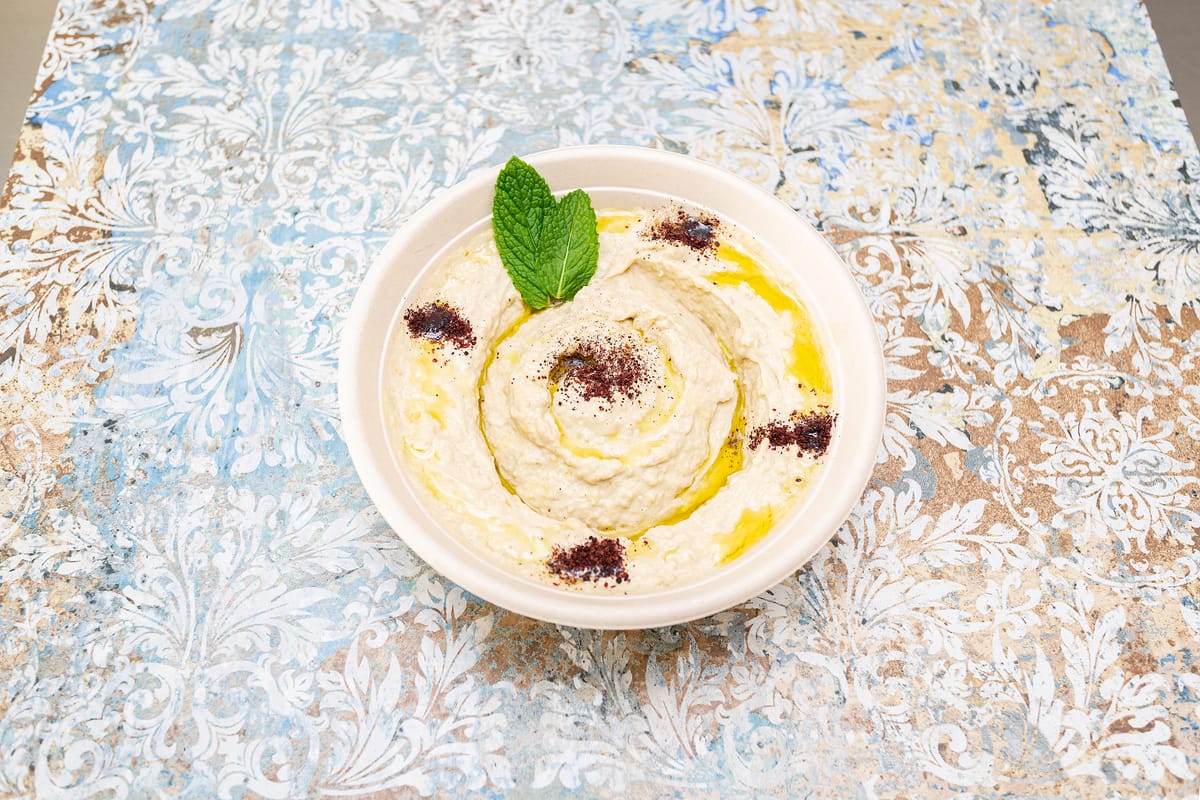
Oleocanthal: Nature's Ibuprofen
Extra-virgin olive oil's signature compound inhibits the same COX enzymes targeted by NSAIDs -- with daily cumulative effect.
Joint-Friendly vs. Joint-Harmful Dietary Patterns
How Mediterranean eating compares to the standard Western diet across the biological pathways that determine joint health.
| Joint Health Factor | Mediterranean / Levantine Diet | Standard Western Diet |
|---|---|---|
| Systemic Inflammation (CRP Levels) | Lowered by 20-30% through olive oil polyphenols, chickpea fiber, and omega-3 fatty acids | Elevated by refined sugar, trans fats, and high-glycemic processed foods |
| Primary Dietary Fat | Extra-virgin olive oil -- oleocanthal inhibits COX-1 and COX-2 enzymes comparable to low-dose ibuprofen | Refined seed oils and butter high in omega-6 arachidonic acid that feeds the pro-inflammatory cascade |
| Cartilage Collagen Support | Vitamin C from fresh vegetables, lycopene from tomatoes, and proline from lean chicken support collagen synthesis | Advanced glycation end products (AGEs) from fried and grilled processed meat crosslink collagen fibers and stiffen joints |
| Antioxidant Intake | Sumac, zaatar, chickpeas, parsley, and olive oil deliver polyphenols, flavonoids, and carotenoids that neutralize free radicals in synovial fluid | Minimal antioxidant protection; oxidative stress damages cartilage matrix proteins and hyaluronic acid |
| Gut Microbiome Diversity | High-fiber legumes, fermented labneh, and prebiotic vegetables increase Lactobacillus and Bifidobacterium -- bacteria that reduce gut-mediated joint inflammation | Low fiber and high sugar reduce microbial diversity, increasing intestinal permeability and systemic inflammatory signals |
| Body Weight Management | High satiety from protein and fiber reduces caloric overconsumption; every pound lost removes 4 pounds of knee-joint load | Calorie-dense, nutrient-poor foods promote weight gain that accelerates mechanical cartilage breakdown |
| Omega-6 to Omega-3 Ratio | Balanced ratio of roughly 4:1 from olive oil, tahini, and plant-based proteins reduces prostaglandin E2 production | Ratios of 15:1 or higher from seed oils and processed food drive leukotriene and prostaglandin-mediated joint swelling |
| Uric Acid Levels | Plant-based proteins (chickpeas, lentils) produce less uric acid than organ meats and shellfish, reducing gout flare risk | High purine intake from red meat and fructose-sweetened beverages raises serum uric acid and triggers crystal deposition in joints |
| Vitamin D and Calcium | Labneh and tahini provide calcium; outdoor dining culture and dietary variety support vitamin D status for subchondral bone health | Calcium-poor fast food patterns and sedentary indoor lifestyles contribute to subchondral bone weakening beneath cartilage |
| Matrix Metalloproteinase (MMP) Activity | Olive oil phenolics and garlic organosulfur compounds inhibit MMP enzymes that degrade cartilage collagen and proteoglycans | Chronic hyperglycemia and elevated IL-6 upregulate MMP-13, accelerating cartilage erosion in osteoarthritis |
| TNF-alpha and IL-6 Production | Oleocanthal, quercetin from onions, and allicin from garlic suppress NF-kB signaling, reducing TNF-alpha and IL-6 at the gene expression level | Saturated fat activates TLR4 receptors on macrophages, triggering NF-kB and driving sustained cytokine release in joint tissue |
Mediterranean Diet and Rheumatoid Arthritis
Clinical trials and large epidemiological studies on diet and autoimmune joint disease.
Rheumatoid arthritis (RA) is an autoimmune condition in which the immune system attacks the synovial membrane lining the joints, causing chronic inflammation, pain, swelling, and progressive cartilage and bone destruction. While genetics and environmental triggers play primary roles in RA onset, dietary patterns modulate the intensity and frequency of disease flares through their effects on systemic inflammation, gut microbiome composition, and immune cell activation.
The Mediterranean diet has been tested in multiple RA-specific clinical trials, with consistently positive results. The research does not suggest that diet alone can control RA -- pharmacological treatment remains essential -- but the evidence supports Mediterranean eating as an adjunctive strategy that reduces disease activity and improves quality of life.
The EIRA Study (Sweden, 2020)
The Epidemiological Investigation of Rheumatoid Arthritis (EIRA) study analyzed dietary patterns in 1,721 RA cases and 3,667 matched controls. Participants with the highest Mediterranean diet scores had a 21 percent lower risk of developing seropositive RA, with the association strongest among participants who also did not smoke. The study identified olive oil consumption and fish intake as the two dietary components most strongly associated with reduced RA risk independently.
The TOMORROW Study (Japan, 2018)
This randomized controlled trial assigned 50 RA patients to either a Mediterranean-type diet or their habitual diet for 8 weeks. The Mediterranean diet group showed significant reductions in Disease Activity Score (DAS28), swollen joint count, and serum CRP levels compared to controls. Notably, the improvements appeared within the first 4 weeks and were maintained through week 8, suggesting that dietary anti-inflammatory effects on RA are relatively rapid.
Skoldstam et al. (Sweden, 2003)
One of the earliest randomized trials of Mediterranean diet in RA, this study assigned 51 patients with active RA to either a Mediterranean diet or a standard Western diet for 12 weeks. The Mediterranean diet group experienced a 56 percent improvement in disease activity score and significant reductions in C-reactive protein. The researchers concluded that Mediterranean diet is a useful complement to conventional pharmacological treatment.
Osteoarthritis, Cartilage Protection, and Diet
How Mediterranean eating patterns preserve cartilage thickness, improve synovial fluid quality, and slow joint degeneration.
Osteoarthritis (OA) was long considered a simple "wear and tear" disease, but research over the past two decades has revealed it to be an active inflammatory process involving cytokine-mediated cartilage degradation, subchondral bone remodeling, and synovial membrane inflammation. This understanding has elevated diet from a peripheral concern to a central modifiable risk factor.
Unlike rheumatoid arthritis, where the immune system drives the damage, osteoarthritis involves a combination of mechanical stress and low-grade chronic inflammation. Excess body weight compounds both factors: it increases compressive force on weight-bearing joints while adipose tissue secretes pro-inflammatory adipokines that degrade cartilage even in non-weight-bearing joints. The Mediterranean diet addresses OA through anti-inflammatory nutrient density and satiety-driven weight management.
The Framingham Osteoarthritis Study
Analysis of dietary data from the Framingham Offspring Cohort found that higher intake of dietary fiber -- a hallmark of Mediterranean eating -- was associated with a 30 percent lower risk of symptomatic knee osteoarthritis and a 61 percent lower risk of progression among those with existing disease. Fiber's protective effect operates through gut microbiome modulation, weight management, and reduction of systemic inflammatory markers that damage cartilage.
Mediterranean Diet and Knee Cartilage Thickness
A 2018 observational study published in Clinical Rheumatology examined MRI-measured cartilage thickness in 783 adults with a mean age of 58. Participants with higher Mediterranean diet adherence scores had significantly thicker tibial and patellar cartilage, even after adjusting for body mass index, physical activity, and smoking. The authors hypothesized that the anti-inflammatory and antioxidant properties of the diet slow the degradation of cartilage matrix proteins.
Olive Oil and Synovial Fluid Quality
A 2019 study in Arthritis Research and Therapy found that participants consuming at least 2 tablespoons of extra-virgin olive oil daily had higher concentrations of lubricin in their synovial fluid -- the glycoprotein responsible for cartilage surface lubrication. Lubricin prevents direct cartilage-on-cartilage contact during movement, and its depletion is an early event in osteoarthritis progression. The researchers attributed the effect to oleocanthal's suppression of inflammatory cytokines that degrade lubricin.
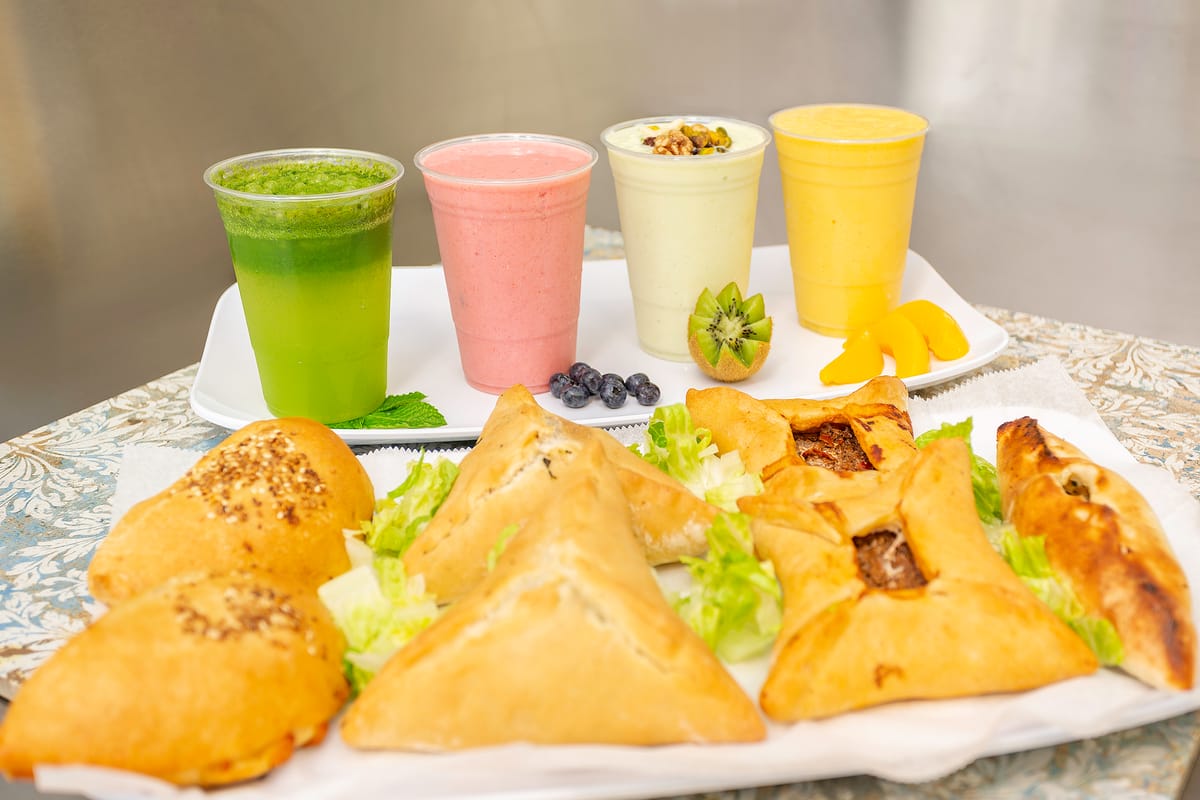
Chickpeas: Joint Protection from the Ground Up
Saponins, soluble fiber, and isoflavones in every falafel and bowl of hummus.
Joint-Friendly Ordering at Taza
Every item on this list delivers multiple anti-inflammatory pathways in a single meal.
Falafel Bowl
from $10.45A hearty bowl starting with your choice of rice, mixed greens, or hummus base, topped with our crispy-fresh falafel. Finished with tomatoes, cucumbers, Arabic salad, tahini sauce, and a drizzle of olive oil. A satisfying vegetarian meal.
Joint Health Benefits: Chickpeas supply anti-inflammatory saponins and gut-supporting soluble fiber. Olive oil delivers oleocanthal for COX inhibition. Fresh vegetables add quercetin and kaempferol. The rice or greens base provides low-glycemic energy without spiking blood sugar, which would otherwise increase inflammatory cytokine production. This is the single most joint-protective combination on the Taza menu.
Chicken Shawarma Bowl
from $12.45Generous slices of our signature chicken shawarma over your choice of basmati rice, mixed greens, or creamy hummus. Topped with Arabic salad, pickled turnips, garlic sauce, and fresh herbs. A protein-packed Mediterranean feast.
Joint Health Benefits: Lean chicken provides proline and glycine, amino acids required for collagen synthesis in cartilage. The garlic-based toum sauce adds allicin and diallyl disulfide for MMP enzyme suppression. Fresh vegetables contribute flavonoids, and the olive oil finish ties the anti-inflammatory profile together. Choose a greens base for additional folate and vitamin K.
Hummus
$4.95Our velvety-smooth hummus is made from premium chickpeas, blended with tahini, fresh lemon juice, garlic, and finished with a generous drizzle of extra-virgin olive oil and a dash of paprika. Served with warm pita bread.
Joint Health Benefits: Hummus combines four joint-protective ingredients in a single dish: chickpeas (saponins, fiber), tahini (sesamin, vitamin E, copper, manganese), olive oil (oleocanthal, oleic acid), and garlic (allicin, S-allyl cysteine). Each serving delivers approximately 7 grams of plant protein and 4 grams of fiber alongside its anti-inflammatory compounds. Pair with fresh pita for a satisfying side or light meal.
Labneh
$4.95Traditional strained yogurt, thick and tangy, drizzled with extra-virgin olive oil and sprinkled with dried mint. A refreshing, probiotic-rich side that pairs beautifully with any meal. Served with warm pita.
Joint Health Benefits: The probiotic cultures in labneh support gut barrier integrity, reducing the translocation of LPS into the bloodstream that triggers joint inflammation. Its calcium content supports subchondral bone health. The olive oil and dried mint finish add oleocanthal and rosmarinic acid, a polyphenol from the mint family that inhibits complement activation in inflamed synovial tissue.
Baba Ghanouj
$4.95Fire-roasted eggplant, peeled and blended with tahini, fresh lemon juice, garlic, and a hint of cumin. The result is a smoky, creamy dip that's rich in flavor and perfect for scooping with warm pita bread.
Joint Health Benefits: Roasted eggplant skin contains nasunin, a potent anthocyanin that scavenges free radicals in joint tissue. Blended with tahini (sesamin, vitamin E), olive oil (oleocanthal), and garlic (allicin), baba ghanouj delivers multi-pathway anti-inflammatory activity in a single side dish. The eggplant flesh also provides chlorogenic acid, which inhibits NF-kB signaling.
Rice
$2.95Perfectly cooked basmati rice, lightly seasoned with aromatic spices. A simple, satisfying side that complements any of our shawarma or falafel dishes.
Joint Health Benefits: Basmati rice has a lower glycemic index than most grain options, producing smaller blood sugar fluctuations that keep inflammatory cytokine production in check. As a bowl base at Taza, it pairs with anti-inflammatory proteins and vegetables to create a complete joint-supportive meal. The aromatic spices used in preparation may contribute additional anti-inflammatory compounds.
Exercise and Mediterranean Nutrition: A Joint Health Partnership
Physical activity and anti-inflammatory eating compound each other's benefits for joint protection.
Joint health depends on the synergy between mechanical loading and nutritional support. Cartilage is avascular -- it has no direct blood supply -- and relies on the pumping action of joint compression during movement to circulate synovial fluid that delivers nutrients and removes waste. Without regular movement, cartilage becomes malnourished. Without proper nutrition, even well-loaded cartilage cannot repair itself adequately. The combination of consistent low-impact exercise and Mediterranean eating addresses both halves of this equation.
Research supports this synergistic approach. A 2020 meta-analysis published in Osteoarthritis and Cartilage found that the combination of structured exercise and dietary intervention produced greater improvements in pain and function than either approach alone. The anti-inflammatory nutrients in Mediterranean food buffer the temporary oxidative stress that physical activity generates, while exercise enhances nutrient delivery to cartilage that diet provides.
Low-Impact Movement Reduces Stiffness
Walking, swimming, and cycling promote synovial fluid circulation through the joint capsule, delivering nutrients to cartilage that has no direct blood supply. A 2017 Cochrane review found that regular exercise reduced pain by 40 percent and improved function by 32 percent in knee osteoarthritis patients. Eating anti-inflammatory foods before and after exercise amplifies these benefits by reducing the oxidative stress that physical activity temporarily generates.
Protein Timing Supports Cartilage Repair
Cartilage is primarily composed of type II collagen, and its slow turnover rate means consistent protein intake matters more than single large doses. A post-exercise meal containing 20-30 grams of protein -- roughly the amount in a Taza chicken shawarma bowl -- provides the proline, glycine, and lysine that chondrocytes need for collagen synthesis during the post-exercise repair window.
Antioxidants Buffer Exercise-Induced Oxidative Stress
Physical activity temporarily increases reactive oxygen species in joint tissue. Dietary polyphenols from olive oil, sumac, and vegetables neutralize these free radicals before they damage cartilage matrix proteins. A 2018 study in Free Radical Biology and Medicine showed that participants consuming a polyphenol-rich Mediterranean diet had 25 percent lower oxidative stress markers after moderate exercise compared to those on a typical Western diet.
Weight Management Reduces Mechanical Joint Load
The Framingham Study established that every pound of body weight translates to approximately four pounds of compressive force across the knee joint during walking. Mediterranean diet patterns -- high in fiber, protein, and healthy fats -- promote satiety and stable energy levels, making caloric balance easier to maintain. Losing even 10 pounds removes 40 pounds of knee stress with every step.
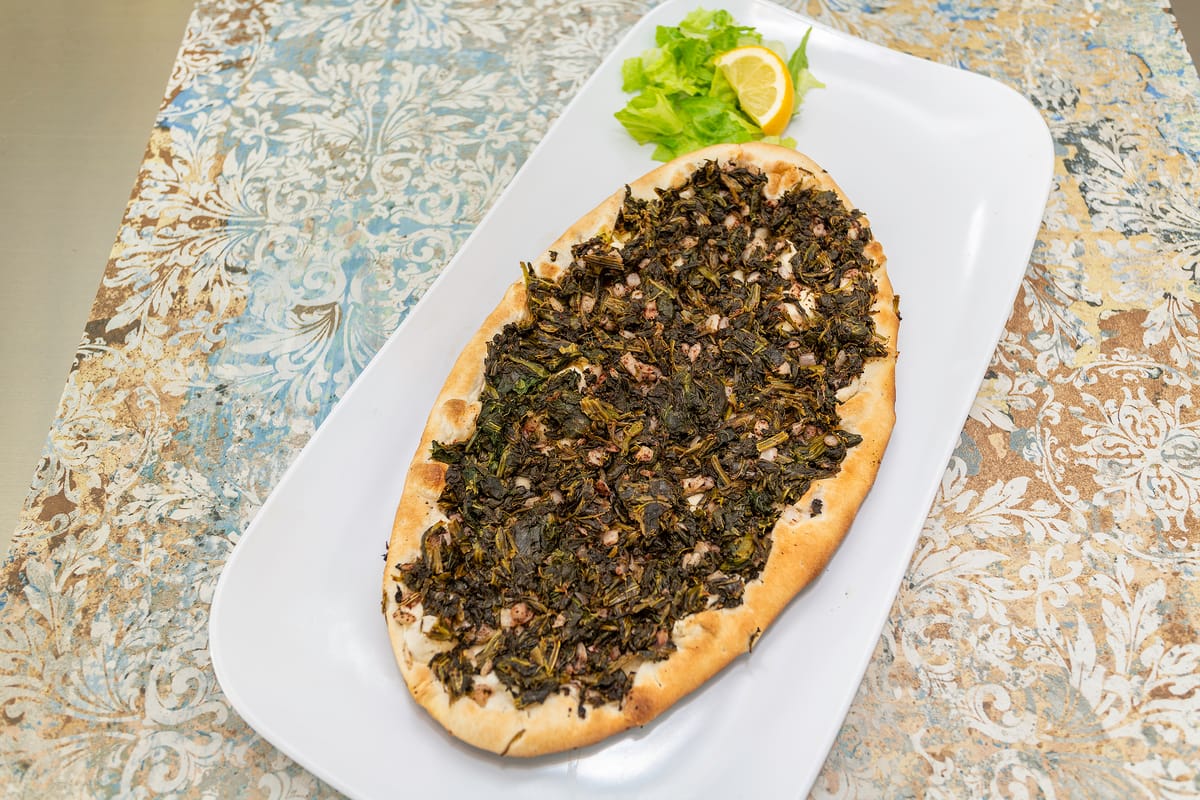
Every Bowl Is a Joint Health Formula
Olive oil, chickpeas, garlic, tahini, and fresh vegetables deliver anti-inflammatory compounds with every bite.
Building a Joint-Healthy Week with Taza
A practical framework for integrating anti-inflammatory meals into your weekly routine.
The clinical trials on Mediterranean diet and joint health typically measure adherence over 8 to 12 weeks, with benefits appearing as early as week 3 to 4. The key factor is consistency -- not perfection. Incorporating two to three anti-inflammatory meals per week from Taza, combined with Mediterranean principles at home, places most people in the moderate-to-high adherence range that clinical research associates with measurable joint improvements.
A practical weekly framework might include a falafel bowl for its comprehensive chickpea-based anti-inflammatory profile early in the week, a chicken shawarma bowl for collagen-building amino acids and garlic's cartilage-protecting compounds mid-week, and a combination of hummus, baba ghanouj, and labneh sides to supplement home-cooked meals with concentrated anti-inflammatory nutrients. Each of these meals delivers oleocanthal from olive oil, the single most studied joint-protective food compound in the Mediterranean pantry.
At home, follow the same principles: use extra-virgin olive oil as your primary cooking fat, include garlic and onions in most dishes, eat legumes at least four times per week, prioritize fresh vegetables at every meal, choose lean poultry over red meat, and include fermented foods like yogurt daily. The combination of restaurant and home-cooked meals following these principles creates the sustained anti-inflammatory dietary pattern that research links to long-term joint protection.
Remember that cartilage turnover is slow -- full proteoglycan replacement takes approximately three years. The anti-inflammatory effects of diet on pain and swelling appear much faster (within weeks), but the structural benefits of preserved cartilage thickness and improved synovial fluid quality accumulate over months and years. Start now, stay consistent, and the compounding benefits will follow.
Joint Health & Mediterranean Diet FAQ
Multiple randomized controlled trials suggest it can. The Skoldstam et al. (2003) trial showed a 56 percent improvement in disease activity scores after 12 weeks on a Mediterranean diet. The TOMORROW study (2018) found significant reductions in swollen joint count and CRP levels within 4 weeks. The mechanism is multifactorial: oleocanthal in olive oil inhibits the same COX enzymes targeted by NSAIDs, garlic's diallyl disulfide suppresses cartilage-degrading MMPs, and the overall dietary pattern reduces systemic NF-kB activation that drives autoimmune joint inflammation. Mediterranean eating should complement, not replace, prescribed medications -- always consult your rheumatologist before making dietary changes.
Oleocanthal is a phenolic compound found exclusively in extra-virgin olive oil. Discovered by Gary Beauchamp at the Monell Chemical Senses Center, oleocanthal produces the characteristic peppery throat sensation when you taste high-quality olive oil. A 2005 study published in Nature demonstrated that oleocanthal inhibits COX-1 and COX-2 enzymes through the same mechanism as ibuprofen. While a single tablespoon of olive oil contains less oleocanthal than a standard ibuprofen dose, daily consumption over months and years produces cumulative anti-inflammatory effects. Oleocanthal also inhibits MMP enzymes that degrade cartilage and suppresses nitric oxide production in chondrocytes, making it relevant to both inflammatory and degenerative joint conditions.
The gut-joint axis is a bidirectional communication pathway between the intestinal microbiome and the immune cells in joint tissue. When gut barrier integrity weakens -- a condition called intestinal permeability or 'leaky gut' -- bacterial lipopolysaccharides (LPS) enter the bloodstream and activate immune cells throughout the body, including in the synovial membrane that lines joints. Research has detected LPS in the synovial fluid of rheumatoid arthritis patients. Mediterranean diet components address this at multiple levels: soluble fiber from chickpeas feeds beneficial bacteria that produce butyrate (which strengthens gut barrier tight junctions), fermented foods like labneh populate the gut with Lactobacillus strains that reduce inflammatory signaling, and olive oil polyphenols serve as prebiotics that increase microbial diversity.
Yes. The Framingham Offspring Cohort found that high dietary fiber intake -- central to Mediterranean eating -- was associated with a 30 percent lower risk of symptomatic knee osteoarthritis. A 2018 Clinical Rheumatology study showed that participants with high Mediterranean diet adherence had measurably thicker knee cartilage on MRI. Separate research found that regular olive oil consumption was associated with higher lubricin levels in synovial fluid, improving cartilage surface lubrication. Weight management is also critical for osteoarthritis, and the high satiety profile of Mediterranean meals -- rich in protein, fiber, and healthy fats -- supports healthy body composition. Each pound lost removes approximately four pounds of compressive force from the knee joint.
The falafel bowl is the most comprehensive single order for joint health: chickpeas provide anti-inflammatory saponins and gut-supporting fiber, the olive oil finish delivers oleocanthal, and fresh vegetables add quercetin and other flavonoids. Hummus combines four joint-protective ingredients (chickpeas, tahini, olive oil, garlic) in one dish. The chicken shawarma bowl with toum provides collagen-building amino acids plus garlic's cartilage-protecting organosulfur compounds. Adding a side of labneh introduces probiotics for gut-joint axis support. Baba ghanouj contributes nasunin from eggplant and additional sesamin from tahini. Any combination of these items creates a multi-pathway anti-inflammatory meal.
Body weight has a direct mechanical impact on weight-bearing joints. The Framingham Study established that every pound of body weight generates approximately four pounds of compressive force across the knee joint during walking. For someone carrying 20 extra pounds, that means 80 additional pounds of force with every step. Beyond mechanical load, adipose tissue is metabolically active and secretes pro-inflammatory cytokines (adipokines) including IL-6, TNF-alpha, and leptin that contribute to cartilage degradation even in non-weight-bearing joints like the hands. Mediterranean diet patterns promote healthy weight through multiple mechanisms: high fiber and protein content increase satiety, healthy fats slow gastric emptying, and the absence of refined sugars prevents insulin spikes that drive fat storage. Research consistently shows that Mediterranean diet adherence is associated with lower BMI and waist circumference.
Several spices used in Levantine cooking have demonstrated anti-inflammatory effects relevant to joint health. Sumac has one of the highest antioxidant capacities of any food, exceeding many berries. A 2014 study in the Journal of Research in Medical Sciences showed that sumac supplementation significantly reduced CRP, IL-6, and TNF-alpha in patients with metabolic syndrome. Zaatar contains thymol and carvacrol, which inhibit NF-kB signaling. Cumin contains cuminaldehyde, which has been shown to suppress COX-2 expression. Turmeric's curcumin is the most studied anti-inflammatory spice compound, with multiple trials demonstrating efficacy in osteoarthritis pain reduction. While turmeric is not a primary ingredient in Levantine cuisine, the combined polyphenol load from sumac, zaatar, garlic, and olive oil used at Taza creates a comparable anti-inflammatory effect.
Clinical trials suggest measurable improvements within 3 to 8 weeks. The TOMORROW study on Mediterranean diet and rheumatoid arthritis found significant reductions in disease activity scores and CRP levels by week 4. A 2012 study on anti-inflammatory diets in osteoarthritis reported improvements in pain scores within 6 weeks. However, the most substantial benefits accumulate over months and years of consistent eating patterns. Cartilage has a slow metabolic turnover rate -- full proteoglycan replacement takes approximately 3 years -- so long-term dietary consistency matters more than short-term perfection. Starting with two to three Mediterranean-style meals per week and gradually increasing is a sustainable approach that most people can maintain.
Taza Shawarma & Falafel -- Falls Church, VA
Joint-healthy Mediterranean food made fresh daily at 5820 Seminary Rd.
Address
5820 Seminary Rd Ste O, Falls Church, VA 22041
Hours
11:00 AM - 12:00 AM -- Open 7 Days a Week
Phone
From Our Kitchen to Your Joints
Every ingredient at Taza carries centuries of Mediterranean food tradition and modern anti-inflammatory science.
Joint-Healthy Mediterranean Food, Ready Now
Order a falafel bowl, chicken shawarma bowl, or hummus plate -- every item at Taza delivers the anti-inflammatory compounds your joints need. Open 7 days a week in Falls Church, VA.