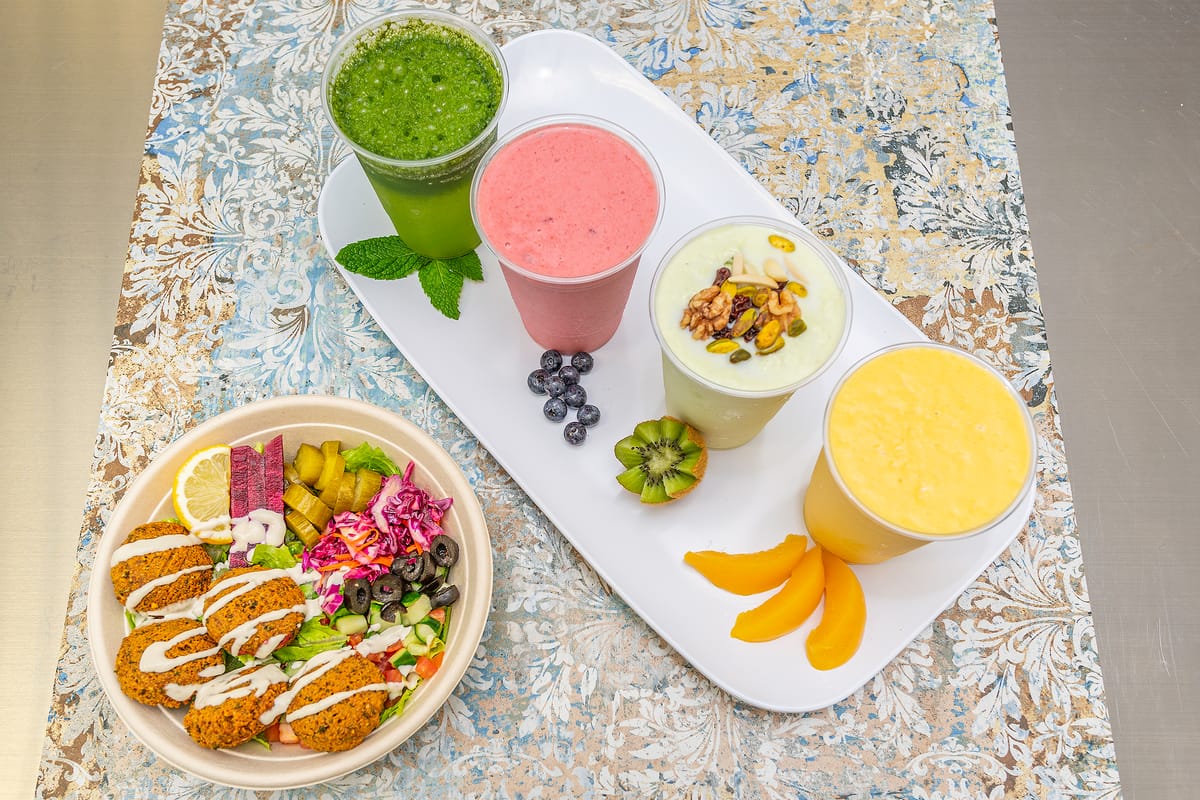
Mediterranean Diet for Runners
Complex carbohydrates, lean proteins, and anti-inflammatory spices — the Levantine table has everything a runner needs before, during, and after training. Here is your complete guide to eating at Taza around your running schedule.
4.8 stars on Yelp (92 reviews) -- Open 11:00 AM - 12:00 AM
Why Runners Thrive on Mediterranean Food
Running places unique demands on the body: sustained aerobic energy, joint protection, rapid glycogen turnover, and constant muscle micro-repair. The Levantine diet addresses every one of these.
Carbohydrate-Rich Foundation
Runners burn primarily glycogen during training, and glycogen comes from carbohydrates. Basmati rice, whole-grain pita, and chickpeas provide moderate-glycemic-index carbs that fill muscle glycogen stores steadily over several hours rather than causing a rapid spike and crash. A single Taza bowl over rice delivers 55-70g of complex carbohydrates — enough to fuel a 60-90 minute training run.
Complete Protein for Daily Repair
Every training run creates micro-tears in muscle fibers. Rebuilding requires all nine essential amino acids in sufficient quantity. Halal chicken shawarma at Taza delivers 38-45g of complete animal protein per bowl, comfortably exceeding the per-meal threshold for maximal muscle protein synthesis. This daily repair process is what makes you stronger and faster over weeks of training.
Anti-Inflammatory Compounds
High-mileage runners accumulate systemic inflammation that can lead to overuse injuries, fatigue, and suppressed immunity. Garlic, cumin, sumac, turmeric, and olive oil — staples of every Taza meal — contain polyphenols and antioxidants that blunt the inflammatory cascade. This means faster recovery between runs, fewer rest days, and better long-term joint health.
Balanced Macronutrient Ratios
Unlike many fast food options that skew heavily toward fat or refined carbs, Mediterranean meals naturally deliver a balanced ratio of carbohydrates (50-60%), protein (20-25%), and healthy fats (20-25%). This aligns closely with the macronutrient distribution recommended by running coaches and sports dietitians for endurance athletes in steady training.
Gut-Friendly Fiber and Probiotics
Runners often struggle with gastrointestinal distress during training. The fiber from chickpeas and fresh vegetables feeds beneficial gut bacteria, while labneh and pickled vegetables provide natural probiotics. A healthy gut microbiome improves nutrient absorption, reduces cramping, and strengthens the immune system — all of which matter across a multi-month training block.
Micronutrient Density Without Supplements
Iron from beef shawarma supports oxygen-carrying hemoglobin, which determines your VO2 max ceiling. Zinc from chickpeas repairs tissue. Folate from fresh parsley and greens aids red blood cell production. Magnesium from tahini prevents cramps. You get a full-spectrum micronutrient profile from a single Taza meal without opening a supplement bottle.
What to Eat Before Your Run
Glycogen availability at the start of your run determines how far and how fast you can go. Timing and food choice matter more than total calories.
2-3 Hours Before: Full Meal
Standard timing for training runs and races
Falafel Bowl — from $10.45
High carbs from rice + chickpea protein. Sits lighter than animal protein before running.
Falafel Pita — from $8.95
Lower total volume than the bowl. Pita carbs digest steadily over 2 hours.
Chicken Shawarma Bowl — from $12.45
When you need maximum fuel. Best for pre-long-run dinners the night before.
60-90 Minutes Before: Light Fuel
Top-up without GI distress
Hummus with Pita — $4.95
Quick-digesting carbs from pita + phosphorus-rich hummus for ATP production.
Pita Bread (2 pieces) — $0.95
Pure carbohydrate with minimal fiber. Digests in under an hour.
Pre-Run Timing Guide for Runners
Night Before (Long Run / Race)
Eat a full bowl with rice base 10-12 hours before your start. This gives your body maximum time to top off glycogen stores in both muscles and liver. Stick with familiar foods you have eaten before training runs.
2-3 Hours Before
A moderate meal with emphasis on carbohydrates. Falafel bowl or pita with rice works well. Keep fat moderate — avoid extra tahini or garlic sauce if your stomach is sensitive during running.
60-90 Minutes Before
Lighter options only. Hummus with pita or plain rice provides carbohydrates without excess fiber or fat. Reduce portion size by half compared to a normal meal.
Under 60 Minutes
Stick to easily absorbed carbs. A single pita bread or a Classic Smoothie provides quick energy without sitting heavy. Avoid fiber-rich options like falafel this close to running.
Runner tip: Never try a new food on race day. Practice your pre-race meal during training runs so your stomach knows what to expect on the start line.
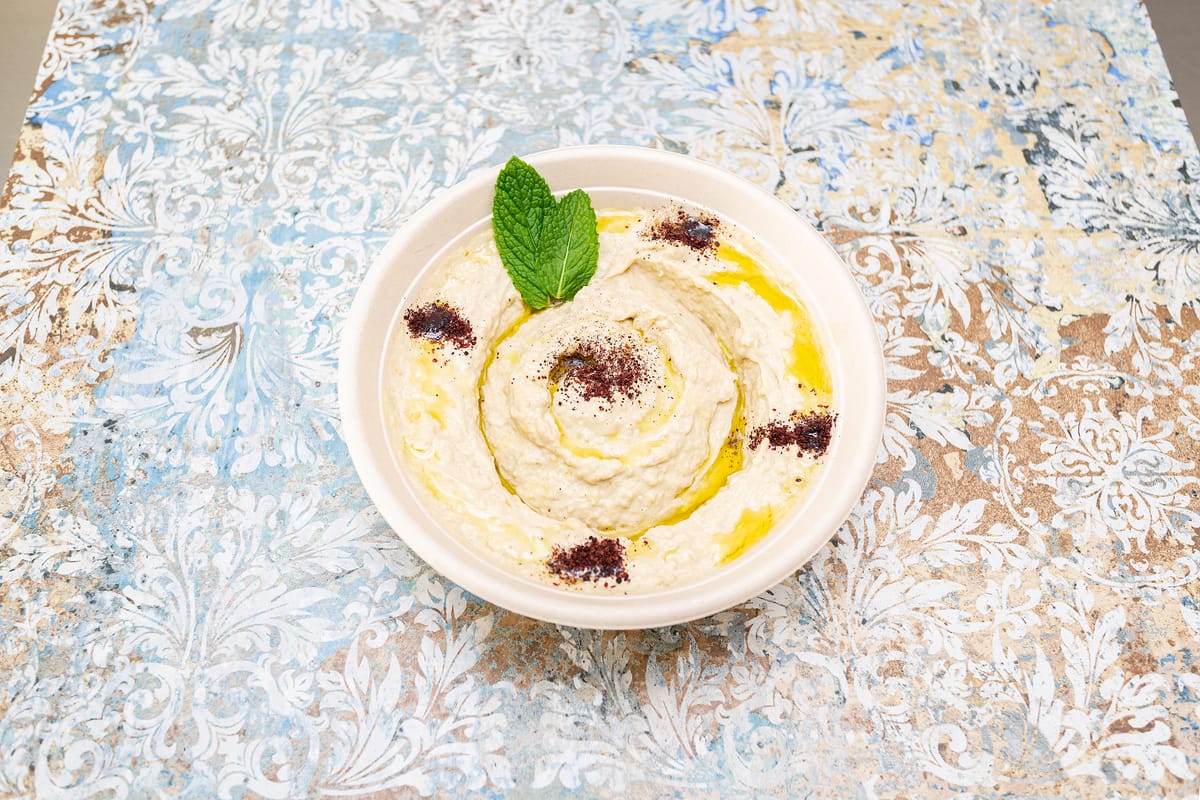
Real Food. Real Fuel. No Packets Required.
Every bowl, wrap, and pita at Taza is built to order from whole ingredients — no pre-made sauces, no processed fillers, no artificial anything.
Post-Run Recovery: The 30-Minute Window
The 30-90 minutes after finishing your run is when muscle protein synthesis peaks and glycogen resynthesis is fastest. What you eat in this window determines how quickly you recover for tomorrow's run.
The Runner Recovery Equation
Repairs micro-tears in quadriceps, hamstrings, calves, and connective tissue from impact loading
At Taza: Chicken Shawarma Bowl (38-45g) — from $12.45
Replenishes muscle and liver glycogen depleted during your run
At Taza: Basmati rice base (50-65g carbs) — included in bowls
Replaces what was lost through sweat; prevents post-run cramping and headaches
At Taza: Pickled vegetables, lemon dressing, fresh tomato, tahini
Reduces DOMS severity, accelerates tissue repair, improves next-day readiness
At Taza: Garlic sauce, sumac, cumin, olive oil — standard in every bowl
Best Post-Run Orders at Taza
Chicken Shawarma Bowl
from $12.45The gold standard for post-run recovery. Build over rice base with full toppings. The garlic sauce adds flavor without excess calories.
Falafel Bowl
from $10.45Plant-based recovery with higher carb ratio. Add hummus base for extra protein. Strong choice for vegetarian runners.
Classic Smoothie + Bowl
$5.95 + bowlThe combination approach: smoothie provides rapid simple sugars immediately, then the bowl delivers sustained protein and complex carbs. Best after runs over 15 miles.
Mediterranean Runner Diet vs. Standard Runner Diet
Gels, bars, and shakes dominate running culture. Here is what happens when you compare them head-to-head with whole Mediterranean food.
| Category | Mediterranean Diet (Taza) | Standard Runner Diet |
|---|---|---|
| Primary Carb Source | Basmati rice, whole-grain pita, chickpeas — low to moderate GI | White pasta, refined bagels, sugary gels — high GI spikes |
| Protein Quality | Whole-food: halal chicken, beef, chickpeas with full amino profiles | Often limited to whey shakes or processed bars |
| Anti-Inflammatory Profile | Cumin, garlic, olive oil, sumac, turmeric — reduces exercise-induced inflammation | Minimal anti-inflammatory compounds; some additives may promote inflammation |
| Healthy Fats | Olive oil, tahini, sesame — oleic acid and omega-9 for joint lubrication | Low-fat or processed seed oils; minimal omega-9 content |
| Electrolyte Content | Pickled vegetables, lemon, fresh herbs — natural sodium, potassium, magnesium | Relies on synthetic electrolyte packets or sports drinks |
| Fiber for Gut Health | Chickpeas, fresh vegetables, whole grains — supports healthy microbiome | Low fiber; artificial sweeteners may disrupt gut bacteria |
| Iron Availability | Heme iron from beef shawarma + vitamin C from lemon dressing for absorption | Non-heme iron supplements with poor bioavailability |
| Cost per Complete Meal | from $12.45 — protein, carbs, fats, and micronutrients in one bowl | $8–$15 for gel + bar + shake to approximate the same nutrition |
| Taste and Sustainability | Complex spice profiles; runners look forward to eating after long runs | Flavor fatigue common after weeks of the same bars and gels |
Gels and bars have a place during races longer than 90 minutes when you need portable mid-run fuel. But for daily training nutrition, whole Mediterranean food covers your needs more completely, more affordably, and with far better flavor.
Race Week Nutrition Strategy
The seven days before a marathon or half-marathon are when you taper your training and load your glycogen stores. What you eat matters more this week than any other.
Early Week (Mon-Wed)
- Eat normally — do not drastically increase carbs yet
- Chicken Shawarma Bowl for lunch or dinner as usual
- Focus on sleep, hydration, and reduced training volume
- Keep fiber intake consistent to avoid race-day GI surprises
Avoid: New foods, alcohol, high-fat experiments
Early race week is about maintaining routine. Your body is tapering, so energy needs drop slightly. Eat the same Taza meals you have eaten during training. Dramatic carb-loading this early just leads to bloating and water retention.
Carb Loading (Thu-Fri)
- Increase carb intake to 8-10g per kg body weight
- Falafel Bowl over extra rice — maximize carb density
- Add pita bread as a side for additional carbohydrates
- Reduce protein slightly to make room for more carbs
Avoid: High-fiber additions, large salads, heavy beef
This is the glycogen loading window. Your muscles can store 300-500g of glycogen when fully topped off, which translates to roughly 1,200-2,000 calories of readily available fuel during the race. Basmati rice and pita from Taza are your best tools here.
Race Morning
- Falafel Pita — familiar, moderate carbs, easy to digest
- Hummus with pita if appetite is low from nerves
- Classic Smoothie for quick liquid carbs if solid food feels heavy
- Sip water steadily — do not over-hydrate
Avoid: New foods, high fat, excess fiber, dairy if sensitive
Race morning is not about loading — your glycogen stores are already full from the last two days. This meal tops off liver glycogen after the overnight fast and provides blood glucose for the first miles. Keep it small, familiar, and carb-dominant.
Hydration and Electrolytes for Runners
Dehydration of just 2% body weight reduces running performance by 10-20%. Proper hydration is not just water — it requires electrolyte balance that Mediterranean food naturally provides.
Lemon Mint Drink
Electrolytes: Potassium, magnesium, vitamin C
Fresh-squeezed lemon provides potassium (138mg per lemon) and vitamin C for collagen synthesis in tendons and ligaments. Mint contains rosmarinic acid with mild anti-inflammatory properties. A natural alternative to commercial electrolyte drinks that rely on artificial colors and sweeteners.
Classic Smoothie
Electrolytes: Potassium, natural sugars, B vitamins
Banana and strawberry deliver rapid simple sugars for glycogen replenishment alongside natural potassium — a key electrolyte lost through sweat. The liquid format means faster absorption than solid food. At $5.95, this is the most cost-effective post-run recovery drink available.
Electrolytes in Your Food
Electrolytes: Sodium, potassium, magnesium, phosphorus
Pickled turnips and cucumbers deliver sodium naturally. Chickpeas and hummus are rich in phosphorus, which regenerates ATP for muscle contraction. Tahini contains significant magnesium (24mg per tablespoon) for muscle relaxation and cramping prevention. You replace electrolytes while you eat.
Hydration by Run Distance
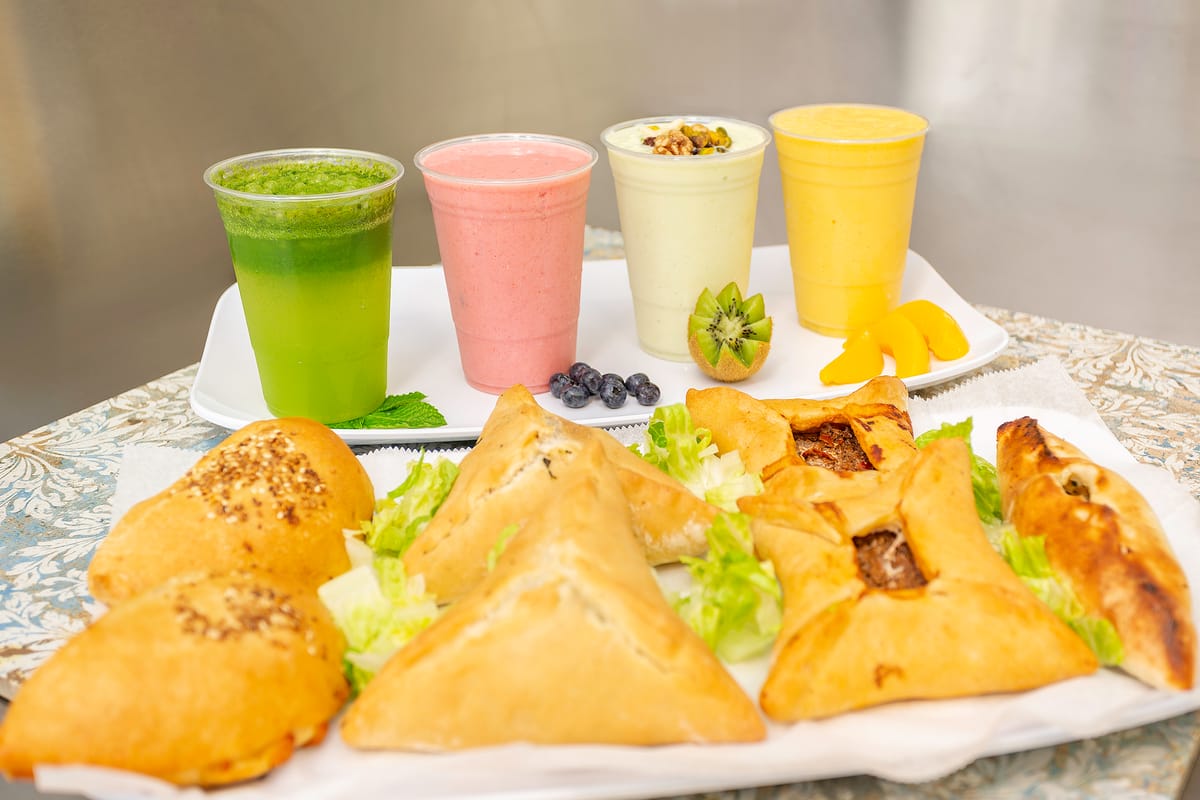
Every Ingredient Earns Its Place
Olive oil reduces inflammation. Garlic boosts circulation. Cumin aids digestion. Levantine food was performance nutrition before the concept had a name.
Marathon Training Week Meal Plan from Taza
A practical seven-day framework built around Taza orders that aligns with a standard marathon training schedule. Adjust portions based on your mileage and body weight.
Rest Day
Falafel Pita
Lunch
Light recovery
Speed Work
Chicken Bowl
Post-run
Protein repair
Easy Run
Hummus + Pita
Pre-run snack
Carb top-up
Tempo Run
Falafel Bowl
Post-run
Carb reload
Rest Day
Smoothie + Rice
Lunch
Light nutrition
Long Run
Chicken Bowl
Post-run
Full recovery
Easy / Cross
Falafel Pita
Dinner
Week reset
Daily Calorie Targets by Weekly Mileage
| Weekly Mileage | Daily Calories | Carbs (g/kg) | Protein (g/kg) |
|---|---|---|---|
| 15-25 miles (recreational) | 2,200-2,600 | 4-5 | 1.2-1.4 |
| 25-40 miles (intermediate) | 2,600-3,000 | 5-7 | 1.4-1.6 |
| 40-60 miles (advanced) | 3,000-3,500 | 7-8 | 1.6-1.8 |
| 60+ miles (elite) | 3,500-4,500 | 8-10 | 1.6-2.0 |
Best Taza Orders for Every Type of Run
Different workouts place different demands on your body. Here is how to match your Taza order to your training session.
Long Run (12+ miles)
Saturday long runs, race rehearsal runs
Top Order: Chicken Shawarma Bowl — from $12.45
Long runs deplete glycogen stores and create significant muscle damage from repetitive impact. You need both high-quality protein and substantial carbohydrates within 90 minutes of finishing. The Chicken Shawarma Bowl over rice delivers both in one sitting. Add a Classic Smoothie for rapid sugar delivery while your food digests.
- Order within 30 minutes of finishing for best results
- Choose rice base — not greens — for maximum carbohydrate density
- Add extra garlic sauce for anti-inflammatory benefits
Speed Work / Intervals
Track sessions, tempo runs, fartlek
Top Order: Chicken Shawarma Bowl — from $12.45
High-intensity running creates deeper muscle fiber damage than easy running because you recruit fast-twitch fibers that are not conditioned to the same volume. Protein needs are higher after speed work. The chicken shawarma bowl delivers the highest protein content on the menu alongside sufficient carbs to replenish what you burned during intervals.
- Eat 2-3 hours before track sessions for a lighter approach
- Falafel Pita works well as a pre-speed-work meal
- Post-workout bowl within 60 minutes is ideal
Easy / Recovery Run
Shakeout runs, recovery jogs, cross-training
Top Order: Falafel Pita — from $8.95
Easy days do not demand the caloric density of hard training days. A Falafel Pita provides moderate carbs and plant protein without overshooting your calorie target. The lighter format is easier on the stomach if you are running again the next morning. Save the full bowls for your hard training days when caloric demand is highest.
- Hummus with pita is another light option
- Keep portions moderate — easy days are not earning heavy meals
- Focus on hydration and sleep more than food on recovery days
Pre-Race Dinner
Night before marathon, half-marathon, or 10K
Top Order: Falafel Bowl — from $10.45
The pre-race dinner is about topping off glycogen stores without introducing anything that could upset your stomach on race morning. The Falafel Bowl over extra rice provides 60-75g of complex carbohydrates alongside moderate protein. You have eaten this during training, so your body knows how to handle it. Familiarity reduces race-day anxiety around food.
- Eat 10-12 hours before your race start time
- Ask for extra rice on the side for carb loading
- Add a side of pita bread ($0.95) for additional carbs
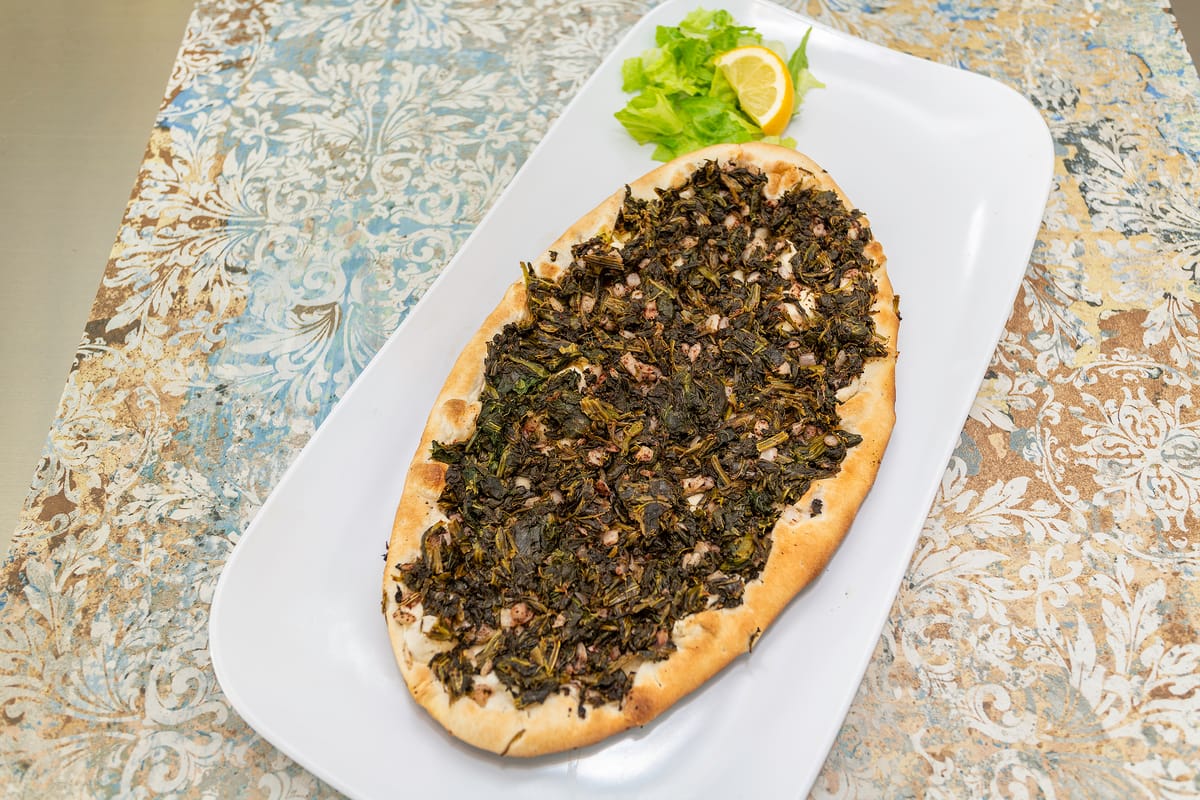
Open Until Midnight. Every Night.
Late evening training runs meet late-night recovery fuel. Taza in Falls Church is here for every finish line.
Top 5 Runner Meals at Taza — Ranked
Ranked by nutritional value for distance runners: carbohydrate density, protein quality, anti-inflammatory profile, digestibility, and cost-effectiveness.
Chicken Shawarma Bowl
from $12.45The top recovery meal for runners. Build over a rice base with full toppings and garlic sauce for maximum glycogen and protein replenishment after long runs.
Falafel Bowl
from $10.45High carb-to-protein ratio makes this the strongest pre-run meal. Chickpeas provide sustained energy without the heaviness of animal protein. Great for morning runners.
Falafel Pita
from $8.95Compact and easy to digest. Lower total volume than the bowl means faster gastric emptying. Reliable pre-race option when your stomach is nervous.
Hummus with Pita
$4.95Quick-digesting carbs from pita paired with phosphorus-rich hummus. Works as a top-up snack 60-90 minutes before a tempo run or interval session.
Classic Smoothie
$5.95Banana and strawberry deliver rapid simple sugars and potassium. Liquid format means fast absorption. Pair with a bowl post-run for complete recovery.
Catering for Running Clubs and Race Events
From weekly club runs to post-race celebrations, Taza feeds runners in groups of 10 to 200 with customizable bowl stations.
Post-Long-Run Club Meals
Feed your running club after Saturday long runs. Build-your-own bowl stations let each runner customize based on their training load and dietary needs.
Race-Day Recovery Spreads
Large catering trays delivered to race finish areas. Chicken shawarma bowls and falafel bowls ready within the 90-minute recovery window that matters most.
Season Kickoff and Celebration Dinners
Full Mediterranean spreads for end-of-season banquets, marathon watch parties, and club recruitment events. Full setup service available.
Taza Shawarma & Falafel caters for running clubs, marathon training groups, and race organizers across Northern Virginia. We accommodate dietary restrictions including vegetarian, vegan-friendly, gluten-free, and halal requirements in every group order. Coaches and group leaders can work with us to build menus around specific nutritional targets.
Call to Plan Group Catering — (703) 340-1014
5 Minutes from Dozens of Running Trails
Seminary Road, W&OD Trail, Four Mile Run, Holmes Run — refuel at Taza after your favorite Northern Virginia routes.
Mediterranean Diet for Runners — Common Questions
Focus on a carbohydrate-rich, moderate-protein meal that is familiar to your stomach. A Chicken Shawarma Bowl over basmati rice gives you 55-70g of complex carbohydrates alongside 38-45g of protein. Eat this 10-12 hours before your start time so your body can fully convert the carbohydrates into glycogen. Avoid high-fiber additions like extra falafel the night before a race if your stomach is sensitive to legumes under stress.
For a full bowl or pita, eat 2-3 hours before running. If you are within 60-90 minutes of your run, stick to a lighter option like hummus with pita bread or a half portion of rice. The key is allowing enough time for gastric emptying. Fat and fiber slow digestion, so choose leaner, carb-dominant options when your window is short.
The Chicken Shawarma Bowl (from $12.45) is the strongest recovery option. It delivers 38-45g of protein for muscle repair and 55-70g of carbohydrates for glycogen replenishment within a single meal. Eat within 30-90 minutes of finishing your run for maximum nutrient uptake. Add a Classic Smoothie ($5.95) for rapid simple sugars and additional hydration.
The Mediterranean dietary pattern is well-suited to marathon training because it delivers sustained-release carbohydrates from rice and whole grains, complete proteins for daily muscle repair, and anti-inflammatory compounds from olive oil, garlic, and spices that reduce the cumulative inflammation of high-mileage weeks. Research consistently links the Mediterranean diet to improved cardiovascular health and aerobic capacity, both of which directly support distance running.
Yes, with proper timing. The Falafel Bowl (from $10.45) is plant-based and carb-rich, making it a solid pre-run option 2-3 hours out. Chickpeas do contain fiber, which slows digestion, so avoid falafel within 60 minutes of running if you are prone to gastrointestinal distress. For a lighter option, Falafel Pita (from $8.95) has less total volume and digests faster than the bowl.
Garlic, cumin, olive oil, and sumac all contain compounds that reduce exercise-induced inflammation and delayed onset muscle soreness (DOMS). Tahini provides magnesium, which supports muscle relaxation and sleep quality. Chickpeas and hummus supply zinc for tissue repair. Combining these in a post-run bowl gives you a natural anti-inflammatory recovery meal without relying on NSAIDs, which can impair long-term adaptation.
Caloric needs vary by mileage and body weight. A recreational runner covering 20-30 miles per week typically needs 2,200-2,800 calories daily. Marathon trainees running 40-60 miles per week may need 2,800-3,500 calories. A Chicken Shawarma Bowl at Taza provides roughly 580-680 calories, making it a nutrient-dense anchor meal that covers 20-25% of daily needs in one sitting without empty calories.
Yes. Taza Shawarma & Falafel provides catering for running clubs, race-day events, training camps, and post-race celebrations. We can accommodate groups of 10-200 with build-your-own bowl stations that let each runner control their own macro split. Call (703) 340-1014 to arrange group orders with advance notice.
Taza Shawarma & Falafel — Falls Church, VA
Serving runners, coaches, and active families in Northern Virginia. Open until midnight every night to fit your training schedule.
Address
5820 Seminary Rd Ste O, Falls Church, VA 22041
Hours
11:00 AM - 12:00 AM -- Open 7 Days a Week
Phone
Refuel at Taza After Your Next Run
Taza Shawarma & Falafel in Falls Church, VA is open until midnight every night. Pick up, dine in, or order online for runner-grade Mediterranean food built around your training schedule.