What Is Fatteh? The Layered Dish of Crispy Pita, Chickpeas & Yogurt
Warm, tangy, and layered with centuries of Levantine tradition -- fatteh transforms yesterday's bread, humble chickpeas, and creamy yogurt into one of the most satisfying comfort dishes in the Eastern Mediterranean.
4.8 stars on Yelp (92 reviews) -- Open 11:00 AM - 12:00 AM
What Exactly Is Fatteh?
A warm, layered Levantine dish built from four simple components that create something far greater than the sum of its parts.
Fatteh is a traditional Levantine dish built in layers, starting with pieces of toasted or deep-fried pita bread at the bottom, followed by warm chickpeas, a generous pour of seasoned yogurt thinned with a touch of lemon juice, and a finishing drizzle of tahini, olive oil, and toasted pine nuts. The name comes from the Arabic word "fatta," meaning to crumble or break bread into pieces, which describes the essential first step of the preparation. Fatteh is eaten across Lebanon, Syria, and Jordan as a hearty breakfast or brunch dish, though in Egypt a closely related version called fattah appears as a celebratory meal during religious holidays. The dish exists in dozens of regional variations, but every version shares the same core principle: layering stale or toasted bread with a protein, a creamy sauce, and crunchy garnishes to create contrast in every bite.
The genius of fatteh lies in its textural architecture. The bottom layer of toasted pita provides initial crunch that gradually softens as it absorbs the warm yogurt and chickpea cooking liquid. The middle layer of tender, warm chickpeas offers a starchy, earthy counterpoint. The yogurt sauce brings acidity and creaminess, cutting through the heaviness of the bread and legumes. The top layer of toasted pine nuts, a dusting of paprika or sumac, and a final drizzle of extra-virgin olive oil delivers richness and visual appeal. When assembled correctly and eaten immediately, fatteh delivers warm, cool, crunchy, and creamy sensations in a single spoonful. It is comfort food in its purest Levantine form, built from pantry staples that nearly every household in the region keeps on hand at all times.
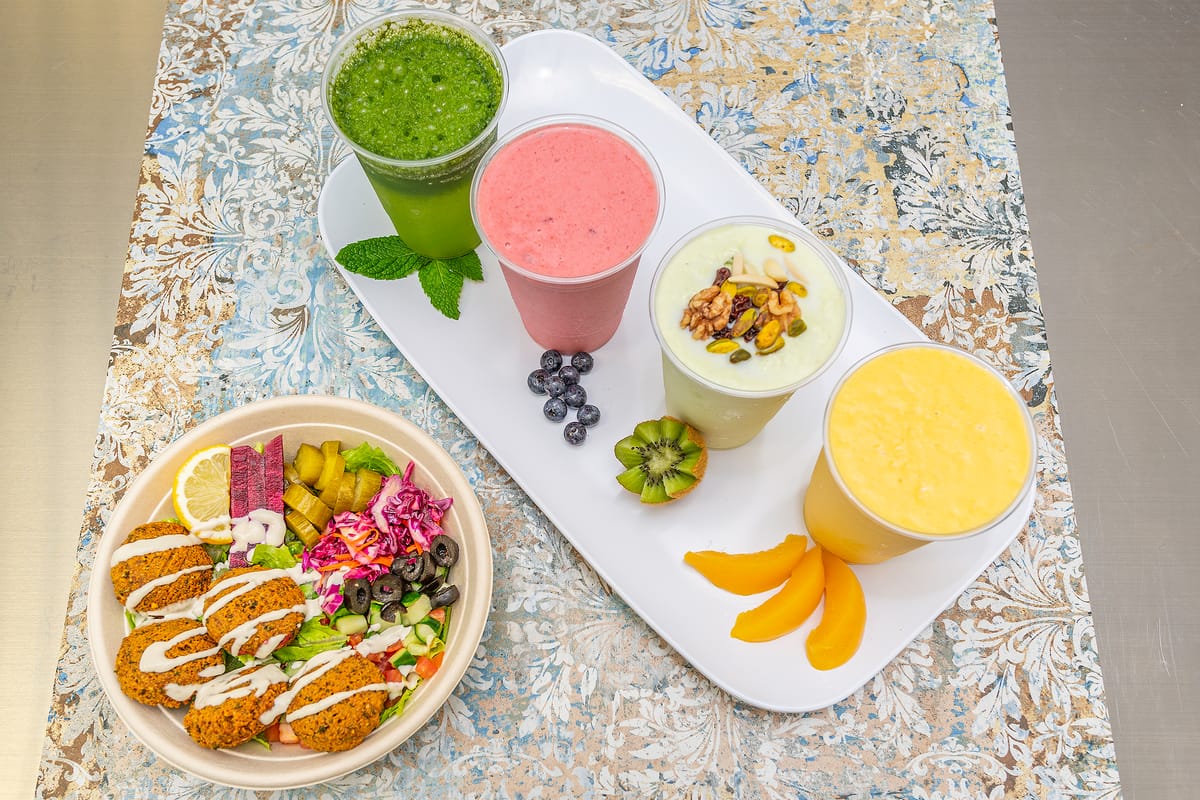
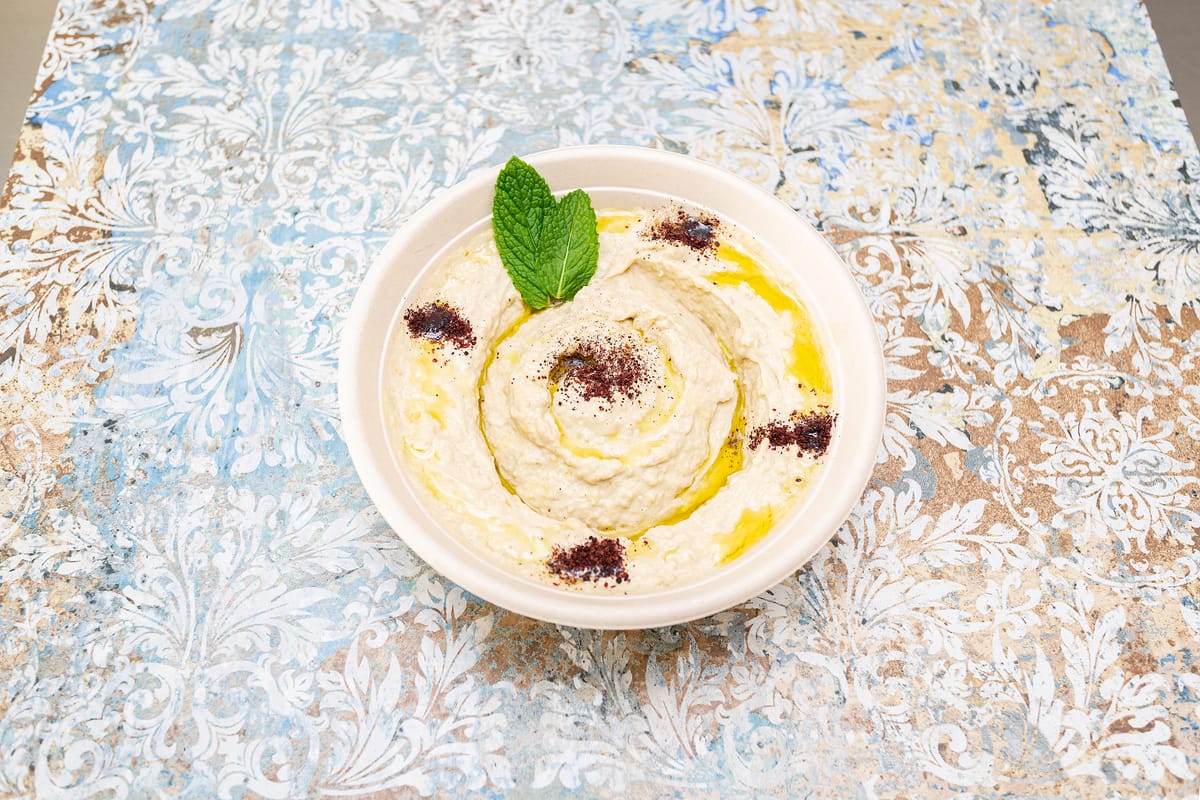
At Taza Shawarma & Falafel in Falls Church, VA, we serve the essential building blocks of fatteh every day. Our chickpea-based hummus ($4.95) uses the same tender, slow-cooked chickpeas that form the heart of traditional fatteh. Our tangy labneh ($4.95) mirrors the creamy yogurt layer. Our fresh-baked pita bread provides the crucial bread component. And our tahini sauce -- drizzled on bowls, pitas, and sides alike -- completes the flavor profile. Whether you have eaten fatteh your entire life or are discovering it for the first time through this guide, the ingredients at Taza give you a direct connection to the flavors that have defined Levantine home cooking for over a thousand years.
Built in Layers. Eaten in Minutes.
Fatteh has been the ultimate Levantine comfort meal for over a thousand years -- turning simple pantry staples into something extraordinary.
Where Did Fatteh Come From?
A dish born from practicality that became a beloved tradition across the entire Eastern Mediterranean.
The roots of fatteh stretch back to the medieval Levant, where flatbread was baked daily and leftover bread was never discarded. The earliest written references to fatteh-style dishes appear in 10th-century Arab cookbooks, including the anonymous Kitab al-Tabikh from Baghdad and the 13th-century culinary manuscripts attributed to scholars in Damascus and Cairo. These texts describe layering bread with broth, cooked meat, and yogurt -- a technique that predates the modern chickpea-focused version by several centuries. The fundamental concept of soaking stale bread in liquid to create a filling meal was a survival strategy in a region where grain was precious and waste was unthinkable. Over time, what began as frugal kitchen wisdom evolved into a refined dish served at celebrations and family gatherings alike.
By the Ottoman period, fatteh had become a standard dish across the Levantine provinces, with each city and household developing its own variation. Lebanese cooks emphasized the yogurt and tahini layers, creating the smooth, tangy sauce that defines the modern dish. Syrian versions often incorporated lamb or chicken alongside the chickpeas, making fatteh a heartier meal suitable for lunch or dinner. Jordanian cooks developed their own take using shrak bread -- a paper-thin flatbread cooked on a domed griddle -- instead of the thicker pita bread used in Lebanon and Syria. Egyptian fattah, which appears during Eid al-Adha celebrations, evolved into a rice-based variation with slow-cooked beef or lamb in a vinegar-spiked tomato broth. These regional branches all trace back to the same ancestral technique of layering bread, protein, and sauce.
Today fatteh remains deeply embedded in Levantine food culture, served at breakfast tables across Beirut, Damascus, and Amman every morning. It appears at holiday feasts, post-fasting meals during Ramadan, and casual weekend brunches. The dish's enduring appeal rests on its simplicity: five ingredients, no specialized equipment, and a preparation time of under thirty minutes. At Taza Shawarma & Falafel in Falls Church, Virginia, we honor this tradition by preparing the same staple ingredients -- chickpeas, yogurt, tahini, and fresh pita -- that Levantine families have relied on for generations. Our falafel pita (from $8.95) and falafel bowl (from $10.45) both feature chickpea-based falafel served with tahini and fresh-baked bread, capturing the essential spirit of fatteh in every order.
What Are the Four Layers of Fatteh?
Every component serves a purpose -- texture, flavor, nutrition, and visual appeal.
Layer 1: Toasted Pita Bread
The foundation of every fatteh is bread. Day-old pita is torn into rough pieces and either deep-fried in vegetable oil until golden and crispy or toasted in a hot oven until dry and crunchy. The bread must be fully crisp before assembly because it will absorb liquid from the layers above. Deep-frying produces a richer, more indulgent result, while oven-toasting is lighter and lets the other flavors come through. The bread layer serves a structural purpose: it creates a base that holds the chickpeas and prevents the yogurt from pooling at the bottom of the bowl.
Layer 2: Warm Chickpeas
The second layer is warm, tender chickpeas that have been cooked until soft but not mushy. Traditional recipes start with dried chickpeas soaked overnight and simmered for one to two hours. The cooking liquid is reserved -- a small amount is ladled over the pita bread to begin softening it before the chickpeas are spooned on top. Chickpeas provide the primary protein and fiber in the dish, contributing 7-8 grams of protein and 6-8 grams of fiber per half-cup serving. Their mild, nutty flavor absorbs the yogurt and tahini sauces that follow.
Layer 3: Seasoned Yogurt Sauce
The yogurt layer is what transforms fatteh from a simple bread-and-bean dish into something extraordinary. Full-fat plain yogurt is whisked with a crushed garlic clove, a squeeze of fresh lemon juice, and a pinch of salt until smooth and pourable. Some cooks warm the yogurt gently before pouring it over the chickpeas; others prefer it at room temperature for maximum tang. The acidity of the yogurt cuts through the starchiness of the bread and chickpeas, while the garlic adds depth. Tahini is often whisked in or drizzled separately.
Layer 4: Garnishes and Finishing
The final layer is where fatteh becomes visually stunning and texturally complete. Pine nuts are toasted in butter or olive oil until golden brown and scattered across the yogurt surface. A generous drizzle of extra-virgin olive oil follows, along with a dusting of ground paprika, sumac, or Aleppo pepper for color and mild heat. Fresh chopped parsley adds brightness. Some cooks add pomegranate seeds for jewel-toned contrast. This garnish layer provides the crunch that the softening pita bread below has started to lose.
Four Layers. One Perfect Dish.
Bread, chickpeas, yogurt, and garnishes -- each layer contributes texture, flavor, and nutrition to create Levantine comfort food at its finest.
How Does Fatteh Differ Across the Levant and Eastern Mediterranean?
Every country puts its own stamp on this ancient layered dish.
Lebanese fatteh is often considered the benchmark version, featuring a clean layering of crispy pita, warm chickpeas, garlicky yogurt sauce, and tahini with toasted pine nuts on top. The Lebanese approach prioritizes the yogurt-tahini combination, creating a tangy, nutty sauce that coats every layer. Breakfast restaurants in Beirut serve fatteh in shallow ceramic bowls with a pool of olive oil in the center and a thick border of toasted pine nuts around the edges. The pita is usually deep-fried rather than baked, giving it a richer, more indulgent character. Some Lebanese cooks add a squeeze of lemon juice directly to the chickpeas before layering, which brightens the overall flavor and helps the chickpeas stand out against the rich dairy layers.
Syrian fatteh introduces meat more frequently than the Lebanese version. In Damascus and Aleppo, fatteh bil lahme layers shredded slow-cooked lamb or beef over the pita and chickpeas before adding the yogurt. Syrian cooks often use a thinner, more broth-like yogurt sauce, sometimes incorporating the meat braising liquid for extra depth. The garnish in Syrian fatteh tends to include fried almonds alongside or instead of pine nuts, and a heavier hand with cumin and paprika. The result is a heartier, more substantial meal than the Lebanese breakfast version -- closer to a full lunch or dinner dish.
Jordanian fatteh takes yet another direction. Instead of pita bread, Jordanian cooks use shrak -- an unleavened, paper-thin flatbread cooked on a convex metal dome called a saj. Shrak absorbs liquid faster than pita, creating a softer, almost porridge-like bottom layer. Jordanian fatteh is often served during Eid celebrations and large family gatherings, sometimes accompanied by mansaf-style lamb cooked in dried yogurt (jameed). Egyptian fattah, the country's national celebratory dish, diverges the most from the Levantine template. It replaces chickpeas with rice, uses a vinegar-tomato broth instead of plain yogurt, and features slow-cooked beef or lamb shanks. Egyptian fattah is a feast dish, prepared for Eid al-Adha and special occasions.
| Feature | Lebanese / Syrian Fatteh | Jordanian / Egyptian Fattah |
|---|---|---|
| Primary Protein | Chickpeas, sometimes shredded chicken | Chickpeas with lamb or beef in Jordanian versions |
| Yogurt Type | Plain full-fat yogurt, thinned and poured warm | Thicker yogurt or labneh-based sauce in Egyptian style |
| Bread Component | Toasted or deep-fried pita chips, broken into pieces | Shrak bread (thin flatbread) torn by hand in Jordanian fatteh |
| Tahini Usage | Tahini drizzled on top or mixed into yogurt layer | Tahini sometimes omitted in Egyptian fattah; cumin used instead |
| Garnish | Toasted pine nuts, paprika, fresh parsley, olive oil | Fried almonds, ghee drizzle, and vinegar splash in Jordanian style |
| Serving Temperature | Served warm -- assembled just before eating | Served hot in Egypt, often with rice and broth added |
| Occasion | Everyday breakfast or brunch in Lebanon and Syria | Celebratory dish in Jordan and Egypt, especially during Eid |
| Regional Name | Fatteh or fetteh in Lebanon and Syria | Fattah in Egypt; mansaf-adjacent layered dishes in Jordan |
All variations share the same DNA: bread, protein, dairy, and garnish arranged in layers. At Taza in Falls Church, our menu draws from this Levantine tradition -- try a chicken shawarma bowl (from $12.45) to experience the layered flavors firsthand.
From Beirut to Falls Church
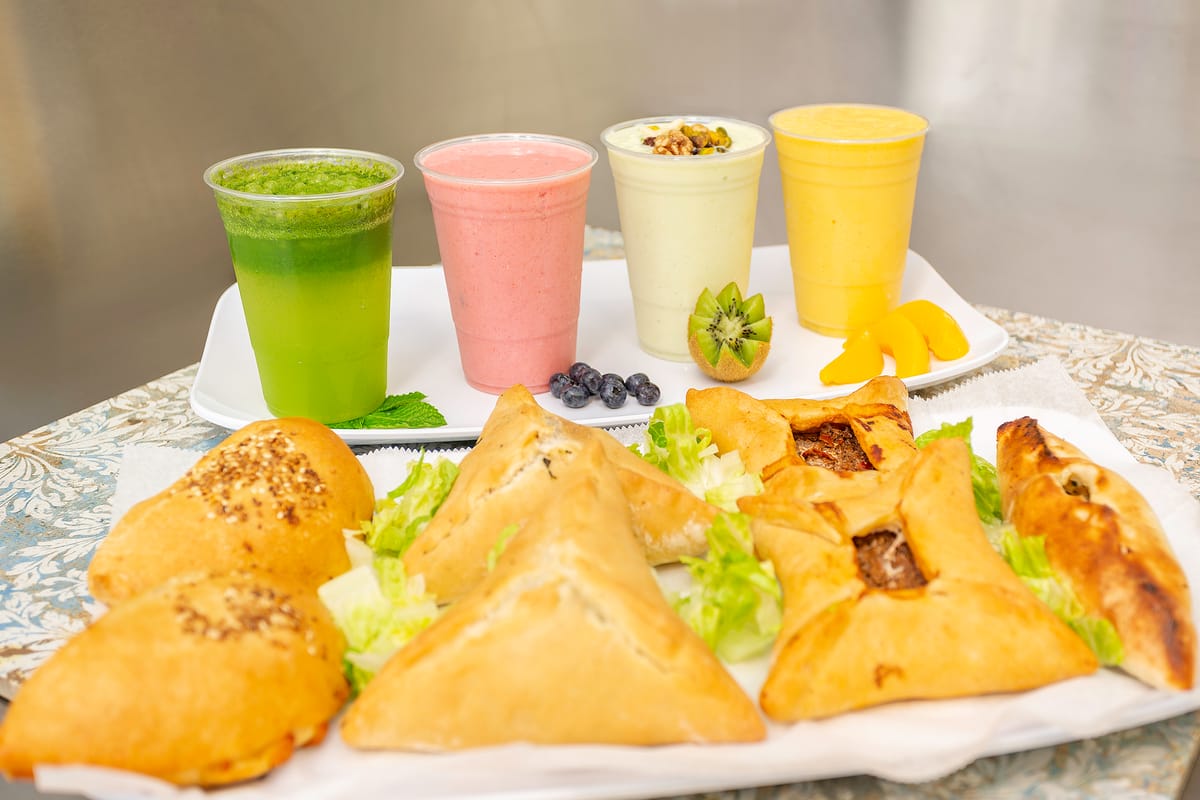
The same ingredients that build a perfect fatteh -- chickpeas, yogurt, tahini, and fresh bread -- are at the heart of every dish at Taza.
What Are the Nutrition Facts for Fatteh?
A balanced macro profile with plant-based protein, fiber, and healthy fats.
A standard serving of chickpea fatteh (approximately one cup, or 250 grams) contains between 350 and 450 calories depending on the amount of olive oil and whether the pita is fried or baked. The macronutrient breakdown is favorable: 15 to 20 grams of protein come primarily from the chickpeas and yogurt, 12 to 18 grams of dietary fiber come from the chickpeas and whole-wheat pita, and 15 to 25 grams of fat come from the tahini, olive oil, pine nuts, and full-fat yogurt. The fat profile skews toward monounsaturated and polyunsaturated fats -- the heart-healthy varieties found in sesame seeds, olive oil, and nuts. Saturated fat is present in the yogurt but amounts to only about 4 to 6 grams per serving.
The micronutrient profile of fatteh is equally impressive because chickpeas are one of the most nutrient-dense legumes available. A single serving provides roughly 35 percent of your daily folate requirement, 20 percent of your iron and manganese needs, and significant amounts of phosphorus, magnesium, and zinc. The yogurt contributes calcium (approximately 15 percent of daily needs) and probiotics -- live bacterial cultures that support gut health, improve digestion, and may strengthen immune function. Tahini adds copper, selenium, and additional calcium. Pine nuts contribute vitamin E and vitamin K. Combined, these ingredients create a meal that is nutritionally complete without any processed additions, refined sugars, or artificial ingredients.
For those watching calorie intake, the easiest modification is baking the pita chips instead of frying them, which saves 80 to 120 calories per serving. Using low-fat yogurt reduces calories further but sacrifices some creaminess. The chickpeas and tahini should be kept at full portions because they provide the bulk of the protein, fiber, and essential minerals. At Taza in Falls Church, our falafel bowl (from $10.45) delivers a similar nutritional profile -- chickpea-based falafel with tahini, fresh vegetables, and your choice of rice ($2.95) or pita bread, providing a balanced meal with plant-based protein and fiber.
15-20g
Protein
Chickpeas & yogurt
12-18g
Fiber
Chickpeas & pita
15-25g
Healthy Fats
Tahini, olive oil & pine nuts
350-450
Calories
Per one-cup serving
How Do Taza's Ingredients Relate to Traditional Fatteh?
Every core fatteh component appears on the Taza menu in Falls Church.
Fatteh is a home-cooked dish that rarely appears as a standalone item on restaurant menus outside the Levant, but its DNA runs through everything we serve at Taza Shawarma & Falafel. Our hummus ($4.95) starts with the same chickpeas that form the protein layer of fatteh -- slow-cooked until tender, then blended with tahini, lemon juice, and garlic. Our labneh ($4.95) echoes the tangy yogurt sauce that defines fatteh's creamy middle layer. The tahini drizzle that comes standard on every bowl and pita at Taza is the same sesame-based sauce that ties all the layers of fatteh together.
The bread component is where the connection is most direct. Our pita bread is baked fresh and served warm with every order -- the same type of flatbread that, when toasted or fried, becomes the crispy foundation of traditional fatteh. If you want to experience the layered, textural philosophy of fatteh at Taza, order a chicken shawarma bowl (from $12.45) or falafel bowl (from $10.45), add a side of hummus and labneh, and tear pieces of warm pita to eat alongside each layer. You will taste the same interplay of crispy bread, creamy sauce, tender protein, and tangy dairy that has made fatteh a morning staple across the Levant for centuries.
Chickpea Layer
Hummus ($4.95) -- the same slow-cooked chickpeas blended with tahini, lemon, and garlic.
Yogurt Layer
Labneh ($4.95) -- thick, tangy strained yogurt mirroring the creamy fatteh sauce.
Protein Layer
Chicken shawarma pita (from $9.95) or falafel pita (from $8.95) -- seasoned proteins that echo meat and chickpea fatteh.
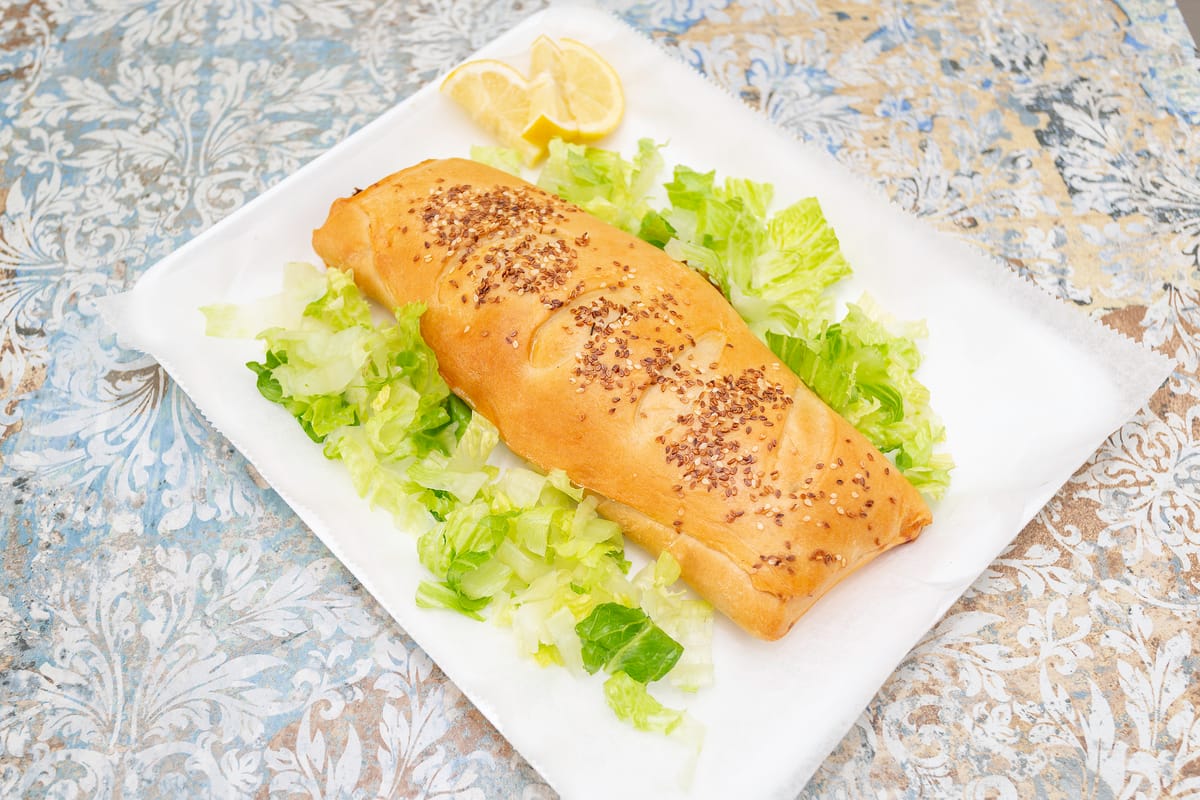
Every Fatteh Ingredient, On Our Menu
Chickpeas, yogurt, tahini, and fresh-baked pita -- the building blocks of fatteh are the foundation of everything at Taza.
How Do You Make Fatteh at Home?
Five ingredients, thirty minutes, and no specialized equipment required.
Making fatteh at home requires five core ingredients that are available at any grocery store in the Falls Church and Northern Virginia area: pita bread (two rounds), one can of chickpeas (15 ounces, drained and rinsed), one cup of plain full-fat yogurt, two tablespoons of tahini, and two tablespoons of extra-virgin olive oil. For garnish, you need a small handful of pine nuts (or slivered almonds as a substitute), one clove of garlic, half a lemon, salt, and ground paprika or sumac. The total ingredient cost is under five dollars, making fatteh one of the most economical home-cooked meals in the Levantine tradition. Middle Eastern grocery stores in Falls Church, Annandale, and Fairfax carry tahini and sumac, though most standard supermarkets now stock both in their international aisles.
The preparation sequence matters because timing affects texture. First, preheat your oven to 400 degrees Fahrenheit. Tear the pita bread into bite-sized pieces, toss with one tablespoon of olive oil, spread on a baking sheet, and bake for 8 to 10 minutes until golden and crispy. While the pita toasts, warm the drained chickpeas in a small saucepan with a quarter cup of water, a pinch of salt, and a squeeze of lemon juice. In a separate bowl, whisk the yogurt with minced garlic, tahini, remaining lemon juice, and a pinch of salt until smooth and pourable. If the mixture is too thick, add one to two tablespoons of warm water. Toast the pine nuts in a dry skillet over medium heat for two to three minutes, shaking frequently, until golden.
Assembly is the final and most critical step -- and it must happen immediately before serving. Spread the toasted pita pieces in a shallow serving bowl. Spoon the warm chickpeas and their liquid over the bread. Pour the yogurt-tahini sauce over the chickpeas in an even layer. Drizzle with olive oil, scatter the toasted pine nuts on top, and dust with paprika or sumac. Serve immediately while the bread still has some crunch and the chickpeas are warm. Fatteh does not hold well -- the pita absorbs moisture quickly and loses its textural contrast within fifteen minutes. If you prefer someone else to handle the preparation, visit Taza at 5820 Seminary Rd Ste O, Falls Church, VA 22041 and order the ingredients separately: hummus, labneh, and warm pita recreate the essential fatteh experience.
Bread Prep (10 min)
Tear pita into pieces, toss with olive oil, bake at 400F until golden and crispy.
Chickpea Warm-Up (5 min)
Heat drained chickpeas with water, salt, and lemon juice until warmed through.
Yogurt Sauce (3 min)
Whisk yogurt with garlic, tahini, lemon juice, and salt until smooth and pourable.
Assemble & Serve (2 min)
Layer bread, chickpeas, yogurt sauce. Top with pine nuts, olive oil, and paprika. Serve immediately.
How Does Fatteh Compare to Other Levantine Chickpea Dishes?
Three dishes that share chickpeas and bread but serve completely different roles on the table.
Fatteh, hummus, and fattoush all rely on chickpeas and bread as foundational ingredients, but they produce entirely different eating experiences. Hummus is a cold, smooth puree where the chickpeas are blended until creamy with tahini, lemon, and garlic. It functions as a dip or spread, served at room temperature as part of a mezze spread. Fatteh keeps the chickpeas whole and warm, layering them over crispy bread with a pourable yogurt sauce. It functions as a complete meal, not a side dish. The textural difference is the key distinction: hummus is uniformly smooth, while fatteh celebrates contrast between crunchy bread, tender chickpeas, and creamy yogurt in every spoonful.
Fattoush is a fresh salad that uses toasted pita chips as a textural element tossed with raw vegetables, fresh herbs, and a sumac-lemon vinaigrette. It is served cold and eaten as a side dish or light meal. The pita in fattoush remains crispy because the dressing is oil-based, not dairy-based -- the chips absorb less liquid than in fatteh, where the warm yogurt sauce deliberately softens the bread over time. If hummus represents the smooth end of the chickpea spectrum and fattoush represents the crunchy, fresh end, fatteh occupies the warm, layered middle ground. At Taza, our hummus ($4.95) gives you the puree version; pair it with warm pita and a side of labneh ($4.95) to approximate the fatteh flavor profile in a mezze-style format.
Fattoush (Cold Salad)
- --Crispy pita chips tossed at last minute
- --Raw vegetables and fresh herbs
- --Sumac-lemon vinaigrette
- --Served cold as a side dish
Fatteh (Warm Layers)
- --Toasted pita soaked in yogurt
- --Whole warm chickpeas
- --Garlic-yogurt-tahini sauce
- --Served warm as a main dish
Hummus (Smooth Dip)
- --Chickpeas blended until smooth
- --Tahini, lemon, and garlic
- --Served cold or room temperature
- --Functions as a dip or spread
Can Fatteh Work for Special Diets?
Naturally vegetarian and easily adapted for vegan, gluten-free, and dairy-free needs.
Traditional chickpea fatteh is naturally vegetarian, making it one of the most protein-rich meatless dishes in Levantine cuisine. The combination of chickpeas (which provide approximately 7 grams of protein per half cup) and yogurt (6 grams per half cup) delivers a complete amino acid profile when eaten together. For vegans, the yogurt layer can be replaced with a thick coconut yogurt or cashew cream blended with lemon juice and garlic to approximate the tangy, creamy character of the original. Tahini, which is already vegan, remains unchanged. The pine nut and olive oil garnish is naturally plant-based. The result is a fully vegan fatteh that retains most of the textural contrast and flavor depth of the traditional version, though the tang will be slightly milder without dairy yogurt.
For gluten-free adaptations, the pita bread layer is the only component that needs substitution. Gluten-free flatbreads made from rice flour or cassava work well when toasted until crispy. Some cooks substitute thick-cut potato chips or baked corn tortilla strips, which provide a similar crunch without wheat. The chickpeas, yogurt, tahini, and all garnishes are naturally gluten-free. For low-carb or keto diets, increase the chickpea and yogurt portions while reducing or eliminating the bread layer entirely -- the dish still works as a warm chickpea-and-yogurt bowl without the pita foundation.
At Taza Shawarma & Falafel in Falls Church, we accommodate dietary preferences across our entire menu. Our falafel is naturally vegan and made from chickpeas -- the same legume at the heart of fatteh. A falafel bowl (from $10.45) with extra tahini and fresh vegetables provides a fatteh-adjacent experience that is entirely plant-based. For those avoiding gluten, our bowls can be built without pita bread, using rice ($2.95) as the base instead. Every order at Taza is assembled to your specifications, so dietary modifications are built into our service model. Finish your meal with our baklava ($2.95) for a sweet ending rooted in the same Levantine baking tradition as fatteh itself.
Frequently Asked Questions About Fatteh
Fatteh tastes like a rich, layered combination of tangy yogurt, nutty tahini, earthy chickpeas, and crispy toasted bread. The dominant flavor is the contrast between the warm, creamy yogurt sauce and the crunchy pita chips underneath. The chickpeas add a mild, starchy heartiness, while toasted pine nuts contribute a buttery richness. A sprinkle of paprika or sumac adds a subtle warmth. The overall impression is savory, tangy, and deeply satisfying -- similar in comfort-food appeal to a warm grain bowl but with a distinctly Levantine flavor profile that comes from the tahini and yogurt combination.
Fatteh is a nutritious dish when prepared traditionally. A standard serving contains approximately 350-450 calories, with 15-20 grams of protein from the chickpeas and yogurt, 12-18 grams of fiber from the chickpeas and whole-grain pita, and healthy fats from the tahini, olive oil, and pine nuts. The yogurt provides calcium and probiotics that support digestive health. Chickpeas are a low-glycemic legume rich in folate, iron, and magnesium. The main caloric contributors are the fried pita bread and the olive oil drizzle. To make fatteh lighter, you can bake the pita chips instead of frying them and use low-fat yogurt.
Fatteh and fattoush both use stale or toasted pita bread as a key ingredient, but they are fundamentally different dishes. Fattoush is a cold salad made with fresh raw vegetables (lettuce, tomatoes, cucumbers, radishes), a sumac-lemon vinaigrette, and crispy pita chips tossed in at the last minute. Fatteh is a warm, layered casserole-style dish where toasted pita is soaked in warm yogurt sauce and topped with chickpeas, tahini, and pine nuts. Fattoush is light and refreshing; fatteh is rich and filling. Both dishes originated in the Levant as ways to use day-old bread, but they occupy completely different roles on the table.
Yes. Meat-based fatteh variations are popular across the Levant and Eastern Mediterranean. Fatteh djaj (chicken fatteh) layers shredded poached or roasted chicken over the pita and chickpeas before adding the yogurt sauce. Lamb fatteh uses slow-cooked lamb shoulder or ground lamb. In some Jordanian traditions, the dish includes bone broth poured over the bread before the yogurt layer, adding depth of flavor. At Taza Shawarma & Falafel, you can experience the core components of fatteh through our chicken shawarma bowl (from $12.45), which layers seasoned chicken over rice with tahini, yogurt, and fresh toppings.
Fatteh originated in the Levantine region of the Eastern Mediterranean, with the oldest documented versions appearing in medieval Arab cookbooks from the 10th and 13th centuries. The dish evolved as a practical way to repurpose stale flatbread -- the word 'fatteh' comes from the Arabic root 'fatta,' meaning to crumble or break into pieces. The technique of soaking old bread in broth or yogurt to soften it was common across Syria, Lebanon, and Jordan for centuries before the modern layered version with chickpeas and pine nuts became standard. Today, fatteh remains a staple breakfast and brunch dish throughout the Levant.
Traditional fatteh is neither gluten-free nor vegan. The pita bread layer contains wheat gluten, and the yogurt sauce is a dairy product. However, adaptations exist for both dietary needs. For a gluten-free version, substitute the pita with gluten-free flatbread or baked corn tortilla chips. For a vegan version, replace the dairy yogurt with coconut yogurt or cashew cream and omit the butter used for toasting pine nuts. The chickpeas, tahini, olive oil, and spices are all naturally vegan and gluten-free. These substitutions change the flavor somewhat but preserve the essential layered structure that defines the dish.
Fatteh is traditionally served as a standalone breakfast or brunch dish, but it pairs well with several accompaniments. Fresh vegetables like sliced cucumbers, tomatoes, and radishes provide a cool contrast to the warm, creamy layers. Pickled turnips and olives add acidity. A side of tabbouleh or fattoush salad balances the richness with fresh herbs and lemon. Hot mint tea is the classic beverage pairing. At Taza in Falls Church, you can build a fatteh-inspired meal by pairing our hummus ($4.95) and labneh ($4.95) with fresh pita, creating the same tangy, creamy flavor profile that defines fatteh.
While traditional fatteh is a home-cooked dish that few restaurants serve as a standalone menu item, you can experience its core flavors at Taza Shawarma & Falafel, located at 5820 Seminary Rd Ste O, Falls Church, VA 22041. Our menu features every component of fatteh: warm pita bread, chickpea-based hummus ($4.95), tangy labneh yogurt ($4.95), tahini sauce, and protein options like chicken shawarma (from $9.95) and falafel (from $8.95). We are open 11:00 AM - 12:00 AM, Open 7 Days a Week. Visit us to taste the ingredients that make fatteh one of the Levant's most beloved comfort dishes.
Levantine Flavors in Falls Church, VA
Taza Shawarma & Falafel serves the same ingredients that define fatteh -- chickpeas, yogurt, tahini, and fresh pita -- every day of the week.
Address
5820 Seminary Rd Ste O, Falls Church, VA 22041
Hours
11:00 AM - 12:00 AM -- Open 7 Days a Week
Phone
Ready to Explore Fatteh Flavors?
Every core ingredient of fatteh -- chickpeas, yogurt, tahini, and fresh-baked pita -- is on the menu at Taza. Hummus starts at $4.95, labneh at $4.95. Order online or visit us at 5820 Seminary Rd Ste O, Falls Church, VA 22041.