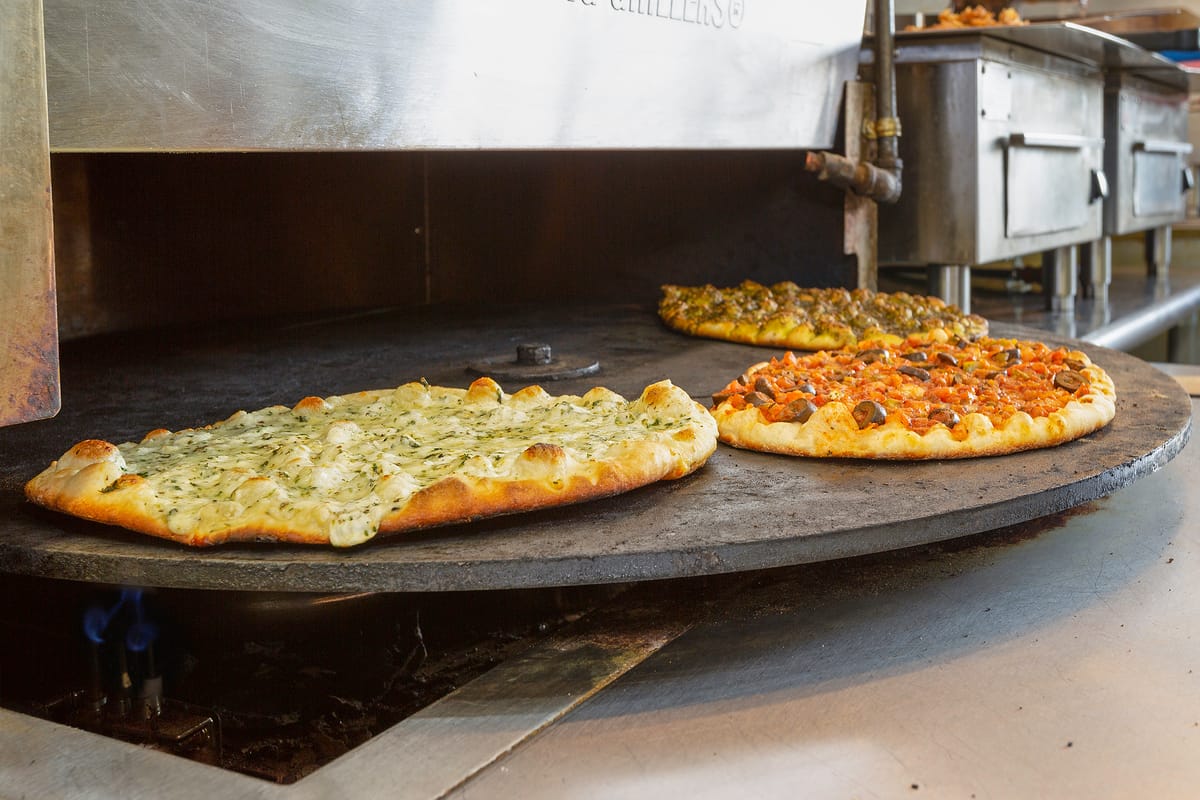
What Is Dukkah? The Egyptian Nut & Spice Blend
Crushed nuts, toasted sesame seeds, and warm spices -- dukkah is Egypt's signature condiment blend, built for dipping bread in olive oil and scattering over everything from salads to grilled meat.
4.8 stars on Yelp (92 reviews) -- Open 11:00 AM - 12:00 AM
What Is Dukkah?
An Egyptian condiment of crushed nuts, seeds, and spices -- meant to be felt as much as tasted.
Dukkah (also spelled duqqa or du'ah) is an Egyptian condiment blend made from dry-roasted nuts, sesame seeds, and warm spices that are crushed together into a coarse, crunchy mixture. The name comes from the Arabic word "daqqa," meaning "to pound" or "to crush," which describes exactly how it is prepared. Unlike fine-ground spice blends such as baharat or curry powder, dukkah retains a rough, granular texture that is central to its identity. You are meant to feel the crunch of the nuts and seeds between your teeth as you eat it.
The traditional way to eat dukkah is straightforward: tear off a piece of bread, dip it in good olive oil, then press the oiled bread into a bowl of dukkah so the coarse granules stick to the surface. The combination of warm, crusty bread, fruity olive oil, and nutty-spiced dukkah is one of the oldest and most satisfying snacks in Egyptian cooking. Street vendors in Cairo and Alexandria have sold paper cones of dukkah alongside fresh bread for centuries.
A standard Egyptian dukkah contains five core components: hazelnuts (or almonds), sesame seeds, coriander seeds, cumin seeds, and salt. Some recipes add black pepper, dried mint, dried thyme, or fennel seeds, but the foundation stays consistent. Every ingredient is dry-roasted separately to bring out its oils, then everything is crushed together -- not ground to a powder, but pounded just enough to break the nuts into small, irregular pieces while the seeds split and release their aroma.
At Taza Shawarma & Falafel in Falls Church, VA, the flavors that define dukkah -- toasted sesame, cumin, coriander, and nuts -- run through many of the dishes on our menu. Our hummus ($4.95) is finished with olive oil and carries the same earthy warmth that dukkah provides. Our fresh pita bread ($0.95) is the natural vessel for scooping and dipping -- exactly the way dukkah has been eaten in Egypt for generations.
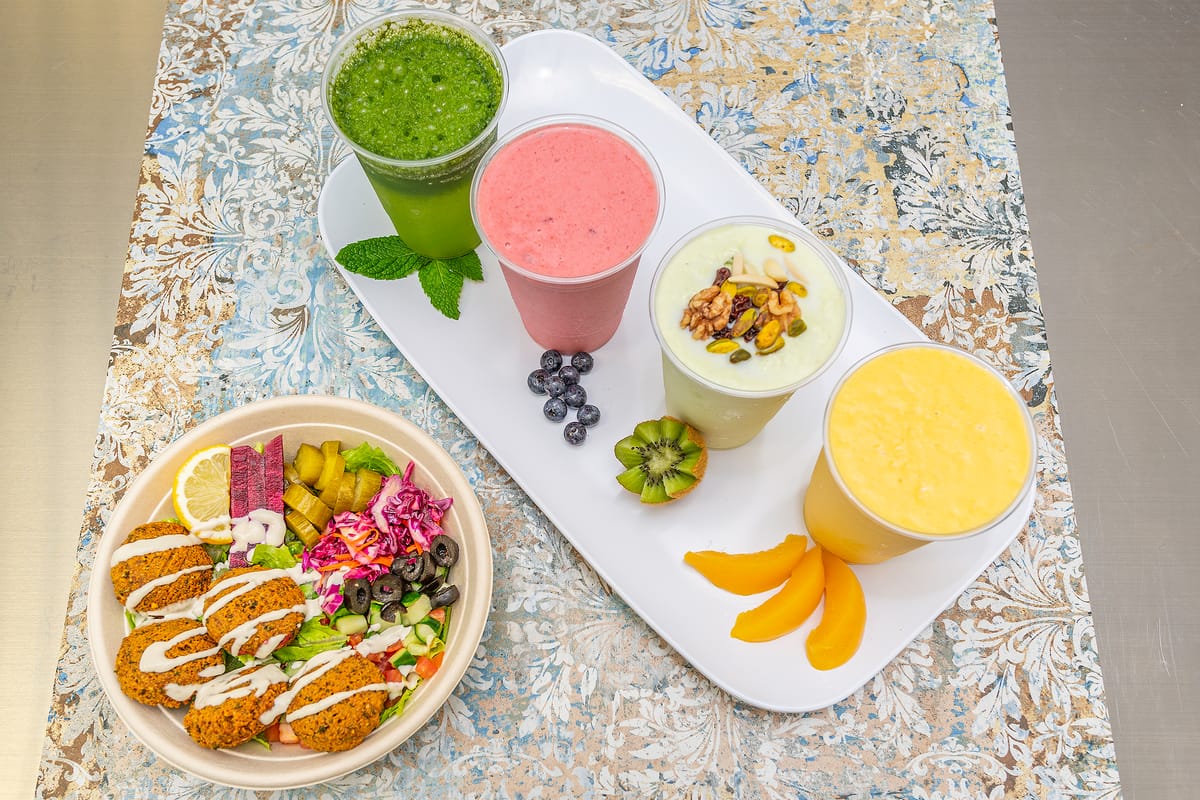
From Egyptian Streets to Your Table
Dukkah has traveled from Cairo street vendors to kitchens around the world. The same nuts, seeds, and spices that define it appear across Taza's menu.
The Egyptian Origins of Dukkah
A street food condiment born from the Nile Delta, carried along trade routes, and adopted across the Mediterranean.
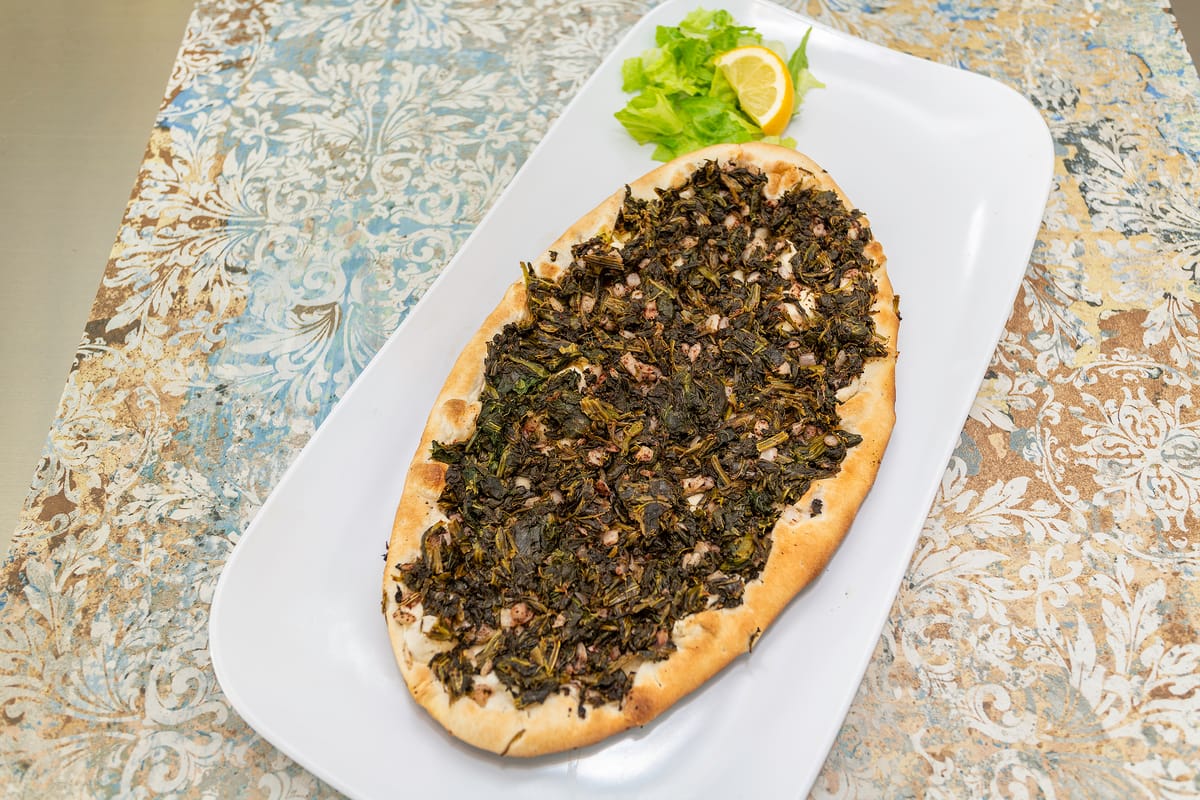
Dukkah is Egyptian in origin, rooted in the agricultural abundance of the Nile Delta where sesame, coriander, and cumin have been cultivated for thousands of years. Hazelnuts and almonds grew across the broader Mediterranean basin, and Egyptian traders had access to both through established commercial networks. The practice of dry-roasting seeds and nuts, then crushing them together with salt and spices, likely predates written records. It is one of the oldest forms of portable, shelf-stable food flavoring in the region.
In Egyptian street food culture, dukkah occupied a specific role: it was the condiment of the working class. Bread was cheap and abundant. Olive oil was accessible. Dukkah -- a handful of roasted nuts and seeds -- turned those two basic ingredients into a filling, nutritious snack or light meal. Vendors sold small paper cones of dukkah in markets and along roadsides, and families kept jars of it at home as an everyday table condiment, much the way salt and pepper sit on Western tables.
The dip-and-eat tradition -- bread into oil, then oil-coated bread into dukkah -- is central to how the blend was designed. The olive oil serves as the adhesive that picks up the coarse granules. Without the oil, the dry crumbs would fall off the bread. This three-step ritual (tear, dip, press) is social and communal; a bowl of dukkah is placed at the center of the table and everyone shares from it. The same communal eating pattern appears across Mediterranean and Middle Eastern food cultures, from za'atar with olive oil to hummus with pita.
From Egypt, dukkah traveled across North Africa and into the Levant, where cooks adapted it with local nut varieties and spice preferences. In recent decades, dukkah has gained popularity in Australia, the United Kingdom, and the United States, appearing on restaurant menus as a crust for fish and lamb, a garnish for avocado toast, and a topping for roasted vegetables. Despite this global spread, the core concept remains unchanged: roasted nuts, toasted seeds, warm spices, crushed coarse, eaten with bread and oil.
How Dukkah Is Made
Dry-roast, cool, crush. The method is simple, but the sequence and texture matter.
Dry-Roast the Nuts
Spread hazelnuts (or almonds) on a dry skillet or sheet pan and toast over medium heat or in a 350-degree oven for 8 to 10 minutes, shaking occasionally, until the skins darken and the nuts smell fragrant and buttery. If using hazelnuts, rub them in a clean towel after roasting to remove the papery skins. The roasting step is not optional -- raw nuts taste flat and starchy compared to toasted ones, and the Maillard reaction during roasting creates the deep, complex nutty flavor that defines dukkah.
Dry-Roast the Seeds and Spices
Toast sesame seeds in a dry skillet over medium heat for 2 to 3 minutes, stirring constantly, until they turn golden and begin to pop. Remove and set aside. In the same skillet, toast whole coriander seeds and cumin seeds for 1 to 2 minutes until fragrant. Each ingredient toasts at a different rate, so they must be roasted separately to avoid burning the smaller seeds while the larger ones are still raw. This attention to timing is what separates a mediocre dukkah from an outstanding one.
Cool Completely
Let all roasted ingredients cool to room temperature before crushing. Hot nuts release their oils when pounded, which turns the mixture into a paste rather than a dry, crumbly blend. The cooling step takes about 15 minutes and is essential for achieving the proper coarse texture. Patience here determines whether your dukkah crumbles between your fingers or clumps into a sticky mass.
Crush -- Do Not Grind
Combine the cooled nuts, sesame seeds, coriander, cumin, salt, and black pepper in a mortar and pestle or pulse briefly in a food processor. The goal is a coarse, irregular texture -- some pieces the size of a lentil, others the size of a peppercorn. You want visible nut fragments and split sesame seeds. If using a food processor, pulse 3 to 5 times in short bursts and check between each pulse. Over-processing turns dukkah into nut butter, which destroys the textural contrast that makes the blend work.
Taste and Adjust
Dip a piece of bread in olive oil, press it into your freshly made dukkah, and eat it. Adjust the salt level. If the blend tastes flat, add more cumin. If it needs brightness, add a pinch of dried mint or a squeeze of lemon zest. If it tastes too heavy on the nuts, fold in more sesame seeds. Dukkah is a forgiving blend -- small ratio changes shift the flavor without ruining it. The final product should taste toasty, nutty, earthy, and just salty enough to make you reach for another piece of bread.
What Goes Into Dukkah
Five core ingredients, each dry-roasted separately and crushed together. Every component has a specific role.
Hazelnuts (or Almonds)
The Foundation
Nuts are the backbone of dukkah. Hazelnuts are the traditional Egyptian choice -- they have a rich, buttery flavor that intensifies when roasted and a natural oil content that helps bind the other ingredients after crushing. Almonds produce a lighter, slightly sweeter dukkah. Some recipes combine both. The nut component makes up 30 to 40 percent of the total blend by weight, which is why dukkah tastes fundamentally different from nut-free spice blends like za'atar or baharat.
Sesame Seeds
The Richness
Toasted sesame seeds contribute a deep, nutty richness and a satisfying crunch that persists even after the nuts break down. Sesame is one of the oldest cultivated oil crops in the world, and it has been grown in Egypt and the broader Middle East for at least 3,000 years. In dukkah, sesame seeds typically make up 20 to 30 percent of the blend. They also act as a textural bridge between the larger nut pieces and the finer ground spices.
Coriander Seeds
The Brightness
Whole coriander seeds, dry-roasted and crushed, add a citrusy, slightly floral brightness that lifts the heavier nut and sesame flavors. Coriander seeds taste nothing like cilantro leaves -- they are warm, lemony, and faintly sweet. In dukkah, coriander prevents the blend from tasting one-dimensional by introducing an aromatic top note that contrasts with the earthy base of cumin and the richness of the nuts.
Cumin Seeds
The Earth
Cumin provides the earthy, smoky depth that anchors dukkah's flavor profile. It is the most widely used spice on Earth and has been cultivated across the Mediterranean and Middle East for thousands of years. In dukkah, cumin is the spice you taste last -- the flavor that lingers on the palate after the initial crunch of nuts and sesame has faded. Dry-roasting the seeds before crushing releases their volatile oils and intensifies the smoky quality.
Salt and Black Pepper
The Balance
Salt amplifies every other flavor in dukkah. Without enough salt, the blend tastes flat and the nut oils dominate. Black pepper adds a mild, clean pungency that keeps the overall flavor from becoming too mellow. Some recipes also include dried mint for a cooling herbal note, fennel seeds for anise sweetness, or dried thyme for an herbaceous edge. These additions are optional -- the five-ingredient core of nuts, sesame, coriander, cumin, and salt is the authentic Egyptian foundation.
Optional Additions
The Variations
Regional and modern variations of dukkah incorporate dried mint, dried thyme, fennel seeds, nigella seeds, sumac, paprika, or even dried rose petals. Australian adaptations sometimes include macadamia nuts or pepitas. Some cooks add a trace of sugar to balance the cumin. These additions demonstrate how adaptable dukkah is as a format -- the base technique of roast-and-crush accommodates almost any combination of nuts, seeds, and spices while maintaining the signature coarse, crunchy texture.
Dukkah vs Za'atar vs Baharat
Three defining condiment blends of the Middle East. They share a tradition of bread and olive oil but taste nothing alike.
Dukkah, za'atar, and baharat are all Arabic-language condiment blends, but they differ in ingredients, texture, flavor, and culinary purpose. Dukkah is the Egyptian nut-and-seed blend -- coarse, crunchy, and used as a dip or garnish. Za'atar is the Levantine herb blend -- dry, crumbly, tangy from sumac, and baked onto flatbread. Baharat is the Levantine spice blend -- finely ground, warm from allspice and cinnamon, and used as a cooking seasoning rather than a condiment. The table below details how they differ across 11 characteristics.
Dukkah vs Za'atar
| Feature | Dukkah | Za'atar |
|---|---|---|
| Origin | Egypt; spread across North Africa and the Levant | Levantine (Lebanon, Syria, Jordan) and broader Eastern Mediterranean |
| Base Ingredients | Nuts (hazelnuts or almonds), sesame seeds, coriander, cumin | Dried thyme, sumac, sesame seeds, salt |
| Texture | Coarse, crunchy, granular -- never ground to a fine powder | Fine, dry, crumbly herb mixture |
| Flavor Profile | Nutty, earthy, warm with toasted sesame and cumin depth | Tangy, herbaceous, citrusy from sumac with toasted sesame warmth |
| Contains Nuts | Yes -- hazelnuts, almonds, pistachios, or a combination are essential | No nuts; sesame seeds are the only seed component |
| Traditional Serving Method | Dip bread in olive oil, then press into dukkah | Spread on flatbread with olive oil before baking (manaeesh) |
| Protein Content | Higher -- nuts and seeds provide 4-6g protein per 2-tablespoon serving | Lower -- primarily herbs and dried berries with minimal protein |
| Heat Level | None; warmth comes from cumin and coriander, not any chili | None; tanginess from sumac is sometimes mistaken for heat |
| Primary Uses | Olive oil dip, salad topper, meat or fish crust, egg garnish, roasted vegetables | Manaeesh topping, labneh garnish, salad seasoning, bread dip with olive oil |
| Shelf Life | 2 to 4 weeks at peak freshness (nut oils oxidize faster than dried herbs) | 3 to 6 months when stored in airtight container away from light |
| Name Meaning | 'Dukkah' comes from the Arabic word 'daqqa,' meaning 'to pound' or 'to crush' | 'Za'atar' is the Arabic name for wild thyme (Origanum syriacum) |
Dukkah vs Baharat
| Feature | Dukkah | Baharat |
|---|---|---|
| Origin | Egypt and North Africa | Levantine (Lebanon, Syria, Jordan) and broader Eastern Mediterranean |
| Base Ingredients | Nuts, sesame seeds, coriander, cumin -- built around roasted nuts | Allspice, black pepper, cinnamon, cloves, coriander, cumin, nutmeg -- purely ground spices |
| Texture | Coarse and crunchy; meant to be felt on the palate | Fine powder; dissolves into marinades and cooking liquids |
| Flavor Profile | Nutty, earthy, mild -- the nuts dominate and soften the spices | Warm, peppery, aromatic -- cinnamon and allspice dominate |
| Primary Role | Condiment, garnish, or crust -- added at the end of cooking or used raw | Seasoning blend -- added at the start of cooking to build flavor from within |
| Contains Nuts | Yes -- nuts are the defining ingredient | No nuts; entirely composed of ground bark, berries, and seeds |
| Cooking Method | Dry-roasted ingredients are crushed together, never cooked into a dish | Ground spices are bloomed in oil, rubbed into meat, or simmered in stews |
| Typical Dishes | Bread dip, salad garnish, crusted fish or chicken, roasted vegetables, eggs | Shawarma marinade, kafta, meat pies, spiced rice, stews |
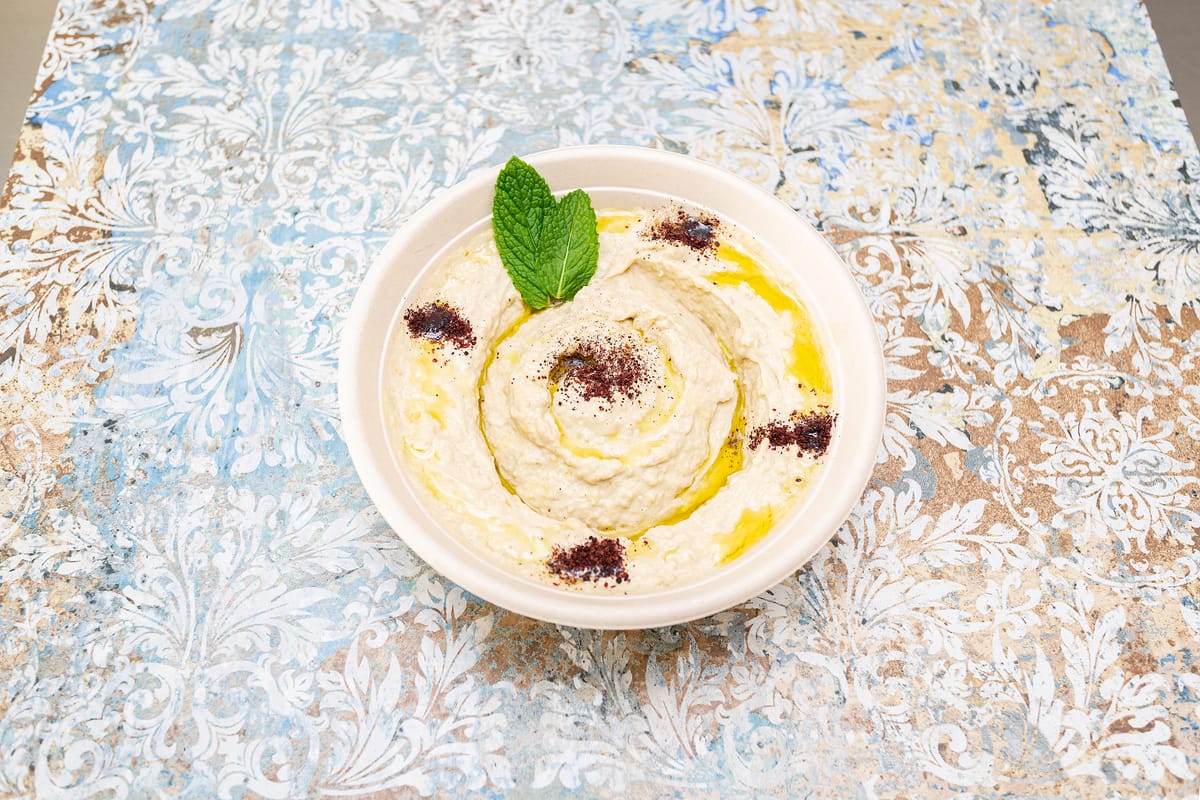
Crunch, Warmth, Earth
The three qualities that define dukkah -- and the same qualities you taste in the nutty, earthy, cumin-scented dishes at Taza.
Six Ways to Use Dukkah
Dukkah is a condiment, not a cooking spice. It goes on food at the end -- or alongside it.
Olive Oil Dip with Bread
The original and most traditional way to eat dukkah. Pour good extra-virgin olive oil into a shallow bowl or plate. Place a bowl of dukkah beside it. Tear off a piece of warm bread, dip it in the oil, then press the oiled surface into the dukkah so the granules stick. The combination of warm, crusty bread, fruity oil, and nutty-spiced crunch is deeply satisfying and has been the standard Egyptian serving method for centuries. At Taza, our fresh pita bread ($0.95) is the natural vessel for this tradition.
Salad Topper
Scatter a generous tablespoon of dukkah over green salads, grain bowls, or fattoush for added crunch and flavor. The nuts and seeds provide textural contrast to soft greens and juicy tomatoes, while the cumin and coriander complement the bright acidity of lemon-based dressings. Dukkah turns a simple salad into something that feels substantial and layered without adding heavy ingredients.
Meat and Fish Crust
Press dukkah onto chicken breasts, lamb chops, or fish fillets before baking or pan-searing. The nut coating forms a crunchy crust as the protein cooks, similar to a breadcrumb coating but more flavorful and naturally gluten-free. Brush the meat with olive oil or egg white first so the dukkah adheres. Bake at 400 degrees Fahrenheit until the crust is golden and the interior reaches the proper temperature. This technique works especially well with salmon, chicken thighs, and rack of lamb.
Roasted Vegetables
Toss cauliflower, sweet potatoes, carrots, or Brussels sprouts with olive oil and roast until caramelized, then scatter dukkah over the top during the final two minutes of cooking or immediately after removing from the oven. The residual heat warms the dukkah without burning the nuts, and the contrast between the soft, caramelized vegetables and the crunchy condiment is a combination that keeps you reaching for more.
Egg Garnish
Sprinkle dukkah over fried eggs, scrambled eggs, soft-boiled eggs, or shakshuka. The richness of egg yolk pairs naturally with the nutty, earthy flavors in dukkah, and the coarse texture adds the crunch that eggs otherwise lack. A fried egg on toast with a generous dusting of dukkah and a drizzle of olive oil is a five-minute meal that tastes far more considered than the effort suggests.
Hummus and Dip Topper
Scatter dukkah over hummus, baba ghanouj, labneh, or any creamy dip for textural contrast and flavor depth. The crunchy granules break up the smoothness of the dip, and the cumin in the dukkah echoes the earthy notes already present in hummus and baba ghanouj. At Taza, our hummus ($4.95), baba ghanouj ($4.95), and labneh ($4.95) are all natural platforms for dukkah-style toppings.
Dukkah Nutrition Profile
Calorie-dense but nutrient-rich -- dukkah packs protein, healthy fats, and minerals into a small serving.
A two-tablespoon serving of dukkah (approximately 20 grams) contains roughly 80 to 100 calories, depending on the nut-to- seed ratio. Most of those calories come from the healthy fats in the nuts and sesame seeds -- primarily monounsaturated and polyunsaturated fats, the same types associated with heart health in Mediterranean diet research. The same serving provides 3 to 5 grams of protein and 2 to 3 grams of dietary fiber.
Hazelnuts are rich in vitamin E, a fat-soluble antioxidant that protects cell membranes from oxidative damage. Almonds provide calcium and magnesium. Sesame seeds are one of the most concentrated plant sources of calcium and also contain lignans -- compounds that function as antioxidants and may support hormonal balance. Cumin provides iron; coriander provides vitamin K. Taken together, the ingredients in dukkah offer a broad micronutrient profile that is uncommon in a simple condiment.
Because dukkah is used as a condiment rather than eaten in large quantities, its caloric impact on a meal is modest -- comparable to a tablespoon of olive oil or a small handful of mixed nuts. The nutritional advantage of dukkah over many other condiments is that its calories come from whole, minimally processed ingredients rather than from added sugars, refined oils, or artificial thickeners.
For those following specific dietary patterns, dukkah fits neatly into Mediterranean, paleo, Whole30, keto, and plant- based diets. It is naturally gluten-free, dairy-free, and vegan. The only common allergen is tree nuts (hazelnuts, almonds), which can be substituted with seeds for a nut-free version. At Taza, many of our dishes -- including our falafel pita (from $8.95) and chicken shawarma bowl (from $12.45) -- share the same whole-ingredient philosophy that makes dukkah nutritionally appealing.
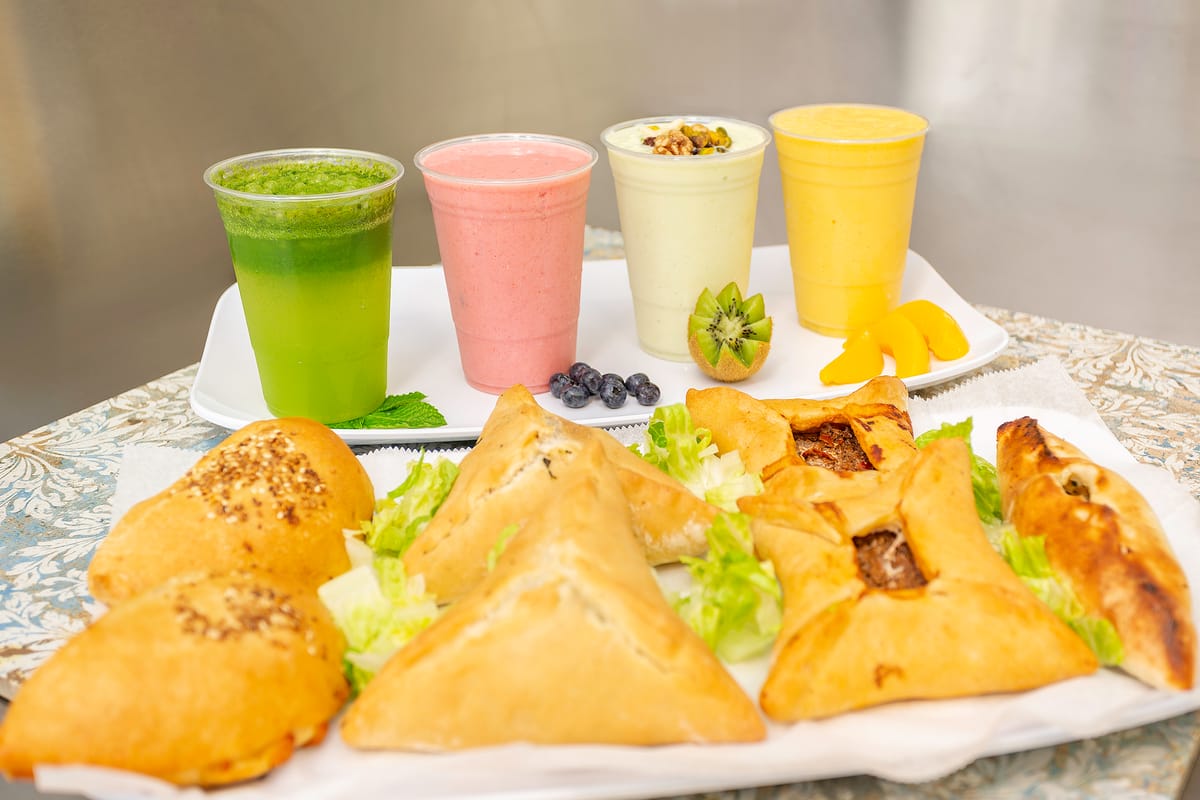
Whole Ingredients, Real Flavor
Dukkah's appeal is the same as Taza's: simple, high-quality ingredients prepared with care and served fresh.
Dukkah-Inspired Flavors at Taza
The same nuts, seeds, and spices that define dukkah run through our hummus, pita, bowls, and dips.
Hummus -- $4.95
Our hummus is made from premium chickpeas blended with tahini (ground sesame paste), fresh lemon juice, garlic, and olive oil. The tahini gives it the same nutty, earthy sesame flavor that is central to dukkah. A drizzle of olive oil on top echoes the oil-then-dukkah dipping tradition. Pair it with our warm pita bread for an experience that parallels the classic Egyptian dukkah serving method -- bread, oil, and sesame richness.
Fresh Pita Bread -- $0.95
Our pita bread is baked fresh daily -- soft, warm, and pillowy. In the dukkah tradition, bread is the essential vehicle: you tear, dip, and press. Our pita is the same kind of flatbread that has carried dukkah from plate to mouth across Egypt for centuries. Whether you use it to scoop hummus, baba ghanouj, or labneh, the function is identical to the bread-and-dukkah ritual.
Chicken Shawarma Pita -- from $9.95
Our chicken shawarma pita wraps marinated, slow-roasted chicken in warm pita with garlic sauce, pickled turnips, and fresh vegetables. The cumin and coriander in our shawarma marinade are the same warm spices that form the spice backbone of dukkah. The tahini drizzle adds the sesame element, connecting this sandwich directly to the flavor world of Egyptian nut-and-seed blends.
Falafel Bowl -- from $10.45
Our falafel bowl layers crispy chickpea falafel over rice or greens with Arabic salad, tahini, and olive oil. The falafel itself is spiced with cumin and coriander -- the same seeds that anchor dukkah. The bowl format lets you combine the crunchy falafel with a smooth tahini drizzle, echoing the textural contrast between coarse dukkah and creamy olive oil.
Falafel Pita -- from $8.95
Our falafel is made from ground chickpeas, fresh herbs, cumin, and coriander -- the same seed-and-spice combination found in dukkah. The crispy exterior and herb-green interior of each falafel ball deliver a textural crunch that echoes the coarse, crunchy character of dukkah. Served in warm pita with tahini (sesame-based sauce), the flavor connections to dukkah are direct and intentional.
Spiced Basmati Rice -- $2.95
Our basmati rice is cooked with cumin, coriander, and a touch of turmeric -- warm spices that overlap directly with the dukkah spice profile. As a base for our shawarma and falafel bowls, the rice absorbs the juices from the protein and dressings above it. Scattering dukkah over a bowl of spiced rice creates layers of toasted, earthy flavor that build on one another with each bite.
Baba Ghanouj -- $4.95
Fire-roasted eggplant blended with tahini, lemon, and garlic. Like hummus, baba ghanouj carries the sesame richness of tahini that is central to dukkah's flavor. The smoky eggplant adds a depth that pairs naturally with the earthy, cumin-forward profile of a traditional Egyptian dukkah. Eaten alongside our pita, baba ghanouj demonstrates how sesame connects the cuisines of Egypt and the Levant.
Labneh -- $4.95
Thick, strained yogurt drizzled with olive oil and dried mint. Labneh is one of the most natural platforms for dukkah in the entire Middle Eastern pantry -- the tangy creaminess of the yogurt contrasts with the nutty crunch of the blend, and the olive oil on top provides the adhesive that picks up the granules. At Taza, our labneh is served with warm pita, completing the bread-oil-condiment trio that defines the dukkah eating experience.
How to Make and Store Dukkah
A 15-minute recipe with pantry ingredients and tips for keeping your dukkah fresh.
Basic Egyptian Dukkah Recipe
Combine 1 cup of hazelnuts (or almonds), 1/2 cup of sesame seeds, 3 tablespoons of coriander seeds, 2 tablespoons of cumin seeds, 1 teaspoon of black peppercorns, and 1 teaspoon of flaky sea salt. Dry-roast the nuts in a skillet over medium heat for 8 to 10 minutes, shaking occasionally. Remove and cool. In the same skillet, toast the sesame seeds for 2 to 3 minutes until golden. Remove and cool. Toast the coriander and cumin seeds for 1 to 2 minutes until fragrant. Remove and cool.
Once everything is cool, combine all ingredients in a mortar and pestle or food processor. Pulse or pound until you reach a coarse, crumbly texture with visible nut pieces. Do not over-process. Taste and adjust salt. This recipe yields about 2 cups of dukkah -- enough for several weeks of regular use as a bread dip, salad topper, or meat crust.
Variations: add 2 tablespoons of dried mint for a North African twist, 1 tablespoon of fennel seeds for anise sweetness, or 1/4 cup of shelled pistachios for a green, slightly sweet Levantine version. The base technique stays the same -- roast, cool, crush.
Storing Dukkah Properly
Store dukkah in an airtight glass jar or sealed container at room temperature in a cool, dark place -- a pantry shelf or kitchen cabinet away from the stove. The nut oils in dukkah oxidize faster than the dried herbs in za'atar or the ground spices in baharat, which means dukkah has a shorter shelf life than most spice blends. At room temperature, expect peak freshness for two to four weeks.
For longer storage, keep dukkah in the refrigerator where the cool temperature slows oil oxidation. Refrigerated dukkah stays fresh for six to eight weeks. You can also freeze dukkah in a sealed freezer bag for up to three months; let it come to room temperature before serving, as the cold dulls the aromatic compounds.
Signs that your dukkah has gone stale: the nuts taste bitter or soapy (a sign of rancid oils), the aroma is flat rather than toasty and warm, or the texture has become soft and oily rather than dry and crumbly. When in doubt, make a fresh batch. The 15-minute preparation time makes dukkah one of the fastest condiments to produce from scratch.
Frequently Asked Questions About Dukkah
Dukkah tastes nutty, earthy, and gently warm. The dominant flavor comes from toasted hazelnuts or almonds, followed by the deep sesame seed richness and the warm earthiness of cumin and coriander. There is no heat from chili peppers. The texture is as important as the flavor -- the coarse, crunchy granules provide a satisfying crunch when pressed onto bread dipped in olive oil or scattered over soft foods like hummus, eggs, or roasted vegetables. If you have eaten toasted nuts with a light dusting of cumin, you already know the general flavor territory of dukkah.
Traditional dukkah made from nuts, sesame seeds, and ground spices is naturally gluten-free. None of the core ingredients -- hazelnuts, almonds, sesame, coriander, cumin, black pepper, salt -- contain gluten. However, some commercial brands may process dukkah in facilities that also handle wheat products, so check the label if you have celiac disease or a serious gluten sensitivity. When served as a bread dip, the bread itself contains gluten, but the dukkah does not. At Taza, our hummus, baba ghanouj, and bowls are served without bread and pair well with dukkah-style flavors.
The most traditional Egyptian dukkah uses hazelnuts (also called filberts). Almonds are the second most common choice. Many modern versions use a combination of both, and some regional variations incorporate pistachios, walnuts, cashews, macadamia nuts, or pine nuts. The nut choice significantly affects the final flavor: hazelnuts produce a richer, more buttery dukkah; almonds create a lighter, more delicate blend; pistachios add a green, slightly sweet character. Regardless of which nut you use, the key is to dry-roast them until golden and fragrant before crushing.
Homemade dukkah stays at peak freshness for two to four weeks when stored in an airtight container at room temperature away from light and heat. The nut oils begin to oxidize after that point, which can make the blend taste stale or slightly rancid. Storing dukkah in the refrigerator extends its life to six to eight weeks. Commercially packaged dukkah with added preservatives or nitrogen-flushed packaging may last three to six months unopened. Once opened, treat it like homemade and use it within a month for the best flavor. If your dukkah smells flat or tastes bitter, the nut oils have gone off and it should be replaced.
You can make a nut-free version using extra sesame seeds, sunflower seeds, and pumpkin seeds (pepitas) as the base. The texture and flavor will differ from traditional dukkah -- it will be less rich and buttery without the hazelnuts or almonds -- but the toasted seed and spice combination still produces a satisfying condiment. Some nut-free versions add coconut flakes for additional fat and crunch. The spice ratios (coriander, cumin, black pepper) remain the same regardless of whether you use nuts or seeds as the base.
No. Dukkah and za'atar are both Middle Eastern condiment blends, but they share almost no ingredients and taste completely different. Dukkah is built around crushed nuts, sesame seeds, and warm spices (cumin, coriander). Za'atar is built around dried thyme, tangy sumac, and sesame seeds. Dukkah is nutty, earthy, and crunchy. Za'atar is herbaceous, tangy, and crumbly. Dukkah comes from Egypt. Za'atar comes from the Levant. The only ingredient they share is sesame seeds. Both are traditionally eaten with olive oil and bread, which may be why people confuse them.
Several Middle Eastern and specialty grocery stores in the Falls Church and Arlington corridors carry dukkah, sometimes labeled as 'Egyptian nut blend' or 'duqqa.' International markets, Whole Foods, and stores like Trader Joe's occasionally stock it. Online retailers like Burlap & Barrel, Kalustyan's, and Amazon carry high-quality versions. You can also make it at home in about 15 minutes with a skillet, a mortar and pestle or food processor, and a handful of ingredients. Or visit Taza Shawarma & Falafel on Seminary Road and pair our hummus and pita bread with the same nutty, earthy flavors that define dukkah.
Dukkah is nutrient-dense for its serving size. A two-tablespoon portion provides healthy fats from nuts and sesame seeds, plant-based protein, dietary fiber, and meaningful amounts of iron, magnesium, calcium, and vitamin E. The nuts contribute monounsaturated fats linked to heart health. The sesame seeds are rich in lignans, compounds associated with antioxidant activity. Cumin and coriander contain anti-inflammatory compounds. Dukkah is calorie-dense because of the nut content -- roughly 80 to 100 calories per two tablespoons -- but those calories come from whole, minimally processed ingredients rather than refined sugars or oils.
Taste Dukkah-Inspired Flavors at Taza
Toasted sesame, cumin, coriander, and nuts -- the building blocks of dukkah flavor across our menu. Walk in, order, and taste them.
Address
5820 Seminary Rd Ste O, Falls Church, VA 22041
Hours
11:00 AM - 12:00 AM -- Open 7 Days a Week
Phone
Explore More Spice & Ingredient Guides from Taza
Taste the Flavors of Dukkah
Hummus with olive oil, fresh pita bread, falafel with cumin and coriander, shawarma bowls with toasted sesame -- the same ingredients that make dukkah extraordinary, made fresh daily at Taza in Falls Church, VA.