What Is Orange Blossom Water? A Guide to Mazaher
Orange blossom water -- mazaher in Arabic -- is a fragrant distillation from the blossoms of the bitter orange tree. For centuries it has perfumed baklava syrup, knafeh, rice pudding, and lemonade across the Levant and North Africa.
4.8 stars on Yelp (92 reviews) -- Open 11:00 AM - 12:00 AM
The Fragrant Water That Defines Levantine Sweets
One teaspoon transforms a sugar syrup into something you remember.
Open a bottle of orange blossom water and hold it a few inches from your nose. The scent that rises is light, citrusy, floral, and faintly honeyed -- the distilled essence of the white flowers that cover bitter orange trees every spring. This is mazaher (ماء الزهر), one of the most important flavoring agents in Levantine and North African cooking and one of the least understood ingredients outside those traditions. It is the invisible component that makes baklava syrup taste different from plain sugar water, the element that turns rice pudding from a starchy porridge into a perfumed dessert, and the floral note in a glass of lemonade that makes the drink feel distinctly Mediterranean.
Orange blossom water is not a flavoring extract or a synthetic additive. It is a hydrosol -- the aromatic water left behind after steam distillation of fresh blossoms. When steam passes through the petals of the bitter orange tree (Citrus aurantium), it captures volatile aromatic compounds including linalool, limonene, and nerolidol. The condensed steam separates into two layers: neroli essential oil, which is concentrated and used in perfumery, and orange blossom water, which is dilute enough for culinary and cosmetic use. The water carries the fragrance of the blossom in a gentle, food-safe form that has been part of Levantine kitchens for as long as written records exist.
The Arabic name mazaher literally translates to "blossom water" -- a straightforward description that belies the complexity of the ingredient's role. In Lebanon, Syria, and Jordan, mazaher appears in nearly every traditional dessert: the syrup for knafeh, the soaking liquid for semolina cakes, the finishing drizzle on rice pudding, and the scenting agent for white coffee (qahwa bayda) -- a caffeine-free hot drink made with nothing but water, sugar, and orange blossom water. In Morocco, it flavors pastilla, almond cookies, and the sweet mint tea served with every meal. In Tunisia, it perfumes makroud and other date-filled pastries. This single ingredient connects cuisines across thousands of miles of coastline and centuries of culinary development.
In this guide, you will learn what orange blossom water is and how it is produced through steam distillation, trace its history across Levantine and North African cooking traditions, explore its culinary uses from baklava to lemonade, understand the science behind its aroma, compare it to rose water in a detailed side-by-side analysis, review its traditional health and aromatherapy applications, and find out how Taza Shawarma & Falafel draws on these same traditions in Falls Church, VA.
From Bitter Orange Groves to Levantine Kitchens
A distillation technique refined across a millennium.
The Bitter Orange Tree and Its Blossoms
The bitter orange tree (Citrus aurantium), also called the Seville orange, is the botanical source of orange blossom water. Unlike the sweet orange varieties grown for eating and juicing, the bitter orange produces a sour fruit used primarily for marmalade and its fragrant peel oils. The tree's real culinary contribution comes from its blossoms: small, white, star-shaped flowers that appear in dense clusters every spring and produce an intense, sweet fragrance that can be detected from a considerable distance. Bitter orange groves in Lebanon, Tunisia, Morocco, and the south of France have been cultivated for centuries specifically for their blossoms rather than their fruit.
Harvesting is done by hand during a brief window in late March through May, when the blossoms are fully open but before they begin to wilt. The timing matters because the concentration of volatile aromatic compounds peaks at full bloom. Workers pick the blossoms early in the morning, when the dew has evaporated but the midday heat has not yet caused the essential oils to dissipate. A single mature tree can yield five to ten kilograms of blossoms per season, but the yield of distilled water per kilogram of blossoms is small, which contributes to the ingredient's value.
The distillation technique that produces orange blossom water was refined in the Levant and North Africa beginning in the early medieval period. Arab chemists and pharmacists developed copper alembic stills that are still in use in traditional production. Steam rises through a bed of fresh blossoms, carrying the aromatic compounds through a condensing coil where the vapor cools into liquid. The resulting hydrosol is collected, filtered, and bottled. The process has not fundamentally changed in a thousand years, though modern stainless steel equipment has improved consistency and hygiene.
Regional Traditions of Production
Lebanon
Lebanese production centers in the Bekaa Valley and coastal towns, where bitter orange groves have been cultivated for centuries. Small-batch, family-run distilleries still produce artisanal mazaher sold in glass bottles at local markets. The Lebanese product is prized for its purity -- typically containing only distilled blossom water with no additives or preservatives.
Morocco
Moroccan orange blossom water comes primarily from the Dades Valley and Fez region. It is used not only in cooking but also in the ritual of Moroccan hospitality, where guests are offered scented water for hand-washing before meals. Moroccan brands tend to produce a slightly more concentrated product, suited to the bold flavors of Moroccan pastry and sweet couscous.
Tunisia
Tunisian distillation follows the North African tradition closely. The water appears in makroud (date-filled semolina pastries), in the syrup for bambalouni (Tunisian doughnuts), and in fruit salads served after heavy meals. Tunisian producers often use a double-distillation method that creates a more concentrated hydrosol with a longer shelf life.
Southern France
The town of Grasse in Provence has produced orange blossom water since the 16th century, when Moorish agricultural techniques brought bitter orange cultivation to southern Europe. French patisserie adopted the water for madeleines, crepes, and navettes -- the boat-shaped cookies traditional to Marseille. The French product is typically lighter and more delicate than Levantine versions.
Shelf Stability
Quality orange blossom water keeps for 12 to 18 months at room temperature in a sealed bottle, away from direct sunlight. Refrigeration after opening extends the aroma life. Over time the volatile compounds dissipate, so older bottles produce a weaker flavor -- a reason to buy from high-turnover sources and replace the bottle annually.
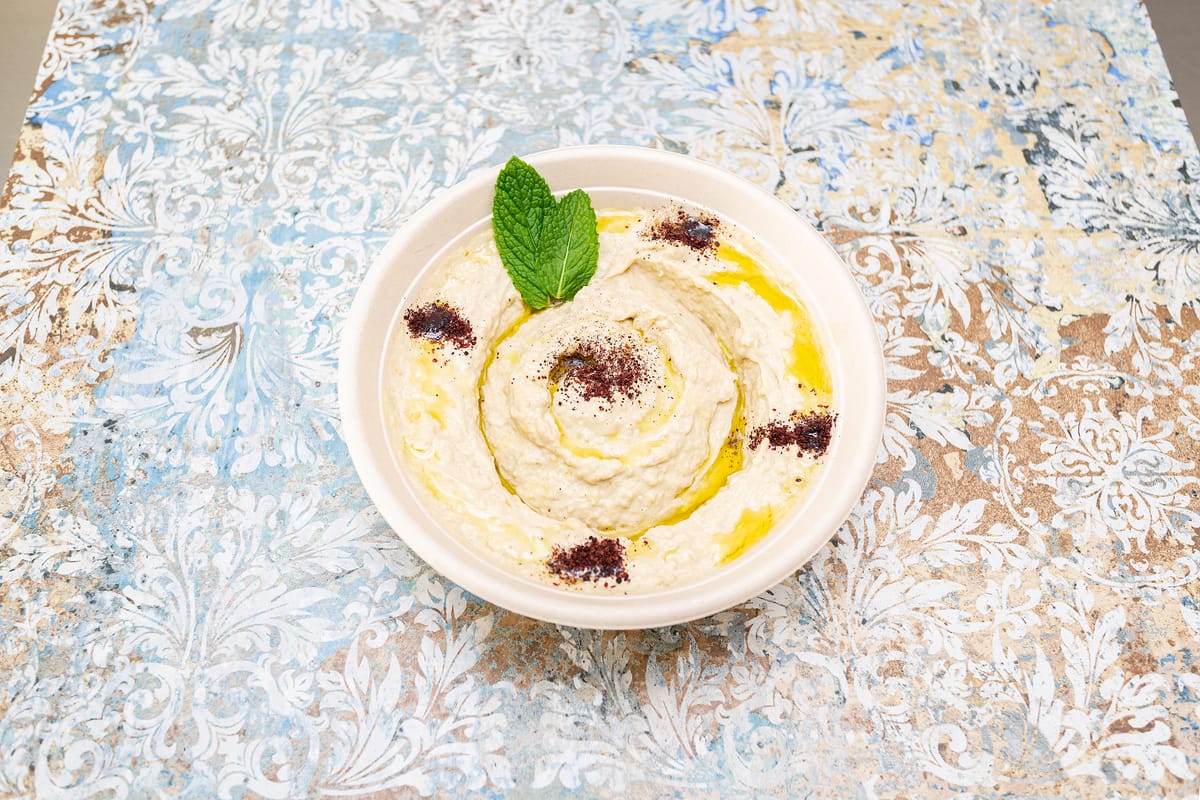
A Fragrance Carried Across Centuries
From the bitter orange groves of the Levant and North Africa to kitchens around the Mediterranean -- mazaher connects desserts, drinks, and traditions.
How Orange Blossom Water Is Used in Cooking
From syrup-soaked pastries to scented drinks -- the range is wide.
01
Baklava Syrup
The sugar syrup poured over freshly baked baklava is, in many Levantine traditions, scented with orange blossom water. A teaspoon or two per cup of syrup is enough. The floral note distinguishes Levantine baklava from Turkish versions that favor rose water or plain syrup. Without it, the syrup sweetens the pastry but lacks the aromatic lift that makes each bite feel lighter than its calorie count suggests. The blossom water also helps the syrup penetrate the phyllo layers more effectively by reducing surface tension slightly.
02
Knafeh and Cheese Desserts
Knafeh -- the warm, cheese-filled pastry topped with crunchy shredded dough and drenched in syrup -- depends on orange blossom water for its flavor identity. The scented syrup cuts through the richness of the melted cheese and creates a sweet-savory-floral combination that defines the dessert. Without the blossom water, knafeh is simply sweet cheese in crunchy pastry. With it, the dish becomes one of the most recognizable and celebrated desserts across the Levant.
03
Rice Pudding
Levantine rice pudding (ruz bi haleeb) is cooked with whole milk, sweetened with sugar, and finished with orange blossom water and a dusting of cinnamon or ground pistachios. The blossom water is added after the pudding is removed from heat to preserve the volatile compounds that would evaporate during cooking. One teaspoon per four servings is standard. The result is a pudding that smells as good as it tastes -- clean, floral, and comforting.
04
Scented Lemonade and Drinks
Adding one to two tablespoons of orange blossom water to a pitcher of fresh lemonade transforms it from a simple citrus drink into a traditional Levantine refreshment. The floral note blends with the lemon's acidity, creating a more complex and aromatic drink. The same technique applies to limonana (lemon-mint drinks), iced tea, and sparkling water cocktails. In Lebanon, white coffee (qahwa bayda) is made exclusively from hot water, sugar, and orange blossom water -- no coffee at all.
05
Semolina Cakes and Pastries
Namoura, basbousa, and other semolina-based cakes across the Levant and North Africa are soaked in orange blossom-scented syrup after baking. The porous, grainy texture of semolina absorbs the syrup thoroughly, carrying the floral flavor through every bite. The blossom water prevents the syrup from tasting one-dimensionally sweet, giving the finished cake a more refined character that balances the density of the semolina with aromatic brightness.
06
Cookies and Baked Goods
Maamoul (stuffed shortbread cookies filled with dates, walnuts, or pistachios) often include orange blossom water in the dough or in the dusting syrup. Ghraybeh (Levantine butter cookies) sometimes incorporate a few drops for fragrance. In French patisserie influenced by North African traditions, madeleines are made with orange blossom water instead of vanilla, producing a subtle floral note that pairs naturally with the butter-rich batter.
07
Fruit Salads and Fresh Desserts
A tablespoon of orange blossom water tossed with a bowl of cut seasonal fruit -- oranges, strawberries, figs, or pomegranate arils -- elevates a simple fruit salad into a composed dessert. The water's floral character enhances the natural sweetness of the fruit without adding sugar. This technique is common in Moroccan and Tunisian households, where fruit with blossom water and a sprinkle of cinnamon often follows a heavy meal.
08
Savory Crossovers
While orange blossom water is primarily a sweet-side ingredient, it crosses into savory territory in certain North African traditions. A few drops in Moroccan chicken pastilla (bastilla) -- the phyllo-wrapped pie filled with shredded chicken, almonds, and spices -- create the sweet-savory tension that defines the dish. Some Tunisian cooks add a splash to couscous cooking water when preparing the grain for a festive meal, giving the final dish a barely detectable aromatic background.
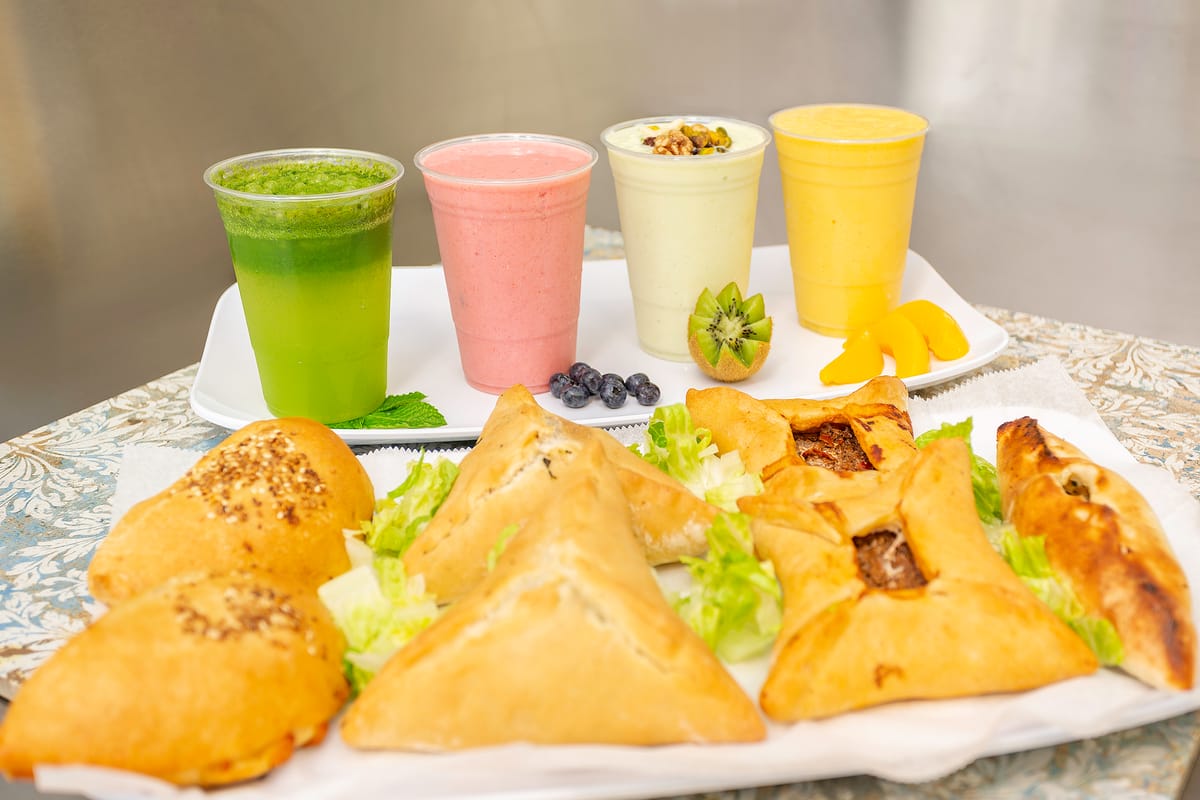
The Invisible Ingredient You Taste in Every Bite
Orange blossom water rarely announces itself. It lifts, brightens, and perfumes -- quietly doing the work that separates ordinary from memorable.
Traditional and Modern Uses Beyond the Kitchen
A thousand years of folk medicine, now supported by research.
Anxiety and Stress Reduction
Neroli oil, the concentrated essential oil from the same blossoms that produce orange blossom water, has been studied for its anxiolytic properties. Research published in the Journal of Natural Medicines found that inhalation of neroli compounds reduced cortisol levels and blood pressure in study participants. Traditional Levantine medicine prescribed orange blossom water in warm drinks as a calming agent for nervous tension and insomnia. While orange blossom water is far more dilute than pure neroli oil, the same aromatic compounds are present and contribute to the calming effect that many people report after drinking orange blossom-scented beverages.
Digestive Aid
Across the Levant and North Africa, orange blossom water has been consumed after meals as a digestive aid for generations. A teaspoon in warm water is the traditional preparation, sometimes with a small amount of sugar. The aromatic compounds, particularly linalool, have been studied for their smooth muscle-relaxing properties, which may explain the traditional use as a stomach-settler. Modern herbalists continue to recommend it for mild bloating and digestive discomfort. While clinical evidence is limited, the centuries of consistent folk use across multiple cultures suggests practical efficacy worth acknowledging.
Skin and Cosmetic Applications
Orange blossom water has been used as a facial toner and skin-soothing agent in Levantine and North African beauty traditions since antiquity. Its mild astringent and anti-inflammatory properties make it suitable for sensitive skin. Modern skincare brands incorporate it into toners, mists, and serums, marketing the same properties that traditional practice identified centuries ago. The water is mildly antibacterial, non-irritating, and has a pleasant scent that makes it practical as a natural cosmetic ingredient. It contains no oils or humectants, so it serves as a clean-label base for formulations.
Zero-Calorie Flavoring
One of the most practical health benefits of orange blossom water is what it does not contain. It has zero calories, zero sugar, zero fat, and zero sodium. As a flavoring agent, it adds complexity and perceived sweetness to desserts and drinks without contributing any caloric load. This means a cook can reduce the sugar content in a syrup or pudding and compensate with orange blossom water's natural sweetness perception. The floral aroma primes the palate to expect sweetness, allowing reduced-sugar preparations to taste more complete than they would with sugar reduction alone.
A Note on Traditional Medicine
Orange blossom water is not a pharmaceutical and should not be treated as a substitute for medical treatment. Its traditional uses reflect centuries of practical observation in cultures that valued food-as-medicine approaches. The calming, digestive, and cosmetic applications are gentle enough for daily use, carry essentially no risk of adverse effects at culinary dosages, and have been sustained across too many generations and geographies to dismiss. Modern research is beginning to validate what Levantine grandmothers have known for a long time: this water does more than smell good.
Orange Blossom Water in Mediterranean Desserts
The connecting thread across Levantine, North African, and French sweets.
Levantine Traditions
In Lebanon, Syria, and Jordan, orange blossom water is the default floral scenting agent for dessert syrups. Baklava, knafeh, namoura, atayef (stuffed pancakes), and qatayef all rely on blossom-scented syrup. The water also appears in ashta (clotted cream) and muhallabia (milk pudding), where its delicate fragrance complements the neutral dairy base. The Levantine approach uses orange blossom water with restraint -- enough to lift the dessert, never enough to dominate it. This subtlety is the hallmark of skilled Levantine pastry work.
North African Traditions
Moroccan and Tunisian pastry traditions use orange blossom water more generously than Levantine ones. In Morocco, chebakia (fried sesame cookies soaked in honey) are dipped in orange blossom water-scented honey. Sellou (a toasted flour, almond, and sesame confection) is moistened with blossom water. Briwat (almond-filled phyllo triangles) are soaked in scented syrup. The Tunisian tradition of makroud -- semolina pastries stuffed with dates -- depends on orange blossom-scented frying oil or syrup for its characteristic flavor.
French and Southern European Traditions
Southern French patisserie adopted orange blossom water through centuries of Moorish and North African cultural exchange. Navettes de Marseille, the traditional boat-shaped cookies served during Candlemas, are flavored exclusively with orange blossom water -- no vanilla, no lemon, just the pure floral note. Madeleines in Provencal bakeries are sometimes made with blossom water instead of vanilla. The fougasse of Provence, a sweet olive oil bread, often includes a splash. These uses demonstrate how the ingredient crossed cultural boundaries through trade, migration, and shared Mediterranean foodways.
Why Orange Blossom Water Persists in Modern Pastry
In an era when vanilla extract, artificial flavorings, and synthetic fragrances offer cheaper and more shelf-stable alternatives, orange blossom water has not been displaced. Its persistence reflects something that synthetic alternatives cannot replicate: the complexity of a natural hydrosol containing dozens of aromatic compounds in their natural ratios. Artificial orange blossom flavoring captures one or two of these compounds but misses the full spectrum that makes natural blossom water taste alive rather than merely flavored.
For pastry chefs and home cooks in Levantine and Mediterranean traditions, orange blossom water is also a cultural marker. Using it signals connection to a culinary lineage. The grandmother who measured mazaher into her baklava syrup by instinct passed on not just a recipe but a sensory vocabulary -- the specific fragrance that means "this is how our family makes it." That cultural weight makes the ingredient irreplaceable in ways that have nothing to do with chemistry and everything to do with memory.
Orange Blossom Water vs. Rose Water
Two floral hydrosols, two distinct flavor identities.
| Characteristic | Orange Blossom Water | Rose Water |
|---|---|---|
| Botanical Source | Citrus aurantium (bitter orange tree) -- blossoms harvested in spring | Rosa damascena or Rosa centifolia -- petals harvested at peak bloom |
| Extraction Method | Steam distillation of fresh blossoms -- the water is the hydrosol byproduct of neroli oil production | Steam distillation of fresh petals -- the water is the hydrosol byproduct of rose otto production |
| Aroma Profile | Light, citrusy-floral with honeyed sweetness -- clean and bright without heaviness | Deeply floral, perfumed, and heady -- richer and more assertive than orange blossom |
| Flavor Intensity | Subtle and delicate -- a background note that lifts without dominating | Stronger and more forward -- can overwhelm if overused in desserts |
| Primary Culinary Use | Baklava syrup, knafeh, rice pudding, lemonade, cookies, and light pastries | Turkish delight, ice cream, rice pudding, lassi, gulab jamun, and heavy syrups |
| Regional Dominance | Levantine, North African, and Southern French cooking -- Morocco, Lebanon, Tunisia | Persian, South Asian, and Turkish cooking -- Iran, India, Turkey |
| Substitutability | A few drops of vanilla extract approximates the sweetness but not the floral character | Orange blossom water provides a lighter substitute, but the flavor profile differs significantly |
| Overdose Risk | Low -- even moderate amounts stay pleasant, though excess can taste soapy | High -- even a quarter teaspoon too many can make a dish taste like perfume |
| Color in Liquid | Clear and colorless -- does not alter the appearance of syrups or drinks | Clear and colorless -- though rose petals are sometimes added for visual garnish |
| Shelf Life | 12 to 18 months sealed at room temperature -- refrigeration extends freshness | 12 to 18 months sealed at room temperature -- similar storage requirements |
Can You Use Both Together?
Some desserts, particularly rice pudding and certain milk-based custards, call for both orange blossom water and rose water in small quantities. The combination creates a more complex floral profile than either ingredient achieves alone -- the light, citrusy brightness of orange blossom balanced by the deeper, more perfumed character of rose. When using both, reduce the quantity of each by roughly a third to prevent the combined floral character from becoming overwhelming. The goal is a layered fragrance that unfolds gradually, not a wall of perfume that hits the palate all at once.
How to Buy and Store Orange Blossom Water
Not all bottles are created equal. Here is what to look for.
What to Look For
The ingredient list on a bottle of orange blossom water should contain exactly one item: orange blossom water (or Citrus aurantium hydrosol). Some brands add preservatives or stabilizers -- these are unnecessary for a product that is naturally shelf-stable and may affect the purity of the fragrance. Avoid bottles that list "orange blossom flavoring" or "natural flavors" as these are typically synthetic recreations that lack the complexity of true steam-distilled hydrosol.
The best sources are Middle Eastern grocery stores, where turnover is high and the product is a staple rather than a specialty item. Lebanese brands like Cortas and Al Wadi are widely available and consistently good. Moroccan brands produced in the Fez or Dades Valley regions are also reliable. Online retailers carry all of these, though shipping fragile glass bottles adds cost and risk.
Price is a reasonable quality indicator. Very inexpensive orange blossom water is often diluted or synthetic. Mid-range products from established Levantine or North African producers -- typically four to eight dollars for a 300ml bottle -- represent the sweet spot of quality and value. A single bottle lasts months in a home kitchen because the ingredient is used in teaspoon quantities.
Storage Guidelines
Unopened Bottles
Store in a cool, dark place away from direct sunlight. The volatile aromatic compounds degrade with heat and UV exposure. A pantry shelf or kitchen cabinet is ideal. Unopened, the water keeps for 18 to 24 months.
After Opening
Seal the bottle tightly after each use. Refrigeration is not required but extends the aromatic life of the product. If the bottle has a loose cap, transfer the water to a smaller glass container with a tight seal to minimize air exposure.
Testing Freshness
To check if your bottle is still good, pour a small amount into your palm and inhale. Fresh orange blossom water has a clear, bright, floral scent. If the aroma is faint, flat, or slightly stale, the water has lost its potency and should be replaced.
Glass vs. Plastic
Always buy orange blossom water in glass bottles when possible. Plastic can absorb and leach aromatic compounds over time, diminishing the fragrance and potentially introducing off-flavors. Glass is inert and preserves the product as the distiller intended.
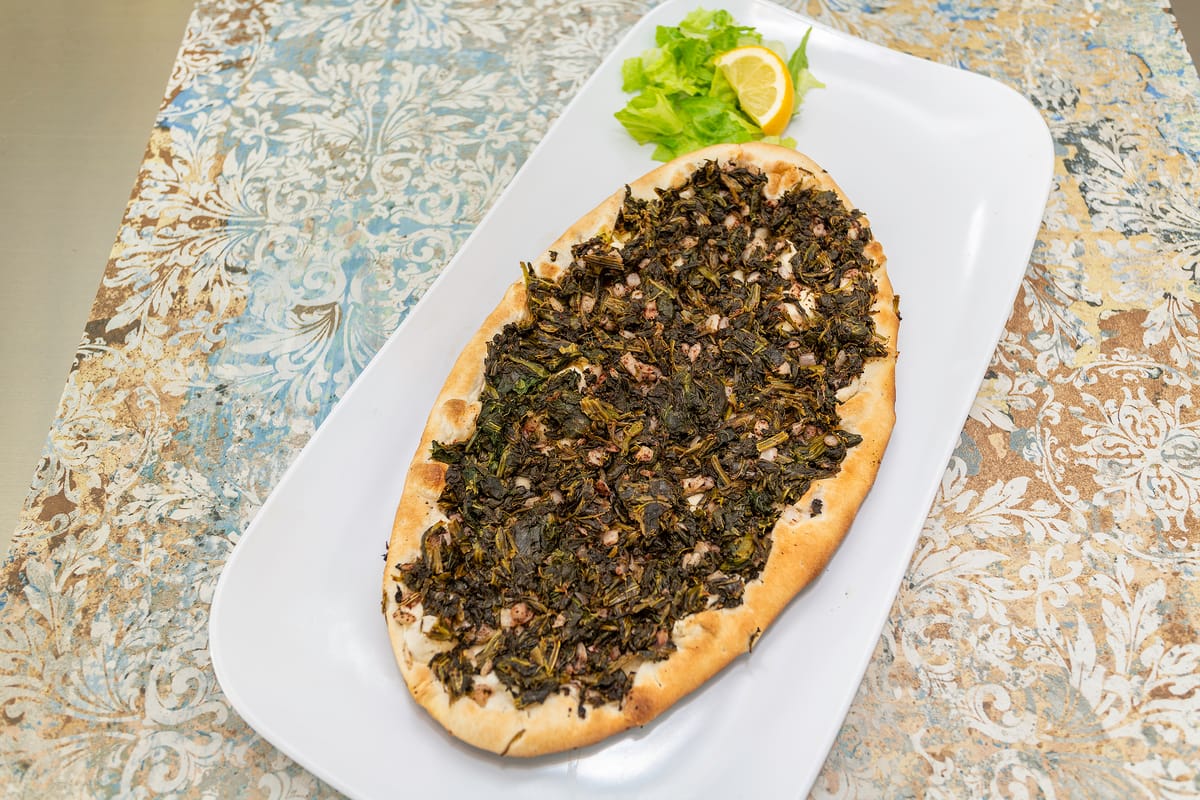
Taste the Levantine Tradition
Fresh-made shawarma, falafel, and desserts at 5820 Seminary Rd Ste O -- open 11:00 AM - 12:00 AM
Orange Blossom Traditions at Taza
Levantine flavor, Falls Church VA -- 5820 Seminary Rd Ste O, Falls Church, VA 22041
The Levantine flavor traditions that make orange blossom water a kitchen staple -- floral-scented syrups, perfumed desserts, aromatic drinks -- are the same traditions that inform everything at Taza Shawarma & Falafel. Our desserts and beverages draw from the same culinary lineage that has used mazaher for centuries, bringing these flavors to Seminary Road in Falls Church.
Our rice pudding follows the traditional Levantine preparation: slow-cooked with whole milk, sweetened gently, and finished with the floral water that gives the dessert its distinctive character. At $2.95, it is one of the most affordable ways to experience an authentic Levantine dessert that has been made the same way for generations. Paired with a warm pita bread at $0.95, it becomes a simple, complete snack.
Our lemon mint drink at $5.95 captures the same bright, refreshing character that defines Levantine lemonade traditions. The combination of fresh lemon, mint, and a touch of sweetness creates the kind of drink that orange blossom-scented lemonade delivers in cafes across Beirut and Amman. For a different flavor profile, our Classic smoothie at $5.95 blends banana and strawberry into a refreshing alternative.
Rice Pudding
$2.95
Traditional Levantine rice pudding with floral water, cinnamon, and creamy whole milk
Lemon Mint
$5.95
Fresh-squeezed lemon with mint -- the bright, refreshing character of Levantine drink traditions
Classic
$5.95
Banana and strawberry blended smooth -- a refreshing complement to any meal
Hummus
$4.95
Creamy chickpea dip with tahini, lemon, and olive oil -- a Levantine pantry staple
Labneh
$4.95
Thick strained yogurt with olive oil and dried mint -- a traditional meze side
Baba Ghanouj
$4.95
Smoky roasted eggplant dip with tahini and garlic -- served with warm pita

The Levantine Pantry Starts Here
Orange blossom water, tahini, olive oil, sumac -- the building blocks of a cuisine that has fed the Mediterranean for millennia.
Orange Blossom Water: Frequently Asked Questions
Orange blossom water, known as mazaher (ماء الزهر) in Arabic, is a clear, aromatic liquid produced by steam distillation of the blossoms of the bitter orange tree (Citrus aurantium). During distillation, steam passes through fresh orange blossoms, capturing their volatile aromatic compounds. The condensed steam separates into two products: neroli essential oil, which floats on top, and orange blossom water, which is the hydrosol that remains. The water carries the delicate floral-citrus fragrance of the blossoms in a form dilute enough for culinary use. It has been a staple ingredient in Levantine, North African, and Mediterranean kitchens for centuries, used to perfume syrups, desserts, drinks, and pastries.
The production of orange blossom water follows the same steam distillation process used for centuries in the Levant and North Africa. Fresh blossoms are harvested from bitter orange trees in spring, typically between March and May when the trees flower. The blossoms are placed in a copper or stainless steel alembic still, and steam is passed through them. The heat releases the volatile aromatic compounds from the petals. The steam carrying these compounds rises, enters a cooling condenser, and liquefies. The resulting liquid separates into neroli essential oil and orange blossom water. Commercial producers in Lebanon, Morocco, and Tunisia still follow this traditional method, though scale and equipment have modernized. A single distillation yields a water that is fragrant but mild enough to use by the teaspoon or tablespoon in cooking.
Orange blossom water has a delicate, complex flavor that is simultaneously floral, citrusy, and faintly honeyed. The floral character is lighter and cleaner than rose water -- think of the scent of orange blossoms on a warm afternoon rather than the dense perfume of a rose garden. There is a citrus note that connects it to the orange family without tasting like orange juice, and a natural sweetness that reads as honey-like without any sugar content. The flavor is subtle: a teaspoon in a cup of syrup or a glass of lemonade transforms the drink without announcing itself as a distinct ingredient. Overuse produces a soapy or perfumed quality, which is why experienced cooks measure carefully and add gradually.
Orange blossom water and rose water are both floral hydrosols produced by steam distillation, but they come from different plants and have distinctly different flavor profiles. Orange blossom water is made from the blossoms of the bitter orange tree and has a light, citrusy-floral aroma that is delicate and clean. Rose water is distilled from rose petals, typically Rosa damascena, and has a heavier, more perfumed, and assertive floral character. In practice, orange blossom water is more forgiving in cooking -- moderate amounts stay pleasant. Rose water is more concentrated in flavor and can easily overwhelm a dish if overused. Levantine and North African cuisines favor orange blossom water in baklava syrup, knafeh, and lemonade. Persian and South Asian cuisines lean toward rose water in sweets like Turkish delight, gulab jamun, and lassi. Some dishes, such as rice pudding, use both for layered complexity.
Orange blossom water appears across a wide range of Levantine and Mediterranean dishes. In desserts, it is a defining ingredient in baklava syrup, where it provides the floral note that distinguishes the syrup from plain sugar water. It flavors knafeh, the cheese-filled shredded pastry soaked in scented syrup. Rice pudding across the Levant and North Africa is perfumed with orange blossom water and dusted with cinnamon or pistachios. It is added to the sugar syrup used to soak semolina cakes like namoura and basbousa. In drinks, it transforms lemonade into a traditional Levantine refreshment, and it flavors white coffee (qahwa bayda), a caffeine-free Lebanese drink made with hot water, orange blossom water, and sugar. In North Africa, it appears in Moroccan pastilla, almond pastries, and mint tea. French patisserie uses it in madeleines, crepes, and crème brûlée.
Orange blossom water has been used in traditional Levantine and North African medicine for centuries as a calming agent, digestive aid, and skin tonic. The aromatic compounds in the water, particularly linalool and limonene, have been studied for their anxiolytic (anxiety-reducing) properties. Research published in the Journal of Ethnopharmacology found that inhalation of neroli oil compounds reduced anxiety markers in clinical settings. As a digestive, orange blossom water is traditionally consumed after meals in Lebanon and Syria -- a teaspoon in warm water is believed to ease bloating and settle the stomach. It contains no calories, sugar, or fat, making it a zero-calorie flavoring agent. Applied topically, it has been used as a skin toner and is found in many natural skincare formulations. While it is not a substitute for medical treatment, its centuries of use in traditional medicine and its pleasant flavor profile make it a practical addition to a healthy kitchen.
The correct amount of orange blossom water depends on the application, but the guiding principle is always restraint. For a cup of simple syrup (equal parts sugar and water), one to two teaspoons of orange blossom water is standard. For rice pudding serving four to six people, one teaspoon stirred in after cooking is enough. For a pitcher of lemonade, one to two tablespoons provides a detectable floral note without overpowering the citrus. For cookie or cake batter, half a teaspoon to one teaspoon per recipe is typical. The key is to add gradually and taste as you go. If you can clearly identify the orange blossom flavor as a distinct, forward-facing element, you have likely added too much. The ideal effect is a background sweetness and floral lift that makes people say the dessert tastes exceptional without being able to identify exactly why.
Taza Shawarma & Falafel at 5820 Seminary Rd Ste O, Falls Church, VA 22041 serves desserts and drinks that draw from the same Levantine traditions that made orange blossom water a kitchen staple across the region. Our rice pudding at $2.95 is a traditional preparation perfumed with floral water and dusted with cinnamon. Our lemon mint drink at $5.95 captures the same bright, refreshing character that orange blossom lemonade delivers in Levantine cafes. We are open 11:00 AM - 12:00 AM, Open 7 Days a Week. Call (703) 340-1014 or order online for pickup.
Find Taza Shawarma & Falafel
Fresh Levantine food in Falls Church, VA -- no reservation required.
Address
5820 Seminary Rd Ste O, Falls Church, VA 22041
Hours
11:00 AM - 12:00 AM -- Open 7 Days a Week
Phone
Taste the Levantine Table at Taza
Experience the same flavor traditions that made orange blossom water essential. Fresh-made shawarma, falafel, desserts, and drinks at 5820 Seminary Rd Ste O. Open 11:00 AM - 12:00 AM.