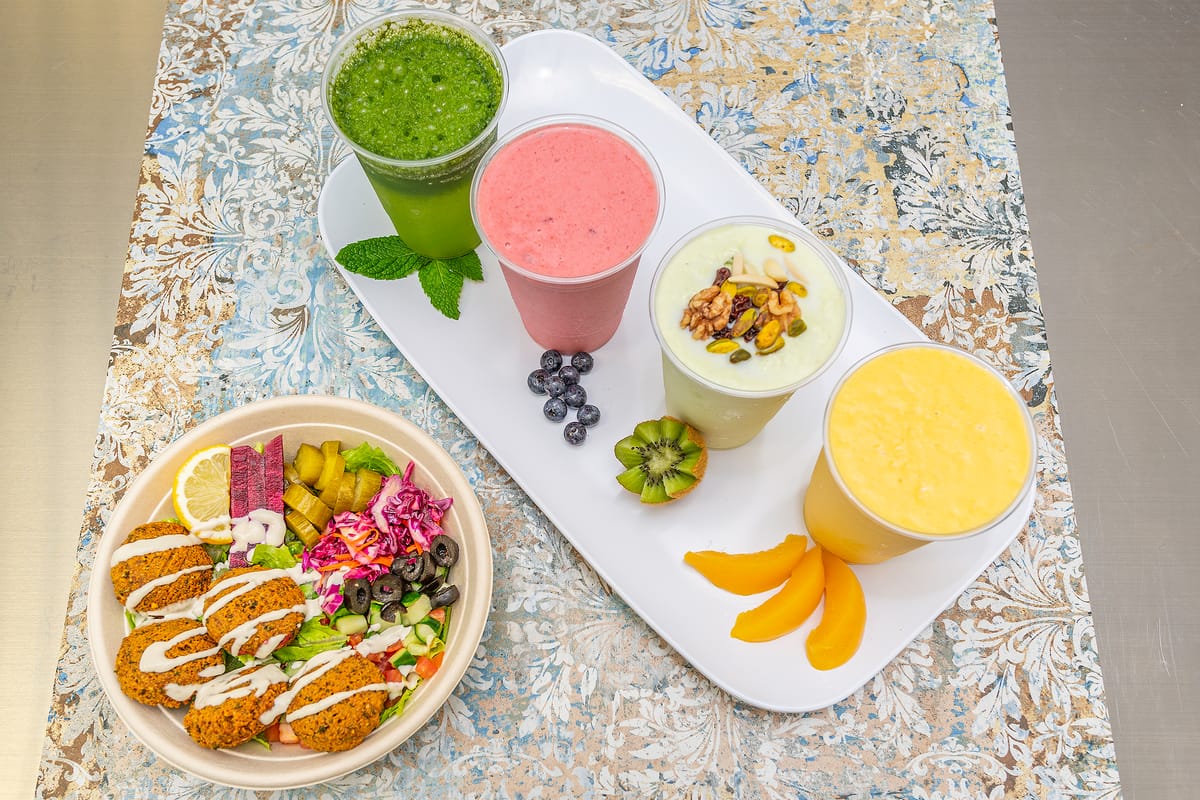
What Is Couscous? The Complete Guide
Couscous is not a grain. It is a tiny pasta made from semolina wheat with more than 1,000 years of North African history, a UNESCO heritage designation, and one of the fastest cook times of any staple food in the world.
4.8 stars on Yelp (92 reviews) -- Open 11:00 AM - 12:00 AM
What Is Couscous, Really?
The most commonly misunderstood staple in the world of grain cookery.
Couscous Is Not a Grain — It Is a Pasta
Nearly everyone who encounters couscous for the first time calls it a grain. The confusion is understandable — it looks like rice, cooks in a pot with water, and shows up in the same section of cookbooks as quinoa and barley. But couscous is technically a pasta. It is made by moistening semolina flour (coarsely ground durum wheat) with water and rolling the damp flour between the hands to form tiny pellets. Those pellets are then dried. What you end up with is the same fundamental thing as spaghetti or penne — a product shaped from flour and water — just in a much smaller, more spherical form.
The semolina used to make couscous comes from durum wheat, a hard variety of wheat that contains more protein and stronger gluten than soft wheats used for bread flour. This protein content — roughly 13 to 15 percent by weight in durum — is what gives couscous its ability to hold its shape during steaming without turning mushy. Each pellet absorbs liquid and swells while maintaining a light, fluffy texture that makes it one of the most versatile bases in North African and Mediterranean cooking.
One cooked cup of Moroccan-style couscous contains approximately 176 calories, 6 grams of protein, 36 grams of carbohydrates, and 2.2 grams of dietary fiber. It is low in fat and sodium when prepared simply, and its mild flavor acts as a blank canvas that takes on the character of whatever liquid or sauce it is cooked with. That neutrality is a feature, not a flaw — traditional North African cooks exploit it deliberately by steaming couscous over richly spiced stews so the pasta absorbs the aromatic cooking liquid.
Made from semolina wheat
Durum wheat semolina is rolled into tiny pellets and dried — the same basic process as any pasta, just smaller in scale.
Steamed, not boiled
Traditional preparation steams couscous over broth or stew in a couscoussier — a specialized double-pot that infuses flavor from below.
Not gluten-free
Because it is wheat-based, couscous contains gluten and is not suitable for people with celiac disease. Rice, millet, or quinoa are substitutes.
Where Does Couscous Come From?
More than 1,000 years of Berber culinary tradition across North Africa.
Berber Roots in the Maghreb
The earliest written records of couscous date to the 13th century in North African manuscripts from present-day Morocco and Algeria, though culinary historians widely agree the dish predates these texts by several centuries. Its origins are attributed to the Berber peoples — the indigenous inhabitants of the Maghreb region, which spans modern Morocco, Algeria, Tunisia, and Libya. The word "couscous" itself likely derives from the Berber word "seksu" or "k'sksu," which describes the hissing sound steam makes as it rises through the perforated top of a couscoussier during cooking.
For Berber and Arab communities across the Maghreb, couscous was not merely food — it was a ritual medium. Friday meals, religious celebrations, wedding feasts, and community gatherings all centered on a large communal dish of couscous. The preparation itself was a social act: women would gather to hand-roll the semolina together, the work distributed across generations as a form of cultural transmission. This social dimension is precisely what UNESCO cited in its 2020 intangible heritage inscription, noting that the knowledge and traditions surrounding couscous production and consumption represent a living heritage practiced by millions of people.
Couscous spread northward and eastward through trade routes and the movement of people across the Mediterranean, eventually reaching parts of the Levant, sub-Saharan West Africa, and — through colonial-era migration — France, Spain, and Portugal. Today France is one of the world's largest consumers of couscous per capita, a legacy of sustained migration from North Africa beginning in the mid-20th century. The 2020 UNESCO inscription was submitted by Algeria, Mauritania, Morocco, and Tunisia in a joint nomination — a deliberate acknowledgment that couscous belongs to a shared regional heritage rather than any single country.
13th century
Earliest written references appear in North African manuscripts from the Maghreb.
Medieval trade routes
Spreads across the Mediterranean and sub-Saharan Africa via Berber trading networks.
19th–20th century
French colonialism in North Africa brings couscous to European kitchens via Algerian and Moroccan immigrants.
1990s
Instant couscous becomes widely available globally, making 5-minute preparation standard.
December 2020
UNESCO inscribes couscous on the Representative List of the Intangible Cultural Heritage of Humanity — a joint nomination by Algeria, Mauritania, Morocco, and Tunisia.
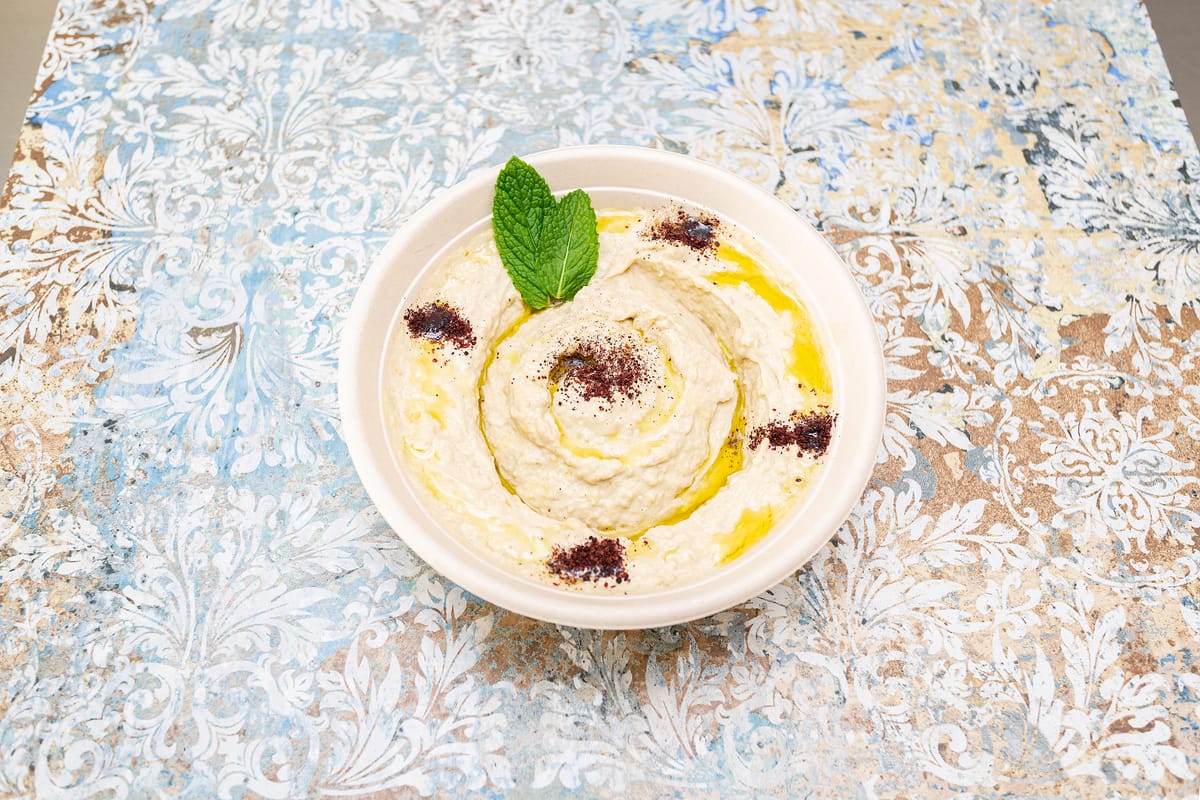
From North Africa to Northern Virginia
The same principles that make couscous a North African staple — simple ingredients, layered flavor, shared meals — define every dish at Taza Shawarma & Falafel.
How Is Couscous Made?
From hand-rolling in a Moroccan kitchen to instant packets — the full process.
Traditional Hand-Rolling Method
Traditional couscous production begins with semolina flour spread across a large, shallow ceramic bowl. The cook sprinkles a small amount of salted water over the semolina and uses the palms to roll the dampened flour in circular motions. This rolling creates tiny, irregular pellets as the flour clumps around itself. The pellets are passed through a series of sieves to separate them by size — very fine couscous (the Moroccan variety) is sifted through the finest mesh, while larger pellets are re-rolled or set aside for pearl couscous production. The raw pellets are then spread on cloth-lined trays and left to dry in the sun or in low-temperature drying rooms.
Once dried, the couscous is cooked by steaming — never boiling — in the upper chamber of a couscoussier, a specialized cooking vessel with a perforated top pot that sits above a lower pot containing simmering broth or stew. The steam rising from the broth passes through the perforations and cooks the couscous gradually over 30 to 45 minutes. Traditional Moroccan preparation involves three separate steam cycles, with the couscous removed and fluffed with hands between each cycle, oil worked into the grains to prevent clumping.
Instant Couscous: The Modern Shortcut
The pre-cooked, instant couscous found in supermarkets worldwide is produced industrially by pre-steaming the semolina pellets before packaging. Because the starch has already been gelatinized by that first industrial steaming, home cooks simply need to pour boiling water over the dried pellets, cover, and wait five minutes. The texture of instant couscous is acceptable but noticeably lighter and less complex than couscous prepared using the traditional three-steam method. The pellets rehydrate quickly but do not have time to absorb as much flavor from the cooking liquid.
The Couscoussier
The couscoussier (French adaptation of the Moroccan Arabic "keskès") is a two-tiered cooking vessel central to traditional couscous preparation. The lower chamber holds the stew; the upper chamber holds the couscous. Steam from the simmering stew rises through the perforations in the lower chamber's lid, gently cooking the couscous above.
Prepare the stew
Lamb, chicken, or vegetables simmer with spices in the lower chamber.
First steam cycle
Dry couscous steams for 15–20 minutes, then is removed.
Rake and oil
The couscous is fluffed, oiled, and broken apart between hands.
Second steam
Another 15 minutes over the stew to absorb more moisture and flavor.
Final steam and serve
Third cycle completes the cook. Serve mounded with stew ladled over the top.
The Three Main Types of Couscous
Each variety has a different size, texture, and best use in cooking.
Moroccan Couscous
Fine-grain (1–2 mm)
The most widely available variety in North America and Europe. Its tiny pellets rehydrate in about 5 minutes with boiling water and produce the characteristic fluffy, light texture most people associate with couscous. Used in Moroccan tagines, tabbouleh-style salads, and cold grain salads. The fine grain makes it prone to clumping if not fluffed with a fork immediately after cooking.
Best for
Quick meals, salads, absorbing stew liquid
Lebanese Pearl Couscous (Moghrabieh)
Medium-grain (5–6 mm)
Moghrabieh is a Levantine variety significantly larger than Moroccan couscous — roughly pea-sized — with a noticeably chewy, satisfying texture. It is traditionally simmered in chicken broth with caramelized onions, chickpeas, and warm spices (cinnamon, allspice, caraway). The word moghrabieh in Arabic means 'from the Maghreb,' a historical recognition of North African influence on Levantine cooking. Cook time is 15–20 minutes.
Best for
Stews, braised dishes, chickpea preparations
Large Pearl Couscous
Large-grain (8–10 mm)
The largest commercially available variety, often labeled 'pearl couscous' or 'giant couscous' on North American shelves. This variety has a pleasantly toothsome texture and a mild, nutty flavor that makes it well-suited for grain bowl preparations, pasta-style dishes, and cold salads. It is commonly toasted in olive oil before boiling to deepen the flavor. Cook time is 12–15 minutes in simmering salted water or broth.
Best for
Grain bowls, cold salads, pasta-style preparations
What Goes Into Couscous Dishes
The building blocks of North African couscous cooking, from the pasta itself to the aromatic toppings.
Semolina
Durum wheat, coarsely milled
Olive Oil
Fluffing and flavor
Chickpeas
Classic protein pairing
Fresh Herbs
Cilantro, parsley, mint
Root Vegetables
Carrots, turnips, zucchini
Warm Spices
Cumin, coriander, ras el hanout
The Spice Dimension
The flavor profile of a couscous dish is determined almost entirely by its spice blend. In Morocco, the blend is often ras el hanout — a complex mixture that can contain 10 to 30 individual spices including rose petals, cardamom, cumin, coriander, turmeric, cinnamon, ginger, and black pepper. In Tunisia, harissa (a spiced chili paste) is the dominant flavoring agent, giving Tunisian couscous a distinctly hotter, more assertive character. Algerian couscous preparations tend toward savory warmth using cumin, caraway, and cinnamon without strong heat.
The broth in which the stew cooks is arguably more important than the couscous itself — the couscous steamed above it absorbs the aromatics from below. A lamb broth with preserved lemons and olives will produce a radically different final dish than a vegetable broth with caramelized onions and raisins, even if the couscous pellets are identical. This is why traditional cooks invest significant time in building a deeply flavored base before the couscous even enters the couscoussier.
Couscous vs Rice vs Quinoa vs Bulgur
How the world's four most popular grain-adjacent staples stack up on nutrition, cook time, and versatility.
Couscous vs Rice
| Metric | Couscous | Rice |
|---|---|---|
| Origin | North Africa (Maghreb) | Asia (China, India) |
| Calories per cup (cooked) | 176 kcal | 206 kcal (white), 218 kcal (brown) |
| Protein per cup | 6g | 4.3g (white), 5g (brown) |
| Fiber per cup | 2.2g | 0.6g (white), 3.5g (brown) |
| Cook time | 5 min (instant), 20 min (steamed) | 18–45 min |
| Texture | Light, fluffy, slightly chewy | Sticky to separate (depends on variety) |
| Contains gluten | Yes — made from semolina wheat | No — naturally gluten-free |
| Best with | Stews, roasted vegetables, harissa | Stir-fries, sushi, curries |
Quinoa vs Bulgur
| Metric | Quinoa | Bulgur |
|---|---|---|
| Origin | Andes (South America) | Middle East / Levant |
| Calories per cup (cooked) | 222 kcal | 151 kcal |
| Protein per cup | 8g (complete protein) | 5.6g |
| Fiber per cup | 5.2g | 8.2g |
| Cook time | 15 min | 10–15 min (fine), 20 min (coarse) |
| Texture | Springy, nutty, slightly crunchy | Chewy, earthy, dense |
| Contains gluten | No — naturally gluten-free | Yes — made from wheat |
| Best with | Salads, grain bowls, breakfast porridge | Tabbouleh, kibbeh, pilaf |
Key takeaway: Among these four staples, couscous wins on speed (5-minute cook time for instant varieties), rice wins on global versatility and being naturally gluten-free, quinoa provides the most complete plant protein profile, and bulgur offers the highest fiber content per cup. The "best" choice depends entirely on your dietary needs and the dish you are preparing.
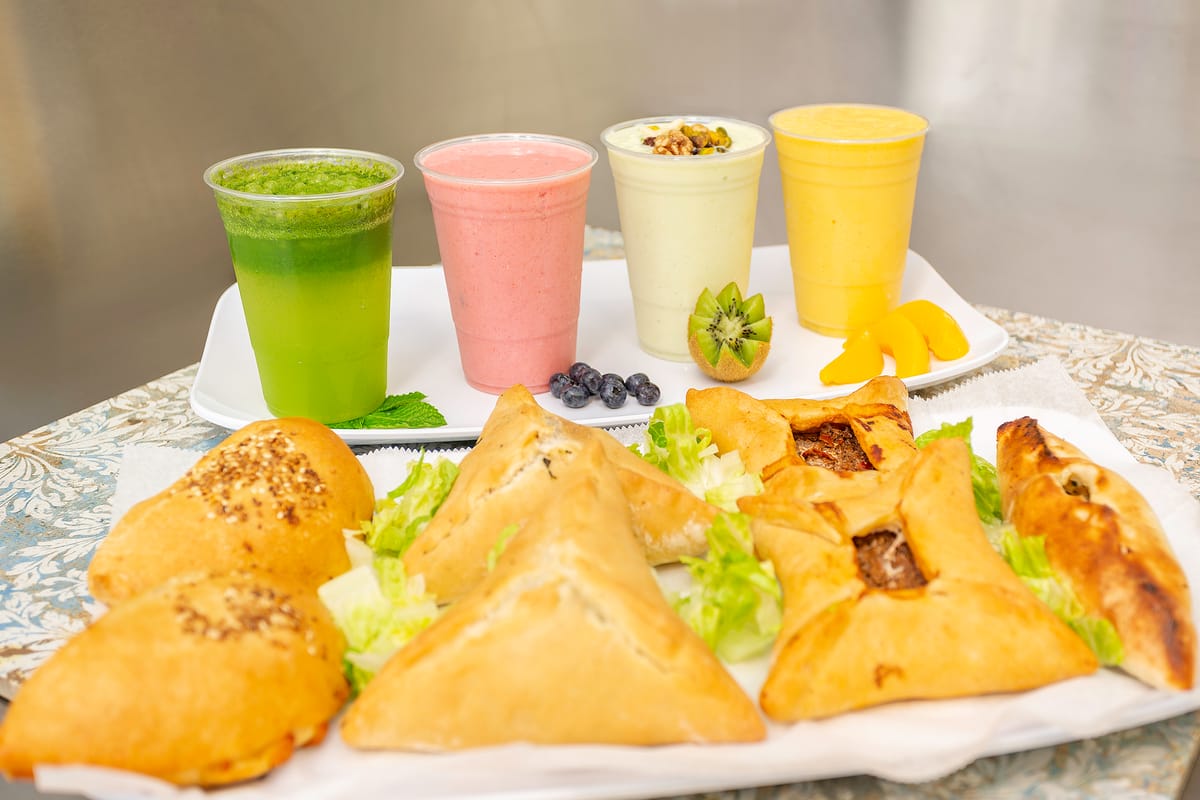
Versatility Is the Point
Couscous absorbs whatever surrounds it — broth, spice, sauce — making it the ultimate blank canvas for bold flavors.
Couscous Nutrition Facts
Per one cooked cup (157g) of Moroccan-style couscous, based on USDA FoodData Central values.
Calories
176 kcal
Total Carbohydrates
36g
Dietary Fiber
2.2g
Total Protein
6g
Total Fat
0.3g
Iron
0.6mg (3% DV)
Selenium
43mcg (78% DV)
B Vitamins (Thiamine)
0.1mg (9% DV)
Manganese
0.4mg (17% DV)
Sodium
8mg (0.3% DV)
Source: USDA FoodData Central (NDB #20028). Values for plain couscous cooked in water without added salt or oil.
The Selenium Story
Couscous's most nutritionally noteworthy micronutrient is selenium — a single cooked cup delivers approximately 78 percent of the daily value. Selenium is a trace mineral that functions as a component of selenoproteins, which play roles in thyroid hormone metabolism, DNA synthesis, and protection from oxidative damage and infection. Most people in North America consume adequate selenium through a varied diet, but couscous is one of the more concentrated plant-based sources of the nutrient.
Couscous is also a meaningful source of manganese (17% DV per cup), which supports bone formation and macronutrient metabolism, and provides modest amounts of the B-complex vitamins thiamine and niacin. When enriched (as most commercially sold couscous in North America is), it also contributes folic acid and additional iron beyond what occurs naturally in the wheat.
Complete protein tip
Couscous is low in lysine. Adding chickpeas, lentils, or a yogurt-based sauce creates a more complete amino acid profile — which is exactly what traditional North African recipes do.
Health Benefits of Couscous
What the research says about couscous as part of a balanced, plant-forward diet.
Low in fat
Plain couscous contains less than 0.5 grams of total fat per cooked cup, making it one of the lowest-fat complex carbohydrate sources available. This naturally low fat content makes it a sensible base for meals where the fat comes from high-quality sources like olive oil, tahini, or nuts added at the table.
Decent plant protein
At 6 grams per cooked cup, couscous provides more protein than white rice (4.3g) and similar amounts to oats. While not a complete protein, combining couscous with legumes such as chickpeas, lentils, or white beans — as in traditional North African preparation — creates a pairing that covers all essential amino acids.
Supports Mediterranean eating patterns
Couscous is a natural fit within the Mediterranean diet, which the American Heart Association consistently ranks among the most evidence-backed dietary patterns for cardiovascular health. It serves as the carbohydrate base alongside vegetables, legumes, olive oil, and lean protein — all hallmarks of Mediterranean and North African cuisine.
Selenium for thyroid health
One cup of couscous covers roughly 78 percent of the recommended daily intake for selenium, a mineral that supports thyroid hormone synthesis, immune function, and antioxidant defense. Few plant foods match couscous as a selenium source, which is normally concentrated in meats and Brazil nuts.
How to Cook Couscous
Two methods — instant and traditional steaming — with flavor tips for each.
Method 1: Instant Couscous (5 Minutes)
- 1
Bring 1 cup of chicken broth or salted water to a boil. Using broth instead of plain water adds significant depth of flavor.
- 2
Place 1 cup of dry instant couscous in a heatproof bowl. Add 1 teaspoon of olive oil or butter — this coats the pellets and reduces clumping.
- 3
Pour the boiling liquid over the couscous. The ratio is 1:1 for Moroccan-style couscous. Stir once to ensure even distribution.
- 4
Cover the bowl tightly with plastic wrap or a flat plate. Let it sit undisturbed for exactly 5 minutes.
- 5
Uncover and fluff immediately with a fork, breaking up any clumps. Season with salt, pepper, and any fresh herbs. Serve immediately.
Method 2: Traditional Steaming
If you have a couscoussier or a colander that fits over a large pot, the traditional method produces noticeably better results. Prepare a stew or heavily seasoned broth in the lower pot. Place the dry couscous in the upper chamber (or colander lined with cheesecloth). When the broth boils, set the couscous vessel above it — the steam should barely be touching the couscous, not aggressively pushing through.
Steam for 15–20 minutes, then remove the couscous, spread it on a tray, and rake it with your fingers while working in 2 tablespoons of olive oil and a small amount of cold water to prevent clumping. Return to steam for another 15 minutes. This two-cycle approach produces grain that is individually fluffy, evenly cooked, and intensely flavored from the steam below.
Flavor Tips
Toast dry couscous in olive oil for 2–3 minutes before adding liquid — this deepens the nutty flavor dramatically.
Add a cinnamon stick, bay leaf, or star anise to the cooking broth for Moroccan-style aromatic sweetness.
Stir in preserved lemon zest, harissa, or saffron-infused broth for North African character.
Fold in fresh herbs — cilantro, parsley, mint — only after the couscous has fully cooked and been fluffed, to preserve color and brightness.
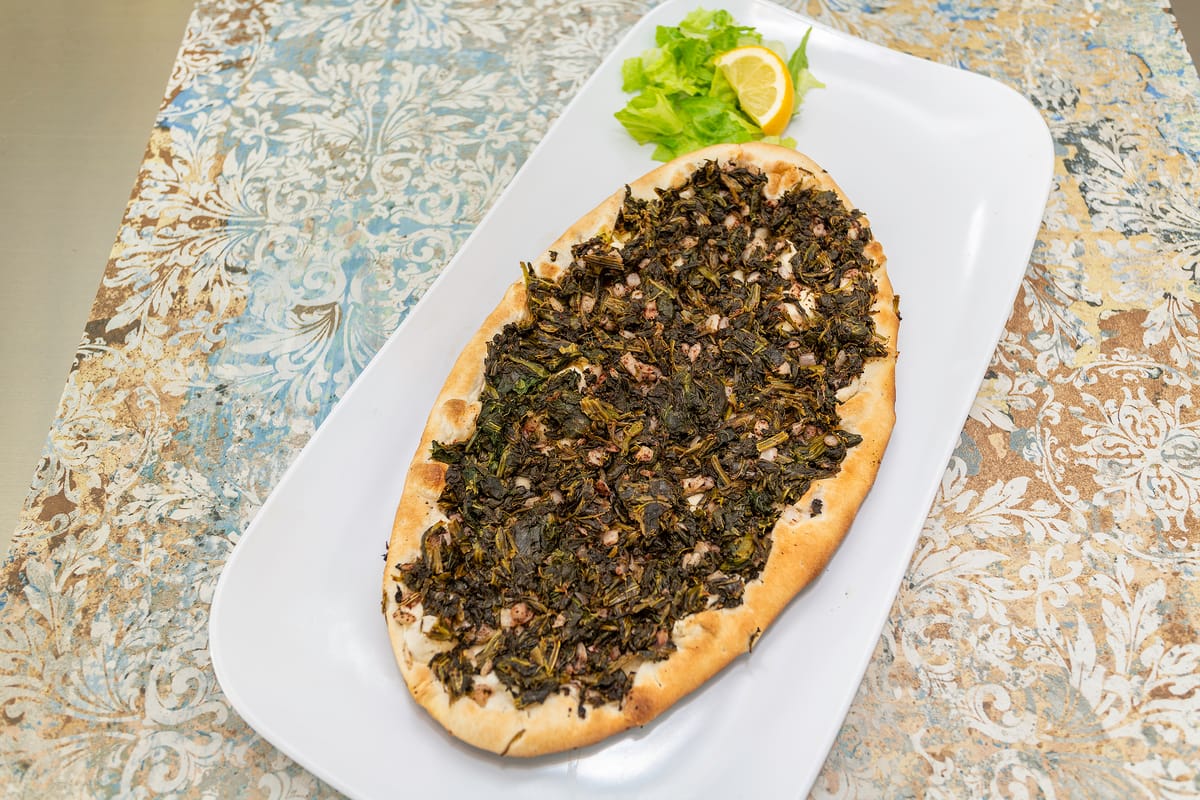
Simple Ingredients, Layered Flavor
The best couscous dishes are built the same way as the best shawarma: quality base, correct heat, and time to develop depth.
Couscous in Mediterranean and North African Cooking
Classic pairings, regional variations, and why couscous has traveled so far from its origins.
Classic Pairings and Traditional Recipes
The most iconic use of couscous is as the foundation for a North African tagine — a slow-cooked stew prepared in the conical earthenware vessel of the same name. A classic Moroccan lamb or chicken tagine contains preserved lemons, olives, caramelized onions, and ras el hanout spice blend, served over a mound of fluffy couscous. The couscous soaks up the cooking juices from the tagine, creating bites where the pasta is simultaneously a neutral carrier and deeply flavored from what surrounds it.
Harissa — a Tunisian chili paste made from roasted red peppers, dried chilies, garlic, cumin, and caraway — is the most common condiment served alongside couscous in Tunisia and increasingly across North Africa and Mediterranean Europe. A spoonful of harissa stirred through a bowl of vegetable couscous transforms the flavor profile from mild and comforting to sharp, bright, and assertively spiced. The heat level ranges widely by brand and recipe.
Chickpeas are the most traditional protein paired with couscous in plant-based preparations. A couscous dish with seven vegetables (couscous bidaoui) is a Moroccan classic that includes chickpeas alongside carrots, turnips, zucchini, pumpkin, cabbage, and tomatoes — all cooked in a fragrant saffron and ginger broth. This dish is a Friday tradition in many Moroccan households, substantial enough to serve as a complete meal for a large family from a single pot.
Classic Couscous Pairings
Moroccan lamb tagine
The defining preparation: slow-cooked spiced lamb served over fine-grain couscous.
Harissa roasted vegetables
A vegan-friendly preparation where the heat of harissa balances the mild couscous base.
Chickpea stew (couscous bidaoui)
Seven-vegetable Moroccan classic — a complete protein meal in a single bowl.
Merguez sausage
Spiced North African lamb sausage; a common pairing in Algerian and Tunisian kitchens.
Grilled fish and chermoula
Coastal Moroccan preparation — chermoula (cilantro-garlic marinade) bridges the seafood and grain.
Sweet couscous with dried fruit
Moroccan seffa: couscous with butter, powdered sugar, cinnamon, raisins, and almonds.
Exploring Mediterranean Grains at Taza Shawarma
Taza Shawarma & Falafel at 5820 Seminary Rd Ste O brings the same grain-forward, protein-rich spirit of North African cooking to Northern Virginia.
Bowls
Chicken Shawarma Bowl
from $12.45
Chicken shawarma over your choice of base with fresh toppings.
The couscous connection: The chicken shawarma bowl uses a grain base with the same philosophy as couscous with tagine — marinated protein over a neutral, absorbent starch foundation. The garlic sauce plays the role harissa would in a North African preparation.
Bowls
Falafel Bowl
from $10.45
Crispy falafel over rice or greens with Mediterranean toppings.
The couscous connection: The falafel bowl mirrors the classic chickpea-over-couscous tradition of Moroccan cooking. Crispy herb falafel on a grain base with tahini is functionally the same flavor logic: legume protein + neutral grain + rich sesame sauce.
Bowls
Beef Shawarma Bowl
from $12.45
Beef shawarma over your choice of base with fresh toppings.
The couscous connection: Beef shawarma over a grain bowl parallels the merguez-over-couscous tradition of Algerian cooking — spiced, roasted meat with a light carbohydrate base that absorbs the rendered fat and marinade juices.
Also Worth Trying: Hummus and Falafel Pita
Hummus
$4.95
Creamy chickpea dip with tahini, lemon, and olive oil.
Falafel Pita
from $8.95
Crispy chickpea falafel in fresh-baked pita with veggies and tahini.
Chicken Shawarma Pita
from $9.95
Marinated chicken shawarma in fresh pita with garlic sauce and pickles.
Couscous: Frequently Asked Questions
No. Couscous is made from semolina, which is a product of durum wheat, making it unsuitable for people with celiac disease or non-celiac gluten sensitivity. If you need a gluten-free alternative with a similar light, fluffy texture, consider millet or cauliflower couscous, both of which mimic the look and feel of traditional couscous without the wheat.
Couscous is technically a pasta, not a grain. It is made by moistening semolina flour and rolling it into tiny pellets, which are then dried. This process is the same fundamental one used for other pasta shapes — combining flour and water and forming it into a shape. The widespread assumption that couscous is a grain most likely comes from its rice-like appearance and the way it absorbs liquid during cooking.
Semolina is the coarsely milled endosperm of durum wheat, a hard variety of wheat with a high protein content and gluten strength. Durum wheat is grown extensively across North Africa, the Mediterranean basin, and the Great Plains of North America. Its high protein content gives couscous and pasta their characteristic firm texture after cooking.
The three most common varieties are Moroccan (fine-grain, cooks in 5 minutes with boiling water), Lebanese pearl couscous — also called moghrabieh — which is roughly the size of a pea and has a chewy texture, and large pearl couscous, sometimes labeled simply 'pearl couscous' on North American packaging. Each variety has a distinct texture and best use case in cooking.
One cooked cup of Moroccan-style couscous provides approximately 6 grams of protein, making it a respectable plant-based protein source. However, like most wheat-based foods, it is not a complete protein — it lacks adequate amounts of lysine. Pairing couscous with chickpeas, lentils, or yogurt creates a more complete amino acid profile.
Plain couscous has a mild, slightly nutty flavor with a subtle wheaty undertone. On its own it is relatively neutral, which makes it an excellent absorber of the flavors around it — broths, spiced stews, roasted vegetable juices, and herb-forward sauces. Toasting dry couscous in olive oil before adding liquid brings out a noticeably deeper, nuttier flavor.
In December 2020, UNESCO inscribed couscous on its Representative List of the Intangible Cultural Heritage of Humanity. The nomination was submitted jointly by Algeria, Mauritania, Morocco, and Tunisia — four North African nations that collectively recognize couscous as a shared cultural expression tied to community gatherings, family rituals, and seasonal festivals. It was a rare multi-country joint inscription.
Couscous pairs exceptionally well with both shawarma and falafel. The light, fluffy texture of fine-grain Moroccan couscous balances the rich, spiced marinade of chicken or beef shawarma, while pearl couscous tossed with olive oil and herbs makes a hearty base for falafel bowls. At Taza in Falls Church, Virginia, the chicken shawarma bowl and falafel bowl both offer that same satisfying combination of protein, grains, and vegetables.
Try Mediterranean Food at Taza Shawarma & Falafel
Taza Shawarma & Falafel is located at 5820 Seminary Rd Ste O, Falls Church, VA 22041 — serving the Falls Church, Arlington, and Northern Virginia community.
Address
5820 Seminary Rd Ste O, Falls Church, VA 22041
Hours
11:00 AM - 12:00 AM -- Open 7 Days a Week
Phone
Ready for Real Mediterranean Flavor?
Taza Shawarma & Falafel at 5820 Seminary Rd Ste O serves halal shawarma, falafel, hummus, and more — the same rich culinary tradition as couscous, just on the Levantine side of the Mediterranean.