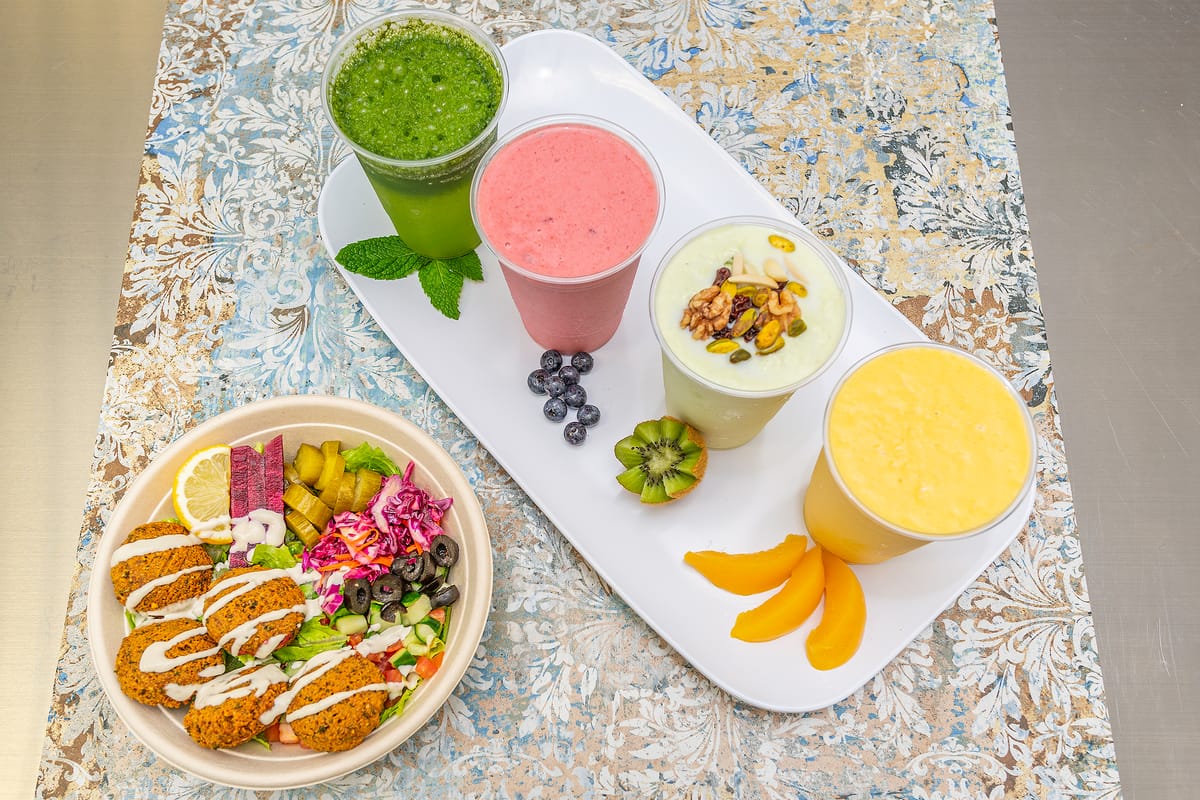
What Is Mujaddara?
The ancient Levantine dish of lentils and rice crowned with deeply caramelized onions — called the food of the poor that tastes like royalty.
4.8 stars on Yelp (92 reviews) -- Open 11:00 AM - 12:00 AM
What Is Mujaddara?
Three humble ingredients. One extraordinary dish.
Mujaddara (pronounced moo-jad-DAR-ah, also spelled mejadra, mujadara, or mjaddara) is a classic Levantine dish built from brown or green lentils cooked together with rice or bulgur wheat, then finished with a thick crown of deeply caramelized onions. The name comes from the Arabic root for pockmarked, describing the scattered lentils that dot the pale rice like freckles.
For centuries, mujaddara has been called "the food of the poor that tastes like royalty" — an acknowledgment that its three main ingredients are among the cheapest on any market shelf, yet the finished dish achieves a depth of flavor that puts far more expensive preparations to shame. Arab households across Lebanon, Syria, Jordan, and beyond have served it as a weeknight staple, a Lenten main course, and a centerpiece of the mezze table.
What makes mujaddara special is not its ingredient list but its technique. The caramelized onions are cooked low and slow in olive oil for anywhere from thirty minutes to an hour, until they collapse into a sweet, jammy, almost preserve-like topping. That concentrated onion sweetness is the soul of the dish — take it away and mujaddara becomes merely lentil rice. Keep it, and you have one of the most satisfying vegetarian dishes ever devised.
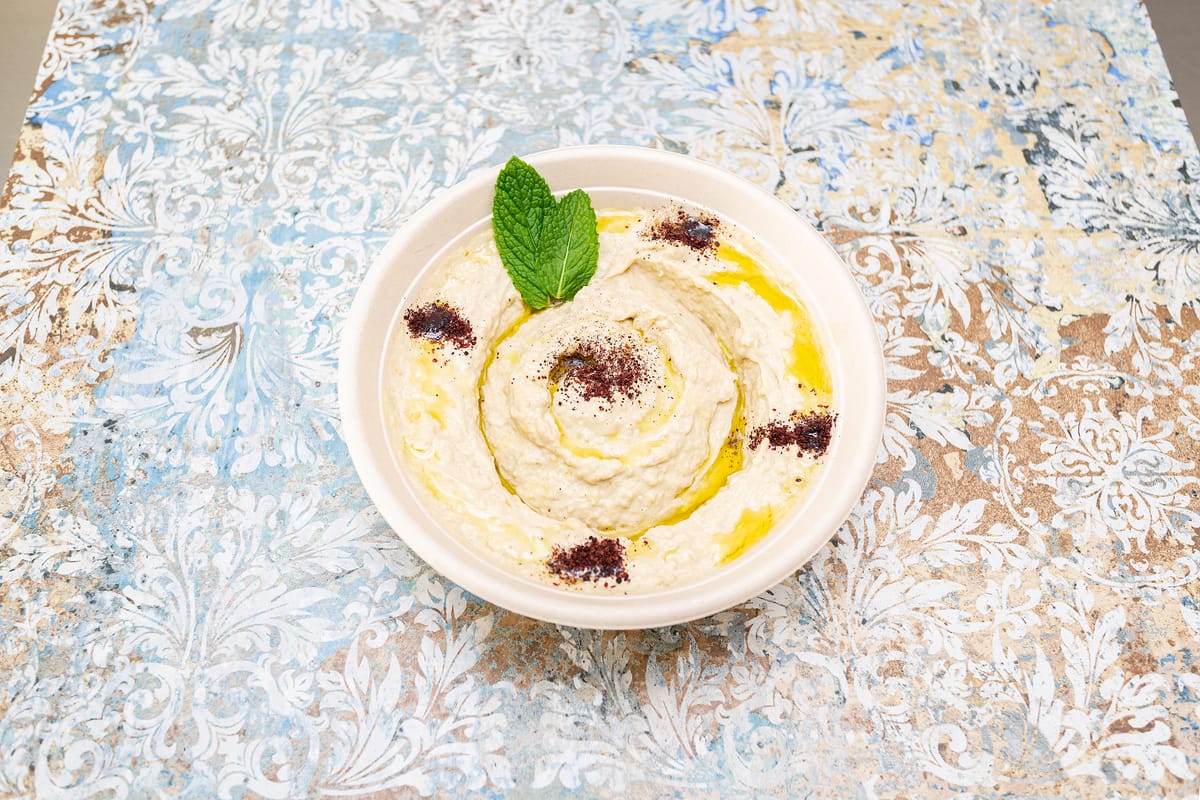
One of the Oldest Dishes in Recorded Cuisine
From medieval manuscripts to modern kitchens, mujaddara has fed people for over eight centuries.
Medieval Cookbooks
Mujaddara appears in Kitab al-Tabikh, a thirteenth-century Arabic cookbook compiled in Baghdad. The recipe described lentils cooked with rice and onions — recognizably the same dish eaten today — suggesting the formula had already been standardized by that point. Food historians believe the dish existed for generations before it was ever written down.
Biblical Connection
Some scholars link mujaddara to the biblical story of Esau selling his birthright for a 'mess of pottage' — a red lentil dish. Whether or not that specific tale refers to the mujaddara we know today, it illustrates how deeply lentil and grain combinations were woven into daily life across the ancient Levant. This region has been cultivating lentils since at least 8000 BCE.
Levantine Staple
Across Lebanon, Syria, Jordan, and Egypt, mujaddara has always belonged to everyday domestic cooking rather than restaurant menus. It was the food mothers made when the pantry was nearly bare. It was the meal served on the last days before market day. Its enduring presence in modern Levantine kitchens is a testament to how profoundly satisfying a dish made from lentils, rice, and onions can be.
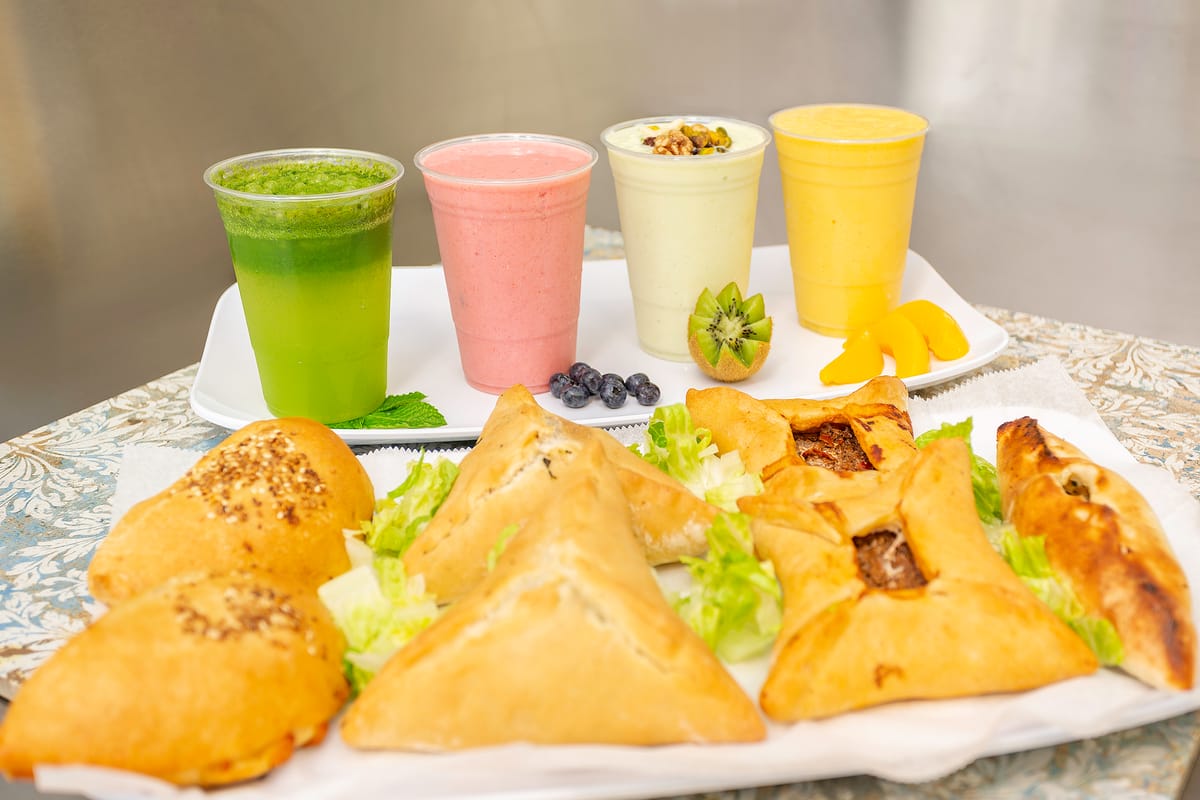
Three Ingredients, Centuries of Comfort
Brown lentils. Rice. Caramelized onions. That is all it takes.
How Mujaddara Is Made
The process is simple, but patience with the onions is everything.
Prepare the Lentils
Brown or green lentils are rinsed and picked over, then simmered in water until tender but not mushy. The lentils should hold their shape with a slight bite at this stage — they will continue cooking when the rice is added. Overcooking at this point leads to a uniform mush rather than distinct, pleasant grains.
Cook the Rice Together
Long-grain rice (or bulgur wheat for the Syrian variation) is stirred into the lentils along with water or the lentil cooking liquid, salt, cumin, and sometimes allspice. The mixture simmers together until the rice is fully cooked and has absorbed the lentil-flavored broth. This shared cooking process is what gives mujaddara its unified, earthy flavor.
Caramelize the Onions — The Critical Step
While the lentils and rice cook, sliced onions go into a generous pour of olive oil over medium-low heat. This is the step that demands patience: the onions must cook for at least 30 to 45 minutes, stirring regularly, until they reduce dramatically in volume, turn a deep amber-brown, and develop a concentrated sweetness. Rushing this step with high heat produces bitter, burned onions rather than the silky, sweet topping that defines authentic mujaddara.
Assemble and Serve
The lentil-rice base is spooned onto a platter or individual bowls. The caramelized onions — along with the fragrant olive oil they cooked in — are poured over the top. Some cooks reserve a portion of the onions and fry them briefly at higher heat to produce crispy onion strands for textural contrast. A final drizzle of fresh olive oil, a sprinkle of cumin or sumac, and the dish is ready.
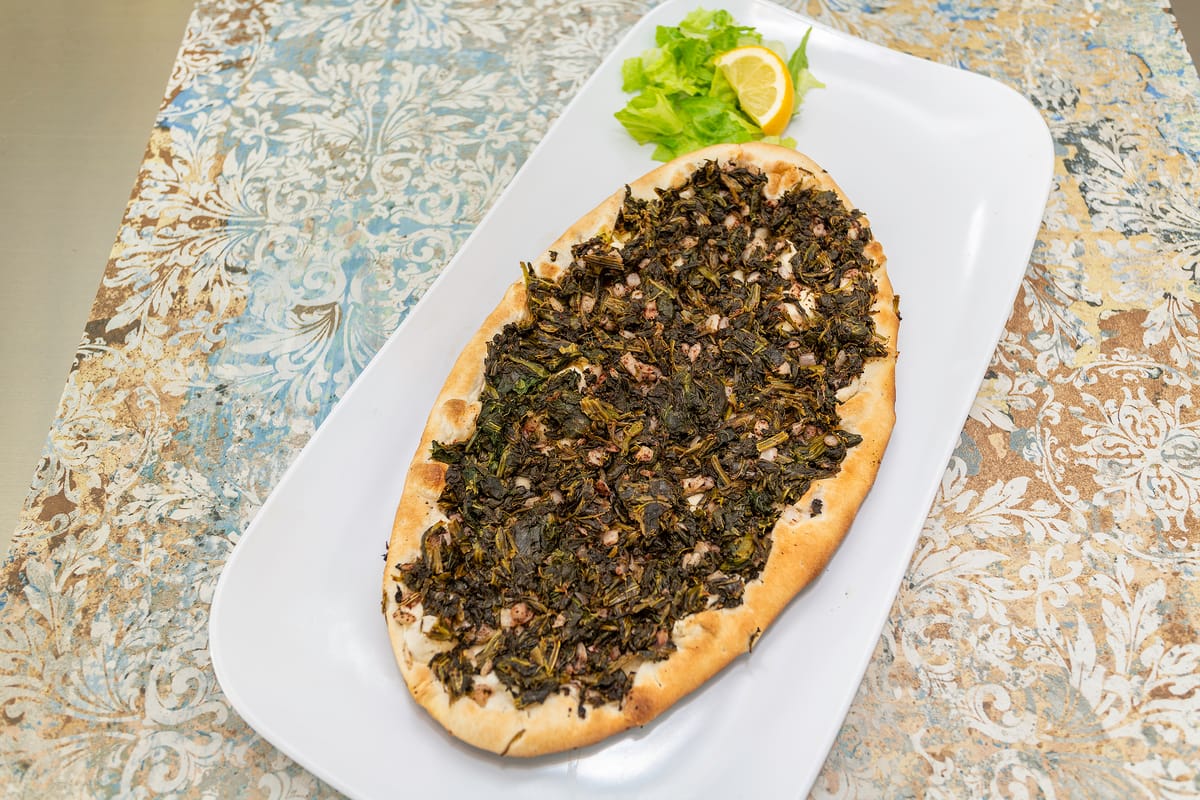
The Six Building Blocks of Mujaddara
Each ingredient plays a specific role in the finished dish.
Brown or Green Lentils
The protein and fiber backbone of the dish. Brown lentils hold their shape better than red, giving mujaddara its characteristic texture. Green lentils offer a slightly more peppery flavor. Both are high in plant-based protein, iron, and folate.
Long-Grain Rice
Rice provides the carbohydrate base and helps form the complete amino acid profile when combined with lentils. Long-grain varieties keep grains separate and fluffy. Some cooks substitute bulgur wheat for a nuttier, chewier texture.
Onions
The defining element of mujaddara. Yellow or white onions are sliced thinly and cooked low and slow in olive oil until they caramelize into a dark, sweet, concentrated topping. The quality and patience of the onion caramelization determines the quality of the whole dish.
Olive Oil
Used generously — both for caramelizing the onions and as a finishing drizzle. Good olive oil infuses the onions with a fruity richness and carries the spice aromas through the dish. It also contributes heart-healthy monounsaturated fats.
Cumin
Ground cumin is the primary spice in mujaddara, added to the cooking liquid and sometimes to the caramelizing onions. It contributes a warm, earthy depth that ties lentils and rice together. Some recipes also use allspice, black pepper, or cinnamon in small amounts.
Salt
Properly salting mujaddara at the right moment — adding it to the lentil-rice cooking water after the lentils are tender — is critical. Adding salt too early toughens lentil skins; too late and the flavor stays on the surface rather than penetrating the grains.
Mujaddara Nutrition: A Complete Protein from Plants
The lentil and rice combination achieves something most single plant foods cannot.
One of the most nutritionally significant facts about mujaddara is that it forms a complete protein. Lentils are rich in the amino acids lysine and isoleucine but lower in methionine. Rice is low in lysine but provides methionine. When eaten together — as they are in mujaddara — they supply all nine essential amino acids the human body cannot produce on its own.
A cup of prepared mujaddara provides approximately 18 grams of protein, 10 grams of dietary fiber, 3 to 4 milligrams of iron, and significant amounts of folate, thiamine, and potassium. The fiber comes primarily from the lentils, which have one of the highest fiber contents of any common food. Dietary fiber supports digestive health, promotes satiety, and moderates blood sugar absorption.
Mujaddara is low in saturated fat — the primary fat comes from olive oil, which is predominantly monounsaturated and associated with cardiovascular health. The low glycemic load from the lentil-rice combination means glucose is released steadily rather than in a rapid spike, making it a suitable choice for people managing blood sugar levels.
B Vitamins in Mujaddara
Critical for cell division and DNA synthesis
Supports energy metabolism from carbohydrates
Aids coenzyme A production and fat metabolism
Supports cellular energy and antioxidant function
Important for DNA repair and metabolism
Approximate values per cup of prepared mujaddara. Exact amounts vary by recipe and lentil/rice ratio.
Mujaddara vs. Other Plant-Based Protein Dishes
How does this ancient Levantine dish stack up against modern plant-based staples?
| Category | Mujaddara | Other Plant-Based Options |
|---|---|---|
| Protein per serving | 18 g (lentil + rice combination) | 8–14 g depending on the bowl |
| Complete amino acid profile | Yes — lentils + rice together complete | Quinoa is complete; beans + rice combination also works |
| Fiber content | ~10 g per cup — high | Varies; bean burrito can match; tofu stir fry is lower |
| Calorie range | ~280–320 per cup | Quinoa bowl ~350; bean burrito ~450+; tofu stir fry ~250–350 |
| Glycemic index | Low — lentils moderate GI, balanced by fat | Quinoa bowl low; bean burrito medium; tofu stir fry low |
| Iron content | ~3–4 mg per serving — significant | Tofu stir fry competitive; others generally lower |
| Saturated fat | Very low — olive oil based | Bean burrito can be higher with cheese; others comparable |
| Cost per serving | Very low — lentils and rice are pantry staples | Tofu moderate; quinoa bowl higher; burrito variable |
| Prep time | ~45 minutes total, mostly hands-off | Quinoa bowl ~30 min; bean burrito ~25 min; tofu stir fry ~20 min |
| Vegan / gluten-free | Naturally vegan and gluten-free | Tofu stir fry can be both; quinoa bowl usually both; burrito varies |
Cumin, Patience, and Good Olive Oil
The three things mujaddara cannot do without.
Regional Variations of Mujaddara
The same core dish takes many forms across the Levant and beyond.
Classic Mujaddara (Rice Version)
Lebanon, Jordan, SyriaThe most common form: long-grain rice cooked with brown or green lentils, topped with slow-caramelized onions. Often served warm with labneh and a cucumber-tomato salad. Some Lebanese families add a small amount of vermicelli noodles to the rice for additional texture.
Most widely recognized versionMujaddara with Bulgur
Syria, Lebanon (Bekaa Valley)Coarse bulgur wheat replaces the rice, giving the dish a nuttier, chewier texture and a more substantial feel. This version is particularly common in rural and mountain communities in Lebanon and Syria where bulgur was historically more accessible than polished rice.
Heartier, nuttier textureMujaddara Hamra (Red Version)
Northern Lebanon, SyriaRed lentils replace brown lentils, and they break down almost completely during cooking, creating a smooth, porridge-like consistency. Served with bulgur wheat, this version has a warm terracotta color and a creamier mouthfeel. Common during colder months as a warming, filling meal.
Creamy and smooth — uses red lentilsMujaddara Soup
Throughout the LevantA more liquid version that adds extra water or vegetable broth to make a thick lentil soup with rice. This form is especially common in Lebanese households during winter or as a simple recovery meal. It is sometimes seasoned with lemon juice and served with a drizzle of olive oil and a sprinkle of cumin.
Warming soup adaptationWhy Mujaddara Is One of the Healthiest Dishes You Can Eat
Plant-based, fiber-rich, heart-healthy, and naturally anti-inflammatory.
Fully Vegan
No animal products whatsoever — lentils, rice, onions, olive oil, and spices. One of the most filling and complete vegan meals in any cuisine, satisfying without relying on meat substitutes.
High Fiber
With around 10 grams of fiber per cup, mujaddara provides roughly one-third of the recommended daily fiber intake in a single serving. High-fiber diets are associated with lower rates of colorectal cancer, heart disease, and type 2 diabetes.
Low Glycemic
The lentils have a glycemic index well below rice alone, and when combined, the fiber in lentils slows the digestion of rice starch. The result is a meal that provides steady energy rather than a rapid blood sugar spike.
Heart Healthy
The olive oil in mujaddara contributes oleic acid, the same monounsaturated fat associated with Mediterranean diet benefits. Combined with the fiber and plant sterols in lentils, mujaddara is a genuinely heart-protective meal.
What to Order Alongside Mujaddara-Style Dishes
The traditional accompaniments that complete the Levantine table.
Labneh
$4.95 at TazaThick, tangy strained yogurt is the single most natural partner for mujaddara. The cool, creamy acidity of labneh cuts through the richness of the caramelized onions and provides a dairy protein hit alongside the plant protein of the lentils. A spoonful of labneh on each bite of mujaddara is considered the traditional way to eat it across Lebanon.
View on menuFattoush
A crisp, herb-forward salad of romaine, tomato, cucumber, radish, and sumac-dressed pita chips. The brightness of sumac and the freshness of the vegetables provide a textural and flavor contrast to the warm, soft mujaddara. Fattoush also brings acidity in the form of lemon juice or pomegranate molasses dressing, which lifts the whole meal.
Pickled Turnips
Bright magenta pickled turnips appear on virtually every Levantine table where mujaddara is served. Their sharp vinegary bite and crunchy texture provide exactly the contrast the soft lentil-rice needs. The acidity also aids digestion of the legumes. At Taza, our shawarma and falafel plates come with pickled turnips as standard — order extra as a side for your bowl.
Closest Dish at Taza: Falafel Bowl
Our Falafel Bowl (from $10.45) captures the spirit of Levantine legume-based cooking that mujaddara exemplifies — crispy falafel (chickpea-based, like mujaddara is lentil-based) over rice with fresh vegetables, tahini, and traditional sides. Pair it with labneh and hummus for the full mezze experience.
Everyday Food, Extraordinary Flavor
Mujaddara has fed families across the Levant for over 800 years. Some things do not need to change.
The Cultural Weight of a Simple Dish
Mujaddara is not just food. It is a connection to family, faith, and shared history.
In the Christian communities of Lebanon and Syria, mujaddara holds a special place during Lent. Because it contains no meat and no dairy, it satisfies the restrictions of Orthodox fasting periods while still providing a complete, nourishing meal. Families that observe strict Lenten fasting may eat mujaddara several times a week for forty days, and many of those families will tell you that far from feeling like a sacrifice, mujaddara is one of the meals they genuinely look forward to.
For Muslim families, mujaddara is a common Ramadan dish served as part of the iftar meal after sunset. Its filling protein and fiber make it well-suited for breaking a full day of fasting. It is affordable enough to feed large extended families, quick enough to prepare alongside a full spread, and universally loved enough that it rarely produces complaints.
But mujaddara's deepest cultural roots are simply domestic. It is the dish every Levantine grandmother knows how to make from memory. It is what you eat on a night when the refrigerator is nearly empty. It is proof that good cooking is not about expensive ingredients or complicated technique — it is about knowing what to do with what you have.
In recent years, mujaddara has found new audiences far beyond its region of origin. As plant-based diets have grown in popularity worldwide, food writers and chefs have turned to Levantine cuisine as a source of naturally meat-free dishes with centuries of refinement behind them. Mujaddara routinely appears on lists of the world's best vegetarian dishes — not because it has been reinvented, but because it was already perfect.
The Lenten Table
Eastern Christian communities in Lebanon and Syria rely on mujaddara as a Lenten staple during the forty days before Easter. It satisfies both the dietary requirements of the fast and the appetite of anyone doing physical work.
Ramadan Iftar
Mujaddara's slow-digesting protein and fiber make it a practical choice for the iftar meal. After a full day without food, lentils and rice provide sustained energy without overwhelming a stomach returning to eating.
Family Kitchen Tradition
Recipes for mujaddara are rarely written down in Levantine families — they are demonstrated, tasted, and passed through generations. The ratio of lentils to rice, the thickness of the onion slices, and the depth of caramelization are all matters of family preference.
Diaspora Comfort Food
For Lebanese, Syrian, and Jordanian communities living abroad, mujaddara represents home. It is one of the first dishes parents teach their children in new countries, and one of the most requested meals when visiting family. Its simple ingredients are available anywhere in the world.
Mujaddara: Frequently Asked Questions
Mujaddara is a traditional Levantine dish made from brown or green lentils cooked with rice or bulgur wheat, finished with a generous topping of deeply caramelized onions. It has been a staple across the Levant, Egypt, and broader Arab-speaking regions for centuries. The name comes from the Arabic root meaning pockmarked or spotted, a reference to the appearance of lentils dotting the rice. Despite its modest ingredients, mujaddara is celebrated as one of the most satisfying and nourishing dishes in the region.
Most people who try mujaddara for the first time are surprised by how much flavor comes from so few ingredients. The secret is in the caramelized onions, which provide a deep, sweet-savory richness that transforms the earthy lentils and fluffy rice into something far greater than the sum of its parts. The cumin and occasionally allspice add warmth, while olive oil brings body and a fruity finish. The overall flavor is savory, comforting, and mildly smoky. If you enjoy rice dishes, lentil soup, or French onion soup, you will find mujaddara immediately approachable.
Not exactly. Plain lentils cooked with rice is a base, but mujaddara is defined by the caramelized onion topping and the specific technique of cooking the lentils and rice together so they absorb each other's flavor. In many recipes, the onions are cooked in enough olive oil that they essentially confit, becoming sweet and jammy over 30 to 40 minutes of slow cooking. That onion layer is what elevates mujaddara from a bland legume dish into a memorable meal. Some cooks also fry a portion of the onions into crispy strands for texture contrast.
Traditional mujaddara is naturally both vegan and gluten-free when made with rice rather than bulgur wheat. The dish contains no animal products whatsoever — just lentils, rice, onions, olive oil, and spices. The bulgur wheat version is not gluten-free, but you can easily substitute rice or a short-grain variety. For anyone eating plant-based or avoiding gluten, mujaddara is one of the most satisfying and nutritionally complete options in Mediterranean and Levantine cuisine.
A cup of mujaddara provides roughly 280 to 320 calories, 18 grams of protein, 10 grams of fiber, and meaningful amounts of iron, folate, and B vitamins. The lentil and rice combination forms a nutritionally complete protein, meaning together they supply all essential amino acids the body cannot produce on its own. The olive oil contributes heart-healthy monounsaturated fat. Mujaddara is low in saturated fat and sodium, has a moderate to low glycemic response, and supports sustained energy without a blood sugar spike.
Mujaddara hamra means red mujaddara in Arabic. It is a Syrian and Lebanese variation that uses red lentils instead of brown or green, giving the dish a warm terracotta color. The red lentils dissolve more completely during cooking, creating a creamier, porridge-like texture compared to the distinct grains in the classic version. Mujaddara hamra is commonly made with bulgur wheat rather than rice and is especially popular in the Bekaa Valley region of Lebanon and in parts of Syria. The caramelized onion topping remains the same.
Mujaddara is most commonly served warm as a main course or side dish. The standard accompaniments are labneh (strained yogurt), a simple Arabic salad of tomato and cucumber, pickled vegetables such as turnips or olives, and warm pita or flatbread. The cool, tangy yogurt contrasts beautifully with the warm, earthy lentils and sweet onions. Some cooks add a final drizzle of olive oil and a sprinkle of fresh parsley or sumac over the top. It works equally well as a standalone vegetarian meal or as a side dish alongside grilled meat.
Taza Shawarma and Falafel in Falls Church focuses on the broader Levantine kitchen, which means you will find dishes that share the same culinary DNA as mujaddara: rice-based bowls, lentil-forward flavors, and traditional sides like labneh ($4.95), hummus ($4.95), and baba ghanouj ($4.95). Our falafel bowl (from $10.45) captures a similar spirit of plant-based, legume-centered Levantine cooking. Visit us at 5820 Seminary Rd Ste O, Falls Church, VA 22041 or order online.
Try Levantine Cooking in Falls Church, VA
Taza Shawarma & Falafel brings authentic Levantine flavors to Northern Virginia.
Address
5820 Seminary Rd Ste O, Falls Church, VA 22041
Hours
11:00 AM - 12:00 AM -- Open 7 Days a Week
Phone
Experience Levantine Flavors in Falls Church
Come try our falafel bowl, hummus, labneh, and more — the same Levantine culinary tradition that gave the world mujaddara. Located at 5820 Seminary Rd Ste O, Falls Church, VA 22041, open 11:00 AM - 12:00 AM.