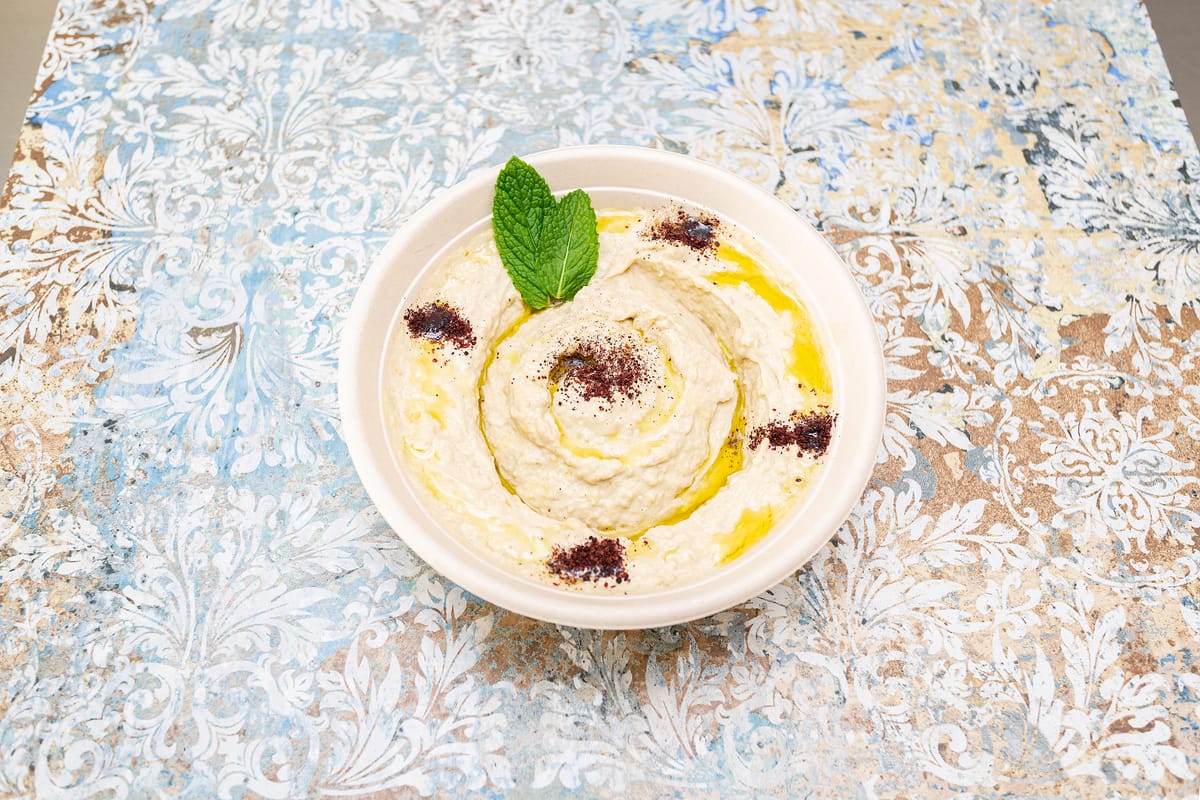
Mediterranean Food vs Fast Food
Americans spend over $300 billion on fast food every year. What if there was a fast-casual option that's just as quick, similarly priced, and dramatically healthier? There is. Here are the numbers.
4.8 stars on Yelp (92 reviews) -- Open 11:00 AM - 12:00 AM
Americans Spend $300 Billion on Fast Food. What Are They Getting?
The numbers tell a story that the drive-through window does not.
The fast food industry in the United States generates over $300 billion in annual revenue. That figure has grown every year for the past two decades. The appeal is obvious: fast food is cheap, fast, and everywhere. There are more than 200,000 fast food locations in the U.S., roughly one for every 1,650 people. The average American eats fast food 1 to 3 times per week, and for millions of working adults and families, it functions as the default lunch or dinner option. Nobody disputes the convenience. The question is what that convenience actually costs -- not in dollars at the register, but in calories, sodium, processed ingredients, and long-term health outcomes.
The answer, according to data from the USDA, the American Heart Association, and published nutritional analyses of major fast food chains, is that the average fast food meal delivers 1,100 to 1,400 calories, 1,200 to 1,500 milligrams of sodium (over half the daily recommended limit in a single sitting), 15 to 30 grams of added sugar, and a protein source that often contains more filler ingredients than actual meat. Those numbers describe a normal Tuesday lunch for 84 million Americans who eat fast food on any given day.
Mediterranean fast casual is not a new concept, but it remains dramatically under-represented in the American dining landscape compared to burger-and-fry chains. That gap is closing. The Mediterranean food segment has grown at roughly double the rate of traditional fast food over the past five years, driven by consumers who want the same speed and price point but refuse to accept 1,300 calories of processed food as the cost of a quick lunch. At Taza Shawarma & Falafel in Falls Church, VA, we built the menu around that exact premise: real food, fast, at a price that competes directly with the drive-through.
This page breaks down the comparison with data. Calories, sodium, ingredient lists, protein quality, vegetable content, price per gram of protein, speed of service, and long-term health outcomes. If you have been eating fast food because you thought there was no other option that fit your schedule and budget, the numbers below will change your mind.
How Many Calories Are in Fast Food vs Mediterranean Food?
The single biggest difference between these two categories is energy density.
Average Fast Food Meal
1,100 - 1,400 cal
A standard combo meal at McDonald's, Burger King, Wendy's, or Taco Bell -- entree plus fries or chips plus a medium drink -- lands between 1,100 and 1,400 calories. A Burger King Whopper Meal hits 1,360. A Chipotle burrito with standard toppings reaches 1,100 to 1,200. These are single-meal numbers that represent 50 to 70 percent of most adults' entire daily caloric need.
Average Mediterranean Meal at Taza
500 - 700 cal
A chicken shawarma bowl at Taza runs approximately 550 calories. A falafel pita is around 480. Even the heartiest option -- a beef shawarma bowl over rice with all toppings and both sauces -- tops out near 650 calories. The difference is structural: grilled protein instead of fried, whole vegetables instead of processed fillers, and olive-oil-based sauces instead of sugar-laden condiments.
The calorie gap is not about portion size. A chicken shawarma bowl at Taza is a full meal -- protein, grain or greens base, multiple vegetable toppings, and two sauces. It fills a standard entree container to the brim. The difference is caloric density. Fast food packs more calories per bite because it relies on fried cooking methods, refined flour, sugar-based sauces, and cheese products that are engineered for energy density. Mediterranean food achieves volume and satiety through vegetables, legumes, and lean protein -- foods that take up physical space in your stomach while delivering fewer calories per gram.
The math over time is stark. If you eat out for lunch five days a week and switch from a 1,200-calorie fast food habit to a 575-calorie Mediterranean meal, you eliminate roughly 3,125 excess calories per week. That is nearly a pound of fat loss per week from a single meal swap, with zero exercise changes, zero calorie counting, and zero hunger -- because the Mediterranean meal keeps you full until dinner through fiber, healthy fats, and high-quality protein.
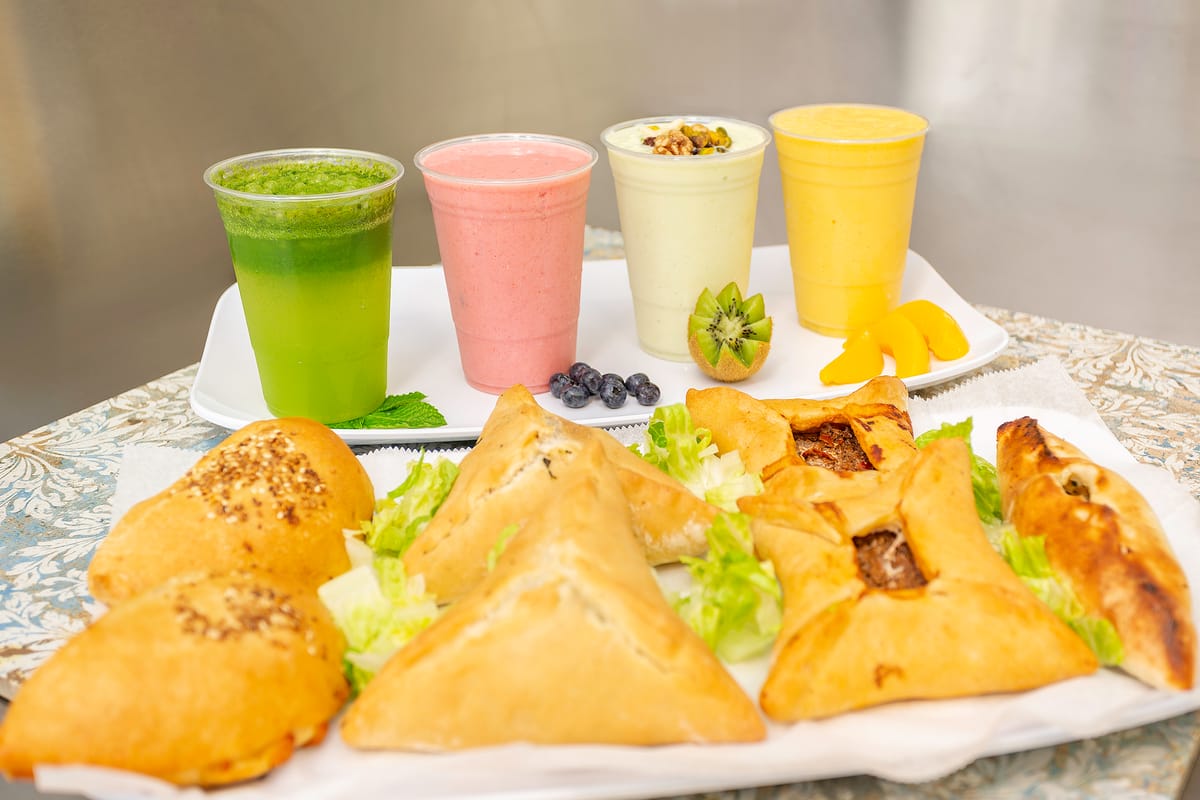
Real Ingredients. Real Food.
10 ingredients in our chicken shawarma vs 70+ in a Big Mac.
What Is Actually in Your Food? Processed vs Whole Ingredients
The ingredient list is where the real difference lives.
Calorie counts tell part of the story. Ingredient lists tell the rest. The difference between Mediterranean fast casual and traditional fast food is not just how many calories you consume -- it is what those calories are made of. A Big Mac contains over 70 distinct ingredients across its bun, patties, cheese, sauce, and toppings. Many of those ingredients are industrial food additives: high fructose corn syrup, propylene glycol alginate, calcium disodium EDTA, sodium benzoate, and polysorbate 80. These are not spices. They are preservatives, emulsifiers, and texture agents that exist to extend shelf life and simulate flavors that whole ingredients deliver naturally.
A chicken shawarma pita at Taza contains roughly 15 ingredients, and you can pronounce every single one of them. Chicken, olive oil, lemon juice, garlic, cumin, turmeric, paprika, salt, pepper, flour, water, yeast, sesame seeds, tomatoes, and cucumbers. That is not a marketing gimmick. It is a reflection of a cooking tradition that predates industrial food processing by several thousand years. Mediterranean cuisine was fast food before fast food existed -- prepared quickly from whole ingredients, served fresh, eaten without ceremony. The only thing it lacked was a drive-through window.
Big Mac Ingredient List
70+ ingredients
Enriched flour (bleached wheat flour, malted barley flour, niacin, reduced iron, thiamine mononitrate, riboflavin, folic acid)
Water, high fructose corn syrup, sugar, yeast, soybean oil
100% beef (treated with salt, black pepper)
Pasteurized process American cheese (milk, cream, water, sodium citrate, salt, cheese cultures, citric acid, enzymes, soy lecithin, color added)
Shredded lettuce, pickle slices
Big Mac sauce: soybean oil, pickle relish (diced pickles, sugar, vinegar, corn syrup, salt, calcium chloride, xanthan gum, potassium sorbate, spice extractives, polysorbate 80), distilled vinegar, water, egg yolks, high fructose corn syrup, onion powder, mustard seed, salt, spices, propylene glycol alginate, sodium benzoate, mustard bran, sugar, garlic powder, vegetable protein (hydrolyzed corn, soy, and wheat), caramel color, extractives of paprika, soy lecithin, turmeric, calcium disodium EDTA
Taza Chicken Shawarma Pita
~15 ingredients
Chicken breast (marinated in olive oil, lemon juice, garlic, cumin, turmeric, paprika, salt, black pepper)
Pita bread (flour, water, yeast, salt, olive oil)
Garlic sauce (garlic, canola oil, lemon juice, salt)
Tahini (ground sesame seeds, salt)
Fresh tomatoes, cucumbers, lettuce, pickled turnips, parsley, mint
Nutritional Showdown: Mediterranean vs Fast Food
Twelve item-by-item comparisons across calories, protein, and sodium.
| Matchup | Mediterranean (Taza) | Fast Food Chain |
|---|---|---|
| Chicken Shawarma Bowl vs Chipotle Chicken Bowl | ~550 cal, 38g protein, 480mg sodium | ~1,005 cal, 51g protein, 2,310mg sodium |
| Falafel Pita vs Subway Footlong Turkey | ~480 cal, 18g protein, 520mg sodium | ~580 cal, 28g protein, 1,660mg sodium |
| Hummus + Pita vs Chicken McNuggets (10 pc) | ~340 cal, 12g protein, 390mg sodium | ~410 cal, 22g protein, 900mg sodium |
| Beef Shawarma Bowl vs Burger King Whopper Meal | ~610 cal, 35g protein, 550mg sodium | ~1,360 cal, 38g protein, 1,920mg sodium |
| Chicken Shawarma Pita vs Big Mac | ~490 cal, 32g protein, 510mg sodium | ~550 cal, 25g protein, 1,010mg sodium |
| Falafel Bowl vs Taco Bell Crunchwrap Supreme Combo | ~510 cal, 22g protein, 460mg sodium | ~1,100 cal, 24g protein, 2,040mg sodium |
| Chicken Shawarma Wrap vs Chick-fil-A Sandwich Meal | ~560 cal, 36g protein, 530mg sodium | ~1,120 cal, 40g protein, 2,060mg sodium |
| Hummus Bowl with Veggies vs Wendy's Baconator | ~420 cal, 16g protein, 380mg sodium | ~960 cal, 57g protein, 1,880mg sodium |
| Beef Shawarma Pita vs Five Guys Cheeseburger | ~530 cal, 30g protein, 540mg sodium | ~840 cal, 47g protein, 1,050mg sodium |
| Mixed Plate (Falafel + Shawarma) vs Panda Express 2-Entree Plate | ~640 cal, 34g protein, 590mg sodium | ~1,180 cal, 36g protein, 2,650mg sodium |
| Avg. Vegetables Per Meal | 4-6 varieties, 3+ servings | 1-2 varieties, <1 serving |
| Added Sugar Per Meal | 0-2g (no sauces with HFCS) | 15-30g (buns, sauces, dressings) |
Sources: Published nutritional data from McDonald's, Chipotle, Subway, Burger King, Taco Bell, Chick-fil-A, Wendy's, Five Guys, and Panda Express (2025). Taza values are estimates based on standard recipes and USDA nutritional databases.
Why Does Fast Food Have So Much Sodium?
The invisible health cost hiding in every combo meal.
Fast Food Avg Per Meal
1,200-1,500mg
Over 50% of daily limit in one meal
Mediterranean Avg Per Meal
400-700mg
Under 30% of daily limit
AHA Daily Limit
2,300mg
Ideal limit: 1,500mg
Sodium is the silent driver of hypertension, stroke, and kidney disease. The American Heart Association recommends no more than 2,300 milligrams per day, with an ideal target of 1,500 milligrams for adults at risk of cardiovascular disease. A single fast food meal can deliver 65 to 100 percent of that daily limit. A Chipotle burrito with standard toppings contains 2,310 milligrams of sodium -- your entire day's allowance in a single wrapped tortilla. A Panda Express two-entree plate hits 2,650 milligrams. These are not outlier orders. These are the default menu items that millions of people eat for lunch.
Mediterranean cooking achieves intense flavor through a fundamentally different mechanism. Instead of salt, the primary flavor drivers are garlic, cumin, turmeric, sumac, zaatar, lemon juice, fresh herbs, and olive oil. These ingredients create depth and complexity without sodium loading. A chicken shawarma pita at Taza delivers a bold, layered flavor profile with approximately 510 milligrams of sodium -- less than half what you would consume in a Subway 6-inch sandwich. Over a year of daily lunches, choosing Mediterranean food over fast food reduces your sodium intake by approximately 175,000 milligrams. That is 76 teaspoons of salt you did not eat.
Is Mediterranean Protein Better Than Fast Food Protein?
Not all protein is created equal. The source and preparation method matter.
Spit-Roasted Whole Muscle Meat
At Taza, chicken and beef shawarma start as whole cuts of meat -- chicken breast and thigh, beef shoulder -- marinated for hours in olive oil, lemon juice, garlic, and spices. The meat is stacked on a vertical spit and slow-roasted at controlled heat, which renders fat while preserving moisture. The result is a clean protein source with no fillers, no binders, and no modified food starch. You can see the meat on the spit as you walk in. There is nothing to hide.
Plant Protein from Chickpeas
Falafel and hummus deliver plant-based protein from chickpeas, one of the most nutrient-dense legumes on earth. A single falafel pita provides approximately 18 grams of protein along with 12 grams of fiber, iron, folate, and magnesium. Unlike soy-based meat alternatives used in some fast food chains, chickpeas are minimally processed -- ground, seasoned, and formed, then fried or baked. The protein comes with its full nutritional context intact, not isolated and reconstituted.
Fast food protein tells a different story. A McDonald's McChicken patty contains chicken, water, salt, and then: modified food starch, sodium phosphates, autolyzed yeast extract, seasoning (including maltodextrin, natural flavors, citric acid, and dextrose), and sodium acid pyrophosphate. That is not chicken with seasoning. That is a processed food product engineered to approximate the experience of eating seasoned chicken. Burger patties at major chains are made from commodity ground beef that is pre-treated with ammonia or citric acid wash to reduce pathogen risk -- a step that becomes necessary when you are grinding meat from hundreds of animals into a single batch.
The protein-per-dollar comparison is closer than most people expect. A chicken shawarma pita at Taza (from $9.95) delivers approximately 32 grams of protein from whole muscle chicken breast. A McDonald's Big Mac ($6.99) delivers approximately 25 grams of protein from processed ground beef. The Taza pita costs a few dollars more but delivers 28 percent more protein from a dramatically higher-quality source. When you factor in the complete nutritional package -- the vegetables, the healthy fats, the absence of added sugar -- the value calculation tilts decisively toward Mediterranean.
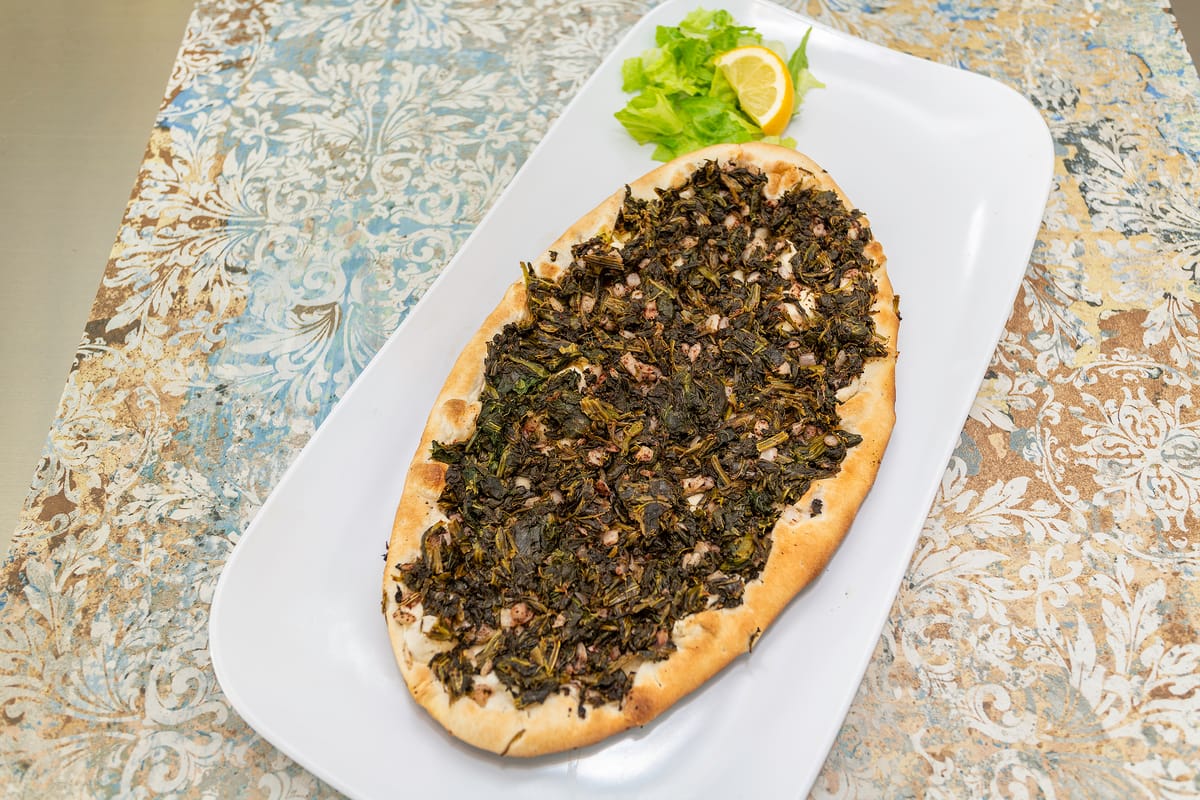
14 Fresh Toppings, No Extra Charge
Lettuce, tomatoes, cucumbers, pickles, olives, mint, parsley, onions, turnips, peppers, and more.
How Much Produce Are You Actually Eating?
The vegetable gap between Mediterranean and fast food is enormous.
Romaine Lettuce
Tomatoes
Cucumbers
Pickled Turnips
Arabic Salad
The CDC recommends 2 to 3 cups of vegetables per day for adults. The average American falls short by about 1.5 cups daily. Fast food meals are a primary driver of this deficit. The "vegetables" in a typical fast food meal consist of iceberg lettuce (the least nutrient-dense lettuce variety), a single tomato slice, and three pickle chips. A Big Mac contains approximately one-quarter cup of vegetables. A Whopper includes roughly one-third cup. Most chicken sandwich meals contain none at all -- the fried protein patty sits on a bun with mayonnaise and that constitutes the entire meal.
At Taza, every pita, wrap, and bowl comes with access to 14 fresh toppings at no additional charge. Romaine lettuce, diced tomatoes, sliced cucumbers, pickled turnips, olives, white onions, fresh parsley, mint leaves, pickles, banana peppers, Arabic salad, and more. A standard chicken shawarma bowl loaded with toppings delivers 3 to 4 servings of vegetables in a single meal. That is more produce than most Americans eat in an entire day, consumed in the same time it takes to eat a burger and fries.
The nutritional impact of this vegetable volume compounds over time. Those vegetables deliver fiber that feeds your gut microbiome, vitamins A, C, and K that support immune function, potassium that counteracts sodium, and polyphenols that reduce chronic inflammation. A week of Mediterranean lunches from Taza can deliver 15 to 20 servings of vegetables that would have been zero servings in fast food. Over a year, that is the difference between chronic vegetable deficiency and meeting or exceeding national dietary guidelines.
Is Mediterranean Food as Fast as Fast Food?
The biggest misconception about healthy food is that it takes longer.
3-5 min
Walk-In to Walk-Out
Your meal is assembled to order in front of you. Protein is already cooked and held at temperature on the spit. Toppings are prepped and displayed. You point, we build, you eat.
10-15 min
Online Order Pickup
Order on tazava.com or the Clover app. Your meal is ready when you arrive. Same speed as any fast food mobile order, with a meal that is not engineered to make you hungry again in two hours.
Chipotle-Style
Assembly Line Model
Choose your vessel (pita, wrap, or bowl), your protein (chicken, beef, or falafel), your toppings (14 options, all free), and your sauce (garlic, tahini, or hot). The format is identical to Chipotle or Subway.
The assumption that healthier food requires more time is a holdover from the era when the only alternative to fast food was a sit-down restaurant with 45-minute wait times. Mediterranean fast casual eliminates that tradeoff entirely. The operational model at Taza is structurally identical to Chipotle, Subway, or any other fast-casual chain: proteins are pre-cooked and held at serving temperature, ingredients are prepped and displayed in a service line, and meals are assembled to your specification in real time. The result is a 3-to-5-minute experience from the moment you step to the counter to the moment your meal is in your hands.
Delivery and pickup options operate at the same speed as any fast food app order. Place your order online through the Taza website or the Clover ordering platform, and your meal is ready for pickup in 10 to 15 minutes. Door-to-door delivery through our delivery partners follows standard fast-casual timelines. The speed argument for fast food over Mediterranean food does not hold. The real question is not "do I have time for healthy food?" but "why am I spending the same amount of time getting food that is dramatically worse for me?"
Is Mediterranean Food More Expensive Than Fast Food?
A dollar-for-dollar, gram-for-gram breakdown of what your money actually buys.
Fast food's price advantage is largely a myth sustained by selective comparison. A dollar-menu cheeseburger costs less than a shawarma pita, yes. But nobody eats a single dollar-menu cheeseburger for lunch. The actual average transaction at McDonald's is $8.50. At Burger King, it is $9.20. At Chick-fil-A, a standard sandwich meal runs $10.99. At Chipotle, a standard bowl is $11.75. These are 2025 prices in the Northern Virginia market, and they continue to climb -- major fast food chains have raised menu prices by 25 to 40 percent since 2020.
Taza's pricing sits squarely within this range. A chicken shawarma pita starts at from $9.95. A chicken shawarma bowl starts at from $12.45. A falafel pita starts at from $8.95. These prices include your protein, your base, and all 14 toppings -- there is no upcharge for guacamole, no combo-meal engineering, and no pressure to add a $3.49 drink and a $2.99 dessert. The price you see is the price you pay, and what you get for that price is a nutritionally complete meal with 30+ grams of protein, multiple vegetable servings, and healthy fats from olive oil and tahini.
| Item | Price | Protein | Cost Per Gram Protein |
|---|---|---|
| Taza Chicken Shawarma Bowl | from $12.45 | ~38g protein | $0.33/g protein |
| Chipotle Chicken Bowl | $11.75 | ~51g protein | $0.23/g protein |
| Taza Falafel Pita | from $8.95 | ~18g protein | $0.50/g protein |
| Subway 6" Turkey | $7.49 | ~18g protein | $0.42/g protein |
| Taza Beef Shawarma Bowl | from $12.45 | ~35g protein | $0.36/g protein |
| McDonald's Big Mac Meal | $11.99 | ~25g protein | $0.48/g protein |
| Taza Chicken Shawarma Pita | from $9.95 | ~32g protein | $0.31/g protein |
| Chick-fil-A Sandwich Meal | $10.99 | ~33g protein | $0.33/g protein |
| Taza Falafel Bowl | from $10.45 | ~22g protein | $0.48/g protein |
| Burger King Whopper Meal | $12.49 | ~28g protein | $0.45/g protein |
Prices reflect Northern Virginia market rates as of early 2025-2026. Protein estimates based on published nutritional data and USDA databases.
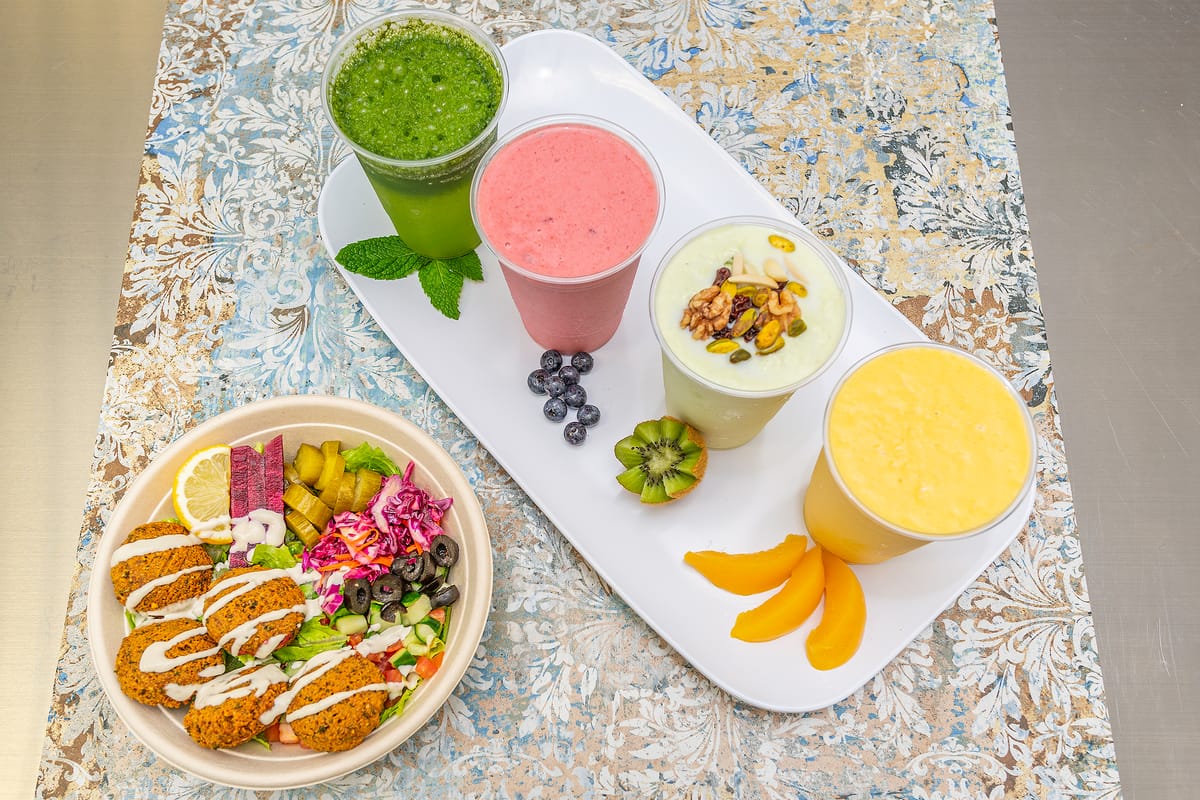
Whole Muscle Meat, Spit-Roasted for Hours
No fillers. No modified food starch. No sodium phosphates.
What Does the Research Say About Mediterranean vs Fast Food Diets?
The clinical evidence is not close. The Mediterranean diet is the most studied eating pattern in nutrition science.
Reduced Heart Disease Risk
The PREDIMED trial -- one of the largest randomized controlled trials in nutrition history -- found that a Mediterranean diet supplemented with olive oil reduced cardiovascular events by 30 percent compared to a low-fat control diet. Fast food consumption, conversely, is independently associated with increased coronary artery disease risk in multiple prospective cohort studies.
Lower Type 2 Diabetes Risk
A 2014 meta-analysis published in Diabetologia found that adherence to a Mediterranean diet reduced the incidence of type 2 diabetes by 23 percent. The mechanism: low-glycemic foods like chickpeas and lentils stabilize blood sugar, while healthy fats from olive oil and tahini improve insulin sensitivity. Fast food's high sugar and refined carbohydrate content produces the opposite effect.
Reduced Inflammation Markers
Chronic inflammation drives heart disease, cancer, autoimmune disorders, and cognitive decline. A 2019 systematic review found that Mediterranean diet adherence reduced C-reactive protein (a key inflammation marker) by 20 to 30 percent. The anti-inflammatory compounds in olive oil, garlic, turmeric, and fresh herbs work synergistically. A fast food diet, by contrast, actively elevates inflammatory markers.
Annual Healthcare Savings
A 2022 analysis in the Journal of the American Heart Association estimated that broader adoption of the Mediterranean diet could prevent 4.2 million cardiovascular events annually in the U.S. and save an estimated $112 billion in healthcare costs. On an individual level, reducing chronic disease risk through diet translates to lower insurance premiums, fewer medications, and fewer missed workdays.
The clinical evidence for the Mediterranean diet spans over 4,000 peer-reviewed studies, including multiple large-scale randomized controlled trials. It has been ranked the number one overall diet by U.S. News & World Report for seven consecutive years. The American Heart Association, the American Diabetes Association, and the World Health Organization all recommend it. No other dietary pattern in history has this depth and breadth of scientific support.
Fast food, on the other hand, has been consistently linked to negative health outcomes in observational and prospective studies. A 2020 study in Circulation found that consuming fast food more than twice per week was associated with a 27 percent increase in all-cause mortality. The anti-inflammatory properties of Mediterranean food stand in direct contrast to the pro-inflammatory profile of fast food, which is high in omega-6 fatty acids, trans fats, added sugars, and sodium. The choice between these two categories is not a matter of personal preference or taste. It is a matter of clinical outcomes measured in decades of research.
What to Order at Taza Instead of Fast Food
Every one of these meals is ready in under 5 minutes, priced competitively with fast food, and nutritionally superior by every measure.
Chicken Shawarma Bowl
from $12.45
Best all-around replacement for any fast food combo meal
Nutrition detailsFalafel Pita
from $8.95
Plant-based alternative to any fried chicken sandwich
Nutrition detailsBeef Shawarma Bowl
from $12.45
Swap for any burger meal -- half the calories, all the satisfaction
Nutrition detailsFalafel Bowl
from $10.45
Complete vegan meal with no processed ingredients
Nutrition detailsHummus + Pita
$4.95
Swap for nuggets or fried appetizers -- half the sodium
Nutrition detailsChicken Shawarma Pita
from $9.95
The direct Big Mac competitor -- more protein, fewer ingredients
Nutrition detailsFast Food Is Convenient. Mediterranean Food Is Convenient and Good for You.
Nobody is pretending fast food doesn't serve a purpose. The argument is that the purpose can be served better.
Fast food succeeded because it solved a real problem: people need to eat, they have limited time, and they have limited budgets. Those constraints are real and legitimate. This page is not an argument against convenience or affordability. It is an argument that Mediterranean fast casual delivers the same convenience and comparable affordability while dramatically improving the nutritional quality of what you actually put into your body.
The data is unambiguous. Mediterranean meals at Taza deliver 40 to 55 percent fewer calories than comparable fast food meals. They contain 50 to 65 percent less sodium. They provide 3 to 6 servings of vegetables instead of less than one. They use 10 to 15 whole ingredients instead of 40 to 70 processed ones. They deliver competitive protein at competitive prices from whole muscle meat and chickpeas instead of formed patties and reconstituted chicken. And they are associated with a 30 percent reduction in heart disease, a 23 percent reduction in diabetes, and measurably lower inflammation markers over time.
The speed is identical. The price is comparable. The taste -- to anyone who has tried spit-roasted chicken shawarma with garlic sauce and fresh vegetables -- is not a sacrifice. It is an upgrade. The only variable that changes when you switch from fast food to Mediterranean fast casual is the long-term impact on your health.
Taza Shawarma & Falafel is located at 5820 Seminary Rd Ste O, Falls Church, VA 22041, open 11:00 AM - 12:00 AM, seven days a week. Order online or walk in. Your next meal is 5 minutes away and 600 calories lighter than the drive-through alternative. The numbers do not lie.
Shawarma
Falafel
Bowls
Hummus
Pita
Fresh Veg
Rice
Sauces
Beef
Mediterranean vs Fast Food: Your Questions Answered
By virtually every nutritional metric, yes. The average fast food meal contains 1,100 to 1,400 calories, 1,200 to 1,500 milligrams of sodium, and significant amounts of added sugar and trans fats. A typical Mediterranean meal from Taza falls in the 500 to 700 calorie range with 400 to 700 milligrams of sodium, zero added sugar, and healthy fats from olive oil and tahini. Mediterranean meals also deliver 3 to 6 servings of vegetables compared to less than one serving in most fast food meals. The Mediterranean diet has been linked to reduced risk of heart disease, diabetes, and certain cancers in over 4,000 peer-reviewed studies.
Mediterranean fast casual is competitive on price with most chain fast food, especially when you account for portion size and nutritional density. A chicken shawarma bowl at Taza (from $12.45) delivers 38 grams of protein with 4 to 6 servings of vegetables, which is comparable in price to a Chipotle bowl or a Chick-fil-A meal. Where Mediterranean food pulls ahead on value is the absence of hidden costs: no $3 upcharge for guacamole, no combo-meal upsell engineering, and 14 fresh toppings included at no extra charge.
Most meals at Taza fall in the 450 to 650 calorie range. A chicken shawarma pita runs approximately 490 calories. A falafel pita is around 480 calories. A chicken shawarma bowl on a greens base comes in at roughly 520 calories, while the same bowl on rice is approximately 550 calories. These numbers are 40 to 60 percent lower than a comparable fast food meal, primarily because Mediterranean cooking uses grilled proteins instead of fried, whole ingredients instead of processed fillers, and tahini and olive oil instead of mayonnaise-based sauces loaded with soybean oil and sugar.
Mediterranean fast casual operates at the same speed as any fast food chain. At Taza, your meal is assembled to order in 3 to 5 minutes. The proteins -- chicken shawarma, beef shawarma, and falafel -- are already cooked and held at temperature on the vertical spit or in the fryer. Toppings are prepped and ready in the line. The assembly process is identical to Chipotle or Subway: you choose your base, your protein, your toppings, and your sauce. Walk-in, pickup, and delivery options all operate with fast food-level speed.
The protein at Taza starts as whole muscle meat -- chicken breast and thigh or beef shoulder -- marinated in olive oil, lemon juice, garlic, and spices, then slow-roasted on a vertical spit for hours. Fast food protein is typically ground, formed into patties or nuggets, and often contains fillers like soy protein, modified food starch, and sodium phosphates. A McDonald's McChicken patty has over 40 ingredients. A serving of Taza chicken shawarma has 10: chicken, olive oil, lemon, garlic, cumin, turmeric, paprika, salt, pepper, and sumac.
Yes. Most meals at Taza contain 400 to 700 milligrams of sodium, which is well under the American Heart Association's recommended daily limit of 2,300 milligrams. By comparison, a single Chipotle burrito can contain over 2,300 milligrams on its own, and a Big Mac Meal hits 1,340 milligrams. At Taza, the primary sodium sources are the natural salt in the protein marinade and the tahini sauce. You can reduce sodium further by requesting light sauce. Mediterranean cooking relies on spices, herbs, and acid (lemon juice, sumac) for flavor rather than salt.
The Mediterranean diet is one of the few eating patterns consistently supported by clinical research for long-term weight management. A 2020 meta-analysis in the British Medical Journal found that Mediterranean diet adherents maintained healthy body weight more consistently than those on low-fat or low-carb diets over five years. The satiety effect is the key: meals rich in chickpea-based protein, olive oil, and fiber keep you full for hours without the blood sugar crash that follows a high-carb fast food meal. Switching from a daily 1,200-calorie fast food lunch to a 550-calorie Mediterranean lunch creates a 650-calorie daily deficit -- enough to lose over a pound per week with no other changes.
Taza Shawarma & Falafel is located at 5820 Seminary Rd Ste O, Falls Church, VA 22041, open 11:00 AM - 12:00 AM, seven days a week. We serve chicken shawarma, beef shawarma, falafel, hummus, and full Mediterranean bowls and pitas assembled to order in minutes. Order online at tazava.com for pickup or delivery, or walk in for the fastest service. We are conveniently located near Skyline, Bailey's Crossroads, and the Seminary Road corridor in Falls Church.
Try the Fast Food Alternative in Falls Church, VA
Same speed, comparable price, dramatically better nutrition.
Address
5820 Seminary Rd Ste O, Falls Church, VA 22041
Hours
11:00 AM - 12:00 AM -- Open 7 Days a Week
Phone
Your Next Meal Can Be 600 Calories Lighter
Same speed. Same price. Half the calories. Whole ingredients. 14 free toppings. Order from Taza and taste the difference the numbers describe.