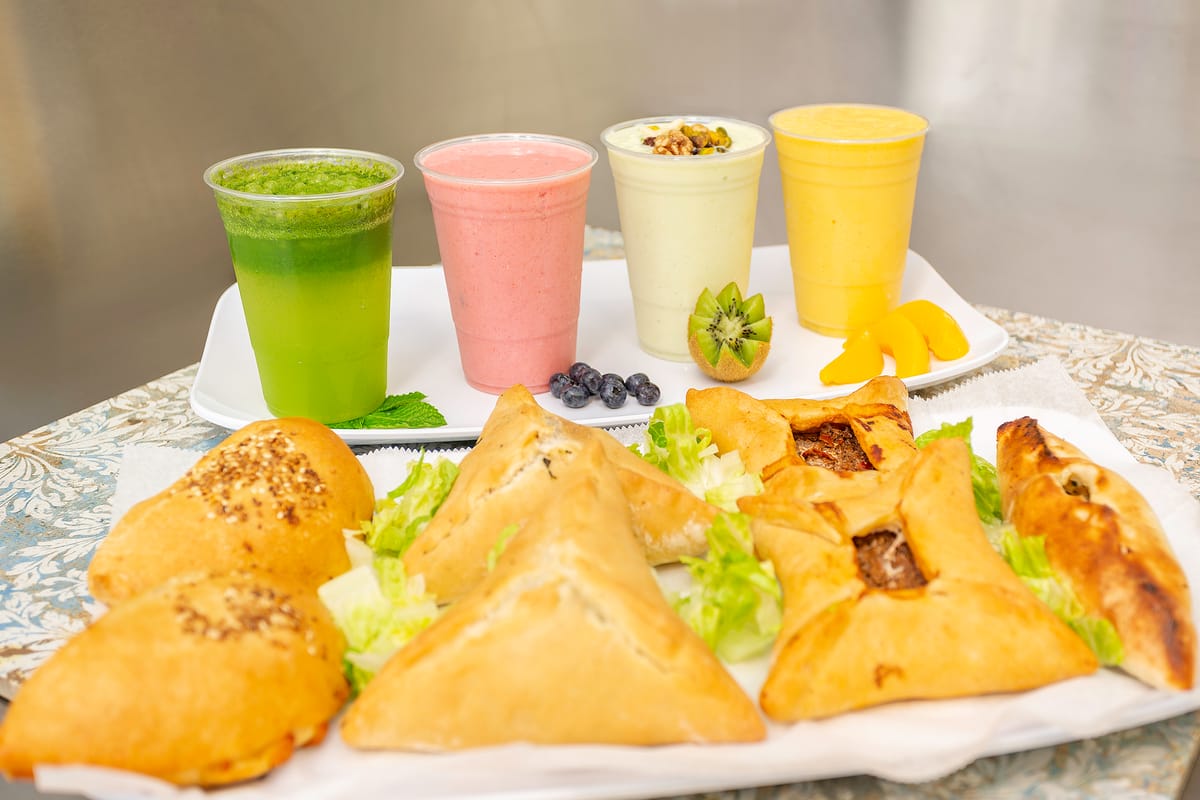
Falafel vs Chicken: The Honest Comparison
One is plant-powered and crispy. The other is spit-roasted and juicy. Both are real food made from scratch at Taza. Here is every number, every flavor note, and every trade-off laid out so you can pick your protein with confidence.
4.8 stars on Yelp (92 reviews) -- Open 11:00 AM - 12:00 AM
Why Falafel and Chicken Shawarma Dominate the Menu
The two most popular proteins at Taza, compared honestly.
Falafel
From from $8.95
Falafel is the original plant-based protein of the Middle East, predating modern meat alternatives by centuries. At Taza, each falafel ball is made fresh from raw chickpeas soaked overnight, ground with parsley, cilantro, cumin, and coriander, then fried until the outside shatters and the inside stays bright green. A falafel pita delivers 330-360 calories with 7-10 grams of fiber and zero cholesterol. It is vegan by default, naturally dairy-free, and pairs with every sauce on the menu. The flavor is earthy, herbal, and warm, with a satisfying crunch that holds up even wrapped in bread.
Order FalafelChicken Shawarma
From from $9.95
Chicken shawarma is Taza's best-selling item and the most popular shawarma variety worldwide. Boneless chicken thigh and breast are marinated in olive oil, lemon, garlic, cumin, turmeric, paprika, and cardamom, then stacked on a vertical spit and slow-roasted for three to four hours. The result is tender, juicy meat with thin, crispy caramelized edges and a golden color from the turmeric. A chicken shawarma pita delivers 450-550 calories with 30-40 grams of complete protein. It is the go-to choice for anyone prioritizing protein intake or looking for a hearty, satisfying meal after a workout.
Order Chicken Shawarma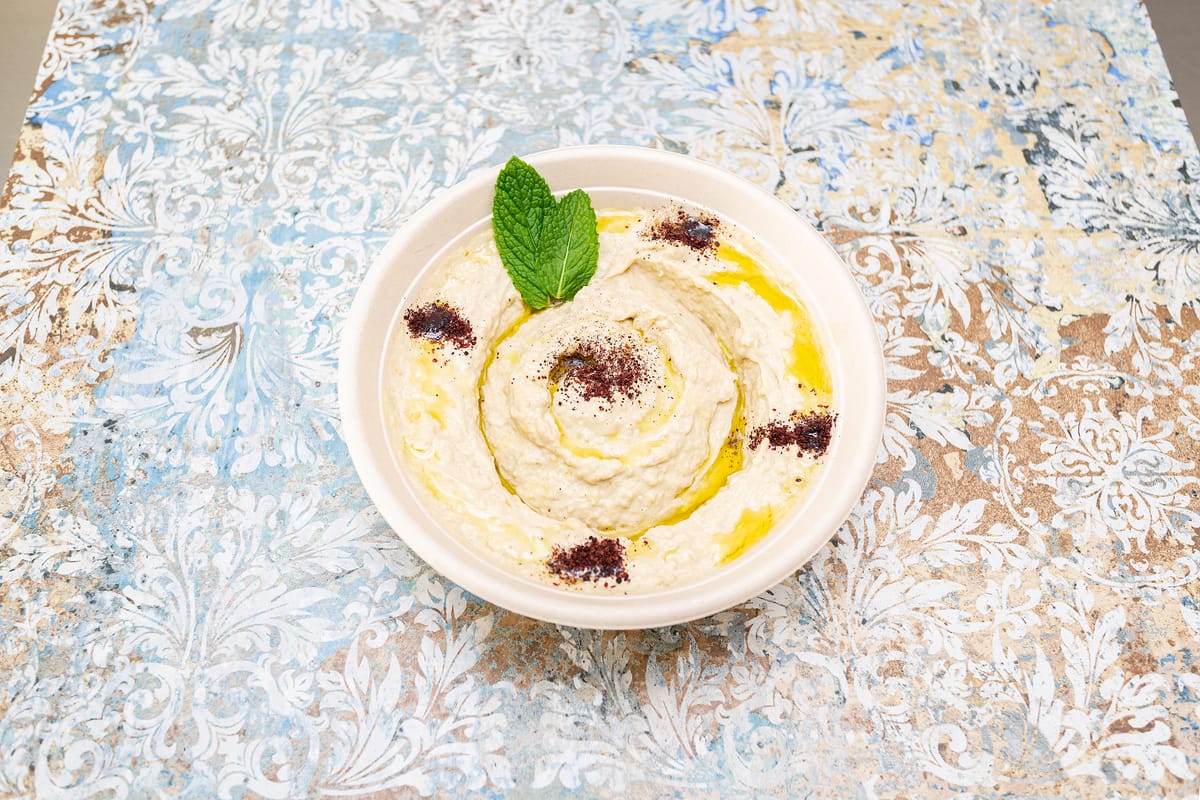
Two Proteins, One Kitchen
Falafel is fried fresh to order. Chicken shawarma turns slowly on the spit all day. Both are made from scratch with whole ingredients and zero shortcuts.
How Do Falafel and Chicken Compare Nutritionally?
Calories, protein, fat, fiber, carbs, iron, B12 -- the full breakdown per pita and per format.
| Nutrient / Category | Falafel | Chicken Shawarma |
|---|---|---|
| Calories (per pita) | 330-360 cal | 450-550 cal |
| Protein (per pita) | 13-17g | 30-40g |
| Total Fat (per pita) | 14-18g | 15-22g |
| Saturated Fat | 2-3g | 4-7g |
| Fiber | 7-10g | 1-2g |
| Carbohydrates | 40-48g | 30-38g |
| Iron | 3.5-4.5mg (20-25% DV) | 1.5-2.5mg (8-14% DV) |
| Vitamin B12 | 0 mcg (plant-based) | 0.3-0.5 mcg (12-20% DV) |
| Cholesterol | 0 mg | 70-110 mg |
| Protein Type | Incomplete (pair with pita or rice for complete) | Complete -- all 9 essential amino acids |
| Flavor Profile | Herb-forward, earthy, with cumin-coriander warmth and a crispy crust | Savory, aromatic, with garlic-turmeric depth and caramelized edges |
| Texture | Crispy shell, soft herb-green interior, crumbly center | Tender shaved slices, juicy, thin crispy caramelized edges |
| Best Sauce Pairing | Tahini -- nutty sesame complements the chickpea base | Garlic sauce (toum) -- creamy garlic cuts the citrus marinade |
| Price (Pita at Taza) | from $8.95 | from $9.95 |
| Price (Bowl at Taza) | from $10.45 | from $12.45 |
| Dietary Compatibility | Vegan, vegetarian, dairy-free, halal | Halal, dairy-free, keto-friendly (without bread) |
| Environmental Impact | Lower -- plant-based protein uses less water and land | Higher -- poultry has a moderate environmental footprint |
Neither option is objectively better. Falafel wins on calories, fiber, iron, and cholesterol. Chicken wins on protein quantity, protein quality, and B12. Your choice depends on your priorities and what the rest of your day looks like nutritionally.
Is Falafel Protein as Good as Chicken Protein?
Complete vs incomplete protein, amino acid profiles, and how to make falafel a complete protein source.
Falafel: Incomplete Protein (Fixable)
Chickpeas contain all nine essential amino acids, but they are low in methionine. This makes falafel an "incomplete" protein when eaten alone. The fix is simple: pair it with grains. Pita bread, shrak bread, and rice are all rich in methionine and low in lysine -- the exact amino acid that chickpeas provide generously. Eating falafel in a pita or with a rice base creates a complete amino acid profile equivalent to animal protein. You do not need to eat them in the same bite; the same meal is sufficient. Every falafel pita and wrap at Taza automatically creates this complementary pairing.
Chicken: Complete Protein (Built-In)
Chicken provides all nine essential amino acids in the correct ratios without needing any complementary foods. A single chicken shawarma pita delivers 30-40 grams of complete protein, making it one of the most protein-dense meals on the Taza menu. Chicken is also high in leucine, the amino acid most directly responsible for triggering muscle protein synthesis. This makes chicken shawarma a strong choice for post-workout recovery or for anyone on a high-protein diet. The trade-off is that chicken lacks fiber entirely and does not provide the iron content that chickpeas do.
The Complementary Protein Shortcut
The easiest way to make falafel nutritionally comparable to chicken on protein quality is to eat it with grains. A falafel bowl over rice at Taza (from $10.45) combines chickpea protein with grain protein, delivering a complete amino acid profile. Add a side of hummus ($4.95) for an extra 5-6 grams of protein and you are looking at roughly 20-25 grams of complete plant protein per meal. Still less than chicken, but respectable for a fully plant-based option. For maximum protein on a plant-based order, get a falafel bowl with double falafel and hummus.
Which Keeps You Fuller Longer: Falafel or Chicken?
Fiber vs protein in the satiety showdown.
Falafel: The Fiber Advantage
Falafel delivers 7-10 grams of dietary fiber per serving from the chickpea base. Fiber slows gastric emptying, meaning food moves through your stomach more gradually. This creates a prolonged sensation of fullness that extends well past the meal. Fiber also stabilizes blood sugar by preventing the rapid spike-and-crash cycle that leaves you hungry again an hour later. If you have a busy afternoon ahead and do not want to think about food for four or five hours, falafel with hummus and vegetables is a strong play. The combination of chickpea fiber and olive-oil fat creates sustained energy without the post-meal slump.
Chicken: The Protein Advantage
Chicken shawarma delivers 30-40 grams of protein per pita, and protein is the most satiating macronutrient by virtually every measure in the nutrition research literature. High-protein meals increase levels of peptide YY and GLP-1 (fullness hormones) while decreasing ghrelin (the hunger hormone). The immediate fullness after eating chicken shawarma tends to be stronger and more noticeable than after falafel. However, without much fiber to slow digestion, you may feel hungry again sooner than you would with a fiber-rich falafel meal. For the ultimate combination, order a chicken shawarma bowl and add falafel on top -- you get both the protein punch and the fiber backstop.
How Do Falafel and Chicken Shawarma Actually Taste?
Flavor profiles, textures, and the eating experience compared.
Falafel: Crispy, Herbal, Earthy
The first thing you notice about a well-made falafel is the crunch. The exterior is a thin, golden-brown shell that shatters when you bite through it. Inside, the texture shifts completely -- it is soft, slightly crumbly, and a vivid herb green from the parsley and cilantro ground into the chickpea base. The flavor is earthy from the chickpeas themselves, herbal from the fresh greens, and warm from the cumin and coriander. There is a subtle nuttiness that comes through, especially when paired with tahini. Falafel does not taste like a meat substitute. It tastes like its own thing -- a distinct food with a texture and flavor that no meat replicates. That crispy-to-soft contrast in a single bite is what keeps people coming back.
Chicken Shawarma: Juicy, Aromatic, Caramelized
Chicken shawarma hits differently. The first impression is the aroma -- cumin, turmeric, and garlic released by the slow roasting process. The texture is tender and juicy on the interior with thin, crispy caramelized edges where the meat was closest to the heat source. When you bite into a chicken shawarma pita, you get layers: the soft bread, the cool crunch of lettuce and tomato, the warm spiced chicken, and the creamy garlic sauce tying everything together. The flavor is savory with a citrus-forward brightness from the lemon marinade. It is not spicy-hot. The warmth comes from the spice blend, not from chili. Chicken shawarma is the most universally appealing item on the menu because it hits a comfort-food frequency that crosses every culture.
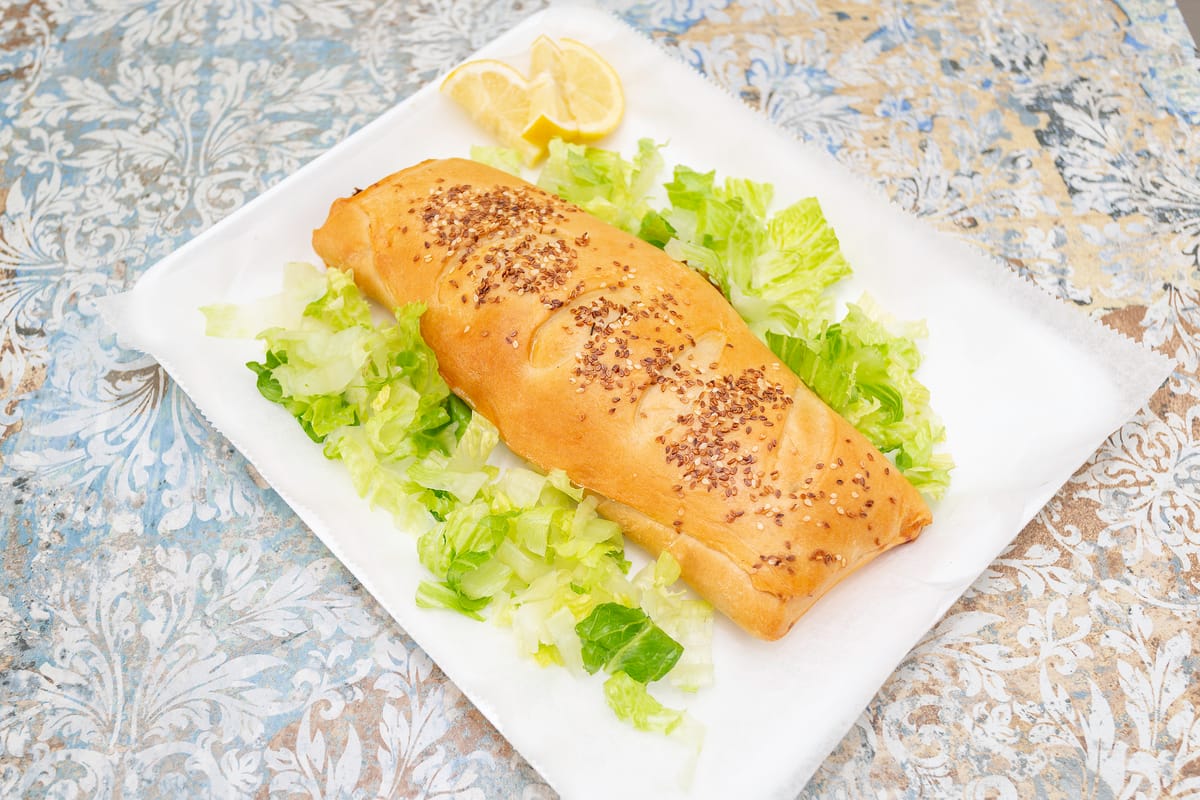
Better With Hummus
Both falafel and chicken shawarma taste better with a side of hummus. It adds creaminess, protein, and healthy fats to either choice.
How Do Falafel and Chicken Compare Environmentally?
A brief look at the footprint behind each protein.
Water Usage
Falafel: ~500-600 L/kg
Chicken: ~3,500-4,300 L/kg
Chickpeas require roughly 6-7x less water than chicken per kilogram of food produced.
CO2 Emissions
Falafel: ~0.7 kg CO2/kg
Chicken: ~5-7 kg CO2/kg
Plant-based proteins produce a fraction of the greenhouse gases that animal proteins do.
Land Use
Falafel: ~3-4 m²/kg
Chicken: ~7-10 m²/kg
Chickpeas fix nitrogen in the soil, actually improving land quality over time.
Falafel has a measurably smaller environmental footprint. If every Taza customer chose falafel one time out of ten instead of chicken, the collective water savings would add up fast. That said, chicken is among the lowest-impact animal proteins -- far below beef and lamb. Eating either at Taza means supporting a local restaurant with minimal food waste, which matters too.
How Do the Prices Compare at Taza?
Falafel is the more affordable option across every format.
Pita Sandwich
Falafel: $8.95
Chicken: $9.95
Save $1.00 with falafel
Shrak Wrap
Falafel: from $9.95
Chicken: from $11.45
Save $1.50 with falafel
Bowl
Falafel: from $10.45
Chicken: from $12.45
Save $1.00-1.50 with falafel
Falafel runs about $1.00-$1.50 less than chicken shawarma across every format. Over the course of a month of weekly lunches, that is $4-$6 saved. Not life-changing money, but falafel also delivers more food volume per dollar because chickpeas are denser than shaved chicken. If you are eating on a budget and want the most filling meal for the lowest price, falafel in a pita at $8.95 with 14 free toppings is hard to beat anywhere in Falls Church.
Falafel vs Chicken in Every Format: Pita, Wrap, and Bowl
Calories, protein, and price change depending on how you order it.
| Format | Falafel | Chicken Shawarma |
|---|---|---|
| Pita Sandwich | 330-360 cal / 13-17g protein / $8.95 | 450-550 cal / 30-40g protein / $9.95 |
| Shrak Wrap | 380-420 cal / 14-18g protein / from $9.95 | 500-600 cal / 32-42g protein / from $11.45 |
| Bowl (Rice Base) | 400-460 cal / 15-19g protein / from $10.45 | 480-580 cal / 35-45g protein / from $12.45 |
| Bowl (Greens Base) | 280-320 cal / 13-17g protein | 350-420 cal / 32-40g protein |
Lowest Calorie Option
Falafel bowl on a greens base: 280-320 calories with 13-17g protein and 7-10g fiber. Ask for tahini on the side to control the calorie count. This is one of the lightest full-portion meals available at any restaurant in the Seminary Road corridor.
Highest Protein Option
Chicken shawarma bowl on rice with hummus: 550-650 calories with 40-50g protein. Add a few falafel pieces for extra fiber and crunch. This is the power meal for anyone tracking macros or recovering from a workout at a nearby gym.
When Should You Order Falafel vs Chicken Shawarma?
Different situations call for different proteins. Here is a practical guide.
Choose Falafel When...
- You want a light lunch that will not weigh you down
- You are watching calories (330-360 per pita)
- You want maximum fiber for sustained energy
- You are vegan, vegetarian, or dairy-free
- You are ordering for a group with mixed dietary needs
- You want the best price-to-volume ratio on the menu
- You want to reduce your environmental footprint
- You are craving something crispy and herbal
Choose Chicken When...
- You need high protein (30-40g per pita)
- You just worked out and need recovery fuel
- You are on a high-protein or keto diet (order without bread)
- You want the most popular shawarma variety in the world
- You are craving something savory, juicy, and aromatic
- You want complete protein without combining foods
- You need vitamin B12 from a whole-food source
- You are introducing someone to Middle Eastern food for the first time
Why Not Get Both? The Mixed Plate Strategy
You do not have to choose. The combo approach gives you the nutritional advantages of both proteins.
The Shawarma + Falafel Combo Bowl
The smartest order at Taza might be a chicken shawarma bowl with falafel added on top. You get 35-45 grams of complete protein from the chicken, 7-10 grams of fiber from the falafel, iron from the chickpeas, B12 from the chicken, and the textural contrast of crispy falafel against tender shawarma slices. Nutritionally, this combo covers almost every base. Throw in a side of hummus and you have healthy fats, extra protein, and a creamy element that ties the bowl together. This is the order our staff recommends to anyone who asks "what should I get?" and cannot decide.
For groups, the combo strategy works even better. Order a mixed platter with chicken shawarma and falafel so everyone can try both. Pair it with hummus ($4.95), baba ghanouj ($4.95), and a stack of pita bread. Each person builds their own plate with the ratio they prefer. This is how most of our catering orders are structured, and it consistently gets the best feedback from groups with mixed dietary preferences.
Add Hummus
Extra 5-6g protein, healthy fats from olive oil and tahini, creamy texture. Pairs with both falafel and chicken.
$4.95
Go Bowl Format
Skip the bread for fewer carbs, or choose rice for a complete protein pairing with falafel. Bowls let you see and control every ingredient.
from $10.45 / from $12.45
Extra Pita on the Side
Order a bowl but grab pita on the side for dipping. You control how much bread you eat while still getting the pita experience.
Ask at counter
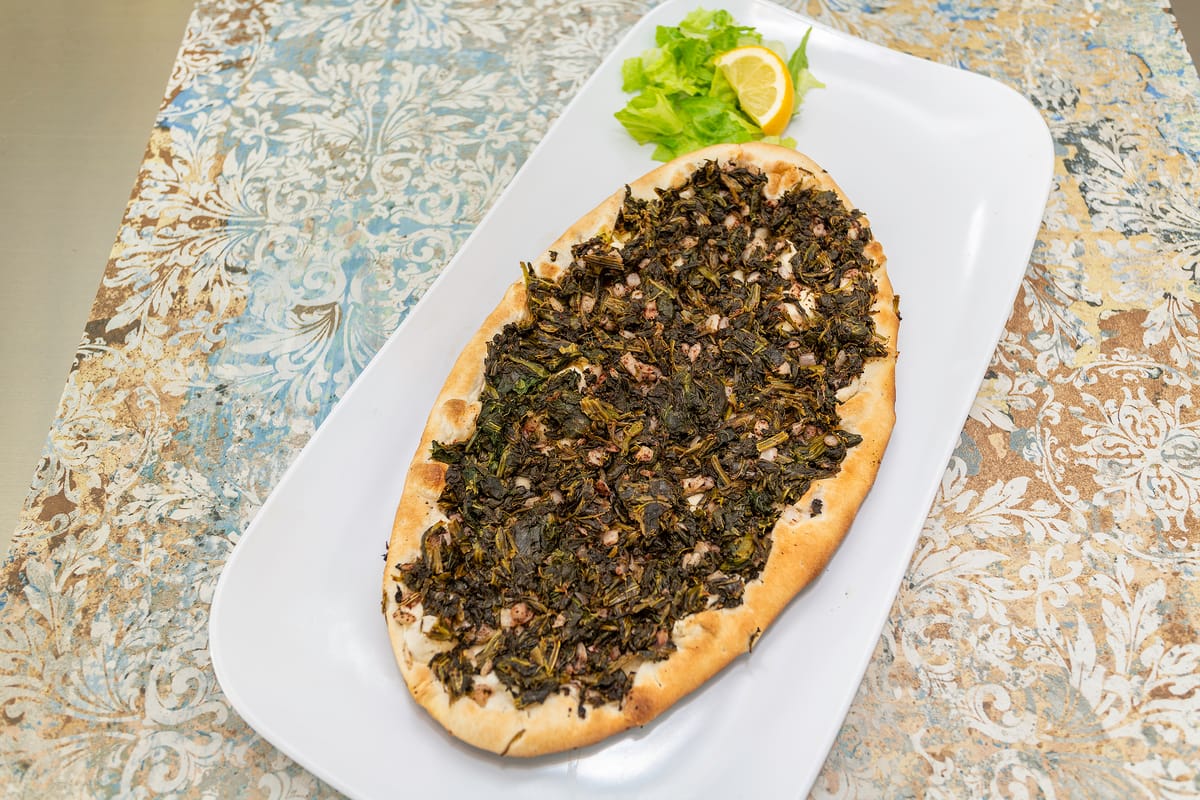
14 Toppings, No Extra Charge
Whether you choose falafel or chicken, every order at Taza comes with your pick from 14 fresh toppings. Load up.
Which Sauces Work Best With Falafel vs Chicken?
The right sauce amplifies the protein. The wrong one competes with it.
Best Sauces for Falafel
Tahini (Top Pick)
The nutty sesame flavor of tahini was born to go with chickpea falafel. The combination has been eaten across the Middle East for centuries for good reason -- they complete each other both in taste and in protein profile.
Hummus
Chickpea on chickpea might sound redundant, but the creamy texture of hummus contrasts with falafel's crunch in a way that works. Adds 5-6g extra protein.
Hot Sauce
A drizzle of Taza's hot sauce adds heat that cuts through the earthy chickpea flavor and brings the cumin and coriander to life.
Best Sauces for Chicken Shawarma
Garlic Sauce / Toum (Top Pick)
Creamy, pungent garlic sauce is the classic pairing. The rich garlic flavor cuts through the citrus-spice marinade of the chicken and adds a luxurious creaminess that coats every slice.
Tahini
The second most popular choice. Tahini's nutty, slightly bitter edge adds depth to the chicken without overpowering it. A great choice if garlic is too strong for your taste.
Tahini + Garlic Combo
Ask for both sauces drizzled on top. The combination gives you the creaminess of garlic sauce with the nuttiness of tahini -- our most-requested double-sauce combination.
Falafel vs Chicken at a Glance
Screenshot this for your next visit.
Falafel Pita
From $8.95
Chicken Shawarma Pita
From $9.95
Nutritional estimates based on standard serving sizes. Actual values vary based on toppings and sauces selected. For the most current menu and pricing, visit our online ordering page.
Falafel vs Chicken: Your Questions Answered
It depends on your definition of healthy. Falafel is lower in calories (330-360 vs 450-550 per pita), has zero cholesterol, more fiber (7-10g vs 1-2g), and more iron per serving. Chicken shawarma has significantly more protein (30-40g vs 13-17g), provides complete protein with all essential amino acids, and contains vitamin B12 which falafel lacks entirely. If you are watching calories and want more fiber, falafel wins. If you need maximum protein or are training hard, chicken wins. Both are real, whole-food options with no artificial ingredients at Taza.
A falafel pita at Taza contains approximately 330-360 calories, while a chicken shawarma pita runs about 450-550 calories. That is roughly a 150-200 calorie difference per pita sandwich. In bowl format on a greens base, falafel drops to about 280-320 calories and chicken to about 350-420 calories. The calorie gap narrows when you add sauces and toppings. A heavy pour of tahini adds about 90 calories, and hummus adds about 70 per two-tablespoon serving.
Chicken shawarma has roughly twice the protein of falafel per serving. A chicken shawarma pita delivers 30-40g of complete protein, while a falafel pita provides 13-17g of plant-based protein. To boost falafel's protein, add hummus ($4.95), which adds another 5-6g. Pairing falafel with rice in a bowl also increases total protein and makes it a complete protein source by combining legume and grain amino acids.
On its own, falafel is not a complete protein. Chickpeas are low in the amino acid methionine. However, grains like rice, pita bread, and shrak bread are rich in methionine and low in lysine, which chickpeas have plenty of. So eating falafel in a pita or with rice creates a complete protein combination. You do not need to eat them in the exact same bite -- consuming both within the same meal is sufficient. At Taza, every falafel pita and wrap automatically pairs falafel with bread, making it a complete protein meal by default.
Both are reasonably filling, but for different reasons. Falafel keeps you full through its high fiber content (7-10g per serving) which slows digestion and provides sustained energy. Chicken shawarma keeps you full through its high protein content (30-40g), which is the most satiating macronutrient. Studies show protein is the strongest driver of fullness, but fiber extends the duration. For maximum satiety, order a falafel and chicken combo in a bowl with hummus -- you get both high fiber and high protein in one meal.
Yes. At Taza in Falls Church, you can add falafel to any chicken shawarma bowl, pita, or wrap. Many customers order a chicken shawarma bowl and add a few falafel pieces on top for the best of both worlds -- the high protein from the chicken and the fiber and crunch from the falafel. You can also order a combo plate with both proteins. Ask at the counter and we will build it however you want.
Falafel can be a solid weight-loss option because it is relatively low in calories (330-360 per pita) and high in fiber (7-10g), which helps you stay full. A falafel bowl on a greens base with vegetables and a light tahini drizzle runs about 280-320 calories -- one of the lowest-calorie meals on the Taza menu. The main risk is overeating on sauces. Tahini is calorie-dense at about 90 calories per generous pour. For strict calorie control, ask for sauce on the side. Chicken shawarma bowls on greens are also excellent for weight loss if you need more protein to preserve muscle.
Falafel has a significantly lower environmental footprint. Producing one kilogram of chickpeas requires roughly 500-600 liters of water, while one kilogram of chicken requires approximately 3,500-4,300 liters. Chickpea farming also generates about 0.7 kg of CO2 per kilogram of food produced, compared to about 5-7 kg of CO2 per kilogram of chicken. Additionally, chickpeas fix nitrogen in the soil, reducing the need for synthetic fertilizers. Choosing falafel once a week instead of chicken saves the equivalent of about 20-25 bathtubs of water over a year.
Try Both Falafel and Chicken Shawarma at Taza
Open 11:00 AM - 12:00 AM, Open 7 Days a Week. Walk-ins welcome, online ordering available.
Address
5820 Seminary Rd Ste O, Falls Church, VA 22041
Hours
11:00 AM - 12:00 AM -- Open 7 Days a Week
Phone
Order Falafel, Chicken, or Both
Pick your protein, choose your format, load up on toppings, and let us build it fresh. Order online for pickup or walk in to our Falls Church location.