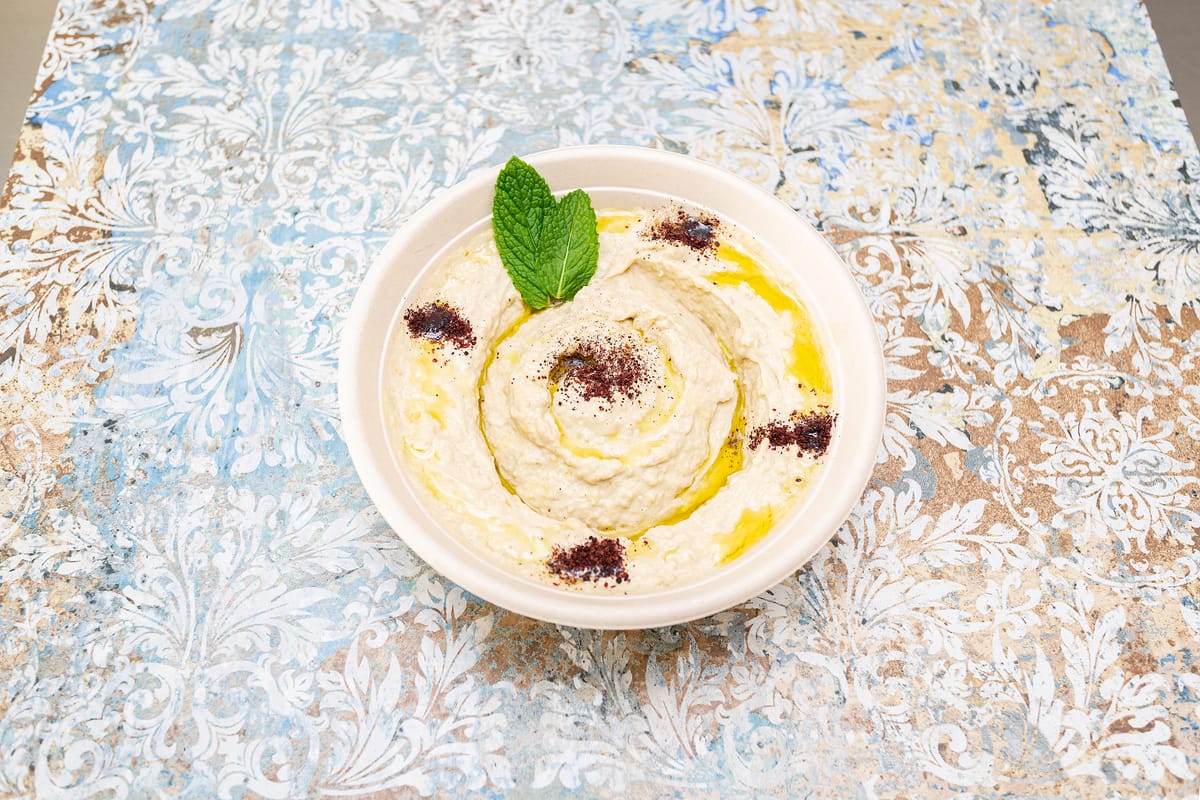
How the Mediterranean Diet Transforms Mental Health
A 33% reduction in depression risk. Measurable anxiety improvement. Real food, real science, real results -- discover why psychiatrists are now prescribing the Mediterranean diet.
4.8 stars on Yelp (92 reviews) -- Open 11:00 AM - 12:00 AM
Can What You Eat Really Change How You Feel?
Decades of research now confirm that the Mediterranean diet is one of the most effective dietary patterns for supporting mental health.
What Did the Landmark SMILES Trial Discover About Diet and Depression?
In 2017, Professor Felice Jacka and her team at Deakin University in Australia published the SMILES trial in BMC Medicine -- the first randomized controlled trial to test whether improving diet quality could treat clinical major depression. Sixty-seven adults with moderate-to-severe depression were randomly assigned to either a modified Mediterranean diet intervention with dietitian support or a social support control group over twelve weeks. The dietary group ate more whole grains, vegetables, fruit, legumes, low-fat dairy, raw nuts, fish, chicken, and extra-virgin olive oil while reducing sweets, refined cereals, fried food, and processed meat. The results were striking: 32 percent of the dietary group achieved full remission of their depressive symptoms compared to only 8 percent in the social support group. The effect size was large, with a Cohen's d of 1.16, and the benefits were independent of weight change or physical activity levels.
How Strong Is the Evidence Linking Mediterranean Diet to Lower Depression Risk?
The evidence extends far beyond a single trial. A comprehensive 2019 meta-analysis published in Molecular Psychiatry by Lassale and colleagues examined 41 observational studies involving over 1.5 million participants across multiple countries. The researchers found that high adherence to a Mediterranean dietary pattern was associated with a 33 percent reduction in the risk of developing depression compared to low adherence. This protective effect remained significant after adjusting for age, sex, education, smoking, physical activity, and body mass index. The Seguimiento Universidad de Navarra (SUN) cohort study, which tracked over 10,000 Spanish university graduates for a median of 4.4 years, found that those with the highest Mediterranean diet adherence had a 30 percent lower incidence of depression than those with the lowest adherence. These findings have been replicated in populations across Europe, Australia, and North America, confirming the robustness and universality of the relationship between Mediterranean eating patterns and psychological resilience against depressive disorders.
Why Are Psychiatrists Now Recommending Food as Medicine for Mood Disorders?
The emerging field of nutritional psychiatry, pioneered by researchers like Felice Jacka and Drew Ramsey, recognizes that diet quality is a modifiable risk factor for mental illness on par with exercise and sleep. The mechanisms are now well-characterized: the Mediterranean diet simultaneously reduces neuroinflammation through olive oil polyphenols, provides tryptophan and B-vitamin cofactors for serotonin synthesis, feeds beneficial gut bacteria that produce mood-regulating neurotransmitters via the gut-brain axis, and stabilizes blood sugar to prevent the cortisol dysregulation that worsens anxiety and depression. In 2015, the International Society for Nutritional Psychiatry Research published a consensus statement declaring that diet quality is a significant and modifiable determinant of mental health. Traditional Levantine and Eastern Mediterranean cuisine, as served at Taza Shawarma & Falafel in Falls Church, VA, exemplifies the dietary pattern most consistently associated with psychological wellbeing in the scientific literature. Every shawarma bowl, falafel plate, and hummus appetizer delivers the specific nutrients that clinical research has linked to better mental health outcomes.
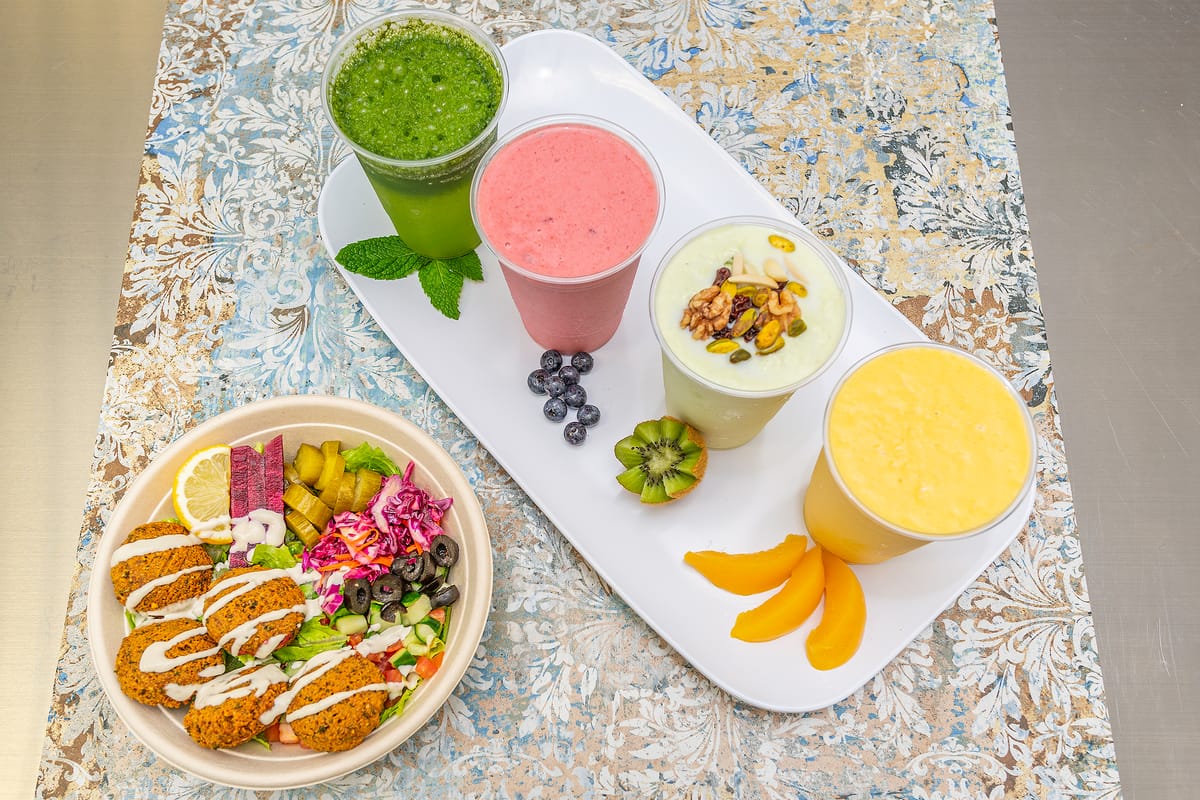
Your Brain on Mediterranean Food
Every ingredient on the Taza menu has a role in supporting your mental wellbeing.
How Does the Mediterranean Diet Support Serotonin Production?
Serotonin is the neurotransmitter most directly linked to mood, emotional stability, and sense of wellbeing.
What Is the Tryptophan-to-Serotonin Pathway and Why Does Diet Matter?
Serotonin cannot be consumed directly through food -- it must be synthesized in the body from tryptophan, an essential amino acid obtained exclusively from dietary protein. Tryptophan is first converted to 5-hydroxytryptophan (5-HTP) by the enzyme tryptophan hydroxylase, then to serotonin by aromatic amino acid decarboxylase. Both enzymatic steps require specific cofactors: iron and tetrahydrobiopterin for the first step, and vitamin B6 (pyridoxal phosphate) for the second. Folate and vitamin B12 are additionally required upstream in the methylation cycle that regenerates tetrahydrobiopterin. This means serotonin production depends not only on adequate tryptophan intake but also on sufficient B6, B12, folate, and iron -- nutrients that the Mediterranean diet delivers in abundance through chickpeas, leafy greens, lean poultry, fermented dairy, and olive oil. Chicken shawarma at Taza (from $9.95 for pita) provides approximately 350 milligrams of tryptophan per serving, while a falafel bowl (from $10.45) delivers chickpea-derived tryptophan alongside the full suite of B-vitamin cofactors needed for conversion.
How Do Complex Carbohydrates Improve Tryptophan Availability for the Brain?
Tryptophan faces fierce competition at the blood-brain barrier from other large neutral amino acids -- leucine, isoleucine, valine, tyrosine, and phenylalanine -- which all share the same transport channel. After a high-protein meal, these competing amino acids flood the bloodstream at concentrations that can actually reduce tryptophan's brain entry despite adequate dietary intake. Complex carbohydrates solve this problem elegantly: they trigger a moderate insulin release that drives the competing amino acids into muscle tissue for protein synthesis while leaving tryptophan largely unaffected because tryptophan is bound to albumin in the blood. This selective clearance increases tryptophan's ratio relative to its competitors and improves its transport across the blood-brain barrier. Mediterranean meals naturally pair protein with complex carbohydrates -- chicken shawarma with rice, falafel in pita bread, hummus scooped with warm flatbread -- creating the optimal biochemical conditions for efficient serotonin synthesis without the glucose crashes caused by refined carbohydrates in typical Western convenience food.
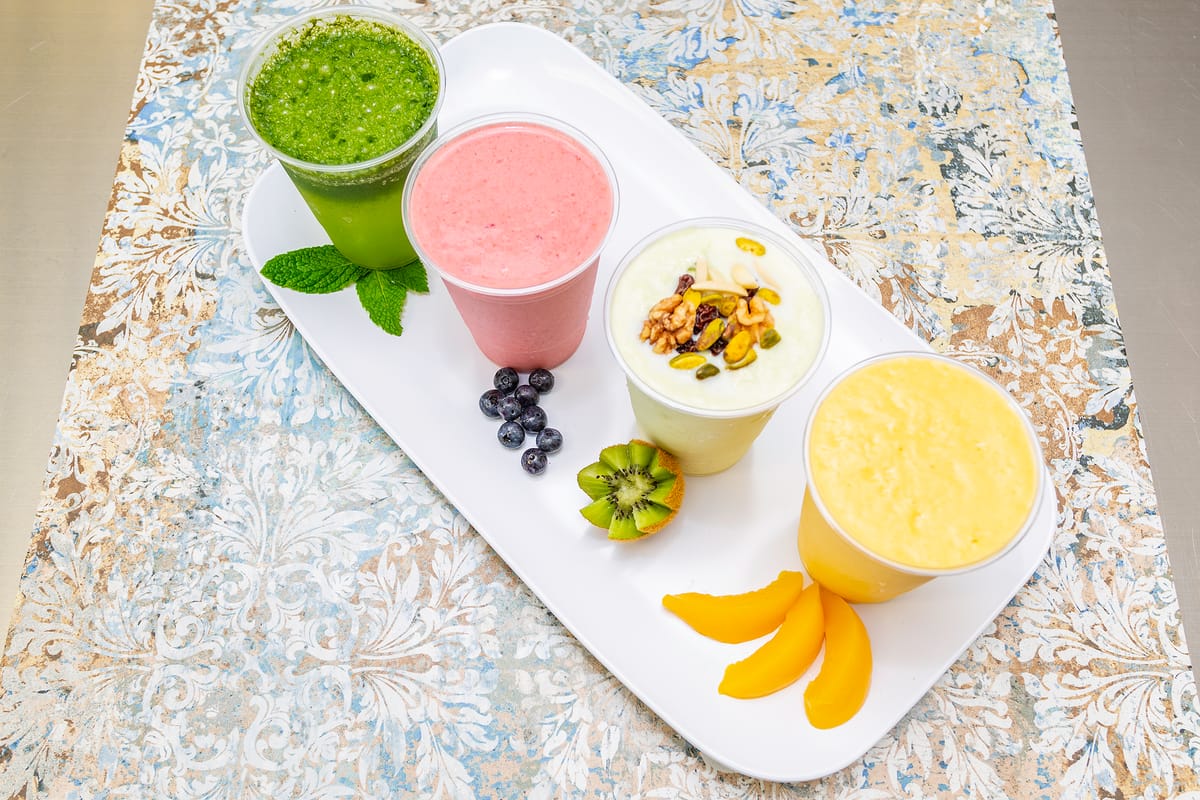
Tryptophan-Rich Proteins, Prepared Fresh
Lean chicken and chickpeas deliver the building blocks your brain needs for serotonin.
How Does Neuroinflammation Drive Depression and Anxiety?
Chronic low-grade inflammation is now recognized as a primary biological driver of treatment-resistant mood disorders.
What Is the Inflammatory Theory of Depression?
For decades, depression was understood primarily as a deficit in monoamine neurotransmitters -- serotonin, dopamine, and norepinephrine. While this model explains why SSRIs help many patients, it cannot account for the 30 to 50 percent of depressed individuals who do not respond to antidepressant medication. The inflammatory theory of depression, supported by over two decades of research, proposes that chronic systemic inflammation -- marked by elevated C-reactive protein (CRP), interleukin-6 (IL-6), and tumor necrosis factor-alpha (TNF-alpha) -- directly impairs mood through several mechanisms. Inflammatory cytokines activate the enzyme indoleamine 2,3-dioxygenase (IDO), which diverts tryptophan away from serotonin synthesis and toward the kynurenine pathway, producing neurotoxic metabolites like quinolinic acid. Cytokines also reduce hippocampal neurogenesis, impair synaptic plasticity, and dysregulate the hypothalamic-pituitary-adrenal (HPA) axis, leading to chronic cortisol elevation. Anti-inflammatory diets like the Mediterranean pattern address this mechanism directly by reducing systemic inflammation.
Which Mediterranean Foods Reduce the Neuroinflammation That Drives Mood Disorders?
The Mediterranean diet provides a broad arsenal of anti-inflammatory compounds that work through complementary pathways. Extra-virgin olive oil contains oleocanthal, a polyphenol that inhibits COX-1 and COX-2 enzymes with potency comparable to ibuprofen -- reducing the prostaglandin production that drives neuroinflammation. Tahini delivers sesamin, a lignan that suppresses nuclear factor kappa B (NF-kB), the master transcription factor that upregulates inflammatory gene expression throughout the body, including the brain. Garlic's allicin inhibits nitric oxide synthase overactivation that produces peroxynitrite, a powerful oxidant damaging to neurons. Chickpeas provide saponins and isoflavones with documented anti-inflammatory activity. Collectively, these ingredients reduce CRP levels by 20 to 30 percent within weeks of dietary adoption, according to the PREDIMED trial inflammatory biomarker substudy. At Taza Shawarma & Falafel, nearly every menu item contains at least two of these anti-inflammatory ingredients, making a typical Taza meal a multi-target intervention against the neuroinflammation implicated in depression and anxiety.
Mediterranean Diet vs. Western Diet: Mental Health Impact
How do these two dietary patterns compare across the nutrients and mechanisms that most influence mood, anxiety, and depression?
| Factor | Mediterranean Diet | Typical Western Diet |
|---|---|---|
| Depression Risk | 33% lower risk of depression (meta-analysis of 41 studies, Lassale et al., 2019, Molecular Psychiatry) | Significantly elevated risk linked to ultra-processed food consumption and refined sugar intake |
| Anxiety Symptoms | Reduced anxiety severity in multiple cohort studies; anti-inflammatory nutrients lower cortisol dysregulation | High-glycemic diets trigger cortisol spikes and sustained HPA-axis activation that worsens anxiety |
| Primary Fat Source | Extra-virgin olive oil rich in oleocanthal and oleic acid that reduce neuroinflammation and support serotonin receptor function | Refined seed oils and trans fats that promote systemic inflammation crossing the blood-brain barrier |
| Serotonin Precursors | Tryptophan from chickpeas, tahini, and chicken paired with B6 for efficient serotonin synthesis | Low tryptophan availability due to poor protein quality and excessive simple carbohydrate competition |
| Gut Microbiome Diversity | High fiber from legumes and vegetables feeds Lactobacillus and Bifidobacterium strains that produce GABA and serotonin | Low fiber and high emulsifier content decimates beneficial gut flora, disrupting the gut-brain axis |
| B-Vitamin Status | Folate from chickpeas, B6 from garlic and chicken, B12 from yogurt -- all critical cofactors for neurotransmitter synthesis | Widespread deficiencies in folate, B6, and B12 that impair methylation and monoamine production |
| Inflammatory Markers | CRP, IL-6, and TNF-alpha significantly lower; neuroinflammation is a primary driver of treatment-resistant depression | Chronically elevated inflammatory cytokines that impair hippocampal neurogenesis and monoamine signaling |
| Blood Sugar Stability | Low glycemic load prevents the glucose crashes that trigger irritability, brain fog, and mood swings | Rapid glycemic spikes followed by crashes that destabilize mood and deplete dopamine reserves |
| Magnesium Intake | Abundant from chickpeas, leafy greens, tahini, and whole grains -- magnesium regulates NMDA receptors involved in mood | Severely deficient in over 50% of Western diet followers; low magnesium correlates with higher depression scores |
| Social Eating Pattern | Mediterranean tradition emphasizes communal meals, which independently reduce loneliness and depression risk | Frequent solo eating of convenience foods associated with social isolation and diminished meal satisfaction |
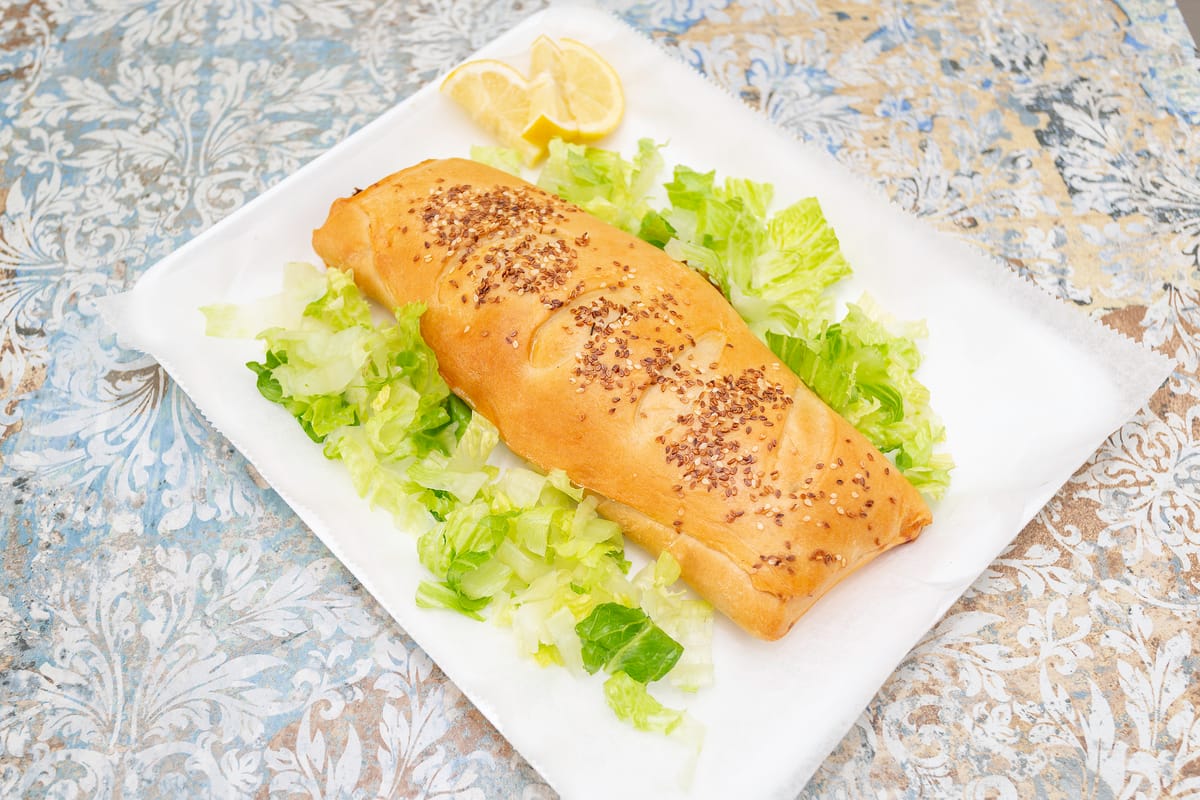
Every Scoop of Hummus Feeds Your Mood
Chickpea tryptophan, tahini magnesium, olive oil polyphenols, and garlic organosulfurs -- in one dish.
Which Specific Nutrients in Mediterranean Food Support Mental Health?
Six key mood-supporting compounds found throughout the Taza menu, backed by clinical research.
Oleic Acid and Polyphenols in Olive Oil
The Anti-Inflammatory Mood Shield
Extra-virgin olive oil contains oleic acid and over thirty identified polyphenols, including oleocanthal, hydroxytyrosol, and oleuropein. A 2019 study in Nutritional Neuroscience demonstrated that participants consuming at least four tablespoons of extra-virgin olive oil daily for six weeks showed significant reductions in depressive symptoms compared to a sunflower oil control group. The mechanism is twofold: oleic acid downregulates pro-inflammatory cytokines that impair serotonin receptor sensitivity, while polyphenols cross the blood-brain barrier and directly reduce oxidative stress in limbic regions responsible for emotional regulation. At Taza, olive oil is a foundational ingredient in hummus ($4.95), baba ghanouj, zaatar manaeesh, and all bowl dressings.
Tryptophan and Folate from Chickpeas
Serotonin's Building Blocks
Chickpeas are one of the richest plant sources of tryptophan, the essential amino acid that serves as the sole precursor to serotonin -- the neurotransmitter most directly associated with mood, emotional stability, and sleep quality. A single cup of cooked chickpeas delivers approximately 275 milligrams of tryptophan alongside 282 micrograms of folate. Folate is required for the methylation cycle that converts homocysteine into methionine and subsequently into S-adenosylmethionine (SAMe), the methyl donor necessary for serotonin, dopamine, and norepinephrine synthesis. The SMILES trial (Jacka et al., 2017) -- the first randomized controlled trial of dietary intervention for clinical depression -- used a modified Mediterranean diet rich in legumes and found that 32 percent of participants achieved full remission. Taza's falafel bowl (from $10.45) and falafel pita (from $8.95) both deliver substantial chickpea-derived tryptophan and folate.
Vitamin E and Sesamin in Tahini
Protecting Mood-Regulating Neural Circuits
Tahini, ground from sesame seeds, delivers both alpha-tocopherol and gamma-tocopherol forms of vitamin E alongside sesamin, a lignan with potent anti-inflammatory and antioxidant properties. A 2020 study in the Journal of Affective Disorders found that higher dietary vitamin E intake was associated with a 24 percent lower risk of developing depressive symptoms over a ten-year follow-up period. The mechanism involves protecting polyunsaturated fatty acids in neural membranes from lipid peroxidation, particularly in the prefrontal cortex and amygdala -- regions that govern emotional regulation and threat processing. Sesamin specifically inhibits delta-5 desaturase, shifting fatty acid metabolism toward anti-inflammatory pathways. At Taza, tahini appears in falafel pita, shawarma bowls, hummus, and baba ghanouj, making it one of the most frequently consumed mood-supporting ingredients on the menu.
Organosulfur Compounds in Garlic Sauce
Modulating the Stress Response
Toum, the emulsified Lebanese garlic sauce served on shawarma at Taza, contains concentrated allicin and S-allyl cysteine -- organosulfur compounds that have demonstrated anxiolytic properties in both preclinical and observational studies. A 2018 review in Experimental and Therapeutic Medicine found that garlic preparations reduced anxiety-like behavior in rodent models by modulating GABAergic neurotransmission and reducing hippocampal oxidative stress. Allicin also improves nitric oxide bioavailability, enhancing cerebral blood flow to mood-regulating brain regions. S-allyl cysteine has been shown to normalize cortisol levels in chronic stress models by downregulating hypothalamic corticotropin-releasing hormone. Because toum uses raw garlic emulsified with oil and lemon juice, allicin concentration is preserved at far higher levels than in cooked garlic preparations.
Magnesium from Chickpeas and Leafy Greens
The Natural NMDA Receptor Regulator
Magnesium is sometimes called nature's original anti-anxiety mineral because of its role in regulating N-methyl-D-aspartate (NMDA) glutamate receptors. When magnesium levels are low, NMDA receptors become hyperexcitable, leading to excessive calcium influx that damages neurons and produces symptoms of anxiety and agitation. A 2017 randomized controlled trial published in PLOS ONE found that 248 milligrams of supplemental magnesium daily produced a clinically significant reduction in mild-to-moderate depression within two weeks. A single cup of chickpeas provides approximately 79 milligrams of magnesium, while leafy greens, tahini, and whole grains in Levantine cuisine contribute additional sources. Taza's falafel bowl combines all of these magnesium sources in a single meal.
Prebiotics and Probiotics via the Gut-Brain Axis
Your Second Brain's Mood Factory
The gut-brain axis is a bidirectional communication pathway connecting the enteric nervous system to the central nervous system via the vagus nerve, immune signaling, and microbial metabolites. Approximately 95 percent of the body's serotonin is produced in the gut by enterochromaffin cells influenced by the microbiome. The Mediterranean diet increases gut microbial diversity by 7 to 12 percent within four weeks, according to a 2020 study in the journal Gut. Specific Lactobacillus and Bifidobacterium strains -- fed by the prebiotic fiber in chickpeas, onions, and garlic -- produce short-chain fatty acids that strengthen the gut barrier and reduce systemic inflammation that contributes to depression. Labneh ($4.95) at Taza is a naturally probiotic strained yogurt that directly seeds the gut with beneficial bacteria.
How Does Your Gut Microbiome Influence Anxiety and Depression?
The gut-brain axis is one of the most exciting frontiers in mental health research -- and Mediterranean food is at its center.
What Happens When Mediterranean Food Reaches Your Gut Microbiome?
When you eat a falafel bowl or hummus plate from Taza, the prebiotic fiber from chickpeas, onions, and garlic arrives in the large intestine largely undigested, where it becomes fuel for beneficial bacteria -- particularly Lactobacillus, Bifidobacterium, and Faecalibacterium prausnitzii. These microbes ferment the fiber into short-chain fatty acids (SCFAs), primarily butyrate, propionate, and acetate. Butyrate strengthens the intestinal epithelial barrier, preventing the "leaky gut" that allows bacterial endotoxin (lipopolysaccharide) to enter the bloodstream and trigger the systemic inflammation now implicated in depression. Propionate signals to the brain via the vagus nerve and has been shown to reduce anxiety-like behavior in rodent models. A 2020 landmark study published in the journal Gut found that the Mediterranean diet increased the abundance of SCFA-producing bacteria while reducing the proportion of inflammatory species within just four weeks. Labneh ($4.95) at Taza adds a direct probiotic component, seeding the gut with live Lactobacillus cultures that have demonstrated psychobiotic properties.
Can Probiotics and Prebiotics in Levantine Food Actually Reduce Anxiety Symptoms?
Emerging clinical evidence suggests yes. A 2019 meta-analysis in the Journal of Neurogastroenterology and Motility examined 34 controlled trials and found that probiotic supplementation significantly reduced anxiety symptoms, with the strongest effects seen for multi-strain Lactobacillus-Bifidobacterium combinations -- precisely the strains found in traditional fermented dairy products like labneh. The mechanism involves microbial production of GABA, the brain's primary inhibitory neurotransmitter, as well as serotonin precursors. Certain Lactobacillus rhamnosus strains have been shown to increase GABA receptor expression in the hippocampus and amygdala via vagus nerve signaling, directly reducing fear and anxiety responses. The prebiotic fiber from chickpeas, onions, and garlic in Levantine cuisine amplifies these effects by selectively feeding the probiotic strains. Fructooligosaccharides from onions and inulin-type fructans from garlic are among the most well-studied prebiotics for increasing Bifidobacterium counts and SCFA production. A typical Taza meal combines both prebiotic and probiotic components in a single sitting.
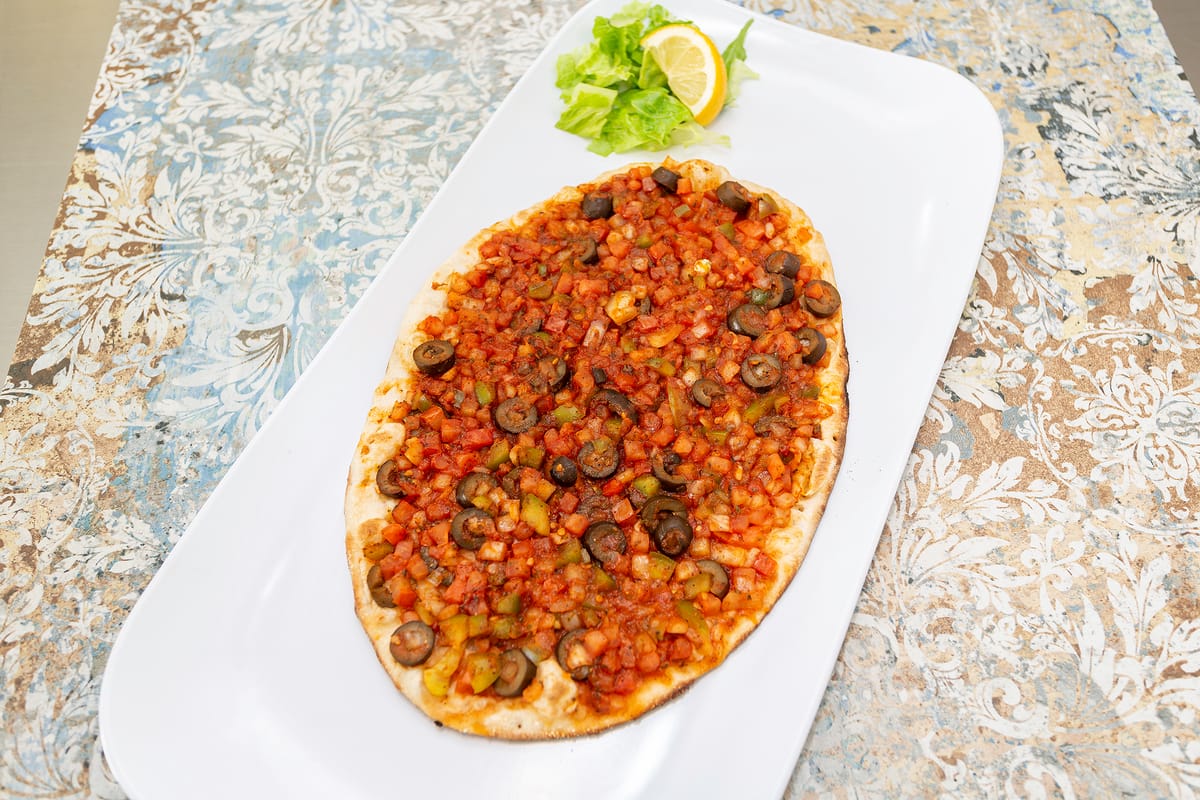
Ancient Herbs, Modern Mental Health Science
Zaatar's thymol and carvacrol have shown antidepressant-like effects in clinical research models.
How Does Communal Mediterranean Dining Support Mental Wellbeing?
The mental health benefits of Mediterranean food extend beyond nutrients to the social traditions surrounding the meal itself.
Why Does Eating Together Matter for Depression Prevention?
Loneliness and social isolation are now recognized as independent risk factors for depression, with a 2020 meta-analysis in the Journal of the American Geriatrics Society estimating that social isolation increases depression risk by 50 percent -- an effect magnitude comparable to smoking or obesity. Mediterranean and Levantine food traditions are inherently social: shared plates of hummus, communal platters of shawarma, and family-style meals that encourage conversation and connection. Research from the Oxford Dunbar Group has shown that eating together triggers endorphin release through synchronized social behavior, creating a neurochemical bonding effect independent of the food consumed. A 2019 study in the International Journal of Environmental Research and Public Health found that frequency of shared meals was independently associated with lower depression scores, higher life satisfaction, and greater perceived social support after controlling for overall diet quality. At Taza Shawarma & Falafel in Falls Church, the menu is designed for sharing -- appetizer plates, combination platters, and a welcoming environment that encourages the communal dining tradition central to Levantine and Eastern Mediterranean culture.
How Does Mindful Eating Reduce Stress and Emotional Reactivity?
The Mediterranean approach to food emphasizes savoring meals rather than rushing through them -- a practice that research increasingly links to reduced stress and improved emotional regulation. A 2019 randomized controlled trial in the Journal of Behavioral Medicine found that a four-week mindful eating intervention reduced perceived stress by 22 percent and emotional eating by 18 percent compared to a control group. Mediterranean meals are naturally conducive to mindful eating because of their sensory richness: the aroma of zaatar fresh from the stone oven, the contrasting textures of crispy falafel with creamy tahini, the vivid colors of fresh vegetable toppings. These sensory details engage present-moment awareness and interrupt the rumination cycles that characterize both depression and anxiety. Jordanian and Levantine dining traditions also incorporate pauses between courses -- starting with appetizers like hummus and baba ghanouj before progressing to main dishes -- which slows eating pace and activates the parasympathetic nervous system's "rest and digest" response, directly countering the sympathetic overdrive associated with chronic stress and anxiety disorders.
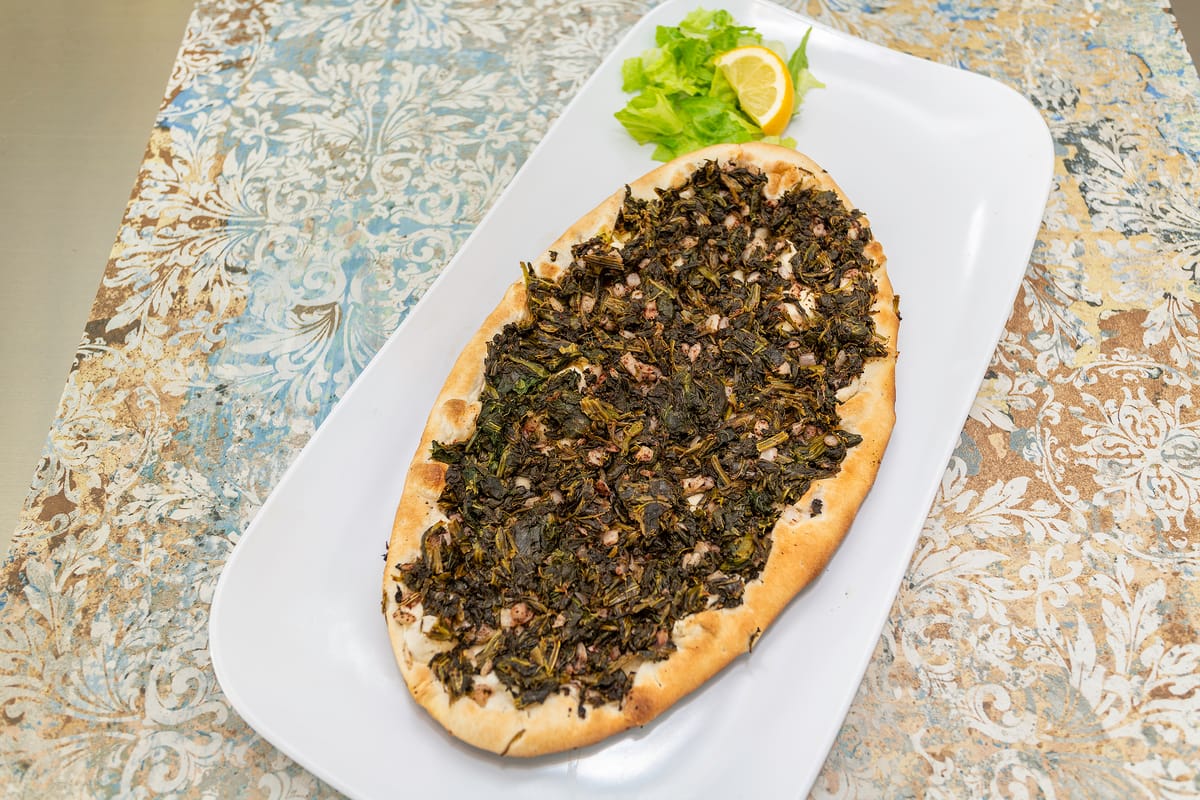
Fresh Ingredients, Better Mental Health
Every topping selection choice at Taza adds prebiotic fiber and mood-supporting polyphenols.
What Should You Order at Taza for Mood and Mental Health?
Eight evidence-based menu picks that deliver the nutrients clinical research links to better mental health.
Falafel Bowl
from $10.45Crispy falafel over rice or greens with Mediterranean toppings.
Why it helps: Chickpeas deliver tryptophan and folate for serotonin synthesis, olive oil provides anti-inflammatory polyphenols, tahini adds vitamin E and magnesium, and the vegetable toppings supply prebiotic fiber for gut-brain axis support. This single bowl addresses multiple mood pathways simultaneously.
Chicken Shawarma Bowl
from $12.45Chicken shawarma over your choice of base with fresh toppings.
Why it helps: Lean chicken provides the highest tryptophan concentration of any common protein source, while the garlic sauce (toum) delivers anxiolytic organosulfur compounds. The rice base offers B vitamins, and the vegetable toppings add polyphenols and fiber.
Hummus
$4.95Creamy chickpea dip with tahini, lemon, and olive oil.
Why it helps: Hummus combines four mood-supporting ingredients in one dish: chickpea tryptophan and folate, tahini vitamin E and magnesium, olive oil polyphenols, and garlic organosulfur compounds. Adding warm pita bread provides complex carbohydrates that improve tryptophan transport across the blood-brain barrier.
Falafel Pita
from $8.95Crispy chickpea falafel in fresh-baked pita with veggies and tahini.
Why it helps: The herbs inside Taza's falafel -- parsley, cilantro, and dill -- contain apigenin and luteolin, flavonoids with demonstrated anxiolytic effects through GABA receptor modulation. The tahini drizzle adds sesamin and vitamin E for neural membrane protection.
Zaatar Manaeesh
$6.95Large Mediterranean flat bread with dry thyme, sesame, and olive oil.
Why it helps: Zaatar contains thymol and carvacrol from thyme, which have shown antidepressant-like effects in preclinical models by modulating monoamine neurotransmitter levels. The sesame seeds add tryptophan, and the olive oil base provides oleic acid for serotonin receptor support.
Labneh
$4.95Thick, strained yogurt dip with olive oil and dried mint.
Why it helps: Labneh is a naturally probiotic food that populates the gut with Lactobacillus strains capable of producing GABA and serotonin precursors. Its high protein content delivers both tryptophan and tyrosine, the building blocks for serotonin and dopamine respectively.
Beef Shawarma Bowl
from $12.45Beef shawarma over your choice of base with fresh toppings.
Why it helps: Beef provides heme iron and zinc -- two minerals whose deficiency is independently associated with depression. The bowl format combines these with chickpea fiber, olive oil polyphenols, and fresh vegetable antioxidants for comprehensive mood nutrient coverage.
Baba Ghanouj
$4.95Smoky roasted eggplant dip with tahini and garlic.
Why it helps: Roasted eggplant contains nasunin, a potent anthocyanin that protects neural membrane lipids from peroxidation. Combined with tahini's sesamin and olive oil's oleocanthal, baba ghanouj delivers multi-pathway support for the brain regions governing emotional processing.
How Do Blood Sugar Crashes Trigger Anxiety and Mood Swings?
Glycemic stability is one of the most underappreciated factors in day-to-day mental health.
What Happens in Your Brain During a Post-Meal Blood Sugar Crash?
When you eat a meal high in refined carbohydrates -- white bread, sugary drinks, processed snacks -- blood glucose spikes rapidly, triggering a large insulin release that overshoots and drives blood sugar below baseline within two to three hours. This reactive hypoglycemia activates the sympathetic nervous system and triggers cortisol and adrenaline release as emergency counter-regulatory hormones, producing symptoms indistinguishable from a panic attack: racing heart, sweating, trembling, irritability, and difficulty concentrating. Over time, repeated glucose-cortisol cycles desensitize the hypothalamic-pituitary-adrenal axis and deplete dopamine reserves, contributing to the anhedonia (inability to experience pleasure) that characterizes depression. A 2019 study in the British Journal of Nutrition found that higher dietary glycemic load was significantly associated with increased depressive symptoms in a cohort of over 69,000 postmenopausal women. Mediterranean meals from Taza are naturally low-glycemic: the fiber in chickpeas, the protein in shawarma, and the healthy fats in olive oil and tahini all slow glucose absorption, preventing the spikes and crashes that destabilize mood throughout the day.
Why Does the Mediterranean Diet Produce More Stable Energy and Mood?
The Mediterranean diet's mood-stabilizing effect on blood sugar comes from the synergistic combination of macronutrients present in every meal. Chickpeas have a glycemic index of just 28, compared to 75 for white bread and 86 for a typical fast-food bun. The soluble fiber in chickpeas forms a gel in the digestive tract that slows carbohydrate absorption, while the protein and fat content further blunts the glucose response. A falafel bowl from Taza (from $10.45) delivers approximately 13 grams of fiber, 18 grams of protein, and healthy fats from olive oil and tahini -- creating a meal that produces a gradual, sustained glucose rise rather than a sharp spike. Research published in the American Journal of Clinical Nutrition found that substituting legumes for refined grains improved glycemic control and reduced HbA1c even in non-diabetic participants, suggesting that the blood sugar benefits of Mediterranean eating patterns extend to everyone, not just those with metabolic conditions. Stable blood sugar means stable mood, sustained focus, and freedom from the anxiety-mimicking symptoms of reactive hypoglycemia.
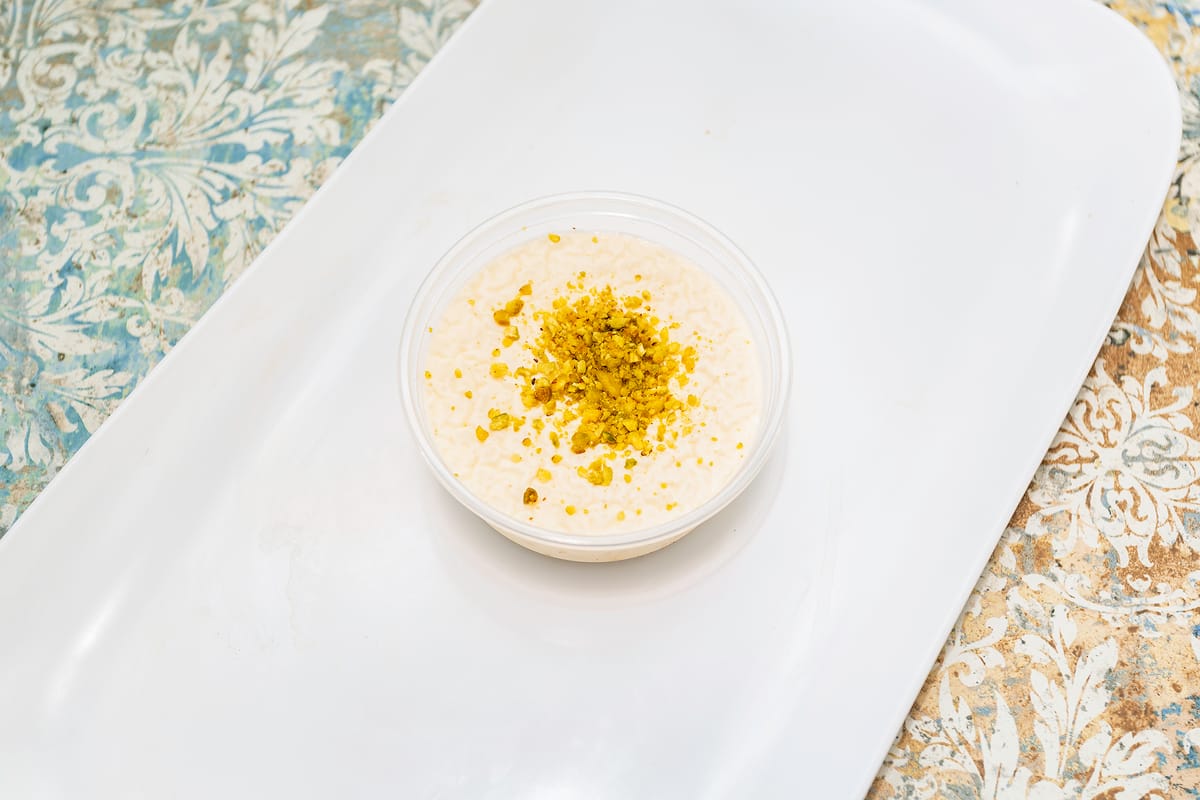
A Complete Mental Health Meal in Every Order
Tryptophan, B vitamins, polyphenols, prebiotics, and healthy fats -- all in one sitting.
Why Are B Vitamins Critical for Mental Health?
Folate, B6, and B12 are the unsung cofactors behind every neurotransmitter your brain produces.
How Does Folate Deficiency Contribute to Depression?
Folate (vitamin B9) is required for the methylation cycle that produces S-adenosylmethionine (SAMe), the body's primary methyl donor for over 200 biochemical reactions including the synthesis of serotonin, dopamine, and norepinephrine. When folate is insufficient, homocysteine accumulates -- a toxic amino acid that damages cerebral blood vessels, promotes neuroinflammation, and independently predicts depression severity. A 2022 meta-analysis in the Journal of Psychiatric Research examining 43 studies found that individuals with the lowest folate levels had a 55 percent higher risk of depression compared to those with the highest levels. Importantly, the relationship was dose-dependent: each increase in dietary folate was associated with a proportional decrease in depression risk. Chickpeas, the foundation of both falafel and hummus at Taza, provide approximately 282 micrograms of folate per cup -- over 70 percent of the daily recommended intake. A single meal of falafel pita (from $8.95) or hummus ($4.95) with fresh vegetable toppings can cover the majority of your daily folate requirement, supporting the methylation cycles essential for neurotransmitter synthesis and homocysteine clearance.
What Role Do Vitamin B6 and B12 Play in Neurotransmitter Production?
Vitamin B6 (pyridoxal phosphate) is the direct cofactor for aromatic amino acid decarboxylase, the enzyme responsible for the final conversion step that transforms 5-HTP into serotonin and L-DOPA into dopamine. It is also required for glutamate decarboxylase, the enzyme that produces GABA -- the brain's primary inhibitory neurotransmitter that counteracts anxiety and promotes calm. Vitamin B12 (cobalamin) works upstream with folate in the methylation cycle, converting homocysteine to methionine and regenerating the tetrahydrofolate needed for DNA synthesis in rapidly dividing neural stem cells. A 2020 cross-sectional study in the British Journal of Nutrition found that combined low B6 and B12 status was associated with a threefold increase in depressive symptom severity compared to adequate status of both vitamins. At Taza, chicken shawarma is an excellent source of B6, labneh ($4.95) provides B12 from fermented dairy, and chickpeas contribute both B6 and folate. A combination meal covering all three B vitamins might include a chicken shawarma bowl (from $12.45) with a side of hummus and labneh.
How Do Omega-3 Fatty Acids and Olive Oil Influence Brain Chemistry?
The type of fat you eat directly affects the structure and function of every neuron in your brain.
Why Are Healthy Fats Essential for Serotonin Receptor Function?
The brain is approximately 60 percent fat by dry weight, and the composition of neural membrane lipids directly determines how efficiently neurotransmitter receptors function. Serotonin receptors are embedded in the phospholipid bilayer of neural membranes, and their ability to bind serotonin and trigger downstream signaling cascades depends on membrane fluidity -- which is determined by the ratio of unsaturated to saturated fatty acids in the membrane. Diets high in saturated fat and trans fats produce rigid, inflexible membranes that impair receptor mobility and reduce serotonin signaling efficiency, even when serotonin levels are adequate. Conversely, diets rich in monounsaturated fatty acids (from olive oil) and alpha-linolenic acid (from walnuts and leafy greens) produce fluid, responsive membranes that optimize receptor function. A 2018 study in Translational Psychiatry found that red blood cell membrane fatty acid composition predicted depression treatment response, with patients having more omega-3 and monounsaturated fats in their membranes showing significantly better outcomes. The Mediterranean diet naturally optimizes this membrane composition through its emphasis on olive oil as the primary fat source.
How Does Olive Oil's Oleocanthal Protect Against Mood Disorder Progression?
Oleocanthal, the polyphenol responsible for the throat-stinging sensation of high-quality extra-virgin olive oil, has emerged as one of the most potent natural anti-inflammatory compounds studied in neuroscience. Its mechanism mirrors that of ibuprofen: it inhibits cyclooxygenase enzymes (COX-1 and COX-2) that produce prostaglandins driving neuroinflammation. But oleocanthal goes further -- it also enhances the clearance of amyloid-beta and tau proteins from the brain and reduces the activation of microglial cells, the immune cells of the central nervous system whose chronic activation is implicated in both depression and neurodegeneration. The PREDIMED trial demonstrated that participants assigned to a Mediterranean diet supplemented with extra-virgin olive oil had a 30 percent lower incidence of depression over 5.4 years compared to a low-fat control group. At Taza Shawarma & Falafel, extra-virgin olive oil is a foundational ingredient across the entire menu -- drizzled on hummus, mixed into zaatar manaeesh ($6.95), used in baba ghanouj ($4.95), and finishing bowls and plates with its characteristic golden richness.
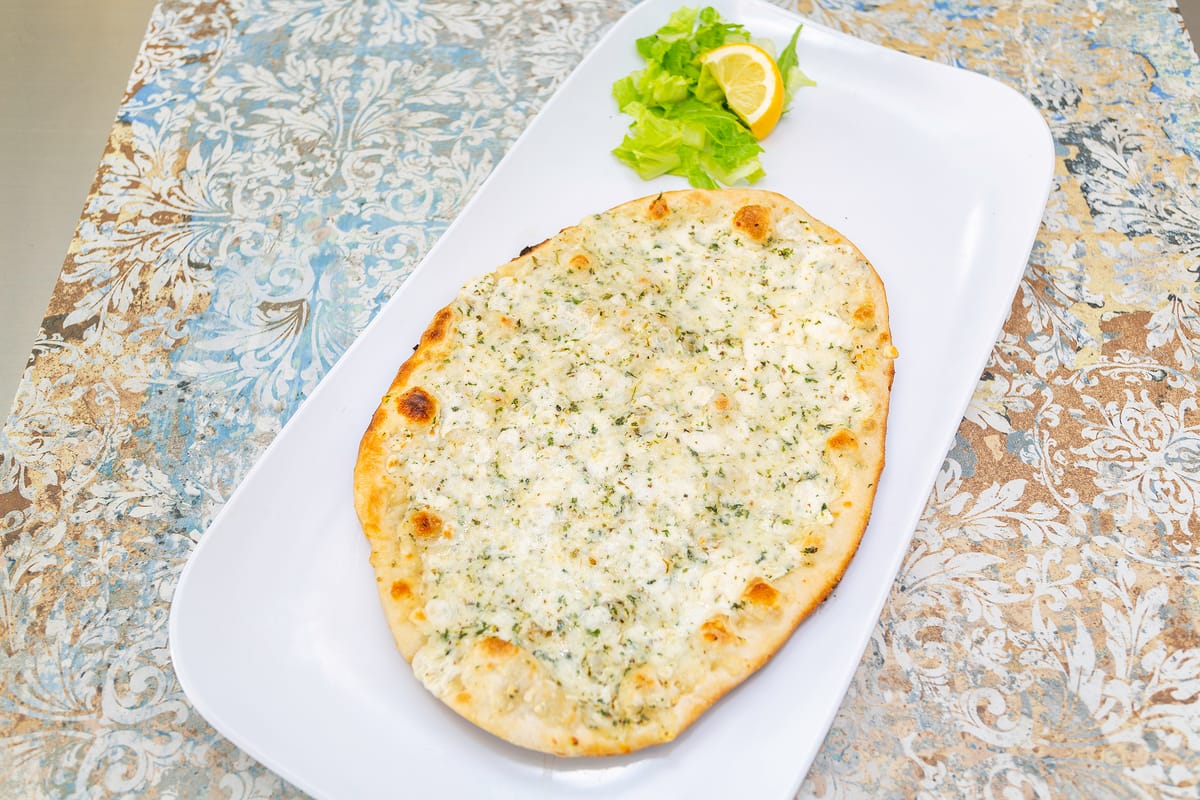
Every Nutrient Your Brain Craves
Iron, zinc, tryptophan, B vitamins, and polyphenols in every handcrafted wrap.
How Can You Build a Mood-Supporting Mediterranean Meal at Taza?
Simple, evidence-based strategies for maximizing the mental health benefits of every visit.
What Is the Optimal Taza Meal Combination for Maximum Mood Support?
The ideal mood-supporting meal at Taza combines a tryptophan-rich protein source with complex carbohydrates, healthy fats, prebiotic fiber, and a probiotic component. Start with hummus ($4.95) and labneh ($4.95) as shared appetizers -- the hummus delivers chickpea tryptophan with olive oil polyphenols, while the labneh provides probiotic Lactobacillus cultures and B12 for the methylation cycle. For your main course, a chicken shawarma bowl (from $12.45) provides the highest tryptophan concentration available on the menu, paired with toum garlic sauce for organosulfur anxiolytic compounds and rice for B vitamins and the complex carbohydrates needed to improve tryptophan transport across the blood-brain barrier. Alternatively, a falafel bowl (from $10.45) provides a complete plant-based option with chickpea tryptophan, folate, and magnesium. Load up on all available vegetable toppings for additional prebiotic fiber, polyphenols, and micronutrients. Finish with a lemon mint drink ($5.95) for its vitamin C content, which supports the enzymatic conversion of tryptophan to serotonin.
How Often Should You Eat Mediterranean Food to See Mental Health Benefits?
The SMILES trial achieved significant depression improvement with daily Mediterranean dietary adherence over twelve weeks, but observational research suggests that even moderate frequency provides meaningful protection. The SUN cohort study found that the top quartile of Mediterranean diet adherence -- not perfection, but consistent high adherence -- was sufficient to reduce depression incidence by 30 percent over 4.4 years. The gut microbiome changes documented in the 2020 Gut study became measurable within four weeks of dietary shift. For practical purposes, research suggests that incorporating Mediterranean meals at least four to five times per week, while minimizing ultra-processed food on other occasions, is sufficient to shift inflammatory markers, improve gut microbial diversity, and provide the tryptophan and B-vitamin cofactors needed for consistent neurotransmitter production. Making Taza a regular part of your weekly routine -- whether that means a lunch bowl twice a week or a family dinner on weekends -- puts you in the dietary pattern most consistently associated with psychological resilience in the peer-reviewed literature.
Frequently Asked Questions About Mediterranean Diet and Mental Health
Yes. The SMILES trial (Jacka et al., 2017), published in BMC Medicine, was the first randomized controlled trial to test dietary intervention as a treatment for clinical depression. Participants who followed a modified Mediterranean diet for twelve weeks showed significantly greater improvement in depressive symptoms compared to a social support control group, with 32 percent achieving full remission versus 8 percent in the control group. The effect size was large (Cohen's d of 1.16) and independent of weight change, physical activity, or medication adjustments. Multiple subsequent trials have replicated these findings, and a 2019 meta-analysis of 41 observational studies in Molecular Psychiatry confirmed that high adherence to a Mediterranean diet is associated with a 33 percent reduction in depression risk.
The gut-brain axis is the bidirectional communication system connecting the gastrointestinal tract to the central nervous system through the vagus nerve, immune pathways, and microbial metabolites. Approximately 95 percent of your body's serotonin is produced in the gut. Mediterranean foods support this axis by providing prebiotic fiber from chickpeas, garlic, and onions that feed beneficial gut bacteria, and probiotic foods like labneh that directly introduce Lactobacillus and Bifidobacterium strains. These microbes produce short-chain fatty acids, GABA, and serotonin precursors that cross into systemic circulation and influence brain chemistry. A 2020 study in the journal Gut found that switching to a Mediterranean diet increased gut microbial diversity by 7 to 12 percent within four weeks.
Tryptophan is the essential amino acid required for serotonin synthesis. At Taza, the best sources include chicken shawarma (from $9.95 for pita), which provides approximately 350 milligrams of tryptophan per serving, and chickpea-based items like falafel (from $8.95 for pita) and hummus ($4.95), which deliver about 275 milligrams per cup of chickpeas. Tahini, used across the menu, adds additional tryptophan from sesame seeds. For optimal serotonin production, pair a tryptophan source with complex carbohydrates like pita bread or rice, which trigger insulin release that clears competing amino acids from the bloodstream and improves tryptophan transport across the blood-brain barrier.
The SMILES trial (Supporting the Modification of Lifestyle in Lowered Emotional States) used a modified Mediterranean diet called the ModiMedDiet that emphasized whole grains, vegetables, fruit, legumes, low-fat dairy, raw unsalted nuts, fish, chicken, olive oil, and eggs -- while reducing sweets, refined cereals, fried food, processed meat, and sugary drinks. Many of Taza's core menu items align directly with these recommendations: falafel and hummus provide the legume component, chicken shawarma covers lean poultry, olive oil is used throughout, labneh represents the dairy component, and fresh vegetable toppings supply vitamins and antioxidants. A typical Taza meal of a chicken shawarma bowl (from $12.45) with a side of hummus closely mirrors the dietary pattern that produced remission in one-third of clinically depressed participants.
Extra-virgin olive oil has demonstrated mood-supporting effects through multiple mechanisms confirmed in clinical research. The PREDIMED trial found that participants consuming Mediterranean diet with extra-virgin olive oil had a 30 percent lower risk of developing depression over a median follow-up of 5.4 years compared to a low-fat control diet. Oleic acid, the primary monounsaturated fatty acid in olive oil, reduces neuroinflammation by suppressing TNF-alpha and IL-6 -- cytokines that interfere with serotonin receptor sensitivity and impair hippocampal neurogenesis. Polyphenols including oleocanthal and hydroxytyrosol also cross the blood-brain barrier and reduce oxidative stress in the amygdala and prefrontal cortex. At Taza, extra-virgin olive oil appears in hummus, baba ghanouj, zaatar manaeesh, bowl dressings, and multiple other preparations.
Several studies support the connection between Mediterranean diet adherence and lower anxiety. A 2021 systematic review in General Hospital Psychiatry examined thirteen studies and found a consistent inverse association between Mediterranean diet adherence and anxiety symptoms. The mechanisms are complementary: magnesium from chickpeas and greens regulates excitatory NMDA glutamate receptors, reducing neural hyperexcitability; garlic's organosulfur compounds modulate GABAergic neurotransmission; olive oil polyphenols reduce the neuroinflammation that triggers amygdala hyperactivation; and the low glycemic load of Mediterranean meals prevents the blood sugar crashes that activate the sympathetic nervous system and mimic panic-like symptoms. Taza's menu provides all of these anxiety-modulating nutrients in accessible, everyday meal formats.
B vitamins are essential cofactors for the enzymes that synthesize serotonin, dopamine, norepinephrine, and GABA. Folate (B9) and B12 are required for the methylation cycle that produces S-adenosylmethionine (SAMe), the primary methyl donor in neurotransmitter synthesis. Vitamin B6 is the direct cofactor for aromatic amino acid decarboxylase, the enzyme that converts 5-HTP into serotonin and L-DOPA into dopamine. Deficiency in any of these B vitamins is independently associated with increased depression risk. At Taza, chickpeas in falafel (from $8.95) and hummus ($4.95) provide folate, chicken shawarma provides B6 and B12, and labneh ($4.95) offers B12 from fermented dairy. A complete Taza meal covers the full spectrum of mood-critical B vitamins.
Yes, and this is a frequently overlooked component of the Mediterranean diet's mental health benefits. A 2019 study in the International Journal of Environmental Research and Public Health found that frequency of shared meals was independently associated with lower depression scores, higher life satisfaction, and greater perceived social support after controlling for diet quality. Mediterranean and Levantine food traditions emphasize communal eating -- shared plates of hummus, family-style platters, and group meals that foster connection and belonging. Research from the Oxford Dunbar Group has shown that eating together triggers endorphin release through coordinated social behavior. Taza's menu is designed for sharing, with appetizer plates, family meal options, and a relaxed dining environment that encourages the social bonding component of the Mediterranean food experience.
Your Next Mood-Boosting Meal Is Waiting
Order from Taza Shawarma & Falafel and experience the Mediterranean foods that clinical research links to better mental health, reduced anxiety, and greater emotional resilience.
Address
5820 Seminary Rd Ste O, Falls Church, VA 22041
Hours
11:00 AM - 12:00 AM -- Open 7 Days a Week
Phone