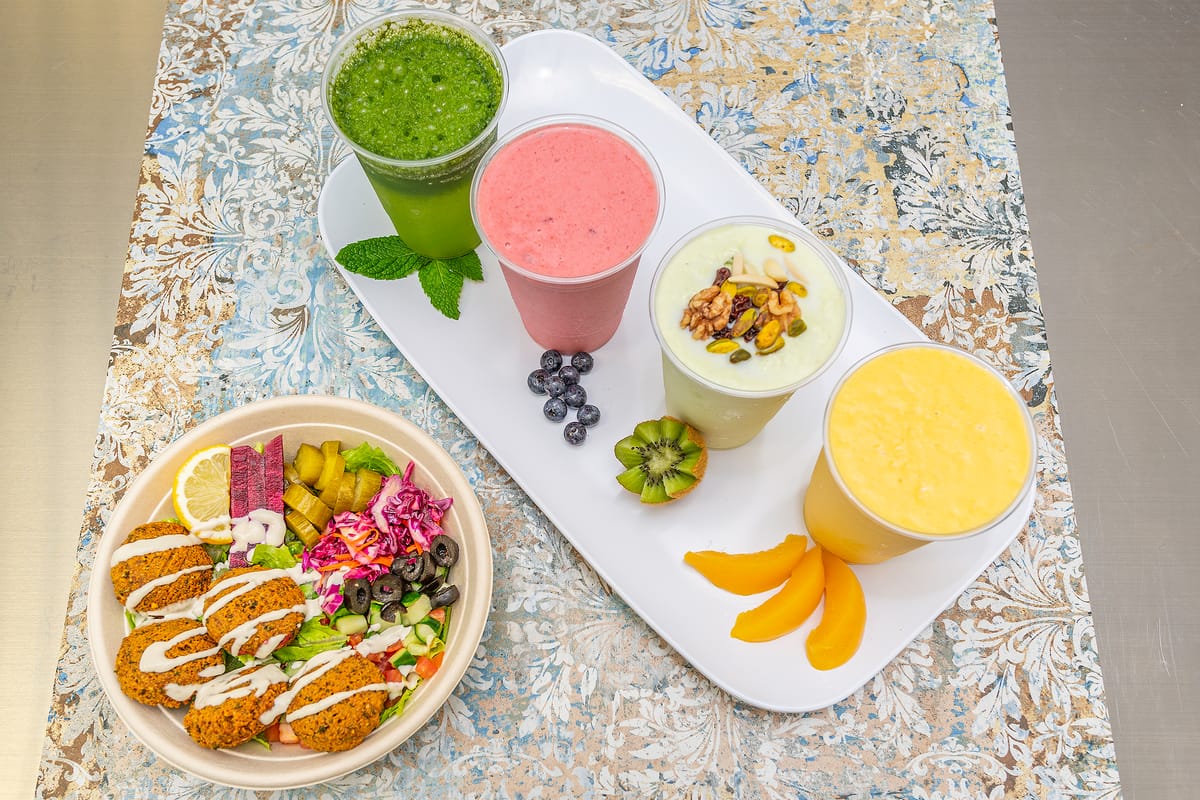
Falafel vs Meatball
Two crowd-pleasing spheres of food — one plant-based, one meat-based — with very different nutritional stories. We compare them across every metric that matters.
4.8 stars on Yelp (92 reviews) -- Open 11:00 AM - 12:00 AM
Two Spheres, Two Very Different Profiles
Both falafel and meatballs share a shape, a satisfying bite, and a presence in street food culture around the world. The similarities stop there.
Falafel is a deep-fried or baked ball made from soaked chickpeas, fresh herbs — typically parsley and cilantro — garlic, cumin, and coriander. The texture is crispy outside and dense inside, with a distinctive green interior from the herb blend. It has been eaten across the Levantine world for centuries, appearing as a street food staple long before plant-based eating became a trend.
Meatballs, by contrast, are ground meat shaped into spheres with any number of binders, seasonings, and cultural influences. Italian polpette simmer in tomato sauce. Swedish köttbullar are served with cream gravy. Turkish köfte are grilled over charcoal. Chinese lion's head meatballs braise in broth. The unifying factor is animal protein — usually beef, pork, turkey, or chicken — shaped and cooked into something round.
Understanding the nutritional and practical differences between these two foods helps you make informed choices, whether you are managing calories, building muscle, reducing your environmental footprint, or simply deciding what to eat for lunch.
Falafel
Levantine / chickpea-based
- Zero cholesterol
- 5–7 g fiber per serving
- Vegan, vegetarian, dairy-free
- 9–12 g protein per serving
- Low environmental footprint
Meatball
Global / ground meat-based
- 18–26 g protein per serving
- Complete amino acid profile
- Rich in B12 and zinc
- Higher saturated fat
- Higher greenhouse gas footprint
Falafel vs Meatball: Side-by-Side
Twelve key metrics covering nutrition, cooking, dietary suitability, cost, and environmental impact.
| Category | Falafel | Meatball |
|---|---|---|
| Primary Ingredient | Chickpeas, herbs, spices | Ground beef, pork, turkey, or chicken |
| Calories (4 pieces/balls) | 220–260 cal | 280–380 cal |
| Protein (4 pieces/balls) | 9–12 g | 18–26 g |
| Total Fat | 12–16 g (mostly unsaturated) | 14–24 g (higher saturated fat) |
| Saturated Fat | 1.5–2 g | 5–10 g |
| Dietary Fiber | 5–7 g | 0.5–1 g |
| Cholesterol | 0 mg | 55–90 mg |
| Cooking Method | Deep-fried or baked | Pan-fried, baked, or simmered in sauce |
| Dietary Suitability | Vegan, vegetarian, dairy-free, halal | Halal (if beef), gluten-free (without binder) |
| Iron Content | 2–3 mg (11–17% DV) | 2.5–3.5 mg (14–20% DV) |
| Cost Per Serving | Lower — chickpeas are inexpensive | Higher — quality meat carries a premium |
| Environmental Impact | Very low — 0.9 kg CO₂ per kg chickpeas | Moderate to high — 13–27 kg CO₂ per kg beef |
Values based on a standard serving of four pieces or four balls (~120 g). Meatball figures reflect ground beef (80% lean) unless otherwise noted.
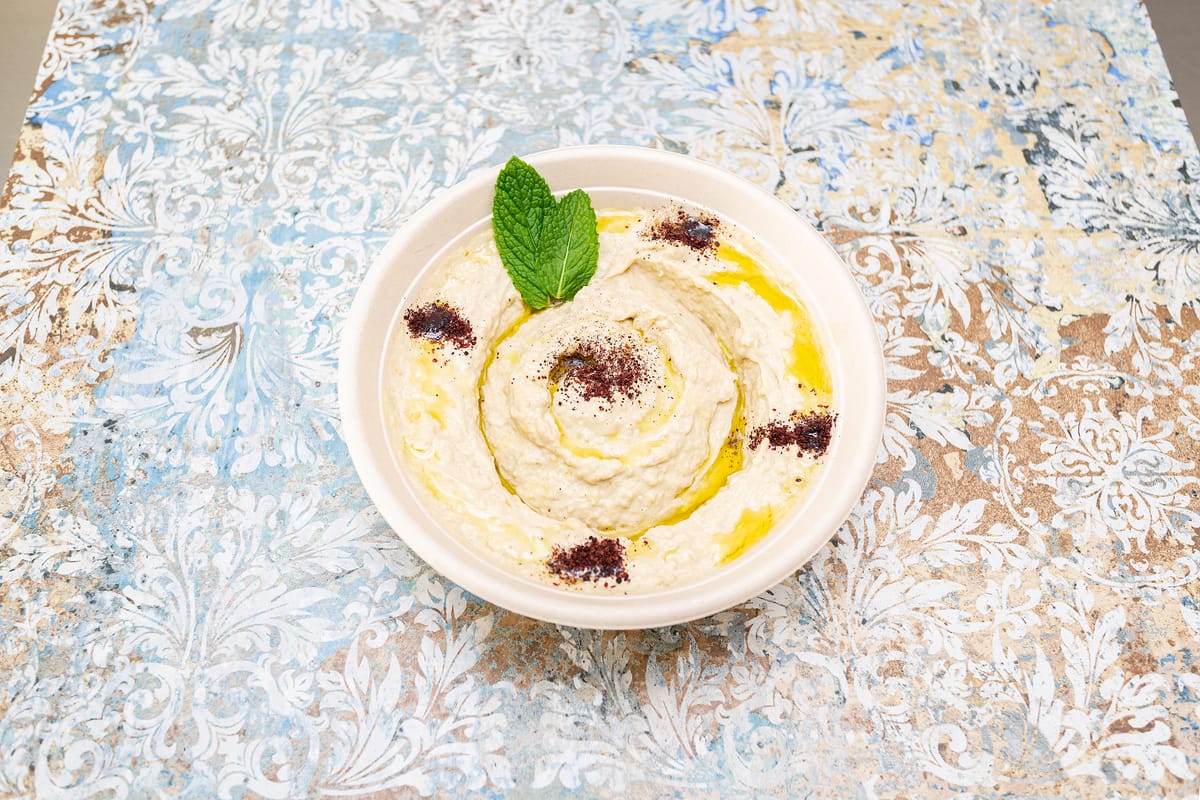
Made from scratch. Every single day.
Taza falafel starts with dried chickpeas soaked overnight — never canned, never frozen — ground with fresh parsley, garlic, and spice.
What Is Falafel?
A deep dive into the ingredients, technique, and nutritional science behind one of the most widely eaten street foods on earth.
Falafel is built on dried chickpeas — not cooked, not canned, but soaked overnight until they soften while retaining their raw starch. This raw starch is critical: it provides structure during frying and the characteristic dense, slightly grainy interior. The chickpeas are ground coarsely (not pureed) with fresh parsley, cilantro, garlic, cumin, and coriander. Salt binds the mixture, and a small amount of baking soda helps the exterior puff slightly during frying.
The balls are shaped and dropped into oil at 350°F (175°C). In under three minutes, the exterior turns deep golden-brown and crispy while the interior cooks through to a tender, green-flecked center. Quality falafel is never dry or crumbly inside — that is a sign of overcooked or over-ground chickpeas.
Nutritionally, chickpeas are one of the most nutrient-dense legumes available. A 100 g portion of cooked chickpeas delivers roughly 9 g of protein, 7 g of fiber, significant folate (43% DV), manganese (52% DV), phosphorus (20% DV), and 3 mg of iron (17% DV). The herb content adds antioxidants. The frying adds caloric density, but less than commonly assumed — most of the oil stays in the frying bath rather than absorbing into the interior.
Falafel Nutrition (4-piece serving, ~120 g)
Why Falafel Stands Out
Four reasons the chickpea ball has earned its place as a global protein alternative.
100% Plant-Based
Made entirely from chickpeas, herbs, and spices with no animal products. Falafel is vegan, vegetarian, and dairy-free by default.
High in Fiber
A single serving delivers 5–7 g of dietary fiber — more than most whole-grain foods — supporting digestive health and sustained energy.
Zero Cholesterol
Chickpeas contain no dietary cholesterol. For people managing cardiovascular health, this is a meaningful advantage over ground meat.
Rich in Micronutrients
Falafel supplies folate, manganese, phosphorus, copper, and iron. The herb blend adds antioxidants including flavonoids and carotenoids.
What Are Meatballs?
From Italian kitchens to Swedish holiday tables to Turkish street grills — the meatball adapts across every culture that cooks with ground meat.
A meatball is ground meat mixed with a binder (usually breadcrumbs or egg), salt, and seasonings, then shaped into a sphere. The meat can be beef, pork, veal, chicken, turkey, or a combination. What makes meatballs culturally specific is the spice and technique: Italian polpette use garlic, Parmesan, and parsley; Swedish köttbullar use allspice and nutmeg; Turkish köfte incorporate onion and red pepper flakes; Persian kofta adds barberries and walnuts.
Nutritionally, meatballs are an efficient protein delivery system. Ground beef meatballs at 80% lean provide roughly 22 g of protein per 120 g serving, along with significant amounts of B12 (80% DV), zinc (30% DV), and selenium (25% DV). These micronutrients are harder to obtain from plant sources. The tradeoff is higher saturated fat (5–10 g per serving vs under 2 g for falafel) and meaningful dietary cholesterol (55–90 mg per serving).
Cooking method affects the final nutrition significantly. Oven-baked beef meatballs shed 20–30% of their fat during cooking. Meatballs simmered in tomato sauce absorb less additional oil than pan-fried versions. The cooking context changes the caloric and fat profile more than the base recipe does.
Beef Meatball Nutrition (4 balls, ~120 g, 80% lean)
Where Meatballs Excel
Four areas where ground-meat balls genuinely outperform their plant-based counterpart.
High in Protein
Beef or chicken meatballs deliver 18–26 g of protein per serving — substantially more than plant-based alternatives at equivalent portion sizes.
Rich in B12 and Zinc
Meat is the primary dietary source of vitamin B12 and provides significant zinc, both critical for neurological function and immune health.
Complete Amino Acid Profile
Animal protein supplies all nine essential amino acids in a single food, making it highly bioavailable for muscle repair and growth.
Versatile Across Cuisines
Meatballs appear in Italian, Swedish, Turkish, Chinese, and Moroccan cooking — reflecting a global footprint shaped by local spice traditions.
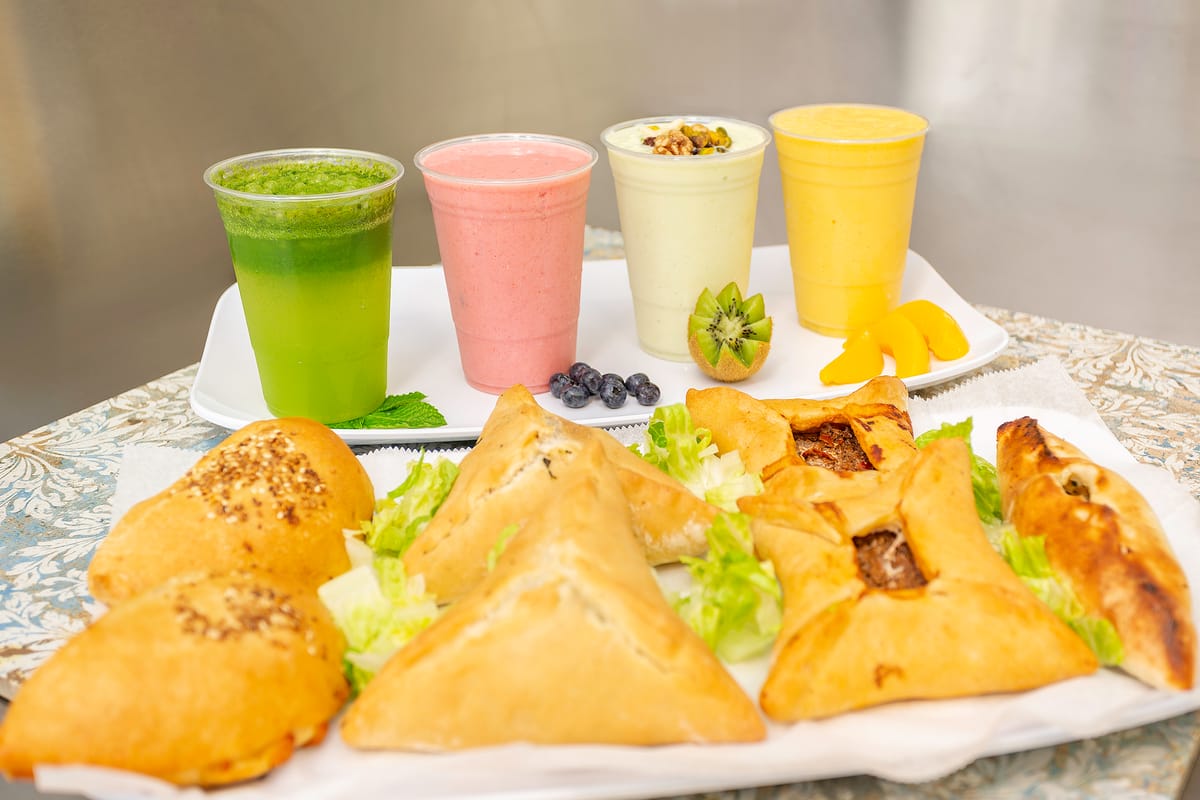
The complete falafel experience.
At Taza, falafel is served in a pita, shrak wrap, or rice bowl — each combining the protein-rich chickpea with fresh vegetables and house-made tahini.
Falafel or Meatball Protein: Which Is Better?
Quantity is only one side of the protein story. Completeness, bioavailability, and context all change the picture.
Falafel Protein Context
Chickpeas are not a complete protein on their own — they lack adequate methionine. However, pairing falafel with tahini (sesame paste) supplies the missing amino acid, creating a nutritionally complete protein combination. This is why the traditional falafel-plus-tahini combination has persisted for so long in the Levantine culinary tradition: it works biochemically as well as culinarily.
A Taza falafel pita with tahini sauce delivers roughly 13–17 g of protein in a complete amino acid profile. A falafel bowl with hummus on the side adds another 4–5 g of chickpea-sourced protein. For vegetarians and vegans tracking protein, this stacks up meaningfully across a full meal.
Meatball Protein Context
Ground meat provides a full complement of essential amino acids in every serving, with a PDCAAS (Protein Digestibility-Corrected Amino Acid Score) close to 1.0 — the maximum possible. The bioavailability of animal protein is consistently higher than plant protein, meaning your body absorbs more of it per gram consumed.
For active individuals, particularly those doing resistance training, the higher protein density of meatballs per gram of food eaten is practically relevant. A 120 g portion of beef meatballs at 22 g protein delivers roughly 18 g of net protein above maintenance needs — a significant contribution to a daily target of 140–180 g for a 70 kg athlete.
Plant vs Meat: The Carbon Gap
The environmental difference between chickpea-based falafel and beef meatballs is one of the most significant in food production.
Greenhouse Gas Emissions
Beef production emits roughly 27 times more greenhouse gases per kilogram than chickpea cultivation. Choosing falafel over beef meatballs once per week for a year reduces personal food-system emissions by approximately 11 kg CO₂e.
Water Usage
Beef requires approximately 15 times more water per kilogram of food produced compared to chickpeas. In drought-affected regions, the water footprint of food choices is a meaningful consideration.
Land Use
To produce 100 g of protein from chickpeas requires 2.5 m² of land. The same amount of protein from beef requires over 164 m² — roughly 65 times more. This land gap is the largest driver of food system biodiversity loss.
How They Eat Differently
Nutrition matters, but flavor and culinary flexibility shape how often you actually reach for either option.
The Flavor Profile of Falafel
Falafel's flavor is earthy, herbal, and lightly spiced. The dried chickpea base provides a neutral, starchy canvas. Cumin adds warmth and depth. Fresh parsley and cilantro inject brightness and a slight bitterness that balances the richness of the frying oil. Garlic threads through everything. Coriander adds a citrusy floral note.
The contrast between the crunchy exterior and the soft, moist interior is central to the experience. Properly fried falafel should shatter slightly when bitten, revealing a green-flecked center that is still warm and slightly steaming.
Falafel pairs naturally with tahini, pickled vegetables, fresh tomato, cucumber, and pita. The tahini sauce — made from sesame, lemon, garlic, and water — mirrors and amplifies the nutty, earthy notes in the falafel itself. This pairing is the cornerstone of every Taza falafel dish.
The Flavor Profile of Meatballs
Meatballs deliver savory depth that is harder to replicate with plant-based proteins. The Maillard reaction during browning creates hundreds of flavor compounds — umami, caramelized sugars, browned fat — that produce a complexity chickpeas cannot match on their own.
The fat content in meatballs carries flavor in a way lean plant proteins do not. Rendered fat coats the palate, prolonging the savory experience. This is why many people find beef meatballs more immediately satisfying than plant-based equivalents, even when the plant version is well-seasoned.
Cultural context shapes the flavor dramatically. The same ball changes almost beyond recognition when seasoned with Japanese panko and soy versus Italian Pecorino and basil versus North African harissa. This cultural adaptability is the meatball's greatest culinary strength.
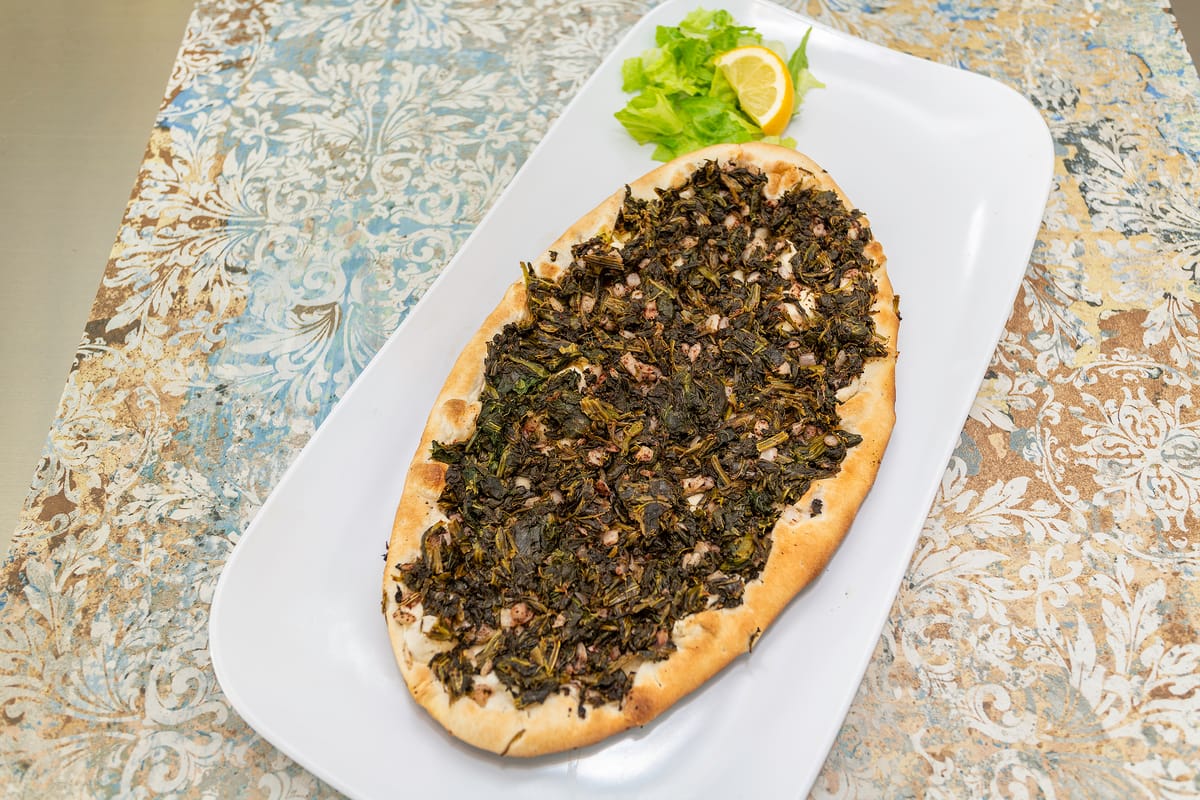
Order falafel the right way.
Fresh-fried to order, never sitting under heat lamps. Every Taza falafel is made when you place your order.
Falafel Done Right at Taza
Six ways to eat Levantine-style falafel at Taza Shawarma & Falafel in Falls Church, VA.
Falafel Pita
from $8.95The classic. Crispy falafel in warm pita with tahini, lettuce, tomato, cucumber, and pickled turnip.
Falafel Shrak Wrap
from $9.95Falafel rolled in thin shrak flatbread with the same fresh toppings and a generous pour of tahini sauce.
Falafel Bowl
from $10.45Falafel on rice with hummus, tabbouleh, and a drizzle of tahini — the high-fiber, high-protein power bowl.
Hummus
$4.95House-made hummus — a natural partner to falafel. Chickpeas two ways, both made fresh daily.
Baba Ghanouj
$4.95Smoky roasted eggplant dip that pairs beautifully with falafel as a side or a topping.
Falafel (1 pc)
$0.85Falafel pieces on their own — perfect for snacking, adding to a salad, or trying the falafel before committing to a full order.
Falafel or Meatball — Who Should Choose Which?
Neither food is universally better. The right choice depends on what you are optimizing for.
Choose Falafel If You Are...
- Vegetarian, vegan, or reducing meat intake
- Managing cholesterol or cardiovascular risk
- Looking for a high-fiber protein source
- Trying to lower your food carbon footprint
- Seeking a halal and dairy-free option
- Watching calories without sacrificing volume
- Craving Levantine flavors — herbal, spiced, tangy
- Feeding a mixed group with varied dietary needs
Choose Meatballs If You Are...
- Prioritizing maximum protein per serving
- An active athlete targeting 2 g protein per kg bodyweight
- Needing dietary B12 from food sources
- Following a low-carb or ketogenic approach
- Craving the savory Maillard-reaction depth of browned meat
- Cooking Italian, Swedish, or Turkish cuisine
- Looking for a single-ingredient protein without pairing
- Comfortable with higher saturated fat in your diet
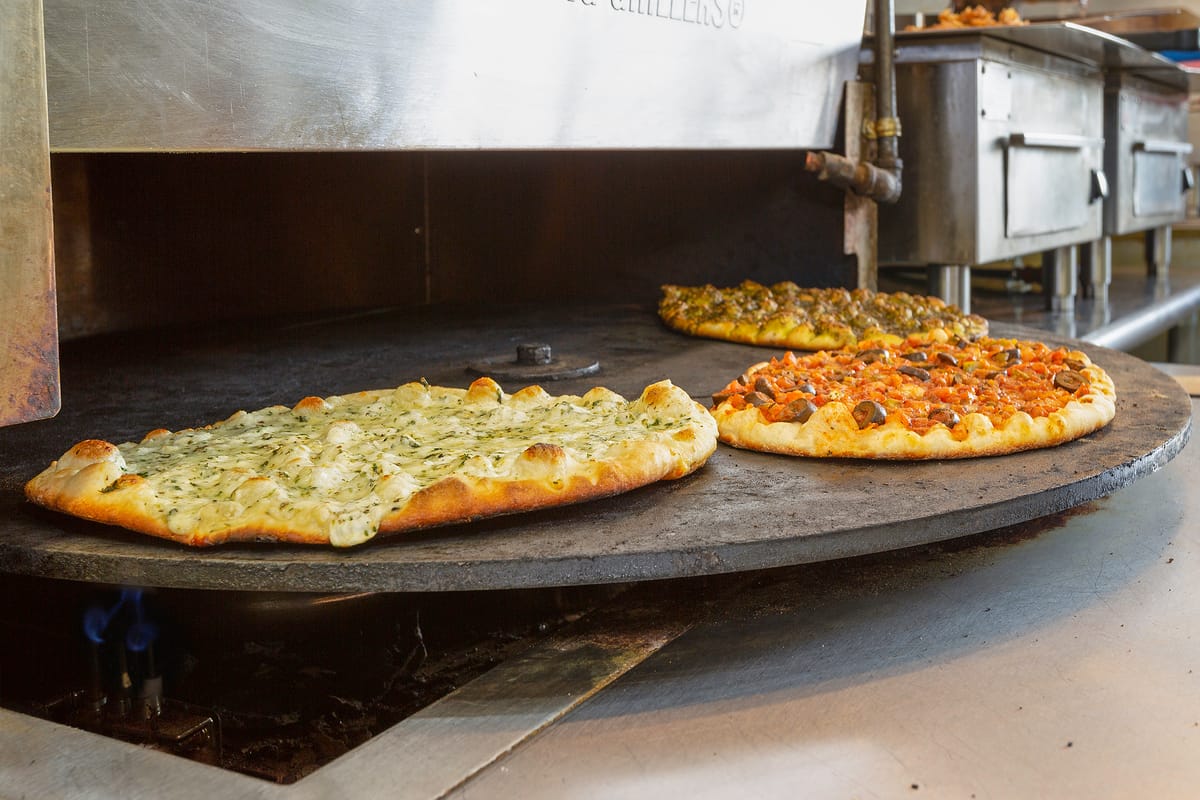
Falls Church's home for Levantine street food.
5769 Seminary Rd — open daily. Falafel, shawarma, bowls, and pies made fresh every morning.
Order Falafel at Taza in Falls Church, VA
Taza Shawarma & Falafel is at 5769 Seminary Rd, Falls Church, VA — minutes from Arlington, Alexandria, and Annandale.
Address
5820 Seminary Rd Ste O, Falls Church, VA 22041
Hours
11:00 AM - 12:00 AM -- Open 7 Days a Week
Phone
Falafel vs Meatball: Common Questions
For most health goals, falafel has notable advantages: zero cholesterol, significantly more fiber (5–7 g vs under 1 g), and less saturated fat. Meatballs deliver more protein per serving (18–26 g vs 9–12 g), which matters if muscle building is the priority. Both can fit a balanced diet depending on your individual needs.
Meatballs generally provide more protein per serving — typically 18–26 g per four balls — compared to falafel's 9–12 g per four pieces. However, falafel protein is complete when paired with tahini or pita, since chickpeas and sesame together supply all essential amino acids.
No. Falafel originates in the Levantine culinary tradition — rooted in Egypt, Lebanon, Syria, Jordan, and surrounding regions. It has been eaten for centuries as a street food staple. Meatballs appear across dozens of cultures: Italian polpette, Swedish köttbullar, Turkish köfte, and Chinese lion's head, each with distinct seasoning and technique.
Yes, and many home cooks do exactly this. Falafel balls hold their shape in tomato-based sauces and absorb flavors well. They work particularly well with marinara or arrabbiata. The texture is denser and the flavor is earthier, but the swap satisfies both vegetarians and meat-eaters who want something different.
Falafel is surprisingly iron-rich. A serving of four pieces provides roughly 2–3 mg of iron (11–17% DV), compared to beef meatballs at 2.5–3.5 mg (14–20% DV). Pairing falafel with vitamin C-rich toppings like tomatoes and lemon juice improves plant-based iron absorption significantly.
Falafel has fewer calories and more fiber per serving, which supports satiety. The high fiber content slows digestion, keeping you full longer on fewer calories. Meatballs are higher in protein, which also promotes fullness. Portion size matters more than choosing one over the other — a Taza falafel bowl at around 500–600 calories is well within a weight-management target.
Traditional falafel made from chickpeas is naturally gluten-free when no flour is added as a binder. Many meatball recipes include breadcrumbs as a binder, making them not gluten-free. Taza's falafel is chickpea-based — guests with gluten sensitivity should confirm the preparation details when ordering.
Taza falafel is made from soaked dried chickpeas — never canned — blended with fresh parsley, cilantro, garlic, cumin, and coriander, then fried to order. The result is a crispy herb-green ball with a tender center. The entire flavor profile is bright and herbal rather than meaty and savory, offering a distinct eating experience that stands on its own.
Skip the Comparison — Just Taste It
The best way to understand why falafel holds its own against anything is to try a fresh batch at Taza. Fried to order, served with house tahini, and ready in minutes.