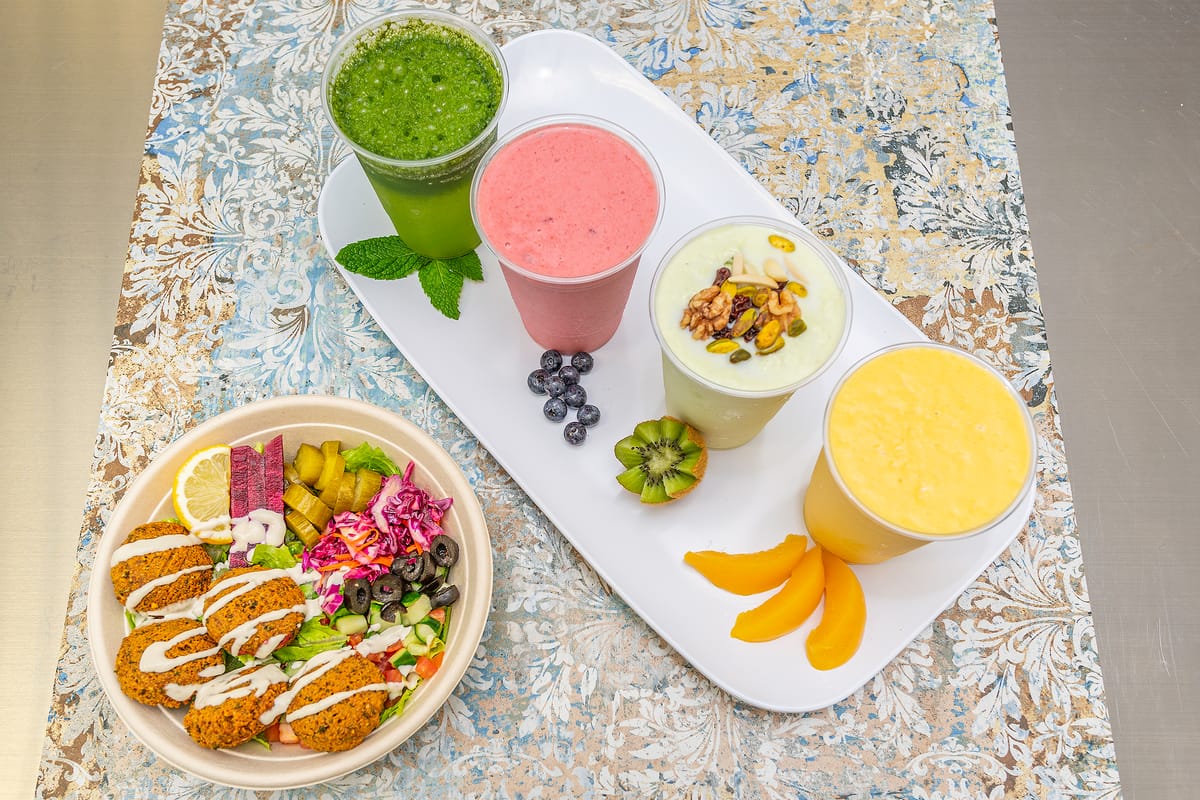
What Is Halal Food? Everything You Need to Know
Halal food is more than a dietary label. It is a complete system of ethical sourcing, humane treatment, and strict quality control that governs how food reaches your plate. Here is the full guide.
4.8 stars on Yelp (92 reviews) -- Open 11:00 AM - 12:00 AM
What Does Halal Mean?
The Arabic word 'halal' translates to 'permissible' -- here is what that means for food.
Halal is an Arabic word that means "permissible" or "lawful." In the context of food, it describes anything that is allowed under Islamic dietary guidelines as outlined in the Quran and the Hadith (the recorded sayings of the Prophet Muhammad). The concept extends beyond which animals can be eaten. It covers how animals are raised, how they are slaughtered, how the meat is processed, and how the final product is stored and served. Halal is a comprehensive framework that connects ethical treatment of animals, cleanliness of preparation, and spiritual mindfulness into a single dietary standard.
The opposite of halal is haram, meaning "forbidden" or "prohibited." Between these two categories exists a gray area called mashbooh, meaning "doubtful" or "questionable," which refers to food whose halal status is unclear and should be avoided until verified. For observant Muslims, eating halal is not optional -- it is a religious obligation that applies to every meal, every ingredient, and every step in the food supply chain. For non-Muslims, halal represents a set of quality and ethical standards that many find appealing regardless of religious affiliation.
At Taza Shawarma & Falafel in Falls Church, VA, every protein on the menu is sourced from halal-certified suppliers. The chicken shawarma pita starts at from $9.95, the beef shawarma pita at from $9.95, and the falafel pita -- a naturally halal vegetarian option -- at from $8.95. Halal is not a special section of our menu. It is the entire menu.
What Makes Food Halal?
Five core requirements must be met for meat to qualify as halal.
The Animal Must Be Permissible
Only certain animals are halal. Cattle, sheep, goats, chickens, turkeys, ducks, and most seafood are permissible. Pigs, carnivorous animals, birds of prey, and animals with fangs or claws used for hunting are haram. The animal must also be alive and healthy at the time of slaughter -- any animal that died from disease, injury, or natural causes before slaughter is not halal.
Zabiha: The Slaughter Method
The slaughter must be performed by a sane, adult Muslim using a sharp blade. The cut must sever the throat, windpipe, and blood vessels in a single, swift motion to minimize suffering. The spinal cord must not be cut. This method, called zabiha (or dhabiha), is designed to cause the least possible pain to the animal while ensuring rapid and complete blood drainage from the carcass.
The Blessing (Bismillah)
At the moment of slaughter, the person performing the act must invoke the name of God by saying 'Bismillah' (In the name of God) and 'Allahu Akbar' (God is greatest). This is not a ritual performed on the meat after the fact. It must happen at the precise moment the blade meets the animal. The prayer represents gratitude and acknowledgment that taking a life for sustenance is permitted only by divine authority.
Complete Blood Drainage
After the zabiha cut, the animal's blood must be allowed to drain completely from the body. Consuming blood is explicitly forbidden in Islam. The swift cutting of the blood vessels, combined with the heart continuing to pump briefly after the cut, ensures that the maximum amount of blood exits the carcass. This is one reason halal meat tends to have a cleaner taste and longer shelf life -- residual blood is a breeding ground for bacteria.
No Haram Contamination
Halal food must not come into contact with haram substances at any point in the supply chain. This means separate storage from pork products, no alcohol-based cleaning agents on food preparation surfaces, no pork-derived gelatin or enzymes in processed foods, and no cross-contamination during transportation or cooking. Many halal certifiers require dedicated equipment that is never used for non-halal products.
Proper Handling and Storage
The halal chain does not end at slaughter. Meat must be stored, transported, and prepared using equipment that has not been contaminated by non-halal products. Restaurants that serve both halal and non-halal items must maintain strict separation. At Taza, this is not an issue because our entire kitchen operates under halal protocols -- there is no pork on the premises and no alcohol-based ingredients in any recipe.
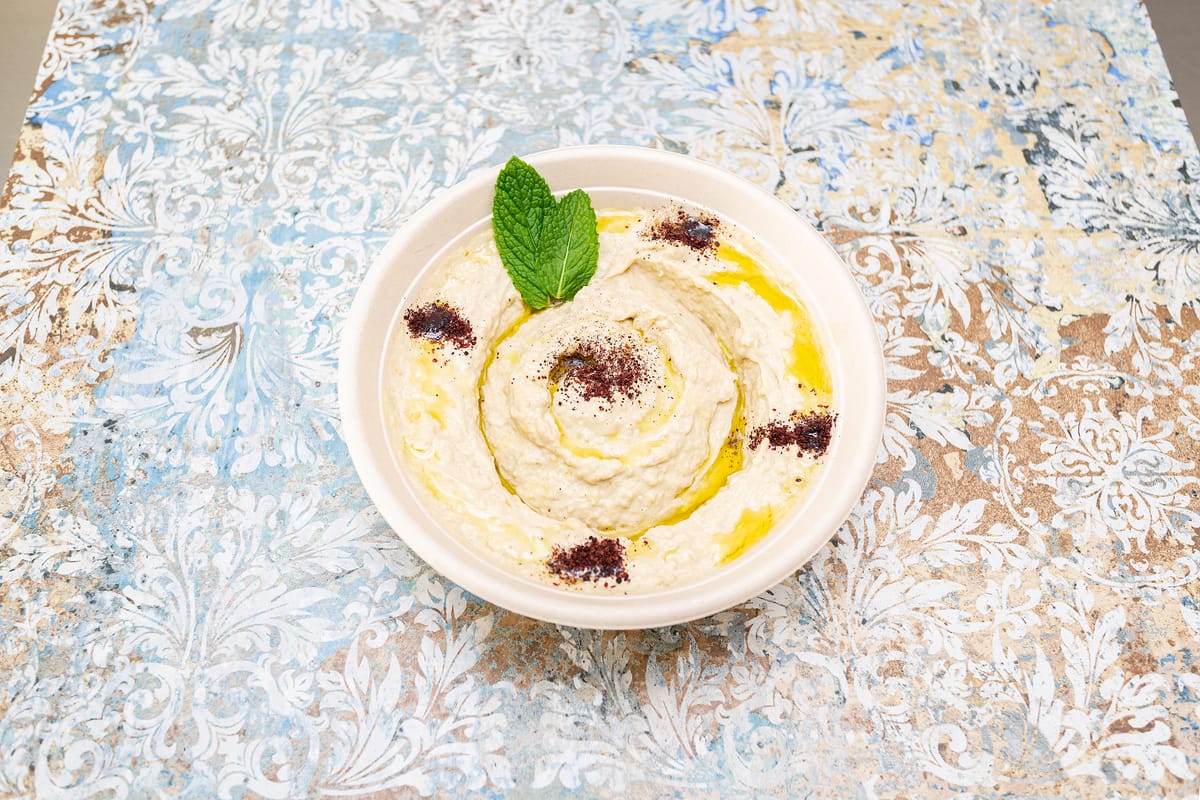
100% Halal, Zero Compromise
Every protein at Taza is sourced from halal-certified suppliers. No exceptions.
What Foods Are Haram (Forbidden)?
Understanding what is prohibited is just as important as understanding what is permitted.
Haram foods are those explicitly forbidden in the Quran and Hadith. The prohibitions are not arbitrary -- each has a basis in health, hygiene, or ethical reasoning that has been discussed by Islamic scholars for over 1,400 years. Knowing what is haram helps consumers make informed choices whether they follow Islamic dietary law or simply want to understand the standards behind the halal label they see on restaurant menus and grocery products.
Pork and Pork By-Products
All products derived from pigs are haram, including ham, bacon, lard, pork gelatin, and any food processed with pork-derived enzymes. This extends to hidden ingredients: many conventional gummy candies, marshmallows, and some cheeses use pork gelatin as a binding agent.
Alcohol and Intoxicants
All alcoholic beverages and intoxicating substances are haram. This also includes foods cooked with alcohol (wine reductions, beer batters, rum-soaked desserts) and vanilla extract made with alcohol. Some Islamic scholars also prohibit non-alcoholic beer due to its origin.
Blood and Blood Products
Consuming blood in any form is forbidden. This is why complete blood drainage during slaughter is a core halal requirement. Blood sausages, blood pudding, and dishes that incorporate animal blood as an ingredient are all haram regardless of the animal source.
Improperly Slaughtered Animals
An animal that dies before being slaughtered -- whether from disease, injury, strangulation, a fall, or being killed by another animal -- is haram. Meat from an animal slaughtered without invoking God's name, or slaughtered by a non-Muslim in a non-halal facility, is also forbidden.
Carnivorous Animals and Birds of Prey
Animals with fangs that they use for hunting (lions, wolves, dogs, bears) and birds with talons used for catching prey (eagles, hawks, falcons) are haram. Donkeys and mules are also prohibited. The reasoning relates to both the animal's diet (carnivores consume blood and carrion) and their nature.
Carrion and Roadkill
Any animal found dead, regardless of species, is haram. The animal must be alive and healthy at the moment of slaughter for the meat to be considered halal. This rule ensures that consumers never eat meat from animals that may have died from disease or contamination.
How Does Halal Certification Work?
Third-party verification ensures the halal label on your food actually means something.
Halal certification is a formal verification process conducted by an independent certifying body. The certifier audits the entire supply chain -- from farm to slaughterhouse to processing facility to restaurant kitchen -- to confirm that every step meets Islamic dietary requirements. Certification is not a one-time event. Most certifying bodies require regular inspections, unannounced audits, and full documentation of suppliers, ingredients, and handling procedures. The goal is to provide consumers with confidence that the halal label on a product or restaurant is backed by genuine compliance, not just a marketing claim.
In the United States, there is no single government-mandated halal certification standard. Instead, several recognized organizations operate independently: ISWA (Islamic Services of America), IFANCA (Islamic Food and Nutrition Council of America), and the Halal Food Authority are among the most established. Each maintains its own inspection protocols, but all require that slaughter be performed by a Muslim, that the blessing be recited, that blood be fully drained, and that no cross-contamination with haram products occurs. When you see a halal certificate at a restaurant, check which organization issued it -- a recognized certifier is your best assurance of genuine compliance.
Supply Chain Audit
Certifiers trace every ingredient back to its source. Meat suppliers must provide documentation of halal slaughter. Processing facilities are inspected for cross-contamination risks. Even packaging materials and cleaning products are reviewed.
Regular Inspections
Certification is not permanent. Facilities undergo scheduled and surprise inspections throughout the year. Any violation -- even a minor procedural lapse -- can result in suspension or revocation of the halal certificate.
Consumer Transparency
Certified businesses must display their certificate publicly. Consumers can verify the certificate number with the issuing organization. This system creates accountability that self-declared 'halal' labels do not provide.
Is Halal Food Healthier?
Addressing the most common question about halal food with facts, not marketing.
The health question around halal food deserves a precise answer rather than a marketing pitch. Halal is primarily a religious and ethical standard, not a nutritional one. A halal chicken shawarma plate and a conventional chicken plate contain the same macronutrients -- protein, fat, carbohydrates -- in roughly the same proportions. The calorie count does not change based on halal certification. However, several aspects of halal processing do have measurable impacts on food quality and safety that are worth understanding, especially for health-conscious consumers comparing their options in Falls Church and Northern Virginia.
Complete blood drainage is the most significant difference. Blood is a rich medium for bacterial growth. When blood remains in meat -- as it can in conventionally processed products -- it accelerates spoilage and increases contamination risk. Halal slaughter, by requiring thorough drainage, produces meat that many butchers and chefs consider cleaner-tasting and longer-lasting. The requirement that animals be healthy at slaughter also means diseased livestock is excluded from the halal supply chain, a safeguard that conventional processing does not always enforce at the same level.
Many halal certifiers go beyond the base religious requirements and restrict the use of growth hormones, sub-therapeutic antibiotics, and animal by-products in feed. These additional standards align with what many health-conscious consumers look for in organic or natural meat products. At Taza Shawarma & Falafel, our halal-certified chicken and beef are prepared with olive oil and natural spices -- no artificial preservatives, no MSG, and no fillers. A chicken shawarma bowl on a greens base (from from $12.45) delivers approximately 30-40 grams of protein in a meal that runs 350-450 calories depending on toppings.
Complete Blood Drainage
Reduces bacterial growth medium in the meat, resulting in cleaner taste and potentially longer shelf life compared to conventional processing.
No Routine Hormones
Many halal certifiers prohibit routine growth hormones and sub-therapeutic antibiotics, resulting in meat raised closer to natural conditions.
Healthy Animals Only
The requirement that animals be healthy at slaughter excludes diseased livestock from the supply chain -- an additional safety layer.
Strict Handling Protocols
Dedicated storage, separate equipment, and cross-contamination prevention reduce the risk of allergen exposure and foodborne illness.
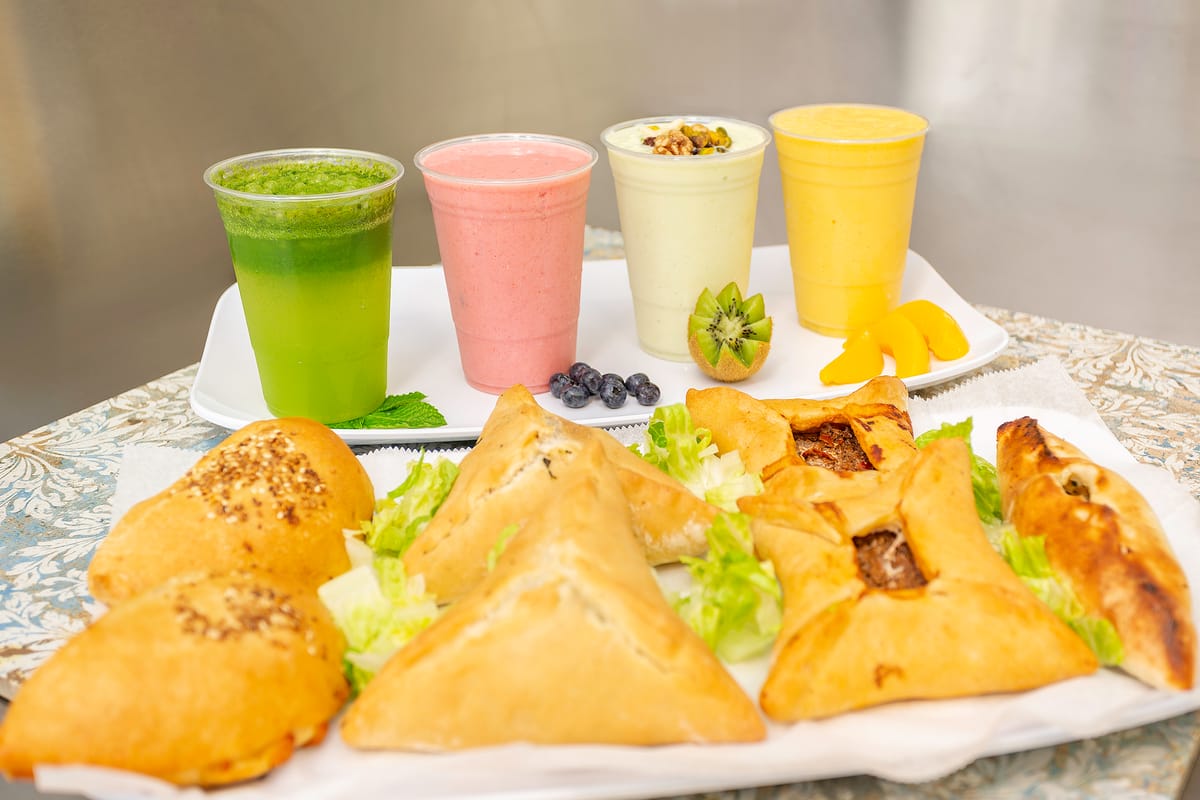
Halal Standards, Fresh Ingredients
From certified suppliers to your plate -- quality you can trust at every step.
Halal vs Kosher: What Is the Difference?
Two ancient dietary systems with overlapping principles and distinct rules.
Halal and kosher are the two most widely practiced religious dietary systems in the world. Both originate from Abrahamic traditions -- halal from Islam, kosher (kashrut) from Judaism. They share several core principles: both prohibit pork, both require slaughter by a trained individual using a sharp blade, and both mandate blood drainage. These similarities lead many people to assume the two systems are interchangeable, but there are meaningful differences in the specific rules, the theological reasoning, and the practical implications for food preparation.
The most significant practical difference is the meat-dairy separation in kosher law. Jewish dietary law strictly forbids mixing meat and dairy products in the same meal, requiring separate utensils, cookware, and even separate sinks in a kosher kitchen. Halal has no such restriction -- a halal meal can freely combine meat and cheese, butter, or yogurt. This is why a chicken shawarma with labneh (yogurt) is perfectly halal but would not be kosher. The slaughter requirements also differ in detail: kosher shechita requires a single uninterrupted cut with no pauses, while halal zabiha allows a slight back-and-forth sawing motion. Kosher does not require a prayer for each individual animal; halal does.
On alcohol, the two systems diverge completely. Wine and other alcoholic beverages are central to many Jewish religious observances and are kosher when produced under rabbinical supervision. All alcohol is haram in Islam, regardless of how it is produced or in what quantity it is consumed. Regarding seafood, kosher law permits only fish with both fins and scales (excluding shellfish, squid, and catfish), while the majority of Islamic scholars consider all seafood halal. These differences mean that halal and kosher certification are not interchangeable, even though they overlap on many fundamental principles.
Halal vs Conventional Meat Processing
A factual comparison of how halal and conventional meat reach your plate.
| Category | Halal Processing | Conventional Processing |
|---|---|---|
| Slaughter Method | Hand-slaughtered with a swift cut to the throat; prayer recited | Mechanical stunning and bolt-gun methods are common |
| Blood Drainage | Complete drainage required; blood is considered impure | Partial drainage; residual blood may remain in meat |
| Prayer/Blessing | Blessing (Bismillah) recited at the time of slaughter | No religious invocation required |
| Animal Welfare | Animal must be healthy, conscious, and treated humanely before slaughter | Standards vary widely by facility and region |
| Feed Requirements | Natural, vegetarian feed preferred; no animal by-products | Feed may include animal by-products and growth hormones |
| Hormones & Antibiotics | Many halal certifiers prohibit routine use of hormones and antibiotics | Routine use of growth hormones and sub-therapeutic antibiotics is common |
| Traceability | Full supply chain audit required for certification | Traceability varies; not always mandated |
| Inspection | Third-party halal certifier inspects regularly | Government inspectors (USDA/FSIS) conduct periodic checks |
| Prohibited Ingredients | No pork, alcohol, or pork-derived additives in any product | No blanket restrictions on pork derivatives or alcohol in processing |
| Cross-Contamination | Dedicated equipment and storage; strict separation protocols | Shared equipment between product lines is standard |
Why Non-Muslims Also Choose Halal
Halal food has a growing audience that extends well beyond the Muslim community.
The global halal food market is projected to exceed $2.5 trillion by 2028, and a significant portion of that growth comes from non-Muslim consumers. In Northern Virginia -- one of the most culturally diverse regions in the United States -- halal restaurants serve a clientele that spans every background, faith, and dietary preference. The appeal is straightforward: halal certification provides a level of traceability, quality assurance, and ethical oversight that many consumers find reassuring, regardless of their religious beliefs.
Quality-conscious consumers appreciate that halal meat undergoes stricter sourcing requirements than standard USDA grade labeling alone provides. The complete blood drainage produces meat with a cleaner flavor profile. The prohibition on diseased animals provides an additional safety buffer. Animal welfare advocates are drawn to the requirement that animals be treated humanely, fed natural diets, and slaughtered with minimal suffering. Health-focused diners value the restrictions on hormones and antibiotics that many halal certifiers enforce. None of these benefits require religious observance to appreciate.
At Taza Shawarma & Falafel, our customer base reflects this diversity. College students from George Mason University, Pentagon employees, families from Bailey's Crossroads, and food enthusiasts from across the DMV all order from the same halal menu. Whether you are here because halal is a religious requirement or because you want the cleanest, most ethically sourced shawarma in Falls Church, the food on your plate is exactly the same: 100% halal-certified chicken and beef, fresh-baked pita, and 14 toppings prepared with care.
Halal Favorites at Taza
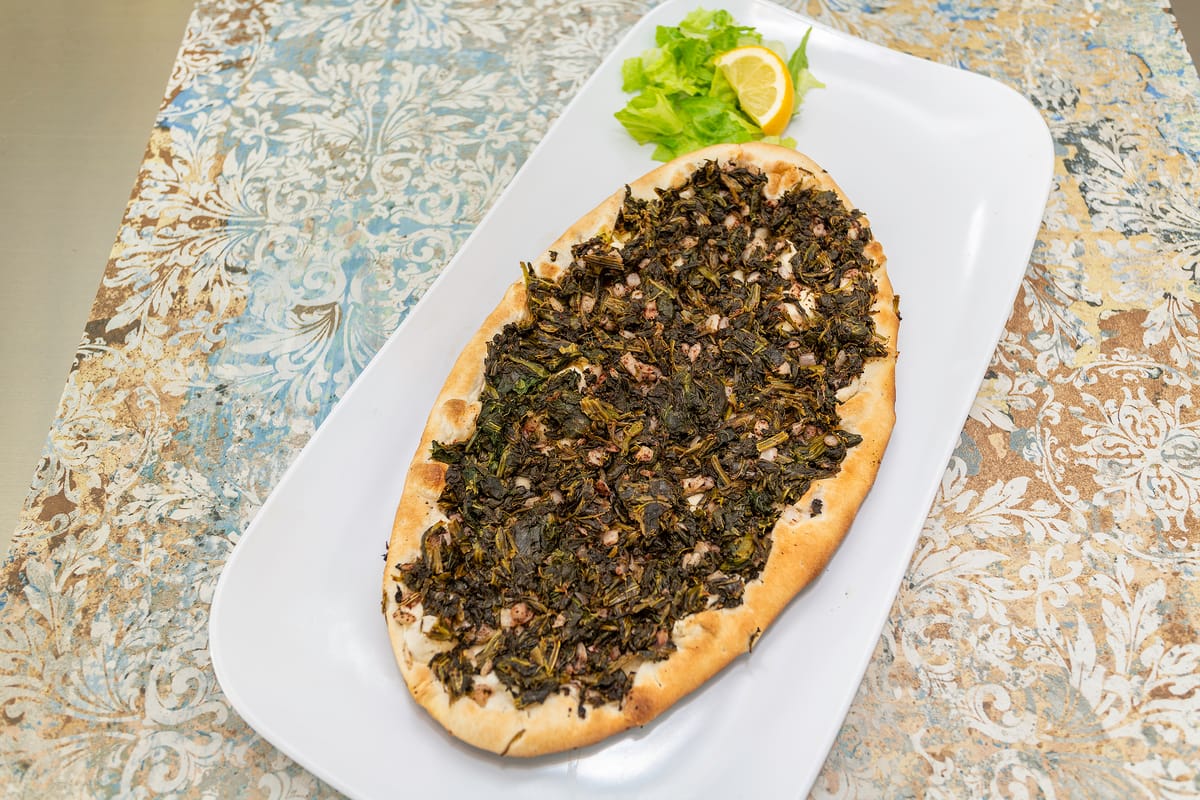
Fresh Toppings, Halal Proteins
14 toppings included free with every halal shawarma or falafel at Taza.
Halal at Taza Shawarma & Falafel
How we maintain halal integrity from supplier to plate in Falls Church, VA.
At Taza Shawarma & Falafel, halal is not a marketing label -- it is the foundation of our entire operation. Every piece of chicken and every cut of beef that enters our kitchen at 5820 Seminary Rd, Falls Church comes from halal-certified suppliers who meet zabiha slaughter requirements. We maintain full documentation of our supply chain and welcome any customer to ask about our sourcing. Our kitchen does not handle pork in any form, and no alcohol-based ingredients are used in any recipe or cleaning product. From the moment our ingredients arrive to the moment your order is served, halal integrity is maintained at every step.
Our shawarma is prepared on vertical spits using the traditional slow-roasting method. The chicken is marinated in a blend of olive oil, garlic, cumin, turmeric, and aromatic spices before being stacked and roasted for hours. The beef receives a similar treatment with a richer spice profile including cinnamon and allspice. Both proteins are sliced to order, ensuring freshness and peak flavor. Our falafel, hummus, baba ghanoush, labneh, and all vegetarian sides are inherently halal and prepared in the same kitchen under the same handling protocols.
For families and individuals in Falls Church, Bailey's Crossroads, Annandale, Seven Corners, and across Northern Virginia who require halal dining, Taza offers a menu of over 40 items -- all halal, all made fresh, and all available for dine-in, takeout, or online ordering. The chicken shawarma pita starts at from $9.95, the falafel pita at from $8.95, and the hummus at $4.95. We are open 11:00 AM - 12:00 AM, seven days a week.
Chicken Shawarma Pita
from $9.95
Halal-certified chicken, spit-roasted and sliced into fresh pita with 14 topping options.
Learn MoreBeef Shawarma Pita
from $9.95
Halal-certified beef, slow-roasted on vertical spit, served in warm pita with tahini.
Learn MoreFalafel Pita
from $8.95
Naturally halal. Crispy chickpea falafel with fresh vegetables and tahini sauce.
Learn MoreFrequently Asked Questions About Halal Food
Halal is an Arabic word meaning 'permissible' or 'lawful.' In the context of food, it refers to items that are allowed under Islamic dietary law as outlined in the Quran. The opposite of halal is haram, meaning 'forbidden.' Halal covers not just the type of food but how it is sourced, prepared, and handled throughout the entire supply chain. At Taza Shawarma & Falafel in Falls Church, every protein on our menu is sourced from halal-certified suppliers, meaning the meat meets all requirements of Islamic dietary law from farm to table.
Several aspects of halal preparation can contribute to a cleaner product. Complete blood drainage removes a medium where bacteria can thrive, potentially extending shelf life and reducing contamination risk. Many halal certifiers also restrict the routine use of growth hormones and sub-therapeutic antibiotics, resulting in meat raised more naturally. The requirement that the animal be healthy at the time of slaughter means diseased animals are excluded. That said, 'halal' is a religious and ethical standard, not a nutritional label. A halal hamburger still has the same caloric content as a conventional one. The health benefits come from the stricter processing standards, not from any change to the macronutrient profile of the food itself.
Both halal and kosher are religious dietary systems -- halal comes from Islamic law, kosher from Jewish law (kashrut). Both require slaughter by a trained individual with a sharp blade, both prohibit pork, and both mandate blood drainage. Key differences: kosher slaughter (shechita) does not require a prayer for each animal, while halal (zabiha) does. Kosher law forbids mixing meat and dairy in the same meal; halal has no such restriction. Kosher requires a specific cut to specific arteries and veins; halal requires a cut to the throat, windpipe, and blood vessels. Alcohol is kosher but haram (forbidden) in halal. Seafood rules also differ: kosher permits only fish with fins and scales, while most Islamic scholars consider all seafood halal.
Look for a visible halal certification from a recognized certifying body such as ISWA, IFANCA, or the Halal Food Authority. Ask the restaurant directly about their suppliers and whether they can provide documentation. A trustworthy halal restaurant will name their certification body, share supplier information, and welcome questions. Be cautious of restaurants that label themselves halal without any certifying body or documentation. At Taza, we maintain full documentation of our halal-certified suppliers and are always happy to discuss our sourcing with customers.
No. Middle Eastern cuisine is a broad category that includes dishes from many countries and cultural traditions. While many Middle Eastern restaurants serve halal food, it is not automatic. A Lebanese, Turkish, or Egyptian restaurant may or may not source halal-certified meat. Vegetarian Middle Eastern dishes like falafel, hummus, baba ghanoush, and tabbouleh are inherently halal because they contain no animal products that require slaughter. But any dish with meat, poultry, or animal-derived gelatin requires verification. Always ask about certification rather than assuming based on the type of cuisine.
Absolutely. Halal food is eaten by people of all backgrounds worldwide. There is nothing in halal preparation that makes the food exclusive to Muslims. Many non-Muslims seek out halal meat specifically because of its stricter quality controls, complete blood drainage, humane treatment requirements, and restrictions on hormones and antibiotics. In Northern Virginia, Taza Shawarma & Falafel serves a diverse clientele -- families, students, professionals, and food enthusiasts of every background -- who appreciate the quality standards that halal certification represents.
Halal meats include beef, lamb, goat, chicken, turkey, duck, and other poultry -- provided the animals were slaughtered according to zabiha requirements. Most seafood is also considered halal by the majority of Islamic scholars. Meats that are always haram (forbidden) include pork and pork by-products (ham, bacon, lard, gelatin from pork), meat from carnivorous animals (lions, eagles, dogs), and any animal that died of natural causes, disease, or was killed by another animal. At Taza, we serve halal-certified chicken and beef, both slow-roasted on our vertical spit for shawarma and used across our full menu.
Yes. Every protein served at Taza Shawarma & Falafel at 5820 Seminary Rd, Falls Church, VA is sourced from halal-certified suppliers. Our chicken and beef are slaughtered according to zabiha standards, with full supply chain documentation. Our vegetarian items -- falafel, hummus, baba ghanoush, labneh, and all sides -- are prepared in a kitchen that maintains halal handling protocols. We do not serve pork or use any alcohol-based ingredients. Taza is a trusted halal dining option for the Muslim community in Falls Church, Bailey's Crossroads, Annandale, and across Northern Virginia.
Find Certified Halal Food in Falls Church
Taza Shawarma & Falafel serves 100% halal-certified food at Seminary Rd, Falls Church, VA.
Address
5820 Seminary Rd Ste O, Falls Church, VA 22041
Hours
11:00 AM - 12:00 AM -- Open 7 Days a Week
Phone
Taste the Halal Difference at Taza
Every protein on our menu is halal-certified, every ingredient is fresh, and every order is made to your specifications. Experience halal dining done right in Falls Church, VA.