Shawarma vs Pho: Two Comfort Food Traditions Compared
One rotates on a vertical spit in the Levant. The other simmers for hours in a stockpot in Vietnam. Both deliver deep comfort through slow-cooked technique -- but they arrive at the table in completely different forms.
4.8 stars on Yelp (92 reviews) -- Open 11:00 AM - 12:00 AM
Shawarma and Pho: Slow-Cooked Comfort, Two Continents Apart
One wraps spit-roasted meat in bread. The other ladles bone broth over rice noodles. Both demand patience from the cook and reward patience from the eater.
Shawarma and pho are rarely mentioned in the same sentence. One is a handheld street food from the eastern Mediterranean. The other is a steaming bowl of soup from northern Vietnam. They use different proteins, different spices, different herbs, and different delivery formats. A shawarma wrap and a pho bowl do not look, smell, or taste alike in any obvious way.
But beneath the surface, these two dishes share a commitment to slow cooking. A shawarma spit rotates for four to six hours as layers of marinated meat caramelize and render. A pho broth simmers for six to twenty-four hours as beef bones release collagen, marrow, and mineral depth into the liquid. Both are impossible to rush. Both build flavor through time and heat, not through quick searing or deep frying. That shared patience is what makes them two of the most satisfying comfort foods on earth.
This guide compares shawarma and pho across every dimension that matters -- origins, cooking method, spice approach, sauces, nutrition, and price. We are not crowning a winner. The goal is to help you understand what makes each one distinct, and to encourage pho lovers in Falls Church to give shawarma a serious try.
What Is Shawarma?
Levantine spit-roasted meat, shaved to order, wrapped in pita or shrak bread with tahini, garlic sauce, and fresh vegetables.
Origin and Technique
Shawarma traces its roots to the Ottoman Empire, where cooks stacked seasoned meat onto a vertical spit and slow-roasted it in front of an open flame. The word comes from the Turkish "cevirme," meaning "turning." The technique spread across the Levant: Lebanon, Syria, Jordan, and surrounding regions each developed their own spice blends, bread styles, and condiments. By the 20th century, shawarma had become the default street food of the eastern Mediterranean and a global export carried by Levantine immigrants to every continent.
How It Is Served
At Taza in Falls Church, shawarma is served three ways. In a fresh-baked pita pocket -- thick, yeasted bread with a natural interior pouch. In a shrak wrap -- thin, dome-baked flatbread rolled tightly around the filling. Or in a bowl over rice, mixed greens, or hummus. The standard toppings include tahini, garlic sauce (toum), pickled turnips, lettuce, tomato, cucumber, and onion. Fourteen toppings, customized to your taste. The meat is shaved fresh from the spit for every order.
Shaved Fresh, Every Order
Our shawarma spit runs for hours daily. Each order is sliced on the spot -- no heat lamp, no holding tray, just the spit and the knife.
What Is Pho?
Vietnamese bone broth simmered for hours, ladled over rice noodles and thin-sliced protein, finished tableside with fresh herbs and condiments.
Origin and History
Pho emerged in the early 20th century in northern Vietnam, around Hanoi and the Red River Delta. Its origins blend Vietnamese, Chinese, and French culinary influences -- the bone broth technique, whole spices, and the role of beef all contributed to the dish as it exists today. After 1975, Vietnamese immigrants carried pho to the United States, Australia, France, and beyond. In the US, pho became a staple of Vietnamese-American communities and crossed into the mainstream food consciousness.
The Broth and the Bowl
The heart of pho is the broth. Beef bones are simmered for six to twenty-four hours with charred onion, charred ginger, and whole spices: star anise, cinnamon bark, cloves, and coriander seeds. The broth is poured steaming-hot over flat rice noodles and thin slices of raw beef, which cook instantly in the heat. A plate of fresh herbs -- Thai basil, cilantro, bean sprouts, lime wedges, and sliced jalapeno -- arrives alongside for the eater to add at the table. Pho is an exercise in extraction: pulling flavor out of bones into liquid over many hours.
Shawarma vs Pho: The Full Comparison
Fifteen dimensions, side by side. Origin, cooking method, spice, format, nutrition, and price.
| Category | Shawarma | Pho |
|---|---|---|
| Region of Origin | Levant (Lebanon, Syria, Jordan) -- Ottoman Empire era | Vietnam -- Hanoi and surrounding northern provinces |
| Core Cooking Method | Vertical spit, slow-roasted 4-6 hours, shaved to order | Long-simmered bone broth (6-24 hours), ladled over rice noodles |
| Primary Protein | Chicken or beef (whole cuts marinated, stacked on spit) | Beef (rare slices, brisket, tendon) or chicken (poached) |
| Bread / Noodle Base | Pita pocket, shrak flatbread, or bowl over rice | Flat rice noodles (banh pho) in broth |
| Spice Philosophy | Dry, warm spices: cumin, cinnamon, cardamom, turmeric, sumac | Whole aromatics: star anise, cinnamon bark, clove, coriander seed |
| Fresh Herb Role | Minimal -- parsley and mint as garnish | Central -- Thai basil, cilantro, sawtooth herb served tableside |
| Signature Sauces | Tahini, toum (garlic sauce), hummus | Hoisin, sriracha, fish sauce, lime wedge |
| Serving Temperature | Warm meat, room-temperature bread and toppings | Steaming hot broth poured over noodles and raw beef |
| Format | Handheld wrap or deconstructed bowl -- no utensils needed | Large soup bowl eaten with chopsticks and a spoon |
| Calories (typical) | ~450-550 (chicken pita with tahini and vegetables) | ~400-550 (medium bowl with rare beef, broth, noodles, herbs) |
| Protein per Serving | ~30-40g per pita | ~25-35g per bowl (varies by meat selection) |
| Sodium per Serving | ~600-900mg (pita with sauces and pickles) | ~1,200-1,800mg (broth, fish sauce, hoisin) |
| Dietary Flexibility | Falafel (vegan), bowls (gluten-free base option) | Tofu pho available, but broth is traditionally meat-based |
| Price Range | from $9.95 for a fully loaded pita | $12-18 for a standard pho bowl at most restaurants |
| Portability | Highly portable -- wrapped, sealed, eaten one-handed | Not portable -- requires a table, bowl, and utensils |
Shawarma values based on chicken pita with tahini and vegetables (Taza). Pho values based on a standard medium bowl with rare beef, broth, and rice noodles. Values vary by portion and preparation.
Rotisserie vs Stockpot
Shawarma builds flavor through dry heat on a rotating spit. Pho builds it through slow extraction in a stockpot. Both demand hours of patience.
Dry Spice vs Fresh Herb: Two Approaches to Aromatics
Shawarma grinds its spices into the meat. Pho simmers whole spices in the broth. Both use cinnamon -- but the resemblance ends there.
Shawarma: Ground, Rubbed, Roasted
Shawarma marinades use ground spices combined with olive oil, lemon juice, garlic, and yogurt, rubbed directly onto thin slices of raw meat. The meat marinates for hours, absorbing the spice blend into its fibers. When the spit rotates, the heat caramelizes the surface spices into a crust of concentrated flavor on every shaved slice.
Pho: Whole, Toasted, Simmered
Pho broth starts with whole spices dry-toasted until fragrant: star anise, cinnamon bark, whole cloves, coriander seeds, and fennel. These are tied in cheesecloth and simmered for the duration of the cook. At the table, a plate of fresh Thai basil, cilantro, sawtooth herb, bean sprouts, and lime arrives -- the raw herbs are torn and dropped into the hot broth just before eating.
Shawarma delivers concentrated, warm spice on the meat itself -- every bite carries cumin, cinnamon, and cardamom directly. Pho delivers its aromatics through the broth, where the notes are diffuse and arrive as background warmth. Then the fresh herbs add a raw, green brightness that shawarma does not have. If you enjoy the aromatic complexity of pho broth, you will find a different but equally layered complexity in the shawarma spice blend at Taza.
14 Fresh Toppings, Your Way
Every shawarma at Taza is built to order with your choice from our full toppings selection -- pickled turnips, tahini, garlic sauce, and more.
Tahini and Toum vs Hoisin and Sriracha
Two completely different sauce vocabularies that serve the same purpose: tying the entire dish together.
Shawarma Sauces
- Tahini -- ground sesame paste thinned with lemon juice and garlic. Nutty, slightly bitter, creamy.
- Toum -- raw garlic emulsified with oil until thick and white. Intensely garlicky.
- Hummus -- chickpea and tahini puree. Earthy, creamy, high in protein and fiber.
Pho Condiments
- Hoisin sauce -- thick, sweet, fermented soybean-based sauce for dipping meat slices.
- Sriracha -- bright red chili-garlic sauce that adds heat and slight sweetness to the broth.
- Fish sauce and lime -- fermented anchovy liquid for salt and umami, lime for citric brightness.
Shawarma sauces are fat-based: tahini is ground sesame oil, toum is emulsified garlic in oil, hummus is chickpea puree with olive oil. They coat the tongue with rich, creamy warmth. Pho condiments are water-soluble and acid-forward: fish sauce is salty, lime is tart, hoisin is sweet, and sriracha is hot. They cut through richness rather than adding to it. If you enjoy the way hoisin and sriracha transform a bowl of pho, you will find that tahini and toum transform a shawarma wrap with equal authority -- just in a different direction.
Wrap vs Bowl: How Format Shapes the Experience
One is eaten with your hands on the sidewalk. The other requires a table, chopsticks, and a spoon. Format changes how you taste the food.
The Shawarma Wrap
A sealed package where every bite delivers all components at once: meat, bread, sauce, pickles, and vegetables. The wrap compresses ingredients so flavors merge. No utensils needed. Fully portable.
The Pho Bowl
An open vessel where each component floats separately in broth. You add herbs, sprouts, and lime progressively, so the bowl changes as you eat. Food that unfolds over time -- the first sip is not the same as the last.
The Shawarma Bowl
The bridge between both worlds. At Taza, shawarma bowls (from $12.45) serve spit-roasted meat over rice, greens, or hummus. No bread, no broth -- just components laid out for you to mix. The pho lover's entry point.
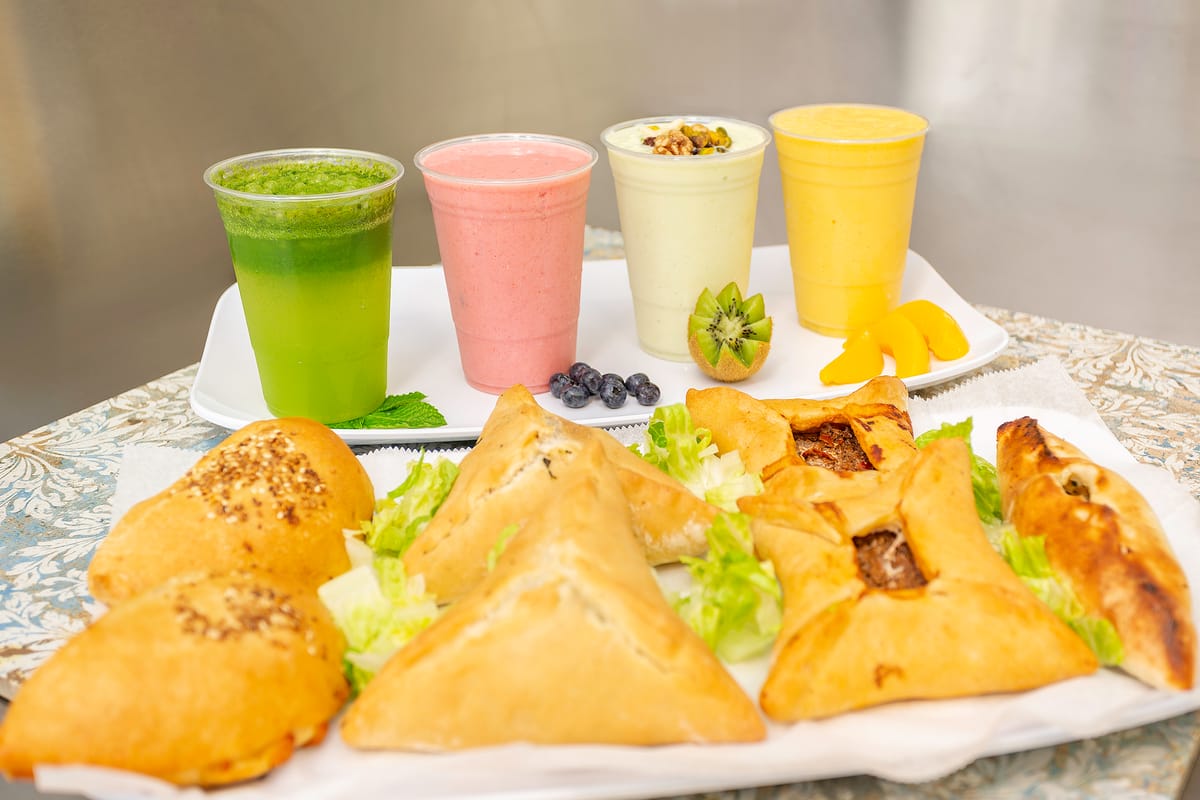
Wrap, Bowl, or Pita
At Taza, every shawarma is available in three formats -- pita pocket, shrak wrap, or bowl over rice and greens.
Nutrition Comparison
Protein, carbs, fat, sodium, and fiber -- how shawarma and pho stack up when the numbers matter.
Nutritional Snapshot
Chicken Shawarma Pita (Taza) -- 1 pita
Beef Pho (Medium Bowl) -- 1 bowl
The most notable nutritional difference is sodium. A full bowl of pho contains 1,200 to 1,800 milligrams of sodium from broth and fish sauce. A chicken shawarma pita runs 600 to 900 milligrams. For protein density per serving, shawarma leads -- the meat is the dominant component of every bite. In pho, the protein is spread across broth and noodles. Both are strong, balanced meals. Read our shawarma nutrition guide for detailed calorie breakdowns by menu item.
Why Pho Lovers Should Try Shawarma
If you appreciate the slow-cooked depth of pho broth, you are already wired to enjoy spit-roasted shawarma.
Five Reasons to Make the Crossover
- You value slow cooking -- shawarma spends 4-6 hours on the spit, matching the patience of a long pho broth
- You enjoy layered aromatics -- cumin, cardamom, and cinnamon in shawarma are as complex as star anise and clove in pho
- You like customizing your meal -- Taza offers 14 toppings, similar to pho's herb plate
- The shawarma bowl (from $12.45) mirrors pho's bowl experience without the broth
- Tahini and garlic sauce offer a new sauce vocabulary -- creamy and garlicky instead of sweet and salty
Your First Order at Taza
- Start with a chicken shawarma bowl over rice (from $12.45) -- the bowl format will feel familiar
- Ask for garlic sauce and tahini on the side so you can add them gradually, like pho condiments
- Add a side of hummus ($4.95) with pita bread for the dipping experience
- Try the beef shawarma pita (from $9.95) -- same animal as pho bo, entirely different preparation
- Pair with a lemon mint drink for a brightness that echoes lime in pho
Northern Virginia is one of the best places in the country to eat both pho and shawarma. The Eden Center on Wilson Boulevard in Falls Church is a landmark of Vietnamese cuisine. Taza on Seminary Road is a five-minute drive away. Eat pho for lunch. Eat shawarma for dinner. Compare the cinnamon in each. You will taste two different civilizations using the same spice in service of two completely different ideas about comfort.
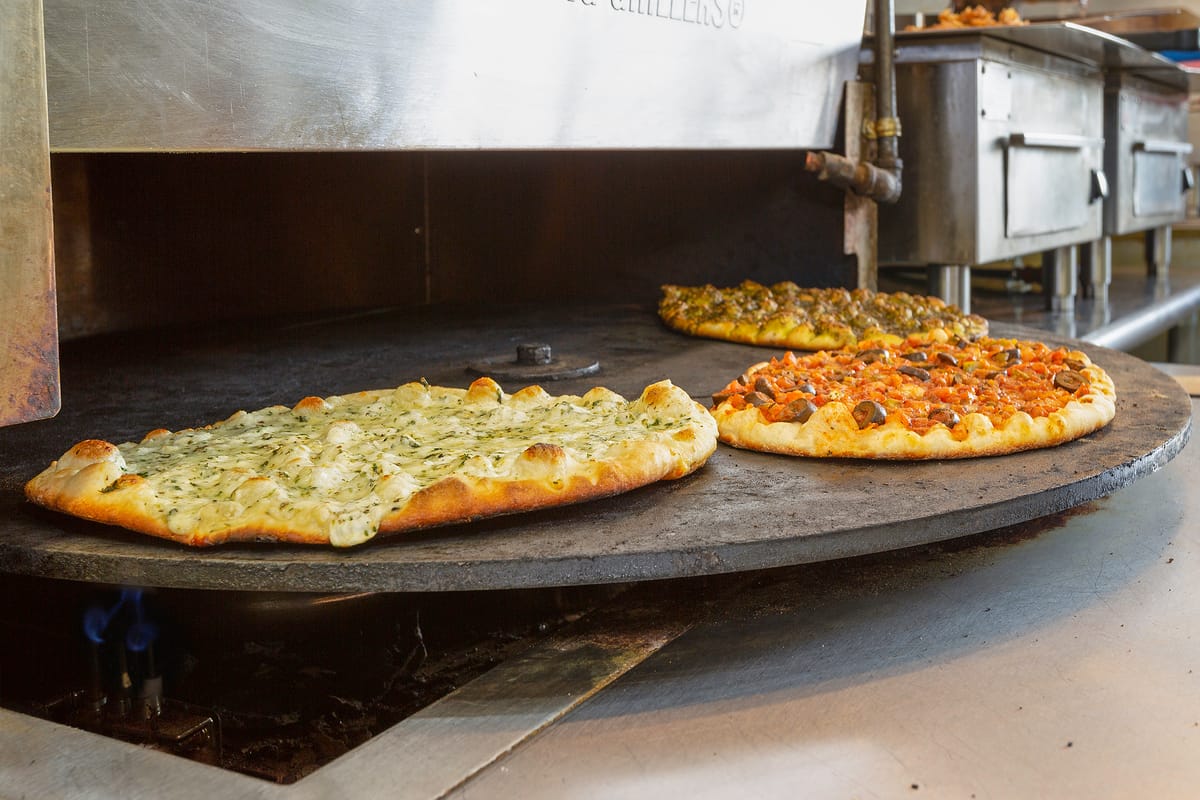
House-Made Everything
Our hummus, tahini, garlic sauce, and pickled turnips are all made fresh in-house daily. Fourteen toppings, zero shortcuts.
Shawarma at Taza
Spit-roasted daily in Falls Church, VA. Served in pita, shrak, or as a bowl -- with 14 fresh toppings and house-made sauces.
At Taza Shawarma & Falafel in Falls Church, we use the same vertical spit technique that has defined shawarma for over two centuries. Our chicken and beef are marinated in-house each morning, stacked on the spit, and roasted for hours before the first order is sliced. For pho lovers making the crossover, we recommend starting with a chicken shawarma bowl -- the bowl format is the closest parallel to the pho experience, and the toppings can be customized the same way you build your pho from the herb plate.
Popular Shawarma Options at Taza
Chicken Shawarma Pita
from $9.95Our most popular -- spit-roasted chicken in fresh pita
Beef Shawarma Pita
from $9.95Tender beef shaved from the spit, tahini and fresh vegetables
Chicken Shawarma Bowl
from $12.45Shawarma over rice or greens -- the pho lover's entry point
Beef Shawarma Bowl
from $12.45Beef shawarma bowl with hummus, pickles, and garlic sauce
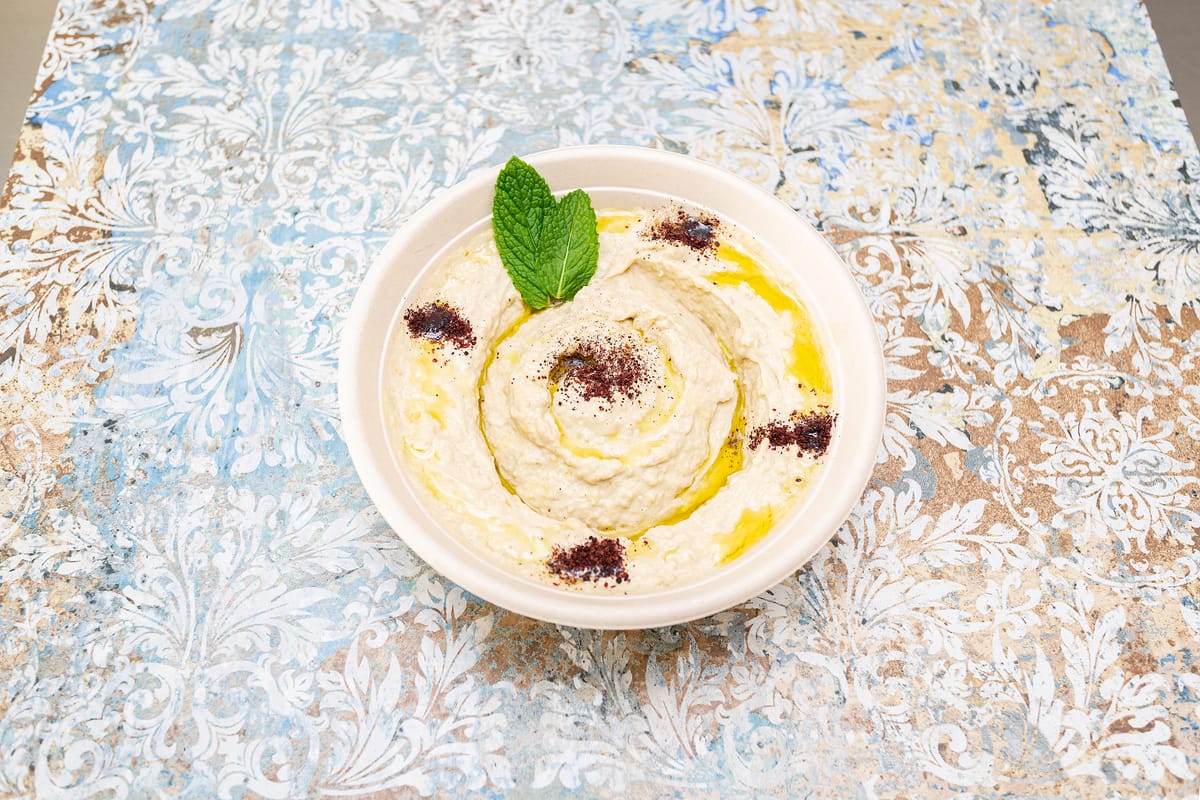
Hummus
$4.95House-made chickpea dip -- the perfect shawarma companion
Falafel Pita
from $8.95Crispy chickpea falafel in pita -- the vegetarian classic
Falafel Bowl
from $10.45Falafel over rice or greens -- protein-packed, plant-based bowl
Shawarma vs Pho: Frequently Asked Questions
Both can be healthy meals depending on preparation. A chicken shawarma pita from Taza (from $9.95) has roughly 450-550 calories with 30-40 grams of protein. A medium beef pho bowl runs about 400-550 calories with 25-35 grams of protein. Pho broth is lower in fat because it relies on simmered bones rather than rendered meat fat, but the sodium content is often much higher -- a typical pho broth contains 1,200-1,800 milligrams of sodium per bowl compared to 600-900 milligrams for a shawarma pita. Neither is inherently healthier -- portion size, toppings, and broth consumption drive the numbers.
Shawarma uses dry, ground spices rubbed directly into the meat before roasting: cumin, cinnamon, cardamom, turmeric, allspice, and black pepper. The heat of the spit caramelizes these spices into the surface. Pho uses whole spices -- star anise, cinnamon bark, whole cloves, coriander seeds -- toasted and simmered in the broth for hours. Shawarma hits you with bold, immediate spice on the tongue. Pho delivers a more gradual, aromatic warmth through the broth. Both cuisines use cinnamon, but in entirely different ways.
Yes, with a different flavor profile. At Taza, our chicken shawarma bowl (from $12.45) and beef shawarma bowl (from $12.45) serve spit-roasted meat over your choice of rice, mixed greens, or hummus with fresh toppings and house-made sauces. It is not a soup -- there is no broth -- but the bowl format and the ability to customize toppings will feel familiar to anyone who enjoys building their pho with tableside garnishes.
They share cinnamon and coriander, but use them differently. Shawarma marinades call for ground cinnamon blended with cumin, cardamom, turmeric, and allspice -- all in powdered form, rubbed into raw meat. Pho broth calls for whole cinnamon bark (cassia), toasted alongside star anise, whole cloves, and coriander seeds, then simmered in water with bones. Shawarma has no star anise. Pho has no cumin, turmeric, or sumac. The overlap is narrow.
The formats reflect their regional climates and eating customs. Pho evolved in northern Vietnam, where hot broth-based dishes served as both sustenance and warmth during cooler months. Shawarma developed in the Levant, where street food needed to be portable, eaten standing, and resistant to heat. A sealed wrap with bread keeps the filling intact without utensils. The broth in pho and the bread in shawarma are not interchangeable -- each is inseparable from the dish it defines.
A chicken shawarma pita from Taza delivers 30-40 grams of protein from spit-roasted meat packed into a single wrap. A standard pho bowl with rare beef and brisket contains 25-35 grams of protein, though the meat is distributed across a larger volume of broth and noodles. Per bite, shawarma is more protein-dense because the meat is the dominant component.
Start with a chicken shawarma bowl (from $12.45) over rice. The bowl format mirrors how you eat pho -- assembling components in a vessel -- but with Mediterranean flavors. Ask for extra garlic sauce (toum) and pickled turnips to add the kind of layered condiment experience that hoisin and sriracha provide in pho. Add a side of hummus ($4.95) for dipping pita bread. The creamy, tahini-based sauces of shawarma occupy a different flavor space than fish sauce and lime, but they satisfy the same craving for rich depth.
No. Taza specializes in Levantine cuisine -- spit-roasted shawarma, freshly fried falafel, house-made hummus, oven-baked flatbreads, and Mediterranean bowls. We do not serve pho, banh mi, or Vietnamese dishes. But if you love pho for its warm comfort and layered aromatics, shawarma bowls at Taza offer a parallel experience with a different flavor vocabulary. A chicken shawarma pita (from $9.95) or a falafel bowl (from $10.45) are the best entry points for pho lovers exploring Middle Eastern food.
Try Shawarma at Taza in Falls Church
5820 Seminary Rd Ste O, Falls Church, VA 22041 -- Open 11:00 AM - 12:00 AM, Open 7 Days a Week
Address
5820 Seminary Rd Ste O, Falls Church, VA 22041
Hours
11:00 AM - 12:00 AM -- Open 7 Days a Week
Phone
From Bone Broth to Rotisserie -- Expand Your Comfort Zone
If pho is your go-to comfort bowl, try the other side of slow cooking. Spit-roasted chicken or beef, fourteen toppings, house-made tahini and garlic sauce, and two centuries of Levantine tradition in every bite.