Shawarma vs Gyro: What's the Real Difference?
They look similar on the spit. They both involve roasted meat shaved thin and served in bread. But shawarma and gyro are distinct dishes with different origins, spice profiles, meats, and toppings. Here is a clear breakdown.
4.8 stars on Yelp (92 reviews) -- Open 11:00 AM - 12:00 AM
What's the Difference Between Shawarma and Gyro?
Both are spit-roasted meats served in bread, but the similarities end there.
Shawarma is a Middle Eastern street food made from whole cuts of marinated chicken, beef, or lamb stacked on a vertical rotating spit and slow-roasted for hours. It originated in the Ottoman Empire and spread across the Levant -- modern-day Turkey, Lebanon, Syria, and surrounding countries. The meat is seasoned with a complex blend of cumin, turmeric, cinnamon, cardamom, sumac, and paprika, then shaved thin and served in pita bread or shrak flatbread with tahini, garlic sauce, pickled turnips, and fresh vegetables.
A gyro (pronounced "YEE-roh") is the Greek version. The main structural difference is the meat: traditional Greek gyros use ground meat -- typically a blend of beef and lamb -- mixed with herbs, formed into a large cone, and cooked on a vertical rotisserie. The spice profile leans Mediterranean-Greek: oregano, thyme, rosemary, and garlic. Gyro is served on a thick, round pita (not a pocket) with tomato, onion, and tzatziki -- a yogurt-cucumber-dill sauce that is entirely absent from traditional shawarma.
The short version: shawarma uses whole marinated meat cuts with Middle Eastern spices, served with tahini and pickled vegetables. Gyro uses ground seasoned meat with Greek herbs, served with tzatziki and raw onion. At Taza Shawarma & Falafel in Falls Church, VA, we serve authentic Levantine shawarma made from fresh whole-cut chicken and beef, roasted daily on the spit.
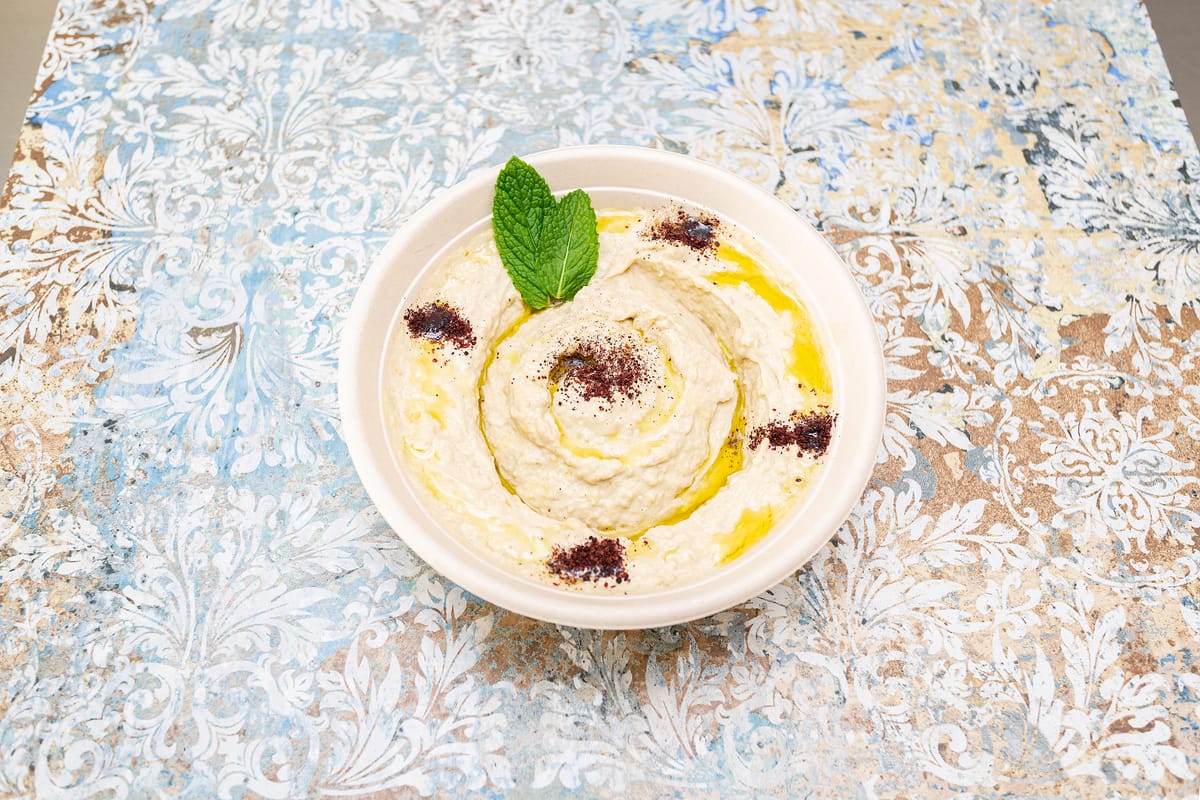
Real Whole-Cut Shawarma
Taza's shawarma is made from whole cuts of chicken and beef -- never ground, never processed.
Where Did Shawarma and Gyro Come From?
Two dishes, one ancestral cooking technique, and centuries of divergent evolution.
Shawarma: The Ottoman Spit
The vertical spit roasting technique that defines shawarma traces back to the Ottoman Empire, likely originating in the city of Bursa in what is now Turkey during the 18th or 19th century. Ottoman cooks began stacking thin sheets of seasoned lamb on a vertical rotisserie and roasting them over a charcoal fire. As the Ottoman Empire spanned the Middle East and North Africa, the method spread to Damascus, Beirut, Cairo, and Baghdad. Each city adapted the dish to local tastes -- Lebanese shawarma added garlic sauce and pickled turnips, Syrian versions incorporated more cumin and cinnamon, and Egyptian shawarma used heavier spice blends.
The word "shawarma" itself comes from the Turkish "cevirme," meaning "turning" or "rotating" -- a direct reference to the vertical spit. Today, shawarma is served in nearly every country in the Middle East, across North Africa, and in diaspora communities worldwide. In Northern Virginia, the Lebanese and Levantine style dominates, which is exactly what you will find at Taza in Falls Church.
Gyro: The Greek Adaptation
The Greek gyro arrived later, appearing in Athens in the 1920s after Greek refugees from Asia Minor (modern Turkey) brought the vertical spit technique with them. The word "gyro" comes from the Greek "gyros," also meaning "turn." Greek cooks adapted the technique to local preferences: instead of stacking whole cuts of marinated meat, they developed the practice of mixing ground beef and lamb with herbs, forming it into a dense cone, and cooking it on the same style of vertical rotisserie.
By the 1970s, Greek immigrants brought the gyro to the United States, where it became a staple of Greek-American diners and fast-food restaurants. The American gyro is almost always ground meat, served on thick pita with tzatziki, tomato, and raw onion. In Greece itself, you can sometimes find gyros made from sliced pork or chicken, but the classic American version remains the ground beef-lamb blend.
Key Timeline
How Is the Meat Different?
The biggest distinction between shawarma and gyro is what happens to the meat before it goes on the spit.
Shawarma Meat
Whole Cuts, Marinated, Stacked
Shawarma starts with whole cuts of chicken thigh, beef sirloin, or lamb shoulder. The meat is marinated for hours -- sometimes overnight -- in a blend of olive oil, lemon juice, garlic, and a dozen or more spices. The marinated pieces are then stacked layer by layer on a vertical spit, with thin slices of fat between layers for moisture. The spit rotates slowly in front of a heat source for 4-6 hours, allowing the outer edges to caramelize while the interior stays juicy.
When you order, the cook shaves thin slices from the outside of the spit with a long, flat blade. Each slice has a crispy, caramelized edge and a tender, flavorful interior. This is exactly how Taza prepares both our chicken shawarma and beef shawarma every day.
Gyro Meat
Ground Meat, Formed, Compressed
A traditional Greek-American gyro starts with ground beef and lamb blended together with breadcrumbs, eggs, and herbs. The mixture is packed tightly into a loaf shape or formed around a vertical spit. Some commercial gyro suppliers use mechanical presses to compress the meat into a uniform cone. The result is a dense, uniform texture -- more like a meatloaf on a spit than individual slices of whole meat.
When sliced, gyro meat has an even, consistent texture throughout. It lacks the variation you get with shawarma, where each slice has its own ratio of crispy edge to tender center. Commercial gyro cones in the United States are often pre-made in factories and shipped frozen to restaurants, though some Greek restaurants do make their own in-house. The texture difference between fresh shawarma and mass-produced gyro is significant.
Shawarma vs Gyro: Complete Comparison
A direct feature-by-feature breakdown so you know exactly what to expect from each dish.
| Feature | Shawarma | Gyro |
|---|---|---|
| Origin | Ottoman Empire / Levant (Turkey, Lebanon, Syria) | Greece (adapted from doner kebab in 1920s) |
| Meat Style | Whole cuts of chicken, beef, or lamb, marinated and stacked | Ground meat (beef + lamb blend) formed into a cone |
| Spice Profile | Cumin, turmeric, cinnamon, cardamom, sumac, paprika | Oregano, thyme, rosemary, marjoram, garlic |
| Bread | Pita pocket, shrak flatbread, or served in a bowl | Thick pita round (not a pocket) or wrapped in flatbread |
| Toppings | Pickled turnips, tahini, garlic sauce, hummus, fresh vegetables | Tomato, onion, tzatziki (yogurt-cucumber sauce) |
| Sauce | Tahini, garlic mayo, hummus, olive oil dressing | Tzatziki (yogurt, cucumber, garlic, dill) |
| Cooking Method | Vertical spit, slow-roasted 4-6 hours, shaved to order | Vertical spit, broiled, sliced or shaved |
At Taza, our shawarma follows the authentic Levantine tradition: whole cuts of chicken or beef, a proprietary spice blend with 12+ spices, fresh-baked pita or shrak bread, and a toppings selection with 14 options. No ground meat. No shortcuts.
How Do the Spice Profiles Differ?
The seasoning is where shawarma and gyro diverge most dramatically.
Shawarma Spices (Middle Eastern)
Shawarma marinades are built on warm, aromatic spices that create layers of flavor. The exact blend varies by region and family recipe, but the core spices remain consistent across the Levant.
Gyro Spices (Greek)
Greek gyro seasoning relies on dried Mediterranean herbs rather than ground spices. The profile is simpler, lighter, and more herbaceous than the deep warmth of a shawarma blend.
Notice the absence of warm spices like cinnamon, cardamom, and sumac. This is the clearest flavor distinction between the two dishes.
What About Doner Kebab?
Before there was shawarma or gyro, there was doner.
Turkish doner kebab is the common ancestor of both shawarma and gyro. All three dishes use a vertical spit, but doner kebab occupies the middle ground. In Turkey, doner can be made from either whole cuts or ground meat, depending on the region and the vendor. The seasoning is Turkish -- cumin, paprika, oregano, and chili flakes -- distinct from both Lebanese shawarma spices and Greek herb blends. Doner is typically served in a thick bread called ekmek or wrapped in lavash, with tomatoes, onions, and a buttery sauce.
Think of it this way: doner is the Turkish original. Shawarma is the Levantine evolution -- more spices, whole cuts, tahini and garlic sauce. Gyro is the Greek evolution -- ground meat, herbs, tzatziki. And tacos al pastor is the Mexican evolution, brought by Lebanese immigrants to Mexico in the early 20th century. One cooking technique, four major global dishes.
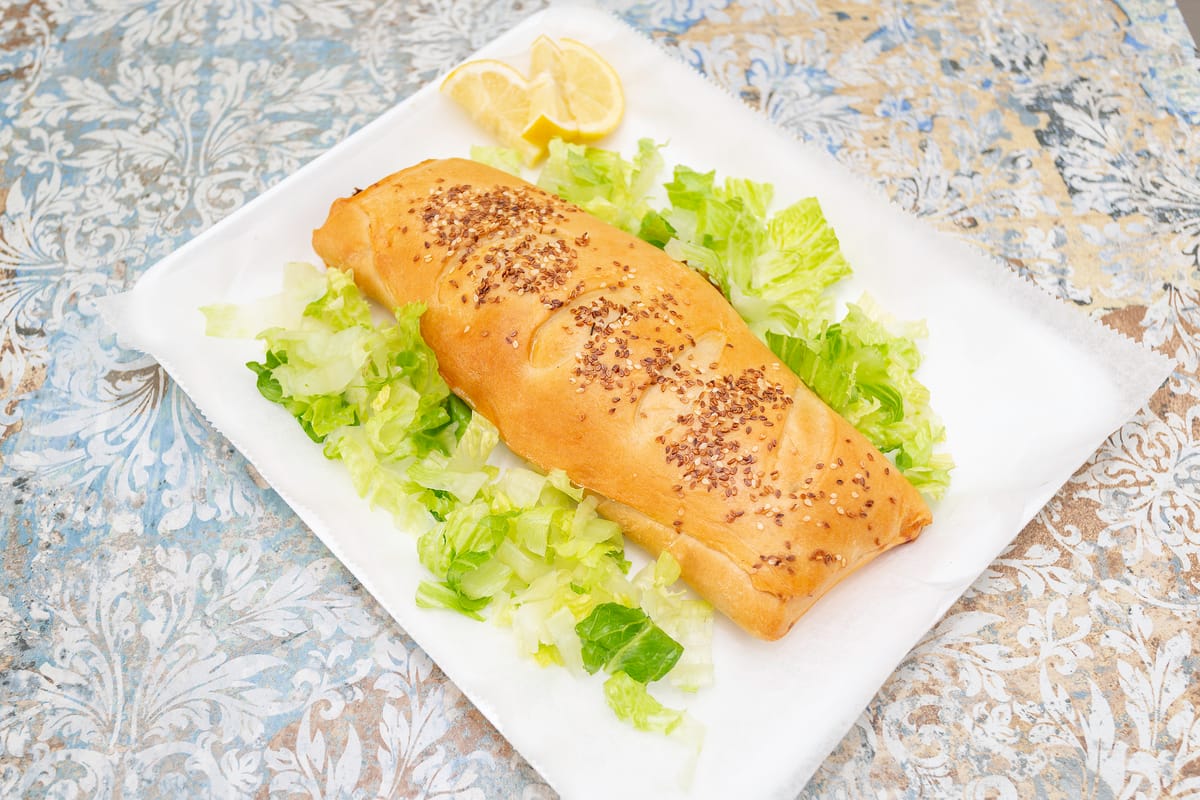
14 Toppings. Every Order.
Taza's toppings selection includes pickled turnips, tahini, garlic mayo, hummus, baba ghanoush, and nine more.
Why Taza's Shawarma Stands Out
Not all shawarma is created equal. Here is what makes Taza's version different from the rest.
At Taza Shawarma & Falafel in Falls Church, the shawarma is spit-roasted fresh every single day. We use whole cuts of chicken and beef -- never ground, never processed, never pre-formed from a factory. The meat is marinated in-house with a proprietary blend of 12+ spices, stacked on the vertical spit each morning, and slow-roasted throughout the day. When you order, your shawarma is shaved directly from the spit to your pita, wrap, or bowl.
All of Taza's meats are halal certified, sourced from halal-certified suppliers. This matters if you follow halal dietary laws, and it also reflects a standard of care in sourcing. Beyond the meat, every order passes through our 14-item toppings selection: Lettuce, Tomatoes, Cucumbers, Onions, Mint, Parsley, Pickles, Black Olives, Tahini Sauce, Garlic Mayo, Olive Oil Dressing, Hummus, Baba Ghanoush, Turnips. All included. No upcharge.
The chicken shawarma pita starts at from $9.95, the beef shawarma pita at from $9.95, and bowls start at from $12.45. We are open 11:00 AM - 12:00 AM, Open 7 Days a Week, at 5820 Seminary Rd Ste O, Falls Church, VA 22041. You can order online for pickup or call us at (703) 340-1014.
If you have been eating gyros and are curious about shawarma, Taza is the right place to try it. The flavor profile is richer and more complex, the meat texture is more varied and interesting, and the toppings offer more variety than the standard gyro combination. Start with a chicken shawarma pita with garlic sauce, tahini, pickled turnips, lettuce, and tomatoes. That single sandwich will show you exactly why shawarma and gyro are different dishes.
Shawarma at Taza: What to Order
Six ways to eat shawarma at Taza. Every option is spit-roasted daily, halal, and served with 14 toppings.
Chicken Shawarma Pita -- from $9.95
Marinated chicken slow-roasted on a vertical spit, sliced thin, and served in a warm pita with garlic sauce, pickled turnips, and fresh vegetables. Taza's most popular item.
Order NowBeef Shawarma Pita -- from $9.95
Premium marinated beef, slow-roasted on the spit until deeply flavorful and tender. Sliced and tucked into fresh pita with tahini, vegetables, and pickled turnips.
Order NowChicken Shawarma Shrak -- from $11.45
Generous chicken shawarma rolled in traditional thin shrak flatbread with garlic sauce, pickled vegetables, and a touch of sumac. Larger than a pita, with more bread.
Order NowChicken Shawarma Bowl -- from $12.45
Chicken shawarma over your choice of basmati rice, mixed greens, or creamy hummus. Topped with Arabic salad, pickled turnips, garlic sauce, and fresh herbs.
Order NowBeef Shawarma Bowl -- from $12.45
Tender beef shawarma over rice, greens, or hummus with Arabic salad, pickles, tahini, and sumac. Rich, savory, and high in protein.
Order NowFries -- $3.95
Crispy golden French fries, perfectly seasoned. The classic side to pair with any shawarma order. Available as a side or added to bowls and platters.
Order NowWhat Goes on Shawarma vs Gyro?
The toppings tell you as much about these dishes as the meat does.
Shawarma Toppings (at Taza)
All 14 included free with every order:
Typical Gyro Toppings
Standard American-Greek gyro toppings:
Gyro toppings are simpler and fewer. The emphasis is on the tzatziki sauce as the primary condiment, whereas shawarma offers more variety and complexity in its toppings selection.
Shawarma Serving Formats at Taza
Unlike gyro, which is almost always served one way, shawarma can be ordered in multiple formats.
At most Greek restaurants, a gyro is served one way: sliced meat on a thick pita with tzatziki, tomato, and onion. That is it. Shawarma, by contrast, is served in multiple formats, each offering a different eating experience.
Pita Pocket
from $9.95The classic. Meat shaved into a warm pita pocket with your choice of 14 toppings. Compact and portable.
OrderShrak Wrap
from $11.45Larger portion rolled in thin, traditional flatbread baked on a dome. More bread, more filling, more satisfying.
OrderBowl
from $12.45No bread. Shawarma over rice, greens, or hummus with all toppings. Ideal for low-carb or high-protein meals.
OrderPlatter
from $12.45A full spread with shawarma, rice, salad, and sides. Great for sharing or a bigger appetite.
OrderShawarma vs Gyro: Common Questions
Shawarma is generally leaner than gyro because it uses whole cuts of marinated chicken or beef rather than ground meat. A chicken shawarma pita at Taza contains roughly 450-550 calories, with high protein from real sliced chicken breast and thigh. Gyros made from ground lamb and beef tend to have higher fat content per serving because the grinding process mixes in additional fat. The toppings also differ: shawarma is typically served with tahini (sesame-based) and fresh vegetables, while gyro relies on tzatziki (yogurt-based) and fewer vegetables. Both can be part of a balanced diet, but if you are watching fat intake, chicken shawarma is the lighter option.
No, shawarma is not automatically halal. Whether shawarma is halal depends on the source of the meat and the preparation methods used by the specific restaurant. At Taza Shawarma & Falafel in Falls Church, all meats are halal certified -- our chicken and beef come from halal-certified suppliers and our kitchen follows halal preparation standards. If halal certification matters to you, always ask the restaurant directly. Gyro shops in the United States rarely offer halal meat unless specifically advertised.
Shawarma is traditionally served in pita bread -- a round, hollow pocket bread that puffs during baking. At Taza, we also offer shrak bread (a paper-thin flatbread baked on a dome), which creates a larger, chewier wrap. Some Middle Eastern restaurants use laffa, a soft Iraqi flatbread, or markouk, a very thin Lebanese bread. Gyros in Greece are typically served on a thick, round pita that is not a pocket -- the meat and toppings are piled on top and the bread is folded around them. At Taza, your shawarma can also be served in a bowl with no bread at all, over rice or greens, starting at from $12.45.
Yes. While traditional shawarma is a meat dish, many Mediterranean restaurants (including Taza) offer falafel as a plant-based alternative that can be served in the same pita, wrap, or bowl format. Falafel is made from ground chickpeas and herbs, deep-fried until crispy, and is completely vegan. At Taza, the falafel pita starts at from $8.95. You can also build a meatless bowl with hummus, fresh vegetables, and your choice of toppings. Gyro, by contrast, is specifically a meat preparation and does not have a direct vegetarian equivalent.
Shawarma originated in the Ottoman Empire, with roots in the Levant region -- modern-day Turkey, Lebanon, Syria, and surrounding areas. The technique of stacking seasoned meat on a vertical spit and slow-roasting it dates back centuries in the Eastern Mediterranean. The word 'shawarma' comes from the Turkish 'cevirme,' meaning 'turning.' From the Ottoman Empire, the technique spread across the Middle East, North Africa, and eventually to Europe and the Americas through immigration. The Greek gyro, Turkish doner kebab, and Mexican tacos al pastor all evolved from the same ancestral cooking method.
The best format depends on what you want from the meal. A pita sandwich (from from $9.95 at Taza) is the classic street-food experience -- compact, portable, and packed tight. The shrak wrap (from from $11.45) gives you more bread and a larger portion. A bowl (from from $12.45) is ideal if you are watching carbs or want a knife-and-fork meal. At Taza, all formats come with your choice from 14 toppings. First-timers should start with a chicken shawarma pita with garlic sauce, tahini, pickled turnips, lettuce, and tomatoes -- it is the most popular order for good reason.
Try Real Shawarma at Taza
Open 11:00 AM - 12:00 AM, Open 7 Days a Week at 5820 Seminary Rd Ste O, Falls Church, VA 22041.
Address
5820 Seminary Rd Ste O, Falls Church, VA 22041
Hours
11:00 AM - 12:00 AM -- Open 7 Days a Week
Phone
Order Taza's Shawarma Now
Skip the gyro. Try the real thing. Spit-roasted daily, halal certified, 14 toppings included. Online ordering, delivery, or dine in.