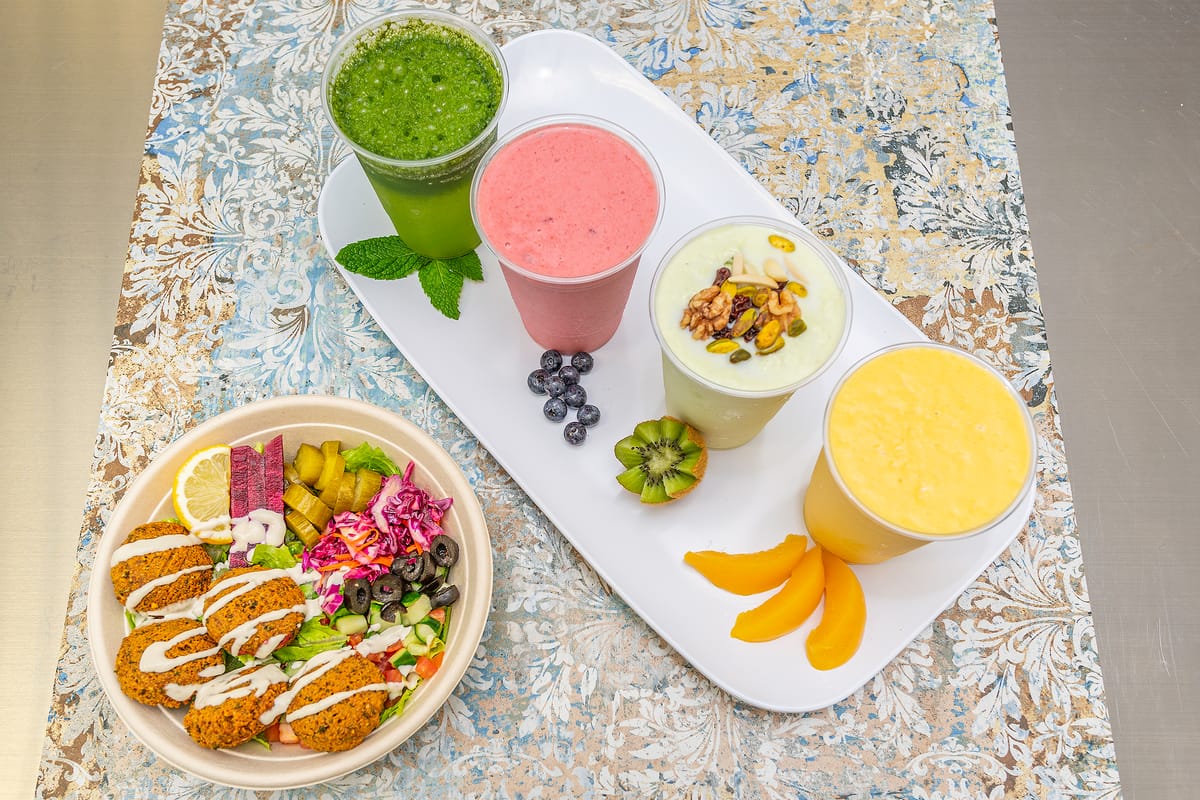
What Is Freekeh? The Ancient Fire-Roasted Grain
Freekeh is green durum wheat harvested young and roasted over an open flame — giving it a bold smoky flavor, more protein than quinoa, and a fiber content that rivals bulgur. It has fed the Levantine world for at least two millennia.
4.8 stars on Yelp (92 reviews) -- Open 11:00 AM - 12:00 AM
What Is Freekeh?
Understanding the grain that predates most modern superfoods by thousands of years.
Freekeh (pronounced FREE-kah, also spelled farik or frikeh) is an ancient whole grain made from green durum wheat — harvested while the kernels are still young and moist, then subjected to a controlled fire that chars the outer straw and husk while leaving the nutritious inner grain intact. The flames toast the grain, concentrating its natural sugars and creating a suite of aromatic compounds that give freekeh its signature flavor: smoky, slightly herbal, deeply nutty.
The name comes from the Arabic verb faraka, meaning "to rub" — a reference to the traditional post-fire process of rubbing the roasted stalks to separate charred chaff from the usable grain. After rubbing, the kernels are cracked or left whole and dried for storage.
Freekeh is sold in two primary forms. Cracked freekeh is broken into smaller pieces, cooks in about 20 to 25 minutes, and has an assertively smoky flavor. Whole freekeh retains its complete kernel, takes around 45 minutes to cook, and delivers a chewier texture with a somewhat milder smokiness. Both forms are interchangeable in most recipes, though cracked is far more common in everyday home cooking across the Levant and North Africa.
Because it is made from durum wheat, freekeh contains gluten and is not appropriate for people with celiac disease. For everyone else, it is one of the most nutritionally dense grains available — a fact backed by a growing body of scientific literature on green wheat bioactives.
Grain Bowl Base
Cracked freekeh makes an exceptional bowl base — smoky, substantial, and packed with protein and fiber that keep you full far longer than white rice.
Ancient Staple
Freekeh predates most modern superfoods by millennia. It has nourished Levantine and North African communities since at least the first millennium BCE.
Pairs With Legumes
Like bulgur in tabbouleh, freekeh pairs naturally with chickpeas and lentils — creating a complete amino acid profile from plant sources alone.
Mild Seasoning Needed
Freekeh's bold smoky flavor means it needs far less added seasoning than white rice or couscous. A drizzle of olive oil and a squeeze of lemon is often enough.
Born from Fire, Shaped by Centuries
The same technique used to make freekeh today — harvest green, roast in fire, rub clean — has been practiced across the Levant for over two thousand years.
The Origins of Freekeh
A grain forged by accident, perfected by tradition, and sustained by nutritional brilliance.
Ancient Levant
The earliest evidence of fire-roasted green wheat in the Levant and North Africa dates to ancient texts and archaeological sites across the region. Ancient Egyptians recorded consumption of young wheat, and evidence suggests the technique of deliberately harvesting and fire-roasting green durum wheat was already well-established across the Fertile Crescent by the first millennium BCE. What likely began as an opportunistic response to wildfires — farmers discovering the smoky, roasted kernels were delicious and shelf-stable — became an intentional annual practice.
Medieval Cuisine
Medieval Arabic culinary texts including the Kitab al-Tabikh (roughly translated as the Book of Dishes), composed in Baghdad in the 10th century CE, include multiple preparations featuring fire-roasted wheat. These manuscripts record freekeh being cooked with meat, onions, and aromatic spices in a preparation strikingly similar to the classic Levantine freekeh pilaf served today. By the medieval period, freekeh was a prestige grain — expensive, flavorful, and associated with celebratory feasts and wealthy households.
Modern Revival
After decades of being largely confined to Levantine, North African, and East African communities, freekeh began attracting attention from Western health food markets in the early 2010s. Research publications highlighting its low glycemic index, high prebiotic fiber content, and superior protein levels compared to common grains generated considerable interest. Australian food companies were among the first to market packaged freekeh to Western consumers, and it has since become available in natural food stores across North America and Europe.
The Legend of the Accidental Discovery
The most widely repeated origin story for freekeh holds that it was discovered accidentally thousands of years ago when a village in the Levant was attacked and its crops were set on fire. Rather than losing the entire harvest, the villagers rubbed the charred stalks together, found the inner kernels intact, and cooked the surviving grain. The smoky, roasted flavor was so appealing that they began deliberately recreating the process every harvest season.
Whether literally true or not, this story captures something accurate about freekeh: it represents an ancient form of food preservation and flavor development that modern food science has only recently begun to characterize in terms of the specific Maillard reaction compounds and resistant starches that make it nutritionally exceptional.
How Freekeh Is Made
From field to table, the process that creates freekeh's unmistakable character.
Harvest Green
Durum wheat is harvested in late spring or early summer while the kernels are still immature — green, soft, and moist. This is the critical window: too early and the grain lacks substance; too late and it has dried into ordinary wheat.
Fire-Roast
The freshly harvested stalks are piled together and set alight. The outer straw and chaff burn away quickly. The inner kernels, still protected by moisture, resist the flames and instead roast in the intense heat, developing the complex smoky-nutty compounds that define freekeh's flavor.
Rub and Thresh
Once cooled, the roasted stalks are threshed and the kernels are rubbed — the step from which freekeh takes its name. This removes the last of the charred chaff and cleans the roasted grain. Whole kernels are kept intact or cracked into smaller pieces.
Dry and Pack
The cleaned, roasted kernels are sun-dried or mechanically dried to reduce moisture content to safe storage levels. They are then sorted, graded, and packaged. Because freekeh is a whole grain (bran and germ intact), it has a shorter shelf life than refined grains — typically 6 to 12 months.
Why Green Wheat Produces a Different Grain Than Mature Wheat
Harvesting wheat at the green stage locks in compounds that would otherwise be consumed during full maturation. Young wheat kernels contain higher concentrations of chlorophyll, carotenoids, and certain B vitamins than their fully mature counterparts. The fire-roasting step then adds an additional layer of complexity: the Maillard reaction between amino acids and reducing sugars creates hundreds of volatile aroma compounds that give freekeh its roasted depth while also increasing the proportion of resistant starch in the finished grain. Resistant starch behaves like dietary fiber in the digestive tract — passing through the small intestine undigested and fermenting in the colon, where it feeds beneficial bacteria.
Nutritionally Superior to Most Modern Grains
More protein than white rice, more fiber than quinoa, and a glycemic index low enough to rival legumes — freekeh earns its superfood status through measurable, documented nutrition.
Freekeh Nutrition Facts
Why food scientists and dietitians have paid increasing attention to this ancient grain.
Per 1 Cup Cooked Cracked Freekeh
Lower than quinoa (222) and white rice (206)
Comparable to quinoa; double that of white rice
32% of the recommended daily intake for adults
With a glycemic index of approximately 43 — classified as low
Negligible; primarily from the bran layer
Important for oxygen transport and energy metabolism
Supports muscle function, nerve signaling, and blood glucose regulation
Immune function and protein synthesis
Health Benefits Backed by Research
Prebiotic Fiber for Gut Health
Freekeh contains resistant starch and soluble fiber that feed Lactobacillus and Bifidobacterium bacteria in the colon. Multiple clinical trials on green wheat consumption have reported improved gut microbiome diversity and reduced markers of gut inflammation compared to controls eating refined wheat products.
Blood Sugar Management
A glycemic index of approximately 43 classifies freekeh in the low-GI category — well below white bread (75), white rice (73), and roughly on par with legumes. Lower-GI foods produce a slower, more gradual rise in blood glucose, which reduces insulin demand and supports sustained energy levels.
Weight Management Support
The combination of high protein, high fiber, and low glycemic index makes freekeh one of the most satiating grains available. Research on satiety hormones suggests that meals high in fiber and protein reduce ghrelin (hunger hormone) production and increase peptide YY (fullness hormone) secretion — keeping appetite in check for longer after eating.
Eye Health Compounds
Because freekeh is harvested green, it retains higher concentrations of lutein and zeaxanthin than mature wheat. These carotenoids accumulate in the macula of the eye and are associated with reduced risk of age-related macular degeneration and cataracts — a benefit not commonly associated with grain consumption.
Freekeh vs Quinoa vs Bulgur vs Rice
How the ancient fire-roasted green wheat measures up against the most popular grain alternatives.
| Feature | Freekeh | Quinoa / Bulgur / Rice |
|---|---|---|
| Origin | Levant / North Africa (ancient) | Andes (quinoa), Levant (bulgur), Asia (rice) |
| Calories per cup (cooked) | ~170 kcal | 222 kcal (quinoa), 151 kcal (bulgur), 206 kcal (rice) |
| Protein per cup | 8–10g | 8g (quinoa), 5.6g (bulgur), 4.3g (white rice) |
| Fiber per cup | 8g | 5.2g (quinoa), 8.2g (bulgur), 0.6g (white rice) |
| Glycemic index | ~43 (low) | ~53 (quinoa), ~47 (bulgur), ~73 (white rice) |
| Distinctive flavor | Smoky, nutty, earthy | Earthy/neutral (quinoa), nutty (bulgur), mild (rice) |
| Cook time | 20–25 min (cracked), 45 min (whole) | 15 min (quinoa), 10–20 min (bulgur), 18–45 min (rice) |
| Contains gluten | Yes — durum wheat | No (quinoa), Yes (bulgur), No (rice) |
Freekeh vs Quinoa
Freekeh wins on fiber (8g vs 5.2g) and glycemic index (43 vs 53). Quinoa wins on being a complete protein and gluten-free. Both are excellent for high-satiety eating.
Freekeh vs Bulgur
Very similar fiber content (8g each). Freekeh wins on protein (9g vs 5.6g) and on the unique smoky-roasted flavor profile that sets it apart from all other grains.
Freekeh vs White Rice
Freekeh has more than double the protein, over 13 times the fiber, and a significantly lower glycemic index. White rice is gluten-free and milder; freekeh is the more nutritionally dense option by nearly every metric.
How to Cook Freekeh
Three reliable methods from stovetop pilaf to slow cooker grain salad bases.
Stovetop Absorption
- 1.Rinse freekeh under cold water for 30 seconds.
- 2.Toast dry freekeh in olive oil over medium heat for 2–3 minutes until fragrant.
- 3.Add broth or salted water, bring to a boil, then reduce to a low simmer.
- 4.Cover tightly and cook undisturbed for 20–25 minutes (cracked) or 40–45 minutes (whole).
- 5.Remove from heat, leave covered for 5 minutes, then fluff with a fork.
Tip: Toasting in olive oil before adding liquid dramatically deepens the smoky notes and prevents clumping.
Rice Cooker
- 1.Rinse freekeh thoroughly.
- 2.Combine with broth or water in the rice cooker bowl.
- 3.Add a pinch of salt and a drizzle of olive oil.
- 4.Select the brown rice or whole grain setting.
- 5.Fluff with a fork once the cycle completes and let rest for 5 minutes.
Tip: Add a cinnamon stick or two green cardamom pods to the cooking liquid for an aromatic Levantine-style base grain.
Instant Pot
- 1.Rinse freekeh and place in the Instant Pot.
- 2.Add broth, salt, and aromatics of your choice.
- 3.Set to High Pressure for 10 minutes (cracked) or 20 minutes (whole).
- 4.Allow natural pressure release for 10 minutes, then manual release.
- 5.Fluff and adjust seasoning before serving.
Tip: Pressure cooking slightly reduces the smokiness but speeds up the process for weeknight cooking.
Classic Levantine Freekeh Pilaf
Ingredients (serves 4)
- 1.5 cups cracked freekeh, rinsed
- 3 tablespoons olive oil
- 2 medium onions, thinly sliced
- 4 cups chicken or vegetable broth
- 1 teaspoon ground cumin
- 1 teaspoon ground coriander
- 0.5 teaspoon ground allspice
- 0.25 teaspoon ground cinnamon
- Salt and black pepper to taste
- 0.5 cup toasted pine nuts or almonds
- Fresh flat-leaf parsley to garnish
Method
- 1.Heat olive oil over medium-high heat. Add onions and cook, stirring occasionally, for 18–22 minutes until deeply golden and beginning to caramelize.
- 2.Add the rinsed freekeh and toast with the onions for 2 minutes, stirring constantly.
- 3.Add all spices, stir to coat the grain, then pour in the broth. Season with salt.
- 4.Bring to a boil, then reduce to the lowest simmer. Cover tightly and cook for 20 minutes.
- 5.Remove from heat. Keep covered for 5 minutes, then fluff with a fork.
- 6.Serve topped with toasted nuts and fresh parsley. Pairs beautifully with roasted chicken, yogurt, and a simple cucumber salad.
A Grain Woven Into Levantine Culture
Freekeh pilaf is served at weddings, feast days, and family celebrations across the Levant — a dish that carries centuries of communal meaning alongside its exceptional nutrition.
Freekeh in Levantine Food Culture
Beyond nutrition — the social and ceremonial role of freekeh across generations.
In Levantine culinary tradition, freekeh occupies a place of honor that goes well beyond its nutritional merits. A steaming platter of freekeh pilaf, rich with caramelized onions, toasted nuts, and braised chicken, is standard fare at wedding receptions, Eid celebrations, and family gatherings across Lebanon, Syria, and Jordan. The dish signals generosity, effort, and connection to ancestral cooking practices.
Egyptian cuisine has its own freekeh tradition: a slow-cooked soup of whole freekeh kernels with pigeon (or chicken) is considered a restorative dish served to new mothers and the convalescing — a recognition, even in folk medicine, of the grain's exceptional nutrient density.
In coastal North African communities, freekeh is used in preparations similar to harira — thick, warming soups cooked with legumes, tomatoes, and warm spice blends. The grain's ability to absorb flavors while maintaining a satisfying chew makes it particularly well-suited to slow-simmered preparations where rice or couscous would break down.
The grain also carries a seasonal dimension that is culturally significant. Because it must be harvested in a narrow green window before the wheat matures, freekeh production is tied to a specific moment in the agricultural calendar. Communities that produce freekeh traditionally gather for the harvest and roasting — a collective activity that reinforces social bonds in much the same way that olive harvests do across the Mediterranean basin.
Regional Variations
The definitive preparation: cracked freekeh cooked in chicken broth with caramelized onions, braised bone-in chicken, and a spice blend heavy on allspice, cinnamon, and black pepper. Topped with toasted pine nuts and almonds.
Whole freekeh kernels simmered for 2+ hours with pigeon or chicken, lemon juice, and spices until the grain softens into a thick, porridge-like broth. Often prescribed as medicinal food during recovery.
A festive dish for celebrations: whole freekeh cooked with lamb or chicken in a heavily spiced broth, served on a large communal platter with jameed (dried yogurt sauce) and garnished with nuts.
A thick soup combining freekeh with chickpeas, lentils, tomatoes, celery, cilantro, and warm spice blends — a heartier, more substantial cousin of the classic Moroccan harira.
Levantine Grain Traditions at Taza
How the culinary heritage behind freekeh connects to the food Taza serves every day in Falls Church, VA.
Chicken Shawarma Bowl
from $12.45
Taza's chicken shawarma bowl pairs the same aromatic spice profile — cumin, coriander, allspice — that defines Levantine freekeh pilaf. The marinated chicken reflects the same culinary tradition that makes freekeh bil dajaj a beloved regional staple.
Order NowFalafel Bowl
from $10.45
The falafel bowl draws on the same plant-forward Levantine eating philosophy that has made freekeh a preferred grain for vegetarian cooks. Chickpeas, tahini, and herb-based sauces are the natural companions of both falafel and freekeh.
Order NowHummus
$4.95
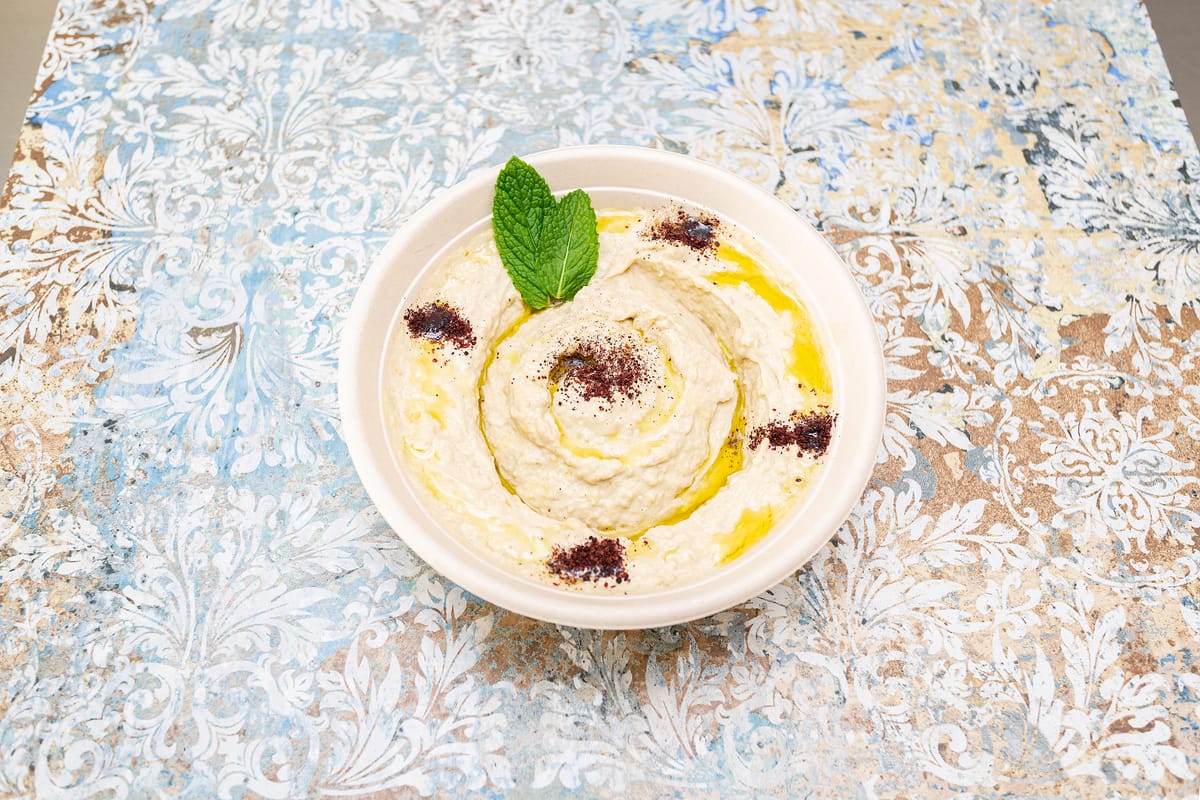
Hummus — like freekeh — is a staple of the Levantine pantry that has crossed cultural borders to become a global ingredient. Both foods share an origin in a regional food culture that prioritized bold flavor, whole ingredients, and satisfying nutrition in every meal.
Order NowThe Shared Heritage of Levantine Grain Cooking
The food at Taza Shawarma and Falafel in Falls Church, Virginia, comes from the same culinary tradition that made freekeh a regional staple. Levantine cooking is built around a philosophy of whole ingredients, bold spicing, and combinations of protein, grain, and vegetable that deliver complete, satisfying nutrition without relying on processed shortcuts.
Taza's basmati rice — the grain base offered in their bowls — is cooked in the same tradition of aromatic pilaf that defines the region's approach to grains: warm spices, quality broth, attention to texture. That same spirit of craft and cultural continuity runs through everything from the shawarma marinade to the hand-made pita bread.
Levantine Pantry Grains at a Glance
Your Freekeh Questions, Answered
From glycemic index to cooking ratios to the best ways to pair it with Levantine proteins — everything you need to know before you cook.
Frequently Asked Questions About Freekeh
Freekeh (also spelled farik, frikeh, or freekah) is an ancient grain made from green durum wheat that has been harvested while still young, then fire-roasted over an open flame. The roasting process chars the straw and outer husks while leaving the inner kernel intact and imparting a distinctive smoky, nutty flavor. The word comes from the Arabic root meaning 'to rub,' referring to the rubbing process used to remove the charred chaff from the roasted kernels. It comes in two forms: cracked freekeh, which cooks faster and is more common in home cooking, and whole freekeh, which has a chewier texture.
Freekeh and quinoa are both considered high-protein, high-fiber ancient grains, but they differ in several ways. A cooked cup of freekeh delivers roughly 8–10 grams of protein and 8 grams of fiber, while quinoa provides about 8 grams of protein and 5 grams of fiber. Freekeh has a lower glycemic index (approximately 43) than quinoa (approximately 53), which makes it particularly appealing for blood sugar management. Quinoa is a complete protein containing all nine essential amino acids, while freekeh, being a wheat product, is not. However, freekeh is higher in prebiotics — compounds that feed beneficial gut bacteria.
Yes, freekeh contains gluten. It is made from durum wheat, the same variety used to produce pasta and semolina, which means it is not suitable for people with celiac disease or a serious gluten intolerance. For those managing gluten sensitivity or who simply prefer gluten-free grains, quinoa, millet, sorghum, or certified gluten-free oats can serve as substitutes with a broadly similar nutritional profile.
Freekeh has a boldly savory, smoky flavor that sets it apart from virtually every other common grain. The fire-roasting process creates compounds similar to those found in roasted coffee or grilled meats — complex, slightly bitter, deeply earthy undertones beneath a background nuttiness. Some people also detect a faint herbal quality that comes from the grain being harvested green rather than fully dried. Cracked freekeh is more assertively smoky; whole freekeh is chewier and has a milder but richer flavor.
The most iconic Levantine preparation is freekeh pilaf — cracked freekeh cooked in seasoned broth with caramelized onions, toasted nuts, and a blend of warm spices including cumin, coriander, and allspice. Chicken is often braised alongside the grain, allowing its juices to perfume the dish. Whole freekeh is common in Levantine and Syrian cooking, often paired with braised lamb shoulder. Freekeh also works well as a base for grain salads dressed with lemon juice, olive oil, herbs, and roasted vegetables — a preparation similar to tabbouleh but heartier.
Freekeh is notably high in both soluble and insoluble dietary fiber, and research has identified resistant starch compounds in green wheat that act as prebiotics — feeding the Lactobacillus and Bifidobacterium bacteria that populate a healthy gut microbiome. Multiple studies on green wheat have suggested benefits including improved bowel motility, reduced postprandial blood glucose response, and increased feelings of fullness compared to mature wheat products. The low glycemic index of approximately 43 makes it one of the more blood-sugar-friendly grain options available.
Freekeh has been documented as a food source for at least 2,000 years, with food historians citing textual and archaeological references going back further still in the Levantine and North African regions. An ancient Egyptian papyrus from around the second millennium BCE makes reference to fire-roasted young wheat, and medieval Arabic culinary manuscripts such as the Kitab al-Tabikh include recipes for dishes based on fire-roasted green wheat. The technique of harvesting wheat green and roasting it likely developed as a practical response to crop fires — farmers who discovered the charred kernels were still edible and delicious turned accidental preservation into intentional craft.
Taza Shawarma and Falafel at 5820 Seminary Rd in Falls Church, Virginia, serves hearty grain bowls built on basmati rice with your choice of chicken shawarma, beef shawarma, or crispy falafel, plus fresh vegetables and sauces. While Taza's bowls feature fragrant basmati rice rather than freekeh, the flavor profile — aromatic spices, high-quality protein, fresh herbs — is deeply rooted in the same Levantine food tradition that made freekeh a regional staple for millennia. The restaurant is open daily 11 AM to midnight.
Visit Taza in Falls Church, VA
Experience Levantine food traditions in person — bowls, wraps, pitas, and fresh-made sides built from the same culinary heritage as freekeh.
Address
5820 Seminary Rd Ste O, Falls Church, VA 22041
Hours
11:00 AM - 12:00 AM -- Open 7 Days a Week
Phone
Taste Levantine Food Culture at Taza
Taza Shawarma & Falafel brings the bold, wholesome flavors of Levantine cooking to Falls Church, VA. Open daily 11 AM to midnight — dine in, carry out, or order online.