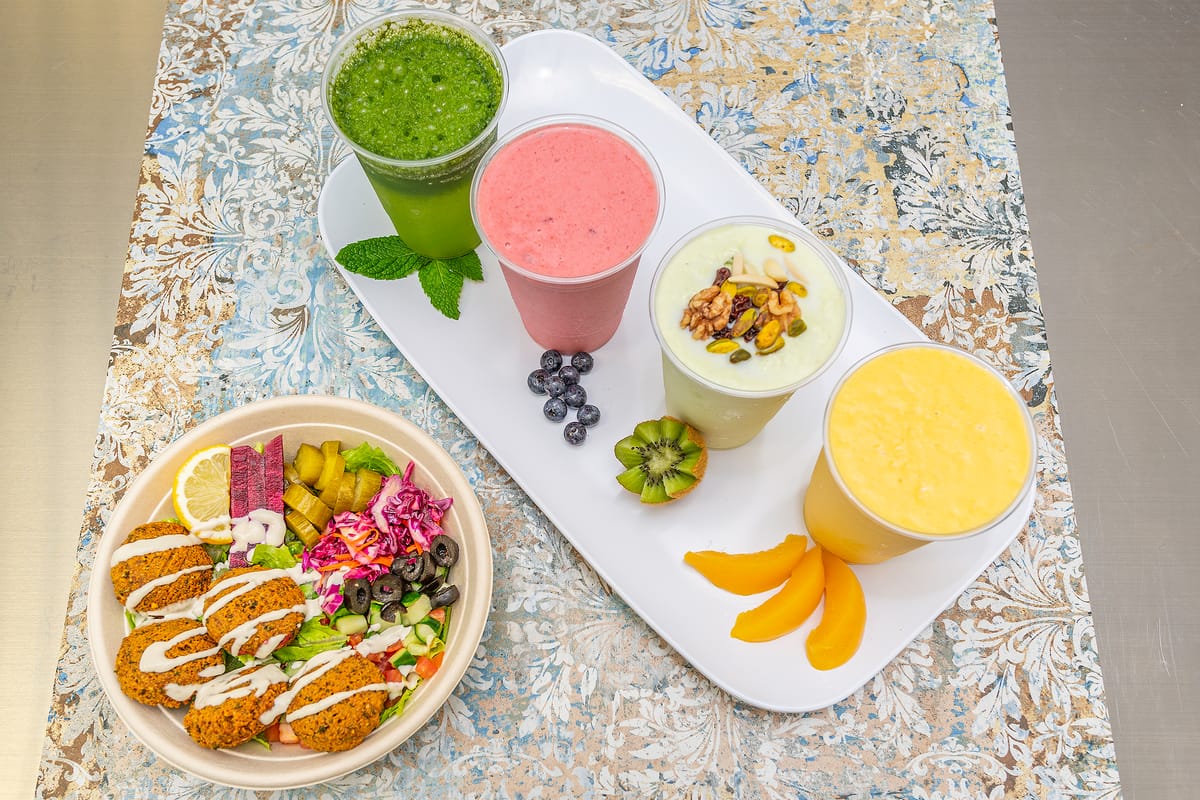
Shawarma vs Burrito: The Ultimate Comparison
One is spit-roasted and wrapped in pita. The other is stuffed with rice, beans, and cheese inside a flour tortilla. Both are handheld and filling -- but built on completely different principles.
4.8 stars on Yelp (92 reviews) -- Open 11:00 AM - 12:00 AM
Why Everyone Compares Shawarma to a Burrito
They are both wrapped, stuffed, and portable. But calling shawarma a Middle Eastern burrito is like calling pizza a European quesadilla -- the shape is familiar, but everything inside is different.
Walk into a shawarma restaurant for the first time and someone in your group will say it: "So it is like a burrito, right?" The comparison makes sense on the surface. You see a large piece of bread, sliced meat, toppings, and sauces rolled into a cylinder that you pick up with two hands and eat until you run out of napkins. The format is familiar and the satisfaction is immediate.
But once you bite into a chicken shawarma pita at Taza (from $9.95), the differences hit. The bread is thicker and chewier than a flour tortilla. The meat has a caramelized, layered texture from hours on the vertical spit. The sauces are tahini and garlic rather than salsa and sour cream. No rice. No beans. No cheese. Cumin, cinnamon, and cardamom replace the chili-and-lime punch of Mexican food.
This guide breaks down every meaningful difference -- bread, protein, fillings, flavor profiles, nutrition, size, and price. Not to pick a winner, but to help you understand and appreciate what makes each one extraordinary, and to help you decide what you are in the mood for on any given night.
Where Do Shawarma and Burritos Come From?
Two wrapped meals, born on opposite sides of the world, shaped by migration and necessity.
Shawarma: The Ottoman Spit
Shawarma traces its roots to the Ottoman Empire, where cooks developed the technique of stacking seasoned meat on a vertical spit and slow-roasting it over an open flame. The method spread across the Levant -- Lebanon, Syria, Jordan, and surrounding regions -- where each country added its own spice blends, bread styles, and condiments. The word "shawarma" comes from the Turkish "cevirme," meaning "turning." By the 20th century, shawarma had become the default street food across the Middle East, and Levantine immigrants brought it to the United States, Europe, and Latin America. At Taza in Falls Church, we use the same vertical spit technique that has defined shawarma for over 200 years.
Burrito: The Border Roll
The burrito's origin story is murkier. The most common theory places its birth in northern Mexico's Chihuahua state, where large flour tortillas wrapped beans, cheese, and chile for laborers and travelers. The name "burrito" means "little donkey" -- possibly because the rolled tortilla resembled donkey packs, or because a vendor named Juan Mendez reportedly sold them from a donkey cart in Ciudad Juarez in the early 1900s. The massive, rice-and-bean-stuffed "mission-style" burrito we know today is largely a Mexican-American creation, popularized in San Francisco's Mission District in the 1960s and 1970s. It supersized the concept with rice, multiple proteins, sour cream, guacamole, and cheese inside a steamed flour tortilla the size of a dinner plate.
Both dishes grew from the same impulse: wrap protein and toppings in bread and eat with your hands. But shawarma was shaped by the spice routes of the Ottoman Empire, while the burrito was shaped by the ranching economy of northern Mexico and Mexican-American border culture. Those origins show up in every aspect of the finished product -- bread, sauces, and how the food sits in your stomach afterward.
The Bread: Pita vs Flour Tortilla
The wrapper is not just a container -- it changes the flavor, the texture, and the structural logic of the entire meal.
Pita Bread
Yeasted, thick, with a natural pocket. Chewy and bread-like. Absorbs sauces without falling apart. The standard shawarma bread across the Levant.
Shrak Flatbread
Paper-thin, dome-baked, unleavened. Wraps tightly like a crepe. Closer in thickness to a tortilla but with a distinct Levantine grain flavor.
Flour Tortilla
Large (10-12 inches), unleavened, griddle-cooked. Soft and pliable, designed to fold and seal around massive fillings. The default burrito wrapper.
The bread difference matters more than most people realize. Pita has substance -- a yeasted bread with its own flavor, closer to a soft roll than a wrapper. When you bite into a shawarma pita, you taste the bread as a distinct element of the meal. A flour tortilla, by contrast, is designed to disappear -- its job is to hold everything together without adding flavor. Good tortillas have a subtle wheat sweetness, but they are meant to be neutral.
A shawarma pita is a partnership between bread and filling. A burrito is a container around its contents. At Taza, our shrak bread offers a middle ground -- thinner than pita, closer to tortilla thickness, but with a distinct Levantine grain flavor. Our chicken shawarma shrak (from $11.45) wraps the meat so tightly that nothing escapes, and the thin bread lets the spit-roasted chicken and garlic sauce come through in every bite.
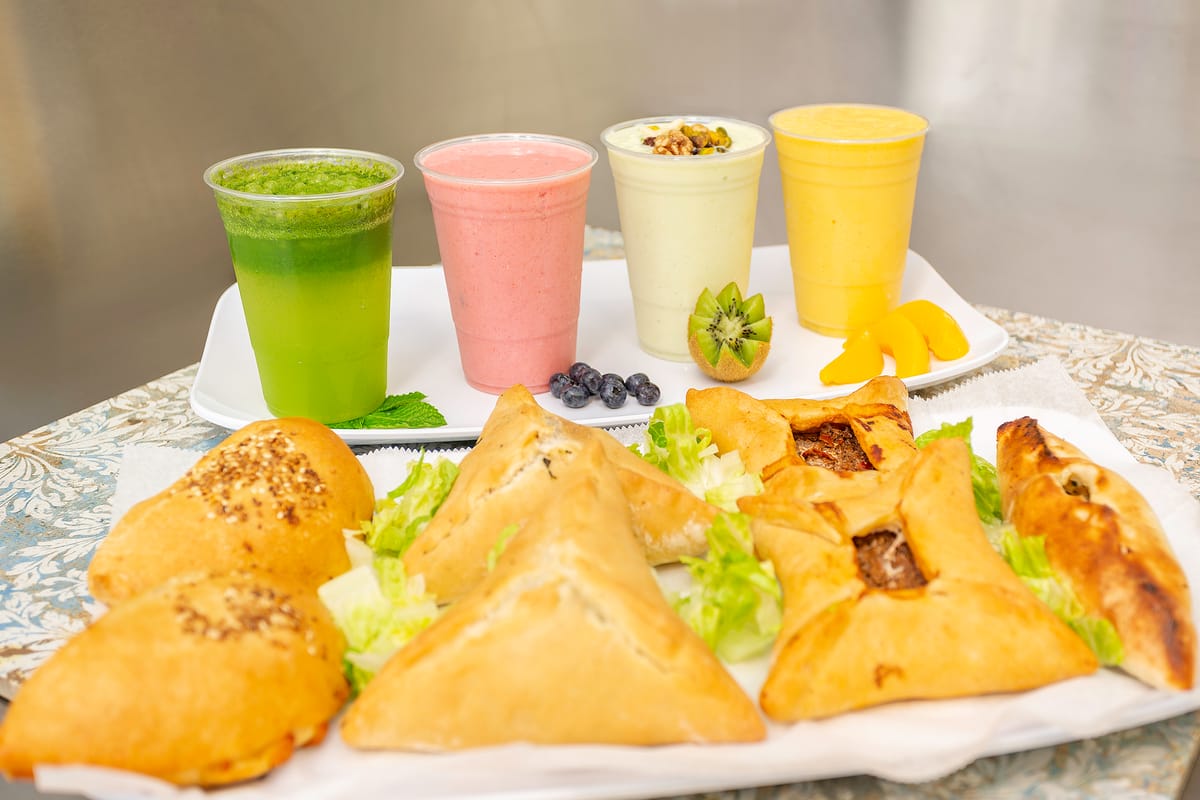
Spit-Roasted, Not Grilled
The vertical spit is what sets shawarma apart from every other wrapped protein. Hours of slow rotation produce a texture no grill or oven can match.
How Is the Meat Prepared? Vertical Spit vs Grill and Braise
This is the single biggest difference -- and the reason the two taste nothing alike.
Shawarma: Stacked, Spun, Shaved
Shawarma starts with whole cuts -- chicken thighs, beef rounds, or lamb shoulders -- marinated overnight in twelve-plus warm spices, yogurt or olive oil, lemon juice, and garlic. The marinated slices stack onto a vertical spit and rotate in front of a heat source for four to six hours. As the outer layer caramelizes, the cook shaves off paper-thin slices with a long knife. Each slice carries crispy, caramelized edges and a tender, juicy center. The slow rotation bastes the meat in its own drippings, producing a layered texture -- alternating crisp and soft -- that no other cooking method can replicate.
Burrito: Grilled, Braised, or Ground
Burrito protein varies wildly. Pollo asado is grilled and chopped. Carne asada -- skirt or flank steak -- is seared over high heat and diced. Carnitas is pork braised in lard until it shreds. Barbacoa is beef cheek slow-cooked in chili sauce. No single method defines burrito protein the way the vertical spit defines shawarma. That diversity is a strength -- you can get wildly different textures from the same restaurant. But it also means quality varies more. A great carne asada burrito depends on the cut, the marinade, and the grill work. Shawarma's method is more standardized: the spit does most of the work.
At Taza, our chicken and beef are marinated in-house and stacked fresh each morning. When you order a chicken shawarma pita (from $9.95) or a beef shawarma pita (from $9.95), the meat has been rotating and roasting for hours before it reaches your wrap. The spit-roasting also renders out a significant amount of excess fat, which is why shawarma is often leaner than you would expect from slow-cooked meat. That rendered fat is one reason the calorie count of a shawarma wrap stays well below that of a standard burrito.
What Goes Inside? Mediterranean vs Mexican Fillings
The fillings are where these two meals diverge most -- and where the calorie gap opens up.
Shawarma Fillings
- Tahini -- nutty sesame paste with lemon
- Toum (Garlic Sauce) -- emulsified raw garlic and oil
- Hummus -- chickpea spread for extra creaminess
- Pickled Turnips -- bright pink, vinegary, crunchy
- Fresh Vegetables -- lettuce, tomato, cucumber, onion
- Sumac Onions -- raw onion in tangy sumac spice
Burrito Fillings
- Rice -- cilantro-lime or Spanish, the bulkiest filler
- Beans -- pinto or black, protein and fiber workhorse
- Cheese -- Monterey Jack, cheddar, or queso fresco
- Sour Cream -- cool, tangy, calorie-dense condiment
- Guacamole -- mashed avocado with lime and cilantro
- Salsa -- tomato or tomatillo, mild to fiery
A shawarma wrap is meat-forward -- the protein is the star, making up 40-50% of the volume, with toppings in a supporting role. A burrito is an ensemble where rice, beans, cheese, sour cream, and protein all compete for space. This is why burritos are heavier and more calorie-dense: rice and beans alone add 300-400 calories before you reach the protein. Shawarma skips those carb-heavy fillers and lets the meat do the talking. Check our guide to shawarma toppings for the full breakdown.
What Do They Taste Like? Warm Spices vs Chili Heat
The spice profiles could not be more different -- and that difference defines the entire eating experience.
Shawarma Flavor Profile
Warm, aromatic, layered. Cumin provides an earthy base. Cinnamon and allspice add subtle sweetness against savory meat. Cardamom brings floral complexity. Garlic -- raw in toum and cooked into the marinade -- provides a pungent backbone. Lemon and pickled turnips add acid. The overall impression is warm and enveloping, with flavors that build as you eat.
Burrito Flavor Profile
Bold, bright, direct. Dried chili peppers -- ancho, guajillo, chipotle -- form the backbone with both flavor and heat. Cumin plays a supporting role. Lime cuts through the richness of cheese, sour cream, and guacamole. Cilantro adds a fresh, polarizing herbal note. The flavors hit on the first bite rather than building gradually, and pepper heat lingers.
Shawarma spices reward slow eating -- the more you chew, the more flavors emerge. Burrito spices are built for immediate impact through brightness and heat. Neither is better; they are different tools for different jobs. If you have only eaten food in the chili-lime family, shawarma's warm-spice profile will feel like discovering a new color. Read more about the nutritional breakdown of shawarma.
Shawarma vs Burrito: The Full Nutritional Comparison
Sixteen dimensions, side by side. Calories, protein, fat, fiber, sodium, size, and price.
| Category | Shawarma Wrap | Chicken Burrito |
|---|---|---|
| Origin | Levant / Ottoman Empire (18th-19th c.) | Northern Mexico / Mexican-American border (19th-20th c.) |
| Bread / Wrap | Pita pocket or thin shrak flatbread | Large flour tortilla (10-12 inches) |
| Cooking Method | Vertical spit, slow-roasted 4-6 hours, shaved to order | Grilled, braised, stewed, or ground -- varies by filling |
| Primary Protein | Chicken or beef (spit-roasted whole cuts) | Chicken, beef, pork, or beans (multiple preparations) |
| Signature Sauces | Tahini, toum (garlic sauce), hummus | Salsa, guacamole, sour cream, queso |
| Fillings Beyond Meat | Pickled turnips, lettuce, tomato, cucumber, onion | Rice, beans, cheese, lettuce, tomato, corn |
| Spice Profile | Warm: cumin, cinnamon, cardamom, turmeric, sumac | Hot: chili powder, cumin, oregano, cayenne, lime |
| Calories | ~450-550 (chicken pita) to ~600-700 (beef shrak) | ~800-1,200 (chicken burrito with rice and beans) |
| Protein | ~30-40g per wrap | ~35-50g per burrito |
| Fat | ~15-22g (spit renders excess fat) | ~25-45g (cheese, sour cream, guac add up) |
| Fiber | ~4-6g (bread and vegetables) | ~8-14g (beans and rice) |
| Sodium | ~600-900mg | ~1,200-2,000mg |
| Typical Weight | ~350-500g | ~500-700g |
| Price Range | from $9.95 for a loaded pita | $10-15 for a standard chicken burrito |
| Vegetarian Option | Falafel with tahini | Bean and cheese or veggie burrito |
| Best For | Lean, protein-focused, spice-forward meal | Massive, carb-and-protein-loaded meal |
Shawarma values based on chicken pita with tahini and vegetables (Taza). Burrito values based on mission-style chicken burrito with rice, beans, cheese, sour cream, and salsa. Values vary by portion and preparation.
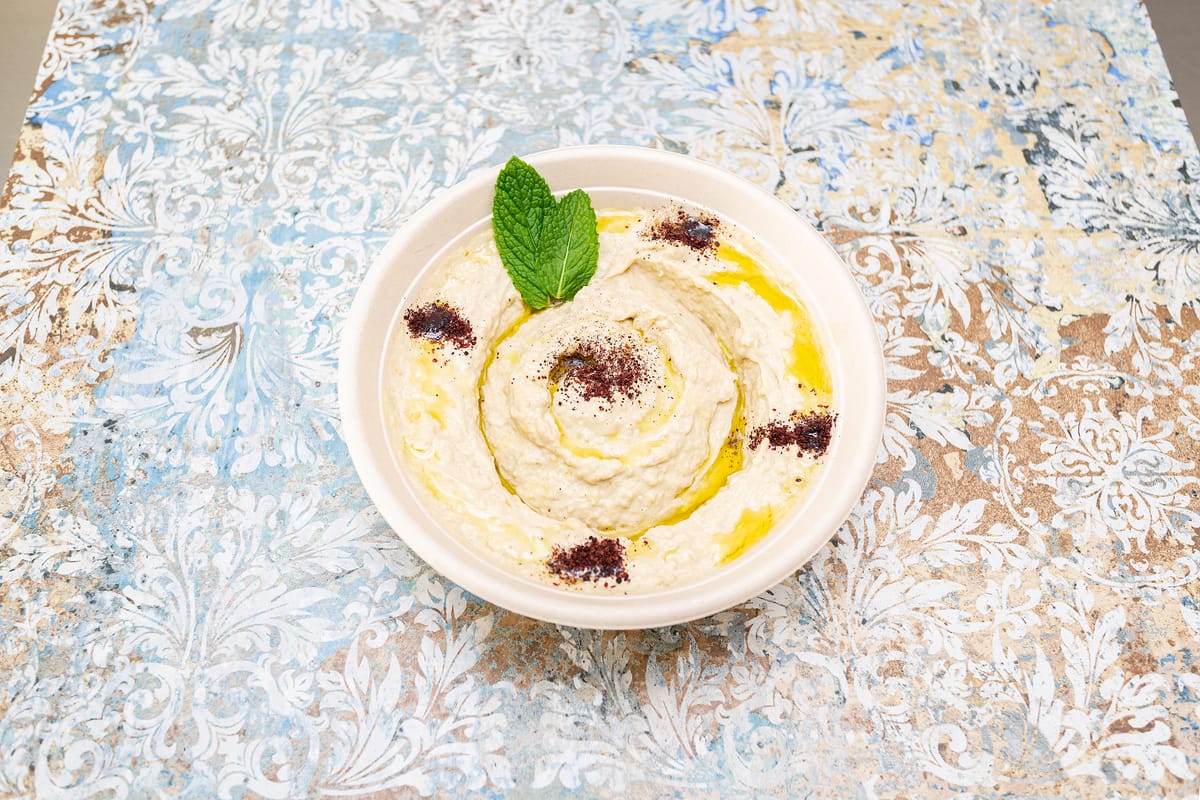
Shaved Fresh, Every Single Order
Our shawarma is sliced to order from a spit that has been rotating for hours. No heat lamp. No holding station. Just the spit and the knife.
How Big Are They? Shawarma Wrap vs Burrito
A burrito is physically larger, but size alone does not tell the whole story.
A standard shawarma wrap weighs roughly 350-500 grams (12-18 ounces), including bread, spit-roasted meat, and all toppings. A standard mission-style burrito weighs 500-700 grams (18-25 ounces) -- noticeably heavier. The extra weight comes from the rice, beans, cheese, and sour cream that shawarma wraps skip entirely. Some overstuffed chain burritos push past a kilogram and 1,200 calories -- the equivalent of two full shawarma wraps.
The density difference matters in practice. Shawarma feels lighter because the fillings are lean protein and vegetables. A burrito feels heavier because rice, beans, and cheese are calorie-dense and physically heavy. If you want a meal that fills you up without the post-lunch heaviness, shawarma has a clear edge. If you want maximum volume and a guaranteed food coma, the burrito is your friend.
Size at a Glance
Chicken Shawarma Pita (Taza)
Chicken Burrito (Standard)
How Much Do They Cost? Shawarma vs Burrito Pricing
Shawarma wraps cost less than burritos, and the protein-per-dollar math favors shawarma.
At Taza, a chicken shawarma pita starts at from $9.95, beef at from $9.95, shrak wraps at from $11.45, and a falafel pita at from $8.95. A standard chicken burrito at a mid-range restaurant costs $10-15. Add guacamole ($2-3 extra) and you are at $12-18. The burrito is larger, but much of that size is rice and beans -- the cheapest ingredients on the menu.
The protein-per-dollar math is interesting. A shawarma pita delivers 35 grams of spit-roasted chicken for under $10. A $13 burrito delivers 40-45 grams of total protein, but some comes from beans and cheese rather than premium meat. For budget shoppers: shawarma gives more meat per dollar. For volume shoppers: burritos give more total food per dollar. For a wrap vs bowl comparison, our bowls offer extra customization without the calorie density.
Price and Protein at Taza
Chicken Shawarma Pita
from $9.95~35g protein | ~500 cal
Beef Shawarma Pita
from $9.95~38g protein | ~580 cal
Chicken Shawarma Shrak
from $11.45~40g protein | ~600 cal
Chicken Shawarma Bowl
from $12.45~42g protein | ~550 cal
When to Choose Shawarma, When to Choose a Burrito
Both are great. Here is how to decide what you actually want right now.
There is no universal winner. Shawarma and burritos serve different moods, hunger levels, and nutritional goals. The smart move is knowing when each one is the right call.
Choose Shawarma When...
- You want a lean, protein-focused meal without the carb load
- You are counting calories but still want something satisfying
- You want to taste the meat, not the fillers
- You are craving warm, aromatic spices instead of chili heat
- You want something filling that will not put you to sleep at your desk
Choose a Burrito When...
- You want maximum volume and do not care about calorie count
- You want carbs, protein, fat, and fiber all in one package
- You are craving chili heat, lime, and the tang of salsa
- You want cheese (shawarma does not use cheese)
- You want the comfort of rice, beans, and melted cheese together
If you eat burritos regularly but have never tried shawarma, you are leaving half the wrapped-food world unexplored. The sauces -- tahini, toum, hummus -- have no Mexican equivalent. The spit-roasted meat has a texture that grilled or braised protein cannot replicate. A chicken shawarma pita at Taza (from $9.95) is the easiest entry point -- handheld, loaded, and immediately satisfying in a way any burrito lover will recognize. Northern Virginia has world-class options for both cuisines. If you live in Falls Church, Arlington, or anywhere in the DMV, you have the luxury of eating both. Trying both does not make you disloyal. It makes you a more complete eater.
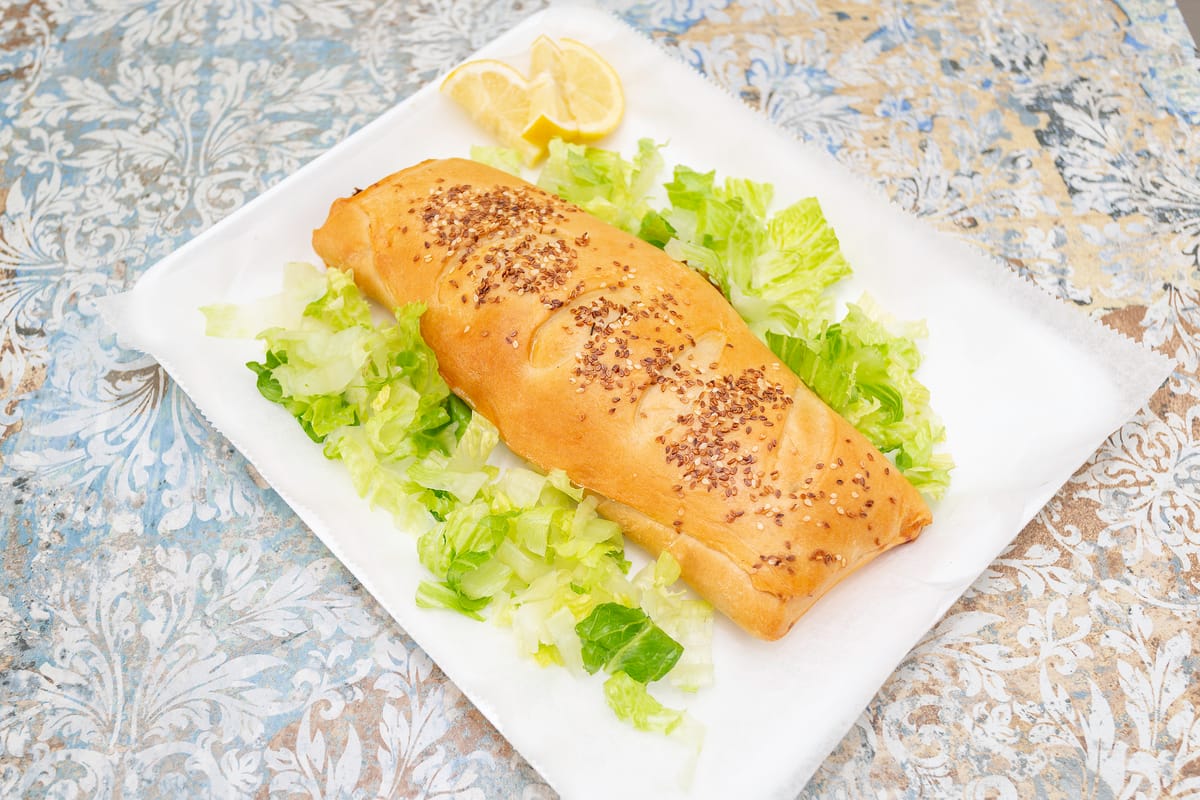
House-Made Everything
Our hummus, tahini, garlic sauce, and pickled turnips are all made fresh in-house daily.
Shawarma vs Burrito: Frequently Asked Questions
The comparison is understandable but not quite accurate. Both wrap protein and toppings in bread, but the construction is different. A burrito is a sealed cylinder of tortilla around rice, beans, meat, cheese, and sauces. A shawarma wrap is tighter and thinner, with the bread playing a bigger flavor role and the fillings focused on meat and a few complementary toppings. Calling shawarma a Middle Eastern burrito is like calling sushi a Japanese sandwich -- the shape is similar, but the intent and eating experience are distinct.
A burrito is almost always higher in calories. A chicken shawarma pita at Taza (from $9.95) runs about 450-550 calories. A standard chicken burrito with rice, beans, cheese, sour cream, and salsa lands between 800 and 1,200 calories. The gap comes from the burrito's rice, beans, cheese, and sour cream -- calorie-dense fillings that shawarma skips. Our chicken shawarma shrak (from $11.45) is larger than a pita but still lower in total calories than a standard burrito.
Surprisingly close in total, but different in source. A chicken shawarma pita delivers 30-40g of protein almost entirely from spit-roasted meat. A chicken burrito delivers 35-50g, but from chicken, beans, cheese, and sour cream combined. Shawarma gives more protein per calorie because it skips calorie-dense fillers. For protein-to-calorie ratio, shawarma wins. For maximum total protein, a large burrito with extra chicken and beans edges ahead.
Yes. At Taza, our chicken shawarma bowl (from $12.45) is built like a burrito bowl -- rice or greens base topped with spit-roasted meat and your choice of toppings. The difference is in the toppings: hummus, tahini, garlic sauce, and pickled turnips instead of beans, cheese, salsa, and sour cream. If you love burrito bowls, you will feel at home with a shawarma bowl.
In standard preparations, generally yes. A chicken shawarma pita has roughly half the calories, less sodium, and a better protein-to-calorie ratio than a typical chicken burrito. Shawarma skips rice, beans, and cheese, and spit-roasting renders excess fat. That said, burritos can be made healthier with brown rice, no cheese, and extra vegetables. And beans provide excellent fiber that shawarma wraps cannot match. The best option depends on your goals that day.
They come from different culinary traditions. Pita is a yeasted Levantine bread that puffs during baking, creating a pocket for fillings. Flour tortillas originated in northern Mexico -- unleavened, rolled flat, and griddle-cooked. Pita is thicker and chewier with a bread-like character. A tortilla is thinner and acts as a flexible wrapper. At Taza, we also offer shrak bread, which is thinner than pita and closer to a tortilla in thickness, though the flavor remains distinctly Middle Eastern.
Tahini -- ground sesame paste with lemon -- provides nutty richness that sour cream cannot replicate. Toum -- emulsified raw garlic and oil -- is intensely garlicky in a way no burrito condiment matches. Pickled turnips, dyed pink with beet juice, add a vinegary crunch sharper than pickled jalapenos. And hummus adds chickpea-based creaminess that bean paste only loosely resembles. These define the shawarma experience and have no direct Mexican equivalents.
No. Taza specializes in Levantine cuisine: spit-roasted shawarma, freshly fried falafel, house-made hummus, and oven-baked flatbreads. We do not serve burritos, tacos, or Mexican dishes. But if you love burritos for the wrapped, customizable, protein-packed format, a chicken shawarma pita (from $9.95) gives you that same handheld satisfaction with a different flavor profile -- warm spices instead of chili heat, tahini instead of salsa, pickled turnips instead of jalapenos.
Try Shawarma at Taza in Falls Church
5820 Seminary Rd Ste O, Falls Church, VA 22041 -- Open 11:00 AM - 12:00 AM, Open 7 Days a Week
Address
5820 Seminary Rd Ste O, Falls Church, VA 22041
Hours
11:00 AM - 12:00 AM -- Open 7 Days a Week
Phone
Your Next Great Wrapped Meal Is Waiting
If burritos are your go-to, let shawarma be your next discovery. Spit-roasted chicken or beef, fourteen toppings, house-made sauces, and a flavor profile you will not forget.