10 Mediterranean Food Myths That Need to Stop
Mediterranean food is one of the healthiest, most affordable, and most accessible cuisines on earth. But persistent myths keep people from trying it. Here are 10 of the biggest misconceptions -- and the facts that correct them.
4.8 stars on Yelp (92 reviews) -- Open 11:00 AM - 12:00 AM
Why Does Mediterranean Food Get Misunderstood?
Good food, bad information. Here is why these myths persist.
Mediterranean cuisine is the most studied and scientifically endorsed dietary pattern in the world. The Mediterranean diet has been named the best overall diet by U.S. News & World Report for seven straight years. Research published in the New England Journal of Medicine, The Lancet, and the British Medical Journal has consistently linked it to reduced heart disease, lower rates of type 2 diabetes, and longer lifespans. And yet, people still think Mediterranean food is expensive, heavy, hard to find, or somehow unsuitable for children or specific dietary needs.
These myths persist for a few reasons. First, many people in the United States have limited exposure to authentic Mediterranean food beyond Greek restaurants and Americanized versions of hummus and pita. Second, the term "Mediterranean" covers such a wide range of cuisines -- from Moroccan to Turkish to Lebanese to Italian -- that generalizations rarely hold up. Third, social media food content tends to show either the most expensive or the most unhealthy versions of any cuisine, creating a skewed impression.
This page addresses 10 of the most common myths about Mediterranean food with specific facts, nutritional data, and price comparisons. If you have been hesitant to try Mediterranean food -- or if you already enjoy it but have heard claims that concerned you -- read on. At Taza Shawarma & Falafel in Falls Church, VA, we serve the kind of authentic Levantine Mediterranean food that disproves every one of these myths daily.
What Makes Mediterranean Cooking Different?
Six core principles that set Mediterranean cuisine apart from other food traditions.
Olive Oil as the Primary Fat
Mediterranean cooking uses olive oil instead of butter, lard, or vegetable oil as the default cooking fat. Olive oil is rich in monounsaturated fatty acids and polyphenols, both linked to cardiovascular health. At Taza, we use olive oil in our marinades, our hummus, our zaatar blend, and as a finishing drizzle on most dishes.
Legumes and Whole Grains Daily
Chickpeas, lentils, fava beans, bulgur wheat, and freekeh are daily staples rather than occasional sides. These ingredients provide plant-based protein, fiber, iron, and B vitamins at very low cost. Hummus (chickpeas), falafel (chickpeas), and mujaddara (lentils and rice) are all built on legumes.
Herbs and Spices Over Salt
Mediterranean cooking uses cumin, sumac, zaatar, cinnamon, coriander, turmeric, mint, and parsley for flavor rather than relying heavily on salt. This approach reduces sodium intake while delivering more complex, layered flavors than salt alone can provide.
Slow Cooking and Roasting
Shawarma spends 4-6 hours on the spit. Stews simmer for hours. Bread bakes in stone ovens. Mediterranean cooking favors slow, patient methods that develop deep flavors through caramelization and long extraction of spices, rather than quick high-heat frying.
Fresh Vegetables with Every Meal
Every Mediterranean meal includes raw or cooked vegetables -- not as an afterthought, but as a core component. Tabbouleh, fattoush, Arabic salad, pickled vegetables, and fresh herbs are integrated into the plate, not served as a separate side dish you can skip.
Affordability by Design
Mediterranean cuisine evolved in regions where expensive ingredients were scarce. The diet is built around affordable staples -- chickpeas, lentils, olive oil, bread, yogurt, seasonal vegetables -- that feed families for minimal cost. This is not an expensive cuisine that was later made affordable; it was affordable from the beginning.
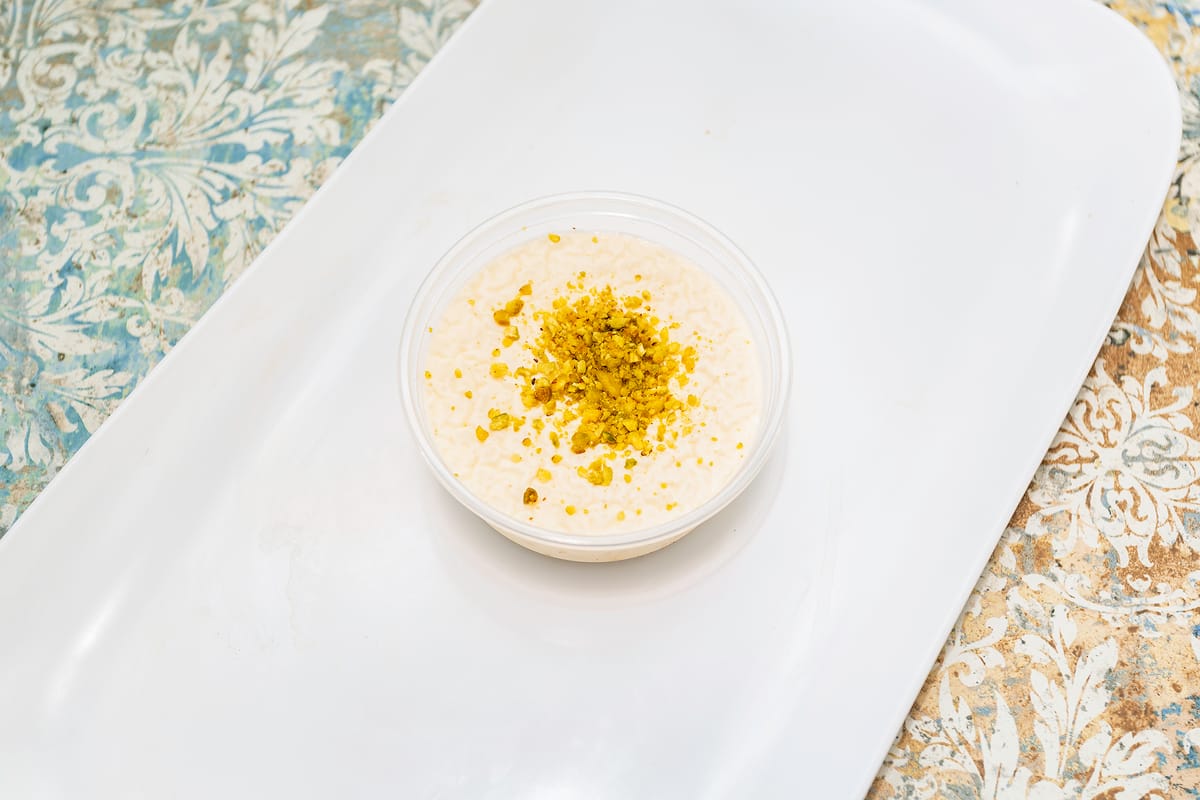
Fresh Ingredients, Real Food
Every dish at Taza is made from scratch using quality ingredients. No processed fillers, no artificial flavors, no shortcuts.
The Mediterranean Diet by the Numbers
What decades of peer-reviewed research say about this way of eating.
Reduced risk of heart disease. A landmark study published in the New England Journal of Medicine found that people following a Mediterranean diet supplemented with olive oil or nuts had a 30% lower risk of major cardiovascular events compared to a low-fat control diet.
Best overall diet. U.S. News & World Report has named the Mediterranean diet the #1 best diet overall for seven consecutive years, based on evaluations by a panel of nutrition experts across categories including heart health, diabetes prevention, ease of following, and nutritional completeness.
Reduced risk of type 2 diabetes. Multiple meta-analyses have shown that adherence to a Mediterranean eating pattern is associated with a 20-25% reduction in the risk of developing type 2 diabetes, largely due to the emphasis on whole grains, legumes, and healthy fats over refined carbohydrates and processed sugars.
People who eat Mediterranean-style diets worldwide. The Mediterranean region spans 21 countries across three continents (Europe, Africa, Asia), and the core dietary principles -- olive oil, legumes, whole grains, vegetables, lean protein -- are followed by over two billion people globally.
These are not marketing claims -- they are findings from peer-reviewed clinical research published in the world's most respected medical journals. The Mediterranean diet is the most studied eating pattern in nutritional science, and the data consistently supports its health benefits.
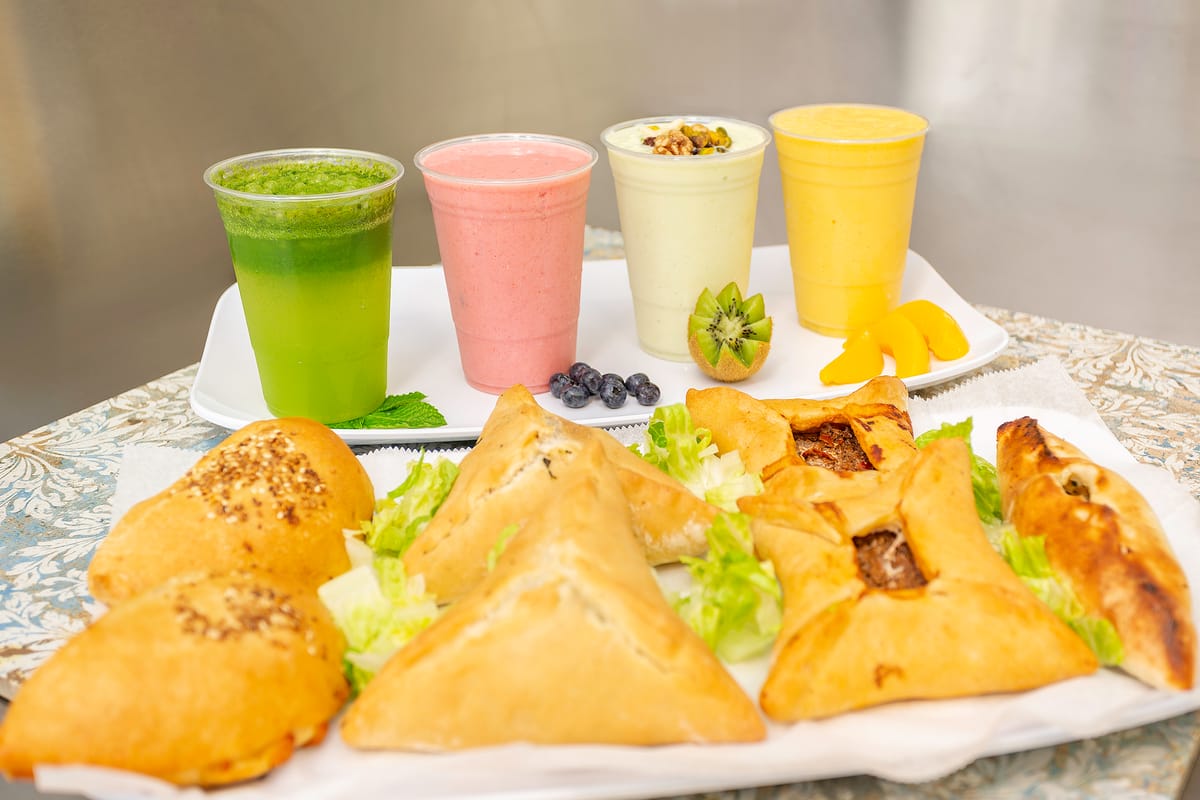
Made From Scratch, Every Day
Falafel, hummus, baba ghanouj, tahini -- all prepared fresh daily from whole ingredients. No shortcuts, no premixes.
"Mediterranean Food Is All Greek Food"
When people hear 'Mediterranean food,' they immediately think of Greek salads, gyros, and tzatziki. Everything Mediterranean is assumed to be Greek.
The Mediterranean region spans three continents and more than 20 countries. Greek food is one part of a much larger culinary family that includes Lebanese, Turkish, Moroccan, Tunisian, Spanish, Italian, Egyptian, and Syrian cuisines, among others. Each country developed its own ingredients, techniques, and signature dishes based on local agriculture, trade routes, and cultural history. Lebanese cuisine, for example, centers on fresh herbs, olive oil, tahini, and grains -- with dishes like shawarma, falafel, hummus, and manakish that have no Greek equivalent. Turkish cuisine emphasizes kebabs, borek, and complex spice blends. Moroccan cooking uses tagines, preserved lemons, and harissa. Calling all Mediterranean food 'Greek' ignores the contributions of dozens of other cultures. At Taza in Falls Church, we serve Levantine Mediterranean food -- a tradition rooted in Lebanon and the broader Levant region.
"Mediterranean Food Is Expensive"
Mediterranean restaurants are expensive, and the ingredients are specialty items that cost more than regular groceries.
Mediterranean food is one of the most affordable cuisines in the world. The foundation of the diet -- chickpeas, lentils, olive oil, bread, rice, vegetables, and yogurt -- consists of inexpensive, shelf-stable ingredients that have fed families in the region for centuries. A serving of hummus costs less to make than a hamburger patty. Falafel is made from dried chickpeas, which cost pennies per serving. At Taza in Falls Church, a falafel pita starts at from $8.95, zaatar manakish at $6.95, and a chicken shawarma pita at from $9.95. These are full, satisfying meals with real protein, fresh vegetables, and handmade bread at prices comparable to or lower than fast food. The 'expensive' perception comes from upscale Mediterranean restaurants that charge premium prices for the same dishes that street vendors in Beirut sell for a few dollars.
"Mediterranean Food Is Too Heavy and Oily"
Mediterranean food is loaded with olive oil, fried items, and heavy sauces that make it too rich and calorie-dense to eat regularly.
This myth likely comes from encountering poorly prepared versions of Mediterranean dishes where olive oil is overused or food is deep-fried in low-quality oil. Authentic Mediterranean cooking uses olive oil as a flavor component, not as a deep-frying medium. A properly made hummus has about two tablespoons of olive oil per serving -- around 240 calories total for the entire dish. A zaatar manakish has a thin coating of olive oil mixed with herbs and spices, totaling 250-350 calories for the whole flatbread. Compare this to a fast-food meal that easily exceeds 900 calories. Mediterranean cuisine is actually one of the lightest major cuisines in the world when prepared correctly. The emphasis on fresh vegetables, lean proteins, legumes, and whole grains makes it the opposite of heavy. At Taza, we follow traditional recipes that use olive oil for flavor, not excess.
"You Cannot Eat Mediterranean Food on a Keto Diet"
Mediterranean cuisine is full of bread, rice, and grains, making it incompatible with low-carb or ketogenic diets.
While Mediterranean cuisine does include bread, rice, and other carbohydrates, there are many naturally low-carb options. A chicken shawarma bowl on a greens base (from from $12.45 at Taza) eliminates bread entirely and contains approximately 15-25g of carbs with 32-42g of protein. Hummus is moderate in carbs (about 15g per serving) but high in fiber and protein. Baba ghanouj is even lower in carbs because it is based on eggplant rather than chickpeas. Grilled meats, tahini, olive oil, cheese, yogurt (labneh), and most vegetables used in Mediterranean cooking are keto-compatible. The key is ordering bowls instead of pitas and wraps, and choosing protein-forward dishes over bread-based options. Mediterranean cuisine is actually one of the easiest cuisines to adapt to a keto diet because so many of its components are naturally low in carbohydrates.
"Hummus Is High in Calories"
Hummus is a high-calorie food that should be avoided if you are watching your weight or counting calories.
A standard serving of hummus (about two tablespoons) contains approximately 70-80 calories. A full side order at Taza ($4.95) contains roughly 300-400 calories for the entire bowl -- and most people share it or eat it across multiple sittings. The calories in hummus come from chickpeas (complex carbohydrates and plant protein), tahini (healthy fats from sesame seeds), and olive oil (monounsaturated fat). These are nutrient-dense calories, not empty ones. Hummus provides 4-5g of protein and 2-3g of fiber per serving, along with iron, folate, and phosphorus. Compare a tablespoon of hummus (35-40 cal) to a tablespoon of ranch dressing (65-75 cal) or mayonnaise (90-100 cal). Hummus is lower in calories than almost every popular Western dip and condiment while providing significantly more nutritional value.
"Falafel Is Unhealthy Because It Is Fried"
Because falafel is deep-fried, it is automatically unhealthy and should be avoided in a balanced diet.
Falafel is fried, but the nutritional picture is more complex than 'fried equals unhealthy.' Falafel is made from ground chickpeas, fresh herbs (parsley, cilantro), onion, garlic, and spices -- it contains no processed ingredients, no flour coating, and no breadcrumbs. The chickpea mixture is dense enough to hold its shape without a batter. During frying, falafel absorbs less oil than battered or breaded foods because the exterior quickly seals and the interior steams. A single falafel ball contains approximately 55-70 calories, 3g of protein, and 3g of fiber. A falafel pita at Taza (from from $8.95) with fresh vegetables and tahini contains 400-550 calories total -- comparable to or lower than a grilled chicken sandwich at most fast-food chains. Falafel is also completely plant-based, making it one of the most protein-rich vegan options in any cuisine.
"Shawarma Is Junk Food"
Shawarma is essentially fast food -- greasy, processed, and nutritionally similar to a burger or fried chicken sandwich.
Shawarma gets lumped in with junk food because it is served fast and eaten on the go, but the preparation method is fundamentally different from fast food. Shawarma meat is marinated in olive oil, lemon juice, garlic, and whole spices -- not processed with fillers, preservatives, or artificial flavors. It is slow-roasted on a vertical spit for 4-6 hours, not fried or microwaved. The meat is sliced fresh to order, not sitting under a heat lamp. A chicken shawarma pita at Taza (from from $9.95) contains approximately 450-550 calories with 30-40g of protein from real sliced chicken, fresh vegetables, and tahini made from sesame seeds. Compare this to a typical fast-food burger at 700-1000 calories with 35-50g of fat from fried patties and processed cheese. Shawarma is closer to a salad with grilled protein than it is to junk food.
"There Are No Kid-Friendly Mediterranean Options"
Mediterranean food is too exotic, spicy, or unfamiliar for children. Kids will not eat it.
Mediterranean cuisine has some of the most naturally kid-friendly options of any cuisine. Cheese manakish is essentially melted cheese on warm bread -- similar to a grilled cheese sandwich but fresher and simpler. Chicken tenders at Taza ($7.95) come with fries and a drink as a complete kids' meal. Hummus with pita bread is mild, smooth, and fun to dip. Fries ($3.95) are on the menu as a familiar side. Rice bowls with mild chicken shawarma (hold the spicy sauce) are protein-packed and approachable. Spinach pies and cheese pies are handheld, mess-free, and easy for small hands. The idea that Mediterranean food is 'too exotic' for children is outdated -- most kids who try cheese manakish, hummus, or chicken shawarma end up asking for it again.
"Mediterranean Food Takes Too Long to Prepare"
Mediterranean food takes hours to prepare, making it impractical for busy weeknight dinners or quick meals.
Some Mediterranean dishes do require long preparation -- shawarma spends hours on the spit, and certain stews simmer for extended periods. But the preparation is done by the restaurant, not by you. From a customer's perspective, Mediterranean food is among the fastest to receive. At Taza, a shawarma pita or falafel pita is assembled in under 5 minutes from the moment you order because the meat is already roasting, the falafel is fried fresh in minutes, and the bread and toppings are ready to go. Manakish bakes in 3-5 minutes. Hummus and baba ghanouj are prepared daily and served immediately. The behind-the-scenes preparation is extensive, but the service is faster than most sit-down restaurants and comparable to any fast-casual chain.
"You Need Special Ingredients to Cook Mediterranean Food at Home"
To cook Mediterranean food at home, you need specialty stores and obscure ingredients that are hard to find in the United States.
The core ingredients of Mediterranean cooking are available at any grocery store in the United States. Olive oil, chickpeas (canned or dried), tahini (in the international or nut butter aisle), garlic, lemon, cumin, paprika, yogurt, pita bread, and fresh vegetables like tomatoes, cucumbers, and onions are all standard supermarket items. You do not need a specialty store for the basics. Zaatar, sumac, and certain spice blends may require a trip to a Middle Eastern grocery or an online order, but these are shelf-stable and last for months. The cooking techniques are straightforward -- hummus is a blender recipe, falafel is a food processor recipe, and most salads and dips require only chopping and mixing. That said, dishes like shawarma require a vertical spit that most home kitchens do not have. For spit-roasted shawarma done right, visit Taza at 5820 Seminary Rd Ste O, Falls Church, VA 22041 where we roast it fresh daily.
How Many Cuisines Does 'Mediterranean' Actually Cover?
A quick look at the range of food traditions that fall under the Mediterranean umbrella.
The Mediterranean Sea borders 21 countries across Europe, Africa, and Asia. Each has its own distinct culinary identity, shaped by local agriculture, trade routes, and cultural traditions. Grouping them all under a single label is convenient for dietary research but obscures the real diversity. Here are just a few of the major traditions that fall under the "Mediterranean" banner.
Levantine (Lebanese, Syrian, Jordanian)
Turkish
North African (Moroccan, Tunisian, Algerian)
Greek and Cypriot
Italian
Spanish
Each of these culinary traditions is distinct. They share common principles -- olive oil, fresh vegetables, legumes, herbs over salt -- but the actual dishes, spice profiles, and cooking techniques are as different from each other as French food is from Japanese food. Reducing all Mediterranean cuisine to "Greek food" misses the contributions of at least a dozen other major culinary traditions.
The Truth: Mediterranean Food Is One of the Healthiest Cuisines
The science is clear, the pricing is affordable, and the options are more diverse than most people realize.
When you look at the actual data -- peer-reviewed research, USDA nutritional databases, and real menu prices -- the myths fall apart quickly. Mediterranean food is not expensive (a falafel pita at Taza costs from $8.95). It is not heavy (a chicken shawarma bowl on greens has 350-450 calories with 32-42g of protein). It is not all Greek (we serve Lebanese food that includes shawarma, manakish, sfiha pies, and dozens of other dishes with no Greek equivalent). And it is not inaccessible -- we are open 11:00 AM - 12:00 AM, Open 7 Days a Week, right here in Falls Church at 5820 Seminary Rd Ste O, Falls Church, VA 22041.
The Mediterranean diet has earned its reputation as the world's healthiest eating pattern through decades of clinical research and real-world observation. Communities that eat this way -- Lebanon, Sardinia, parts of Greece, southern Spain -- consistently show lower rates of heart disease, diabetes, and obesity than populations eating Western diets heavy in processed food. The ingredients are simple. The preparation is straightforward. The flavors are genuinely satisfying. If myths have kept you from trying it, consider this your invitation to see for yourself.
Falafel Pita
from $8.95Plant-based, no processed ingredients, high in protein and fiber
Chicken Shawarma Bowl
from $12.45Lean protein on greens, no bread, halal certified
Hummus with Pita
$4.95Lower calories than ranch, mayo, or any cheese dip
Zaatar Manakish
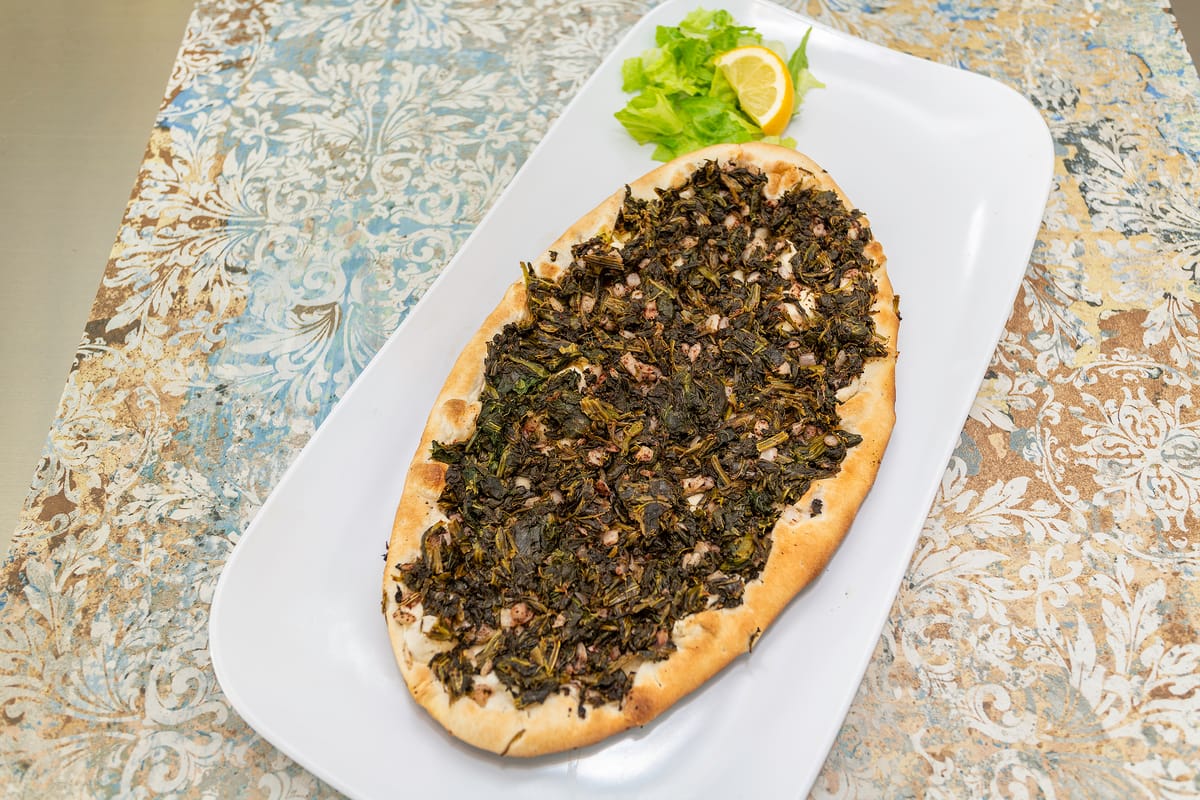
$6.95Antioxidant-rich zaatar with olive oil on fresh flatbread
Beef Shawarma Pita
from $9.95Slow-roasted, not fried. More protein than a fast-food burger
Kids Chicken Tenders
$7.95Halal chicken tenders with fries and a drink -- kid-approved
See for Yourself at Taza
The best way to debunk a food myth is to eat the food. Here is where to start.
If you have never tried Mediterranean food, start with the most approachable items. A chicken shawarma pita (from from $9.95) gives you the classic experience -- tender, spiced chicken in warm bread with fresh toppings and garlic sauce. A side of hummus ($4.95) with warm pita is a universally crowd-pleasing starter. For kids, cheese manakish or chicken tenders with fries are safe bets.
If you are already a fan and want to go deeper, try our manakish varieties (zaatar at $6.95), our falafel (pita at from $8.95), or our baba ghanouj ($4.95). Order a chicken and beef shawarma combo to compare the two meats side by side. Build a shawarma bowl on a greens base for the lightest, highest-protein option on the menu.
We are at 5820 Seminary Rd Ste O, Falls Church, VA 22041, open 11:00 AM - 12:00 AM, Open 7 Days a Week. You can order online for pickup, order delivery through DoorDash or Uber Eats, or call us at (703) 340-1014. Every myth on this page can be debunked with a single meal.
Mediterranean Food: Common Questions Answered
Yes, overwhelmingly so. The Mediterranean diet has been named the #1 best diet overall by U.S. News & World Report for seven consecutive years. It emphasizes olive oil, vegetables, legumes, whole grains, lean proteins, nuts, and seeds -- while limiting processed foods, added sugars, and red meat. Research consistently links the Mediterranean diet to reduced risk of heart disease, type 2 diabetes, certain cancers, and cognitive decline. The cuisine practiced at restaurants like Taza -- built around grilled meats, fresh vegetables, chickpeas, tahini, and olive oil -- aligns closely with these dietary principles.
The Mediterranean diet is a way of eating based on the traditional cuisines of countries bordering the Mediterranean Sea, including Lebanon, Turkey, Greece, Italy, Spain, and Morocco. Its core principles are: use olive oil as the primary fat source; eat vegetables, fruits, and legumes daily; choose whole grains over refined grains; eat fish and poultry more often than red meat; use herbs and spices instead of salt for flavor; and consume dairy (especially yogurt and cheese) in moderation. It is not a strict diet plan but rather a general eating pattern that has been practiced in the region for centuries.
Shawarma fits within the Mediterranean dietary pattern when consumed as part of a balanced diet. The meat is marinated in olive oil and whole spices (not processed sauces), slow-roasted (not fried), and served with fresh vegetables, tahini (sesame seeds), and whole-grain bread. A chicken shawarma bowl on a greens base at Taza (from from $12.45) is a textbook Mediterranean meal: lean protein, vegetables, olive oil, and minimal processed ingredients. The key is choosing grilled or roasted preparations over fried ones and including vegetables and legumes with your meal.
Hummus is nutrient-dense and fits into most healthy eating plans. It contains plant-based protein (4-5g per serving), fiber (2-3g per serving), healthy fats from tahini and olive oil, and micronutrients including iron, folate, and phosphorus. A standard serving (two tablespoons) has about 70-80 calories. Hummus is lower in calories than ranch, mayo, or most cheese-based dips. At Taza, a full side of hummus is $4.95 and comes with warm pita bread for dipping.
For weight loss, focus on high-protein, lower-carb Mediterranean options. A chicken shawarma bowl on greens (from from $12.45 at Taza) delivers 32-42g of protein in approximately 350-450 calories. Falafel bowls (from from $10.45) provide plant-based protein with fiber. Hummus and vegetables make a satisfying, low-calorie snack. Zaatar manakish ($6.95) is one of the lightest flatbread options at 250-350 calories. The key strategies are: choose bowls over wraps (eliminates bread calories), add extra vegetables, and use tahini sparingly as it is calorie-dense.
Taza Shawarma & Falafel at 5820 Seminary Rd Ste O, Falls Church, VA 22041 serves authentic Levantine Mediterranean food daily. Our menu includes chicken and beef shawarma (from from $9.95), falafel (from from $8.95), hummus ($4.95), baba ghanouj ($4.95), manakish (from $6.95), and more. Everything is made fresh from scratch using halal-certified meats and quality ingredients. We are open 11:00 AM - 12:00 AM, Open 7 Days a Week.
Try Mediterranean Food at Taza Today
Open 11:00 AM - 12:00 AM, Open 7 Days a Week at 5820 Seminary Rd Ste O, Falls Church, VA 22041.
Address
5820 Seminary Rd Ste O, Falls Church, VA 22041
Hours
11:00 AM - 12:00 AM -- Open 7 Days a Week
Phone
The Only Way to Know Is to Taste It
Shawarma from from $9.95. Falafel from from $8.95. Manakish from $6.95. All made fresh daily at Taza in Falls Church.