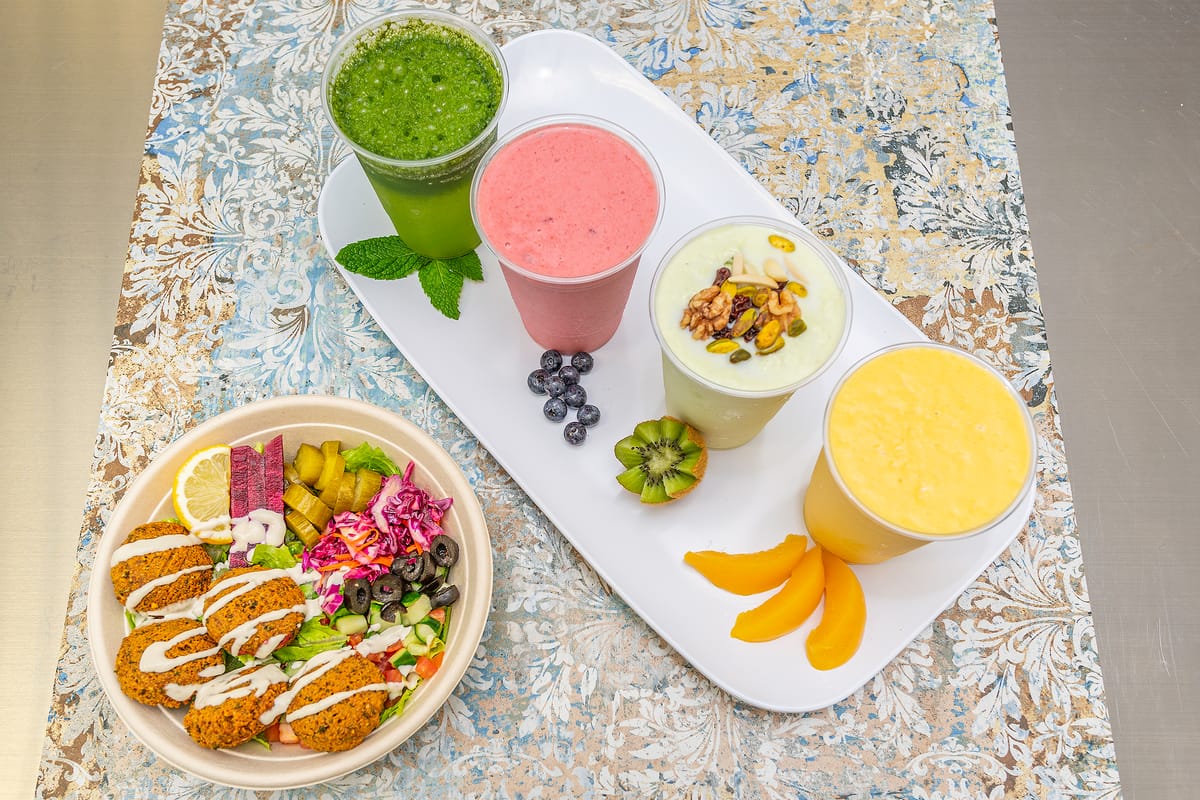
Mediterranean Food for Ramadan
Balanced halal meals for iftar and suhoor — slow-roasted proteins, fiber-rich grains, and probiotic sides that sustain you through every day of the blessed month. Your complete Ramadan nutrition guide from Taza.
4.8 stars on Yelp (92 reviews) -- Open 11:00 AM - 12:00 AM
Why Mediterranean Food Is Built for Ramadan
The Levantine kitchen has fed fasting communities for centuries. The nutritional profile of shawarma, falafel, hummus, and fresh-baked bread aligns naturally with the demands of a 14-to-16-hour fast.
Complete Halal Protein
Every protein at Taza is certified halal — from slow-roasted chicken and beef shawarma to chickpea-based falafel. During Ramadan, your body needs all nine essential amino acids in a compressed eating window. Halal spit-roasted meat retains B vitamins and iron that support energy production when fasting resumes at dawn.
Slow-Release Carbohydrates
Basmati rice, whole-grain pita, and chickpeas rank low-to-moderate on the glycemic index. Unlike white bread or sugary cereals, these carbohydrates release glucose gradually over 4–6 hours, preventing the mid-afternoon crash that plagues many fasters and maintaining stable blood sugar well past dhuhr.
Shareable by Design
Ramadan meals are communal. Mediterranean platters — hummus, baba ghanoush, labneh, falafel — are designed to sit at the center of a table and feed a group. This shareability makes Taza an ideal choice for family iftars, masjid gatherings, and neighborhood get-togethers.
Probiotic Gut Support
Fasting alters gut motility and bacterial balance. Labneh — thick strained yogurt — is a natural source of Lactobacillus that helps maintain intestinal health during Ramadan. Including labneh at suhoor reduces the bloating and digestive discomfort some fasters experience in the first week.
Fiber That Sustains
Chickpeas in falafel and hummus provide 6–8g of soluble fiber per serving. This fiber forms a gel in the digestive tract that slows nutrient absorption, delays hunger signals, and keeps you comfortable through the longest fasting hours. No other fast-casual cuisine matches this fiber density.
Traditional Suhoor Staple
Zaatar manaeesh with olive oil has been the go-to suhoor food across Lebanon, Syria, and Jordan for generations. The thymol in zaatar supports digestion, the olive oil provides sustained energy through healthy fats, and the flatbread delivers accessible carbohydrates — all for just $6.95.
Best Foods for Iftar at Taza
The Prophet's sunnah of breaking fast with dates and water remains the gold standard. After that initial step, your body needs a staged approach: light starter, then protein and carbohydrates. Here is how to build the ideal iftar from Taza's menu.
Step 1
At Maghrib
Dates, Water & Lemon Mint
Break your fast with 2–3 dates and a glass of water. The natural fructose in dates corrects low blood sugar within minutes. Follow with Taza's Lemon Mint — the citric acid and mint stimulate digestive enzyme production, preparing your stomach for the meal ahead.
Step 2
15 Minutes Later
Light Starter: Hummus & Pita
A small portion of hummus ($4.95) with warm pita ($0.95) introduces protein and carbohydrates gently. The tahini in hummus delivers phosphorus for ATP production while the chickpeas provide fiber that regulates the pace of digestion.
Step 3
30 Minutes Later
Main Meal: Shawarma Bowl
Your main iftar meal should include a complete protein source. The Chicken Shawarma Bowl (from $12.45) or Beef Shawarma Bowl (from $12.45) over basmati rice gives you 35–45g of protein, complex carbs, and fresh vegetables in one dish.
Top Iftar Picks from Taza's Menu
Chicken Shawarma Bowl — from $12.45
High-quality protein from slow-roasted halal chicken restores muscle after a full day of fasting. Pair with basmati rice for glycogen replenishment.
Beef Shawarma Bowl — from $12.45
Iron-rich beef supports oxygen-carrying hemoglobin — particularly important during Ramadan when energy can dip in the afternoon hours.
Hummus with Pita — $4.95
Chickpea protein and tahini fats paired with warm pita make an ideal starter 15 minutes after dates and water, easing the stomach back into digestion.
Lemon Mint — $5.95
Fresh-squeezed lemon and mint deliver vitamin C and natural electrolytes. Hydrates faster than water alone and settles the stomach after a long fast.
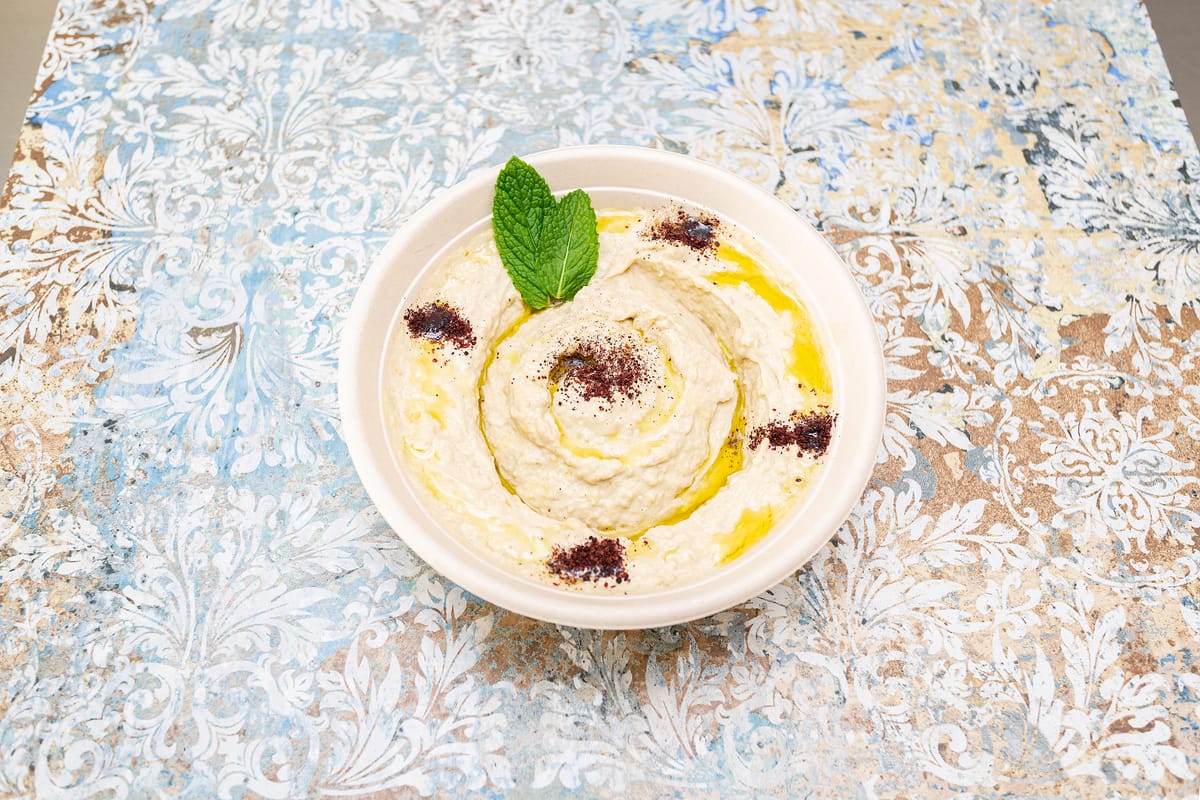
Nourish Your Body, Feed Your Soul
Ramadan is a time for reflection, community, and gratitude. Let Taza handle the food so you can focus on what matters most.
Best Foods for Suhoor at Taza
Suhoor determines how you feel for the next 14–16 hours. The goal is slow-digesting protein, complex carbohydrates, healthy fats, and adequate hydration. Skip the sugary cereals and processed foods — here is what works.
Suhoor Strategy: What Science Says
Protein
Choose casein-rich foods like labneh that digest over 6–8 hours, preventing muscle breakdown and maintaining metabolic rate.
Complex Carbs
Basmati rice, chickpeas, and whole-grain pita (GI 50–65) provide 2–4 extra hours of stable energy versus white bread (GI 70–85).
Healthy Fats
Olive oil on manaeesh and tahini in hummus delay gastric emptying, pushing hunger signals later into the afternoon.
Hydration
Drink 2–3 glasses of water at suhoor. Include water-rich foods like cucumbers and tomatoes from Taza's toppings selection.
Fiber
Soluble fiber in chickpeas absorbs water and expands in the gut. One falafel bowl delivers 8–12g of fiber for lasting fullness.
Top Suhoor Picks from Taza
Falafel Bowl — from $10.45
Chickpea-based falafel provides slow-release carbohydrates and plant protein that sustain energy well into the afternoon. High fiber delays hunger signals.
Zaatar Manaeesh — $6.95
Zaatar with olive oil on flatbread delivers complex carbs and healthy fats. The thymol in zaatar supports digestion — a traditional suhoor staple across the Levant.
Labneh with Pita — $4.95
Thick strained yogurt is packed with casein protein, which digests slowly over 6-8 hours. Probiotics support gut health during altered eating schedules.
Rice — $2.95
Basmati rice has a moderate glycemic index that provides steady glucose release. A side of rice with any protein ensures sustained energy through the morning.
Pita Bread — $0.95
Fresh-baked pita pairs with labneh or hummus for a balanced suhoor plate. The bread provides accessible carbohydrate energy for the first half of your fast.
Iftar vs. Suhoor: Nutritional Goals
Your two Ramadan meals serve fundamentally different purposes. Understanding the distinction helps you order the right foods at the right time.
| Nutritional Factor | Iftar Goals | Suhoor Goals |
|---|---|---|
| Primary Goal | Replenish glycogen, rehydrate, restore electrolytes | Sustain energy for 14–16 hours of fasting ahead |
| Protein Priority | Moderate — repair from daily activity | High — slow-digesting protein prevents muscle breakdown |
| Carbohydrate Type | Quick-release first (dates, soup), then complex | Slow-release only: basmati rice, whole-grain pita, oats |
| Fat Intake | Moderate — olive oil, tahini for satiety after main course | Higher — healthy fats delay gastric emptying, sustain fullness |
| Hydration Focus | Aggressive rehydration: water, lemon mint, broths | Steady sipping from suhoor until fajr; avoid caffeine excess |
| Fiber Content | Moderate — avoid heavy fiber immediately at break; increase later | High — chickpeas, vegetables, labneh promote slow digestion |
| Portion Size | Small at break, larger main meal 30–60 minutes after | Moderate — overeating causes sluggishness before dawn |
| Sodium & Electrolytes | Replace losses: pickled vegetables, olives, seasoned rice | Light salting retains water; avoid excess which causes thirst |
| Sugar Timing | Dates or fruit first — fast glucose corrects low blood sugar | Minimal added sugar — prevents insulin spike and crash during fast |
| Recommended Taza Items | Chicken Shawarma Bowl, Hummus, Lemon Mint | Falafel Bowl, Labneh, Zaatar Manaeesh, Rice |
Ramadan Catering for Masjids & Gatherings
Taza Shawarma & Falafel caters community iftars, family gatherings, and corporate Ramadan dinners throughout Northern Virginia. From 6 guests to 200+, we deliver hot halal food timed to arrive before maghrib.
Community Iftar Package
20–50 guestsIncludes: Shawarma platters, rice trays, hummus, salad, pita, drinks
Designed for masjid iftars and community centers. Arrives hot 30 minutes before maghrib.
Family Ramadan Box
6–10 guestsIncludes: Mixed shawarma bowl trays, falafel, hummus, labneh, manaeesh
Everything your family needs for a complete iftar at home. Reheating instructions included.
Suhoor Prep Tray
4–8 guestsIncludes: Zaatar manaeesh, labneh, hummus, pita, falafel, fresh vegetables
Pre-dawn friendly: easy to portion, no heavy cooking required. Order the evening before.
Large Gathering Spread
50–200 guestsIncludes: Custom menu with full protein options, sides, desserts, and beverages
For mosque fundraisers, corporate iftars, and large family gatherings. Custom pricing with 48-hour notice.
Planning a Community Iftar?
We work with masjid coordinators across Falls Church, Arlington, Fairfax, Alexandria, and Annandale. Delivery arrives hot, 30 minutes before maghrib. Call (703) 340-1014 or email hello@tazava.com.
Taza's Ramadan-Friendly Menu Highlights
Every item on our menu is halal. Here are the dishes that align best with Ramadan fasting nutrition — organized by meal timing.
Bowls for Iftar
Complete meals with protein, carbs, and fresh vegetables.
Chicken Shawarma Bowl
Chicken shawarma over your choice of base with fresh toppings.
Beef Shawarma Bowl
Beef shawarma over your choice of base with fresh toppings.
Falafel Bowl
Crispy falafel over rice or greens with Mediterranean toppings.
Sides & Dips
Shareable starters for communal iftars and suhoor plates.
Hummus
Creamy chickpea dip with tahini, lemon, and olive oil.
Labneh
Thick, strained yogurt dip with olive oil and dried mint.
Pita Bread
Fresh-baked pita bread, warm from the oven.
Rice
Fluffy basmati rice with aromatic spices.
Manaeesh & Drinks
Traditional flatbreads and refreshing beverages for suhoor and iftar.
Zaatar Manaeesh
Large Mediterranean flat bread with dry thyme, sesame, and olive oil.
Lemon Mint
Zesty lemon and fresh mint. Cool, refreshing, and bright.
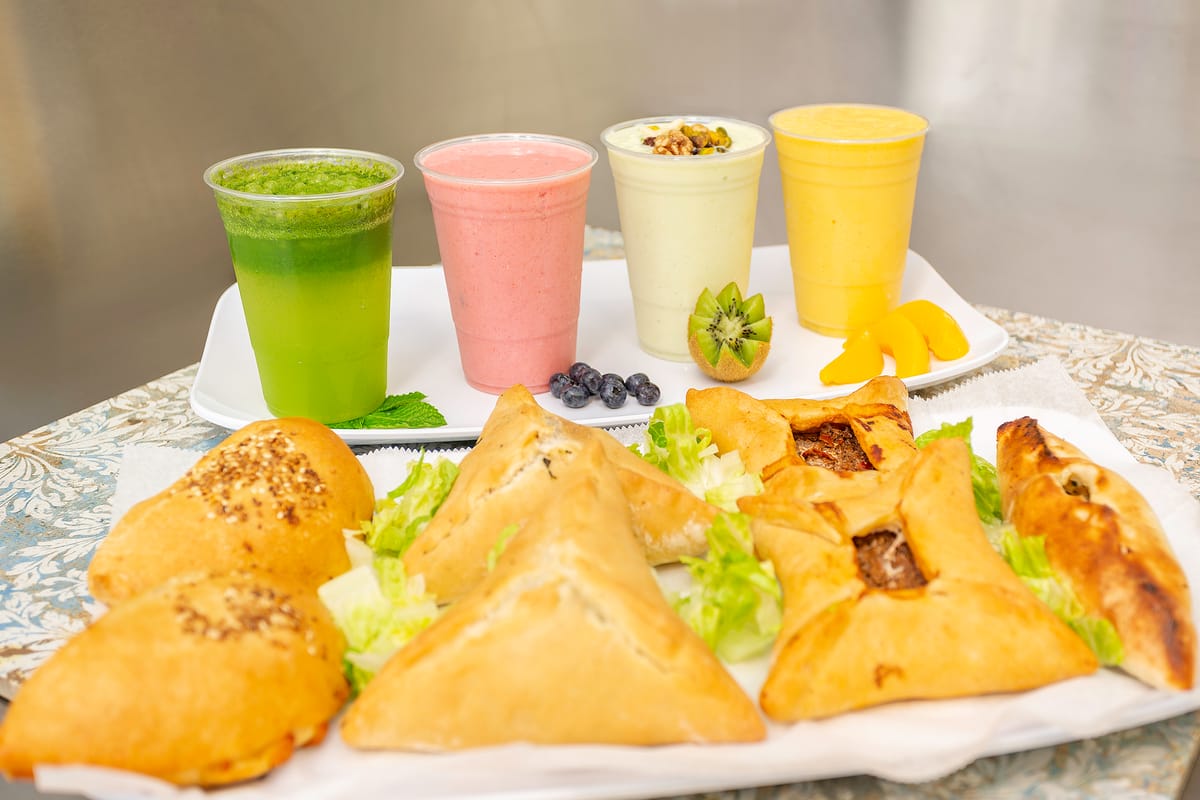
From Suhoor to Iftar, We Have You Covered
Open 11 AM to midnight, seven days a week throughout Ramadan. Order ahead for pickup or delivery.
Hydration Tips During Ramadan
Dehydration is the most common challenge during Ramadan fasting. With only 8 non-fasting hours to rehydrate, strategy matters more than volume.
Drink Steadily, Not All at Once
Between iftar and suhoor you have roughly 8 hours to rehydrate. Aim for 8–10 glasses spread evenly rather than chugging large volumes, which the kidneys cannot absorb efficiently.
Start with Lemon Mint at Iftar
Taza's Lemon Mint ($5.95) delivers citric acid and mint that stimulate digestive enzymes while supplying potassium and vitamin C. Electrolytes improve fluid retention beyond plain water.
Eat Water-Rich Foods
Cucumbers, tomatoes, lettuce, and pickled vegetables in Taza's bowls contribute 200–400ml of water per meal. This passive hydration adds up over the non-fasting hours.
Limit Caffeine After Iftar
Coffee and strong tea are diuretics. If you drink caffeine, do so early in the evening and follow each cup with an equal volume of water to offset fluid loss.
Include Labneh and Hummus
Both labneh ($4.95) and hummus ($4.95) have high water content relative to caloric density. Their sodium content helps your body retain fluid through fasting hours.
Avoid Excess Sugar at Night
Sugary drinks cause a rapid insulin spike followed by increased urination, working against hydration goals. Choose natural sweetness from dates and fruit instead.
Nutritional Guidance for the Fasting Month
Ramadan fasting changes your metabolism. Understanding how your body processes food during compressed eating windows helps you choose the right items at Taza.
Prioritize Complete Proteins
A compressed eating window makes protein quality critical. Halal chicken and beef shawarma deliver all nine essential amino acids to maintain lean muscle mass. Aim for 1.2–1.6g of protein per kilogram of body weight split between iftar and suhoor.
Choose Low-Glycemic Carbohydrates
Basmati rice, chickpeas, and whole-grain pita release glucose gradually rather than spiking blood sugar. At suhoor, slow-release carbs sustain energy 4–6 hours longer than white bread, reducing afternoon fatigue.
Do Not Skip Healthy Fats
Olive oil on hummus, tahini on falafel, and natural fats in labneh slow gastric emptying — food stays in your stomach longer, delaying hunger signals. A tablespoon of olive oil with manaeesh at suhoor adds 2–3 hours of fullness.
Load Fiber at Suhoor, Not Iftar
Chickpea-based falafel and hummus are high in soluble fiber that forms a gel in the digestive tract, slowing nutrient absorption. Eat fiber-rich foods at suhoor for daytime sustenance; start iftar with dates and easily digestible foods first.
Support Gut Health with Probiotics
Altered meal timing can disrupt gut bacteria. Labneh is a natural source of Lactobacillus strains that maintain intestinal integrity. One serving per day helps prevent the bloating some people experience during Ramadan.
Time Your Treats Wisely
Eating dessert 60–90 minutes after your main iftar avoids the blood sugar crash from sweets on an empty stomach. A small portion of baklava or rice pudding after a shawarma bowl satisfies the craving without derailing nutrition.
A Sample Ramadan Day at Taza
Here is how to structure an entire day of Ramadan eating using Taza's menu — from suhoor through taraweeh.
4:00 AM — Suhoor
~420 cal | 14g protein | 48g carbs | 20g fat
Zaatar Manaeesh ($6.95) + Labneh ($4.95) + 2 glasses of water
Complex carbs from zaatar flatbread provide 4–6 hours of steady energy. Casein protein in labneh digests slowly, releasing amino acids through the morning.
7:30 PM — Iftar (Break)
~180 cal | 1g protein | 44g carbs | 0g fat
3 dates + water + Lemon Mint ($5.95)
Dates deliver 16g of natural sugar, correcting mild hypoglycemia from a full-day fast. Lemon mint provides electrolytes and stimulates digestive enzymes.
7:45 PM — Starter
~320 cal | 10g protein | 38g carbs | 15g fat
Hummus ($4.95) + Pita Bread ($0.95)
Gentle introduction of protein and fat eases the digestive system back into absorption mode without overwhelming the stomach.
8:15 PM — Main Meal
~620 cal | 40g protein | 62g carbs | 16g fat
Chicken Shawarma Bowl (from $12.45) with rice
The main protein-and-carb payload. Slow-roasted halal chicken delivers all essential amino acids. Basmati rice replenishes glycogen depleted during the fast.
10:30 PM — Post-Taraweeh
~180 cal | 4g protein | 38g carbs | 1g fat
Rice ($2.95) + water
A light carbohydrate snack after taraweeh replenishes energy spent during standing prayer. Keep it small to preserve sleep quality.
Daily Total
~1,720 calories | 69g protein | 230g carbs | 52g fat | 17g fiber
Adjust portions up or down based on your body weight, activity level, and health goals. Consult a registered dietitian for personalized guidance.
Ramadan Traditions Meet Mediterranean Heritage
The Levantine kitchen and Ramadan customs have evolved together for centuries. The foods that nourish fasting bodies today are the same dishes that sustained communities generations ago.
The Communal Table
In Levantine tradition, iftar is never eaten alone. Dishes are placed at the center of the table — hummus, labneh, falafel, bread — and everyone serves themselves. This communal eating style reflects the Ramadan values of generosity, togetherness, and shared abundance. Taza's platters are built for exactly this kind of gathering: large enough to share, varied enough for every preference, and priced to feed a table without straining a budget.
Zaatar at Dawn
Across Lebanon, Syria, and Jordan, zaatar manaeesh has been the quintessential suhoor food for generations. The combination of dried thyme, sesame seeds, and olive oil on flatbread was not chosen by accident — it provides sustained energy, supports digestion, and satisfies without heaviness. At Taza, we bake our manaeesh in a stone oven using the same methods that Levantine bakers have used for centuries.
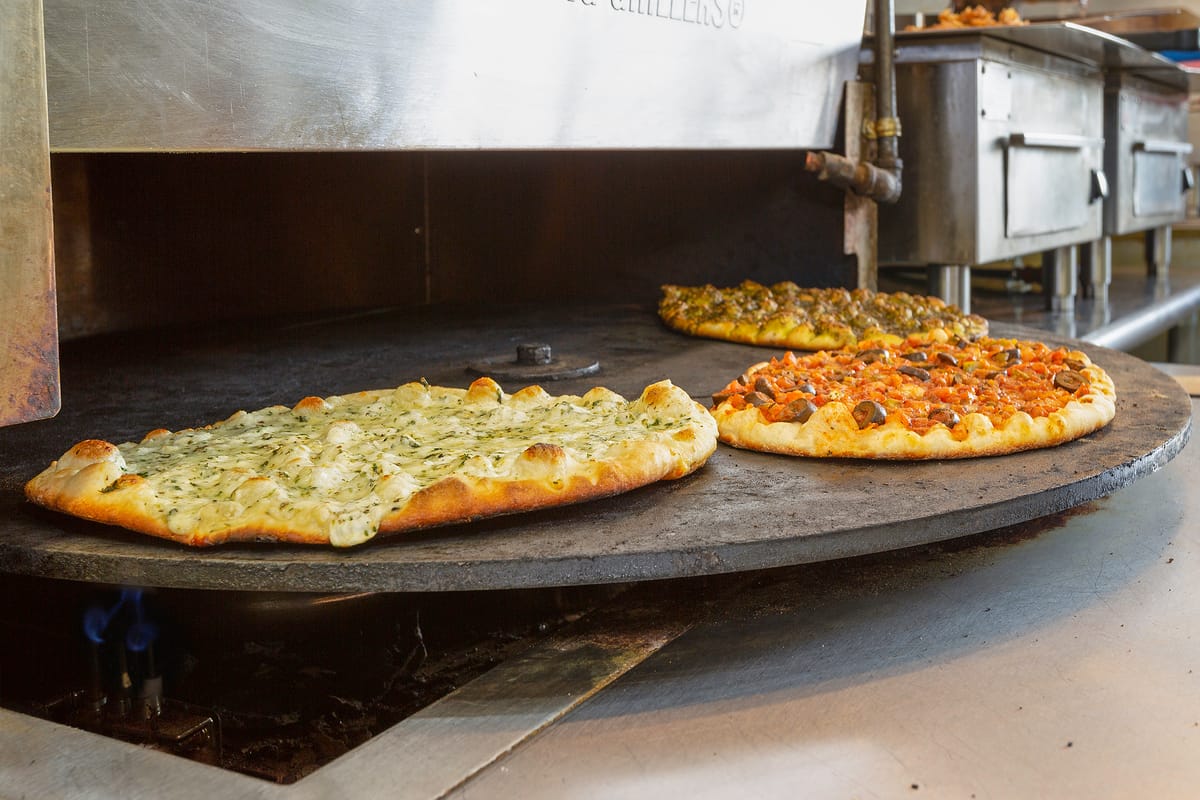
Feeding Northern Virginia's Community
Falls Church, Arlington, Fairfax, and the broader NoVA region are home to one of the largest and most diverse Muslim communities on the East Coast. During Ramadan, mosques and community organizations host nightly iftars that feed hundreds. Taza Shawarma & Falafel partners with these communities, providing halal catering that arrives hot and ready to serve. Our Seminary Road location puts us within a 15-minute drive of dozens of Islamic centers, and our team coordinates delivery timing with maghrib schedules so food hits the table exactly when it is needed.
Ramadan Dining: Frequently Asked Questions
Yes. During Ramadan, Taza Shawarma & Falafel offers community iftar packages for masjids, family boxes for home iftars, and suhoor prep trays. Packages serve 6 to 200+ guests and include shawarma platters, rice, hummus, falafel, salads, and drinks. Call (703) 340-1014 at least 48 hours in advance for large orders.
Traditionally, you break fast with dates and water, which quickly restore blood sugar and begin rehydration. After 10–15 minutes, move to a light starter like hummus with pita or a warm broth. Your main meal — such as a Chicken Shawarma Bowl with rice — should follow 20–30 minutes later once your digestive system has reactivated.
Focus on slow-digesting foods: the Falafel Bowl (from $10.45) provides chickpea fiber and plant protein, Zaatar Manaeesh ($6.95) offers complex carbs with olive oil, and Labneh ($4.95) delivers casein protein that digests over 6–8 hours. Combine two of these for sustained energy through the afternoon.
Yes. All meat served at Taza Shawarma & Falafel is certified halal. This includes our chicken shawarma, beef shawarma, and all specialty pies containing meat. Our vegetarian options — falafel, hummus, labneh, manaeesh — are also prepared in a halal-compliant kitchen, making the entire menu suitable for Ramadan.
Use staged eating: start with 2–3 dates and water, rest 15 minutes, eat a small portion of hummus, then wait 15–20 minutes before your main meal. This gives satiety hormones time to activate, preventing the uncomfortable fullness from eating a large meal immediately.
Yes. Taza Shawarma & Falafel regularly caters community iftars for mosques throughout Northern Virginia — Falls Church, Arlington, Fairfax, Alexandria, and Annandale. Packages serve 20–200+ guests. Call (703) 340-1014 or email hello@tazava.com with your date, headcount, and dietary needs.
Aim for 8–10 glasses (2–2.5 liters) spread evenly between iftar and suhoor. The kidneys process about 800ml per hour, so sipping steadily is more effective than chugging. Include water-rich foods and our Lemon Mint for passive hydration. Limit caffeine, which acts as a diuretic.
Keep portions small and familiar. Chicken Shawarma Pita with garlic sauce is a favorite among younger diners. For suhoor, Zaatar Manaeesh ($6.95) or Cheese Manaeesh with labneh provides carbs, protein, and calcium. Our Lemon Mint and smoothies keep kids hydrated without excess sugar.
Find Taza in Falls Church
Open 11 AM to midnight, seven days a week throughout Ramadan. Located on Seminary Road with easy access from Route 7 and I-395.
Address
5820 Seminary Rd Ste O, Falls Church, VA 22041
Hours
11:00 AM - 12:00 AM -- Open 7 Days a Week
Phone
Make This Ramadan Your Best Yet
From suhoor at dawn to iftar at dusk, Taza has the halal Mediterranean food your body and soul need. Order online, call ahead, or walk in — we are here for you all month long.