The Complete Guide to Lamb Shawarma
Everything you need to know about lamb shawarma -- the spice blend, how it compares to chicken and beef, its nutritional profile, and the best ways to eat it.
4.8 stars on Yelp (92 reviews) -- Open 11:00 AM - 12:00 AM
What Is Lamb Shawarma?
A slow-roasted tradition with roots in the Eastern Mediterranean and Ottoman Empire.
Lamb shawarma is one of the oldest and most revered preparations in Levantine street food. The concept is straightforward: thin sheets of seasoned lamb are stacked on a vertical rotisserie spit, compacted tightly, and slow-roasted for hours as the spit turns. The outermost layer caramelizes under radiant heat, developing a crisp, deeply browned crust. A cook shaves thin slices from the exterior as orders come in, exposing the next layer of meat to begin its own caramelization. The result is a continuous cycle of fresh, hot, perfectly cooked meat -- crispy on the edges, juicy and tender within.
Vertical Spit
Stacked meat turns slowly on a vertical rotisserie, roasting from the outside in for even caramelization.
Warm Spice Marinade
Cumin, coriander, cinnamon, cardamom, and allspice create the signature lamb shawarma flavor.
Served Fresh
Shaved to order and served in pita, shrak bread, or bowls with fresh toppings and sauces.
What separates lamb shawarma from chicken or beef versions is the meat itself. Lamb has a natural richness and slight gaminess that intensifies during slow-roasting. The fat content in lamb is higher than in chicken breast, which means it self-bastes on the spit -- the rendered fat drips down through the layers, keeping every slice moist and flavorful. This is why lamb was the original shawarma meat in many parts of the Levantine world. Chicken shawarma, while popular today, is a more recent adaptation that emerged as chicken became more affordable and widely available.
The word "shawarma" derives from the Turkish "cevirme," meaning "turning" -- a reference to the rotating vertical spit that defines the cooking method. The technique is shared with Turkish doner kebab and Greek gyros, but the spice profile and accompaniments vary significantly between traditions. Lamb shawarma in the Levantine style features warm spices (cinnamon, cardamom, allspice) rather than the oregano and thyme associated with Greek preparations.
Centuries of Tradition on Every Spit
From Ottoman-era street stalls to modern restaurants, the vertical spit technique has remained unchanged for generations.
The History of Lamb Shawarma
Ottoman origins, Levantine refinement, and a global spread.
The vertical spit technique behind shawarma traces back to the Ottoman Empire in the 18th and 19th centuries, most likely originating in the city of Bursa in what is now Turkey. Ottoman cooks adapted the horizontal kebab spit into a vertical configuration, allowing the meat to self-baste as fat rendered downward through the stack. Lamb was the default meat -- it was abundant across Anatolia and the Eastern Mediterranean, and its fat content made it ideal for this slow-roasting method.
As the Ottoman Empire expanded, the technique spread throughout the Levant -- to what is now Lebanon, Syria, Jordan, and the broader Eastern Mediterranean region. Each area adapted the dish to local tastes. Lebanese cooks refined the spice marinade, emphasizing cinnamon, allspice, and cardamom. Syrian preparations leaned into cumin and coriander. Jordanian versions often incorporated yogurt marinades that tenderized the lamb before it was stacked on the spit. These regional variations persist today.
In Turkey, the dish evolved into doner kebab, with a slightly different spice profile and serving style. In Greece, the same technique became gyros, using pork or a lamb-beef blend with Mediterranean herbs. But in the Levantine tradition, lamb shawarma retained its warm-spice identity -- cumin, coriander, cinnamon, cardamom, allspice, and a hint of nutmeg -- and its pairing with tahini, pickled vegetables, and fresh pita bread.
The 20th century brought lamb shawarma to the Americas, Europe, and beyond, carried by waves of emigration from Lebanon, Syria, and other Levantine nations. In Northern Virginia, the community along Seminary Road and Columbia Pike has maintained these traditions for decades. At Taza Shawarma & Falafel, we continue this tradition with premium halal beef on our vertical spit, seasoned with the warm spice marinade that has defined shawarma in the Levantine tradition for centuries.
How Lamb Shawarma Is Prepared
From raw cuts to the vertical spit: the step-by-step process.
The Marinade
Thin slabs of lamb (or beef, in many modern preparations) are pounded flat and coated in a marinade of olive oil, lemon juice, garlic, and the full spice blend -- cumin, coriander, cinnamon, cardamom, allspice, nutmeg, turmeric, and black pepper. Some recipes add yogurt to the marinade, which tenderizes the meat through its natural acidity. The lamb marinates for a minimum of four hours, though overnight is standard in most serious shawarma kitchens. The longer the marinade penetrates, the more deeply flavored every slice will be.
Stacking the Spit
Marinated slabs are stacked tightly on a vertical metal spit, layered with thin strips of fat (usually lamb tail fat in traditional preparations, or beef fat in modern versions). The fat layers are critical: as they render during roasting, they drip through the meat below, basting it continuously. A properly stacked spit can weigh anywhere from 30 to 80 pounds. The meat is compressed firmly so it holds its shape during roasting and allows for clean, even shaving.
Slow Roasting
The loaded spit is set to rotate in front of a vertical heat source -- traditionally charcoal, today usually gas-powered infrared burners. The rotation speed is calibrated so that the outer surface caramelizes evenly without burning. As the exterior reaches a deep golden-brown, the cook adjusts the distance from the heat to maintain the right temperature. A full spit takes six to eight hours to roast through completely. The slow pace is what produces the distinctive flavor -- fast cooking would dry out the meat and prevent proper caramelization.
Shaving to Order
When a customer places an order, the cook uses a long, sharp blade to shave thin slices from the outermost layer of the spit. The technique requires a specific angle -- slicing downward at about 30 degrees, taking only the caramelized exterior. This exposes the next layer of meat to the heat, beginning its own caramelization cycle. The freshly shaved meat goes directly into pita, onto a plate, or into a bowl. At Taza, every order is shaved fresh from the spit -- never pre-sliced, never sitting in a warming tray.
Eight Spices, One Signature Blend
Cumin, coriander, cinnamon, cardamom, allspice, nutmeg, turmeric, and black pepper -- the foundation of every lamb shawarma marinade.
The Lamb Shawarma Spice Profile
Each spice plays a specific role in building the layered flavor of lamb shawarma.
Cumin
The Backbone
Cumin provides the earthy, warm base note that anchors the entire spice blend. It is the single most recognizable flavor in lamb shawarma. Cumin pairs naturally with lamb because its slight bitterness cuts through the meat's richness. Used in both seed and ground form, it is toasted before blending to intensify its aroma.
Coriander
The Brightener
Coriander seeds add a citrusy, floral note that lifts the heavier spices in the blend. Where cumin is deep and earthy, coriander is light and bright. The two spices are almost always used together in Levantine cooking because they balance each other perfectly. Ground coriander also helps bind the marinade to the meat.
Cinnamon
The Warmth
Cinnamon gives lamb shawarma its characteristic warmth -- that subtle sweetness that hits just after the initial savory flavor. Levantine cinnamon (often Ceylon or cassia) is used in much smaller quantities than in Western baking. A little goes a long way, and too much overwhelms the other spices. The goal is a background warmth, not a forward sweetness.
Cardamom
The Perfume
Cardamom is the aromatic signature of high-quality lamb shawarma. It has a complex, almost floral quality that distinguishes restaurant-quality shawarma from home attempts. Green cardamom pods are cracked and ground fresh for the strongest aroma. It is the most expensive spice in the blend and the one most often skipped by cost-cutting operations.
Allspice
The Unifier
Allspice (known as 'bahar hilu' in Arabic) tastes like a combination of cinnamon, cloves, and nutmeg -- which is why it is called allspice. It ties the other warm spices together into a cohesive whole. A staple in Levantine kitchens, allspice is used in everything from shawarma marinades to stuffed grape leaves to rice dishes.
Nutmeg
The Depth
Nutmeg adds a subtle, slightly sweet depth that rounds out the sharper edges of cumin and coriander. It is used sparingly -- a pinch per batch -- but its absence is noticeable. Nutmeg is always grated fresh from the whole seed rather than used pre-ground, because the volatile oils that carry its flavor evaporate quickly after grinding.
Turmeric
The Color
Turmeric gives the marinade its golden-yellow color and adds a mild, earthy bitterness that complements the other spices. While less prominent in lamb shawarma than in chicken preparations, turmeric contributes to the overall complexity of the blend and has documented anti-inflammatory properties.
Black Pepper
The Heat
Freshly ground black pepper provides a clean, sharp heat that activates the other spices on the palate. Unlike chili-based heat, pepper's warmth fades quickly, keeping the focus on the aromatic spices. It is always the last spice added to the blend to preserve its volatile oils.
Lamb vs Chicken vs Beef Shawarma
A side-by-side breakdown of the three main shawarma proteins by nutrition, flavor, and pairing.
| Category | Lamb / Beef Shawarma | Chicken Shawarma |
|---|---|---|
| Calories (per 100g) | ~250 kcal | ~165 kcal |
| Protein (per 100g) | ~25g | ~31g |
| Total Fat (per 100g) | ~17g | ~3.6g |
| Flavor Profile | Rich, gamey, deeply aromatic with warm spice notes | Mild, clean, slightly tangy from citrus marinades |
| Texture | Dense and succulent with a slight chew; caramelized crust | Tender and lean; lighter mouthfeel; less crust |
| Primary Spices | Cumin, coriander, cinnamon, cardamom, allspice, nutmeg | Turmeric, paprika, garlic, cumin, lemon, sumac |
| Iron Content | High (~2.6mg per 100g) -- excellent for iron intake | Moderate (~1.0mg per 100g) |
| Best Paired With | Tahini, pickled turnips, garlic sauce, warm pita | Garlic mayo, lettuce, tomato, hummus |
| Popular In | Lebanon, Syria, Jordan, Turkey, Gulf states | Widely popular across all Eastern Mediterranean and Gulf regions |
| Price Range (Taza) | Beef shawarma pita from $9.95 | Chicken shawarma pita from $9.95 |
Lamb and beef share the warm-spice profile -- cinnamon, cardamom, allspice -- and a richer, denser mouthfeel. Chicken is lighter and leaner, with a citrus-forward marinade. Neither is objectively better; the choice depends on your flavor preference and nutritional goals. At Taza, our beef shawarma delivers the rich, warm-spice character associated with traditional lamb shawarma, using premium halal beef on the vertical spit.
For the highest protein with the least fat, chicken is the clear winner. For iron, B12, and zinc, lamb and beef lead. For the most complex, aromatic flavor profile, lamb and beef have the edge. For a lighter meal that still delivers bold flavor, chicken with garlic sauce is hard to beat.
High Protein, Rich in Iron
Lamb and beef shawarma provide 25+ grams of protein per serving along with iron, B12, and zinc -- nutrients that support energy and muscle recovery.
Lamb Shawarma Nutrition Facts
Macronutrients, micronutrients, and how lamb shawarma fits into a balanced diet.
A standard serving of lamb shawarma (about 150 grams of shaved meat, before bread or toppings) provides approximately 375 calories, 38 grams of protein, 24 grams of fat, and minimal carbohydrates. The macronutrient breakdown makes it a strong option for anyone focused on protein intake, though the fat content is higher than chicken shawarma. Much of the fat renders off during the hours-long spit-roasting process, so the final product is leaner than the raw meat.
Iron
~3.9mg per serving
Lamb is one of the best food sources of heme iron -- the form most easily absorbed by the body. A single serving of lamb shawarma provides roughly 22% of the daily recommended intake for adult men and 17% for adult women. Iron supports oxygen transport in the blood and energy production.
Vitamin B12
~3.5mcg per serving
B12 is essential for nerve function, red blood cell production, and DNA synthesis. Lamb is one of the richest natural sources. A serving of lamb shawarma provides about 145% of the daily recommended B12 intake, making it particularly valuable for people who do not eat fortified foods.
Zinc
~5.5mg per serving
Zinc supports immune function, wound healing, and protein synthesis. Lamb provides significantly more zinc than chicken. A serving of lamb shawarma covers about 50% of the daily recommended intake, making it one of the most zinc-dense foods available outside of oysters and organ meats.
Protein
~38g per serving
Lamb shawarma provides complete protein -- all nine essential amino acids in the proportions the body needs. The protein content is comparable to beef and slightly higher than chicken thigh meat. Combined with the slow-roasting preparation, the protein in shawarma is highly bioavailable and easy to digest.
To build a balanced lamb or beef shawarma meal, consider the format. A shawarma bowl over mixed greens adds fiber and micronutrients while keeping calories moderate. A pita adds about 250 calories of carbohydrates, which is appropriate for active individuals. Loading up on vegetables from the topping selection -- tomatoes, cucumbers, lettuce, onions, pickles -- adds volume and nutrients with minimal caloric cost.
For the leanest option at Taza, order a beef shawarma bowl (from $12.45) over mixed greens with tahini and vegetables. For the most substantial meal, go with beef shawarma pita (from $9.95) loaded with all 14 toppings and a side of hummus ($4.95) or rice ($2.95).
Best Ways to Eat Lamb Shawarma
Four classic formats, each with its own advantages.
In a Pita Pocket
The original street food format. Warm, fresh-baked pita is split open and filled with shaved shawarma, pickled turnips, tahini, garlic sauce, and fresh vegetables. The pita acts as both wrapper and utensil -- you eat it with your hands, standing up, on the move. This is how shawarma has been eaten on the streets of Beirut, Damascus, and Amman for generations. At Taza, beef shawarma pita starts at from $9.95 with 14 toppings included.
In Shrak Bread
Shrak is a paper-thin flatbread baked on a domed metal griddle. It is more delicate and less doughy than pita, which allows the meat flavor to dominate. The shrak wrap is rolled tightly with the meat, sauces, and toppings inside, creating a handheld meal that is neater than a pita pocket. In the Levantine tradition, shrak is the premium bread option for shawarma -- thinner, lighter, and more traditional.
As a Bowl
The bowl format is the modern evolution of shawarma, popular with customers who want more control over portions and macros. Choose a base (rice, mixed greens, or hummus), add shaved shawarma on top, then load it with toppings and sauces. Bowls are more substantial than pitas and easier to customize. A beef shawarma bowl at Taza starts at from $12.45 and includes your choice of 14 toppings.
On a Platter with Sides
The platter format is ideal for group meals and dinner settings. Shaved shawarma is served on a bed of rice alongside hummus, baba ghanouj, tabbouleh, pickles, and warm pita bread. Each person builds their own bites from the communal spread. This is the traditional way to serve shawarma at family gatherings across the Levantine world -- generous, shared, and unhurried.
Lamb-Style Shawarma at Taza
Premium halal beef, seasoned with the warm spices of the Levantine lamb shawarma tradition.
At Taza Shawarma & Falafel in Falls Church, VA, our shawarma spit uses premium halal beef rather than lamb. This is a deliberate choice. Beef from certified halal suppliers in the Northern Virginia area offers consistent quality, broad appeal, and a rich, deeply satisfying flavor profile. We season our beef with the same warm spice blend associated with traditional lamb shawarma -- cumin, coriander, cinnamon, cardamom, allspice -- and slow-roast it on the vertical spit until the exterior is deeply caramelized and the interior is tender and juicy.
The result is a shawarma that captures the warm, aromatic character of traditional lamb preparations while using beef that is familiar and appealing to a wide range of palates. Customers who find lamb's gamey quality too assertive often prefer our beef shawarma for its cleaner, more approachable richness. Customers who love lamb will recognize the warm spice profile and the slow-roasted depth of flavor.
Beef Shawarma Pita
from $9.95
Shaved from the spit and tucked into warm, fresh-baked pita with your choice of 14 toppings -- pickled turnips, tahini, garlic sauce, lettuce, tomato, cucumber, and more.
Beef Shawarma Bowl
from $12.45
Over your choice of basmati rice, mixed greens, or house-made hummus. Topped with Arabic salad, pickled turnips, garlic sauce, and fresh herbs.
Chicken Shawarma Pita
from $9.95
For a lighter alternative, our chicken shawarma uses a citrus-forward marinade with turmeric, paprika, and garlic. Shaved fresh and served with the same 14 toppings.
Hummus
$4.95
House-made from chickpeas, tahini, lemon, and garlic. The perfect side to any shawarma order -- creamy, tangy, and rich in plant protein.
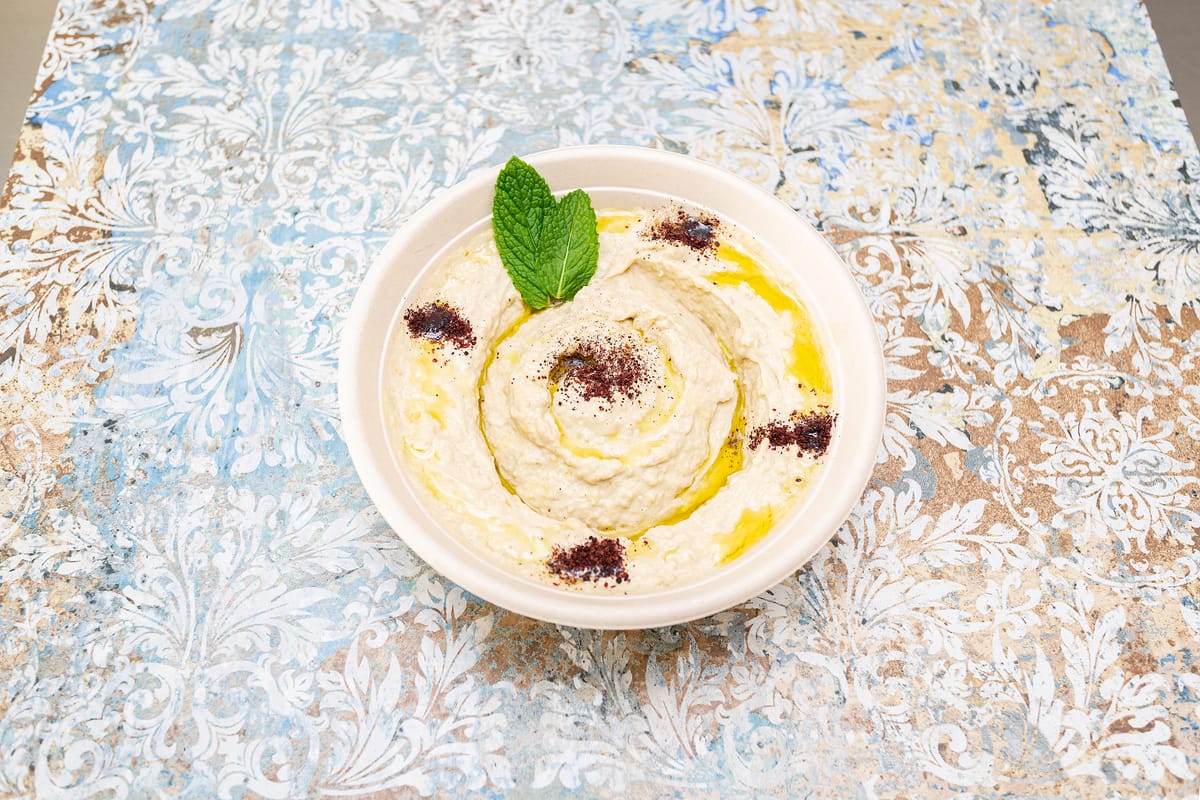
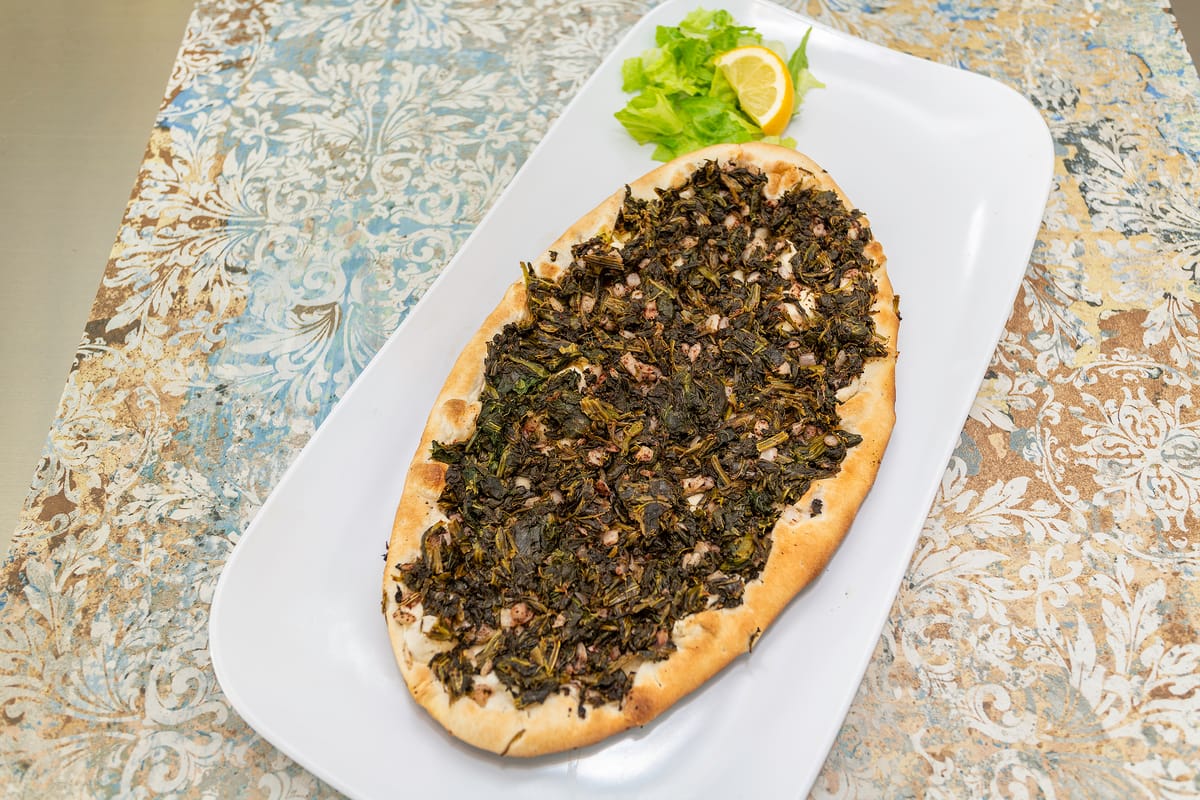
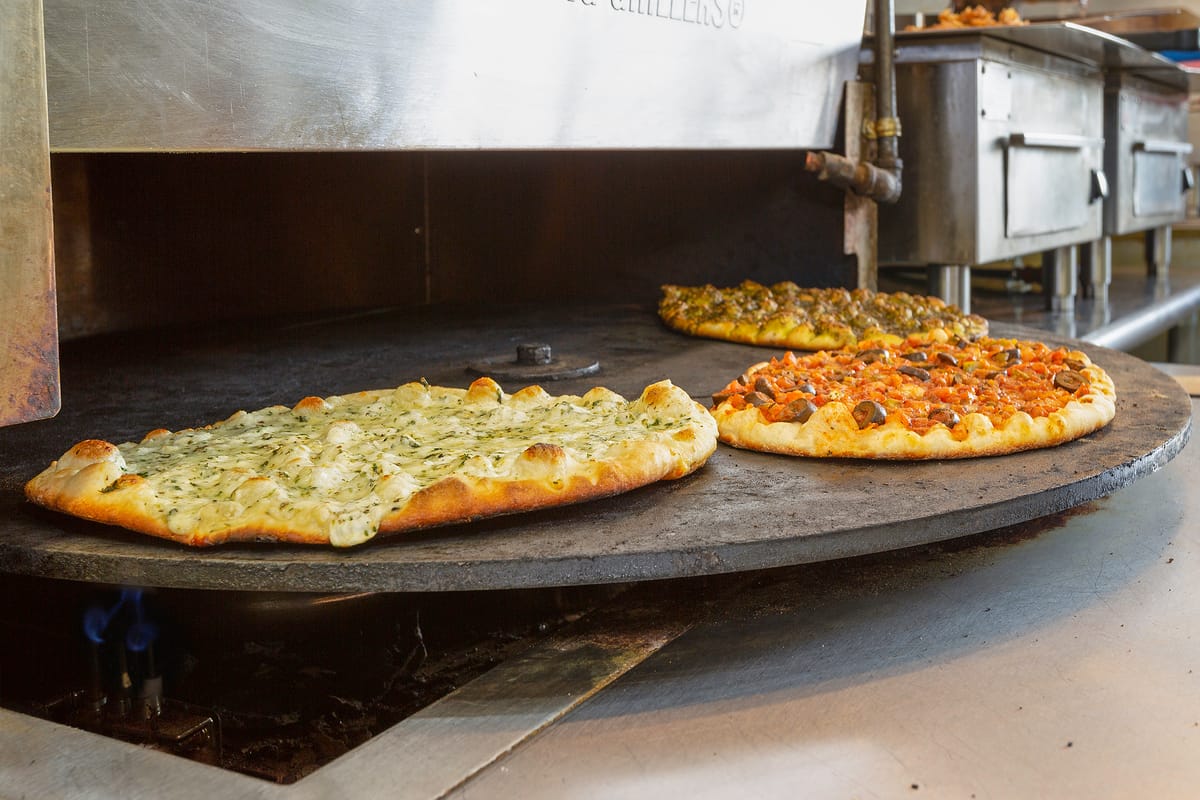
Beyond shawarma, the menu at Taza includes falafel (from $8.95 for falafel pita), baba ghanouj ($4.95), manaeesh flatbreads, specialty pies, and a full selection of sides and drinks. Everything is halal, made fresh daily, and served with 14 toppings at no extra charge. We are located at 5820 Seminary Rd Ste O, Falls Church, VA 22041, open 11:00 AM - 12:00 AM, Open 7 Days a Week.
What to Pair with Lamb Shawarma
Sauces, sides, and drinks that complement the warm spice profile of lamb and beef shawarma.
Sauces
- Tahini -- the classic. Nutty, earthy, and creamy, it tempers lamb's richness without masking it. The traditional pairing across the Levantine world.
- Garlic sauce (toum) -- a sharp, pungent white sauce that cuts through fat and adds intensity. Best with lamb or beef pita.
- Hot sauce -- a drizzle of chili-based hot sauce adds a third layer of heat on top of the black pepper and warm spices. Use sparingly.
- Olive oil with sumac -- a lighter option. The fruitiness of olive oil and the tartness of sumac brighten the heavy spice profile.
Sides
- Hummus ($4.95) -- chickpea-based dip that adds plant protein and a creamy, tangy contrast to the warm-spiced meat.
- Baba ghanouj ($4.95) -- smoky roasted eggplant dip. The smokiness echoes the charred flavor of the spit-roasted meat.
- Rice ($2.95) -- fluffy basmati rice seasoned with mild spices. The neutral base absorbs sauces and lets the shawarma flavor lead.
- Pickled turnips -- the tangy, crunchy acidity of pickled turnips is the essential palate cleanser between bites of rich lamb or beef.
Drinks
- Ayran (yogurt drink) -- the traditional pairing across the Eastern Mediterranean. The cool, tangy yogurt calms the palate between bites of spiced meat.
- Mint lemonade -- fresh, tart, and cooling. The mint cuts through richness while the lemon echoes the citrus in the marinade.
- Turkish tea -- the tannins in strong black tea cleanse the palate and complement warm spices. A traditional after-meal drink in the region.
- Plain water or sparkling water -- sometimes the simplest option is the best. Water lets the complex spice blend speak for itself without competing flavors.
Fresh from the Spit, Every Order
Never pre-sliced, never sitting in a tray. Every serving of shawarma at Taza is shaved from the spit the moment you order it.
Lamb Shawarma: Common Questions Answered
Lamb shawarma is a Levantine street food made from seasoned lamb that is stacked on a vertical rotisserie spit and slow-roasted for hours. The outer layer caramelizes as it turns, and thin slices are shaved off to order. Lamb shawarma has a richer, more robust flavor than chicken shawarma, with warm spice notes from cumin, coriander, cinnamon, and cardamom. It is a staple in Lebanon, Syria, Jordan, and Turkey, and has spread throughout the Eastern Mediterranean and beyond.
Lamb and beef shawarma use the same vertical spit technique, but they differ in flavor, texture, and fat content. Lamb has a distinctive gamey richness that beef does not, with a higher fat content that keeps the meat moist during long roasting. Beef tends to be leaner and denser. Many shawarma shops in the Levantine tradition blend lamb and beef on the same spit, layering the two meats so the lamb fat bastes the beef as it renders. At Taza Shawarma & Falafel in Falls Church, VA, our spit uses premium beef, delivering rich, deeply seasoned slices in every order.
A traditional lamb shawarma spice blend includes cumin, coriander, cinnamon, cardamom, allspice, nutmeg, turmeric, black pepper, and sometimes cloves or mace. The warm spices -- cinnamon, cardamom, allspice, and nutmeg -- are what distinguish lamb shawarma from chicken shawarma, which leans more on citrus and garlic. The spice blend is mixed into a marinade with olive oil, garlic, lemon juice, and sometimes yogurt, then applied to the lamb before it is stacked on the spit.
Lamb shawarma provides significant protein (about 25 grams per 100 grams), along with high levels of iron, vitamin B12, and zinc -- nutrients that are harder to obtain from chicken or plant-based sources. Lamb is higher in fat than chicken breast, but much of that fat renders off during the slow-roasting process on the vertical spit. For a balanced meal, pair lamb or beef shawarma with a greens-based bowl, load up on vegetables from the topping selection, and use tahini (a source of healthy fats) rather than heavier sauces.
Taza Shawarma & Falafel uses premium halal beef on its shawarma spit. Beef is more widely available from certified halal suppliers in the Northern Virginia area, maintains consistent quality and flavor across shipments, and appeals to a broader range of palates -- including customers who find lamb's gamey flavor too strong. Our beef is marinated with the same warm spice profile associated with traditional lamb shawarma (cumin, coriander, cinnamon, cardamom, allspice) and slow-roasted on the vertical spit until deeply caramelized. Beef shawarma pita starts at from $9.95 and beef shawarma bowl starts at from $12.45.
The four most common formats are: (1) In a pita pocket -- the classic street food format, with the meat tucked into warm pita with pickled turnips, tahini, and fresh vegetables. (2) In shrak bread -- a thin, traditional flatbread wrap that lets the meat flavor dominate. (3) As a bowl over rice or greens -- a more substantial meal that works well for lunch or dinner. (4) On a platter with sides -- hummus, baba ghanouj, tabbouleh, and pickles alongside the shaved meat. At Taza, you can order beef shawarma in any of these formats with 14 toppings included.
Tahini sauce is the classic pairing -- its nutty, earthy flavor complements lamb's richness without overwhelming it. Garlic sauce (toum) adds a sharp, creamy punch. For sides, hummus ($4.95), baba ghanouj ($4.95), and basmati rice ($2.95) are traditional companions. Pickled turnips and cucumber pickles cut through the fat with acidity and crunch. A fresh fattoush or tabbouleh salad provides a bright, herbaceous contrast to the warm, spiced meat.
Taza Shawarma & Falafel at 5820 Seminary Rd Ste O, Falls Church, VA 22041 serves spit-roasted beef shawarma with the warm spice profile traditionally associated with lamb shawarma in the Levantine tradition. Open 11:00 AM - 12:00 AM, Open 7 Days a Week. Order online for pickup, get delivery through DoorDash or Uber Eats, or call us at (703) 340-1014. Beef shawarma pita starts at from $9.95 with 14 toppings included.
Try Taza's Spit-Roasted Shawarma Today
Open 11:00 AM - 12:00 AM, Open 7 Days a Week at 5820 Seminary Rd Ste O, Falls Church, VA 22041.
Address
5820 Seminary Rd Ste O, Falls Church, VA 22041
Hours
11:00 AM - 12:00 AM -- Open 7 Days a Week
Phone
Bold Spices, Fresh from the Spit
Premium halal beef seasoned with the warm spice profile of traditional lamb shawarma. Shaved to order, 14 toppings included. Order online or visit us on Seminary Road in Falls Church, VA.