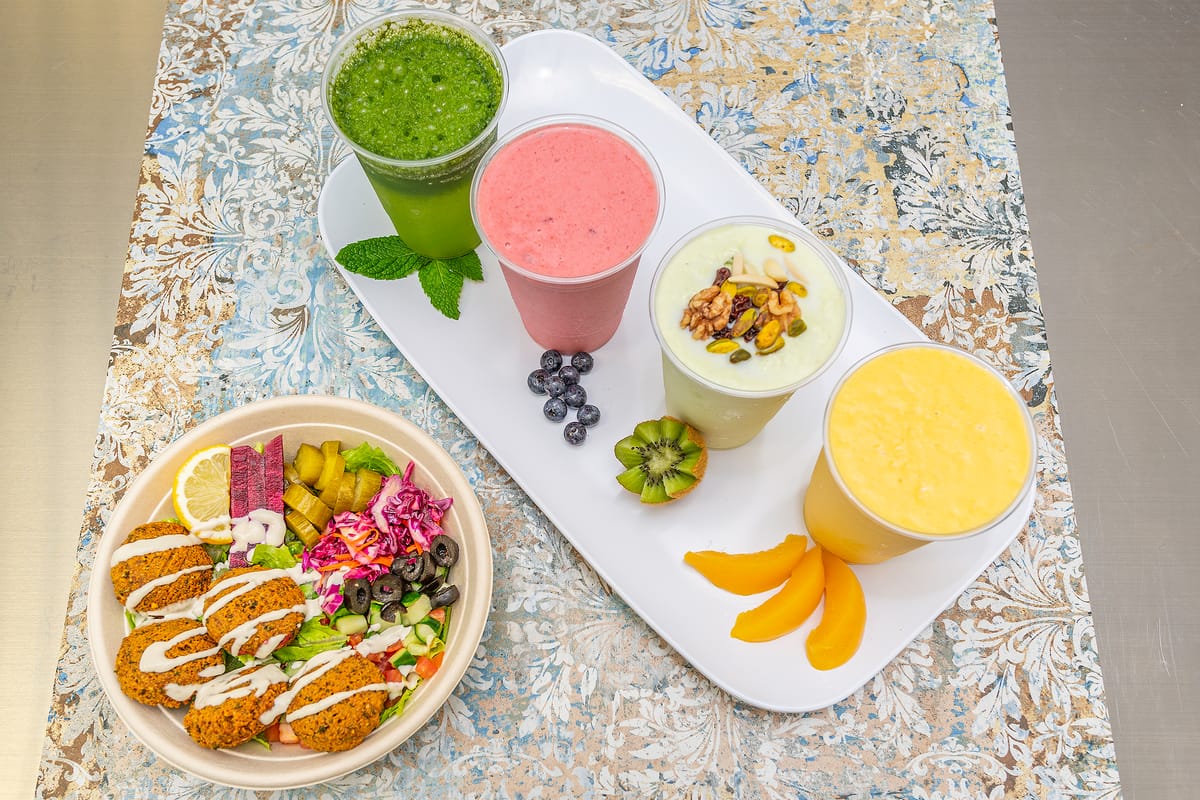
Falafel vs Chicken Nuggets
One is made from five ingredients that have been eaten for centuries. The other is a factory product with an ingredient list longer than most recipes. We compare every metric that matters.
4.8 stars on Yelp (92 reviews) -- Open 11:00 AM - 12:00 AM
Two Crispy Foods, Worlds Apart
Falafel and chicken nuggets occupy the same territory on a plate — golden, crunchy, dippable — but they come from fundamentally different food philosophies.
Falafel is a Levantine street food built on dried chickpeas soaked overnight, ground with fresh parsley, cilantro, garlic, cumin, and coriander, then fried to order. The recipe has remained essentially unchanged for centuries. Every ingredient is a whole food. The total count rarely exceeds seven or eight items, and you could name each one without a chemistry degree.
Chicken nuggets are a mid-20th-century invention designed for mass production. The original concept — battered and fried chicken pieces — was straightforward enough. The modern industrial version is a different animal entirely: mechanically separated chicken mixed with water, modified food starch, sodium phosphates, dextrose, autolyzed yeast extract, and dimethylpolysiloxane (an anti-foaming agent), coated in a wheat-and-corn breading, then par-fried and frozen.
The question is not whether one tastes better than the other — taste is subjective. The question is what each food delivers nutritionally, how it was made, and what you are putting into your body when you eat it. On those fronts, the comparison is lopsided.
Falafel
Levantine / chickpea-based whole food
- 5-8 whole-food ingredients
- 5-7 g fiber per serving
- Zero cholesterol
- Vegan, vegetarian, dairy-free
- 280-340 mg sodium per serving
- Centuries-old recipe, made fresh daily
Chicken Nuggets
American / ultra-processed fast food
- 20-40 ingredients (many synthetic)
- Under 1 g fiber per serving
- Higher saturated fat and sodium
- Contains multiple common allergens
- 480-620 mg sodium per serving
- Factory-formed, par-fried, frozen
Falafel vs Chicken Nuggets: Side-by-Side
Thirteen key metrics covering nutrition, ingredient quality, processing, allergens, cost, and culinary origin.
| Category | Falafel | Chicken Nuggets |
|---|---|---|
| Calories (per serving) | 220-260 cal (4 pieces, ~120 g) | 270-330 cal (6 pieces, ~100 g) |
| Protein | 9-12 g | 13-16 g |
| Dietary Fiber | 5-7 g | 0-1 g |
| Total Fat | 12-16 g (mostly unsaturated) | 16-20 g (higher saturated) |
| Saturated Fat | 1.5-2 g | 3-5 g |
| Sodium | 280-340 mg | 480-620 mg |
| Ingredients List | Chickpeas, herbs, spices, oil (5-8 ingredients) | Chicken, fillers, stabilizers, preservatives (20-40 ingredients) |
| Processing Level | Minimally processed whole food | Ultra-processed (NOVA Group 4) |
| Allergens | Legumes (chickpeas), possible sesame | Wheat, soy, eggs, milk (common in breading) |
| Vegan-Friendly | Yes — fully plant-based | No — contains animal protein |
| Cost Per Serving | Lower — chickpeas cost pennies per serving | Varies widely by brand and quality |
| Culinary Origin | Levantine (centuries-old street food) | American (invented 1950s, mass-produced) |
| Cooking Method | Deep-fried or baked from whole ingredients | Pre-formed, breaded, then fried or baked |
Falafel values based on a 4-piece serving (~120 g). Nugget values reflect a standard 6-piece fast-food serving (~100 g). Specific values vary by preparation and brand.
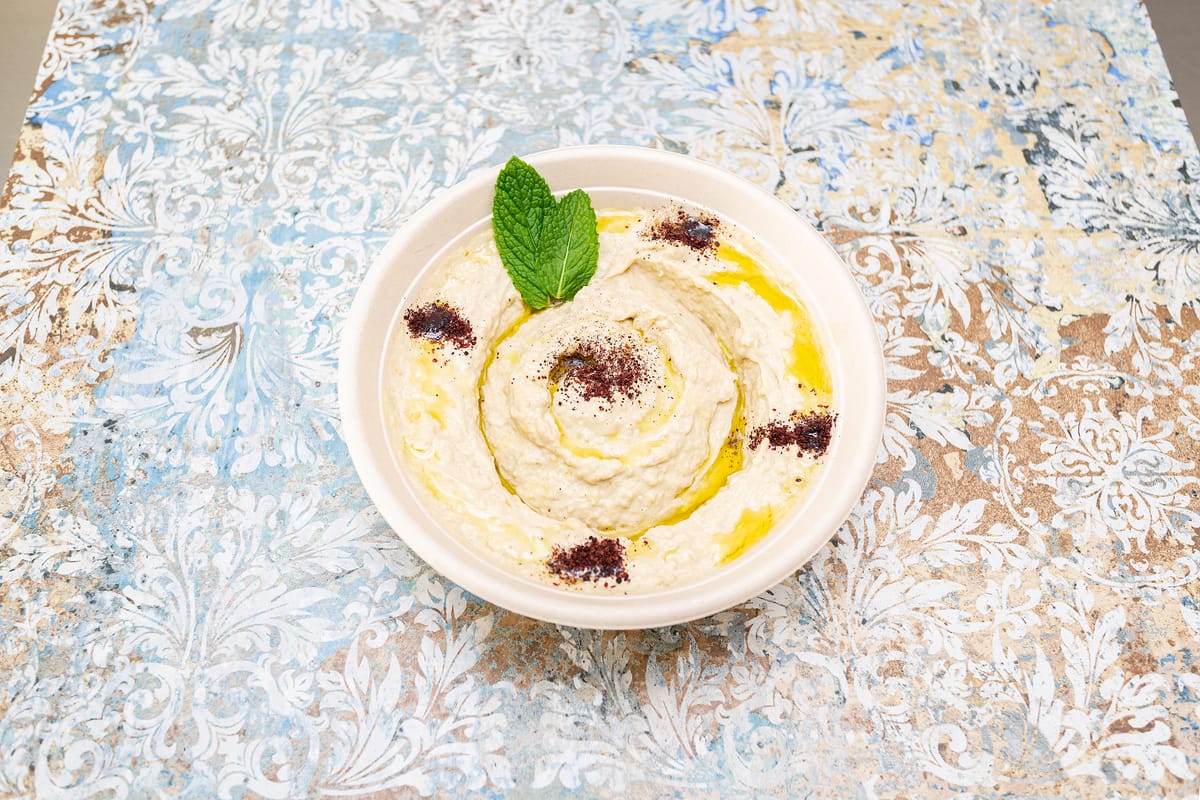
Seven ingredients. Made fresh every morning.
Taza falafel starts with dried chickpeas soaked overnight — never canned, never frozen — ground with fresh parsley, garlic, and spice. That is the entire recipe.
The Numbers Behind Each Bite
Calorie counts are only one dimension. Fiber, sodium, fat quality, and micronutrient density tell a fuller story.
A serving of four falafel pieces weighs roughly 120 g and delivers 220-260 calories, 9-12 g of protein, 5-7 g of fiber, and 12-16 g of fat — most of it unsaturated from the frying oil and the chickpeas themselves. Saturated fat sits at just 1.5-2 g. Sodium stays in the 280-340 mg range, which is moderate by any standard. Cholesterol is zero, because there are no animal products in the recipe.
A standard six-piece serving of fast-food chicken nuggets weighs about 100 g and delivers 270-330 calories, 13-16 g of protein, under 1 g of fiber, and 16-20 g of fat. Saturated fat runs 3-5 g — roughly double that of falafel. Sodium is where nuggets diverge sharply: 480-620 mg per serving, driven by the brining process, seasoned breading, and added sodium phosphates used to retain moisture in the restructured chicken.
The micronutrient picture favors falafel even more decisively. Chickpeas are a meaningful source of folate, manganese, phosphorus, copper, and iron. The fresh herbs add vitamin K, vitamin C, and antioxidant compounds. Chicken nuggets provide some B vitamins and selenium from the chicken, but the processing and breading dilute the nutrient density of the original chicken breast.
Falafel Nutrition (4-piece serving, ~120 g)
Chicken Nuggets Nutrition (6-piece, ~100 g)
Where Falafel Wins Clearly
Four areas where the chickpea ball outperforms the chicken nugget by a wide margin.
Whole-Food Ingredients
Chickpeas, parsley, cilantro, garlic, cumin, coriander. Every ingredient in falafel is recognizable, unprocessed, and available at any grocery store. The entire recipe fits on an index card.
Fiber-Dense Protein
A single serving delivers 5-7 g of fiber alongside 9-12 g of protein. Chicken nuggets provide comparable protein but virtually zero fiber — a nutrient most Americans already under-consume by 50%.
Zero Cholesterol, Low Sodium
Chickpeas contain no dietary cholesterol. Falafel sodium sits at 280-340 mg per serving, while nuggets typically range 480-620 mg. For anyone managing blood pressure or heart health, the gap matters.
Rich in Micronutrients
Chickpeas supply folate (43% DV per 100 g), manganese (52% DV), phosphorus (20% DV), and iron (17% DV). The fresh herb blend adds antioxidants, flavonoids, and carotenoids that processed chicken products lack entirely.
Whole Food vs Ultra-Processed
The ingredient list is the single most revealing comparison between falafel and chicken nuggets.
Falafel's ingredient list reads like a grocery receipt: chickpeas, parsley, cilantro, garlic, cumin, coriander, salt, oil. That is it. Every item is a whole food with its own nutritional profile. There are no stabilizers, no emulsifiers, no anti-caking agents, and no preservatives. The falafel holds together because the raw chickpea starch binds naturally when ground and fried — no chemistry required.
A leading fast-food chain's chicken nuggets contain the following: white boneless chicken, water, vegetable oil (canola, corn, soybean, hydrogenated soybean), enriched flour (bleached wheat flour, niacin, reduced iron, thiamine mononitrate, riboflavin, folic acid), yellow corn flour, modified food starch, salt, leavening (baking soda, sodium aluminum phosphate, sodium acid pyrophosphate, calcium lactate, monocalcium phosphate), spices, dextrose, sodium phosphates, natural flavor, and dimethylpolysiloxane.
The NOVA food classification system — developed by nutritional epidemiologists at the University of Sao Paulo — categorizes foods into four processing groups. Falafel falls into Group 1 (unprocessed or minimally processed) or Group 3 (processed foods, when fried). Chicken nuggets fall squarely into Group 4 (ultra-processed food products). A growing body of research links ultra-processed food consumption to higher rates of obesity, cardiovascular disease, and metabolic dysfunction.
Falafel Ingredient List
8 ingredients total — NOVA Group 1-3
Typical Nugget Ingredient List
20-40 ingredients typical — NOVA Group 4 (ultra-processed)
Where Chicken Nuggets Hold Ground
Four practical factors where nuggets maintain an edge, at least on paper.
Higher Protein Per Piece
Chicken nuggets deliver 13-16 g of protein per serving, with a PDCAAS score close to 1.0 for the chicken component. Animal protein is more bioavailable gram-for-gram than plant protein.
Familiar to Children
Nuggets are among the most widely eaten foods by American children. Their mild flavor and consistent texture make them a reliable choice for picky eaters, even if nutritional quality varies by brand.
Quick Preparation
Frozen nuggets cook in 10-15 minutes from the freezer. For time-constrained families, convenience is a real factor — though fresh falafel at a restaurant like Taza is ready in the same timeframe.
Wide Availability
Chicken nuggets are sold at virtually every fast-food chain, grocery store, and school cafeteria in the country. Falafel availability has grown substantially but remains less widespread outside urban areas.
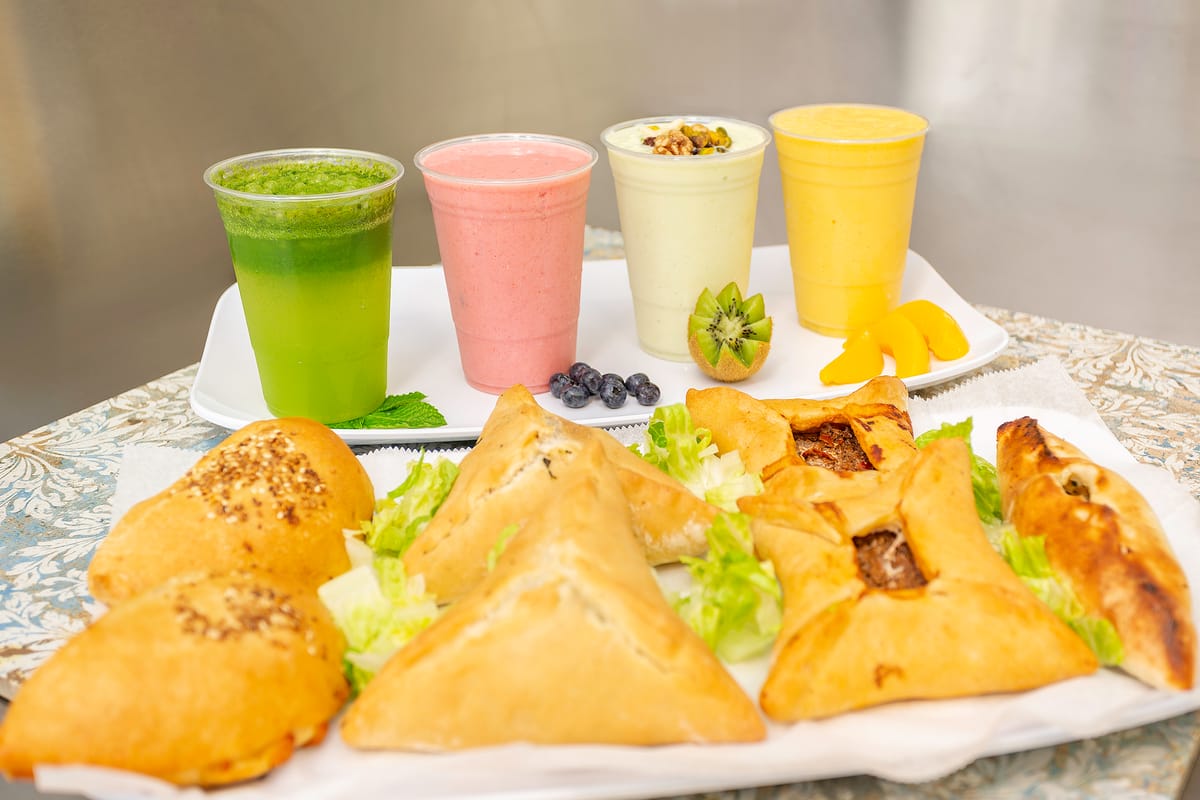
Crispy on the outside. Herb-green on the inside.
Every Taza falafel is fried to order, never sitting under a heat lamp. The difference between fresh-made and factory-formed is something you can see, smell, and taste.
Falafel as a Kid-Friendly Alternative
Both foods appeal to children. One delivers significantly better nutrition.
Why Kids Take to Falafel
Children respond to texture before flavor. Falafel delivers the same crunchy-outside, soft-inside contrast that makes nuggets appealing. The mild, earthy flavor of chickpeas is less polarizing than many vegetables, making falafel an approachable entry point into plant-based eating for young palates.
The dipping factor matters too. Falafel pairs naturally with tahini, hummus, and yogurt-based sauces — all of which children tend to enjoy. At Taza, families regularly order a plate of falafel pieces as a shared appetizer, letting children eat with their hands and dip freely.
For parents concerned about additive exposure, falafel eliminates the entire category of synthetic ingredients found in processed nuggets. No sodium phosphates, no modified food starches, no anti-foaming compounds. The pediatric nutrition community increasingly recommends reducing ultra-processed food in children's diets, and replacing nuggets with falafel is one of the most straightforward swaps available.
Making the Transition Work
Introducing falafel alongside chicken nuggets — rather than as a complete replacement — works best for most families. Children who see falafel as an addition to their options, not a subtraction, are more willing to try it repeatedly. Repeated exposure is the single most effective predictor of food acceptance in children under 10.
Cutting falafel balls in half before serving helps younger children. The exposed interior is visually interesting — that green-flecked center often sparks curiosity rather than resistance. Serving falafel with a familiar dipping sauce (ketchup works fine as a bridge) lowers the barrier further.
At Taza, our kids menu includes both chicken tenders ($7.95) and falafel pieces ($0.85 each). Many families order both, letting children compare directly. Over time, we see families shifting their regular orders toward falafel as children develop a taste for the crunchier texture and milder seasoning.
Plant-Based vs Factory-Farmed: The Carbon Gap
The environmental cost of producing chickpea-based falafel versus industrially processed chicken nuggets differs at every stage of the supply chain.
Greenhouse Gas Emissions
Industrial chicken production emits roughly six times more greenhouse gases per kilogram than chickpea cultivation. Processing, freezing, and transporting nuggets adds further to the carbon footprint. Choosing falafel once per week for a year reduces food-related emissions by approximately 5 kg CO2e.
Water Usage
Poultry requires roughly four times more water per kilogram than chickpeas. The water footprint of nuggets is further amplified by the grain and soy grown as chicken feed, which accounts for the majority of poultry water consumption. Chickpeas grow in semi-arid conditions and actually improve soil nitrogen levels.
Land and Feed Efficiency
Producing chicken nuggets requires first growing grain and soy to feed the chickens, then processing the chicken into nuggets. This feed conversion ratio means far more agricultural land is needed per calorie of food produced. Chickpeas require no intermediate animal step between field and plate.
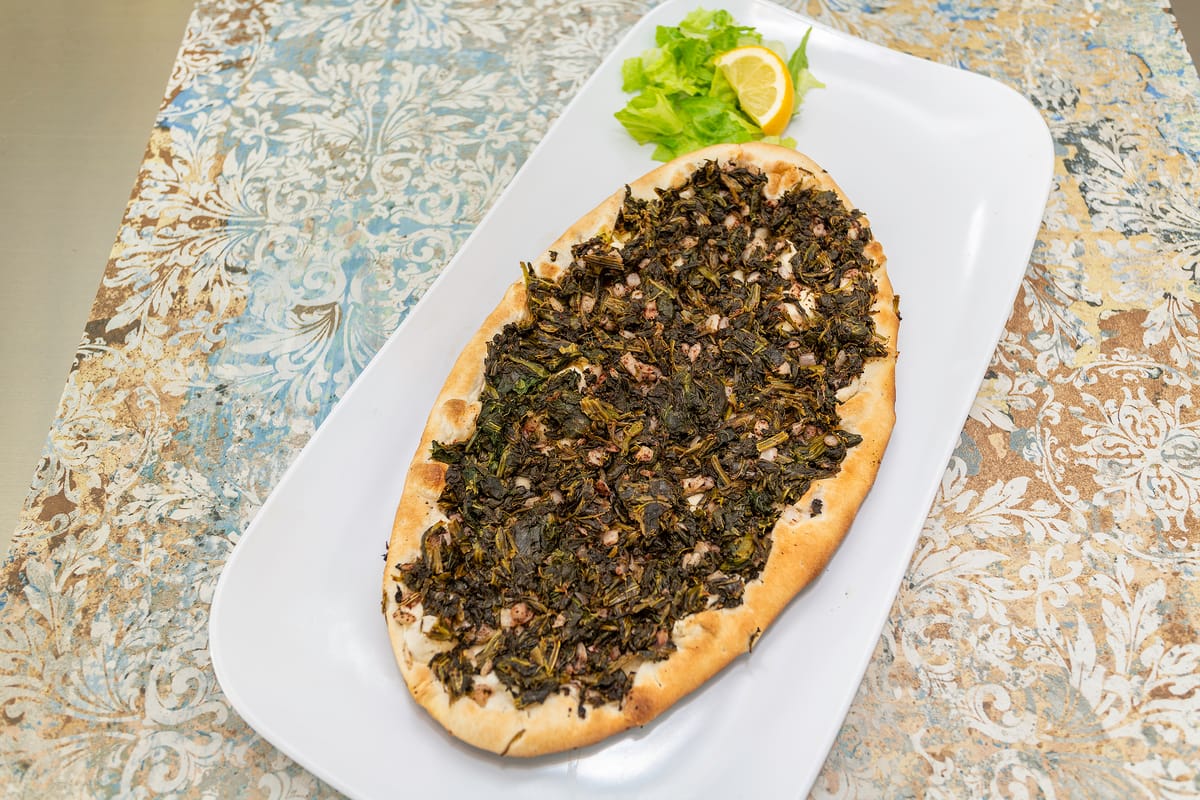
Order falafel the way it was meant to be made.
Fresh-fried to order, served with house tahini, pickled vegetables, and warm pita. No heat lamps, no microwave, no shortcuts.
Falafel Done Right at Taza
Six ways to eat fresh falafel at Taza Shawarma & Falafel in Falls Church, VA — each one made from scratch when you order.
Falafel Pita
from $8.95Crispy falafel in warm pita with tahini, lettuce, tomato, cucumber, and pickled turnip. The classic Levantine street sandwich.
Falafel Bowl
from $10.45Falafel on rice or greens with hummus, Arabic salad, and tahini. High fiber, high protein, and fully customizable.
Falafel (1 pc)
$0.85Individual falafel pieces — great for sampling, snacking, adding to any order, or serving to kids alongside chicken tenders.
Chicken Tenders (3pc)
$7.95Halal chicken tenders with fries and a drink. A quality option for kids who prefer chicken, made with whole chicken strips.
Hummus
$4.95House-made hummus with tahini, lemon, and olive oil. Chickpeas two ways when paired with falafel — different textures, same legume.
Pita Bread
$0.95Fresh-baked pita bread, warm from the oven. The traditional vessel for scooping hummus and wrapping falafel.
Falafel or Chicken Nuggets — Who Should Choose Which?
Neither food needs to be eliminated entirely. The right choice depends on what matters most to you.
Choose Falafel If You Are...
- Reducing ultra-processed foods in your family's diet
- Vegetarian, vegan, or cutting back on meat
- Managing sodium intake or blood pressure
- Looking for a high-fiber, filling protein source
- Concerned about additive and preservative exposure
- Trying to lower your household food carbon footprint
- Feeding a group with mixed dietary restrictions
- Introducing children to whole-food alternatives
Nuggets Might Suit You If...
- Maximum convenience is the top priority
- Your child only eats a narrow range of foods
- You need the highest protein-per-piece ratio
- You are in a location without a Mediterranean restaurant
- You prefer a milder, more neutral flavor profile
- Time constraints demand freezer-to-plate speed
- You have a chickpea or legume allergy
- You are comfortable with the processing tradeoffs
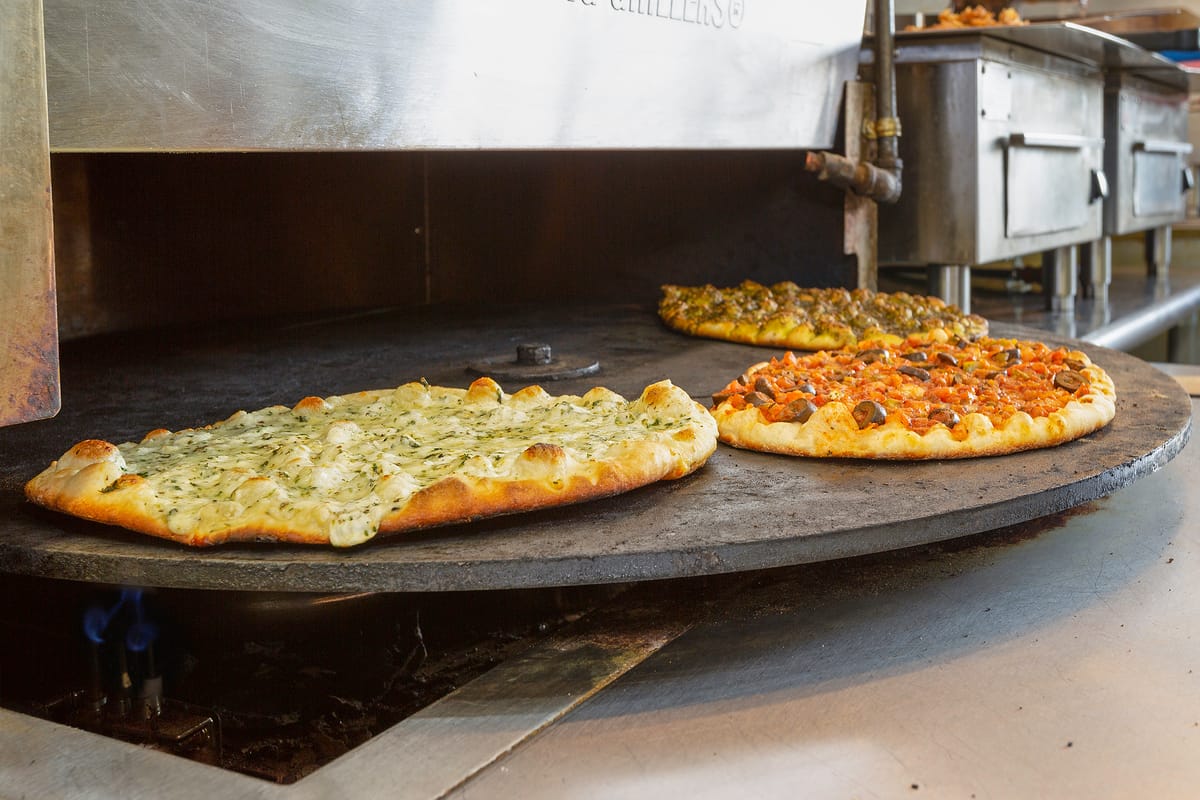
Falls Church's home for fresh Mediterranean food.
5820 Seminary Rd — open daily 11 AM to midnight. Falafel, shawarma, bowls, and pies made fresh every morning.
Try Fresh Falafel at Taza in Falls Church, VA
Taza Shawarma & Falafel is at 5820 Seminary Rd, Falls Church, VA — minutes from Arlington, Alexandria, and Annandale.
Address
5820 Seminary Rd Ste O, Falls Church, VA 22041
Hours
11:00 AM - 12:00 AM -- Open 7 Days a Week
Phone
Falafel vs Chicken Nuggets: Common Questions
For most dietary goals, falafel holds clear advantages: more fiber, less sodium, fewer additives, zero cholesterol, and a shorter ingredient list made entirely from whole foods. Chicken nuggets provide slightly more protein per serving, but that protein comes packaged with ultra-processed fillers, stabilizers, and significantly more sodium. When evaluating total nutritional quality rather than a single macronutrient, falafel is the stronger choice.
Yes, marginally. A typical serving of chicken nuggets provides 13-16 g of protein, compared to 9-12 g for falafel. However, falafel paired with tahini or hummus reaches 15-20 g of complete protein per meal. The protein advantage of nuggets shrinks considerably when you account for the full plate rather than the nuggets alone.
Most commercial chicken nuggets fall into NOVA Group 4 (ultra-processed). The chicken is mechanically separated, restructured with binding agents, coated in a wheat-based breading, and pre-fried before packaging. Ingredient lists commonly run 20-40 items, including sodium phosphates, dextrose, autolyzed yeast extract, and dimethylpolysiloxane. Falafel, by contrast, is made from 5-8 recognizable ingredients you could buy at any grocery store.
Absolutely. Many parents use falafel as a direct substitute for nuggets. The crispy exterior and mild interior appeal to the same textures children enjoy. Falafel is slightly denser than a nugget, so cutting pieces in half for younger children can help. At Taza, families regularly order falafel pieces alongside our chicken tenders, letting kids try both.
Falafel is made from chickpeas, which are among the highest-fiber foods available. A 100 g serving of chickpeas contains roughly 7.6 g of dietary fiber. Chicken, being an animal protein, contains zero fiber. The breading on nuggets adds a negligible 0.5-1 g. This fiber gap is one of the most significant nutritional differences between the two foods.
Falafel supports weight management through higher fiber content, which slows digestion and prolongs satiety. A serving of falafel delivers 5-7 g of fiber versus under 1 g in nuggets. Fiber-rich foods reduce the likelihood of overeating later in the day. Falafel also has fewer calories per 100 g when you compare the complete serving including breading and cooking oil for both.
Everything at Taza is made from scratch, starting with dried chickpeas soaked overnight. The chickpeas are ground with fresh parsley, cilantro, garlic, cumin, and coriander, then fried to order. No preservatives, no fillers, no pre-formed shapes from a factory. The result is a crispy, herb-green ball with a tender center — a fundamentally different product from anything that comes in a frozen bag.
Traditional falafel made from chickpeas is naturally gluten-free when no wheat flour is added as a binder. Most chicken nuggets are not gluten-free because the breading contains wheat flour. Some brands offer gluten-free nuggets, but they remain ultra-processed. At Taza, our falafel is chickpea-based — guests with celiac disease or gluten sensitivity should confirm preparation specifics when ordering.
Continue Exploring Falafel & Mediterranean Food
Taste the Difference for Yourself
The best way to understand why fresh falafel outperforms factory nuggets is to try it. Made from scratch at Taza, fried to order, and ready in minutes.