How to Make Shawarma at Home: Step-by-Step
A real recipe guide from a shawarma restaurant. We will show you exactly how to make chicken and beef shawarma in your home kitchen -- and be honest about what you can and cannot replicate without a vertical spit.
4.8 stars on Yelp (92 reviews) -- Open 11:00 AM - 12:00 AM
Why Homemade Shawarma Is Worth Your Time
It will not taste like restaurant shawarma. It will taste like something different and still very good.
There is a reason shawarma shops exist on every block from Beirut to Berlin. Making proper spit-roasted shawarma requires a vertical rotisserie, a dedicated heat source, and 3-6 hours of slow cooking that no home kitchen can provide. The stacked meat self-bastes as fat renders downward through each layer. The outer edge caramelizes while the core stays moist. The cook shaves off only the finished portion, so every serving is hot and freshly cooked. You cannot fake that with a sheet pan.
But homemade shawarma is not a waste of time. What you can replicate is the spice blend and marinade -- which accounts for about 60% of what makes shawarma taste like shawarma. Cumin, coriander, turmeric, paprika, cinnamon, cardamom, allspice, and black pepper mixed into yogurt, garlic, lemon, and olive oil. When that marinade sits on chicken thighs overnight, the flavor penetrates deep. A hot oven or screaming cast-iron pan gives you charred edges and a spiced interior that is genuinely satisfying.
This guide gives you both: honest recipes for making solid shawarma at home, and a clear explanation of what makes restaurant-quality spit-roasted shawarma a different product. At Taza Shawarma & Falafel in Falls Church, our chicken is marinated for 24 hours and roasted on vertical spits all day. Chicken shawarma pita starts at from $9.95 and beef at from $9.95 -- with all 14 toppings included.
What Spices Go in a Shawarma Marinade?
Eight core spices form the backbone of every shawarma blend. The exact ratios vary by region and restaurant, but these are the essentials.
The shawarma spice blend is what separates this dish from generic grilled meat. Open the jar and the smell hits -- warm, earthy, slightly sweet, golden from the turmeric. Cumin and coriander provide the base: earthy and citrusy respectively, almost always used together in Levantine cooking. Turmeric adds color and mild bitterness. Paprika -- sweet, smoked, or both -- deepens the reddish crust that forms during cooking.
Then come the warm spices. Cinnamon creates a fragrant warmth in savory meat that is unmistakable. Cardamom is the most expensive spice in the blend -- you smell it before you taste it. Allspice (a single berry that tastes like cinnamon, nutmeg, and cloves combined) amplifies richness in beef. Black pepper provides the only heat in a traditional blend -- there are no chili peppers in classic Levantine shawarma.
For the liquid, chicken uses yogurt. Lactic acid tenderizes poultry gently and carries fat-soluble spice compounds into the meat fibers. Add lemon juice for brightness, garlic for depth, and olive oil to bind. Beef marinades skip the yogurt, relying on olive oil, tomato paste, and lemon juice. For each spice in detail, read our full shawarma marinade and spices guide.
How to Make Chicken Shawarma at Home
Boneless thighs, a yogurt-based marinade, and a hot oven. Five steps, one hour of active work, and a result that is genuinely good.
Homemade Chicken Shawarma
Serves 4-6 | Active time: 30 min | Marinade: 4-12 hrs | Cook: 25-30 min
Mix the Spice Blend
Combine 2 tsp cumin, 2 tsp coriander, 1 tsp turmeric, 2 tsp paprika (or 1 tsp sweet + 1 tsp smoked), 1/2 tsp cinnamon, 1/4 tsp cardamom, 1/4 tsp allspice, 1 tsp black pepper, and 1 tsp salt. The moment the spices combine, the aroma hits -- warm and earthy with that golden-brown color from the turmeric and paprika working together.
Build the Marinade
Whisk together 1/2 cup full-fat yogurt, 3 tbsp olive oil, juice of 1 lemon, and 5-6 minced garlic cloves. Add the spice blend and stir until it becomes a thick, rust-orange paste. The yogurt provides lactic acid that tenderizes the chicken while carrying fat-soluble spice compounds deep into the meat fibers.
Prep and Marinate the Chicken
Use 2 lbs of boneless, skinless chicken thighs. Thighs are non-negotiable -- breasts dry out during high-heat cooking. Slice each thigh into 1/4-inch strips along the grain. Toss the strips in the marinade until every surface is coated. Cover the bowl tightly with plastic wrap and refrigerate for a minimum of 4 hours. Overnight (8-12 hours) is better. The longer the soak, the deeper the flavor goes.
Cook the Shawarma
OVEN: Spread chicken in a single layer on a parchment-lined sheet pan. Roast at 425 degrees for 20-25 minutes, then broil on high for 3-4 minutes until edges char. GRILL: Thread strips onto skewers or cook on oiled grates over medium-high heat, 4-5 minutes per side. STOVETOP: Cast-iron skillet over high heat with thin oil. Cook in batches -- do not crowd -- 3-4 minutes per side until charred spots appear.
Rest and Slice
Let the chicken rest for 5 minutes after cooking. Then slice into thin strips against the grain. The contrast between the charred, blackened edges and the juicy interior is what you are after. If the pieces look uniformly golden with no dark spots, you did not get the pan or oven hot enough.
Pro Tip: The Broil Finish
The difference between good homemade shawarma and great homemade shawarma is the broil step. After the chicken is cooked through at 425 degrees, switch to broil on high and watch closely for 3-4 minutes. The surface should blacken in spots and the edges should curl. Those charred bits are where the Maillard reaction is most intense -- that is the closest you will get to spit-roasted texture at home.
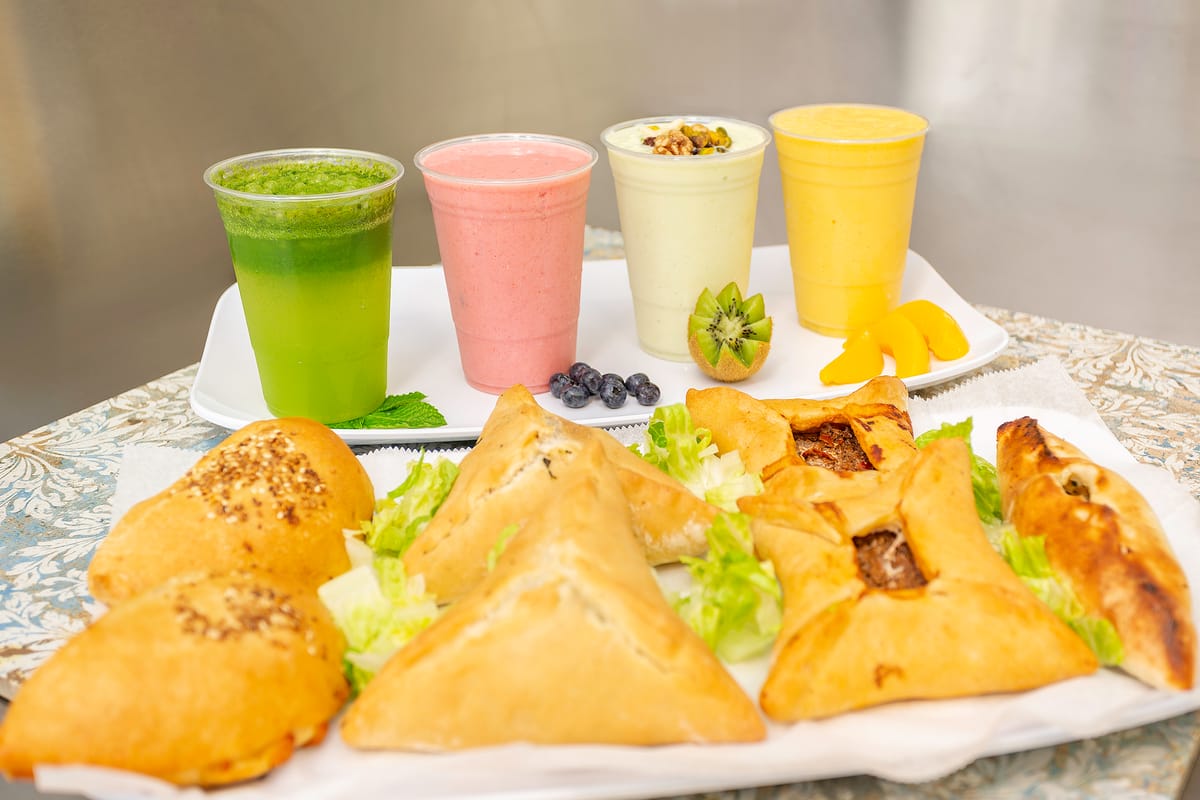
The Spice Blend Makes the Difference
Fresh-ground cumin, coriander, turmeric, and paprika -- mixed daily at Taza.
How to Make Beef Shawarma at Home
Denser meat, bolder spices, longer marinade. Beef shawarma at home requires more patience but rewards you with deeper flavor.
Homemade Beef Shawarma
Serves 4-6 | Active time: 30 min | Marinade: 8-24 hrs | Cook: 20-25 min
Choose the Right Cut
Beef shawarma requires cuts that stay tender after high-heat cooking. Top sirloin, flank steak, or top round are your best options. Avoid lean cuts like eye of round -- they turn tough without the long, slow roasting a vertical spit provides. You need marbling. Buy 2 lbs and slice against the grain into strips no thicker than 1/4 inch.
Build the Beef Marinade
Beef shawarma marinade skips the yogurt. In a large bowl, combine 1/4 cup olive oil, 2 tbsp tomato paste, juice of 1 lemon, 6-8 minced garlic cloves, 2 tsp cumin, 1 tsp coriander, 1 tsp cinnamon, 1/2 tsp cardamom, 1/2 tsp allspice, 2 tsp paprika, 1 tsp black pepper, and 1 tsp salt. The tomato paste adds acidity and gives the beef a deeper reddish-brown color after cooking. Mix until smooth.
Marinate Longer Than Chicken
Beef fibers are denser than chicken. The marinade needs more time to penetrate. Toss the sliced beef in the marinade, cover tightly, and refrigerate for at least 8 hours. Overnight is the minimum standard for serious results. If you can manage 24 hours, the flavor difference is significant -- the allspice and cinnamon will have worked through the entire slice rather than sitting on the surface.
Cook at High Heat
Beef shawarma needs more aggressive heat than chicken to develop a proper crust. OVEN: Spread strips on a sheet pan and roast at 450 degrees for 15-18 minutes, then broil on high for 2-3 minutes. Watch closely -- beef burns faster than chicken. GRILL: Direct heat, medium-high, 3-4 minutes per side. The fat should sizzle and pop when it hits the grates. STOVETOP: Cast iron, screaming hot, small batches. The meat should hiss the instant it touches the pan. If it does not, the pan is not hot enough.
Rest, Slice, and Finish
Rest the beef for 5 minutes -- this is not optional. Cutting into beef immediately causes all the juices to run out onto the cutting board. After resting, slice thin against the grain. If you want to approximate the caramelized edges of spit-roasted beef, chop the sliced meat roughly and return it to the hot pan for 60-90 seconds. The small pieces develop more surface area for browning.
Key Difference: The Re-Sear
After slicing cooked beef, chop it roughly and throw it back in a screaming-hot cast-iron pan for 60-90 seconds. This creates additional browning on the cut surfaces -- mimicking the layered caramelization you get from a vertical spit. It is the single best trick for improving homemade beef shawarma texture.
Why Does Restaurant Shawarma Taste Different?
It is not just the recipe. It is the equipment and the physics of vertical spit-roasting.
A commercial shawarma spit is a steel rod loaded with 30 to 60 pounds of marinated meat in alternating layers. Thin slices of fat -- chicken skin for poultry, tail fat for red meat -- go between every four or five layers. The spit rotates slowly next to a vertical broiler producing intense radiant heat on one side at a time. As it turns, each side faces the heat, then rotates away to rest before returning.
The physics are impossible to replicate at home. Gravity pulls rendered fat downward through the stack, continuously basting every layer below. The outermost surface caramelizes first, developing a deep crust from the Maillard reaction over hours of slow rotation. When the cook shaves that layer off with a long blade, the next layer underneath begins its own caramelization. Every serving comes from the most recently finished portion -- nothing is pre-sliced, nothing sits in a warming tray. Every order is cut to order, hot, with crispy edges and a juicy interior.
At Taza Shawarma & Falafel, we run both chicken and beef spits from morning until close. Chicken roasts for 3-4 hours; beef runs hotter for 4-6 hours. Both are loaded with whole cuts of halal-certified meat -- never processed cones or pre-formed logs. The marinade soaks for 24 hours before hitting the spit. When you order, we shave your portion fresh, seconds before it goes into your pita, wrap, or bowl.
Restaurant Spit vs Home Kitchen: What Changes?
A direct comparison of the two approaches.
| Factor | Restaurant Vertical Spit | Home Oven / Grill / Stovetop |
|---|---|---|
| Heat Source | Vertical spit with radiant broiler, rotating 3-6 hours | Oven, grill, or stovetop -- 20-40 minutes total |
| Self-Basting | Gravity pulls rendered fat through stacked layers continuously | No self-basting -- fat drips away into pan or grate |
| Caramelization | Deep, layered crust from hours of rotation -- crispy on every shave | Surface browning only on the side facing heat |
| Thermal Mass | 30-60 lb spit retains moisture; shaved fresh per order | 1-3 lb batch loses moisture quickly; all meat cooks at once |
| Marinade Time | 12-24 hours minimum at Taza; full penetration | 4-24 hours at home (shorter still produces good results) |
| Texture Result | Crispy exterior with juicy interior in every bite | Good flavor, less contrast between exterior and interior |
| Effort Required | None -- order online or visit Taza at 5820 Seminary Rd Ste O, Falls Church, VA 22041 | 1-2 hours active prep plus marination time |
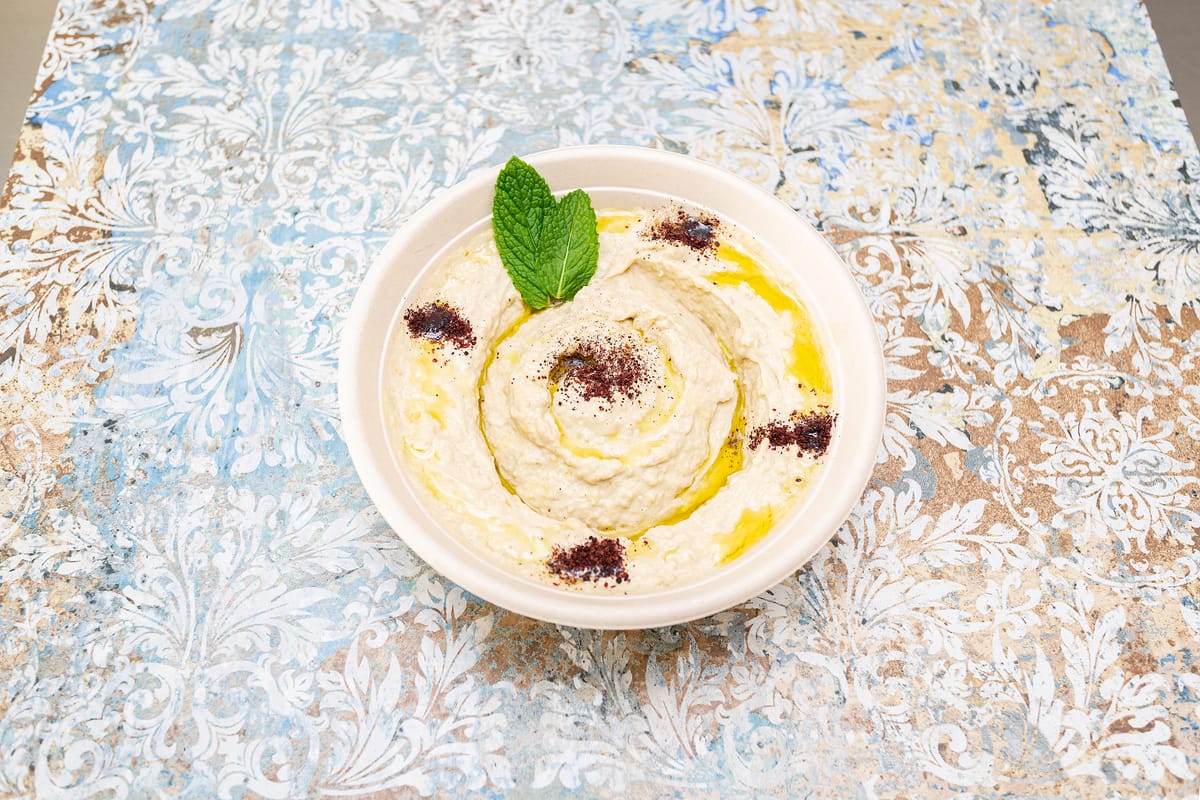
Assembly Is Half the Fun
Pita, shrak wrap, rice bowl, or lettuce wrap -- build it your way.
How to Assemble Your Homemade Shawarma
The meat is only half the equation. The vessel, toppings, and sauce complete the dish.
Pita Pocket
The classic. Warm pita, stuffed with shawarma, lettuce, tomato, pickled turnips, and garlic sauce. The pita absorbs meat juices and sauce, creating a meal you eat with one hand.
Shrak Bread Wrap
Thin, unleavened flatbread rolled tight around shawarma and toppings. Lighter than pita, shrak lets the meat flavor dominate. Roll tight, tuck the bottom, eat like a burrito.
Rice Bowl
Shawarma over seasoned rice with hummus, salad, and sauce. The rice catches all the drippings. The highest-protein, most filling way to serve homemade shawarma.
Lettuce Wrap (Low-Carb)
Butter lettuce or romaine as the vessel. Crisp cold lettuce against hot shawarma creates satisfying contrast. Top with tahini, diced tomatoes, and lemon. Zero bread, full flavor.
What Toppings Go on Shawarma?
Traditional shawarma toppings include shredded lettuce, diced tomatoes, cucumbers, pickled turnips (pink turnips cured in beet juice vinegar), raw white onion, and parsley. At Taza, every order includes your choice from 14 toppings at no extra charge: lettuce, tomato, cucumber, onion, pickled turnips, pickles, hot peppers, olives, corn, parsley, sumac onions, beet salad, cabbage, and hummus.
Which Sauce Goes Best with Shawarma?
The right sauce transforms good shawarma into something you cannot stop eating.
Tahini Sauce
Best with beef shawarma
Sesame paste thinned with lemon juice, garlic, and water. Nutty, tangy, and rich. Tahini coats the meat and adds creamy texture that complements bold beef spices. Drizzle generously.
Toum (Garlic Sauce)
Best with chicken shawarma
Emulsified raw garlic, lemon, and oil whipped into a thick white paste. Pungent, sharp, addictive. The traditional pairing for chicken shawarma across the Levant. A food processor helps.
Hot Sauce or Shatta
Good with both proteins
Red chili peppers, garlic, and vinegar. Adds slow-building heat that does not overwhelm the spice blend. A thin drizzle across the shawarma before wrapping is the standard application.
Yogurt-Herb Sauce
Best with spicy preparations
Plain yogurt mixed with mint, dill, cucumber, and salt. Cooling and fresh, this sauce counterbalances extra heat in the marinade. Not traditional for shawarma, but works in a bowl or wrap.
Common Mistakes When Making Shawarma at Home
Six errors that downgrade homemade shawarma from great to mediocre.
Using chicken breast instead of thighs
Breast meat dries out under high heat. Thighs stay moist even when slightly overcooked because the higher fat content acts as built-in basting. Every shawarma restaurant uses thighs for a reason.
Skipping the marination time
A 30-minute marinade only flavors the outer millimeter. At 4 hours, spices reach halfway through. At 12 hours, the entire slice is seasoned through. Without proper marination, it tastes like seasoned grilled chicken -- decent, but missing the depth.
Crowding the pan or sheet tray
When meat pieces touch, they steam instead of sear. Steamed shawarma is gray and soft where it should be dark and crispy. Leave half an inch between pieces. Cook in batches if needed.
Not getting the heat high enough
Shawarma needs aggressive heat for the Maillard reaction -- deep browning where sugars and proteins create hundreds of new flavor compounds. If the oven is at 350 or the pan is lukewarm, the meat cooks through before it browns. Use 425-450 degrees.
Slicing with the grain instead of against it
Cutting with the grain leaves long fibers intact, making each bite chewy and stringy. Cutting against the grain severs those fibers into short segments for a tender bite. Look at the lines in the meat and slice perpendicular.
Using pre-ground spices past their prime
Ground spices lose potency after 6-12 months. If your cumin has been in the cabinet for two years, it tastes like dust. Buy small quantities and replace them regularly. Fresh cumin versus stale cumin is the difference between shawarma that smells incredible and shawarma that smells like nothing.
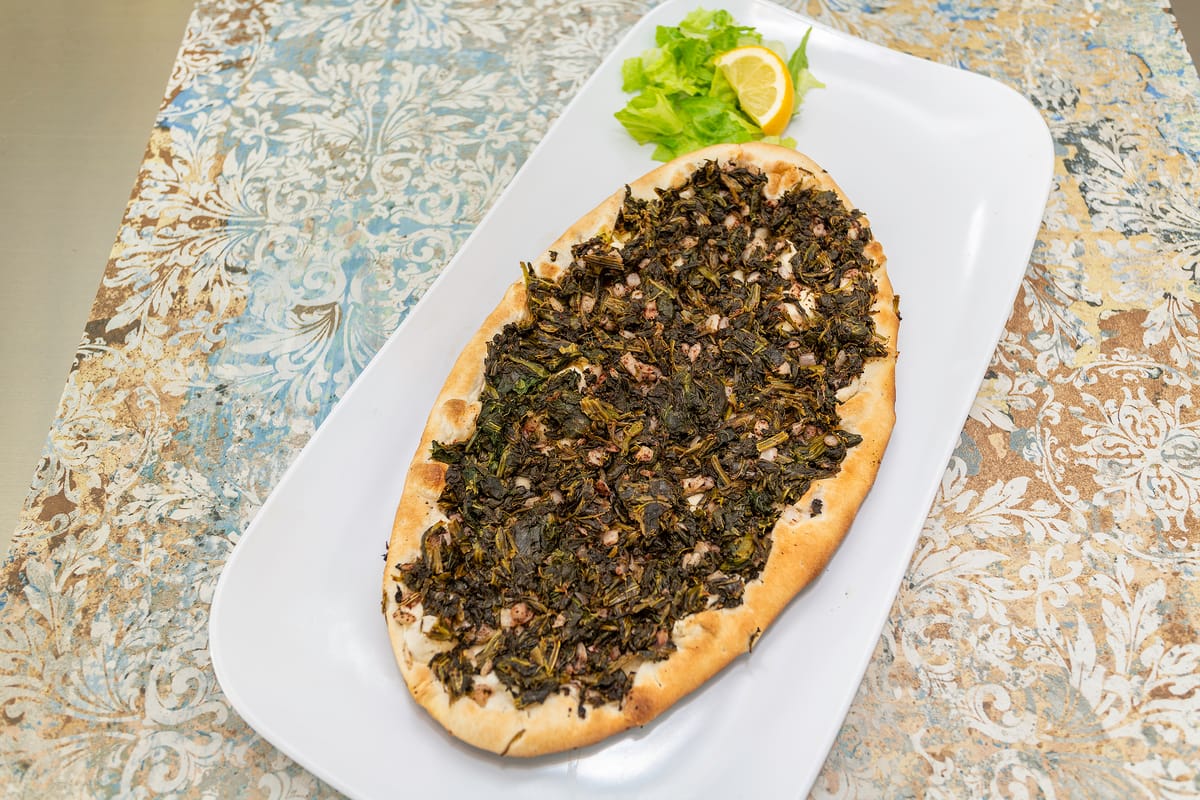
14 Toppings, Zero Extra Charge
Every shawarma at Taza includes your choice from the full topping selection.
How to Store and Reheat Homemade Shawarma
Make a big batch and eat well all week. The reheat method matters more than you think.
Refrigerator Storage
Store cooked shawarma in an airtight container, separate from bread or toppings. Keeps for 4 days. Let it reach room temperature for 10 minutes before reheating -- cold meat in a hot pan steams instead of searing.
Freezer Storage
Raw marinated meat freezes well for 3 months in portion-sized bags with excess air pressed out. Thaw overnight in the fridge. Cooked shawarma freezes for 2 months but loses texture -- the re-sear method recovers most crispness after thawing.
Best Reheat Method
Skip the microwave -- it steams the meat and kills crispy edges. Heat a cast-iron skillet over high heat with a thin oil film. Spread shawarma in a single layer, cook 2-3 minutes without stirring, flip once. Or broil on a sheet pan for 2-3 minutes. Both methods re-crisp the exterior.
Meal Prep with Homemade Shawarma
Shawarma is ideal for meal prep because the spice flavor actually improves after a day in the refrigerator. Make a double batch on Sunday, portion into containers with rice and chopped salad, and reheat just the meat in a hot pan before assembling. A week of lunches in under an hour of weekend work. For nutritional details, see our shawarma calories and nutrition guide.
Or Skip the Work and Let Us Handle It
We have been making shawarma every day for years. Here is what we do differently.
Homemade shawarma is a satisfying project, and the result tastes excellent in a wrap or over rice. But we would be lying if we said it matches what comes off our vertical spits. The 24-hour marinade, 3-6 hours of slow rotation, continuous fat-basting, and fresh-shaved service produce a texture that a home oven cannot replicate. That is not marketing -- it is physics.
At Taza in Falls Church, we handle the marinating, spit-loading, slow roasting, and fresh shaving so you do not have to. Chicken pita starts at from $9.95, beef at from $9.95. Shrak wraps: from $11.45 (chicken), from $11.45 (beef). Bowls: from $12.45 and from $12.45. Every order includes 14 toppings and our house-made sauces at no extra charge. Open 11:00 AM - 12:00 AM, Open 7 Days a Week.
Chicken Shawarma Pita
from $9.95
Beef Shawarma Pita
from $9.95
Chicken Shawarma Shrak
from $11.45
Beef Shawarma Shrak
from $11.45
Chicken Shawarma Bowl
from $12.45
Beef Shawarma Bowl
from $12.45
Taza Shawarma & Falafel — Falls Church, VA
Skip the prep work. Fresh shawarma, shaved to order, ready in minutes.
Address
5820 Seminary Rd Ste O, Falls Church, VA 22041
Hours
11:00 AM - 12:00 AM -- Open 7 Days a Week
Phone
Frequently Asked Questions About Homemade Shawarma
For chicken, boneless skinless thighs are the only correct choice -- enough fat to stay moist under high heat and enough connective tissue for rich flavor. Breast dries out too quickly. For beef, top sirloin and flank steak offer the best balance of flavor and tenderness. Top round works if sliced very thin and marinated for at least 12 hours. Avoid lean cuts like eye of round without the long, slow roasting of a commercial spit.
Minimum 4 hours for chicken, 8 hours for beef. Ideal is overnight: 8-12 hours for chicken, 12-24 hours for beef. At 4 hours, flavor reaches about halfway through. By 12 hours, the spice blend has fully permeated every fiber. Going beyond 24 hours can make texture mushy, especially yogurt-based marinades. At Taza in Falls Church, all shawarma meat marinates for a full 24 hours.
Yes, and you will get a tasty result -- but not identical to spit-roasted shawarma. The vertical spit creates continuous self-basting, even caramelization from rotation, and the ability to shave only the outermost layer per order. Home methods cook all the meat at once with less textural contrast. The best approximation: roast at 425 degrees until cooked through, then broil on high for 3-4 minutes to char the edges.
Oven chicken: 425°F for 20-25 minutes, then broil on high for 3-4 minutes. Oven beef: 450°F for 15-18 minutes, then broil 2-3 minutes. Grill: medium-high (400-450°F) for 4-5 minutes per side. Stovetop: highest heat your burner produces, cast iron preferred. The key: aggressive heat to brown the surface before the interior dries out.
The essential blend: cumin, coriander, turmeric, paprika (sweet or smoked), cinnamon, cardamom, allspice, and black pepper. Cumin and coriander form the base. Turmeric and paprika add color. Cinnamon, cardamom, and allspice provide the warm, aromatic quality distinguishing shawarma from generic grilled meat. Mixing your own from fresh spices beats pre-mixed blends. At Taza, our blend uses 12+ spices mixed from scratch daily.
Three factors a home kitchen cannot replicate. First, the vertical spit: stacked meat rotates 3-6 hours with rendered fat continuously basting lower layers by gravity. Second, thermal mass: a 30-60 lb spit retains moisture far better than a 2-lb home batch. Third, continuous cooking: the outermost layer is always most recently cooked, so every shaving is hot and fresh with crispy edges. At home, all the meat finishes at the same time.
Store in an airtight container, refrigerated up to 4 days. Skip the microwave -- it steams meat and kills crispy edges. Heat a cast-iron skillet over high heat with thin oil, spread shawarma in a single layer, cook 2-3 minutes without stirring, flip once. Or broil on a sheet pan for 2-3 minutes. For meal prep, freeze raw marinated meat up to 3 months and cook from thawed.
Taza Shawarma & Falafel at 5820 Seminary Rd Ste O, Falls Church, VA 22041 marinates for 24 hours, slow-roasts on vertical spits, and shaves fresh per order. Chicken pita starts at from $9.95, beef at from $9.95. 14 toppings included. Open 11:00 AM - 12:00 AM, Open 7 Days a Week. Call (703) 340-1014.
The Best Shawarma Requires No Cleanup
Marinated 24 hours. Slow-roasted on vertical spits. Shaved fresh for your order. Taza Shawarma & Falafel in Falls Church, VA.