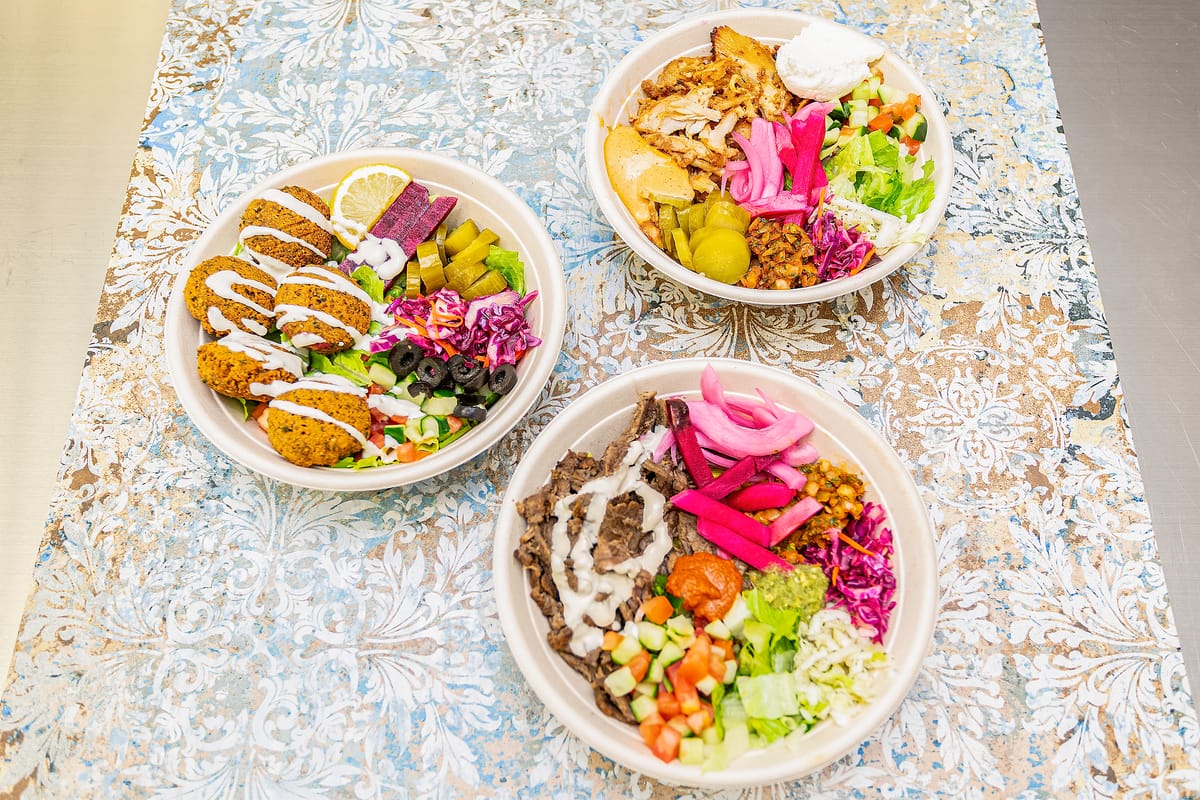
What Makes a Real Protein Bowl? The Difference Between Fast-Casual and Authentic
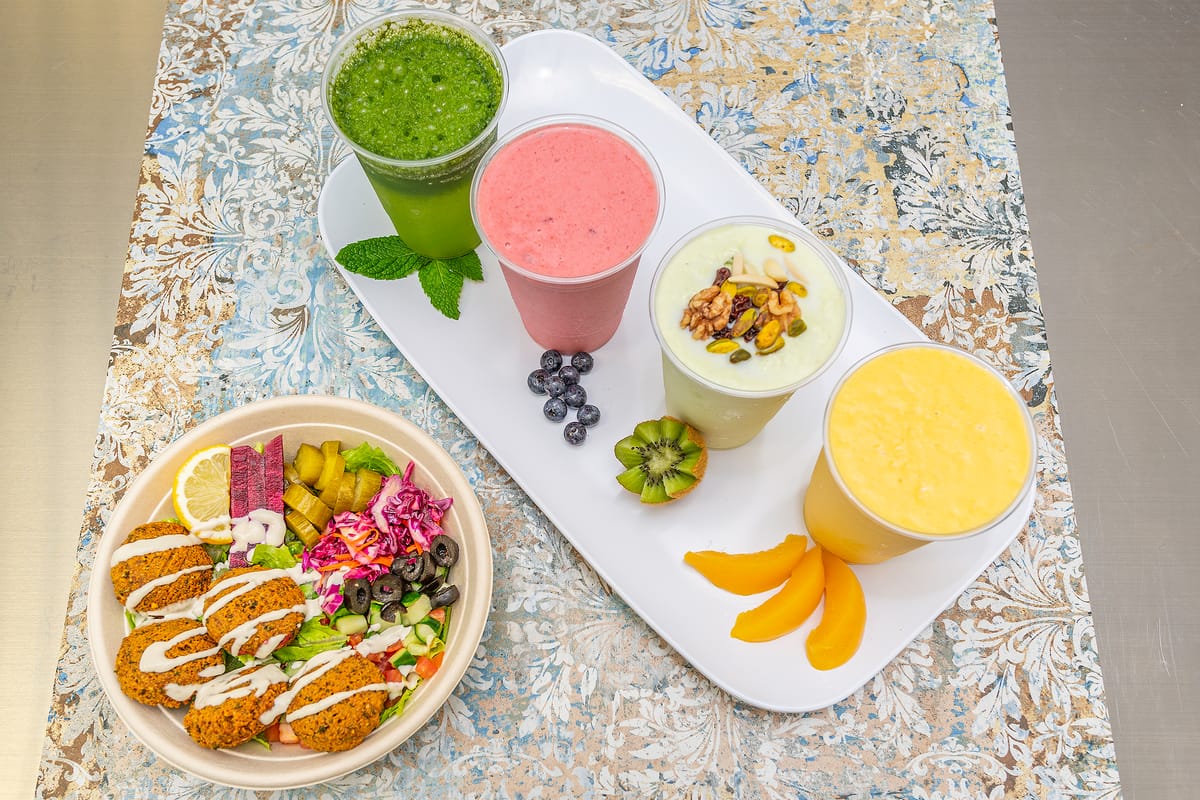
The protein bowl has become one of the most popular meal formats in America, and for good reason. A well-built protein bowl delivers a complete macronutrient profile in a single dish: protein from meat or plant sources, complex carbohydrates from grains, healthy fats from sauces and toppings, and fiber and micronutrients from fresh vegetables. It is the ideal format for anyone who cares about what they eat -- whether you are a competitive athlete, a weekend warrior, or simply someone who wants to fuel their body properly.
The problem is that most fast-casual protein bowl restaurants have optimized for speed and cost, not quality. The chicken is pre-cooked in a commissary kitchen, shipped frozen, and reheated on a flat grill. The sauces are bottled, filled with added sugars, seed oils, and preservatives. The portions are calibrated to look Instagram-worthy while minimizing actual protein content. You pay $14-16 for a bowl that delivers 25-30 grams of mediocre protein and leaves you hungry two hours later.
At Taza, the protein bowl follows a completely different philosophy. The chicken and beef are marinated overnight in a yogurt-based blend with seven traditional spices, then slow-roasted for hours on a vertical rotisserie. Each slice is carved fresh when you order -- never pre-cooked, never reheated, never sitting under a heat lamp. The difference is not subtle. It is immediately obvious in the texture, the flavor depth, and the satiety you feel hours after eating. Real protein, prepared properly, performs differently in your body.