What Makes a Great Mediterranean Platter
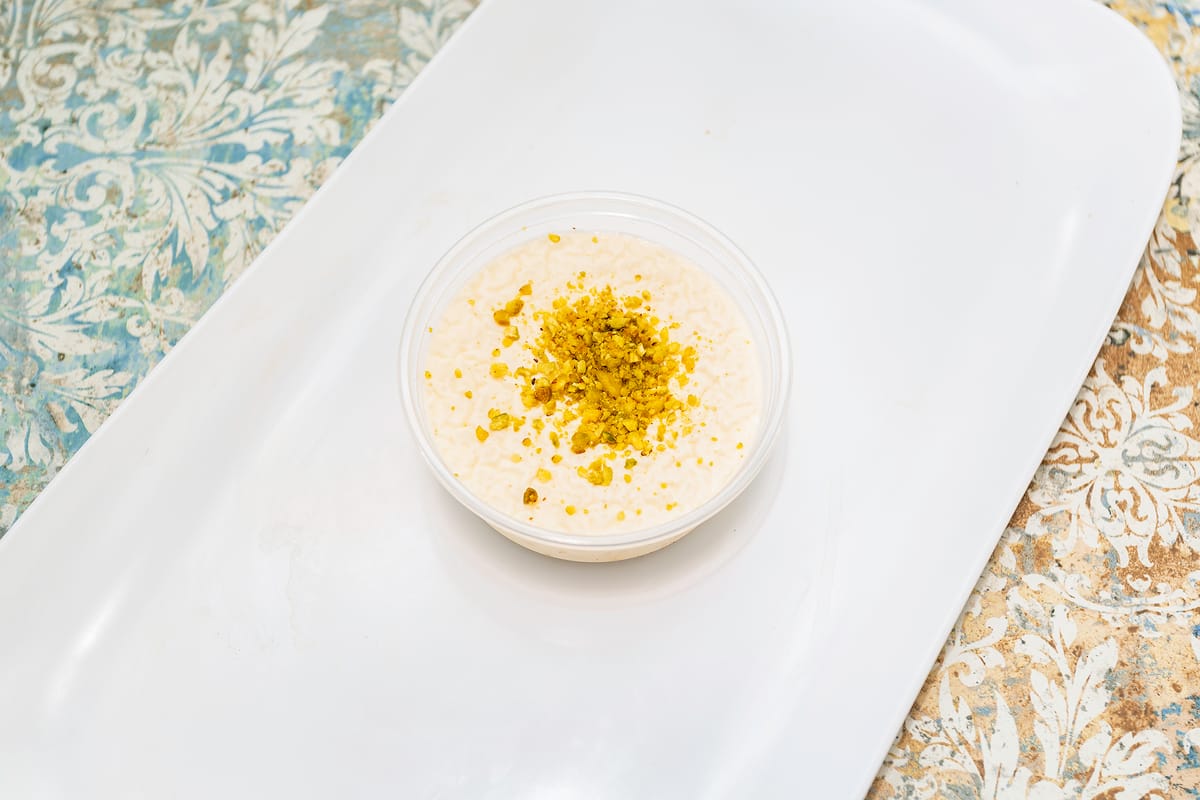
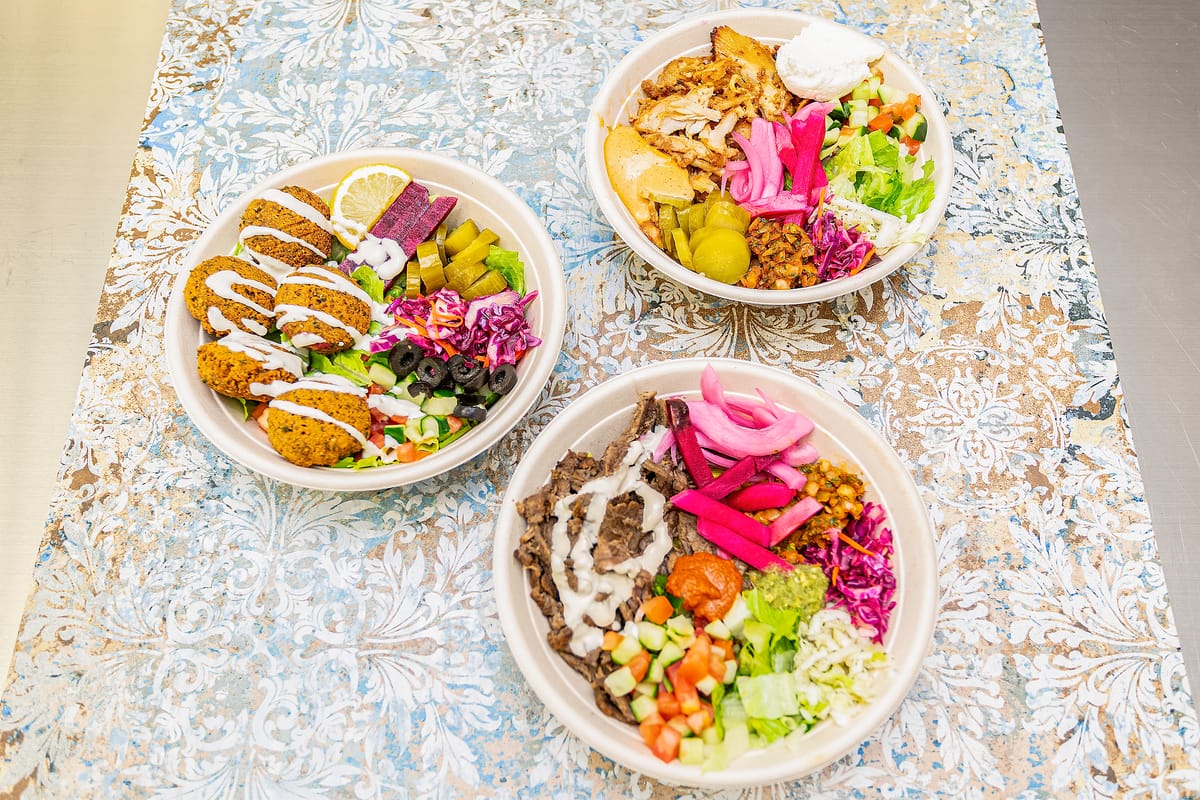
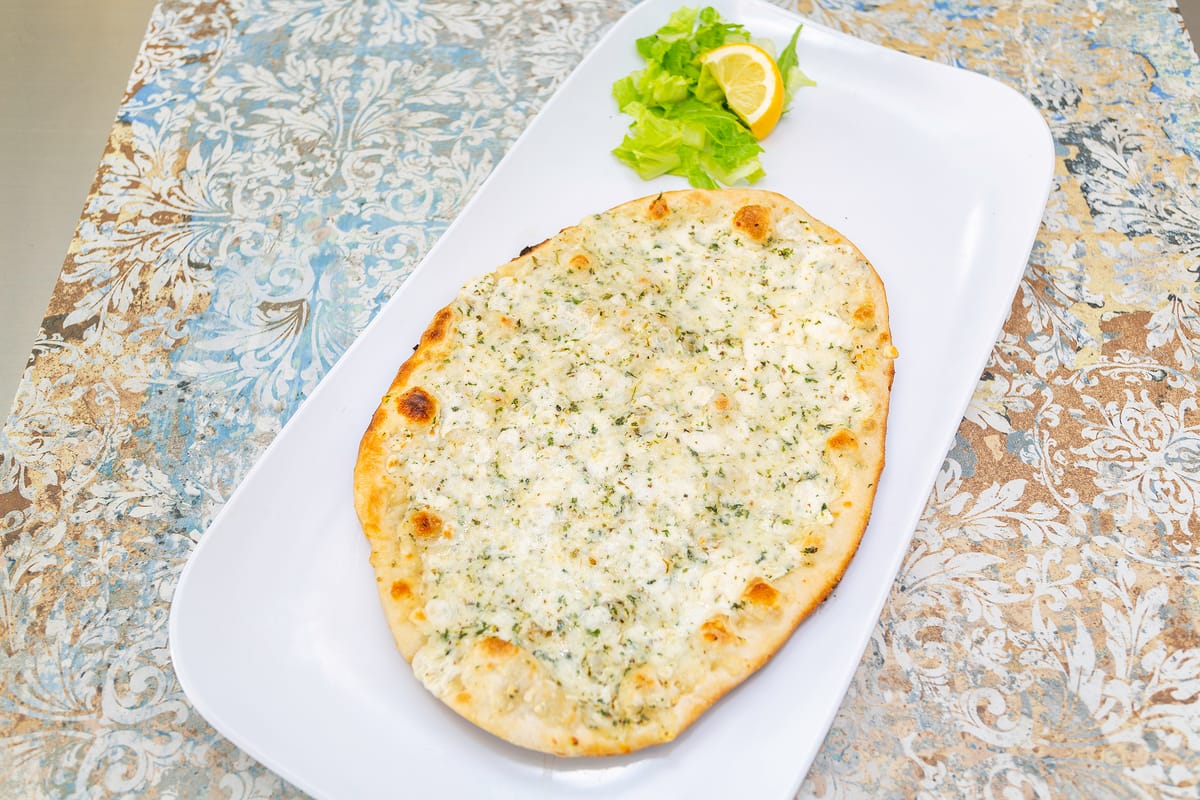
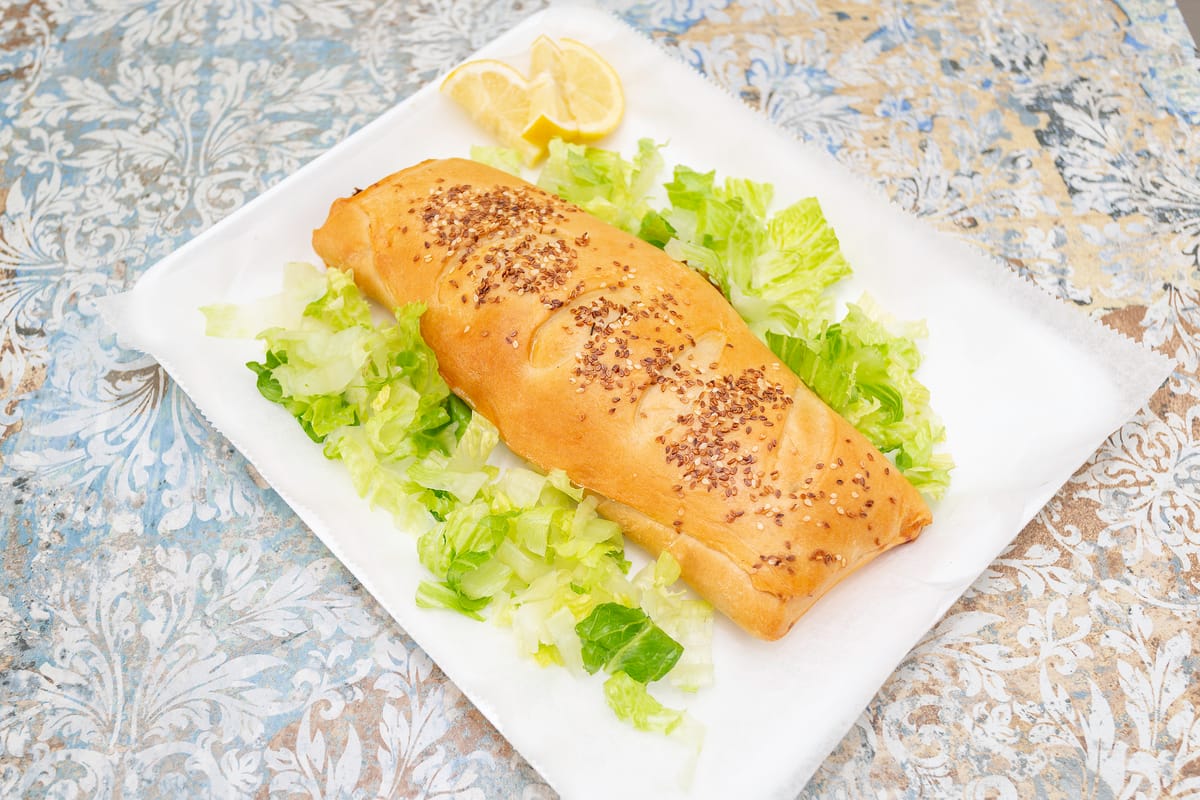
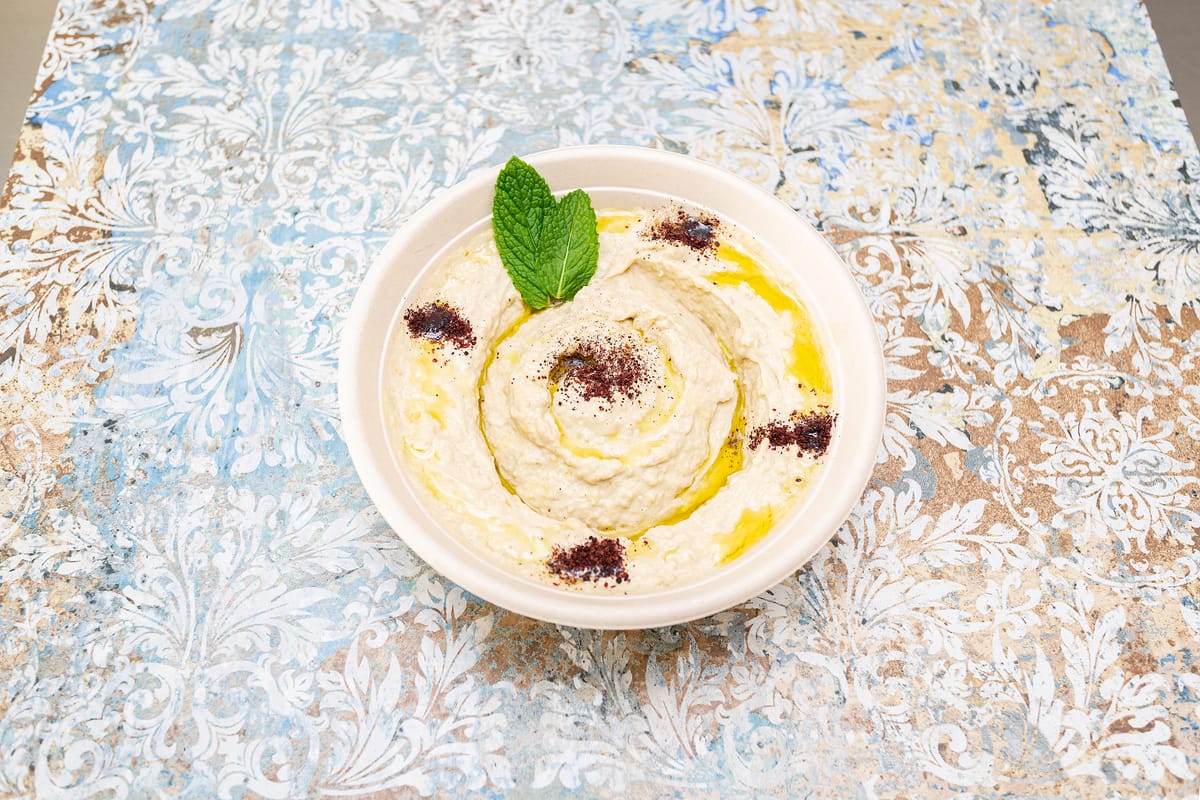
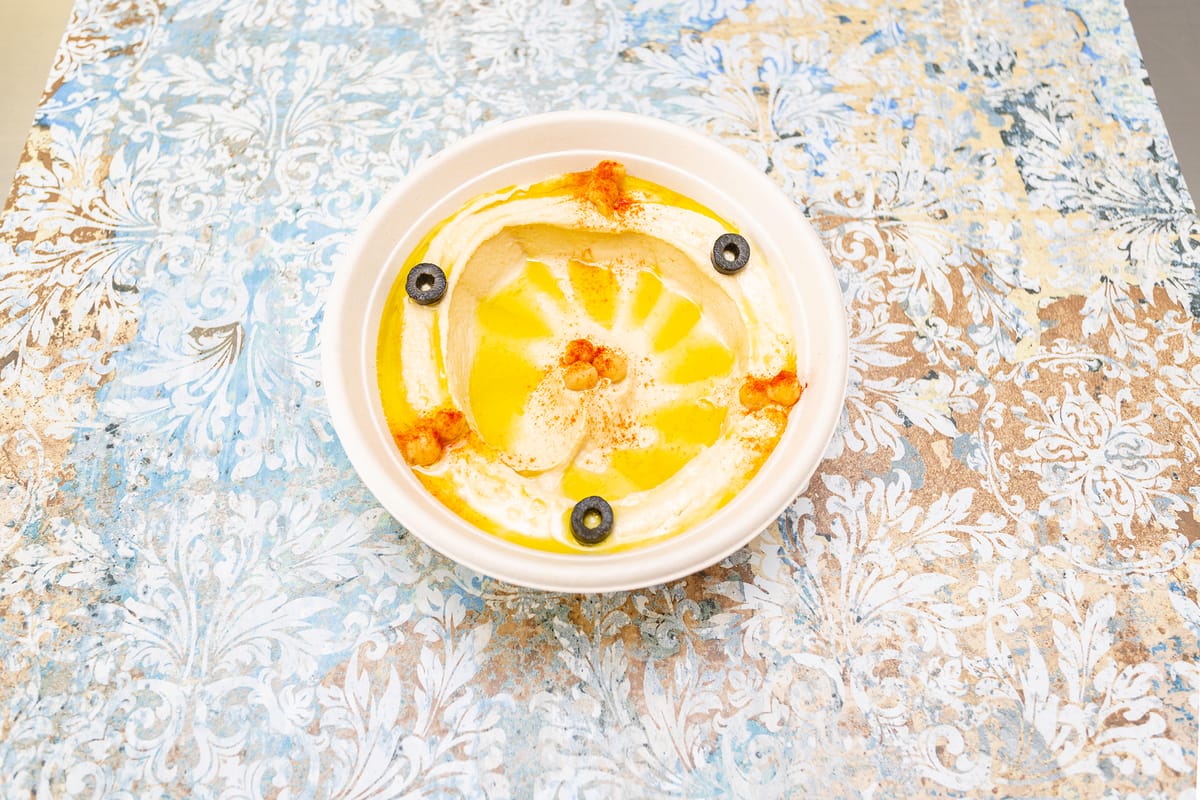
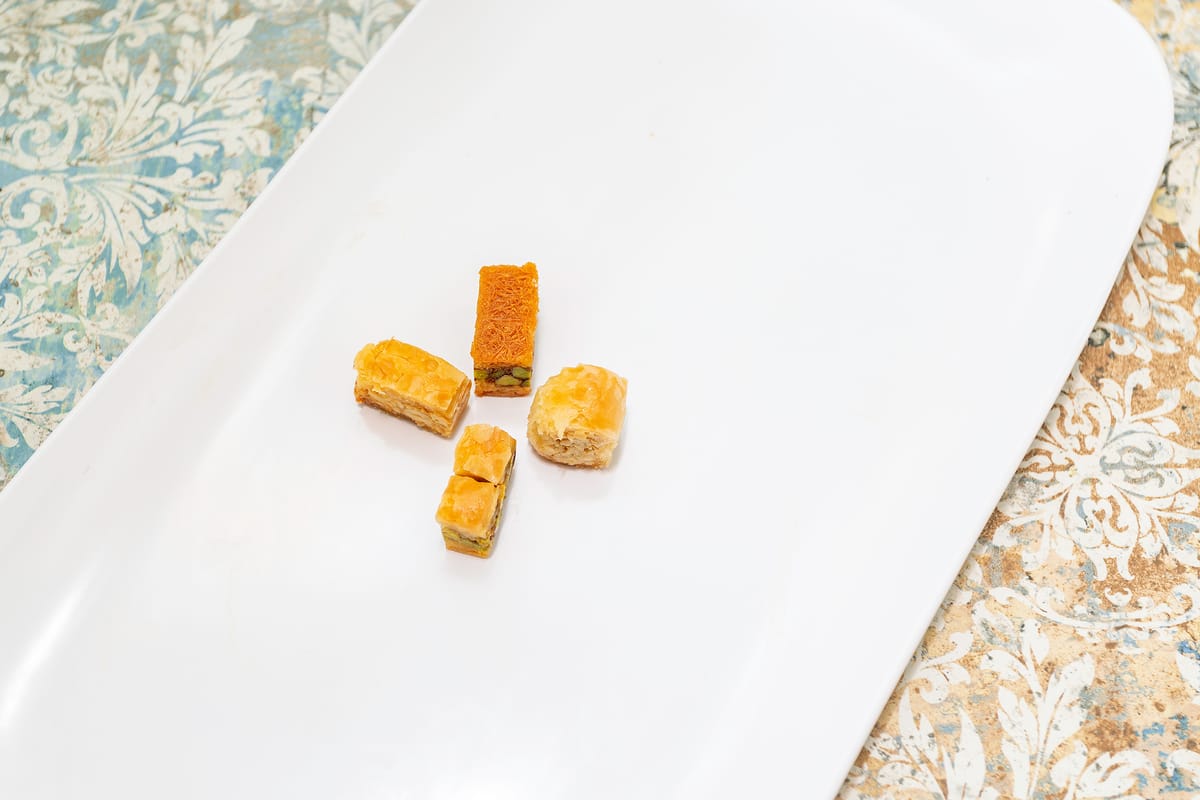
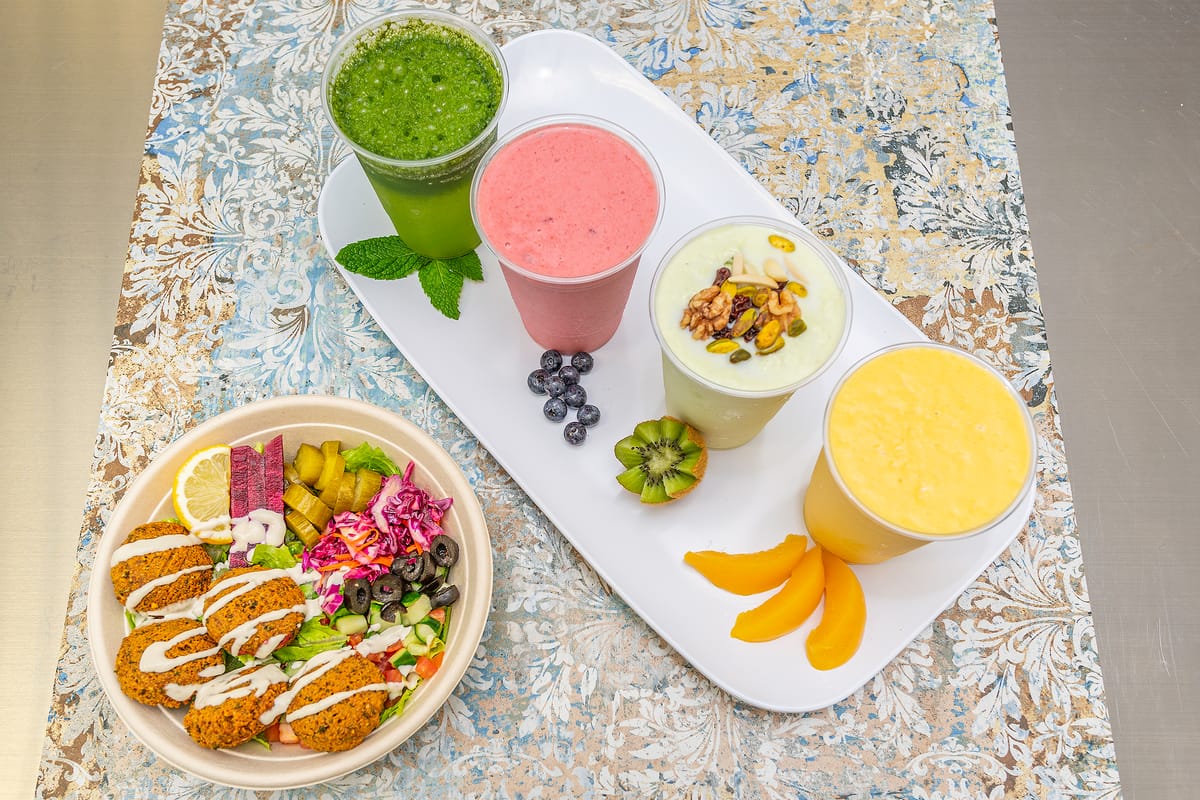
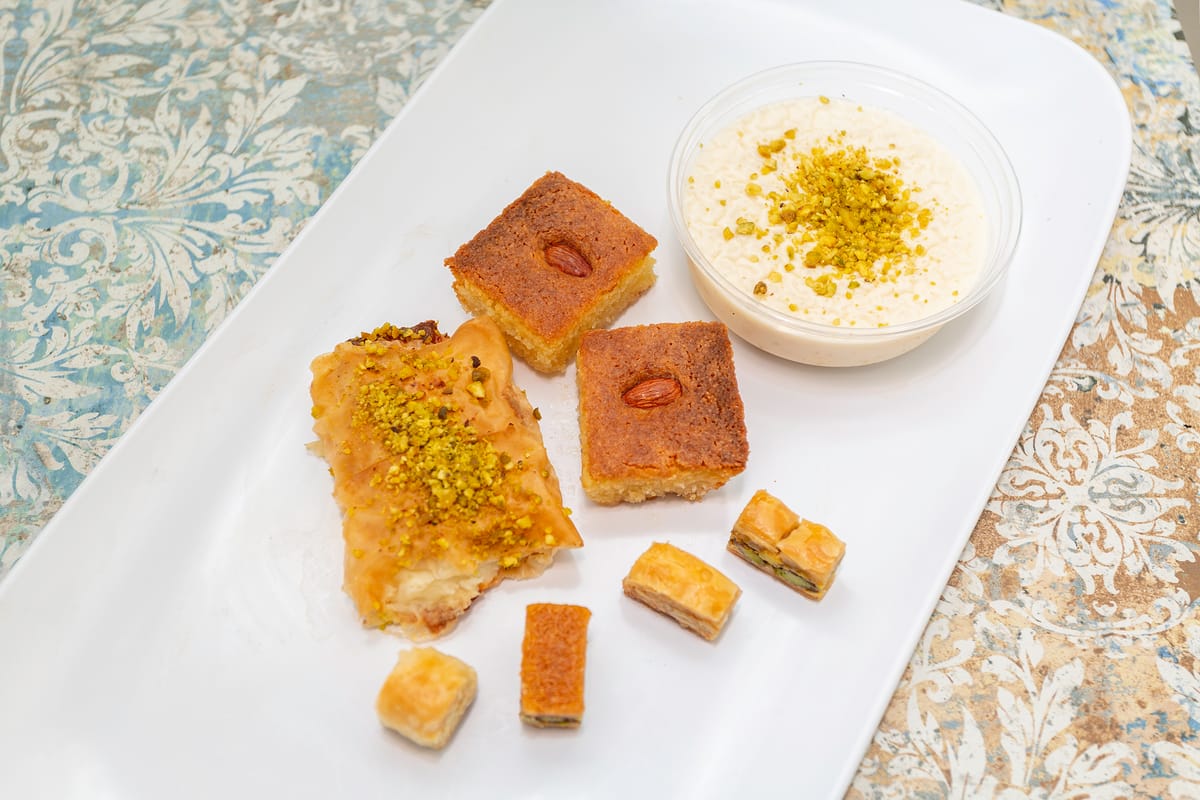
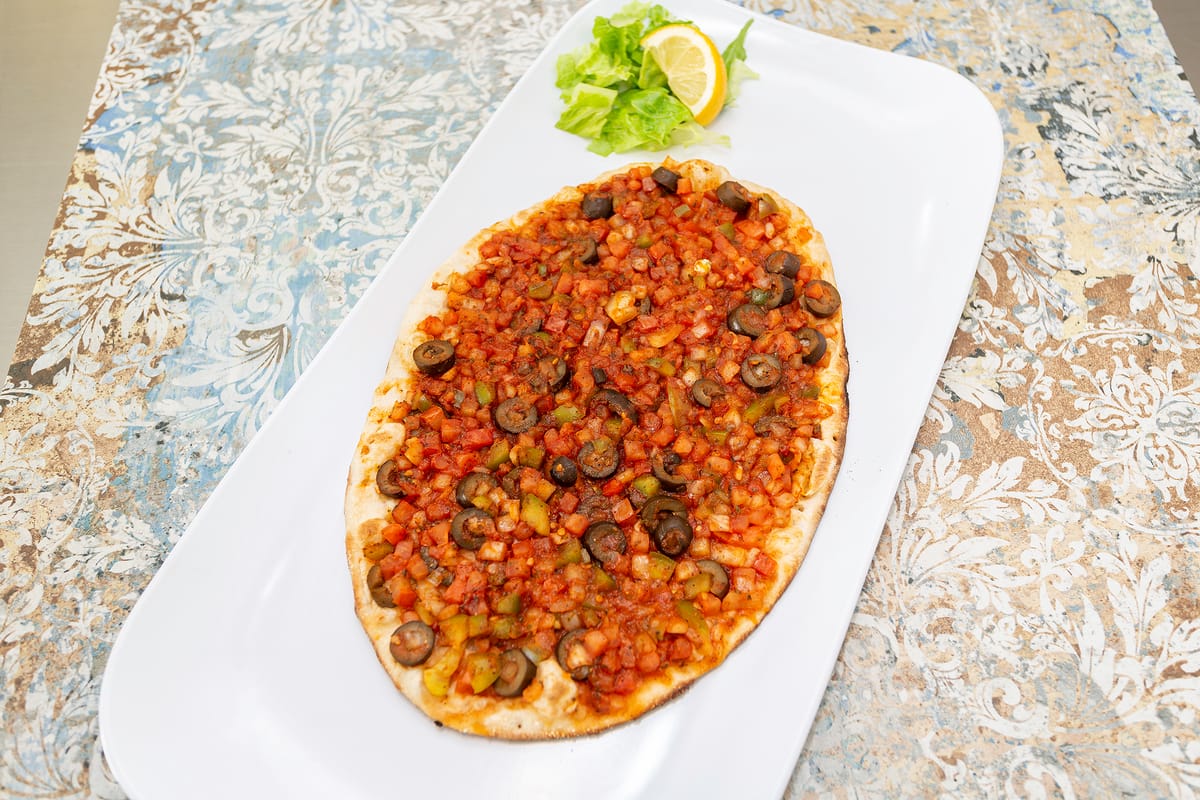
A Mediterranean platter is more than a collection of dishes placed on a table. It is a curated spread where every component plays a specific role. The proteins -- typically shawarma, kebab, or falafel -- provide substance and satisfy the appetite. The dips -- hummus, baba ghanouj, labneh -- add creaminess, smokiness, and tang. The bread -- warm pita, shrak, or manaeesh -- serves as both a utensil and a flavor carrier. The sides -- rice, fries, Arabic salad, pickled vegetables -- add texture and variety. And the dessert -- baklava, rice pudding -- brings sweetness to close the meal. When all these elements are fresh, well-prepared, and properly balanced, the result is a dining experience that individual plated meals simply cannot replicate.
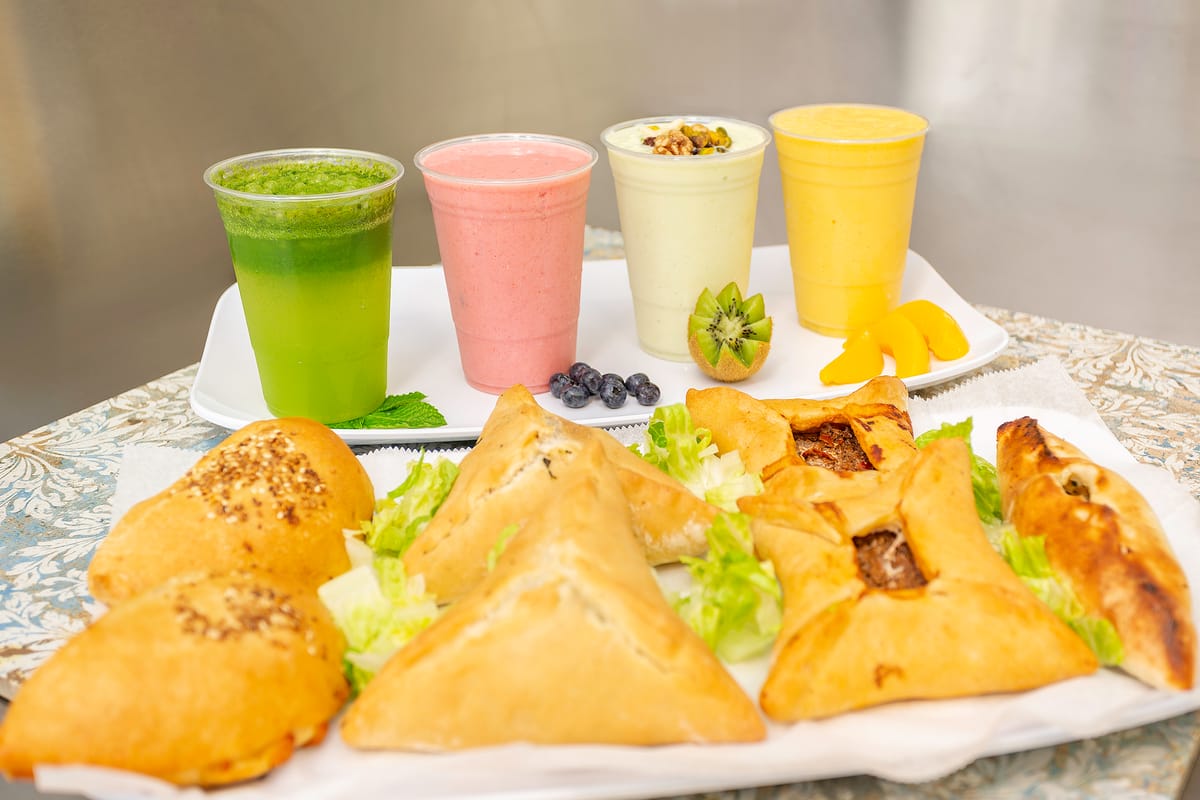
At Taza, every component of this platter equation is made from scratch daily. The shawarma rotates on vertical spits from the morning until closing. The hummus is blended from cooked chickpeas multiple times per day. The falafel is hand-formed and fried to order. The pita comes out of the oven warm and soft. Nothing sits in a warmer, nothing comes from a container, and nothing is reheated from yesterday. This commitment to freshness is what separates a Taza platter from the pre-assembled platters offered by restaurants that prioritize speed over quality.