Palestinian Food Near Me
Palestinian-Levantine dishes in Northern Virginia. Falafel fried to order. Hummus on every table. Shawarma carved from the vertical spit. Za'atar manaeesh baked in our oven. All halal, free parking at the door, open until midnight every day.
14
Free Toppings
40+
Menu Items
100%
Halal
7 Days
Open Weekly
Palestinian Culinary Heritage
The Rich Tradition of Palestinian Cuisine
Palestinian food is one of the oldest living culinary traditions on earth -- shaped by the land, the climate, and thousands of years of farming, baking, and communal dining in the Levant. From the olive groves of the West Bank to the bakeries of Nablus, Palestinian cuisine is a story of resilience, family, and deeply rooted flavor.
Palestinian cuisine is not a subcategory of Middle Eastern food. It is a distinct culinary tradition with its own signature dishes, flavor profiles, and cultural meaning. Musakhan -- roasted chicken on taboon bread smothered in sumac-infused caramelized onions -- is widely considered the national dish. Maqluba, an upside-down layered rice and vegetable dish, is the centerpiece of Palestinian family gatherings. Knafeh from Nablus, with its stretchy cheese filling and orange blossom syrup, is one of the most famous desserts in the Arab world.
But beyond these signature dishes, Palestinian cuisine is defined by its everyday staples -- the foods that appear on the table at every meal. Za'atar mixed with olive oil and spread on fresh bread is the Palestinian breakfast. Hummus, labneh, and baba ghanouj are the dips that precede every meal. Falafel is the street food that has sustained Palestinians for centuries. Shawarma carved from a rotating spit is the quick lunch and late-night meal. These are the dishes that define daily Palestinian life, and these are the dishes that fill Taza's menu, seven days a week.
The Palestinian diaspora has carried this food culture around the world. In Northern Virginia -- home to one of the largest Palestinian-American communities in the United States -- the demand for authentic Palestinian-Levantine food is not a niche market. It is a fundamental community need. Families who grew up eating their grandmother's falafel, their mother's hummus, and their uncle's shawarma look for a restaurant that serves those dishes. Taza serves them halal, 11 AM to midnight, every day.
Dishes That Define a Culture
Palestinian Food Traditions Explained
From the national dish to the daily bread, these traditions form the foundation of Palestinian cuisine -- and they are alive at Taza every day.
Musakhan -- The National Dish
Musakhan is widely considered the national dish of Palestine. Roasted chicken served over taboon bread, smothered in caramelized onions cooked in sumac and olive oil, topped with toasted pine nuts. While Taza does not serve musakhan directly, the same ingredients that define it -- sumac, olive oil, and traditional flatbread -- run through our entire menu. The flavors are inseparable from Palestinian identity.
Maqluba -- The Upside-Down Feast
Maqluba is a layered rice, vegetable, and meat dish cooked in a single pot and flipped upside down for a dramatic presentation. It is served at Palestinian family gatherings and celebrations. The technique of layering rice with spiced meat, fried eggplant, and cauliflower reflects the resourcefulness and artistry of Palestinian home cooking -- a tradition Taza honors by building every dish with the same care and layered complexity.
Knafeh -- The Beloved Sweet
Knafeh is a warm cheese pastry soaked in orange blossom syrup, topped with crushed pistachios, and traditionally associated with the Palestinian city of Nablus. Nabulsi knafeh is famous across the Arab world. Taza does not serve knafeh, but its dessert case carries rice pudding and harissa, the syrup-soaked semolina cake also known as basbousa.
Bread as the Foundation of Every Meal
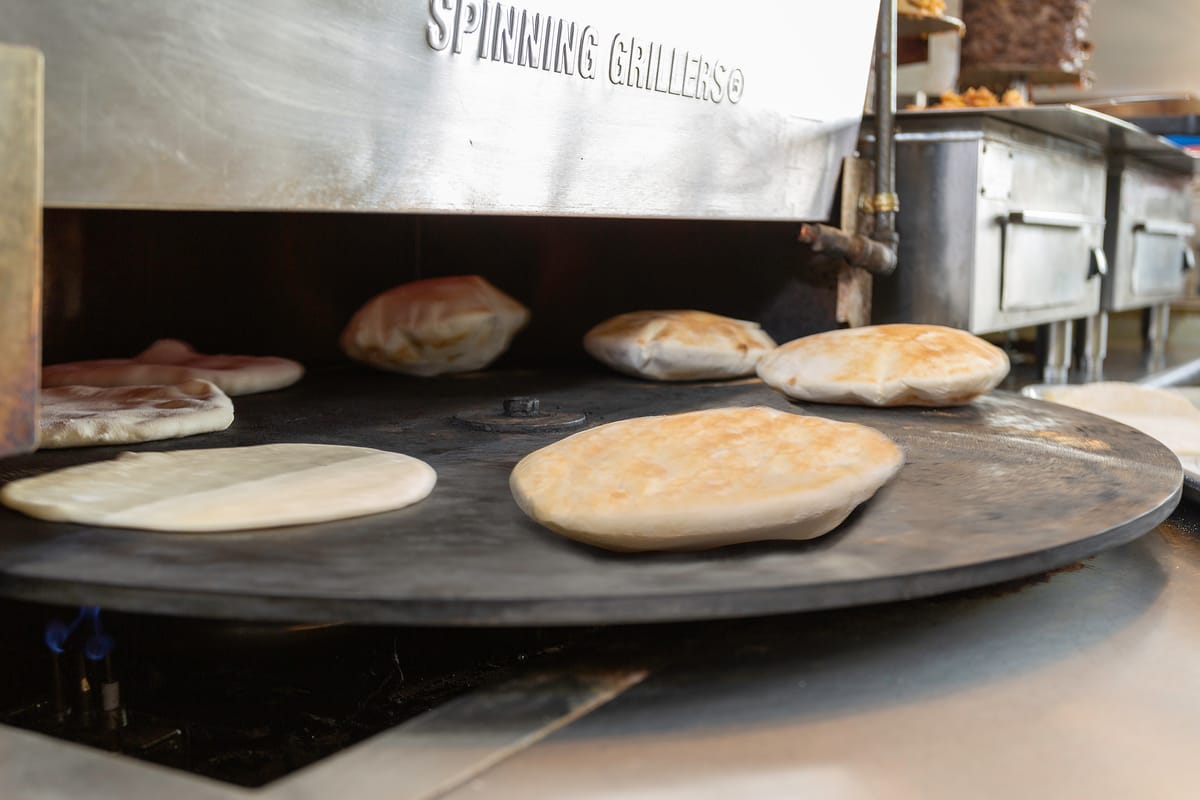
In Palestinian cuisine, bread is not a side dish. It is the plate, the utensil, and the foundation of the meal. Taboon bread baked in clay ovens, shrak flatbread cooked on convex domes, and pita pulled from hot ovens are central to Palestinian dining. At Taza, pita is baked in the oven and shrak is used for the larger rolled wraps -- bread is the base of almost everything on the menu.
Za'atar and Olive Oil -- The Palestinian Pantry
If two ingredients define Palestinian food, they are za'atar and olive oil. Palestinian za'atar -- a blend of wild thyme, toasted sesame seeds, sumac, and salt -- is eaten daily on bread with olive oil. Olive trees are sacred in Palestinian culture, some dating back thousands of years. At Taza, za'atar appears on the za'atar manaeesh and the za'atar pie, and labneh sits on the menu beside them. These are not exotic seasonings -- they are Palestinian essentials.
The Mezze Spread -- Eating as a Community
Palestinian dining is built around sharing. A typical meal begins with a spread of hummus, baba ghanouj, labneh, tabbouleh, olives, and pickled vegetables -- all placed at the center of the table for everyone to share. At Taza, hummus, baba ghanouj and labneh are sold as sides, enough to set a small shared spread for friends and family.
A Living Culinary Heritage
What Makes Palestinian Cuisine Special
Palestinian food is defined by its freshness, its generosity, and its deep connection to the land. These are the qualities worth looking for in any Levantine kitchen.
Centuries of Culinary Heritage
Palestinian cuisine is rooted in thousands of years of agricultural tradition in the Levant. Olive oil, za'atar, sesame, wheat, chickpeas, and lamb form the backbone of a food culture that predates recorded history. Dishes like musakhan, maqluba, and knafeh are not just recipes -- they are cultural artifacts passed down through generations of Palestinian families.
Open-Fire and Oven Cooking
Traditional Palestinian cooking relies on taboon ovens, open-fire grills, and stone surfaces. Flatbreads baked on hot stones, meats roasted over charcoal, and pies sealed in wood-fired ovens define the cuisine. At Taza, manaeesh, pita and pies are baked in the oven and shawarma is carved off the vertical spit, the same heat-first approach.
Fresh, Seasonal Ingredients
Palestinian cooking celebrates what grows from the land -- fresh herbs like parsley, mint, and dill; seasonal vegetables like tomatoes, cucumbers, and eggplant; and pantry staples like tahini, sumac, and olive oil. Taza's menu leans on the same pantry: chickpeas, tahini, sumac, za'atar, olive oil, mint and parsley.
A Shared Levantine Table
Palestinian cuisine shares deep roots with Lebanese, Syrian, and Jordanian food traditions. Falafel, hummus, shawarma, tabbouleh, and fattoush are staples across the Levant. Taza's menu serves several of these shared dishes: falafel, hummus, shawarma, labneh and manaeesh.
Hospitality as a Core Value
In Palestinian culture, feeding guests generously is not optional -- it is a sacred obligation. A Palestinian table always has more food than the number of guests requires. At Taza, every pita, shrak and bowl comes with 14 free toppings, your choice, built at the counter.
Halal by Tradition
Halal food preparation is integral to Palestinian culinary practice. The chicken and beef at Taza are halal, and the whole menu is 100% halal. Halal is the starting point of the kitchen, not a special-order option, so there is nothing to ask about.
From Palestine to Northern Virginia
The Same Flavors, the Same Standards, the Same Soul
When Palestinian families in Northern Virginia sit down to eat, they carry with them the memory of flavors from home -- the specific tang of a properly made garlic sauce, the precise green color of falafel made from raw chickpeas rather than canned, the earthy warmth of za'atar fresh from a hot oven. These are not abstract preferences. They are deeply personal standards shaped by a lifetime of Palestinian food culture.
At Taza, the falafel is fried to order, so it reaches you hot and crisp. The shawarma is carved off the vertical spit when you order. Manaeesh, pita and pies are baked in the oven. Every pita, shrak and bowl comes with 14 free toppings, your choice, built at the counter -- pickled turnips, garlic sauce, tahini, hummus and more. Every detail is visible on the counter, so you can see exactly what goes into your order before you pay for it.
Located on Seminary Road in Falls Church, Taza is minutes from the Palestinian-American neighborhoods of Arlington, Alexandria, Fairfax, and the wider Northern Virginia area. Open from 11 AM to midnight, seven days a week, with free parking at the door, we serve halal Levantine food for dine-in, Clover pickup, and catering.
Palestinian Staples on Our Menu
Dishes That Belong on Every Palestinian Table
These eight dishes represent the core of Palestinian cuisine -- from the falafel and hummus that start every meal to the rice pudding that finishes it. Every item is 100% halal and on the menu seven days a week.
Falafel Pita
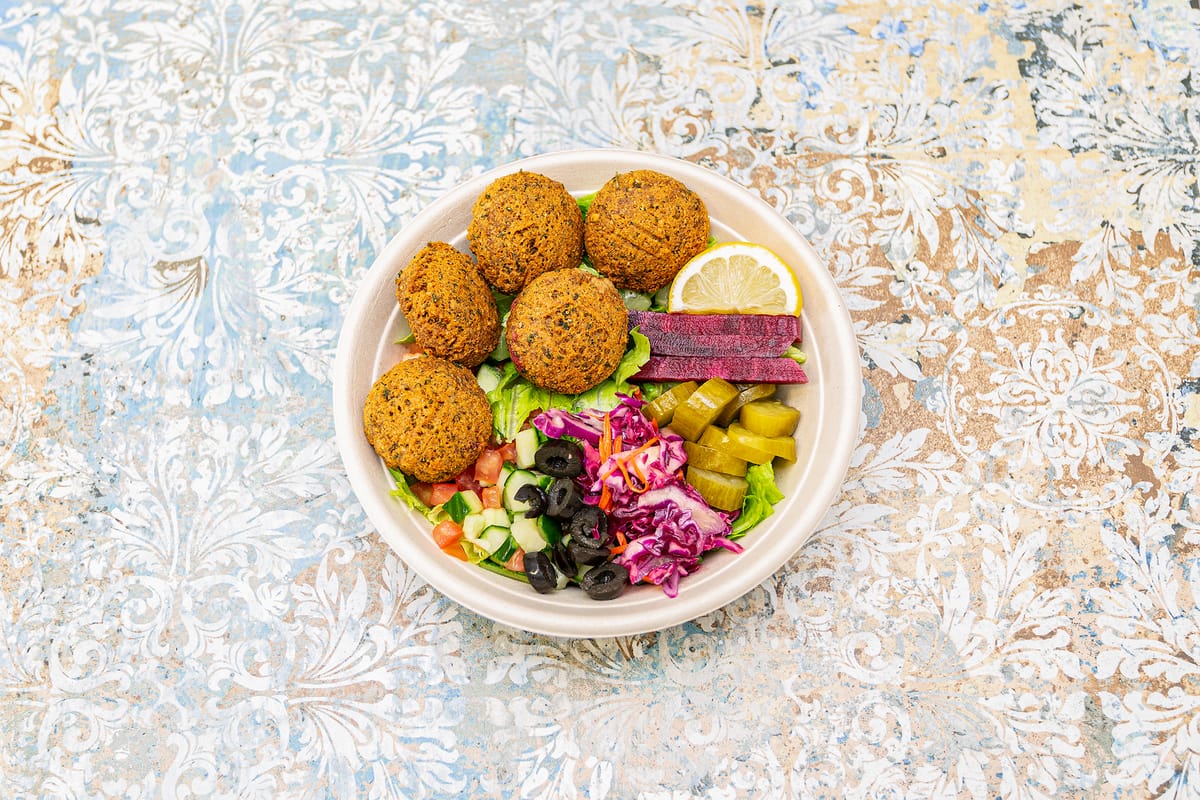
Falafel is the quintessential Palestinian street food. Soaked chickpeas blended with fresh parsley, cilantro, onion, garlic, and cumin, then formed and fried to a crispy golden shell with a vibrant green interior. At Taza, falafel is fried to order. Served in warm pita with tahini, pickled turnips, and fresh vegetables. A staple of Palestinian markets and family tables for centuries.
Hummus
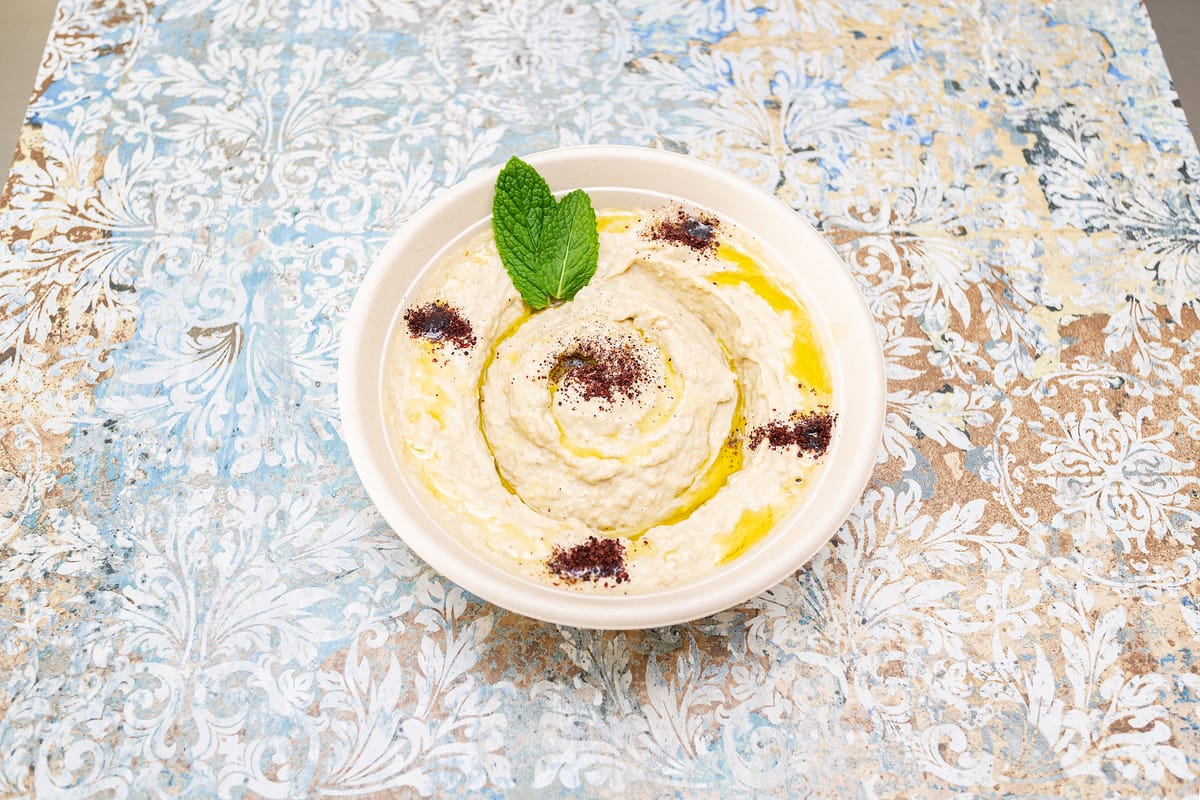
Hummus is at the center of every Palestinian meal. Chickpeas, tahini, lemon juice, and garlic, blended smooth and drizzled with olive oil. Palestinian families serve hummus at breakfast, lunch, and dinner -- it is never absent from the table. At Taza, hummus is a side and also one of the 14 free toppings.
Chicken Shawarma Pita
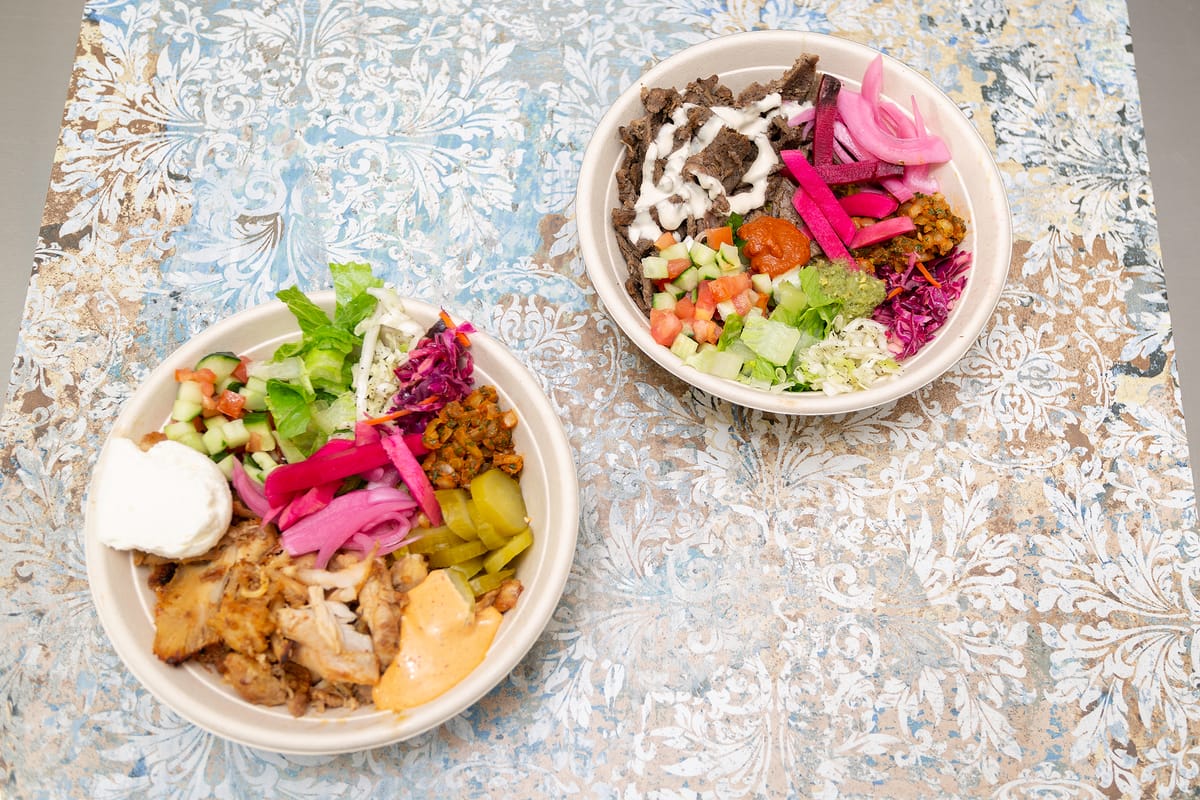
Shawarma is a beloved fixture of Palestinian street food culture. Marinated chicken stacked on a vertical spit, roasted as it turns and carved to order. At Taza it is carved off the spit into oven-baked pita with your choice of garlic sauce, pickled turnips, and crisp vegetables. The same preparation found in shawarma shops from Ramallah to Nablus.
Zaatar Manaeesh
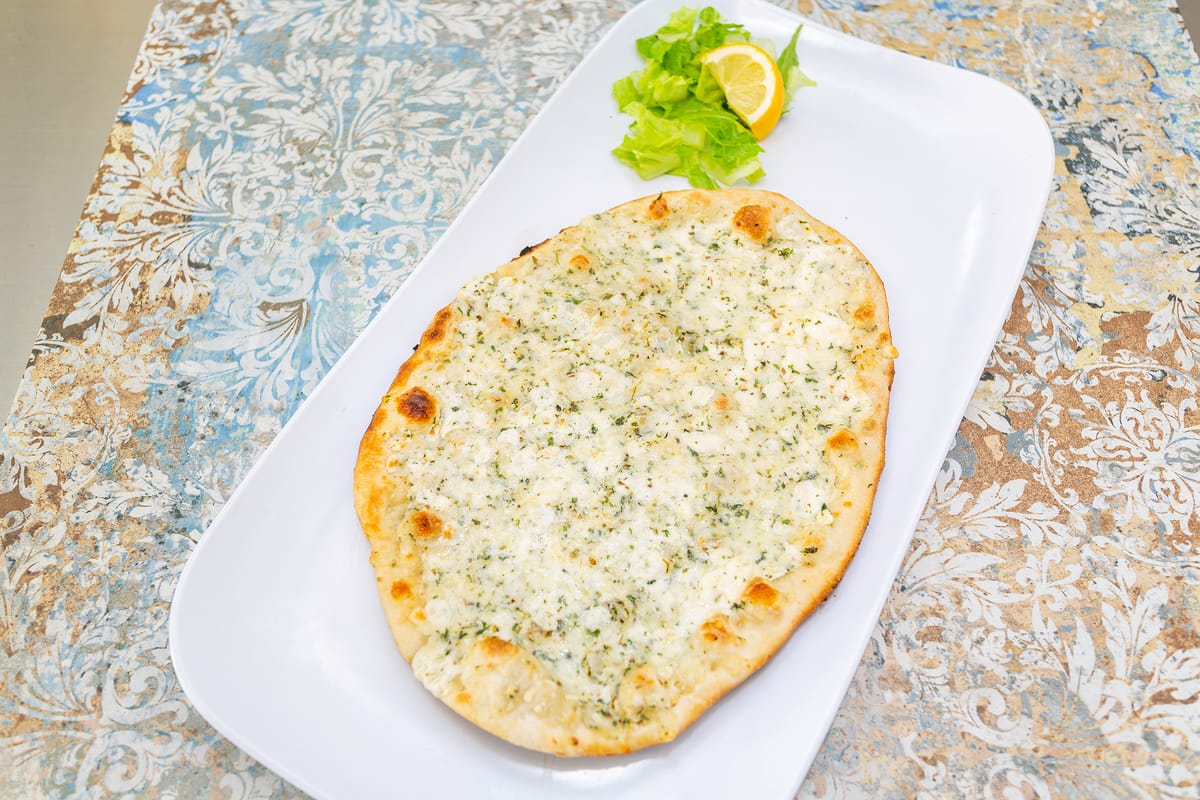
Za'atar and olive oil on fresh flatbread is the iconic Palestinian breakfast. The wild thyme, sesame, and sumac blend known as za'atar is considered a national treasure in Palestinian food culture. Taza's za'atar manaeesh is baked in the oven until fragrant and golden -- the same flatbread Palestinian families eat for breakfast.
Labneh
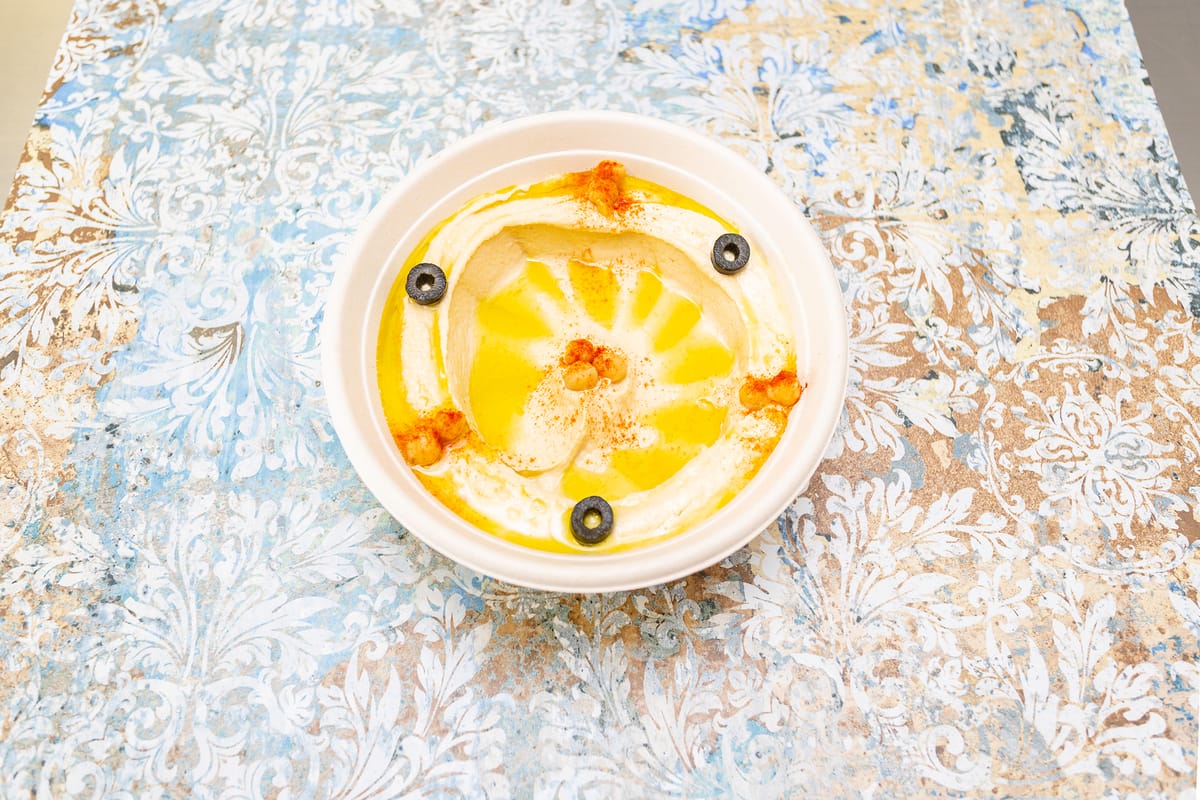
Strained yogurt served with a drizzle of olive oil and a sprinkle of za'atar is a Palestinian breakfast essential. Labneh appears on every Palestinian table alongside bread, olives, tomatoes, and cucumbers. At Taza, labneh is on the menu as a side, thick and tangy, for scooping with pita.
Sfiha Pie
Sfiha -- open-faced meat pies with seasoned ground beef, onions, and spices baked on thin dough -- are a staple of Palestinian bakeries. Every neighborhood in Palestine has a bakery producing these by the hundreds each morning. At Taza, sfiha pies are baked in the oven with a seasoned meat topping.
Beef Shawarma Bowl
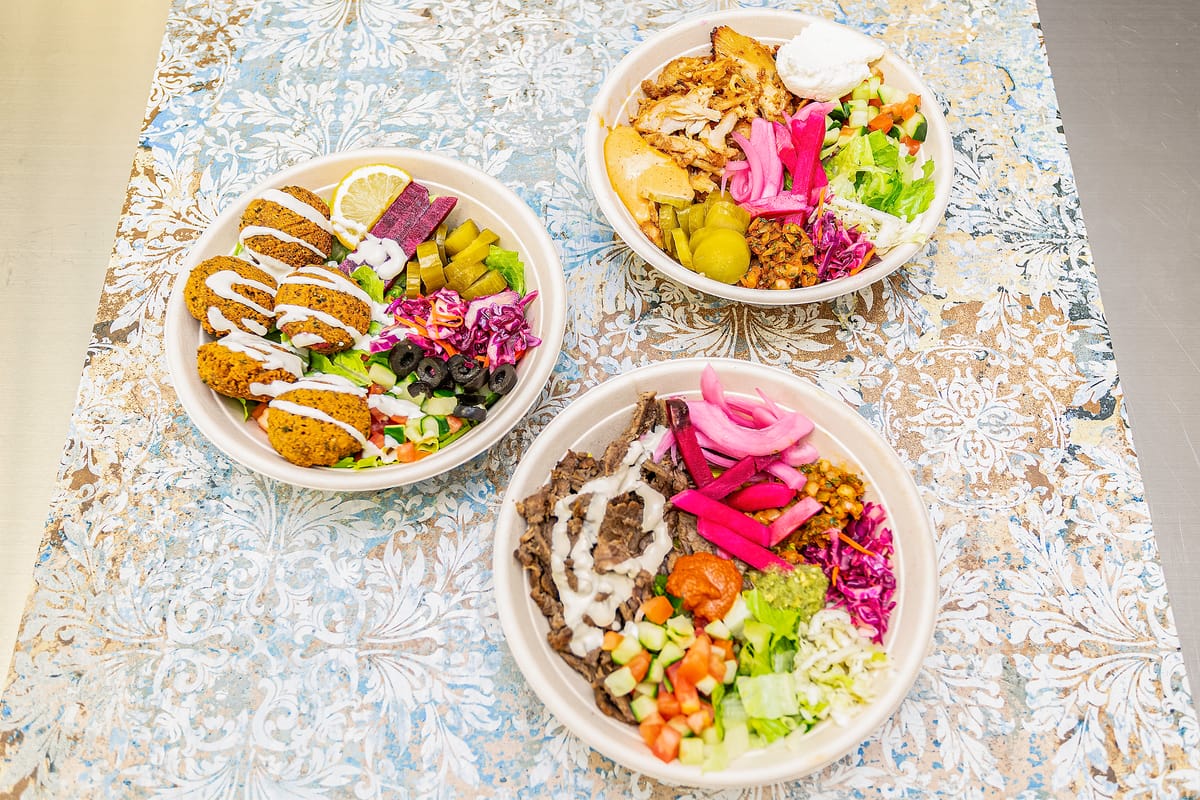
Layers of seasoned beef carved from the vertical spit, served over fluffy basmati rice or mixed greens with Arabic salad, pickled turnips, garlic sauce, and fresh herbs. A modern format for a traditional Palestinian-Levantine protein -- all the depth of flavor without the bread.
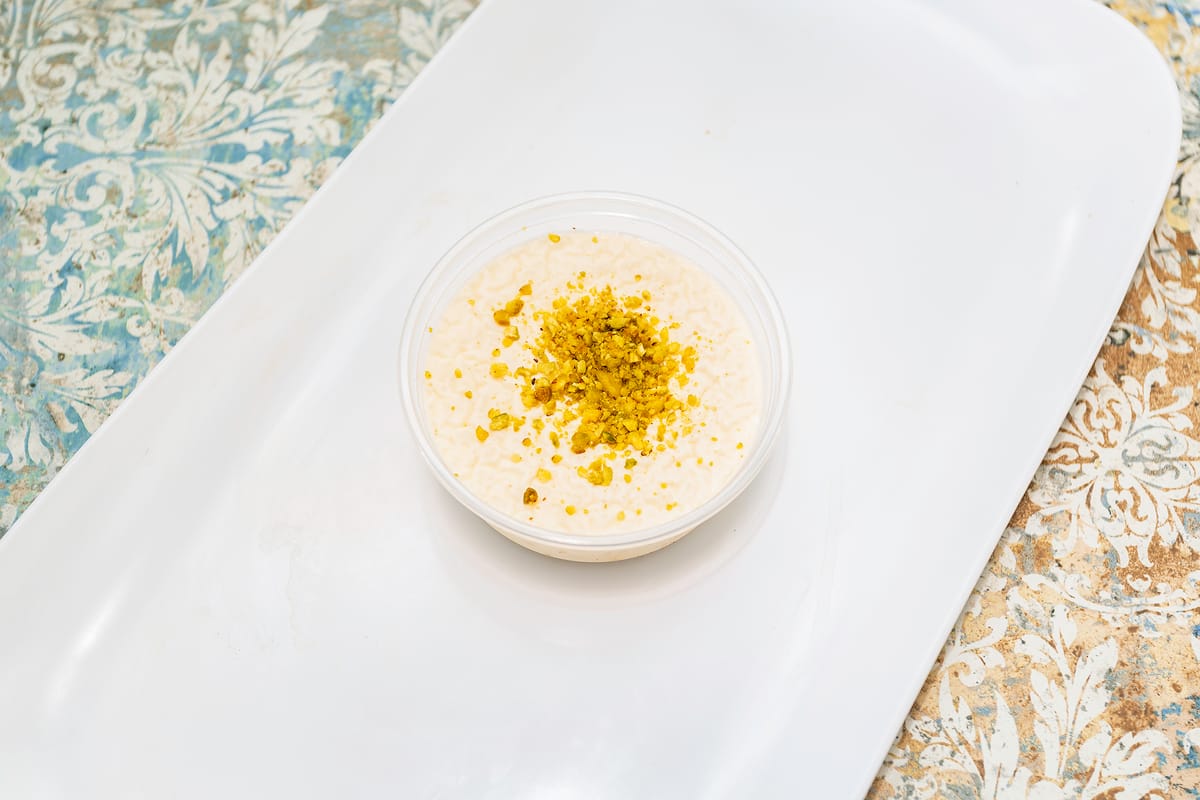
Rice Pudding
Creamy rice pudding perfumed with rose water and dusted with cinnamon. Milk puddings like this are a Levantine celebration dessert -- served at weddings, holidays, and family gatherings. At Taza, rice pudding is the classic way to finish a meal.
Why Families Choose Us
Why Taza Serves Authentic Palestinian-Style Dishes
Palestinian-American families in Northern Virginia have high standards for Levantine food. These are the things Taza does, plainly stated.
Vertical-Spit Shawarma, Not a Flat Grill
Palestinian shawarma shops use vertical rotisseries -- layers of marinated meat rotating against the heat, carved to order. Taza works the same way: the shawarma is carved off the vertical spit directly into your pita, shrak or bowl. This is the shawarma method that Palestinian families know and expect.
Oven-Baked Manaeesh and Pies
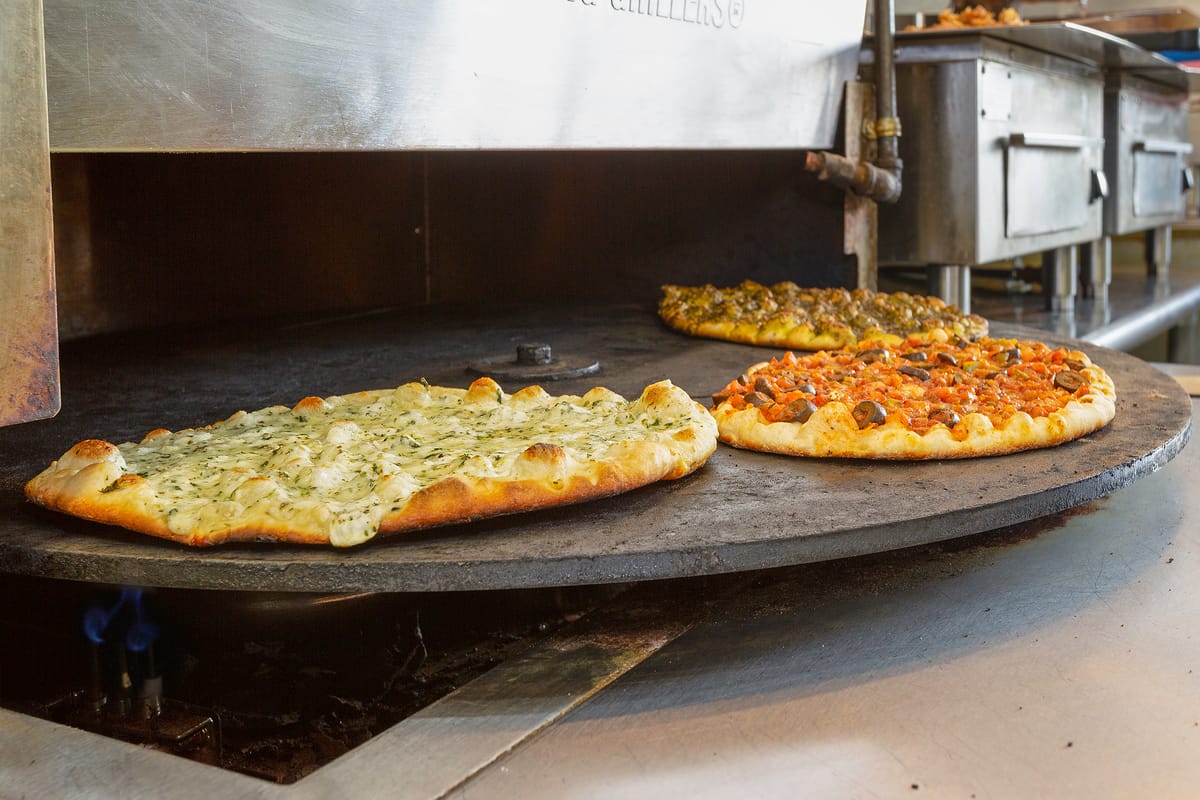
Palestinian bakeries bake za'atar manaeesh, lahm bil ajin, sfiha, and spinach pies in stone or clay ovens. A hot oven deck gives the crisp bottom and fragrant top these breads are known for. At Taza, manaeesh, pita and pies are baked in the oven on site.
100% Halal -- No Compromises
Halal is not a feature at Taza. It is the foundation. The menu is 100% halal, chicken, beef and everything else, so there is no halal section to hunt for and no special request to make. Families who keep halal can order anything on the board.
Everything Made Fresh, Every Day
Taza means 'fresh' in Arabic. Falafel is fried to order. Shawarma is carved off the vertical spit when you order. Manaeesh, pita and pies are baked in the oven. Palestinian families notice freshness instantly -- and they notice when it is missing. The name is a promise the kitchen has to keep every day.
A Menu Built on Levantine Tradition
Taza's menu reads like a tour of Palestinian and Levantine food culture. Shawarma, falafel, hummus, baba ghanouj, labneh, za'atar manaeesh, lahm bil ajin, sfiha pies, spinach pies, rice pudding, harissa, and lemon-mint smoothies. These are not niche items on a fusion menu. They are everyday Levantine dishes, served 7 days a week from 11 AM to midnight.
Generous Portions, Fair Prices
Palestinian hospitality means never sending a guest away hungry. At Taza, shawarma pitas start at $9.95, za'atar manaeesh is $6.95, and sfiha pies are $2.95 each. Every pita, shrak and bowl comes with 14 free toppings, your choice, built at the counter. These are complete meals at everyday prices.
A Community Connection
Palestinian Food Culture in Northern Virginia
Northern Virginia is home to one of the largest and most vibrant Palestinian-American communities in the United States. Over the past several decades, Palestinian families have established deep roots in Falls Church, Arlington, Alexandria, Fairfax, Annandale, and throughout the surrounding suburbs. This community has built cultural organizations, mosques, grocery stores, bakeries, and businesses that preserve Palestinian identity and traditions.
Food is at the center of that preservation. For Palestinian-Americans, gathering around a table of hummus, falafel, shawarma, za'atar bread, and baklava is not just a meal -- it is a direct connection to home, to family history, to the land and culture that shaped them. The demand for authentic Palestinian-Levantine food in this region is not driven by trends. It is driven by a community that knows exactly what these dishes should taste like and will not settle for approximations.
Taza exists at the intersection of this community and this standard. Located on Seminary Road in Falls Church, we are minutes from the neighborhoods where Palestinian-American families live, work, worship, and gather. The menu is 100% halal, the falafel is fried to order, the shawarma is carved off the vertical spit, and the manaeesh come out of the oven. Taza means fresh in Arabic, and the kitchen is set up around that word. We are open 7 days, 11 AM to midnight, with free parking at the door.
One of the Largest Palestinian-American Communities in the US
Northern Virginia is home to one of the largest and most established Palestinian-American communities in the United States. Families from across the Palestinian diaspora have settled in Falls Church, Arlington, Alexandria, Fairfax, and the surrounding suburbs over the past several decades. This community has built mosques, cultural organizations, grocery stores, and businesses that keep Palestinian culture alive thousands of miles from the homeland.
A Thriving Palestinian Food Scene
The concentration of Palestinian and Arab families in Northern Virginia has created a food landscape where authenticity is not a marketing claim -- it is a minimum standard. Palestinian-American families here know what real falafel, real hummus, and real shawarma taste like because they grew up eating it. Taza serves halal shawarma carved off the vertical spit, falafel fried to order, and manaeesh baked in the oven, open 7 days from 11 AM to midnight.
Cultural Identity Through Food
For Palestinian-Americans in Northern Virginia, food is one of the most powerful connections to cultural identity. When families gather for Ramadan iftars, Eid celebrations, graduations, and weekend dinners, the table must feature the dishes that define Palestinian heritage -- hummus, falafel, za'atar bread, shawarma, stuffed grape leaves, sweets. Taza caters hummus, falafel, za'atar manaeesh and shawarma for groups of 10 to 200+, with delivery available.
A Restaurant That Feels Like Home
Palestinian families in Northern Virginia are not just looking for Middle Eastern food. They are looking for food that tastes like what their parents and grandparents made. The garlic sauce should taste right. The pickled turnips should have the proper tang. The falafel should be green inside, not gray. Those are the details to look for. At Taza, the falafel is fried to order and the turnips are one of the 14 free toppings you can ask for at the counter.
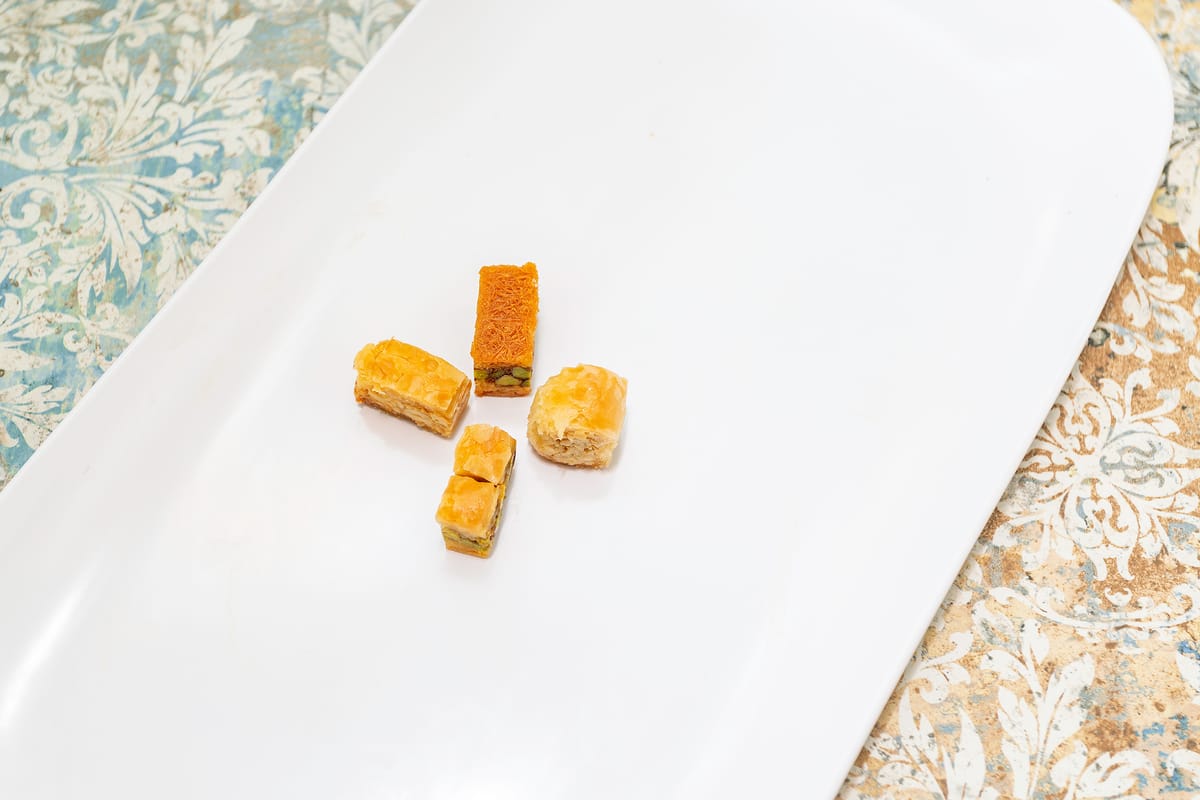
"Food is culture. Culture is identity. Identity is home."
A Palestinian proverb on the table as tradition
Palestinian Food Near You
Serving Palestinian-Levantine Food Across Northern Virginia
Located on Seminary Road in Falls Church, Taza serves halal Palestinian-Levantine dishes in Bailey's Crossroads. Whether you are searching from Arlington, Fairfax, or anywhere in the DMV, we are a short drive away.
Falls Church
Virginia
Arlington
Virginia
Alexandria
Virginia
Fairfax
Virginia
Annandale
Virginia
Bailey's Crossroads
Virginia
Merrifield
Virginia
Tysons
Virginia
McLean
Virginia
Springfield
Virginia
Vienna
Virginia
Herndon
Virginia
Common Questions
Palestinian Food FAQs
Taza Shawarma & Falafel at 5820 Seminary Rd, Falls Church, VA 22041 serves Palestinian-Levantine dishes daily. The menu features falafel, hummus, shawarma, za'atar manaeesh, labneh, sfiha pies, lahm bil ajin, baba ghanouj, rice pudding, and more. All dishes are 100% halal, with free parking at the door. Open 11 AM to midnight, seven days a week. Located minutes from Arlington, Alexandria, Fairfax, Annandale, and the greater Northern Virginia area.
Taza serves Levantine cuisine rooted in Palestinian, Lebanese, and Syrian culinary traditions. The core dishes -- falafel fried to order, hummus made from chickpeas and tahini, shawarma carved off the vertical spit, za'atar manaeesh baked in the oven, and labneh served with olive oil -- are staples of Palestinian food culture. Taza is a Levantine shop rather than a Palestinian-only kitchen, and the menu says so plainly.
Taza serves many dishes that are central to Palestinian cuisine: falafel pita ($8.95), hummus ($4.95), baba ghanouj ($4.95), labneh ($4.95), za'atar manaeesh ($6.95), spinach manaeesh, sfiha meat pies ($2.95), lahm bil ajin ($8.95), chicken and beef shawarma in pita, shrak, or bowls, and rice pudding ($2.95). The full menu includes over 40 items.
Yes, 100%. The chicken, beef and everything else on Taza's menu is halal. Halal is the foundation of Taza's kitchen, not an add-on, so families who keep halal can order anything on the menu without asking about substitutions.
Yes. Taza provides full Mediterranean and Levantine catering for all occasions -- Eid celebrations, Ramadan iftars, family gatherings, office events, graduations, and community functions. Catering options include shawarma platters, falafel trays, hummus and dip spreads, and manaeesh platters for 10 to 200+ guests, with delivery available. Call (703) 340-1014 to discuss your event.
Palestinian and Lebanese cuisines share deep roots as part of the broader Levantine food tradition. Many dishes -- falafel, hummus, shawarma, tabbouleh, fattoush, manaeesh, labneh, and baklava -- are staples in both cultures. The differences are often in specific preparations, regional spice preferences, and signature dishes. Musakhan and maqluba are distinctly Palestinian. Kibbeh nayyeh and tabbouleh with more parsley than bulgur are more Lebanese. Taza celebrates the shared Levantine tradition that unites both cuisines.
Northern Virginia is home to one of the largest Palestinian-American communities in the United States. Palestinian families have settled in Falls Church, Arlington, Alexandria, Fairfax, and surrounding areas over the past several decades. This community has created demand for authentic Palestinian and Levantine food, groceries, and cultural institutions. Taza, on Seminary Road in Bailey's Crossroads, serves halal Levantine food to this community and to anyone else in Northern Virginia.
Everyday orders are pickup: order online through Clover and collect at 5820 Seminary Rd Ste O in Bailey's Crossroads, where parking is free at the door. Delivery is available for catering orders of 10 to 200+ guests across Northern Virginia, including Falls Church, Arlington, Alexandria, Fairfax, Annandale, Tysons, McLean, and Springfield. Call (703) 340-1014 to plan a catering delivery.
Taza is open from 11:00 AM to 12:00 AM (midnight), seven days a week. The shawarma is carved off the vertical spit until closing, so a 10 PM order is the same menu as a noon lunch. You can order online for Clover pickup right up to late evening. For Palestinian families observing Ramadan, the late hours make Taza a convenient option for suhoor and iftar gatherings.
Palestinian cuisine has an exceptionally strong vegetarian tradition. At Taza, vegetarian options include falafel pita ($8.95), falafel bowl ($10.45), hummus ($4.95), baba ghanouj ($4.95), labneh ($4.95), za'atar manaeesh ($6.95), spinach manaeesh, spinach pie, cheese pie, and french fries ($3.95). Many of these items are naturally vegan. These are not afterthought additions -- they are core Palestinian dishes.
Visit Taza on Seminary Road
Taza Shawarma & Falafel serves halal Palestinian-Levantine dishes in Northern Virginia. Free parking at the door, and halal food served 7 days a week until midnight.
5820 Seminary Rd Ste O, Falls Church, VA 22041
11:00 AM - 12:00 AM -- Open 7 Days a Week
Taste Authentic Palestinian-Levantine Cuisine
Halal Levantine food: falafel fried to order, shawarma off the vertical spit, za'atar manaeesh from the oven, and more -- 11 AM to midnight, every day. Order online for Clover pickup from Taza in Falls Church, or call about catering delivery.