




What Defines Middle Eastern Food
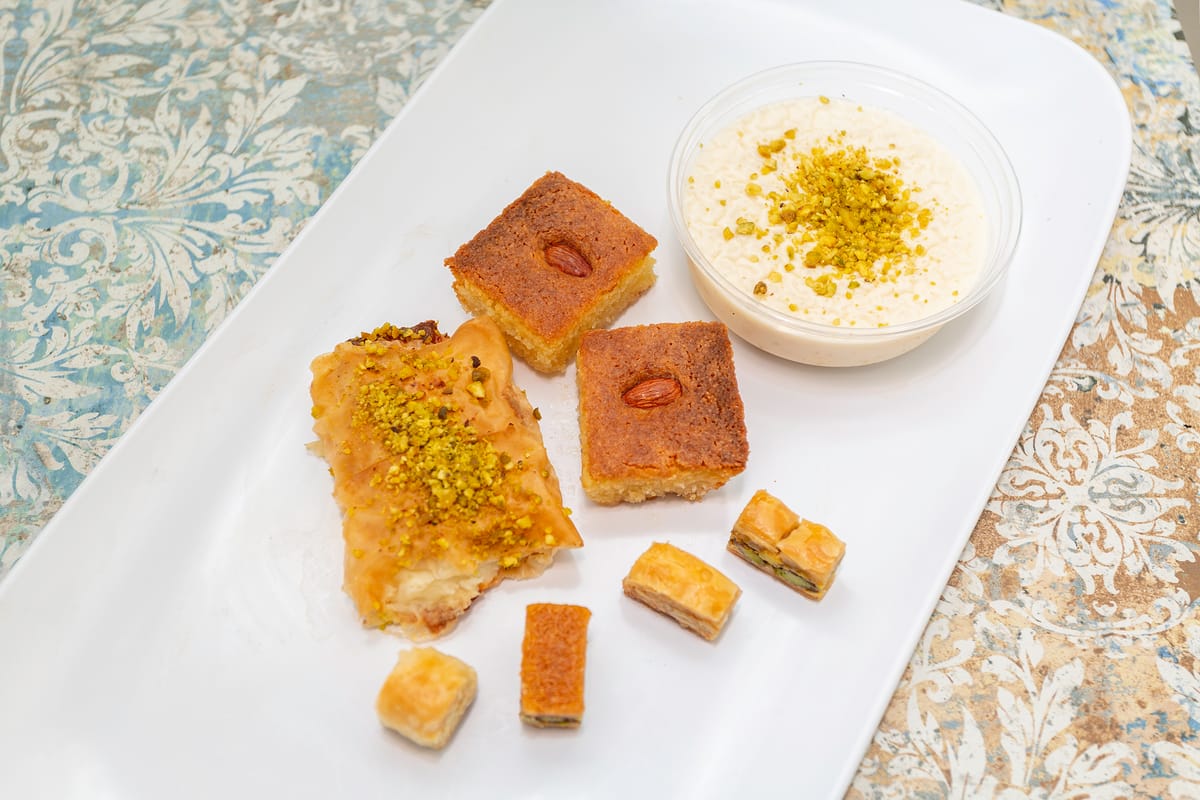
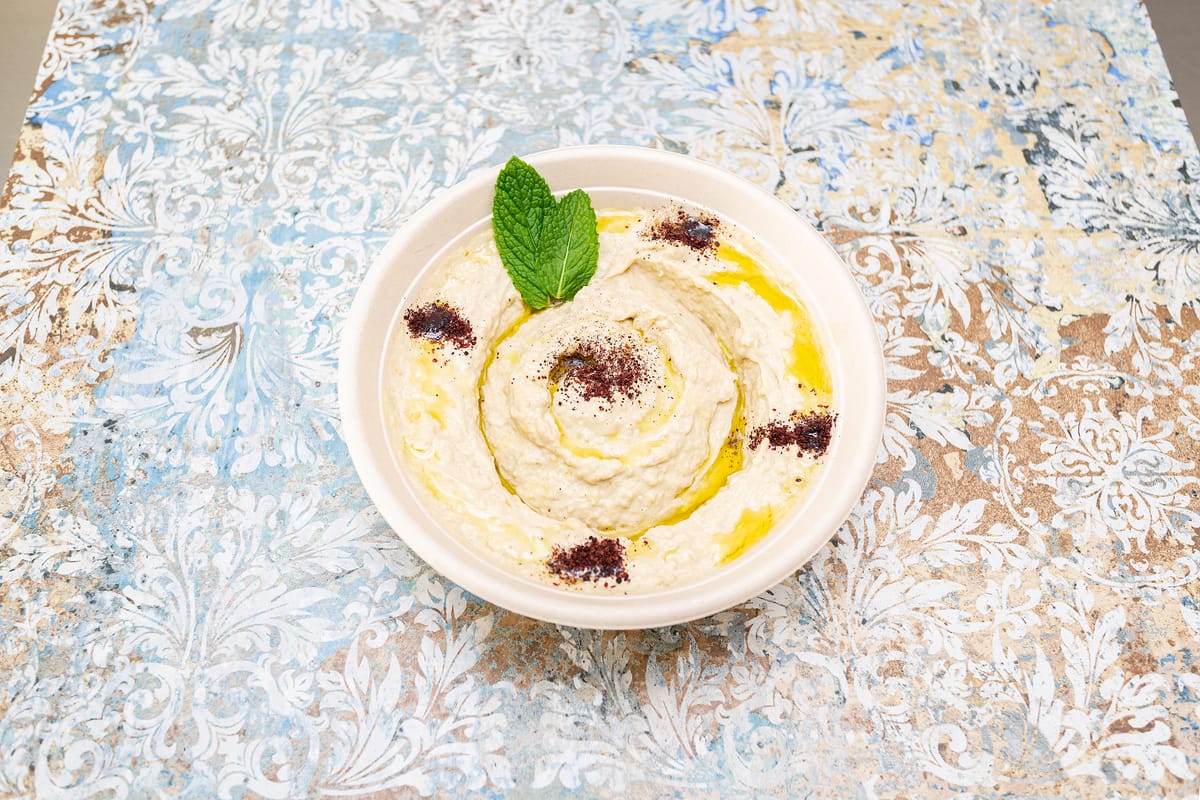
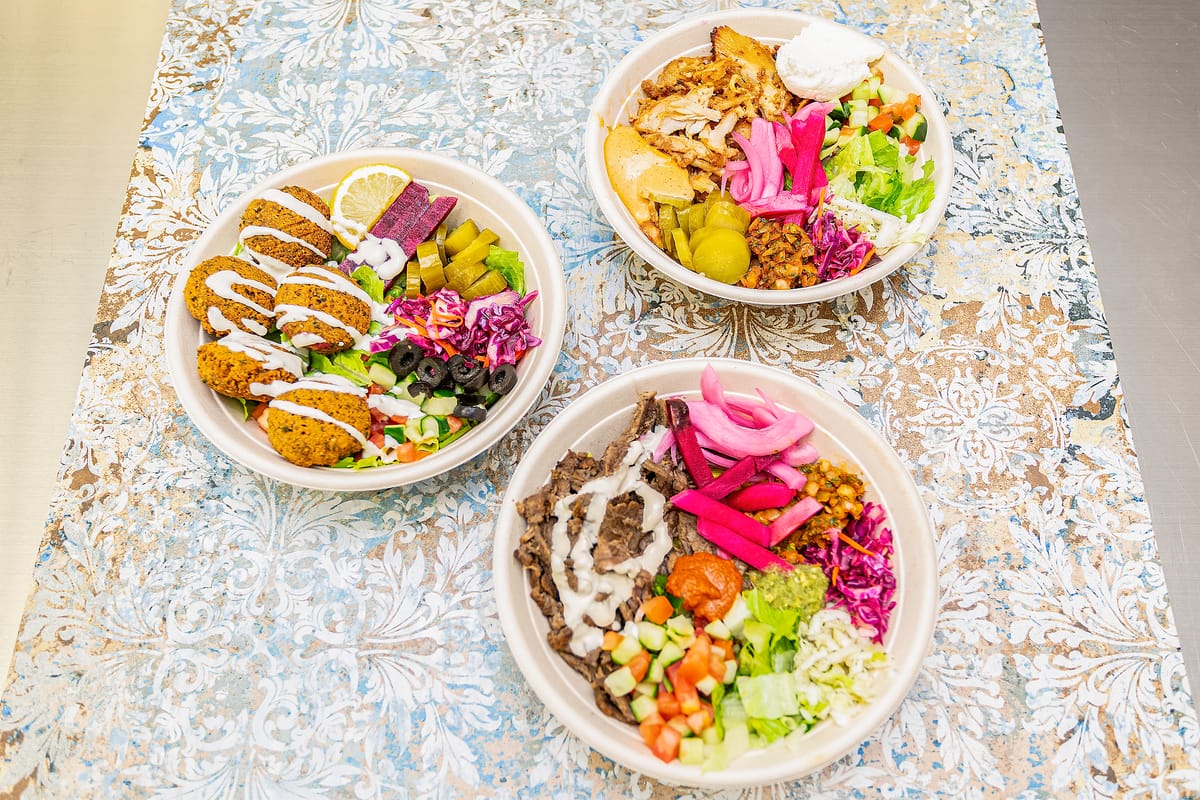
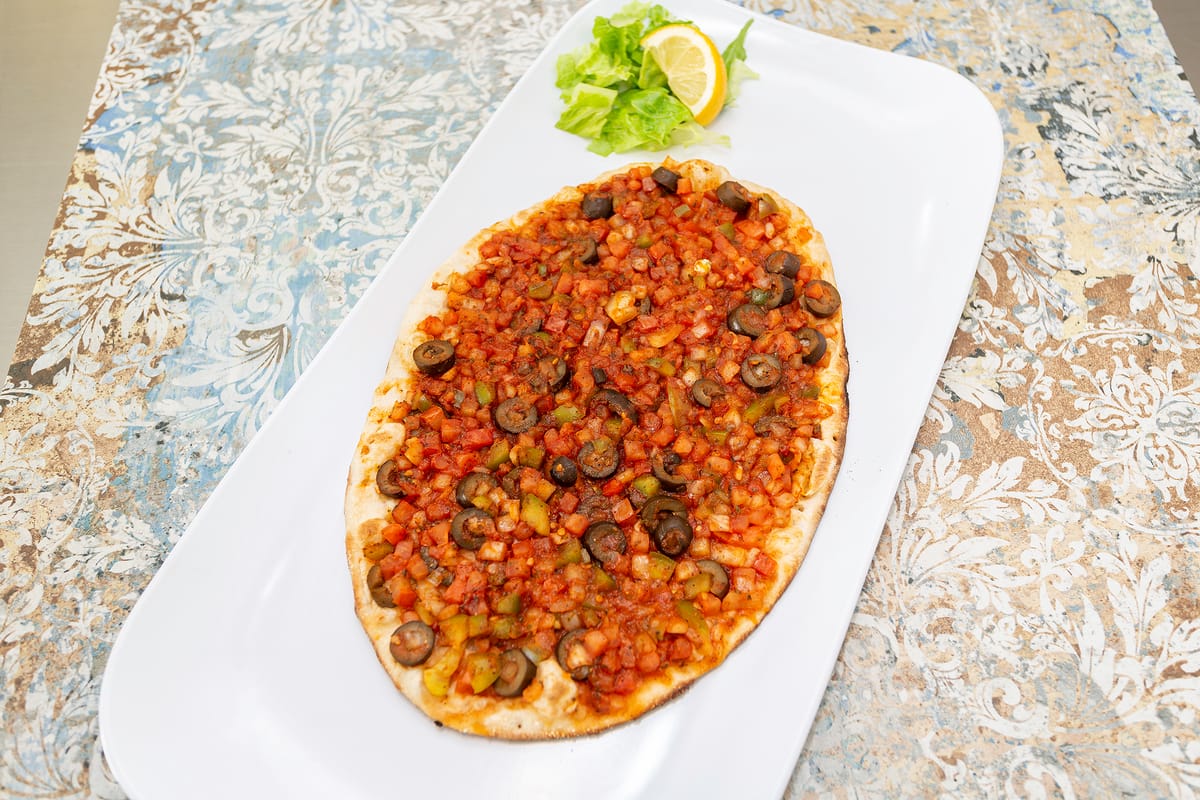
Middle Eastern cuisine encompasses the food traditions of Lebanon, Syria, Palestine, Jordan, Iraq, Egypt, and the broader Arab world. It is characterized by a foundation of fresh ingredients -- olive oil, tahini, chickpeas, lemon, garlic, fresh herbs, and an array of warm spices including cumin, coriander, cardamom, allspice, cinnamon, and sumac. The cooking methods emphasize slow roasting, stone-oven baking, open-flame grilling, and from-scratch preparation of mezze, dips, and bread.
Unlike many Western cuisines that rely heavily on butter, cream, and cheese, Middle Eastern cooking achieves richness through olive oil, tahini, and yogurt. The result is food that is naturally nutrient-dense, often high in protein and fiber, and deeply flavorful without being heavy. This is why Middle Eastern food has gained such widespread popularity in the United States -- it aligns naturally with health-conscious eating while delivering bold, satisfying flavors.