


The History and Tradition of Mediterranean Breakfast
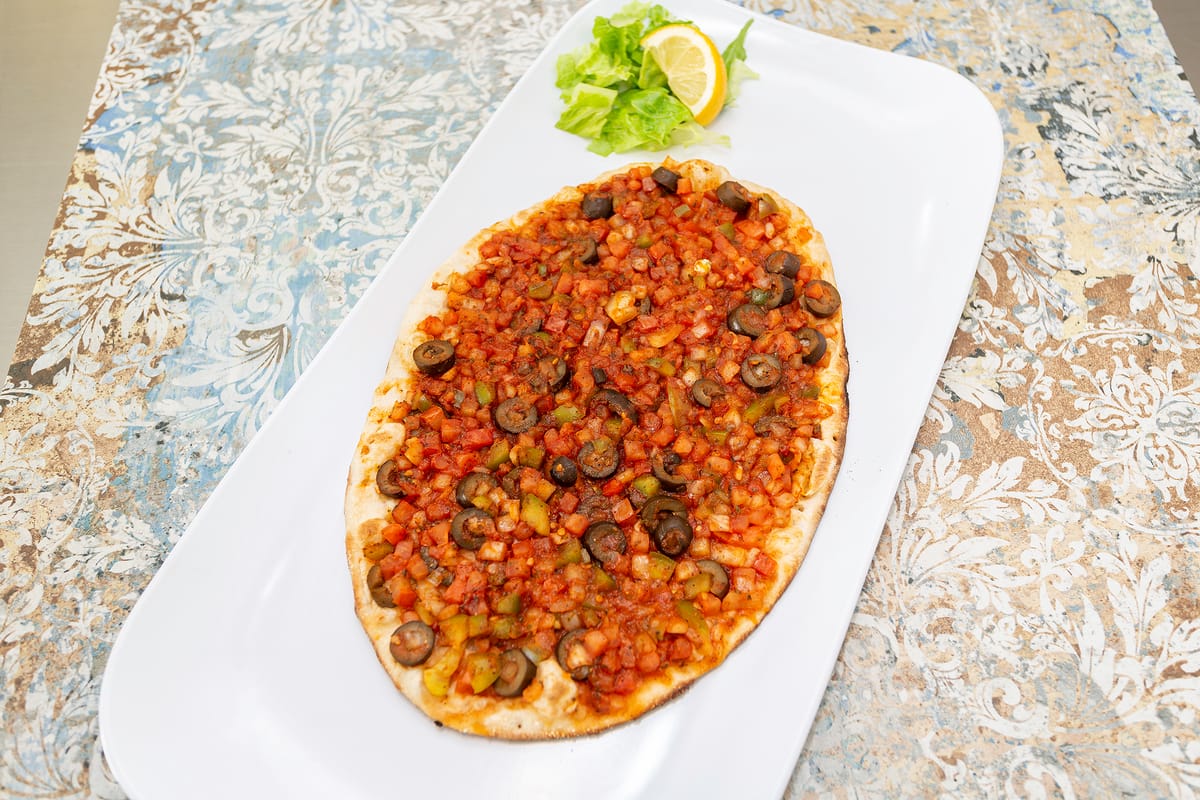
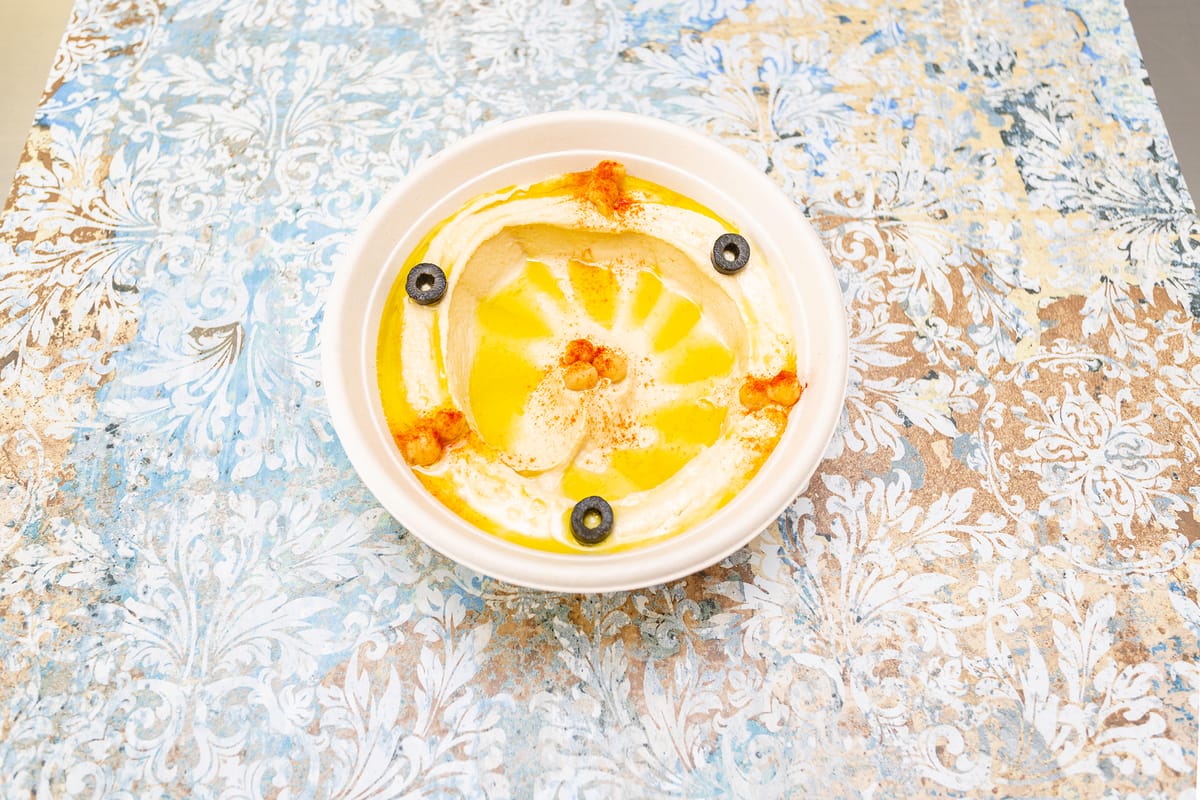
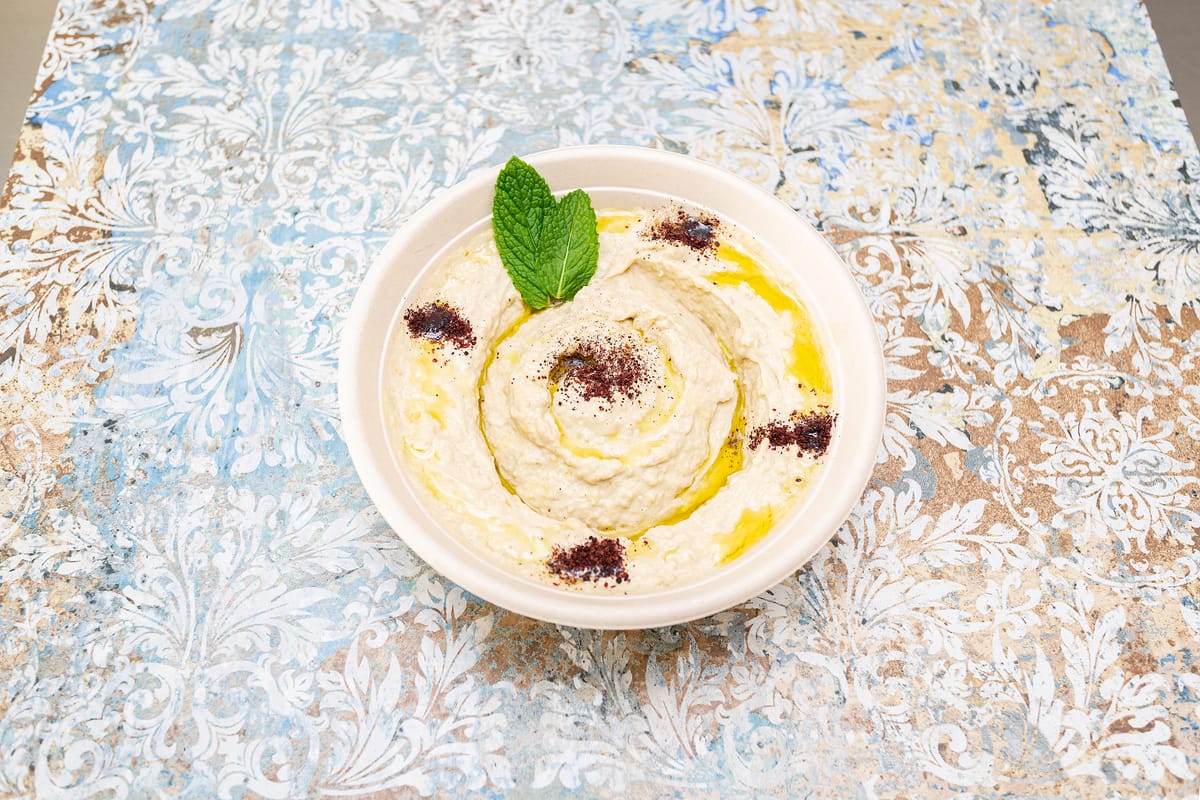
The Mediterranean breakfast tradition stretches back thousands of years across the Levant -- the region encompassing modern-day Lebanon, Syria, Jordan, Palestine, and parts of Turkey and Egypt. Unlike the heavy, protein-dense breakfasts that became standard in Western cultures during the industrial era, the Mediterranean morning meal was built around bread, dairy, and plants. Freshly baked flatbread served as the foundation. Strained yogurt (labneh), hummus, and olive oil provided protein and healthy fats. Seasonal vegetables, herbs, and olives added flavor and nutrition. Tea or fresh juices completed the spread.
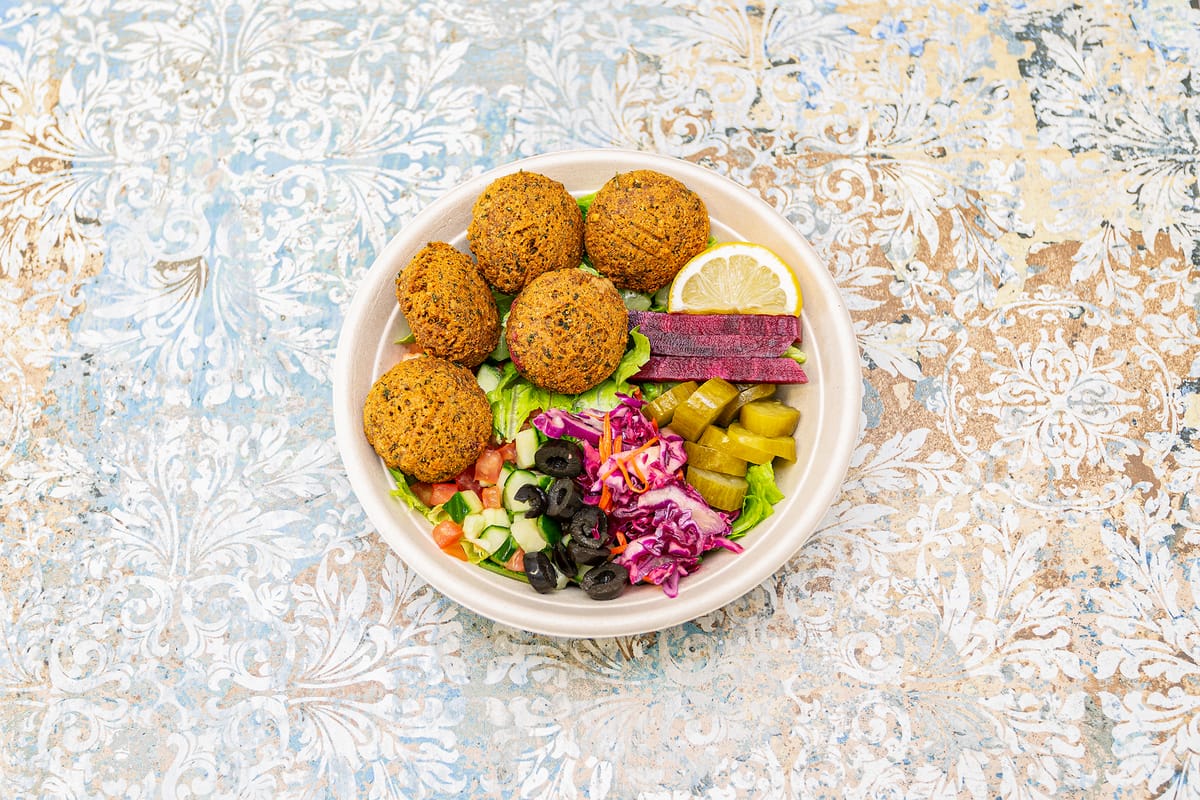
This approach was not born from dietary theory or nutritional science. It emerged from practical agricultural reality: the Levant has been a breadbasket since the earliest civilizations, producing wheat, olives, chickpeas, herbs, and dairy in abundance. The breakfast table reflected what the land provided. Over centuries, this evolved into a sophisticated culinary tradition with regional variations -- za'atar-heavy in Lebanon, falafel-centric in Egypt, olive-oil-drenched in Palestine -- but always anchored in the same fundamental principles: fresh, simple, plant-forward, and communal.
Today, nutritional research has confirmed what Mediterranean cultures knew intuitively: this style of eating is among the healthiest in the world. The Mediterranean diet is associated with lower rates of heart disease, diabetes, and inflammation. The breakfast component -- rich in fiber, probiotics, healthy fats, and antioxidants -- sets the metabolic tone for the entire day. At Taza, we bring this centuries-old tradition to Falls Church with the same ingredients, the same methods, and the same commitment to freshness that defines morning meals across the Levant.